Summary Two fast-track child and family social work training programs have been established in England — Step Up to Social Work and Frontline. Trainees’ financial support is far higher than for mainstream social work degrees. One of the reasons claimed for setting up these programs is addressing retention, although critics (of Frontline) predicted graduates would not stay in social work. A 4-year study assessed retention and reasons for leaving social work. Attrition rates from statutory social work were calculated from responses ( n = 2543) to annual surveys, plus looking up non-respondents in the professional register. Interviews were conducted with fast-track graduates ( n = 80) and employers ( n = 29). Findings The overall rate of social work graduates not in statutory social work at 18 months post-qualification was 12% for fast-track programs, and Higher Education Statistics Agency survey data show attrition at 15 months post-qualification as 18% for all social work routes. Frontline's original national recruitment approach was less successful for retention than Step Up to Social Work's regional approach. Perceived local authority support and intrinsic job satisfaction were associated with attrition in longitudinal bivariate analysis. Fast-track graduates leaving statutory social work typically moved to work in social care (including policy roles), health, or education. Applications Early-career attrition appears to be somewhat lower from fast-track programs than from all social work graduates. Longer-term comparison is not yet possible. In promoting retention, employers should be aware of the importance of staff perceptions of the local authority as supportive, and of their intrinsic job satisfaction.
The generation of high magnetic fields requires materials with high electric conductivity and good strength properties. Cu/Nb composites are considered to be good candidates for this purpose. In this work, we aim to predict, from theory, the dependence of electric conductivity on the microstructure, most notably on the layer thickness and grain sizes. We also conducted experiments to calibrate and validate our simulations. Bimetal interfaces and grain boundaries are confirmed to have the largest impact on conductivity in this composite material. In this approach, a distribution of the layer thickness is accounted for in order to better model the experimentally observed microstructure. Because layer thicknesses below the mean free path of Cu significantly degrade the conductivity, an average layer thickness larger than expected may be needed to meet conductivity requirements in order to minimize these smaller layers in the distribution. We also investigate the effect of variations in volume fraction of Nb and temperature on the material’s conductivity.
of the possibility of compliance with standards which would conform to the US Envionmental Protection Agency's (EPA) Interpretative Ruling of December, 1976. Only under a fortuitous set of regulations and events is it likely that compliance will be demonstrated. If the San Francisco Bay Area or if the vicinity of a proposed site is deemed not a non-attainment area for particulates, or if it is and trade-offs can be obtained through very diligent efforts; if ambient CO standards are being met through futher reduction of automotive pollution; and finally if NO/sub x/ offsets can be obtained through retrofitting existing PG and E facilities - a difficult task according to all parties; if all of these conditions prevail, then PG and E might demonstrate compliance. The Committee notes that it is the Staff's opinion that some of these tasks will be extremely difficult if not impossible to accomplish. The Committee recommends that the Commission approve the NOI and allow PG and E to make the decision whether or not to pursue an AFC. But for its own planning purposes, the Commission would be unwise to count on this poject.
Warm rolling is used to identify whether reductions in dislocation content would provide a significant impact on conductivity in accumulatively roll-bonded Cu-Nb nanolaminates. In addition, the impact of temperature on mechanical properties and interfacial texture is also quantified. Although temperature has a strong effect on dislocation content and mechanical properties, it is shown that length scale and volume fraction are most critical to defining the conductivity of the nanolaminate. Rolling at temperature reduced the flow stress of the material while maintaining the interfacial and layer structure, indicating that warm rolling can increase the ability to process the nanolaminates without reducing conductivity.
Interim findings from a longitudinal study of retention and progression among fast track graduates from Step Up to Social Work and Frontline.
This paper explores the potential contribution of timebanking, an innovative volunteering scheme, to the co-production of preventive social care with adults in England. Interest in volunteering in social care has increased as one proposed solution to the international crisis of a rising demand for services in juxtaposition with decreased resources. Volunteering has been particularly promoted in preventive services that prevent or delay care needs arising. Despite sustained interest in volunteering and co-production in social care, little is known about how theory translates into practice. Reporting implementation data from a Realistic Evaluation of six case studies in England, this paper explores one volunteering scheme, timebanking. The research explores how timebanks were working, what contribution they can make to adult social care, and whether they are an example of co-production. Data collected included interviews, focus groups or open question responses on surveys from 84 timebank members, and semi-structured interviews with 13 timebank staff. Each timebank was visited at least twice, and all timebank activity was analysed for a period of 12 months. Data were triangulated to improve reliability. The research found that in practice, timebanks were not working as described in theory, there were small numbers of person-to-person exchanges and some timebanks had abandoned this exchange model. Timebanks faced significant implementation challenges including managing risk and safeguarding and the associated bureaucracy, a paternalistic professional culture and the complexity of the timebank mechanism which required adequate resources. Lessons for timebanks are identified, as well as transferable lessons about co-production and volunteering in social care if such schemes are to be successful in the future.
This book gives broad and up-to-date results in the research and development of materials characterization and processing. Topics covered include advanced characterization methods, minerals, mechanical properties, coatings, welding, magnetic materials, and electronic materials.
This report presents the status of an effort to investigate welding and joining techniques for microreactor monolith structural materials. Previously reported results have demonstrated the potential to tier weld sub-scale components using electron beam welding. Tier welding has been investigated on larger scale test articles, and results indicate that tier welding is not feasible for larger components due to the penetration depth that is required. Additional techniques to produce full length parts have been examined, including diffusion bonding and gundrilling. Evaluations of these techniques are ongoing, and have shown early success on sub-scale components. These results indicate that while issues still exist for manufacturing microreactor structures, these challenges are better understood and solutions are in development.
BACKGROUND Systematic reviews of quantitative research on the effects of childhood epilepsy have established its association with higher levels of psychiatric diagnosis, externalizing and internalizing problems, lower health-related quality of life, social competence, and poorer academic achievements, compared with their peers. However, much less is known about young people's experiences of living with epilepsy and its impact on their development from their own perspectives. METHODS Semistructured interviews were conducted with 15 young people aged between 13 and 16 years. Participants were recruited as part of a larger mixed methods study examining individual and family influences on outcomes for young people with epilepsy. These young people attended an epilepsy clinic in KK Women's and Children's Hospital, Singapore. The framework approach to data management and analyses involved both inductive and deductive generation of themes. RESULTS Findings from young people's interviews provided in-depth descriptions of stressful circumstances encountered. Interconnectedness between severity of the impairment and its impact on key developmental tasks, such as independence, autonomy, and social development, were emphasized. Seizures and illness-related demands disrupted their day-to-day functioning and challenged their abilities to meet these tasks. In addition to these impairment effects, young people's experiences of social exclusion were also affected by social and environmental factors, which act as systemic barriers to participation. In turn, this has an effect on their self-esteem. Nevertheless, young people reported positive experiences, such as support from both family and friends, which served as protective factors against the stress of living with a chronic medical condition. CONCLUSION The demands of epilepsy affect various domains of young people's lives. In order to obtain a holistic understanding of young people's inclusion or exclusion to participation, it is necessary to consider impairment effects, barriers to doing, and barriers to being.
Amid considerable interest in the experiences of early career professionals in social work in England and internationally, and the relationship between these and retention and progression, this article reports on the findings of one element of a larger evaluation. It reports the findings and analysis of interviews with 42 relative newcomers to social work, some 3 years following qualification, focusing on their current career orientations, and how these appear to affect their future intentions. We identified three distinct groups, designated as “strivers,” “doers,” and “seekers.” Each of these groups demonstrated a different kind and level of commitment to their social work role and identity: Strivers were oriented towards career progression and taking on senior roles; doers were committed practitioners who saw themselves as continuing in front line service delivery for the foreseeable future; and seekers, although still committed to social work in principle, tended to be more unsure about their future place in the profession. This typology appears to be reasonably robust on the basis of our investigation and has implications for career planning and supervision of social work professionals, especially at the early stages of their careers.
In order for metallic additive manufacturing (AM) to find application in industrial production environments, methods for quality control need to be developed. Presently, even precisely calibrated process parameters cannot prevent the stochastic occurrence of defects resulting from elements in the AM process which are difficult to control. This study utilizes low framerate (10 Hz) pyrometry to record in situ temperature measurements of the molten pool and surrounding substrate in LENSTM AM. The data is statistically analyzed in search of anomalous behavior which is compared to the actual population of voids and inclusions found using Xray Computed Tomography. This statistical analysis technique was able to identify volumetric defects as small as 40 mu m in diameter aswell as inclusions such as powder contamination. This study shows that the thermal analysis parameters can be tuned specifically for detecting different anomalies in the build.
Disability is often portrayed as a one-dimensional category devoid of further intersections. Work which has addressed the intersection of disability and male gender has rarely considered different types of disability or impairment, or foregrounded the experiences of disabled men themselves. This article is based on empirical work carried out in England with men who have Duchenne muscular dystrophy (DMD). We explored with participants their sense of themselves as men and their commonalities and differences with other men. Findings suggest that men with DMD claim, reject and redefine what it meant to them to be men. Doing gender was often heavily reliant on the availability and permission of others. Our study highlights the usefulness of exploring gender with men with particular experiences of disability and of looking at how this might change over a life course, especially when the nature and extent of the life course is a precarious one.
Key messages• Research has demonstrated that good supervision is associated with job satisfaction, commitment to the organisation and retention.• Supervision appears to help reduce staff turnover and is significantly linked to employees' perceptions of the support they receive from the organisation.• Good supervision is correlated with perceived worker effectiveness.There is some evidence that group supervision can increase critical thinking.• Supervision works best when it pays attention to task assistance, social and emotional support and that workers have a positive relationship with supervisors.• The emotionally charged nature of the work can place particular demands on people in the field.It is important to provide opportunities for reflective supervision.• In an inter-professional context, workers relate job satisfaction and professional development to their supervisor's expert knowledge, regardless of whether respondents shared the same professional background.• The impact of supervision on outcomes for service users and carers has rarely been investigated.Anecdotal evidence suggests that supervision may promote empowerment, fewer complaints and more positive feedback.• Overall, the empirical basis for supervision in social work and social care in the UK is weak.Most of the evidence is correlational and derives from child welfare services in the US.
A two-color pyrometer is aligned co-axially to the laser inside a Laser Engineered Net Shaping machine to gather thermal data during a single layer two-pass deposit. Several molten pool metrics are calculated from the pyrometer data, and anomalies in the data are used to flag potential defect locations. The depositions are scanned using x-ray Computed Tomography (XCT) with a 4.13 micron voxel, and void size and location are recorded. XCT void data is then compared to the thermal analysis to determine the efficacy of the anomaly detection technique. In this build, four voids > 40 microns in diameter were found with XCT. Three defects appeared in the interfacial region between the deposit and substrate and produced signatures that were detected by analyzing the in-situ pyrometer data.
This study utilizes in situ thermal imaging to monitor the melt pool during a LENS additive manufacturing (AM) process. A software tool is created which gathers metrics for each frame and summarizes them over every build. Plotted metrics allow a user to visually inspect the data, but the software tool also automatically identifies anomalies and flags them for further review. Anomalies are then correlated to physical locations in the build which are inspected for defects. This type of process monitoring could lead to fast detection of defects during a build, thus increasing the confidence in production quality and eliminating the acceptance of parts with abnormalities. An anomalous event was identified by the software tool and investigated with X-ray computed tomography. Defects were observed in the location identified by the software tool.
 Rachel Forrester-Jones合作论文数Tizard Centre, University of Kent at Canterbury34
 Jennifer Beecham合作论文数Personal Social Serv Res Unit, Univ Kent32
 Martin Knapp合作论文数Department of Health Policy, London School of Economics and Political Science30
 Irene J. Beyerlein合作论文数Department of Mechanical Engineering, College of Engineering, University of California, Santa Barbara27Demi Patsios合作论文数27
 Nathan A. Mara合作论文数Chemical Engineering and Material Science Department, University of California27P Cambridge合作论文数23
 David A. Wooff合作论文数Department of Mathematical Sciences;University of Durham;Department of Mathematical Sciences, University of Durham20A Tate合作论文数17
 Shijian Zheng (郑士建)合作论文数School of Materials Science and Engineering, Hebei University of Technology15Angela Hallam合作论文数15
 Barbra Teater合作论文数University of Bath15Alison Tate合作论文数15A Hallam合作论文数14Donald Forrester合作论文数14
 John Devaney合作论文数14Paul Cambridge合作论文数14Simon Hackett合作论文数13R. J. Mccabe合作论文数Materials Science and Technology Division, Oak Ridge, USA13julie billsborough合作论文数12doyo gragn enki合作论文数12ruth chandler合作论文数12
 Daryl Sweet合作论文数12
 Cath Quinn合作论文数12
 Richard Byng合作论文数Grange Cottage12
 Vanessa Pinfold合作论文数Institute of Psychiatry, Kings College London12
 Peter Huxley合作论文数Centre for Mental Health and Society, Bangor University11Eszter Szilassy合作论文数11Pauline Coolen-Schrijner合作论文数Dept of Mathematical Sciences;Durham University11Jonathan Scourfield合作论文数10
 Martin Webber合作论文数Dept Social Policy & Social Work, Univ York10
 Weizhong Han (韩卫忠)合作论文数School of Materials Science and Engineering, Xi'an Jiaotong University10
 Steven Shardlow合作论文数10Helen Scholar合作论文数School of Health and Society, University of Salford9Abbott David合作论文数9
 Claire Dickinson合作论文数9
 Marsha Wood合作论文数9I. Porter合作论文数8
 James Blewett合作论文数8Andy Treacher合作论文数8Kirsten Stalker合作论文数8
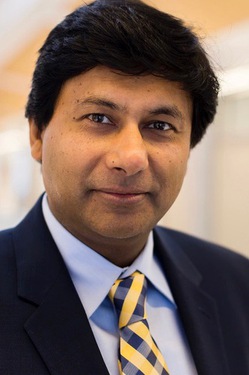 Amit Misra合作论文数Michigan Materials Research Institute, University of Michigan7Griffiths J C合作论文数7
 Jian Wang (王健)合作论文数Department of Mechanical & Materials Engineering, College of Engineering, University of Nebraska–Lincoln7carole haines合作论文数6carmen wong合作论文数6Justine Schneider合作论文数6john larsen合作论文数6Hilary Burgess合作论文数6




