Independent medical review is an important, underused source of data to illuminate the insurance coverage landscape. During the period 2019-23, almost one-half of health plan coverage denials that were appealed to independent medical review in four states were overturned. One-third of cancer genetic testing denials were overturned, with variation by state, cancer, and test.
BackgroundThe Supreme Court's decision in Students for Fair Admissions, Inc., v. Harvard College is likely to result in the matriculation of fewer students from historically excluded racial/ethnic groups at more selective colleges and universities and matriculation of more students at less selective colleges and universities. Because of this, it is important to understand how resources for pre-health advising, a modifiable factor that can help increase the diversity of the health workforce, vary across institutions with differing levels of selectivity. Colleges are known to vary in resources, structure, and investment in pre-health advising but data are lacking and there is no estimate of any pre-health advising resource gap.PurposeTo quantify availability of advising resources and identify perceived challenges in pre-health advising in California's highly diverse public and select private undergraduate institutions.MethodsStructured 60-minute Zoom interviews from June 2022 -October 2022 at 18/23 CSU (California State Universities), 9/9 University of California (UC) institutions and 6 select private institutions with varying levels of selectivity. Two investigators independently analyzed interviews using a Grounded Theory Approach. The full study team reviewed transcripts and themes.Key resultsPre-health advisor capacity varied greatly across the three types of institutions. CSU: mean = 1 FTE advisor: 24,620 graduates (range: 1: 1,059-1: 150,520); UC mean = 1 FTE advisor: 4,526 graduates (range: 1: 1,912-1: 10,920); private institutions mean = 1 FTE advisor:1,794 graduates (range: 1: 722-1: 5,300). Participants reported common challenges: advising capacity, lack of advisor training, advisor turnover, and student difficulties in accessing clinical opportunities and required coursework. CSU and UC participants noted that these had greatest impact for first generation and racially/ethnically underrepresented students for whom lack of informal professional networks, lack of other mentors, and financial responsibilities complicate college navigation and professional school application.ConclusionsStudents at CSU campuses had 5 times less access to pre-health advising per graduate than UC students, and 13 times less than students at private institutions. Much greater investment is needed in California's public institutions, particularly CSUs, to increase equity in access to advising for pre-health professional students. Research should examine pre-health advising resource capacity in other states, especially those that are now facing race-neutral admissions policies at undergraduate institutions and health professions schools.
This Viewpoint discusses laws mandating insurance coverage of biomarker testing to broaden access to care for patients with cancer.
In October of 2021, California enacted SB 428, the ACEs Equity Act, which mandates commercial insurance coverage of adverse childhood experiences (ACEs) screening in addition to ACEs screening already covered for the state's Medicaid enrollees. California is the first state to expand ACEs screening coverage, but it is possible other states may follow similar paths given the increasing interest in policy action to address ACEs. Increase in stress and trauma among Americans and evidence of the disproportionate impact ACEs have on historically marginalized and disadvantaged communities has increased the urgency with which policy makers, clinicians and researchers have sought to address ACEs and encourage trauma-informed care delivery to better meet the needs of patients. Family practice and other primary care providers are at the core of prevention and are arguably the largest group of stakeholders at the forefront of movements toward increasing ACEs screenings. However, debate persists among policy makers, clinicians, and researchers on whether the ACEs screening approach improves outcomes and avoids harms. In this health policy article, we describe key issues under debate with regards to ACEs screening and estimate potential change in screening utilization and expenditures due to the new ACEs legislation in California. The lessons being learned in California are applicable to other states and the US as a whole.
Research ObjectiveHistorically, ambulances have only transported patients to emergency departments (EDs). By 2017, at least 64 ambulance providers across the United States were transporting patients to facilities other than EDs, including outpatient mental health crisis centers, urgent care centers, and physician offices. In 2020, Medicare’s new Emergency Triage, Treat, and Transport Model will reimburse ambulance providers for transporting patients to alternative destinations. This study analyzed data from four ambulance providers in California to assess whether paramedics can accurately identify patients who can be treated safely in a mental health crisis center without first being transported to an ED for medical clearance.Study DesignData regarding transports to mental health crisis centers in the four communities were collected as part of an evaluation of 20 pilot projects in California that are testing multiple concepts for utilizing paramedics outside their traditional roles. All four projects have trained paramedics to implement a screening protocol to determine whether patients with mental health needs could be treated safely in a crisis center. Patients whose vital signs are within the parameters of the protocol and do not have symptoms of injury or physical illness are offered transport to a crisis center instead of an ED.Pilot projects used a standardized data collection tool to report data regarding the numbers of patients enrolled, the numbers transported to an ED within six hours of admission to a crisis center, reasons for ED transports, and the disposition of patients transported to an ED. Descriptive statistics were tabulated.Population Studied911 calls involving people with suspected mental illness.Principal FindingsThe four projects transported 3,087 patients to a mental health crisis center between September 2015 and September 2019. In all four communities, the majority of patients were uninsured or enrolled in Medicaid. Crisis centers accepted almost all patients transported to them, with rare exceptions related to resources (eg, not able to dispense methadone) and patient insurance type. Across all four projects, 65 patients (2%) were transported to an ED within six hours of admission to a crisis center. Patients were transported to an ED for a range of reasons including elevated vital signs, pain, seizure, urinary incontinence, and alcohol withdrawal. Among the 65 patients transported to an ED, 38 were treated in an ED and released, 21 were treated and transferred back to the crisis center or to an inpatient psychiatric facility, and 6 (0.2% of all patients) were admitted to a hospital for inpatient medical care.ConclusionsThe experience of California’s four pilot projects suggests that paramedics can apply a protocol to identify patients with suspected mental illness who can be treated safely in a mental health crisis center instead of an ED. Patients were rarely transported to an ED, and ED visits rarely resulted in an inpatient admission.Implications for Policy or PracticeTransporting patients experiencing a mental health crisis directly to a crisis center enables them to obtain mental health services more quickly and in a calmer, less costly environment than an ED and can help reduce ED overcrowding. States should consider requiring payers to reimburse ambulance providers for these transports.Primary Funding SourceCalifornia Health Care Foundation.
Nonadherence to medications is costly and improving adherence is difficult, requiring multifactorial solutions, including policy solutions. The purpose of this study is to evaluate the effect of one policy strategy on medication adherence. Specifically, we examine the effect on adherence of expanding scope-of-practice regulations for nurse practitioners (NPs) to practice and prescribe without physician supervision. We conducted three difference-in-difference multivariable analyses of commercial insurance claims. Patients who filled at least two prescriptions in one of three chronic therapeutic medications: anti-diabetics (n = 514,255), renin angiotensin system antagonists (RASA) (n = 1,679,957), and anti-lipidemics (n = 1,613,692). Medication adherence was measured as the proportion of days covered (PDC). We used one continuous (PDC 0–1) and one binary outcome (PDC of > .8), the latter indicating good adherence. Patients taking anti-diabetic medications had a 1.9 percentage point higher medication adherence rate (p < 0.05) and a 2.7 percentage point higher probability of good adherence (p < 0.001) in states that expanded NP scope-of-practice. Medication adherence for patients taking RASA was higher by 2.3 percentage points (p < 0.001) and 3.4 percentage points (p < 0.01) for both measures, respectively. Patients taking anti-lipidemics saw a smaller, but statistically insignificant, improvement in adherence. Results indicate that scope-of-practice regulations that allow NPs to practice and prescribe without physician oversight are associated with improved medication adherence. We postulate that the mechanism for this effect is increased access to health care services, which in turn increases access to prescriptions. Our results suggest that policies allowing NPs to maximally use their skills can be beneficial to patients.
Purpose: The population with limited English proficiency (LEP) in California is growing. We sought to determine whether enough primary care physicians (PCPs) have the language skills to meet patient needs. Methods: The authors determined the number of PCPs who self-report proficiency in the five most common non-English languages spoken in California (Spanish, Cantonese, Mandarin, Tagalog, and Vietnamese) using Medical Board of California data from 2013 to 2015. The authors estimated LEP populations during 2011-2015 using Census data. They calculated PCP supply (the ratio of PCPs/100,000 LEP individuals) compared to a federal standard to judge adequacy. They performed a sensitivity analysis adjusting the percentage of LEP patients in a bilingual physicians' practice from 100% to the percentage of LEP individuals in California who spoke that language. Results: Of 19,310 PCPs in California, 15,933 (83%) provided information about languages they speak. There were 5,203 (33%) Spanish-, 486 (3%) Cantonese-, 986 (6%) Mandarin-, 956 (6%) Tagalog-, and 671 (4%) Vietnamese-speaking PCPs. PCP supply, compared to a federal standard, was adequate if we assumed that bilingual PCPs only care for LEP patients. However, if one assumes the number of LEP patients in a PCP's practice reflects the percentage in the general population, there is a large PCP undersupply for all languages. Conclusion: Estimates of access to language-concordant PCPs for LEP individuals are sensitive to assumptions about the percentage of LEP patients in a PCP's panel. Ensuring language-concordant access will require deliberate effort to match LEP patients with bilingual PCPs.
Policy makers and practitioners show a continued interest in telehealth's potential to increase efficiency and reach patients facing access barriers. However, telehealth encompasses many applications for varied conditions and populations. It is therefore difficult to draw broad conclusions about telehealth's efficacy. This rapid review examines recent evidence both about telehealth's efficacy by clinical area and about telehealth's impact on utilization. We searched for systematic reviews and meta-analyses of the use of telehealth services by patients of any age for any condition published in English in the period January 2004-May 2018. Twenty systematic reviews and associated meta-analyses are included in this review, covering clinical areas such as mental health and rehabilitation. Broadly, telehealth interventions appear generally equivalent to in-person care. However, telehealth's impact on the use of other services is unclear. Many factors should be carefully considered when weighing the evidence of telehealth's efficacy, including modality, evidence quality, population demographics, and point-in-time measurement of outcomes.
OBJECTIVE:Research evidence offers mixed results regarding the relationship between early child care attendance and childhood asthma and wheezing. A meta-analysis was conducted to synthesize the current research evidence of the association between early child care attendance and the risk of childhood asthma and wheezing. METHOD:Peer reviewed studies published from 1964-January 2017 were identified in MEDLINE, CINAL, and EMBASE using MeSH headings relevant to child care and asthma. Two investigators independently reviewed the selected articles from this search. All relevant articles that met our inclusion criteria were selected for further analysis. Data were extracted from studies that had sufficient data to analyze the odds of asthma or wheezing among children who attended child care. RESULTS:The meta-analysis of 32 studies found that (1) early child care attendance is protective against asthma in children 3-5 years of age but not for children with asthma 6 years of age or older. (2) Early child care attendance increases the risk of wheezing among children 2 years of age or younger, but not the risk of wheezing for children over 2 years of age. CONCLUSIONS:This meta-analysis shows that early child care attendance is not significantly associated with the risk of asthma or wheeze in children 6 years of age or older.
OBJECTIVE To compare physicians' self-reported willingness to provide new patient appointments with the experience of research assistants posing as either a Medicaid beneficiary or privately insured person seeking a new patient appointment. DATA SOURCES/STUDY SETTING Survey administered to California physicians and telephone calls placed to a subsample of respondents. STUDY DESIGN Cross-sectional comparison. DATA COLLECTION/EXTRACTION METHODS All physicians whose California licenses were due for renewal in June or July 2013 were mailed a survey, which included questions about acceptance of new Medicaid and new privately insured patients. Subsequently, research assistants using a script called the practices of a stratified random sample of 209 primary care physician respondents in an attempt to obtain a new patient appointment. By design, half of the physicians selected for the telephone validation reported on the survey that they accepted new Medicaid patients and half indicated that they did not. PRINCIPAL FINDINGS The percentage of callers posing as Medicaid patients who could schedule new patient appointments was 18 percentage points lower than the percentage of physicians who self-reported on the survey that they accept new Medicaid patients. Callers were also less likely to obtain appointments when they posed as patients with private insurance. CONCLUSIONS Physicians overestimate the extent to which their practices are accepting new patients, regardless of insurance status.
A looming question for policy makers is how growing diversity of the US elderly population and greater use of home and community-based services will affect demand for long-term care workers. We used national surveys to analyze current use and staffing of long-term care, project demand for long-term care services and workers through 2030, and assess how projections varied if we changed assumptions about utilization patterns. If current trends continue, the occupations anticipated to grow the most over the period are counselors and social workers (94 percent), community and social services workers (93 percent), and home health and personal care aides (88 percent). Alternative projections were computed for scenarios that assumed changing racial and ethnic patterns of long-term care use or shifts toward noninstitutional care. For instance, if Hispanics used services at the same rate as non-Hispanic blacks, the projected demand for long-term care workers would be 5 percent higher than if current trends continued. If 20 percent of nursing home care were shifted to home health services, total employment growth would be about 12 percent lower. Demographic and utilization changes would have little effect on projections of robust long-term care employment growth between now and 2030. Policy makers and educators should redouble efforts to create and sustainably fund programs to recruit, train, and retain long-term care workers.
ObjectivesTo characterize availability of electronic health records (EHRs) at the primary practice locations of certified nurse midwives (CNMs), nurse practitioners (NPs), and physicians in California prior to the implementation of the state's Medicaid EHR incentive program.Study Design and MethodsCross-sectional mail surveys of samples of CNMs, NPs, and physicians who have active California licenses and reside in California.Descriptive statistics were calculated and multivariate regression analyses were estimated to identify characteristics associated with having an EHR. The following practice characteristics were included in the multivariate model: payer mix (% Medicaid), practice setting (hospital vs outpatient), and practice size. Variables for practitioner's age, sex, and practice location were also included.ResultsFor both CNMs/NPs and physicians, practice size was the strongest predictor of EHR availability. Practicing in a large or mid-sized group was associated with higher odds of having a basic EHR or an advanced EHR. Having a high percentage of Medicaid patients was associated with lower odds of having an advanced EHR. Among physicians, but not CNMs/NPs, hospital-based practice was associated with higher odds of having an advanced EHR; being over age 45 years was associated with lower odds of having any EHR.ConclusionsThe results suggest that prior to the launch of California's Medicaid EHR incentive program, similar characteristics predicted EHR availability among both CNMs/NPs and physicians, and that availability was concentrated among large practices with fewer Medicaid patients. Future studies should assess whether Medicaid and Medicare incentive payments attenuate these relationships.
Through coverage expansion, the Patient Protection and Affordable Care Act (ACA) is expected to reduce a major barrier to health care access, the cost of care. However, the law does not ensure that an adequate number of physicians are available and willing to accept a patient’s form of coverage.
Objective: One of the most common reasons for medication non-adherence for asthma patients is forgetfulness. Daily medication reminder system interventions in the form of text messages, automated phone calls and audiovisual reminder devices can potentially address this problem. The aim of this review was to assess the effectiveness of reminder systems on patient daily asthma medication adherence. Methods: We conducted a systematic review of the literature to identify randomized controlled trials (RCTs) which assessed the effect of reminder systems on daily asthma medication adherence. We searched all English-language articles in Pub Med (MEDLINE), CINAHL, EMBASE, PsychINFO and the Cochrane Library through May 2013. We abstracted data on the year of study publication, location, inclusion and exclusion criteria, patient characteristics, reminder system characteristics, effect on patient adherence rate and other outcomes measured. Descriptive statistics were used to summarize the characteristics and results of the studies. Results: Five RCTs and one pragmatic RCT were included in the analysis. Median follow-up time was 16 weeks. All of the six studies suggested that the reminder system intervention was associated with greater levels of participant asthma medication adherence compared to those participants in the control group. None of the studies documented a change in asthma-related quality of life or clinical asthma outcomes. Conclusion: All studies in our analysis suggest that reminder systems increase patient medication adherence, but none documented improved clinical outcomes. Further studies with longer intervention durations are needed to assess effects on clinical outcomes, as well as the sustainability of effects on patient adherence.
 Spetz Joanne合作论文数9Michael D Cabana合作论文数8
 Kevin Grumbach合作论文数Department of Family and Community Medicine,University of California,San Francisco7
 Andrew Bindman合作论文数School of Medicine, University of California, San Francisco7Fix Margaret合作论文数4Nadja Blick合作论文数4Michael Ash合作论文数Department of Economics, University of Massachusetts Amherst;Amherst3
 Minal R. Patel合作论文数Department of Health Behavior and Health Education, School of Public Health, University of Michigan-Ann Arbor3Maria E Garcia合作论文数3
 Kathryn A. Phillips合作论文数Department of Clinical Pharmacy, School of Pharmacy, University of California San Francisco3
 Ed Yelin合作论文数Institute for Health Policy Studies, University of California, San Francisco;Department of Medicine, School of Medicine, University of California, San Francisco3Grace A. Lin合作论文数3J A Seago合作论文数2
 John Q Young合作论文数2Francine Rios-Fetchko合作论文数2Mariam Carson合作论文数2
 Garen Corbett合作论文数2
 Joan R. Bloom合作论文数School of Public Health, University of California, Berkeley2Bekmezian Arpi合作论文数2
 Noreen M. Clark合作论文数School of Public Health, University of Michigan;Center for Managing Chronic Disease, University of Michigan2
 Alicia Fernandez合作论文数Department of Medicine, School of Medicine, University of California San Francisco;Zuckerberg San Francisco General Hospital2
 Jean Ann Seago合作论文数2Edward H. O'Neil合作论文数2
 Manuel Tapia合作论文数Facultad de Psicología, Universidad Autónoma de Madrid2Karen Vranizan合作论文数2K. Sumino合作论文数1Catherine Dower合作论文数1Chelsea Anne Young合作论文数1Marykate Miller合作论文数1Jenny K Hyun合作论文数1Nancy Tran合作论文数1Alicia Swartz合作论文数1Lorella Palazzo合作论文数1Philip R. Lee合作论文数1Eddie Cruz合作论文数1Yifei Ma合作论文数1Christine Cho合作论文数1Erin Shigekawa合作论文数1
 Denis Hulett合作论文数1
 Ulrike Muench合作论文数Dept Social & Behav Sci, Univ Calif San Francisco1Anne Morris合作论文数1Megumi J Okumura合作论文数1
 Gerald Kominski合作论文数Department of Health Policy and Management Faculty, Fielding School of Public Health, University of California, Los Angeles1
 Richard M. Scheffler合作论文数Department of Health Economics and Public Policy, School of Public Health, University of California, Berkeley;Goldman School of Public Policy, University of California, Berkeley1
 Ayana Jordan合作论文数Department of Psychiatry, Yale School of Medicine, Yale University1
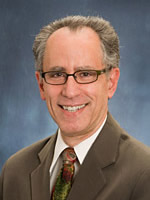 Harold S. Luft合作论文数Department of Health Policy and Health Economics, Philip R. Lee Institute for Health Policy Studies at the University of California, San Francisco;Palo Alto Medical Foundation Research Institute1
 Roby Dylan H合作论文数College Pk, Univ Maryland1




