Short duration heat acclimation (HA) (≤5 daily heat exposures) elicits incomplete adaptation compared with longer interventions, possibly due to the lower accumulated thermal "dose." It is unknown if matching thermal "dose" over a shorter timescale elicits comparable adaptation to a longer intervention. Using a parallel-groups design, we compared: 1) "condensed" HA (CHA; n = 17 males) consisting of 4 × 75 min·day-1 heat exposures [target rectal temperature (Trec) = 38.5 °C] for two consecutive days, with 2) "traditional" HA (THA; n = 15 males) consisting of 1 × 75 min·day-1 heat exposure (target Trec = 38.5°C) for eight consecutive days. Physiological responses to exercise heat stress, hypoxia, and normoxic exercise performance were evaluated pre- and postintervention. Thermal (Trec over final 45 min: CHA = 38.45 ± 0.17°C, THA = 38.53 ± 0.13°C, P = 0.126) and cardiovascular strain were not different during interventions, indicating similar thermal "dose," although CHA had lower sweating rate, higher starting Trec, and greater inflammation, gastrointestinal permeability, and renal stress (P < 0.05). However, CHA elicited an array of thermophysiological adaptations that did not differ from THA [reduced indices of peak thermal (e.g., Δ peak Trec CHA = -0.28 ± 0.26°C, THA = -0.36 ± 0.17°C, P = 0.303) and cardiovascular strain, inflammation, and renal stress; blood and plasma volume expansion; improved perceptual indices], although improvements in resting thermal strain (e.g., Δ resting Trec CHA = -0.14 ± 0.21°C, THA = -0.35 ± 0.29°C, P = 0.027) and sweating rate were less with CHA. Both interventions improved aspects of hypoxic tolerance, but effects on temperate normoxic exercise indices were limited. The diminished thermal strain was well-maintained over a 22-day decay period. In conclusion, CHA could represent a viable acclimation option for time-restricted young healthy males preparing for a hot, and possibly high-altitude, environment.NEW & NOTEWORTHY This study has shown, for the first time, that a novel condensed heat acclimation program can elicit an array of thermophysiological adaptations, many of which do not differ from traditional heat acclimation. These findings suggest that accumulated thermal "dose" is an important factor contributing to the adaptive responses to heat stress and that condensed heat acclimation may represent a viable option for time-restricted individuals (e.g., military personnel, firefighters, and athletes) preparing to enter a hot environment.
BACKGROUND:People with cystic fibrosis (pwCF) often have multifactorial peripheral muscle abnormalities attributed to, for example, malnutrition, steroid use, altered redox balance and, potentially, CF-specific intrinsic alterations. Malnutrition in CF now includes an increasing prevalence of overweight and obesity, particularly in those receiving CF transmembrane conductance regulator (CFTR) modulator therapy (CFTRm). We aimed to characterise peripheral muscle function and body composition in pwCF on Elexacaftor/Tezacaftor/Ivacaftor (ETI) CFTRm, compared to healthy controls. METHODS:Fifteen pwCF on ETI, and 15 healthy age- and sex-matched controls (CON), underwent whole-body dual-energy X-ray absorptiometry scans, and a comprehensive evaluation of peripheral muscle function. Tests included quadriceps maximal isometric force measurement, an intermittent isometric quadriceps fatiguing protocol, handgrip strength dynamometry, squat jump height assessment, and 1-min sit-to-stand testing. RESULTS:No significant differences in quadriceps maximal isometric force (CON: 181.60 ± 92.90 Nm vs. CF: 146.15 ± 52.48 Nm, p = 0.21, d = 0.47), handgrip strength (CON: 34 ± 15 kg vs. CF: 31 ± 11 kg, p = 0.62, d = 0.18), peripheral muscle endurance, fatigue, or power were observed between the groups. Moreover, no significant differences in whole-body, trunk or limb lean mass, fat-free mass, fat mass, or whole-body bone mineral density were evident. CONCLUSION:Comparable peripheral muscle mass and function has been demonstrated in pwCF on ETI, albeit a group with good lung function. Research is needed to confirm these findings longitudinally in pwCF, including those with more severe lung disease, who are less physically active, and have less optimal nutrition and exercise support.
Background Cystic fibrosis (CF) has been associated with impaired cardiovascular and endothelial function. CF transmembrane conductance regulator (CFTR) modulator therapy, most recently Elexacaftor/Tezacaftor/Ivacaftor (ETI), has led to improved CFTR function and life expectancy. However, the rising prevalence of obesity in adults is concerning. This study assessed the micro- and macrovascular endothelial function, cardiovascular disease (CVD) risk factors, and physical activity (PA) profiles in people with CF (pwCF) on ETI compared to healthy matched controls. Methods In 15 pwCF and 15 age- and sex-matched controls, microvascular endothelial function (via transdermal delivery of insulin [INS] and acetylcholine [ACh] on the forearm), macrovascular endothelial function (via flow-mediated dilation [FMD] of the brachial artery), central haemodynamic parameters, including heart rate (HR), stroke volume index (SVi) and cardiac output index (Q̇I) (via thoracic impedance cardiography), body mass index (BMI), blood pressure (BP), and accelerometer-assessed PA were measured. Results There were no differences in INS or FMD-mediated vasodilation between the groups (P > 0.05). However, a reduced vasodilatory response was evident in pwCF following ACh-mediated vasodilation (P = 0.01) and FMD normalised for shear rate (P = 0.03). No differences in resting HR, SVi, Q̇I, BP, BMI or PA were found (P > 0.05). Conclusion This study demonstrated reduced micro- and macrovascular function in pwCF. This dysfunction may have potential health implications, particularly regarding long-term cardiovascular risk and further longitudinal assessments are warranted.
AbstractPeople with end‐stage kidney disease (ESKD) often exhibit impaired cardiac structure and function, which may contribute to poor exercise capacity. This study used multimodal exercise testing to investigate the central and peripheral mechanisms of exercise limitation in adults with ESKD, also comparing in‐centre hemodialysis (ICHD) to home hemodialysis (HHD). Seventeen adults (55.5 ± 14.5 years; n = 14 male; n = 12 HHD) participated. Resting cardiac examinations, followed by submaximal cycling cardiopulmonary exercise testing (CPET) and functional exercise testing, revealed cardiac structural abnormalities (increased left ventricular mass) and cardiac injury. Aerobic fitness in adults with ESKD was low, with pulmonary oxygen uptake (V̇O2) at the gas exchange threshold (GET) occuring at 39 ± 8% predicted V̇O2peak. O2 pulse, an estimate of stroke volume (SV), was higher in HHD at rest (p = 0.05, ES = 0.58) and during unloaded cycling (p = 0.05, ES = 0.58) compared to ICHD. However, thoracic bioreactance derived SV at the GET was significantly higher in adults receiving ICHD versus HHD (p = 0.01, ES = 0.74). In adults with ESKD, cardiac output was positively associated with V̇O2 at the GET (r = 0.61, p = 0.04). This study highlights prevalent exercise dysfunction in adults with ESKD undergoing dialysis, with potential distinct differences between in‐centre and home hemodialysis, mechanistically linked to underlying cardiac abnormalities.
Using a prospective observational design, this study investigated the hypothesis that competing in the Suffolk Back Yard Ultra-marathon, would result in impaired cognitive performance and examined whether pre-race sleep patterns could mitigate this. Fifteen runners (1 female) volunteered to undertake this study and eleven males were included in the final analysis. Before the race and after withdrawal participants completed the following cognitive performance tasks: 2 Choice Reaction Time (2CRT), Stroop, and the Tower Puzzle. Pre-race sleep strategies were subjectively recorded with a 7-day sleep diary. Following race withdrawal, reaction time increased (Δ 77±68 ms; p = 0.004) in the 2CRT and executive function was impaired in the Stroop task (Interference score Δ -4.3±5.6 a.u.; p = 0.028). Decision making was not affected in the Tower Puzzle task. There was a significant correlation between the pre-race 7-day average sleep scores and both 2CRT Δ throughput (r = 0.61; p = 0.045) and 2CRT Δ RT (r = -0.64; p = 0.034). This study supports the hypothesis that running an ultra-marathon, which includes at least one night of sleep deprivation, impairs cognitive performance and provides novel evidence suggesting good sleep quality, in the week prior to an ultra-marathon, could minimise these effects.
High altitude residents have a lower incidence of type 2 diabetes mellitus (T2DM). Therefore, we examined the effect of repeated overnight normobaric hypoxic exposure on glycaemic control, appetite, gut microbiota and inflammation in adults with T2DM. Thirteen adults with T2DM [glycated haemoglobin (HbA1c): 61.1 ± 14.1 mmol mol-1; aged 64.2 ± 9.4 years; four female] completed a single-blind, randomised, sham-controlled, cross-over study for 10 nights, sleeping when exposed to hypoxia (fractional inspired O2 [ F I O 2 ${{F}_{{\mathrm{I}}{{{\mathrm{O}}}_{\mathrm{2}}}}}$ ] = 0.155; ∼2500 m simulated altitude) or normoxic conditions ( F I O 2 ${{F}_{{\mathrm{I}}{{{\mathrm{O}}}_{\mathrm{2}}}}}$ = 0.209) in a randomised order. Outcome measures included: fasted plasma [glucose]; [hypoxia inducible factor-1α]; [interleukin-6]; [tumour necrosis factor-α]; [interleukin-10]; [heat shock protein 70]; [butyric acid]; peak plasma [glucose] and insulin sensitivity following a 2 h oral glucose tolerance test; body composition; appetite indices ([leptin], [acyl ghrelin], [peptide YY], [glucagon-like peptide-1]); and gut microbiota diversity and abundance [16S rRNA amplicon sequencing]. During intervention periods, accelerometers measured physical activity, sleep duration and efficiency, whereas continuous glucose monitors were used to assess estimated HbA1c and glucose management indicator and time in target range. Overnight hypoxia was not associated with changes in any outcome measure (P > 0.05 with small effect sizes) except fasting insulin sensitivity and gut microbiota alpha diversity, which exhibited trends (P = 0.10; P = 0.08 respectively) for a medium beneficial effect (d = 0.49; d = 0.59 respectively). Ten nights of overnight moderate hypoxic exposure did not significantly affect glycaemic control, gut microbiome, appetite, or inflammation in adults with T2DM. However, the intervention was well tolerated and a medium effect-size for improved insulin sensitivity and reduced alpha diversity warrants further investigation. KEY POINTS: Living at altitude lowers the incidence of type 2 diabetes mellitus (T2DM). Animal studies suggest that exposure to hypoxia may lead to weight loss and suppressed appetite. In a single-blind, randomised sham-controlled, cross-over trial, we assessed the effects of 10 nights of hypoxia (fractional inspired O2 ∼0.155) on glucose homeostasis, appetite, gut microbiota, inflammatory stress ([interleukin-6]; [tumour necrosis factor-α]; [interleukin-10]) and hypoxic stress ([hypoxia inducible factor 1α]; heat shock protein 70]) in 13 adults with T2DM. Appetite and inflammatory markers were unchanged following hypoxic exposure, but an increased insulin sensitivity and reduced gut microbiota alpha diversity were associated with a medium effect-size and statistical trends, which warrant further investigation using a definitive large randomised controlled trial. Hypoxic exposure may represent a viable therapeutic intervention in people with T2DM and particularly those unable or unwilling to exercise because barriers to uptake and adherence may be lower than for other lifestyle interventions (e.g. diet and exercise).
Type 2 diabetes mellitus (T2DM) is characterised by endothelial dysfunction, leading to increased risk of cardiovascular disease. Emerging evidence suggest that HWI may favourably improve vascular function but data are limited in individual with T2DM. The aim was to investigate whether repeated hot water immersion (HWI) improved macrovascular, microvascular and central haemodynamic function in individuals with T2DM. Fourteen individuals completed a pre-post experimental study where participants were assessed pre- and post-8-10 x 1 h HWI sessions (40 degrees C water) undertaken within a 14-day period. During HWIs, body position was adjusted to clamp rectal temperature at 38.5-39.0 degrees C for the duration of the immersion. Stroke volume index (SVi), cardiac index (Q(center dot) i), resting heart rate (HR), systolic blood pressure (SBP), diastolic BP (DBP), brachial flow-mediated dilation (FMD) and cutaneous microvascular endothelial function (via transdermal iontophoresis) and plasma [nitrate] and [nitrite] (NOX; via ozone chemiluminescence) were assessed pre- and post HWI. Neither brachial FMD measures of macrovascular endothelial function (p = 0.43) or forearm microvascular function (ACh max, p = 0.63; ACh area under curve (AUC), p = 0.63; insulin max, p = 0.51; insulin AUC, p = 0.86) or NOX (p = 0.38) were changed. Q(center dot) i (p < 0.01), SVi (p < 0.02) and resting HR (p < 0.01) were all significantly reduced following the 10-days HWI intervention. SBP was reduced (p = 0.03), whereas DBP was unchanged (p = 0.56). HWI may represent an appropriate intervention to improve Q(center dot) I, SVi and BP in individuals with T2DM, but not macrovascular endothelial or cutaneous microvascular function.
The aim of this preliminary study was to examine the psychophysiological stress responses of football coaches during competition and in response to ‘in-game’ critical incidents. Participants were 10 male football coaches (mean = 35.3 ± 8.14 age), five professional and five volunteer coaches. Psychophysiological stress responses, characterised by heart rate, respiratory rate, and salivary alpha amylase activity, were collected at non-competition and across two competitions for all coaches. Individual generalized estimating equations were conducted to model the extent to which psychophysiological indices of stress interacted with time (non-competition, pre-game, in-game) and expertise (professionals, volunteers). Results indicated that both heart rate and salivary alpha amylase activity, but not respiratory rate, were significantly higher (p < 0.05) in competition compared to non-competition. Volunteer coaches also had significantly higher (p < 0.05) levels of salivary alpha amylase activity than their professional counterparts. For the second part of the study examining critical incidents, paired samples t-tests revealed no significant difference for psychophysiological stress responses following a critical incident. The results suggest that coaching practice may evoke a modest psychophysiological stress response with volunteer coaches displaying a higher stress response compared to professional coaches. Applied implications and future recommendations are offered.
This is the first study to investigate repeated HWI to raise deep body temperature on insulin sensitivity, inflammation, eHSP70, and substrate utilization in individuals with T2DM. The principal novel findings were improvements in fasting insulin sensitivity and fasting plasma [insulin] but no change in fasting plasma [glucose], postprandial insulin sensitivity, plasma [insulin], or [glucose]. There was also no change in eHSP70, inflammatory status, or substrate utilization but there were reductions in RMR and oxygen consumption.
INTRODUCTION:Both sleep deprivation and hypoxia have been shown to impair executive function. Conversely, moderate intensity exercise is known to improve executive function. In a multi-experiment study, we tested the hypotheses that moderate intensity exercise would ameliorate any decline in executive function after i) three consecutive nights of partial sleep deprivation (PSD) (Experiment 1) and ii) the isolated and combined effects of a single night of total sleep deprivation (TSD) and acute hypoxia (Experiment 2). METHODS:Using a rigorous randomised controlled crossover design, 12 healthy participants volunteered in each experiment (24 total, 5 females). In both experiments seven executive function tasks (2-choice reaction time, logical relations, manikin, mathematical processing, 1-back, 2-back, 3-back) were completed at rest and during 20 min semi-recumbent, moderate intensity cycling. Tasks were completed in the following conditions: before and after three consecutive nights of PSD and habitual sleep (Experiment 1) and in normoxia and acute hypoxia (FIO2 = 0.12) following one night of habitual sleep and one night of TSD (Experiment 2). RESULTS:Although the effects of three nights of PSD on executive functions were inconsistent, one night of TSD (regardless of hypoxic status) reduced executive functions. Significantly, regardless of sleep or hypoxic status, executive functions are improved during an acute bout of moderate intensity exercise. CONCLUSION:These novel data indicate that moderate intensity exercise improves executive function performance after both PSD and TSD, regardless of hypoxic status. The key determinants and/or mechanism(s) responsible for this improvement still need to be elucidated. Future work should seek to identify these mechanisms and translate these significant findings into occupational and skilled performance settings.
Previous research has shown that ≤60 min hypoxic exposure improves subsequent glycaemic control, but the optimal level of hypoxia is unknown and data are lacking from individuals with overweight. We undertook a cross‐over pilot feasibility study investigating the effect of 60‐min prior resting exposure to different inspired oxygen fractions (CON F I O 2 = 0.209; HIGH F I O 2 = 0.155; VHIGH F I O 2 = 0.125) on glycaemic control, insulin sensitivity, and oxidative stress during a subsequent oral glucose tolerance test (OGTT) in males with overweight (mean (SD) BMI = 27.6 (1.3) kg/m 2 ; n = 12). Feasibility was defined by exceeding predefined withdrawal criteria for peripheral blood oxygen saturation (SpO 2 ), partial pressure of end‐tidal oxygen or carbon dioxide and acute mountain sickness (AMS), and dyspnoea symptomology. Hypoxia reduced SpO 2 in a stepwise manner (CON = 97(1)%; HIGH = 91(1)%; VHIGH = 81(3)%, p < 0.001), but did not affect peak plasma glucose concentration (CON = 7.5(1.8) mmol∙L −1 ; HIGH = 7.7(1.1) mmol∙L −1 ; VHIGH = 7.7(1.1) mmol∙L −1 ; p = 0.777; η 2 = 0.013), plasma glucose area under the curve, insulin sensitivity, or metabolic clearance rate of glucose ( p > 0.05). We observed no between‐conditions differences in oxidative stress ( p > 0.05), but dyspnoea and AMS symptoms increased in VHIGH ( p < 0.05), with one participant meeting the withdrawal criteria. Acute HIGH or VHIGH exposure prior to an OGTT does not influence glucose homeostasis in males with overweight, but VHIGH is associated with adverse symptomology and reduced feasibility.
Heat acclimation/acclimatisation (HA) mitigates heat-related decrements in physical capacity and heat-illness risk and is a widely advocated countermeasure for individuals operating in hot environments. The efficacy of HA is typically quantified by assessing the thermo-physiological responses to a standard heat acclimation state test (i.e. physiological biomarkers), but this can be logistically challenging, time consuming, and expensive. A valid molecular biomarker of HA would enable evaluation of the heat-adapted state through the sampling and assessment of a biological medium. This narrative review examines candidate molecular biomarkers of HA, highlighting the poor sensitivity and specificity of these candidates and identifying the current lack of a single 'standout' biomarker. It concludes by considering the potential of multivariable approaches that provide information about a range of physiological systems, identifying a number of challenges that must be overcome to develop a valid molecular biomarker of the heat-adapted state, and highlighting future research opportunities.
BACKGROUND When people with chronic kidney disease reach kidney failure, renal replacement therapy is usually required to improve symptoms and maintain life. Although in-centre haemodialysis is most commonly used for this purpose, other forms of dialysis are available, including home haemodialysis and peritoneal dialysis. OBJECTIVES We aimed to explore the experiences of adults living with chronic kidney disease who were either approaching the need for dialysis or had reached kidney failure and were receiving a form of dialysis. In particular, we explored how different forms of dialysis affect their quality of life, wellbeing, and physical activity. METHODS Individual semistructured interviews were conducted with 40 adults with kidney failure, comprising four groups (n = 10 each): those receiving in-centre haemodialysis, home haemodialysis or peritoneal dialysis, or predialysis. Interviews were transcribed verbatim, thematically analysed, and then composite vignettes were subsequently developed to present a rich narrative of the collective experiences of each group. FINDINGS Compared with adults who were predialysis, quality of life and wellbeing improved upon initiation of their home haemodialysis or peritoneal dialysis. Conversely, minimal improvement was perceived by those receiving in-centre haemodialysis. Low physical activity was reported across all four groups, although those receiving home haemodialysis and peritoneal dialysis reported a greater desire and ability to be physically active than those in-centre. CONCLUSION These findings highlight that dialysis modalities not requiring regular hospital attendance (i.e., home haemodialysis and peritoneal dialysis) improve independence, quality of life, wellbeing, and can facilitate a more physically active lifestyle.
PURPOSE The Doha 2019 women's World Championship marathon took place in extreme hot (32 °C), humid conditions (74% relative humidity) culminating in unprecedented (41%) failure rates. We explored whether extreme heat or suboptimal pacing was responsible for diminished performance against a temperate "control" (London 2017: 19 °C, 59% relative humidity) and whether physical characteristics (eg, body surface area, estimated maximal oxygen uptake, habitual heat exposure) explained performance. METHOD Five-kilometer-pace (km·h-1) data underwent repeated-measures analyses of hot (Doha, n = 40) versus temperate pacing and performance (London, n = 78) within and between marathon pacing (finisher quartiles normalized against personal best; n = 10 per group) and within hot marathon finishers versus nonfinishers (up to 10 km; normalized data). Possible predictors (multiple regression) of hot marathon pacing were explored. Tests to .05 alpha level, partial eta squared (ηp2) indicates effect size. RESULTS Mean (SD) of Doha (14.82 [0.96] km·h-1) pace was slower (London: 15.74 [0.96] km·h-1; P = .00; ηp2=.500). In hot conditions, athletes finishing in positions 1 to 10 (group 1) started more conservatively (93.7% [2.1%] of personal best) than slower runners (groups 3 and 4; 96.6% [2.8%] of personal best; P < .05, ηp2=.303). Groups were not different at 15 km and then slowed immediately (groups 3 and 4) or after 20 km (group 2). Finishers and nonfinishers adopted similar pace up to 10 km (P > .05, ηp2=.003). World ranking predicted (P = .00; r2 = .248) average pace in Doha. CONCLUSION Extreme hot conditions reduced performance. Top 10 athletes adopted a conservative initial pace, whereas lower-placing athletes adopted a faster, aggressive start. Pacing alone does not explain high failure rates in nonfinishers. Athletes competing in the heat should initially pace conservatively to optimize performance.
In 2019, China, the USA and the UK collectively conferred > 135,000 doctorates (HESA, 2021; Ministry of Education, 2020; National Science Foundation, 2020). A high percentage of these graduates will transition into either an academic or a research-orientated career. It is perhaps not surprising, therefore, that there is substantial support and funding available for ‘early career researchers (ECRs)’, including researchers in physiology. For example, Experimental Physiology has a long-running and successful Early Career Author Prize and Inaugural Review Prize. However, as they leave the relatively well-supported ECR phase, mid-career researchers (MCRs) may be faced simultaneously with the challenges of juggling the pressures of increased (online!) teaching loads, attracting funding, practising open and transparent science, the desire to publish high-quality research in leading journals, whilst also supervising and mentoring doctoral students and ECRs. This, coupled with navigating the plethora of administrative activities that accompany their roles, may block innovation and inhibit progress for MCRs (Richards et al., 2021). One of the many advantages of being part of The Physiological Society is that those contributing to Experimental Physiology have an insight into the pressures within the wider community of physiologists, including how the mid-career period can be overwhelming. For example, evidence from other scientific disciplines indicates that the time period over which half of the scientists leave their field has shortened from 35 years in the 1960s to only 5 years in the 2010s (Milojević et al., 2018). Unfortunately, there is also evidence of a sex effect, with particularly high female attrition rates in science, engineering and technology professions in those in their mid- to late thirties (Hewlett et al., 2008). In addition, there has been a rise (from 25 to 60% since the 1960s) in the percentage of scientists who spend their entire career only as supporting authors without having led a publication (Milojević et al., 2018). Despite these challenges, support for academics and researchers entering the MCR phase is limited. In recognition of these factors, Experimental Physiology is delighted to introduce the inaugural ‘Mid-Career Researcher’ prize (see: https://physoc.onlinelibrary.wiley.com/hub/journal/1469445x/mid-career-research-prize). This initiative has been introduced as a way of supporting MCRs, a group who will become the future leaders of their respective fields, and acknowledging their contributions to physiology. The winner, who can self-nominate for this prize, will be invited to publish a review article in Experimental Physiology and receive a prize of £1,000. The two best runners up will receive £500 each. Candidates must be within 6–15 years of the award of their research degree (MD, PhD or equivalent). It is well established that investment in ‘physiology’ as a discipline has been lacking in recent decades. Unfortunately, it is likely that MCRs have been most impacted by this dearth of funding. Therefore, it is hoped that the Experimental Physiology ‘Mid-Career Researcher’ prize (https://physoc.onlinelibrary.wiley.com/hub/journal/1469445x/mid-career-research-prize) will contribute to redressing this issue and act as a springboard for rewarding MCRs in physiology. The authors would like to thank Professor Mike Tipton for providing feedback on a draft of this editorial.
A person, usually a child or young adult, dies by drowning every 90 seconds around the planet. Most drowning prevention initiatives do not assess the efficacy of the intervention. In this study, thirteen- to fourteen-year-olds had their level of water safety knowledge (covering cold shock, rips and tides) assessed before, just after, and 3-6 months after one, 25-minute water safety lesson on these topics. We evaluated the knowledge gained and retained on water safety “awareness” (i.e., knowledge of risks) and “confidence” in terms of knowing what to do in an emergency. The results demonstrated that the lesson significantly increased water safety awareness and confidence in pupils, and these benefits were retained for at least six months. We accept our hypothesis that theoretical, classroom-based instruction in water safety can improve the water safety awareness and confidence of children and may represent a “lesson for life.” Given the large numbers who drown around the globe annually, a lesson on water safety should be part of every national curriculum.
ABSTRACT Background Treatment of end-stage renal disease (ESRD) is necessary to maintain life. However, it can cause physiological, psychosocial, and cognitive impairments, which may impact physical activity (PA) and sleep, although there is insufficient device-based data to elucidate such impacts. Methods PA, sedentary time (SED), and sleep were measured over 7 consecutive days in 12 adults with ESRD (9 dialyzing at home, 3 dialyzing in center) using wrist-worn accelerometers. Validated raw acceleration thresholds were used to quantify time spent in each PA intensity domain and SED, and sleep duration and efficiency. Results Adults with ESRD engaged in little moderate-to-vigorous PA (MVPA; 6.9 ± 9.7 min·d−1) and spent 770.0 ± 68.6 min·d−1 SED. People dialyzing at home engaged in more light-intensity PA than those attending in center (131.2 ± 28.1 versus 106.9 ± 5.4 min·d−1, respectively; P = 0.05); however, neither group met the recommended guidelines for daily MVPA. Individuals with ESRD slept for an average of 286.8 ± 79.3 min·night−1 with an efficiency of 68.4 ± 18.5%, although people dialyzing at home slept for longer and more efficiently (74.5% versus 50.0%, P = 0.07) than those attending in center. Conclusion In this study, we suggest that adults with ESRD engage in less total PA than recommended guidelines and are characterized by poor sleep duration and efficiency. Moreover, results indicate that dialysis mode may influence PA, SED, and sleep, with those dialyzing at home engaging in greater leisure time PA and achieving a greater sleep duration and efficiency.
gradient bottom PMS 1815C C13 M96 Y81 K54 on dark backgrounds on light backgrounds standard no gradients watermark stacked logo (for sharing only) standard no gradients watermark stacked logo (for sharing only) white WHITE C0 M0 Y0 K0
BACKGROUND:Although kidney transplantation is the best treatment for kidney failure, scarce research has examined its effects on physical activity, physical function and quality of life.OBJECTIVES:To investigate the experiences of a group of adults living with advanced kidney disease focusing on quality of life, physical activity and function and to see how findings differ in a group of kidney transplant recipients.APPROACH:Individual semi-structured interviews were conducted with adults with advanced kidney disease (n = 10; 70.5 ± 8.9 years) and adults who had received a kidney transplant (n = 10; 50.7 ± 11.5 years; transplant age: 42.7 ± 20.9 months). Interviews were transcribed verbatim, thematically analysed and composite vignettes developed.FINDINGS:Individuals with advanced kidney disease described a sense of loss and alteration to their life plans. Kidney transplant recipients reported increased freedom, independence and a return to near normality, with improved quality of life, physical activity and function compared with their pre-transplant lives. However, transplant recipients also described living with anxiety about the health of their transplant and fear it may fail.CONCLUSION:Whilst adults living with advanced kidney disease often experience a reduced quality of life, physical activity and function, kidney transplantation can help facilitate a return to pre-disease levels of physical activity, physical function and quality of life. However, transplant recipients also reported living with anxiety around their new kidney failing. This study demonstrates the variability in the lived experiences of adults living with advanced kidney disease or a kidney transplant and highlights the need for patient-centred care.
 Tipton Michael J合作论文数36
 Martin Barwood合作论文数Dept Sport & Exercise Sci, Univ Portsmouth35
 Terry McMorris合作论文数17
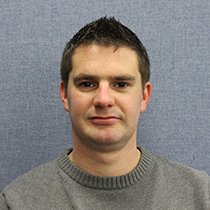 Joseph T Costello合作论文数Department of Physical Education and Sport Sciences, University of Limerick15
 Heather Massey合作论文数Extreme Environm Lab, Univ Portsmouth14
 Saynor Zoe L合作论文数Children's Health and Exercise Research Centre, University of Exeter12
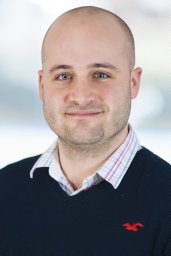 Shepherd Anthony I合作论文数College of Life and Environmental Sciences, University of Exeter;Royal Devon and Exeter Hospital, University of Exeter Medical School;University of Exeter, University of Exeter Medical School12
 John Young合作论文数10Heather Lunt合作论文数8Mike Tipton合作论文数7Rebecca Neal合作论文数7White Danny合作论文数6
 Mackintosh Kelly A合作论文数Community and Leisure, Liverpool John Moores University6
 McNarry Melitta A合作论文数Swansea University, Plymouth University6
 Christopher Wagstaff合作论文数Institute of Clinical Sciences, College of Medical and Dental Sciences, University of Birmingham6
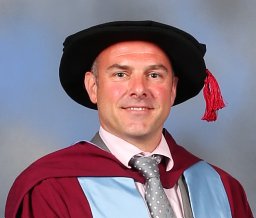 Richard Thelwell合作论文数Department of Sport;Exercise Science;University of Portsmouth;Department of Sport|Exercise Science, University of Portsmouth6Thomas B. Williams合作论文数5Joe Antoun合作论文数Sch Sport Hlth & Exercise Sci, Univ Portsmouth5
 Maria Perissiou合作论文数Phys Act Hlth & Rehabil Themat Res Grp, Univ Portsmouth5Hale Beverley合作论文数5
 Hugh Montgomery合作论文数University College London;Whittington Hospital;The Netherlands School of Public Health and Care Research;Real Zero Ltd5Lewis Robert合作论文数5James R. House合作论文数5Michael H. Cummings合作论文数5N. Sangala合作论文数5Stephen B Draper合作论文数4
 Ella Walker合作论文数4Matt Dicks合作论文数4Sharon Allard合作论文数3
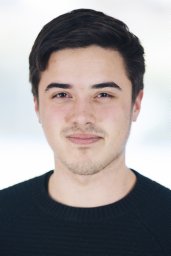 Harry Mayes合作论文数Sch Sport Hlth & Exercise Sci, Univ Portsmouth3Rebecca A Rendell合作论文数3
 Cain C. T. Clark合作论文数Centre for Intelligent Healthcare, Coventry University3Eglin Clare M合作论文数Extreme Environments Laboratory, University of Portsmouth3
 Brown Daniel J合作论文数Department for Health, University of Bath3christopher r potter合作论文数2Jonathan Lacey合作论文数2Rachel Barr合作论文数2
 Fintan Hughes合作论文数2
 Jamie R Prout合作论文数Sch Phys Educ Sport & Exercise Sci, Univ Otago2Matt Miller-Dicks合作论文数2Micheal Grocott合作论文数2
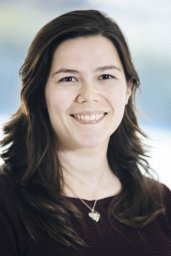 Beth G Clarkson合作论文数Sch Sport Hlth & Exercise Sci, Univ Portsmouth2
 Adam J. Causer合作论文数Dept Hlth, Univ Bath2
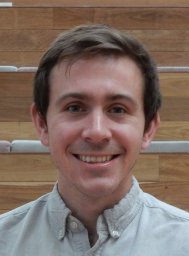 Mark C Allenby合作论文数Queensland University of Technology2
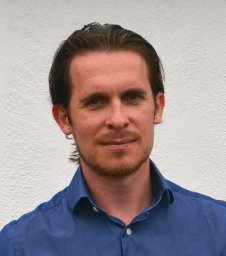 Mauger Alexis R合作论文数Sch Sport & Exercise Sci, Univ Kent2
 Alexandra Milligan合作论文数2
 Andrew Renfree合作论文数Institute of Sport and Exercise Science, University of Worcester2
 Mitch Lomax合作论文数2
 Chris Mills合作论文数Department of Sport and Exercise Sciences, University of Portsmouth2




