Background and Purpose: Temporally feathered radiation therapy (TFRT) for head-and-neck cancer (HNC) combines variable-dose intensity modulated radiation therapy (IMRT) subplans to increase organs-at-risk's (OAR) recovery. This study evaluated whether incorporating OAR-specific radiosensitivity into variable rest-time planning can reduce side effects.Materials and Methods: Using radiosensitivity profiles of five OARs (larynx, esophagus, parotid, spinal cord, brainstem), we developed an optimized TFRT (oTFRT) model to maximize OAR recovery by optimizing rest times, guided by the linear-quadratic and normal tissue complication probability models. High-dose sparing factors were generated using Monte Carlo simulation. OAR recovery under IMRT and standard TFRT (sTFRT) was compared with oTFRT in two experiments: one with total oTFRT dose matched to IMRT, and one without dose restrictions.Results: Under dose-matched experiment, the oTFRT yielded improved recovery for larynx (88.1% versus 75.9%), parotid (67.5% versus 58.5%), and esophagus (93.6% versus 89.1%), while brainstem recovery (83.9% versus 82.4%) and spinal cord recovery (67.5% versus 65.0%) were slightly higher than IMRT. Under dose-unrestricted experiment, oTFRT improved recovery for brainstem and spinal cord (88.5% and 77.9%, respectively) versus the second-best plan (83.9% and 66.9%), while parotid recovery was slightly higher (67.2% versus 66.7%). The larynx showed improved recovery relative to IMRT (81.7% versus 75.9%) but remained below sTFRT (88.0%), whereas esophagus recovery was lower (84.8% versus 93.6% for sTFRT). Despite delivering higher doses to larynx and esophagus, oTFRT maintained comparable or improved recovery relative to IMRT.Conclusions: By considering nonuniform OARs' radiosensitivity, oTFRT can improve recovery and potentially reduce side effects, warranting further consideration.
PURPOSE/OBJECTIVES:The US radiation oncology (RO) workforce comprises diverse physician populations working in varied geographic and clinical settings. Data related to concerns of specific non-mutually exclusive groups, including academically affiliated community providers (AACP), private practitioners (PP), physician-scientists (PS), and rural providers (RP) are sparse. The ASTRO Workforce Committee utilized the 2025 Member Survey to characterize these cohorts and identify their unique professional challenges. MATERIALS/METHODS:The 2025 ASTRO Member Survey included targeted questions for specific physician populations regarding practice roles, effort distribution (clinical, administrative, academic), funding, and their "top three" profession concerns. Responses were cross-referenced with demographic data from the survey for further context. Descriptive analysis was employed to summarize the qualitative and quantitative trends across subgroups. RESULTS:From 875 total responses, 433 members answered some workforce-related questions, including 100 AACP, 162 PP, 92 PS, and 68 RP radiation oncologists. AACPs reported a median clinical effort of 80%. AACP concerns included: time/funding for academics (41%), increasing administrative burdens (37%), decreasing reimbursement/increasing expenses (27%), staffing challenges (21%), and AMC support for research/clinic (14%). PP and RP reported a median clinical effort of 80% with 20% effort on administration/non-clinical work. PP concerns included: administrative and regulatory burdens (56%), decreased relative reimbursement (47%), challenges recruiting/maintaining staffing (21%), and maintaining/replacing equipment (14%). Physician scientists reported median clinical effort of 60%; 20% for basic/translational. Consistent PS concerns focused on the unstable research funding climate (85%), decreased protected time (48%), followed by challenges recruiting staff/trainees (12%). Representing subsets of the other 3 groups, RP concerns included barriers to timely specialty care, declining reimbursement and poor payor mix, along with administrative/clinical burdens. CONCLUSIONS:While administrative burden, staffing challenges, and reimbursement volatility were universal concerns across the US radiation oncology workforce, each physician subgroup faced specific pressures. AACP and PP struggle with the friction between clinical volume and non-clinical work. PS are primarily threatened by funding and time constraints. RP are additionally challenged by barriers to timely and optimal care. These findings provide a roadmap for ASTRO and practice leaders to develop targeted advocacy and support strategies to sustain a diverse and healthy workforce.
BACKGROUND:Delays in postoperative adjuvant therapy, particularly PORT, have been shown to decrease survival, decrease oncologic locoregional control (LRC), and increase the risk of recurrence. Timely initiation of PORT, within 42 days of primary surgical resection, is recommended by the American College of Surgeons Commission on Cancer (CoC), but 55%-70% of patients do not meet this goal. We aimed to investigate whether our recent transition to a multidisciplinary care (MDC) model would have a significant impact on meeting this metric compared to our prior sequential care model, wherein patients see each cancer care provider at a separate visit. METHODS:Data were collected and retrospectively reviewed. Two cohorts were identified: pre-MDC initiation (November 2018-April 2019) and post-MDC initiation (September 2022-February May 2024). Our outcomes of interest included median time to adjuvant therapy, percent of patients who achieved timely adjuvant therapy initiation, defined as initiation within 6 weeks of primary surgical resection as recommended by the CoC guidelines, percentage of patients evaluated by a dentist in MDC, and percentage of patients who completed intraoperative dental extractions. RESULTS:One hundred fifty-seven patients met inclusion criteria and baseline characteristics were statistically similar between the two cohorts. Postoperative delays were common in the pre-MDC cohort (69.6%, 32/46) compared with the post-MDC cohort (47.7%, 53/111) associated with 2.5-fold higher odds of delay (OR 2.50, 95% CI [1.20-5.18]; p = 0.013). Accordingly, the median time to PORT/POCRT was longer in the pre-MDC cohort (49 days) compared to the post-MDC cohort (43 days; p = 0.003). The post-MDC era was associated with a significantly faster time to adjuvant therapy initiation (HR 2.44, 95% CI [1.52-3.92]; p < 0.001). Thus, a greater proportion of patients in the post-MDC cohort (49.5%, 55/111) met the CoC guideline criteria compared with the pre-MDC cohort (28.3%, 13/46; OR 4.13, 95% CI [1.45-11.78]; p = 0.008). We also analyzed patients in two sub-cohorts in our post-MDC period; post-MDCND (no reliable dental evaluation in MDC) and post-MDCD (with reliable addition of a dentist in MDC). In the post-MDCD group, patients were more likely to be evaluated by a dentist (78.6% (44/56) vs. 38.2% (21/55), p < 0.001) and more likely to complete recommended intraoperative dental extractions at the time of primary surgical resection (100% (7/7) vs. 50.0% (6/12), p < 0.05) when compared with the post-MDCND cohort. CONCLUSION:Patients seen in the post-MDC era were associated with an almost two and a half times more likely chance to start PORT/POCRT on time and were observed to have a fourfold better adherence to the CoC guidelines for timely adjuvant therapy initiation than those in the pre-MDC era. A colocated MDC may have enabled improved care coordination by helping to streamline communication, prophylactically identifying and mitigating potential delays in care, and developing comprehensive treatment plans that may have helped to improve timely adjuvant care.
Purpose/Objective(s) To compare the performance of ctHPVDNA versus imaging as initial surveillance following radiotherapy for HPV-related oropharyngeal squamous cell carcinoma (HPVOPSCC). We hypothesized that ctHPVDNA will exhibit lower false positive rate (FPR), better specificity, and positive predictive value (PPV). Materials/Methods Patients with newly diagnosed HPVOPSCC presenting to a multidisciplinary clinic 2022-2024 were evaluated. To be included, patients required: 1) detectable pretreatment ctHPVDNA, 2) both surveillance imaging and ctHPVDNA at 3 months posttreatment, 3) follow-up visit at 6 months to ascertain recurrence. ctHPVDNA was quantified by a tumor tissue–modified viral HPVDNA test and classified as detectable (including indeterminate) or undetectable. Imaging was classified as suspicious or nonsuspicious based on combination of NI-RADS reporting for CT Neck (with suspicious defined as ≥2) and PET/CT. Recurrences were determined based on status at 6 months. Results Of 106 patients meeting eligibility criteria, median age was 61.5 years (range 33-81) and 95% were male. Subsite was divided between tonsil (55%) and base of tongue (42%). Patients were clinically T0-4, N0-3 (AJCC8). 42% of patients received surgery, and 70% patients received concurrent systemic therapy with radiation. 66% of patients received ≥66 Gy with 76 patients (72%) receiving proton therapy. At 3 months, 7/106 patients had detectable ctHPVDNA and 61/106 patients had suspicious imaging findings. At 6 months, there were 5 recurrences that were detected by both imaging and ctHPVDNA and 2 recurrences that were undetected by either. FPR was markedly higher with imaging (2% v 57%). ctHPVDNA exhibited superior specificity (98% v 43%) and PPV (71% v 8%), while negative predictive value (98% v 96%) and sensitivity (71% v 71%) were comparable. Conclusion In this heterogeneously treated population with uniformly detectable pretreatment ctHPVDNA, ctHPVDNA outperformed imaging as an initial surveillance tool. These data support the use of ctHPVDNA as a surveillance modality in HPV-mediated OPSCC, potentially allowing patients to forgo imaging without compromising early detection of recurrence. A surveillance approach primarily utilizing ctHPVDNA warrants further investigation.
Background and purpose: Prior work on adaptive organ-at-risk (OAR)-sparing radiation therapy has typically reported outcomes based on fixed-number or fixed-interval re-planning, which represent one-size-fits-all approaches and do not account for the variable progression of individual patients’ toxicities. The purpose of this study was to determine the personalized optimal timing of re-planning in adaptive OAR-sparing radiation therapy, considering limited re-planning resources, for patients with head and neck cancer (HNC). Materials and methods: A novel Markov decision process (MDP) model was developed to determine optimal timing of re-planning based on the patient’s expected toxicity, characterized by normal tissue complication probability (NTCP), for four toxicities. The MDP parameters were derived from a dataset comprising 52 HNC patients treated between 2007 and 2013. Kernel density estimation was used to smooth the sample distributions. Optimal re-planning strategies were obtained when the permissible number of re-plans throughout the treatment was limited to 1, 2, and 3, respectively. Results: The MDP (optimal) solution recommended re-planning when the difference between planned and actual NTCPs (ΔNTCP) was greater than or equal to 1%, 2%, 2%, and 4% at treatment fractions 10, 15, 20, and 25, respectively, exhibiting a temporally increasing pattern. The ΔNTCP thresholds remained constant across the number of re-planning allowances (1, 2, and 3). Conclusion: In limited-resource settings that impeded high-frequency adaptations, ΔNTCP thresholds obtained from an MDP model could derive optimal timing of re-planning to minimize the likelihood of treatment toxicities.
An accurate accounting of the current number of practicing radiation oncologists (ROs) is critical to the complete understanding of the workforce dynamics of the field. At present, there is no clear standard on how to assess this, with multiple approaches available. Therefore, the American Society for Radiation Oncology (ASTRO) Workforce Committee reviewed and evaluated multiple approaches in assessing the radiation oncology (RO) workforce supply, including the pros and cons of each approach, while comparing supply estimates in order to define a recommended standard for assessing the RO workforce supply in the United States. Most methods use data from the Centers for Medicare & Medicaid Services (CMS), the American Medical Association, and/or the American Association of Medical Colleges. The ASTRO-sponsored Health Management Associates Workforce Analysis and the American Society of Clinical Oncology (ASCO) approach used multiple data sources, with the ASCO approach including the American Medical Association and CMS data sources. Limitations of each approach are reflective of the data sources used and include an inability to capture all physicians, a lack of routine updating, and/or a lag-time in incorporating entrants to and exits from the workforce. Overall, the assessments across methods demonstrated substantial consistency in results (range of maximum difference, 2.2%-5.0%; mean, 3.0%), with unfiltered data sets consistently reporting higher estimates, likely due to inclusion of ROs not actively practicing. For example, in 2023, filtered estimates ranged from 4935 (ASCO) to 5072 (American Association of Medical Colleges), whereas in 2024, the estimates ranged from 4992 (ASCO) to 5103 (CMS) ROs. Using the ASCO model, we estimate a total of 5100 ROs in 2024, accounting for Veterans Affairs and pediatric-only ROs, understanding this may not account for nonclinical ROs. Additionally, these methods capture “head counts” of the number of ROs, but not their clinical capacity. After reviewing the various approaches, the ASTRO Workforce Committee recommends applying a similar methodology to that in use by ASCO for RO workforce supply assessments. This would allow subsequent workforce models to be compared with a consistent methodology to prevent erroneous conclusions when comparing across methodologies.
PURPOSE:Tolinapant is an inhibitor of apoptosis protein antagonist that enhances apoptotic pathways. In preclinical studies, tolinapant + radiotherapy (RT) enhances antitumor immunity. We conducted an open-label, single-arm trial to evaluate the safety and feasibility of concurrent tolinapant and RT in cisplatin-ineligible patients with head and neck squamous cell carcinoma. PATIENTS AND METHODS:Eligible patients had locally/locoregionally advanced head and neck squamous cell carcinoma, were human papillomavirus positive or negative, and were cisplatin ineligible. RT was delivered via intensity-modulated RT or proton therapy to a total of 70 Gy (35 fractions). Tolinapant was given every other week during RT at 180 mg/day with option to de-escalate to 90 mg for toxicity. Blood samples for research were collected at baseline and during RT. RESULTS:Ten patients were enrolled. Treatment was well tolerated, with the most common adverse events similar to standard chemoRT (radiodermatitis, fatigue, dysphagia, pain, dysgeusia, and dry mouth). All patients completed treatment, and tolinapant dose de-escalation was not required. One patient experienced brief treatment interruptions due to severe dysphagia. Two patients developed distant metastases after treatment. Another patient developed second and third tumors outside the radiation field after treatment and was treated surgically. At a median follow-up of 13.8 months, the remaining 7 (70%) patients remained free of disease. Blood samples showed a burst of activated (CD38+HLA-DR+) CD8+ T lymphocytes in 40% of patients. CONCLUSIONS:Tolinapant + RT is well tolerated and induced proliferation of activated T cells in a subset of patients. Larger prospective studies are needed to better assess efficacy.
PURPOSE:Among childhood cancer survivors, we evaluated not previously explored relationships between colorectal subsequent malignant neoplasm (SMN) incidence and colorectum-specific radiation dose metrics currently used in radiation therapy (RT) planning and expanded upon previously reported chemotherapy associations. METHODS:The Childhood Cancer Survivor Study (CCSS) includes 5-year survivors of childhood cancer diagnosed between 1970 and 1999. RT was assessed as mean colorectal dose (MCD) and the percent volume (VX Gy) receiving ≥5, 10, 20, 30, and 40 Gy. Chemotherapy was assessed as cumulative doses for procarbazine and platinum agents, cyclophosphamide-equivalent doses for alkylating agents, and doxorubicin-equivalent doses for anthracyclines. Piecewise-exponential models and excess rate ratio (ERR) models evaluated dose-response relationships for the incidence of colorectal SMNs. Reference groups were those not receiving the assessed treatment(s). RESULTS:Among 25,723 survivors (median follow-up = 28.5 years; range = 5.0-48.9), 104 colorectal SMNs were identified. A dose-response relationship was observed between MCD and colorectal SMN rates; incidence rate ratios (IRRs) for 10 to <20 Gy and ≥20 Gy were 3.6 (95% CI, 1.9 to 6.9) and 8.3 (95% CI, 3.9 to 17.8), respectively. When ≥20% of the colorectum volume was irradiated, IRRs increased with increasing volume. The V20 Gy IRRs were 3.8 (95% CI, 1.9 to 7.6), 4.9 (95% CI, 2.0 to 12.0), and 8.7 (95% CI, 3.5 to 21.6) for irradiated volumes of 20% to <40%, 40% to <80%, and ≥80%, respectively. The IRR was 1.8 (95% CI, 1.0 to 3.0) for doxorubicin-equivalent dose ≥250 mg/m2, 3.7 (95% CI, 2.2 to 6.4) for cyclophosphamide-equivalent dose ≥6,000 mg/m2, and 4.5 (95% CI, 2.0 to 10.1) for platinum dose ≥450 mg/m2. For procarbazine dose, the IRR was 6.3 (95% CI, 3.0 to 13.2) for 4,200 to <7,036 mg/m2 and 9.0 (95% CI, 4.3 to 18.9) for ≥7,036 mg/m2. In the absence of RT, colorectal SMN rates increased with exposure to any platinum-based agent (IRR, 3.8 [95% CI, 1.1 to 12.7]), alkylator (IRR, 4.8 [95% CI, 1.6 to 14.4]), or procarbazine (IRR, 16.9 [95% CI, 5.9 to 48.8]). Colorectal SMN rates increased linearly with procarbazine dose (ERR per 1,000 mg/m2 = 73.0 [95% CI, 26.4% to 119.6%]) and MCD (ERR per 1 Gy = 20.8 [95% CI, 9.0% to 32.5%]). Quadratic ERR models did not improve data fit compared with linear ERR models. CONCLUSION:These RT and chemotherapy dose-response relationships can better inform contemporary RT planning for pediatric patients and surveillance guidelines for high-risk survivors.
Abstract Purpose: The combination of pembrolizumab (a PD-1 inhibitor) and cabozantinib (a VEGF inhibitor) has shown promising disease control in recurrent or metastatic head and neck cancer (rmHNC). Building on previous research linking plasma metabolites to weight loss, clinical outcomes, and survival in HNC patients on standard therapy, this study evaluates pre- and post-treatment plasma metabolites as indicators of therapeutic response and survival in patients treated with this combination therapy. Methods: In a phase II single-arm trial of rmHNC patients, blood plasma was collected before and 9 weeks after the initial cycle of combination therapy. We performed ultra high-resolution liquid chromatography-mass spectrometry and extracted 171 extracted 171 laboratory-authenticated metabolites. The identified metabolites were 4 amines, 50 amino acid derivatives, 11 carbohydrates, 21 cholines/betaines/carnitines, 28 lipids, 7 nucleotides, 34 simple organic acids, 6 cofactors, and 10 others, encompassing a wide breadth of human metabolism. Metabolites were z-standardized and analyzed using repeated measures ANOVA to assess treatment response per RECIST v1.1, with significant metabolites (P<0.05) further examined in survival analyses via adjusted Cox models. Results: Of the 14 patients, 11 were male and nine were white, with a median age of 59 years. Seven had human papillomavirus (HPV)-positive rmHNC and nine had a combined positive score (CPS) ≥20. Six patients responded to the therapy, with one experiencing progression. Conversely, among the eight non-responders, six either progressed or died. The plasma metabolome showed remarkable stability post-therapy, with lysine (P=0.006) as the only metabolite that significantly differed before and after treatment, exhibiting increased levels in both responders and non-responders. Notably, of the 22 metabolites that differed significantly between responders and non-responders, 14 were amino acids(*) or their derivatives (χ2 P=0.0002), with increased levels observed in responders. Six of those metabolites—phenylalanine* (P=0.02), guanidinoacetic acid* (P=0.02), methionine* (P=0.03), leucine* (P=0.03), propionylcarnitine (P=0.04), and 2-deoxyglucose (P=0.04)—were positively associated with longer progression-free survival. Higher levels of the first three were also associated with longer overall survival. Importantly, these associations emerged exclusively from post-treatment blood draws, indicating their potential as biomarkers for monitoring patient response to treatment. The associations were independent of age, HPV status and PD-L1 CPS, underscoring their robustness as prognostic markers. Conclusions: Elevated levels of these plasma amino acids in responders and survivors after therapy highlight their potential role as key determinants of sensitivity to the combination therapy in rmHNC, suggesting their utility in patient monitoring. This is new finding in HNC but the amino acid profiles aligns with findings in non-small cell lung cancer and underscores the role of amino acid catabolism in immune suppression. Citation Format: Ronald C Eldridge, Allyson Anderson, Ritu Chaudhary, Kelly Magliocca, Qiuying Shi, Mihir R Patel, James E Bates, Kedar Kirtane, Nicole C Schmitt, Conor E Steuer, Dong M Shin, Yuan Liu, Yong Teng, Christine H Chung, Nabil F Saba. Plasma metabolites as biomarkers of survival in head and neck cancer patients undergoing pembrolizumab and cabozantinib [abstract]. In: Proceedings of the AACR IO Conference: Discovery and Innovation in Cancer Immunology: Revolutionizing Treatment through Immunotherapy; 2025 Feb 23-26; Los Angeles, CA. Philadelphia (PA): AACR; Cancer Immunol Res 2025;13(2 Suppl):Abstract nr B014.
PURPOSE OF REVIEW:Patients with HPV-related oropharyngeal cancer have very good survival outcomes but a high burden of toxicity. This has led to significant efforts to attempt to use a variety of biomarkers to select patients who are candidates for de-escalated treatment. RECENT FINDINGS:Initially, the field used HPV status alone as a biomarker to select patients with oropharyngeal cancer for de-escalation, however, the recently presented results of NRG Oncology HN005 showed that this is an insufficient strategy to select patients for potential de-escalation as patients in that study who received 60 Gy rather than the standard 70 Gy of radiation had diminished progression-free survival. This has led to a myriad of other strategies to potentially identify patients who may be able to receive less intense treatment but maintain a high rate of cure. SUMMARY:Many biomarker options exist to try and select patients for potential treatment de-escalation. We anxiously await the results of multiple ongoing phase II studies regarding many of these biomarkers and believe that the future of treatment for oropharyngeal cancer will be significantly more personalized.
PURPOSE Melanoma as a subsequent malignant neoplasm has been described among childhood cancer survivors; however, the risk factors and long-term survival are not well understood. METHODS We assessed incidence, risk factors, and outcomes for melanoma among participants in the Childhood Cancer Survivor Study cohort. Cumulative incidence and standardized incidence ratios (SIRs) were calculated, and multivariable Cox models were used to determine hazard ratios (HRs) and associated 95% CI for melanoma risk factors. Radiation exposure to seven body regions and melanoma status for each of eight regions per survivor were integrated into the Cox model. RESULTS Among 25,716 participants, 177 melanomas developed in 160 survivors (110 invasive, 62 in situ cutaneous, five ocular). The 40-year melanoma cumulative incidence was 1.1% (95% CI, 0.9 to 1.4) for all participants and 1.5% (95% CI, 1.0 to 2.1) among those receiving a cumulative radiation dose of ≥40 Gy. Compared with the general population, the SIR for invasive skin or ocular melanoma was 2.0 (95% CI, 1.6 to 2.4). A cumulative radiation dose of ≥40 Gy to the corresponding body region(s) of the melanoma (HR, 2.0 [95% CI, 1.1 to 3.7]), a cumulative cyclophosphamide equivalent dose of ≥20,000 mg/m 2 (HR, 1.9 [95% CI, 1.1 to 3.6]), and bleomycin exposure (HR, 2.2 [95% CI, 1.2 to 4.1]) were associated with increased cutaneous melanoma. Invasive melanoma at any site was associated with an increased risk of death (HR, 2.4 [95% CI, 1.7 to 3.3]). CONCLUSION Childhood cancer survivors have more than a two-fold increased risk of melanoma compared with the general population, and those with an invasive melanoma have more than a two-fold risk of death. High-dose radiation and alkylating agent exposure, and bleomycin are important risk factors for melanoma and should be considered in future patient guidance and screening.
 Soumon Rudra合作论文数Department of Radiation Oncology, Emory University27
 Brad S. Hoppe合作论文数Mayo Clinic Comprehensive Cancer Center25
 McDonald Mark W合作论文数25
 Rebecca M. Howell合作论文数Department of Radiation Physics, Division of Radiation Oncology, The University of Texas MD Anderson Cancer Center24William A Stokes合作论文数21
 Conor E. Steuer合作论文数Winship Cancer Institute, Emory University;Department of Hematology and Medical Oncology, School of Medicine, Emory University21
 Nabil Saba合作论文数Department of Hematology and Medical Oncology, School of Medicine, Emory University;Winship Cancer Institute, Emory University20
 Nicole C Schmitt合作论文数20
 Dong Moon Shin合作论文数Winship Cancer Institute, Emory University;Department of Hematology and Medical Oncology, School of Medicine, Emory University;Department of Otolaryngology, School of Medicine, Emory University19
 Louis S. Constine合作论文数Department of Radiation Oncology, University of Rochester Medical Center;Wilmot Cancer Center19
 Mihir Patel合作论文数Department of Otolaryngology Head and Neck Surgery, School of Medicine, Emory University;Emory University Hospital Midtown18
 Robert J. Amdur合作论文数Department of Radiation Oncology, College of Medicine, University of Florida18Liu Qi合作论文数16
 Michael T. Milano合作论文数Department of Radiation Oncology, University of Rochester Medical Center15Daniel A. Mulrooney合作论文数15
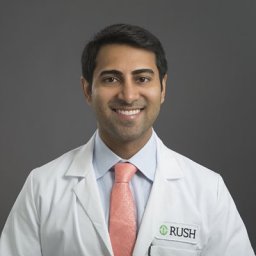 Mudit Chowdhary合作论文数‡‡Northside Radiation Oncology Consultants, Northside Hospital Cancer Institute14
 Chris Morris合作论文数Department of Radiation Oncology, College of Medicine, University of Florida14
 Greg Armstrong合作论文数Department of Epidemiology and Cancer Control, St. Jude Children's Research Hospital;Division of Neuro-Oncology, St. Jude Children's Research Hospital;Department of Pediatrics, University of Tennessee Health Science Center13
 Yutaka Yasui合作论文数Department of Epidemiology and Cancer Control, St. Jude Children's Research Hospital;School of Public Health, University of Alberta13
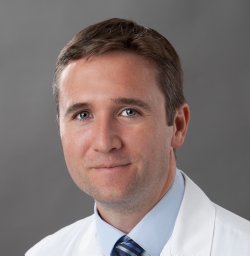 Daniel J Indelicato合作论文数Preston A. Wells Jr. Center for Brain Tumor Therapy, University of Florida;Department of Radiation Oncology, University of Florida13Jill Remick合作论文数11Susan A Smith合作论文数11Dhakal Sughosh合作论文数11Royce Trevor J合作论文数11
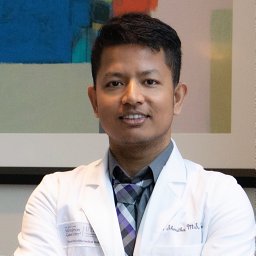 S. Shrestha合作论文数Dept Radiat Phys, Univ Texas MD Anderson Canc Ctr10
 Leslie L. Robison合作论文数Department of Epidemiology and Cancer Control, St. Jude Children’s Research Hospital;St. Jude Comprehensive Cancer Center, St. Jude Children’s Research Hospital10
 William M. Mendenhall合作论文数Department of Radiation Oncology, College of Medicine, University of Florida10
 Nancy P Mendenhall合作论文数Department of Radiation Oncology, College of Medicine, University of Florida;University of Florida Health Proton Therapy Institute10
 Yong Teng合作论文数Show-How Bio-Tech Institute10
 James Janopaul-Naylor合作论文数School of Medicine, Emory University9
 Kevin Charles Oeffinger合作论文数Department of Community and Family Medicine, School of Medicine, Duke University;Department of Medicine, School of Medicine, Duke University;Center For Onco-Primary Care, Duke Cancer Institute, Duke University;Supportive Care and Survivorship Center, Duke Cancer Institute, Duke University9
 Constance Owens合作论文数Department of Physics, Alabama A&M University9Christopher G Morris合作论文数9Kenneth Y. Usuki合作论文数9Jennifer H. Gross合作论文数9
 Wendy Leisenring合作论文数Clinical Research Division, Fred Hutchinson Cancer Center;Public Health Sciences Division, Fred Hutchinson Cancer Center9Asari Ekpenyong合作论文数8J.S. Remick合作论文数8Azeem S Kaka合作论文数8
 Chirag Shah合作论文数Information School, University of Washington8
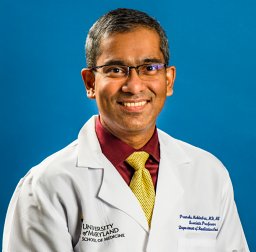 Pranshu Mohindra合作论文数Radiation Oncology, Tata Memorial Center8Alexandra N De Leo合作论文数7
 Ashley A McCook-Veal合作论文数Dept Biostat & Bioinformat, Emory Univ7
 W. Robert Lee合作论文数Department of Surgery, Duke University School of Medicine;Duke Cancer Institute, Duke University7
 Flampouri Stella合作论文数Radiation Oncology, University of Florida Proton Therapy Institute7Dziegielewski Peter T合作论文数7Bradley Julie A合作论文数7
 Melissa M. Hudson合作论文数Cancer Survivorship Division, Department of Oncology, St. Jude Children's Research Hospital;Department of Epidemiology and Cancer Control, St. Jude Children's Research Hospital;Comprehensive Cancer Center, St. Jude Children's Research Hospital7




