BACKGROUND:Major trauma is a leading cause of death and disability. Specialised care in major trauma centres has been associated with improved outcomes and prehospital triage tools are used to ensure injured patients are treated in the right place and the right time. However, there is a trade-off between under- and over-triage, and this study aimed to externally validate current and newly developed major trauma triage tools. METHODS:A diagnostic case-cohort study was performed between November 2019 and February 2020 in 4 English regional trauma networks as part of the Major Trauma Triage Study (MATTS). The accuracy of 22 adult major trauma triage tools, including 3 newly developed MATTS tools was evaluated. Consecutive patients with acute non-trivial injury presenting to participating ambulance services were included and matched to data from the English national major trauma database. Theoretical accuracy was examined, with index tests assessed according to objective ambulance service data, regardless of the final triage decision or hospital destination. The primary reference standard was a consensus definition of serious injury that would benefit from expedited major trauma centre care. RESULTS:The case-cohort sample consisted of 2,607 patients, including 928 primary reference standard positive patients. The population weighted prevalence of major trauma meeting the primary reference standard definition was 3.1% (95% CI 2.3-4.0). Four optimally performing triage tools were identified with Pareto decision analysis: the Trauma score (sensitivity 0.1, specificity 0.99), MATTS specific tool (sensitivity 0.37, specificity 0.95), MATTS balanced tool (sensitivity 0.58, specificity 0.87), and the MATTS sensitive tool (sensitivity 0.72, specificity 0.76). This finding was unchanged in subgroup analyses of different age-groups and injury mechanisms; secondary analyses examining alternative reference standards (ISS ≥ 16, US consensus definition); and sensitivity analyses exploring missing data. CONCLUSIONS:Four optimal triage tools, demonstrating a trade-off between sensitivity and specificity, were identified by this validation study. The choice of ideal tool will depend on prevalence of major trauma, and valuation of false positive and false negative cases. Further prospective investigation of real-life triage tool performance, including compliance and clinical judgment, is necessary.
BackgroundRecent trends in high-income countries indicate a shift in the causes of major trauma, with low-energy transfer mechanisms, particularly falls from less than two meters, becoming increasingly prevalent. This study aimed to compare the demographics, care processes, and outcomes of major trauma patients injured by low and high-energy transfer mechanisms.MethodsThis comparative cohort study utilized anonymized data from adult patients recorded in the Trauma Audit and Research Network in 2019. Patients were categorized into low-energy (falls less than 2 meters) and high-energy (other mechanisms) groups. The study focused on patients with an Injury Severity Score (ISS) greater than 15. Data from up to 179 English and Welsh hospitals were included.ResultsIn 2019, 53.6% (n = 16,087) of major trauma patients were injured by low-energy falls. When compared to the high-energy cohort, these affected older patients (median age 80 vs. 47 years; p < 0.001), with a higher prevalence of pre-existing comorbidities (90.4% [95%CI 89.9-90.8] vs. 56.2% [95%CI 55.4-57.0]; p < 0.001) and traumatic brain injuries (74.0% [95%CI 73.3-74.7] vs. 49.8% [95%CI 48.9-50.6]; p < 0.001). Low-energy fall patients were more likely to be initially treated in Trauma Units rather than Major Trauma Centres and received fewer interventions such as surgery and critical care admission. Low-energy falls patients had a higher in-hospital mortality rate (14.0% [95%CI 13.5% - 14.6%] vs. 10.3% [95%CI 9.8% - 10.8%]; p < 0.0001).ConclusionsThe increasing burden of major trauma from low-energy falls necessitates a re-evaluation of current trauma care systems and injury prevention strategies to better serve this distinct and growing patient population. Future research should focus on optimizing care pathways, defining patient orientated outcomes and improving outcomes for patients injured by low-energy falls.
BACKGROUND:Whole-blood transfusion has recently gained favor in the management of severe hemorrhage; however, data from large clinical trials evaluating its clinical effectiveness and safety are lacking. METHODS:We conducted a pragmatic, phase 3, multicenter, unblinded, randomized, superiority trial across 10 air ambulance services in England. Patients with major traumatic hemorrhage who were attended by a participating air ambulance service were randomly assigned to receive either whole-blood transfusion (up to 2 units) or standard care with blood components (up to 2 units each of red cells and plasma) before arrival at the hospital. The primary outcome was a composite of death from any cause or massive transfusion (≥10 units of blood components or products) within 24 hours after randomization. RESULTS:A total of 942 patients underwent randomization. After the exclusion of participants with nontraumatic hemorrhage or traumatic cardiac arrest, 616 were included in the analysis (314 in the whole-blood group and 302 in the standard-care group). A primary-outcome event occurred in 48.7% of the participants in the whole-blood group and in 47.7% of those in the standard-care group (relative risk, 1.02; 95% confidence interval, 0.80 to 1.31; P = 0.84). The incidence of death from any cause at all time points, massive transfusion, and other secondary outcomes appeared to be similar in the two groups. Prothrombin times were above the normal range in 40.7% of the participants in the whole-blood group and in 30.5% of those in the standard-care group. More serious adverse events occurred in the standard-care group than in the whole-blood group (37 and 31, respectively). The incidence of thrombotic events appeared to be similar in the two groups. CONCLUSIONS:Among participants with life-threatening hemorrhage, prehospital transfusion of 2 units of whole blood was not superior to standard care in reducing the risk of death or massive transfusion within 24 hours. (Funded by NHS Blood and Transplant and others; ISRCTN Registry number, ISRCTN23657907.).
Background:There is currently wide variation in prehospital major trauma triage across the National Health Service, with regional ambulance services using different triage tools, varying in format, structure and variables. Objectives:To develop a national triage tool that is acceptable, usable, accurate, and optimises under- and over-triage. Design:A three-phase research programme, comprising Phase 1: development of a new triage tool by expert consensus informed by existing evidence, a systematic review of elderly triage, document analysis of current tools, decision-analytic modelling, expert consensus definition of a major trauma reference standard, and a qualitative examination of current triage; Phase 2: case-cohort study validating triage tools identified and developed in Phase 1, with identification of an optimally performing candidate triage tool; Phase 3: evaluation of the candidate triage tool following implementation, including cohort study investigating accuracy of triage decisions, cost-effectiveness analysis, and examination of user experiences. Setting:English regional trauma networks served by the South-Western, West Midlands, Yorkshire and London Ambulance Services. Phase 2 case-cohort study and Phase 3 cohort studies performed between 1 November 2019 and 28 February 2020, and 1 November 2021 and 15 May 2022, respectively. Participants:Injured patients presenting to ambulance services in participating regional trauma networks. Results:In Phase 1, document analysis identified 19 United Kingdom triage tools and 34 published international tools. The systematic review demonstrated limited diagnostic accuracy of triage tools in the elderly, with divergent real-life triage decisions. The reference standard included the need for critical trauma-related interventions, significant individual anatomical injuries, burden of multiple minor injuries and specific patient attributes. Decision-analytic modelling indicated that high-specificity triage tools were favoured. Triage tool simplicity and the option for clinical judgement were valued by stakeholders, but real-world triage was a multifaceted, nonlinear, dynamic and multiagency process. Following review of Phase 1 evidence, a three-step Major Trauma Triage Study candidate triage tool targeting relatively higher specificity was developed through expert consensus. The Phase 2 case-cohort sample included 2757 patients, with a weighted prevalence of major trauma of 3.1% (95% confidence interval 2.3% to 4.0%). The Major Trauma Triage Study tool performed optimally compared to under- and over-triage targets (sensitivity 37.3%, specificity 95.1%). In Phase 3, the newly implemented Major Trauma Triage Study triage tool was received favourably by stakeholders. Prehospital triage decisions using the new tool demonstrated a sensitivity of 55.3% (95% confidence interval 51.8% to 58.7%) and specificity of 94.3% (95% confidence interval 94.1% to 94.6%, n = 38,010, 2.2% prevalence of major trauma). Minimal differences were apparent between the costs (£149) and benefits (0.006 quality-adjusted life-years) of triage decisions, regardless of the triage tool used, reflecting similar real-life triage accuracy. However, the new Major Trauma Triage Study tool appeared cost-effective when theoretical triage tool performance was examined, demonstrating an incremental cost effectiveness ratio of £21,163. Conclusions:The Major Trauma Triage Study triage tool performed optimally, targeted an appropriate under-/over-triage trade-off, and was perceived to perform well by stakeholders. National implementation could ensure evidence-based, standardised and cost-effective triage. Limitations:Significant variation in National Health Service ambulance service and trauma network configurations could limit the generalisability of results. Future work:Paediatric triage, pre-alerting and the benefit of remote clinical support could benefit from future research. Trial registration:This trial is registered as Current Controlled Trials ISRCTN17968752. Funding:This award was funded by the National Institute for Health and Care Research (NIHR) Health Technology Assessment programme (NIHR award ref: 17/16/04) and is published in full in Health Technology Assessment; Vol. 30, No. 34. See the NIHR Funding and Awards website for further award information.
Introduction The Major Trauma Triage Study (‘MATTS’) triage tool was designed to identify patients with major trauma who could benefit from expedited care in specialist major trauma centres (MTCs). We aimed to investigate the impact of the MATTS tool on major trauma triage decisions after implementation. Methods Consecutive patients were included in a multicentre, prospective cohort study conducted between 1 November 2021 and 15 May 2022 in six trauma networks served by West Midlands and Yorkshire Ambulance Services. Electronic data from ambulance service patient report forms were linked to data from the Trauma Audit and Research Network trauma registry. The accuracy of prehospital triage decisions (conveyance to an MTC with pre-alert) against a bespoke MATTS reference standard to define major trauma was calculated. This was compared with optimal undertriage/overtriage trade-off indicated by previous economic modelling. Additional analyses investigated theoretical triage tool accuracy based on recorded data irrespective of hospital destination, examined important injury subgroups, evaluated alternative reference standards and described triage tool use. Results In total, 38 010 injured patients were included, with 2.2% prevalence of major trauma. The MATTS triage tool demonstrated 55.3% sensitivity (95% CI 51.8% to 58.7%) and 94.3% specificity (95% CI 94.1% to 94.6%). There was evidence of triage tool use in a minority of patients (6.3%), with senior clinical advice sought in 9.3% of patients. Theoretical triage tool sensitivity was 51.1% (95% CI 47.6% to 54.5%) with specificity 93.6% (95% CI 92.7% to 94.4%). Agreement between the theoretical triage tool result and the observed triage decision was good (absolute agreement 90.4%, Gwet’s agreement coefficient 1 (AC1) statistic 0.89, 95% CI 0.89 to 0.89). Accuracy varied across different ages, mechanisms of injury subgroups and alternative reference standards for major trauma. Conclusions The MATTS triage tool achieved an appropriate undertriage/overtriage trade-off compared with previously established targets. However, documented adherence to MATTS was low. Dedicated training and further evaluation are necessary prior to national wider implementation.
IntroductionTraumatic injury is one of the leading causes of death worldwide, and despite significant improvements in patient care, survival in the most severely injured patients remains unchanged. There is a crucial need for innovative approaches to improve trauma patient outcomes; this is particularly pertinent in remote or austere environments with prolonged evacuation times to definitive care. Studies suggest that maintenance of cellular homeostasis is a critical component of optimal trauma patient management, and as the cell powerhouse, it is likely that mitochondria play a pivotal role. As a result, therapies that optimise mitochondrial function could be an important future target for the treatment of critically ill trauma patients. MethodsA systematic review of the literature was undertaken in accordance with the Preferred Reporting Items for Systematic Reviews and Meta-Analyses protocol to determine the potential role of mitochondria in traumatic injury and haemorrhagic shock (HS) and to identify current evidence for mitochondrial optimisation therapies in trauma. Articles were included if they assessed a mitochondrial targeted therapy in comparison to a control group, used a model of traumatic injury and HS and reported a method to assess mitochondrial function. ResultsThe search returned 918 articles with 37 relevant studies relating to mitochondrial optimisation identified. Included studies exploring a range of therapies with potential utility in traumatic injury and HS. Therapies were categorised into the key mitochondrial pathways impacted following traumatic injury and HS: ATP levels, cell death, oxidative stress and reactive oxygen species. ConclusionThis systematic review provides an overview of the key cellular functions of the mitochondria following traumatic injury and HS and identifies why mitochondrial optimisation could be a viable and valuable target in optimising outcome in severely injured patients in the future.
Road traffic injuries (RTIs) are a leading cause of death globally, especially in low- (LICs) and middle-income countries (LMICs). Despite this burden, post-crash care remains underdeveloped. Many clinical principles of post-crash care focus on spinal cord injury (SCI), yet its incidence is poorly understood. The aim of this study was to describe the incidence of death and non-fatal RTI with a specific focus on SCIs using Global Burden of Disease (GBD) 2019 data. A retrospective ecological analysis was conducted using GBD 2019 data for 204 countries and territories (2012–2019). We examined the MVC-related mortality, SCIs, and major non-fatal injuries stratified by income group and sex. Incidence rate ratios (IRRs) were compared across income groups using regression models. SCIs were analysed as a proportion of all non-fatal injuries across income groups. MVC-related mortality incidence rates were significantly lower in high-income (HICs) [IRR 0.79 (95
Introduction Optimising emergency department (ED) patient experience is vital to ensure care quality. However, there are few validated instruments to measure the experiences of specific patient groups, including older adults. We previously developed a draft 82-item Patient Reported Experience Measure (PREM-ED 65) for adults ≥65 attending the ED. This study aimed to derive a final item list and provide initial validation of the PREM-ED 65 survey. Methods A cross-sectional study involving patients in 18 EDs in England. Adults aged 65 years or over, deemed eligible for ED discharge, were recruited between May and August 2021 and asked to complete the 82-item PREM at the end of the ED visit and 7–10 days post discharge. Test–retest reliability was assessed 7—10 days following initial attendance. Analysis included descriptive statistics, including per-item proportions of responses, hierarchical item reduction, exploratory factor analysis (EFA), reliability testing and assessment of criterion validity. Results Five hundred and ten initial surveys and 52 retest surveys were completed. The median respondent age was 76. A similar gender mix (men 47.5% vs women 50.7%) and reason for attendance (40.3% injury vs 49.0% illness) was observed. Most participants self-reported their ethnicity as white (88.6%). Hierarchical item reduction identified 53/82 (64.6%) items for exclusion, due to inadequate engagement (n=33), ceiling effects (n=5), excessive inter-item correlation (n=12) or significant differential validity (n=3). Twenty-nine items were retained. EFA revealed 25 out of the 29 items demonstrating high factor loadings (>0.4) across four scales with an Eigenvalue >1. These scales were interpreted as measuring ‘relational care’, ‘the ED environment’, ‘staying informed’ and ‘pain assessment’. Cronbach alpha for the scales ranged from 0.786 to 0.944, indicating good internal consistency. Test–retest reliability was adequate (intraclass correlation coefficient 0.67). Criterion validity was fair (r=0.397) when measured against the Friends and Families Test question. Conclusions Psychometric testing demonstrates that the 25-item PREM-ED 65 is suitable for administration to adults ≥65 years old up to 10 days following ED discharge.
Background The HEART score, the T-MACS model and the GRACE score support early decision-making for acute chest pain, which could be complemented by CT coronary angiography (CTCA). However, their performance has not been directly compared. Methods In this secondary analysis of a multicentre randomised controlled trial of early CTCA in intermediate-risk patients with suspected acute coronary syndrome, C-statistics and performance metrics (using the predefined cut-offs) of clinical decision aids and CTCA, alone and then in combination, for the index hospital diagnosis of acute coronary syndrome and for 30-day coronary revascularisation were assessed in those who underwent CTCA and had complete data. Results Among 699 patients, 358 (51%) had an index hospital diagnosis of acute coronary syndrome, for which the C-statistic was higher for CTCA (0.80), followed by the T-MACS model (0.78), the HEART score (0.74) and the GRACE score (0.60). The negative predictive value was higher for the absence of coronary artery disease on CTCA (0.90) or a T-MACS estimate of <0.05 (0.83) than a HEART score of <4 (0.81) and a GRACE score of <109 (0.55). For 30-day coronary revascularisation, CTCA had the greatest C-statistic (0.80) with a negative predictive value of 0.96 and 0.92 in the absence of coronary artery disease and obstructive coronary artery disease, respectively. The combination of the T-MACS estimates and the CTCA findings was most discriminative for the index hospital diagnosis of acute coronary syndrome (C-statistic, 0.88) and predictive of 30-day coronary revascularisation (C-statistic, 0.85). No patients with a T-MACS estimate of <0.05 and normal coronary arteries had acute coronary syndrome during index hospitalisation or underwent coronary revascularisation within 30 days. Conclusions In intermediate-risk patients with suspected acute coronary syndrome, the T-MACS model combined with CTCA improved discrimination of the index hospital diagnosis of acute coronary syndrome and prediction of 30-day coronary revascularisation.
Triage is a key principle in the effective management of major incidents and has traditionally been performed using an assessment of a casualty's physiology. However, it has become apparent from recent experiences of major incidents that physiological triage may practically not be possible, especially in the early stages of an incident. A key factor is the speed with which it is possible to perform triage, and subsequently, the speed at which key life-saving interventions (e.g., management of external haemorrhage and airway opening manoeuvres) are able to be performed simultaneously as part of the triage process. Addressing this issue was a priority for the review of major incident triage undertaken by NHS England and culminated in the development of the Ten Second Triage (TST) tool.
Background Acute behavioural disturbance (ABD) is a term used in law enforcement and healthcare, but there is a lack of clarity regarding its meaning. Common language should be used across staff groups to support the identification, prioritisation and delivery of care to this group of patients. The terminology currently used is inconsistent and confusing. This study aimed to reach a consensus on the criteria for identification and management of ABD, and to agree when other care pathways or guidelines might be more appropriately used. Methods A modified Delphi study with participation from stakeholder organisation representatives was conducted in January–April 2023 online. In round 1, statements were generated by participants in response to broad questions. Participants then rated their level of agreement with statements in subsequent rounds, with statements achieving a consensus removed for inclusion in the final derived consensus statement. Non-consensus statement responses were assessed for stability. Results Of 430 unique statements presented for rating, 266 achieved a consensus among 30 participants representing eight stakeholder organisations. A derived consensus statement was generated from these statements. The median group response to statements which failed to achieve a consensus was reliable (Krippendorff’s alpha=0·67). Conclusions There is a consensus across stakeholder organisations that ABD is not a separate entity to agitation, and guidance should instead be altered to address the full range of presentations of agitation. While the features of concern in this severely agitated group of patients can be described, the advice for recognition may vary depending on staff group. Criteria for recognition are provided and potential new terminology is described.
Objectives To assess whether different cervical spine immobilisation strategies (full immobilisation, movement minimisation or no immobilisation), impact neurological and/or other outcomes for patients with suspected cervical spinal injury in the pre-hospital and emergency department setting. Design Systematic review following Preferred Reporting Items for Systematic Reviews and Meta-Analyses guidelines. Data sources MEDLINE, EMBASE, CINAHL, Cochrane Library and two research registers were searched until September 2023. Eligibility criteria All comparative studies (prospective or retrospective) that examined the potential benefits and/or harms of immobilisation practices during pre-hospital and emergency care of patients with a potential cervical spine injury (pre-imaging) following blunt trauma. Data extraction and synthesis Two authors independently selected and extracted data. Risk of bias was appraised using the Cochrane ROBINS-I tool for non-randomised studies. Data were synthesised without meta-analysis. Results Six observational studies met the inclusion criteria. The methodological quality was variable, with most studies having serious or critical risk of bias. The effect of cervical spine immobilisation practices such as full immobilisation or movement minimisation during pre-hospital and emergency care did not show clear evidence of benefit for the prevention of neurological deterioration, spinal injuries and death compared with no immobilisation. However, increased pain, discomfort and anatomical complications were associated with collar application during immobilisation. Conclusions Despite the limited evidence, weak designs and limited generalisability, the available data suggest that pre-hospital cervical spine immobilisation (full immobilisation or movement minimisation) was of uncertain value due to the lack of demonstrable benefit and may lead to potential complications and adverse outcomes. High-quality randomised comparative studies are required to address this important question. Trial registration PROSPERO REGISTRATION Fiona Lecky, Abdullah Pandor, Munira Essat, Anthea Sutton, Carl Marincowitz, Gordon Fuller, Stuart Reid, Jason Smith. A systematic review of cervical spine immobilisation following blunt trauma in pre-hospital and emergency care. PROSPERO 2022 CRD42022349600 Available from: https://www.crd.york.ac.uk/prospero/display_record.php?ID=CRD42022349600.
Introduction Uncontrolled bleeding is a major cause of death for patients with major trauma. Current transfusion practices vary, and there is uncertainty about the optimal strategy. Whole blood (WB) transfusion, which contains all components in one bag, is considered potentially advantageous, particularly for resuscitating patients with major bleeding in the prehospital setting. It could potentially improve survival, reduce donor risk and simplify the processes of delivering blood transfusions outside hospitals. However, the evidence supporting the effectiveness and safety of WB compared with the standard separate blood component therapy is limited. A multicentre randomised controlled trial will be conducted, alongside an implementation study, to assess the efficacy, cost-effectiveness and implementation of prehospital WB transfusion in the prehospital environment. The implementation study will focus on evaluating the acceptability and integration of the intervention into clinical settings and on addressing broader contextual factors that may influence its success or failure.Methods and analysis A type 1 effectiveness–implementation hybrid design will be employed. The implementation study will use qualitative methods, encompassing comprehensive interviews and focus groups with operational staff, patients and blood donor representatives. Staff will be purposefully selected to ensure a wide range of perspectives based on their professional background and involvement in the WB pathway. The study design includes: (1) initial assessment of current practice and processes in the WB pathway; (2) qualitative interviews with up to 40 operational staff and (3) five focus groups with staff and donor representatives. Data analysis will be guided by the theoretical lenses of the Normalisation Process Theory and the Theoretical Framework of Acceptability.Ethics and dissemination The study was prospectively registered and approved by the South Central—Oxford C Research Ethics Committee and the Health Research Authority and Health and Care Research Wales. The results will be published in peer-reviewed journals and provided to all relevant stakeholders.Trial registration number ISRCTN23657907; EudraCT: 2021-006876-18; IRAS Number: 300414; REC: 22/SC/0072.
Introduction Despite mitigation efforts, exertional heat stroke (EHS) is known to occur in military personnel during training and operations. It has significant potential to cause preventable morbidity and mortality. International consensus from sports medicine organisations supports treating EHS with early rapid cooling by immersing the casualty in cold water. However, evidence remains sparse and the practice is not yet widespread in the UK. Methods Following changes to enable on-site ice cold water immersion (ICWI) at the Royal Marines Commando Training Centre, Lympstone, UK, we prospectively gathered data on 35 patients treated with ICWI over a 3-year period. These data included the incidence of adverse events (e.g. death, cardiac arrest or critical care admission) as the primary outcome. Basic anthropometric data, cooling rates achieved and biochemical and haematological test results on days 0–5 were also gathered and analysed. Results Despite being a cohort of patients in whom we might expect significant morbidity and mortality based on the severity of EHS at presentation, none experienced a serious adverse event. In this cohort with rapid initiation of effective cooling, biochemical derangement appeared less severe than that reported in previous studies. Higher body mass index (BMI) was associated with a lower cooling rate across a range of values previously reported as potentially of clinical significance. Conclusions This case series supports recent updates to UK military guidance that ICWI should be more widely adopted for the treatment of EHS. Clinicians should be aware of likely patterns of blood test abnormalities in the days following EHS. Further work should seek to establish the impact of lower rates of cooling and develop strategies to optimise cooling in patients with higher BMI.
Background Traumatic injury is a leading cause of death worldwide. There is a crucial need to develop therapies that improve critically injured patient outcomes. Current trauma research models are ethically and financially challenging, with poor translation. However, traumatic injury and haemorrhagic shock can be modelled using ex-vivo normothermic perfusion (EVNP), a methodology adapted from transplantation. The aim of this study was to develop a 24hr EVNP duel porcine limb and kidney model. Method Eight porcine forelimbs, bilateral kidneys and blood were retrieved via standard protocols. Following <4hrs cold storage, the kidneys were connected to a bespoke Ex-Vivo Research Centre circuit via the renal artery, and a mean arterial pressure (MAP) of 80mmHg was maintained. The perfusate consisted of leukocyte-deplete blood and Ringer’s solution. Once the kidney was haemodynamically stable, the limb was connected via the brachial and radial collateral arteries. Haemodynamic parameters were continuously monitored, biochemical perfusate assessment performed hourly and histopathology baseline and end timepoints samples taken. Results Perfusion was maintained for 24hrs in all limbs, with blood flows of 345.03mls/min (±54.78 SD) and MAP of 77.57mmHg (±3.82 SD). Three kidneys achieved 24hr perfusion, with flows of 214.53mls/min (±41.6 SD) and MAP of 80.58mmHg (±0.51 SD). Biochemical analysis showed a statistically significant potassium elevation at 24hrs compared to baseline, p=0.0078. A further three kidneys were disconnected from the circuit at 7, 11 and 12hrs, and two kidneys showed decline in flow >15 hrs due to declining haemodynamics. Compared to baseline, evidence of cell death was observed in 24hr muscle samples. In the end-point kidney samples, tubular degeneration, protein loss and necrosis extended along the nephron. Conclusions Limb EVNP can be successfully achieved for 24hrs, but further protocol improvements are required to sustain renal perfusion for 24hrs alongside adjustments to reduce the ischaemic insult and cell death.
Background Computed tomography coronary angiography (CTCA) offers detailed assessment of the presence of coronary atherosclerosis and helps guide patient management. We investigated influences of early CTCA on the subsequent use of preventative treatment in patients with suspected acute coronary syndrome. Methods In this secondary analysis of a multicenter randomized controlled trial of early CTCA in intermediate-risk patients with suspected acute coronary syndrome, prescription of aspirin, P2Y12 receptor antagonist, statin, renin-angiotensin system blocker, and beta-blocker therapies from randomization to discharge were compared within then between those randomized to early CTCA or to standard of care only. Effects of CTCA findings on adjustment of these therapies were further examined. Results In 1,743 patients (874 randomized to early CTCA and 869 to standard of care only), prescription of P2Y12 re-ceptor antagonist, dual antiplatelet, and statin therapies increased more in the early CTCA group (between-group difference: 4.6% [95% confidence interval, 0.3-8.9], 4.5% [95% confidence interval, 0.2-8.7], and 4.3% [95% confidence interval, 0.2-8.5], respectively), whereas prescription of other preventative therapies increased by similar extent in both study groups. Among patients randomized to early CTCA, there were additional increments of preventative treatment in those with obstruc-tive coronar y arter y disease and higher rates of reductions in antiplatelet and beta-blocker therapies in those with normal coronary arteries. Conclusions Prescription patterns of preventative treatment varied during index hospitalization in patients with sus-pected acute coronary syndrome. Early CTCA facilitated targeted individualization of these therapies based on the extent of coronar y arter y disease. (Am Heart J 2023;266:138-148.)
A wide range of healthcare professionals provide care for patients in the emergency department (ED). This study forms part of a wider exploration of the determinants of patient experience for older adults in the ED, to assist the development of a new patient-reported experience measure (PREM). Inter-professional focus groups aimed to build on findings from earlier interviews with patients conducted in the ED, by exploring professional perspectives on caring for older people in this setting. A total of thirty-seven clinicians, comprising nurses, physicians and support staff, participated in seven focus groups across three EDs in the United Kingdom (UK). The findings reinforced that meeting patients' communication, care, waiting, physical, and environmental needs are all central to the delivery of an optimal experience. Meeting older patients' basic needs, such as access to hydration and toileting, is a priority often shared by all ED team members, irrespective of their professional role or seniority. However, due to issues including ED crowding, a gap exists between the desirable and actual standards of care delivered to older adults. This may contrast with the experience of other vulnerable ED user groups such as children, where the provision of separate facilities and bespoke services is commonplace. Therefore, in addition to providing original insights into professional perspectives of delivering care to older adults in the ED, this study demonstrates that the delivery of suboptimal care to older adults may be a significant source of moral distress for ED staff. Findings from this study, earlier interviews, and the literature will be triangulated to formulate a comprehensive list of candidate items for inclusion in a newly developed PREM, for patients aged 65 years and older.
BackgroundThe priorities for UK emergency medicine research were defined in 2017 by a priority setting partnership coordinated by the Royal College of Emergency Medicine in collaboration with the James Lind Alliance (JLA). Much has changed in the last 5 years, not least a global infectious disease pandemic and a significant worsening of the crisis in the urgent and emergency care system. Our aim was to review and refresh the emergency medicine research priorities. MethodsA steering group including patients, carers and healthcare professionals was established to agree to the methodology of the refresh. An independent adviser from the JLA chaired the steering group. The scope was adult patients in the ED. New questions were invited via an open call using multiple communications methods ensuring that patients, carers and healthcare professionals had the opportunity to contribute. Questions underwent minisystematic (BestBETs) review to determine if the question had been answered, and the original 2017 priorities were reviewed. Any questions that remained unanswered were included in an interim prioritisation survey, which was distributed to patients, carers and healthcare professionals. Rankings from this survey were reviewed by the steering group and a shortlist of questions put forward to the final workshop, which was held to discuss and rank the research questions in order of priority. Results77 new questions were submitted, of which 58 underwent mini-systematic review. After this process, 49 questions (of which 32 were new, 11 were related to original priorities and 6 unanswered original priorities were carried forward) were reviewed by the steering group and included in an interim prioritisation survey. The interim prioritisation survey attracted 276 individual responses. 26 questions were shortlisted for discussion at the final prioritisation workshop, where the top 10 research priorities were agreed. ConclusionWe have redefined the priorities for emergency medicine research in the UK using robust and established methodology, which will inform the agenda for the coming years.
 Vassallo James合作论文数24
 Blair Graham合作论文数17
 Lee a Wallis合作论文数14
 Fiona Lecky合作论文数Centre for Urgent and Emergency Care Research, School of Medicine and Population Health, Faculty of Health, The University of Sheffield;Division of Population Health, School of Medicine and Population Health, Faculty of Health, The University of Sheffield;Humanitarian and Conflict Response Institute, The University of Manchester;Salford Royal Hospital12
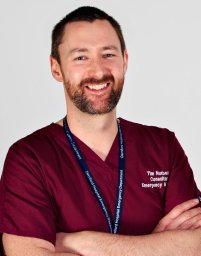 Tim Nutbeam合作论文数Intensive Care, University Hospital Birmingham12A Kehoe合作论文数10
 Rachel o'Brien合作论文数9
 Ed Barnard合作论文数9
 Jos M Latour合作论文数8Goodacre Steve合作论文数8
 Willem Stassen合作论文数Faculty of Health Sciences, University of Cape Town8
 Laura Cottey合作论文数8Liza Keating合作论文数7Fenwick Rob合作论文数7
 Mark D Lyttle合作论文数7
 Si Horne合作论文数Derriford Hospital, Plymouth Hospitals NHS Trust7Benger J合作论文数7Edwards Antoinette合作论文数7Rosalyn Squire合作论文数7
 Omar Bouamra合作论文数7Katherine Oatey合作论文数6Stacey Webster合作论文数6Carl Roobottom合作论文数6
 David Newby合作论文数Centre for Cardiovascular Science, The University of Edinburgh6
 Robert Storey合作论文数Division of Clinical Medicine, School of Medicine and Population Health, The University of Sheffield6
 Mark Rockett合作论文数6Samuel Keating合作论文数5
 Alasdair Gray合作论文数Royal Infirmary of Edinburgh5Tom Woolley合作论文数5
 Annette Catherine Rickard合作论文数5Gordon Fuller合作论文数School of Medicine and Population Health, University of Sheffield5Rickard Rory F合作论文数Academic Department of Military Surgery and Trauma, Royal Centre for Defence Medicine;Department of Plastic Surgery, Derriford Hospital;Department of Surgery, University of Cape Town;Derriford Hospital, University of Cape Town5
 Janette Turner合作论文数University of Sheffield5
 Gavin Perkins合作论文数Warwick Medical School, The University of Warwick5P A F Hunt合作论文数4Ffion Barham合作论文数4Dirk Felmeden合作论文数4
 James Gagg合作论文数4T J Hodgetts合作论文数4Higginson Ian合作论文数4
 Steff Lewis合作论文数Usher Institute, College of Medicine and Veterinary Medicine, The University of Edinburgh4Thokala Praveen合作论文数Sch Hlth & Related Res ScHARR, Univ Sheffield4Lee Robert J合作论文数4
 Pam Nelmes合作论文数4
 Cindy Cooper合作论文数School of Medicine and Population Health, The University of Sheffield;Sheffield Clinical Trials Research Unit, The University of Sheffield4
 Nick Curzen合作论文数University of Southampton4A. G. Barton合作论文数4
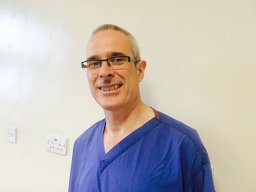 Mark J. Midwinter合作论文数Royal Centre for Defence Medicine4
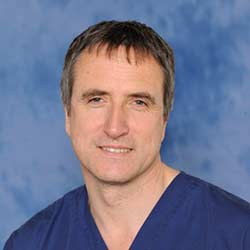 Tim Coats合作论文数Department of Cardiovascular Sciences, University of Leicester4




