Background: 'Stable disease (SD)' as per RECIST is a common but ambiguous outcome in patients receiving immune checkpoint inhibitors (ICIs). This study aimed to characterize SD and identify the subset of patients with SD who are benefiting from treatment. Understanding SD would facilitate drug development and improve precision in correlative research. Patients and methods: A systematic review was carried out to characterize SD in ICI trials. SD and objective response were compared to proliferation index using The Cancer Genome Atlas gene expression data. To identify a subgroup of SD with outcomes mirroring responders, we examined a discovery cohort of non- small-cell lung cancer (NSCLC). Serial cutpoints of two variables, % best overall response and progression-free survival (PFS), were tested to define a subgroup of patients with SD with similar survival as responders. Results were then tested in external validation cohorts. Results: Among trials of ICIs (59 studies, 14 280 patients), SD ranged from 16% to 42% in different tumor types and was associated with disease-specific proliferation index (rho = -0.75, P = 0.03), a proxy of tumor kinetics, rather than relative response to ICIs. In a discovery cohort of NSCLC [1220 patients, 313 (26%) with SD to ICIs], PFS ranged widely in SD (0.2-49 months, median 4.9 months). The subset with PFS >6 months and no tumor growth mirrored partial response (PR) minor (overall survival hazard ratio 1.0) and was proposed as the definition of SD responder. This definition was confirmed in two validation cohorts from trials of NSCLC treated with durvalumab and found to apply in tumor types treated with immunotherapy in which depth and duration of benefit were correlated. Conclusions: RECIST-defined SD to immunotherapy is common, heterogeneous, and may largely reflect tumor growth rate rather than ICI response. In patients with NSCLC and SD to ICIs, PFS >6 months and no tumor growth may be considered 'SD responders'. This definition may improve the efficiency of and insight derivable from clinical and translational research.
Lineage plasticity, the ability to transdifferentiate among distinct phenotypic identities, facilitates therapeutic resistance in multiple cancers. In lung adenocarcinomas (LUADs), this phenomenon includes small cell and squamous cell (LUSC) histologic transdifferentiation in the context of acquired resistance to targeted inhibition of driver mutations. The incidence of transdifferentiation into squamous carcinoma in EGFR mutant tumors, the setting where this histologic shift has been most extensively described, occurs in up to 9% of cases relapsed on osimertinib and has been associated to poor prognosis.
STK11 and KEAP1 mutations (STK11m and KEAP1m) are commonly mutated in lung adenocarcinoma (LUAD). STK11m have been associated with resistance to immune checkpoint inhibition (ICI) in KRAS-mutant (KRASm) LUAD. However, whether STK11m status also impacts clinical outcomes to ICI in KRAS wild-type (wt) LUAD is unknown. Whether KEAP1m impact outcomes to ICI in KRASm and KRASwt LUAD is also unknown.
Lineage plasticity, the ability to transdifferentiate among distinct phenotypic identities, contributes to therapeutic resistance in cancer. In lung adenocarcinomas (LUADs), this phenomenon drives squamous cell (LUSC) histologic transdifferentiation in the context of acquired resistance to targeted inhibition of driver mutations, with an up to 9% incidence in EGFR-mutant tumors relapsed on osimertinib, and leads to poor prognosis. Limitations on well annotated pre- and post-transdifferentiation clinical samples has hindered the performance of molecular analyses, and thus little is known about the molecular mechanisms leading to this histological transition. We performed multi-parameter profiling of LUAD-to-LUSC transdifferentiating clinical samples, including detailed genomic (whole exome sequencing), epigenomic (bisulfite sequencing), transcriptomic (RNAseq) and proteomic (antibody arrays) characterization. Clinical findings were validated in preclinical models including cell lines and patient-derived xenograft treatments. Our data suggest that LUSC transdifferentiation is driven by epigenetic, rather than mutational events, and indicate that the transdifferentiated LUSC tumors retain transcriptomic and methylation profiles of their previous LUAD state. We observed coordinated upregulation of PI3K/AKT, MYC and PRC2 pathway genes upon transdifferentiation. Concurrent activation of PI3K/AKT and MYC overexpression induced squamous features in EGFR-mutant LUAD preclinical models, further accentuated by EGFR inhibition. Pharmacologic inhibition of EZH1/2 or PI3K/AKT in combination with osimertinib delayed relapse and squamous transdifferentiation in an EGFR-mutant patient-derived xenograft model, and re-sensitized resistant transdifferentiated LUSC tumors to osimertinib. Here, we provide the first comprehensive molecular characterization of LUSC transdifferentiation and nominate potential therapeutic targets to constrain or prevent lineage plasticity in this setting.
Small cell lung cancer (SCLC) is an aggressive malignancy that includes subtypes defined by differential expression of ASCL1, NEUROD1, and POU2F3 (SCLC-A,-N, and-P, respectively). To define the heterogeneity of tumors and their associated microenvironments across subtypes, we sequenced 155,098 transcriptomes from 21 human biospecimens, including 54,523 SCLC transcriptomes. We observe greater tumor diversity in SCLC than lung adenocarcinoma, driven by canonical, intermediate, and admixed subtypes. We discover a PLCG2-high SCLC phenotype with stem-like, pro-metastatic features that recurs across subtypes and predicts worse overall survival. SCLC exhibits greater immune sequestration and less immune infiltration than lung adenocarcinoma, and SCLC-N shows less immune infiltrate and greater T cell dysfunction than SCLC-A. We identify a profibrotic, immunosuppressive monocyte/macrophage population in SCLC tumors that is particularly associated with the recurrent, PLCG2-high subpopulation.
Small cell lung cancer (SCLC) is an exceptionally aggressive disease comprising 13% of all lung cancer cases. With limited treatment options that typically result in transient responses, SCLC is responsible for approximately 250,000 deaths globally per year. The recent addition of immunotherapy to first-line platinum-based doublet chemotherapy shows only limited benefit in a small subset of patients. Major hurdles to improving SCLC treatment include development of rapid chemoresistance and ineffective second-line therapies. The identification of more durably effective therapeutic strategies is a major unmet clinical need. To identify targets sensitizing to chemotherapy we performed an in vitro CRISPR screen in SCLC cell lines from all major SCLC subtypes. Candidate hits were validated genetically, and pharmacologically with in vitro synergy assays and PDX treatments. Signaling pathways were studied by western blot, and toxicity studies were performed in vivo, to assess the safety of the agents at pharmacologically effective doses. We performed immunohistochemistry (IHC) to assess expression of candidate targets in tissue microarrays (TMAs). Our CRISPR screen revealed the nuclear exporter XPO1 (Exportin 1) as a contributor to chemotherapy resistance in all SCLC subtypes. Combination of selinexor, an Exportin 1 inhibitor approved for clinical use in hematological malignancies, with cisplatin or irinotecan demonstrated synergy in vitro and exquisite efficacy in vivo in chemonäive and chemoresistant SCLC PDXs representing all SCLC subtypes. This efficacy was associated with the ability of Exportin 1 to impair chemotherapy-induced AKT overactivation. The combinations were well tolerated in mice. We found SCLC to have the highest XPO1 mRNA expression among a diverse array of tumor histologies, which was confirmed at the protein level in clinical TMAs. Exportin 1 inhibition enhances sensitivity to the chemotherapeutic drugs used in first-line and second-line treatment of SCLC tumors. Our results provide preclinical rationale for the combination of selinexor with cisplatin or irinotecan in naïve and relapsed SCLC, respectively.
Small cell lung cancer (SCLC) is an exceptionally aggressive disease comprising 13% of all lung cancer cases. With limited treatment options that typically result in transient responses, SCLC is responsible for approximately 250,000 deaths globally per year. The recent addition of immunotherapy to first-line platinum-based doublet chemotherapy appears to benefit only a small subset of patients, resulting in a 2-month increase in median overall survival. Major hurdles to improving SCLC treatment include development of rapid chemoresistance and ineffective second line therapies.
Background: Patients with lung cancers may have disproportionately severe coronavirus disease 2019 (COVID-19) outcomes. Understanding the patient-specific and cancer-specific features that impact the severity of COVID-19 may inform optimal cancer care during this pandemic. Patients and methods: We examined consecutive patients with lung cancer and confirmed diagnosis of COVID-19 (n = 102) at a single center from 12 March 2020 to 6 May 2020. Thresholds of severity were defined a priori as hospitalization, intensive care unit/intubation/do not intubate ([ICU/intubation/DNI] a composite metric of severe disease), or death. Recovery was defined as >14 days from COVID-19 test and >3 days since symptom resolution. Human leukocyte antigen (HLA) alleles were inferred from MSK-IMPACT (n = 46) and compared with controls with lung cancer and no known non-COVID-19 (n = 5166). Results: COVID-19 was severe in patients with lung cancer (62% hospitalized, 25% died). Although severe, COVID-19 accounted for a minority of overall lung cancer deaths during the pandemic (11% overall). Determinants of COVID-19 severity were largely patient-specific features, including smoking status and chronic obstructive pulmonary disease [odds ratio for severe COVID-19 2.9, 95% confidence interval 1.07-9.44 comparing the median (23.5 pack-years) to never-smoker and 3.87, 95% confidence interval 1.35-9.68, respectively]. Cancer-specific features, including prior thoracic surgery/radiation and recent systemic therapies did not impact severity. Human leukocyte antigen supertypes were generally similar in mild or severe cases of COVID-19 compared with non-COVID-19 controls. Most patients recovered from COVID-19, including 25% patients initially requiring intubation. Among hospitalized patients, hydroxychloroquine did not improve COVID-19 outcomes. Conclusion: COVID-19 is associated with high burden of severity in patients with lung cancer. Patient-specific features, rather than cancer-specific features or treatments, are the greatest determinants of severity.
Lineage plasticity, a capacity to reprogram cell phenotypic identity under evolutionary pressure, is implicated in treatment resistance and metastasis in multiple cancers. In lung adenocarcinomas (LUADs) amenable to treatment with targeted inhibitors, transformation to an aggressive neuroendocrine (NE) carcinoma resembling small cell lung cancer (SCLC) is a recognized mechanism of acquired resistance. Defining molecular mechanisms of NE transformation in lung cancer has been limited by a paucity of well annotated pre- and post-transformation clinical samples. We hypothesized that mixed histology LUAD/SCLC tumors may capture cancer cells proximal to, and on either side of, histologic transformation. We performed detailed genomic, epigenomic, transcriptomic and proteomic characterization of combined LUAD/SCLC tumors as well as pre- and post-transformation clinical samples. Our data support that NE transformation is primarily driven by transcriptional reprogramming rather than mutational events. We identify genomic contexts in which NE transformation is favored, including frequent loss of the 3p chromosome arm in pre-transformation LUADs. Consistent shifts in gene expression programs in NE transformation include induction of several stem/progenitor cell regulatory pathways, including upregulation of PRC2 and WNT signaling, and suppression of Notch pathway activity. We observe induction of PI3K/AKT and an immunosuppressive phenotype in NE transformation. Taken together our findings define a novel landscape of potential drivers and therapeutic vulnerabilities of NE transformation in lung cancer.
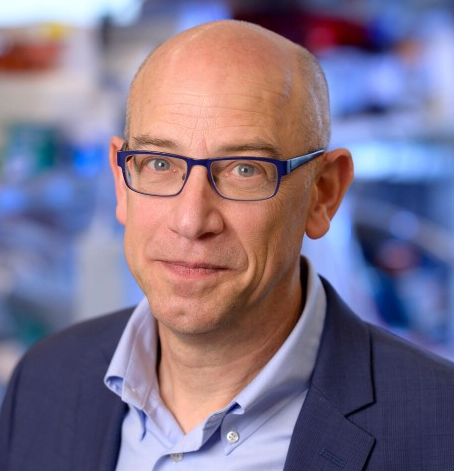 Charles M. Rudin合作论文数David H. Koch Center for Cancer Care, Memorial Sloan Kettering Cancer Center8
 Triparna Sen合作论文数Department of Receptor Biology & Tumor Metastasis, Chittaranjan National Cancer Institute7
 Michael D. Offin合作论文数7A. Quintanal-Villalonga合作论文数6H. Taniguchi合作论文数6Viola Allaj合作论文数6Fathema Uddin合作论文数Department of Medicine, Memorial Sloan Kettering Cancer Center6
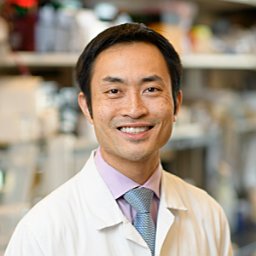 Chow Andrew合作论文数6
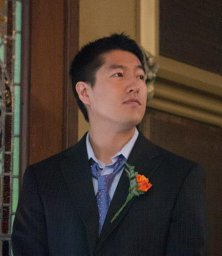 Chan Joseph M合作论文数Center for Computational Biology and Bioinformatics, Columbia University College of Physicians and Surgeons6J. Qiu合作论文数5E de Stanchina合作论文数5P. Manoj合作论文数5Bhanot Umesh K合作论文数5
 Navjot Shah合作论文数Guru Nanak Dev University5
 Shweta S. Chavan合作论文数Pathomiq, Inc.5Hira Rizvi合作论文数4Metamia Ciampricotti合作论文数4B. Houck-Loomis合作论文数3Yuan Hao合作论文数3Kathryn C Arbour合作论文数3
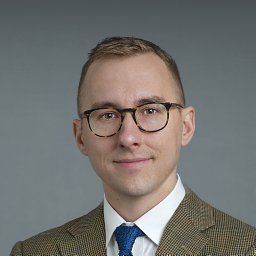 John T. Poirier合作论文数Department of Medicine, NYU Grossman School of Medicine, NYU Langone Health3
 Matthew Hellmann合作论文数Memorial Sloan Kettering Cancer Center3
 Natasha Rekhtman合作论文数3
 Yingqian Zhan合作论文数Department of Chemistry, The Chinese University of Hong Kong3R.P. Koche合作论文数2M. Tolstorukov合作论文数2R. Koche合作论文数2Y.A. Zhan合作论文数2H. Park合作论文数2N. Vaz合作论文数2A. Vajdi合作论文数2
 Gonzalo Recondo合作论文数2
 Mark T A Donoghue合作论文数Marie-Josée and Henry R. Kravis Center for Molecular Oncology, Memorial Sloan Kettering Cancer Center2S. Khosrowjerdi合作论文数2J. Lin合作论文数2
 Liam F Spurr合作论文数The Pritzker School of Medicine, The University of Chicago2
 Lingzhi Hong (洪灵芝)合作论文数MD Anderson Cancer Center, The University of Texas2
 Jia Luo合作论文数Department of Medicine, Harvard Medical School2Y. Li合作论文数2
 Giuseppe Lamberti合作论文数Medical Oncology, IRCCS Azienda Ospedaliero-Universitaria di Bologna2
 Schoenfeld Adam合作论文数Department of Radiation Oncology, University of California, San Francisco2
 Mark G. Kris合作论文数David H. Koch Center for Cancer Care, Memorial Sloan Kettering Cancer Center2Vokes Natalie I合作论文数Dana Farber Canc Inst2
 Biagio Ricciuti合作论文数Lowe Center for Thoracic Oncology, Dana-Farber Cancer Institute;Harvard Medical School2Plodkowski Andrew J合作论文数2
 Herbert Yu合作论文数University of Hawaiʻi Cancer Center;School of Public Health, Yale University2
 Subba Digumarthy合作论文数Department of Radiology, Massachusetts General Hospital;Harvard Medical School2
 Andrew Cherniack合作论文数Meyerson Laboratory Dana-Farber Cancer Institute;Broad Institute of MIT2




