BACKGROUND:Single-shot pulsed-field ablation (PFA) catheters are widely used for pulmonary vein isolation (PVI) because of their efficiency, but they are less suited for flexible lesion sets. Existing focal PFA technologies permit individualized ablation but require energy delivery over multiple cardiac and respiratory cycles, making sustained catheter stability important and potentially reducing procedural efficiency. OBJECTIVES:The authors sought to evaluate a focal PFA catheter delivering a novel subsecond pulsed-field waveform designed for "instantaneous" point-by-point ablation. METHODS:An 8.5-F force-sensing PFA catheter delivers a single QRS-synchronized, high-voltage (≥10 kV; <200 ms) pulsed field application. Three sequential waveform/electrode-configuration cohorts were evaluated. PVI was guided by conventional electroanatomic mapping, with impedance-based catheter localization. A subset underwent post-PFA brain magnetic resonance imaging. Invasive remapping at ∼90 days assessed lesion durability. RESULTS:Thirty-five patients underwent PFA with waveform A (n = 15), B (n = 5), or C (n = 15). Acute PVI was achieved in all patients, requiring 39 (IQR: 35-45) PF lesions per patient, with a median elapsed ablation time of 13 (IQR: 10-15) minutes. Remapping in 32 patients demonstrated progressive improvement in PVI durability with waveform evolution: Waveform C achieved 94.2% per-vein PVI durability. Brain magnetic resonance imaging (n = 14) demonstrated no diffusion-weighted imaging (DWI)+/fluid-attenuated inversion recovery (FLAIR)+ lesions and 2 DWI+/FLAIR- lesions (14%). There were no primary safety events, haptoglobin depletion, or acute kidney injury. Twelve-month freedom from atrial arrhythmia was 73.9% (95% CI: 60.6%-90.2%). CONCLUSIONS:Subsecond, high-voltage focal PFA enabled efficient point-by-point ablation and individualized lesion sets without the need for prolonged catheter stability. These first-in-human data support continued clinical development of an instantaneous focal PFA workflow. CLINICALTRIALS:gov: (The FIELD-PULSE Study; A Pre-Market, First-In-Human, Pilot, Interventional, Clinical Investigation to Evaluate Safety and Feasibility of the FieldForce Ablation System in Patients with Atrial Fibrillation; NCT06452589).
BACKGROUND:Most pulsed field ablation (PFA) technologies for atrial fibrillation use microsecond-scale pulses. Nanosecond pulses, by virtue of their short duration, enable larger pulse amplitudes to project lesion depth, without near-field thermal effects. OBJECTIVES:The goal of this study was to determine the outcomes of treating paroxysmal atrial fibrillation using a novel circular nanosecond PFA (nsPFA) catheter. METHODS:In a first-in-human study of patients with symptomatic paroxysmal atrial fibrillation, the nsPFA catheter was used to deliver 2.5-second or 5-second applications. Invasive remapping assessed lesion durability at 2 to 3 months, with additional nsPFA for incomplete lesions. Follow-up included transtelephonic monitoring and Holter monitoring at 6 and 12 months. RESULTS:At 3 centers, 177 patients (mean age 61 ± 10 years; 36% female; left atrial diameter 41 ± 5 mm) underwent pulmonary vein isolation (PVI) using 2.5-second (n = 36 patients) or 5-second (n = 141) applications. Additional ablation was at the posterior wall (n = 87), cavotricuspid isthmus (n = 11), or mitral isthmus (n = 29). All (100%) lesions were acutely successful, with transpired PVI time of 12 ± 5 minutes, and total left atrial dwell time for the nsPFA catheter of 19 ± 13 minutes. Total procedure and fluoroscopy times were 61 ± 27 minutes and 9 ± 6 minutes, respectively. Three (of 177 [1.7%]) primary serious adverse events occurred: inflammatory pericardial effusion, hemolysis with acute kidney injury, and stroke. Post procedure brain magnetic resonance imaging (35 patients) revealed 11.4% silent cerebral events (DWI+ / ADC-reduced) and 11.4% silent cerebral lesions (SCE plus FLAIR+). PVI durability with the 5-second applications was 91%. The 1-year estimate for freedom from atrial arrhythmia was 89.7% (95% CI: 80.5%-94.6%). CONCLUSIONS:nsPFA demonstrated reasonable safety, good lesion durability, and favorable 1-year clinical effectiveness. (Evaluation of the CellFX® Nano-Pulsed Field Ablation [PFA] 360 Catheter Endocardial Ablation System for the Treatment of Atrial Fibrillation. NCT06696170).
BACKGROUND:Unlike the tremendous progress made in atrial fibrillation ablation, the greatest unmet clinical need is for innovative ablation treatments for scar-related ventricular tachycardia (VT), particularly given the thick, often fibrotic tissue characteristic of the scarred substrate. A focal pulsed field ablation (PFA) catheter with a novel waveform was designed: high voltage to provide tissue penetration and low energy (using short-duration pulses) to avoid tissue overheating. We present the outcomes of VCAS (Ventricular Catheter Ablation Study), a first-in-human study of this PFA catheter to ablate scar-related VT. METHODS:An investigational 8.5F force-sensing PFA catheter was used for scar-VT ablation in ischemic or nonischemic substrates. Pulsed field lesions consisted of 5 applications, each <200 ms, of a high-voltage (>10 kV) monophasic waveform with QRS synchronization. The PFA catheter was localized by electrical impedance-based navigation. A subcohort of patients without previous cardiac surgery underwent epicardial ventricular mapping at baseline and after endocardial PFA to assess for transmurality of endocardial pulsed field lesions. Study end points included procedural efficiency, safety, and effectiveness to final follow-up of 6 months. RESULTS:At 2 centers, 26 patients underwent ablation: 66±9 years of age, 4% women, left ventricular ejection fraction 32±10%, VT storm 42%, previous VT ablation 42%. Acute procedural success, achieved in 24 (92%) patients, required 21 (interquartile range, 14-24) lesions per patient with a transpired ablation time of 31 minutes (19-42). Clinical VT was induced in 14 of 16 patients (88%) before ablation and 1 of 16 patients (6%, P<0.001) after ablation. High-density epi-endo voltage mapping was performed in 10 patients [42%]; of the 9 patients undergoing endocardial-only PFA, transmural tissue homogenization was observed in all 9 (100%) patients. Freedom from recurrent VT/ventricular fibrillation (VT/VF) or implantable cardioverter defibrillator shock was 81.8% (95% CI, 67.1-99.8). Regarding VT/VF burden, the incidence rate of postablation VT/VF significantly decreased from baseline to after PFA by 98% (median [IQR], 6 [1-11] versus 0 [0-0], respectively; P<0.001). Primary safety end points within 180 days occurred in 3 of 26 (11.5%) patients: cardiogenic shock, heart failure hospitalization, and retroperitoneal bleed. CONCLUSIONS:In this first-in-human study, the high-voltage PFA catheter efficiently delivered transmural ventricular lesions to treat scar-related VT. REGISTRATION:URL: https://www.clinicaltrials.gov; Unique identifier: NCT06203262.
Background Visually guided laser balloon ablation is known as an effective pulmonary vein (PV) isolation device. The third-generation laser balloon ablation system (X3) equipped with compliant balloon and an automated motor-driven laser output mechanism, namely RAPID mode, has been clinically proven for PV isolation. Methods PV isolation with X3 was performed in all the patients with paroxysmal and early-stage persistent atrial fibrillation (AF). Acute data for PV isolation and clinical outcomes including supraventricular tachyarrhythmia (SVT: AF, atrial flutter, or atrial tachycardia)-free survival rate beyond 1 year were analyzed. Results A total of 110 patients (62 ± 13 years old, 80% of paroxysmal AF) were treated with X3. RAPID mode with was utilized to achieve PV isolation in all cases. In combination with RAPID mode and spot mode laser ablation, 91.1% (380/417) of veins were isolated on the first circumferential lesion set and did not require touch-up ablation and during the index procedure 100% of attempted veins were isolated. The mean procedure time was 77.0 ± 22.7 min and LA dwell time was 61.9 ± 22.0 min. Total duration of laser application was 5.1 ± 2.3 min per vein. At 1 year, SVT-free survival rate was 93.7% in paroxysmal AF patients, and 81.1% in persistent AF patients. Conclusions A novel continuous automatic laser balloon ablation system was proved to be safe and effective for both paroxysmal and persistent AF patients. The clinical result demonstrated that PV isolation with X3 could achieve a high SVT-free survival rate.
BACKGROUND During pulsed field ablation (PFA), electrode-tissue proximity optimizes lesion quality. A novel "single-shot" map-and-ablate spherical multielectrode PFA array catheter that is able to verify electrode-tissue contact was recently studied in a first-in-human trial of atrial fibrillation (AF). OBJECTIVE The aim of this study was to report lesion durability data, safety, and 12-month effectiveness outcomes. METHODS The spherical PFA catheter, an all-in-one mapping and ablation system, was used to render anatomy and to deliver biphasic pulses (ungated 1.7 kV pulses; w40 seconds/application). Ablation sites included pulmonary veins (PVs) and, in selected patients, posterior wall and mitral isthmus. Follow-up was invasive remapping at w3 months, electrocardiograms, Holter monitoring at 6 and 12 months, and symptomatic and scheduled transtelephonic monitoring. The primary and secondary efficacy end points were acute PV isolation (PVI), PVI durability, and atrial arrhythmia recurrence. RESULTS In the 48-patient AF cohort (paroxysmal, 48%; persistent, 52%), lesion sets included PVI (n = 48; 1.2 applications/PV), posterior wall (n = 20; 3.6 applications/posterior wall), and mitral isthmus (n = 11; 2.9 applications/mitral isthmus). Lesions were acutely successful for all 187 of 187 PVs (100%), 20 of 20 posterior walls (100%), and 10 of 11 mitral isthmuses (91%). Pulse delivery time, left atrial catheter dwell time, and procedure time were 61.5 +/- 32.8 seconds, 53.9 +/- 26.5 minutes, and 87.8 +/- 29.8 minutes, respectively. Remapping (43/48 patients [89.5%]) revealed that 158 of 169 PVs (93.5%) were durably isolated. The only complication was a drug-responsive pericarditis. The 1-year Kaplan-Meier estimates of freedom from atrial arrhythmia were CONCLUSION The single-shot spherical array PFA catheter can safely achieve durable lesions, translating into good clinical efficacy.
 Petr Neuzil合作论文数Department of Cardiology, Na Homolce Hospital56
 Petrů Jan合作论文数52
 Vivek Reddy合作论文数Icahn School of Medicine at Mount Sinai43Moritoshi Funasako合作论文数28
 Lucie Sediva合作论文数23
 Pavel Hala合作论文数Department of Cardiology, Na Homolce Hospital21Chovanec Milan合作论文数19Janotka Marek合作论文数17
 Jacob Koruth合作论文数Mt Sinai Sch Med, Helmsley Electrophysiol Ctr16Stepan Kralovec合作论文数14Turagam Mohit K合作论文数Department of Medicine, University of Wisconsin School of Medicine and Public Health8Dukkipati Srinivas R合作论文数7
 Josef Kautzner合作论文数Institute for Clinical and Experimental Medicine;Lékařské Fakultě Univerzity Karlovy v Praze5Erik Wissner合作论文数5
 Petr Peichl合作论文数4
 Karl-Heinz Kuck合作论文数Lans Cardio;University Heart Center Lübeck4
 Andre d'Avila合作论文数3
 Andrea Natale合作论文数HCA Healthcare;Texas Cardiac Arrhythmia Institute, St. David's Health Care;Scripps Green Hospital3Minami Kentaro合作论文数3
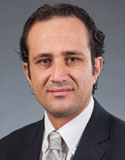 Luigi Di Biase合作论文数Department of Medicine, Albert Einstein College of Medicine3J. David Burkhardt合作论文数3
 Dan Wichterle合作论文数Department of Cardiology, Institute for Clinical and Experimental Medicine;Department of Cardiovascular Medicine, Second Faculty of Medicine, Charles University in Prague3
 Milos Taborsky合作论文数3
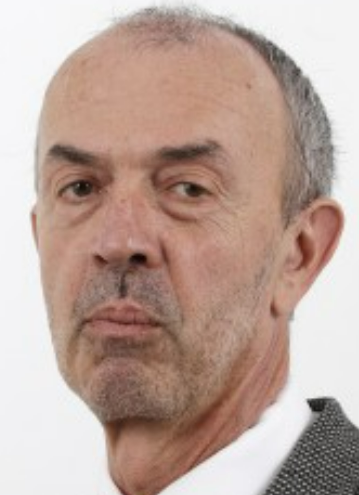 Robert Čihák合作论文数Klinika Kardiologie, Institut Klinické a Experimentální Medicíny3Shephal K. Doshi合作论文数3
 Jorge Romero合作论文数2Claudio Tondo合作论文数2Martin Mudroch合作论文数2Chris Hubbard合作论文数2Miroslava Benešová合作论文数2Petr Pavel合作论文数2
 Stepan Cerny合作论文数2Mike Theran合作论文数2simona michalkova合作论文数2Andreas Metzner合作论文数2Christopher Schneider合作论文数2Antonio Dello Russo合作论文数2Schoonderwoerd Bas A合作论文数2Koopman Pieter合作论文数2
 Feifan Ouyang合作论文数2Peter Rausch合作论文数2
 Roland Richard Tilz合作论文数2Ventura Miguel合作论文数2Sediva Lucia合作论文数2
 Ahmed Humera合作论文数Helmsley Electrophysiology Center, Mount Sinai School of Medicine2Yulzari Aude合作论文数2Jiri Weichet合作论文数2




