Because WR-2721 reduces the toxicity of cisplatin and carboplatin in preclinical systems, we have treated 35 patients in a phase I study of WR-2721 and carboplatin. As the plasma half-life of WR-2721 is short relative to that of carboplatin, WR-2721 was administered in two divided doses. This schedule produced acceptable toxicity in 24 patients treated with carboplatin 400 mg/m2 and escalating doses of WR-2721. In the subsequent 11 patients, WR-2721 was fixed at 740 mg/m2/dose and the dose of carboplatin was escalated. With WR-2721, grade 3-4 thrombopenia (platelets <50 x 10(9)/l) was produced in 4/5 patients treated with carboplatin 625 mg/m2 and in 1/6 patients treated with carboplatin 500 mg/m2. Carboplatin pharmacokinetic parameters in 4 patients were similar to those reported for carboplatin alone. These results suggest that WR-2721 might increase the maximum tolerated dose of carboplatin from 400 to 500 mg/m2.
Recombinant interleukin-2 (rIL-2) modified with monomethoxypolyethylene glycol (PEG IL-2) was utilized in patients with metastatic renal cell carcinoma in two separate multi-institutional trials. PEG IL-2 was administered as an I.V. bolus days 1, 8, 15, and 22 with cycles repeated every six weeks. The two trials employed different dose levels: A) 20x106 I.U./m2 day 1 followed by 12x106 I.U./m2 days 8, 15, 22; and B) 12x106 I.U./m2 days 1, 8, 15, 22. Thirty-five patients were entered and 31 were evaluable for response (A−15/18, B−16/17). Two of 31 patients had partial responses. Median therapy duration was four weeks (range 1–15), and dose reduction for grade III or IV toxicity was required in 14/35 patients (A-6/18, B-8/17). Toxicity (≥ grade III) seen included: hypotension 51%, dyspnea 17%, seizures 6%, and mental status changes 11%. No differences in response or toxicity between the two schedules were noted. Hematologic changes included lymphocytosis and eosinophilia in the majority of patients. PEG IL-2 given once weekly has significant toxicity, and may produce tumor regression in patients with renal cell carinoma.
PURPOSE:Based on preclinical evidence that the antitumor effects of the combination of interleukin-2 (IL-2) and interferon alfa (IFN alpha) are greater than those of either cytokine alone, we have performed a phase I trial of recombinant IL-2 (rIL-2) and recombinant human IFN alpha 2a (rHuIFN alpha 2a) in patients with refractory malignancies. This study was an extension of an earlier trial that identified reversible myelosuppression as the dose-limiting toxicity of this combination. The present trial used modified definitions of unacceptable toxicity to allow exploration of higher doses of rIL-2.PATIENTS AND METHODS:Both rHuIFN alpha 2a 10.0 x 10(6) U/m2 intramuscularly (IM) and rIL-2 were administered three times weekly for 4 consecutive weeks. IL-2 was given by intravenous (IV) bolus injection at doses that were escalated in successive cohorts of four to six patients, provided that toxicity at the preceding dose level was acceptable. Unacceptable toxicity was defined as an elevation of the serum creatinine level to greater than 5 mg/dL, an elevation of the serum bilirubin level to greater than 5 mg/dL, dyspnea at rest, hypotension refractory to pressors, altered mental status, or other toxicities of grade 3 to 4, using the National Cancer Institute (NCI) Common Toxicity Criteria. The doses of rIL-2 administered were 4.0 x 10(6), 6.0 x 10(6), 8.0 x 10(6), 10.0 x 10(6), 12.0 x 10(6), 14.0 x 10(6), 18.0 x 10(6), 22.0 x 10(6), and 26.0 x 10(6) BRMP (Hoffman-LaRoche) U/m2. At a dose of rIL-2 10.0 x 10(6) BRMP U/m2, patients were also treated with doses of rHuIFN alpha 2a of 1.0 x 10(6) and 0.1 x 10(6) U/m2.RESULTS:A total of 57 patients were treated. Intolerable side effects (hypotension, pulmonary, and CNS toxicity) were produced by rIL-2 26.0 x 10(6) BRMP U/m2 and rHuIFN alpha 2a 10.0 x 10(6) U/m2. Two of 21 patients with renal cell carcinoma showed objective responses, and five of 17 patients with malignant melanoma responded. Two of these responses in melanoma were complete and continue to be longlasting.CONCLUSIONS:When given with rHuIFN alpha 2a 10.0 x 10(6) U/m2 as described above, the maximum-tolerated dose of rIL-2 is 22.0 x 10(6) BRMP U/m2. This dose of rIL-2 is equivalent to 50 to 60 MIU/m2, depending on the conversion factor used. Based on this experience and other trials, we favor phase II trials in renal cell carcinoma using an alternative dose schedule of this cytokine combination, in which rIL-2 is administered by continuous infusion. We suggest that phase II trials of this combination in patients with melanoma use an rIL-2 dose of 8.0 x 10(6) BRMP U/m2 by IV bolus injection three times weekly in combination with rHuIFN alpha 2a 10.0 x 10(6) U/m2 IM three times weekly.
A phase I trial of natural human beta-interferon (nHuIFN-beta) was initiated to evaluate its biological activity, maximum tolerated dose, and toxicity in patients with refractory malignancies. nHuIFN-beta was administered to successive groups of 4-6 patients as an i.v. bolus on days 1 and 4, for 4 consecutive weeks. Dose levels were 0.1, 1.0, 10, 30, 60, 100, and 200 x 10(6) units/m2. Thirty-five patients were entered, and 34 patients were evaluable for toxicity, immunomodulatory, and antitumor effects. Toxicity was mild to moderate and included fever and chills, fatigue, arthralgias, nausea, transient renal and hepatic dysfunction, and leukopenia. No dose-limiting toxicity was observed, and no responses were seen. Significant immunological changes included the following: an increase in natural killer activity on day 5 when compared to pretreatment values (P less than 0.01) and an increase in activated T-cells (CD3+/HLA-DR+) with increasing doses of nHuIFN-beta (P less than 0.01). Pharmacokinetic data demonstrated a short alpha half-life of 12.1 +/- 2.5 (SE) min and a beta half-life of 129.7 +/- 14.7 min. Neutralizing serum antibodies were detected in 2 of 27 patients receiving nHuIFN-beta. In conclusion, toxicity of nHuIFN-beta given twice weekly was moderate, and further dose escalation is possible. The immunological changes and pharmacokinetic behavior of nHuIFN-beta resemble those reported with rHuIFN-beta ser.
Tumor-infiltrating lymphocytes (TELs) appear to represent part of the host immune response to the tumor and may contain an enriched population of cells with reactivity to the autologous tumor [1–4]. Most of the infiltrating cells are X lymphocytes, with the number of CD8+ cells being greater than CD4+ cells [1–7]. Several human solid tumors have been reported to contain an increased frequency of cytotoxic precursors against autologous tumor when compared with peripheral blood lymphocytes [8]. In addition, recent studies have shown that TELs were therapeutically more potent than interleukin (IL)-2-activated spleen cells in several murine tumor models [9, 10].
Interleukin-2 (IL-2) and interferon alpha (IFNα) are immunomodulatory cytokines which can now be produced in bulk using recombinant DNA techniques. The availability of these agents has rejuvenated the field of cancer immunotherapy, and clinical trials utilizing them have been performed with a variety of malignancies. Because renal cell carcinoma (RCC) is resistant to traditional systemic therapies and because earlier immunotherapy trials had suggested that it may be susceptible to immunologic therapy, this tumor system has been among the most intensively studied in trials investigating the therapeutic potential of these new biological agents.
Immunologic changes were monitored in 5 patients with metastatic renal cell carcinoma participating in a phase II trial of recombinant interferon gamma (rIFN-gamma). Treatment consisted of a 4-week period of intravenous infusion of either 0.1 mg/m2 given over 4 h on alternate days (3 times/week) or 2 mg/m2 given over 1 h for 5 days every other week. One minor response was seen at the higher dose level and toxicity was minimal (grades I-II). Absolute leukocyte counts and lymphocyte subpopulations did not change significantly. Both natural killer cytolytic activity and spontaneous monocyte-mediated tumoricidal activity increased. Prostaglandin E2 synthesis of patient leukocytes was abnormally high and pretreatment levels dropped during treatment. Data suggest that rIFN-gamma may be potentially useful for enhancing immunologic function in renal cell carcinoma.
A phase Ia-Ib study was undertaken to treat melanoma patients with a constant dose of the anti-GD3 monoclonal antibody, R24, in combination with increasing dose levels of recombinant interferon-alpha (rHuIFN alpha-2a). Fifteen patients were treated on days 1-5 and 8-12 with a continuous 6-h i.v. infusion of R24 (8 mg/m2) and escalating i.m. doses of rHuIFN alpha-2a. Peripheral blood lymphocytes were obtained at multiple times before and during treatment and monitored for changes in lymphocyte subpopulations and changes in natural killer and antibody-dependent cellular toxicity functional activity. There were no consistent changes in most immune parameters; however, there was a decrease from pretreatment levels in the suppressor T cell (CD8+, CD11b+) subset and a dose-dependent decrease in the helper/inducer (CD4+, Leu-8+) T cell subset. The peak serum concentration of R24 was reached on day 5 of the study and was 9.4 micrograms/ml. During the second week of treatment, peak serum levels of R24 fell to less than 4 micrograms/ml. This finding was related to the development of human antimouse antibody, which would be detected as early as day 8 of the study. Binding of mouse Ig (R24) within the tumor bed was observed in 5 of 12 biopsy specimens. The maximal tolerated dose of the combination was dose level IV, in which patients received 8 mg/m2 of R24 and 50 x 10(6) units of rHuIFN alpha-2a on days 1-5 and 8-12 of treatment.
A phase I trial of high-dose continuous infusion rIL-2 over 5 days and i.m. recombinant human interferon-alpha (rHuIFN-alpha 2a) three times weekly in 23 patients with advanced malignancy has been completed. Cohorts of patients were treated at three different dose levels: rIL-2 3.0 x 10(6) u/m2 plus rHuIFN-alpha 2a either 5.0 or 10.0 x 10(6) u/m2, and rIL-2 4.5 x 10(6) u/m2 plus rHuIFN-alpha 2a 5.0 x 10(6) u/m2 over 4 weeks. Dose-limiting toxicity consisted of pulmonary and neurologic side effects, and the maximal tolerated dose was 3.0 x 10(6) u/m2 on days 1-5 or rIL-2, and 10.0 x 10(6) u/m2 three times weekly of rHuIFN-alpha 2a. Four partial responses (renal carcinoma, three; endometrial carcinoma, one) were seen. In conclusion, toxicity of this schedule of rIL-2 and rHuIFN-alpha 2a was significant, but manageable. Further investigation is needed to define the antitumor activity of this combination.
Because recombinant interleukin 2 (rIL-2) and recombinant alpha-interferon (rIFN-alpha) exhibit synergistic antitumor activity in C3HMT1820 T-cell lymphoma and B16 melanoma tumor systems, we have performed a Phase I study of this combination in 55 patients with advanced malignancies for whom no standard therapy exists. Successive groups of greater than or equal to 4 patients have been entered into 12 dose levels (1A-3D), with dose levels 1-3 referring to doses of rIL-2 of 0.1, 0.5, and 2.0 x 10(6) units/m2, respectively, and dose levels A-D referring to doses of recombinant human alpha 2a-interferon (rHuIFN-alpha 2a) of 0, 0.1, 1.0, and 10.0 x 10(6) units/m2. Both agents were given on Mondays, Wednesdays, and Fridays, with rIL-2 being given as i.v. bolus injections and rHuIFN-alpha 2a being given intramuscularly. Myelosuppression was dose-limiting and was related primarily to the dose of rHuIFN-alpha 2a. The maximum-tolerated dose level was reached at a dose of rIL-2 of 2.0 x 10(6) units/m2 and of rHuIFN-alpha 2a of 10.0 x 10(6) units/m2 (dose level 3D). At this dose level, 3/6 patients developed grade 3 neutropenia (absolute granulocyte count less than 1 x 10(9)/liter). Myelosuppression was transient, with no documented infections being associated with neutropenia. Hypotension was mild; a single patient was treated with a vasopressor, but all other cases of hypotension responded to fluid administration. No significant pulmonary toxicity was produced. Fever, chills, and malaise were universal but not dose-limiting. Three partial responses and one minor response were observed in patients with malignant melanoma, renal cell carcinoma, and breast cancer. Immunological studies suggested that natural killer activity was related to both the dose of rIL-2 and the dose of rHuIFN-alpha 2a, with natural killer activity being positively related to the dose of rIL-2 and maximal at the lowest dose of rHuIFN-alpha 2a of 0.1 x 10(6) units/m2.
A monoclonal antibody (H-99) was prepared that reacts specifically with the leukemia cells from a patient with stage IV chronic lymphocytic leukemia of B-cell origin. Escalating doses of the antibody were administered to the patient in two courses of therapy. The first course did not result in any significant change in total lymphocyte count; however, the platelet count (which was initially abnormal) rose steadily during treatment to a level greater than 250,000 per mm3. A second course of treatment was begun approximately three months after the first course, and the protocol was modified to consist of five doses of antibody given over a 10-day period, with the highest dose being 500 mg per day. The second course of treatment did not result in any change in total lymphocyte or platelet levels, and there was no significant toxicity associated with the treatment. The failure to induce an anti-tumor response in the patient was probably related to the large concentration (approximately 400 micrograms/mL) of free serum idiotype in addition to the severely compromised immune system of the patient at the time of treatment.
 S Murthy合作论文数12Barbara P Barna合作论文数9George T. Budd合作论文数9
 James H. Finke合作论文数Case Comprehensive Cancer Center, Case Western Reserve University;Department of Molecular Medicine, School of Medicine, Case Western Reserve University;Department of Inflammation and Immunity, Lerner Research Institute, Cleveland Clinic9
 Ronald M. Bukowski合作论文数Bukowski Consulting, LLC;Taussig Cancer Center, Cleveland Clinic7Raymond Tubbs合作论文数6Sharon V. Medendorp合作论文数5V Gibson合作论文数4J ALEXANDER合作论文数4
 Laurie J Bauer合作论文数4
 Mary Jane Thomassen合作论文数Department of Internal Medicine, Division of Pulmonary, East Carolina University3William H. Sharfman合作论文数3Vicki Gibson合作论文数3Siva Murthy合作论文数2james m boyett合作论文数2
 Mark Caulfield合作论文数Centre for Clinical Pharmacology and Precision Medicine, The William Harvey Research Institute, Faculty of Medicine and Dentistry, Queen Mary University of London;Barts and the London School of Medicine and Dentistry2Raymond R. Tubbs合作论文数2Sharon Vanderbrug Medendorp合作论文数2Rafael Valenzuela合作论文数2D Mclain合作论文数2G Tancini合作论文数1Toshiteru Ohshima合作论文数1Otto Kloke合作论文数1Frederick J. Meyers合作论文数1Tohru Masaoka合作论文数1HP WIEDEMANN合作论文数1Barbara P. Barna合作论文数1isao sekiguchi合作论文数1C Novak合作论文数1Shuji Hashimoto合作论文数1D Choy合作论文数1M Ahmad合作论文数1J Boyett合作论文数1D Esposti合作论文数1G Cattaneo合作论文数1S Eckhardt合作论文数1G Esposti合作论文数1Tohru Nakamura合作论文数1
 Klea Katsouyanni合作论文数Environmental Research Group, School of Public Health, Faculty of Medicine, Imperial College London1Scheulen Max E合作论文数1Gábor Ringwald合作论文数1
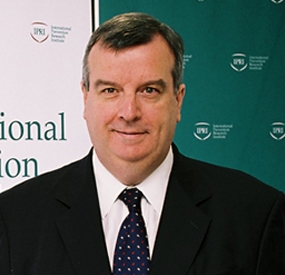 Peter Boyle合作论文数University of Strathclyde;International Prevention Research Institute;Strathclyde Institute for Global Public Health1Noritake Masayuki合作论文数1Hideaki Mizoguchi合作论文数1Mitsuo Ohta合作论文数1Jonathan S T Sham合作论文数1
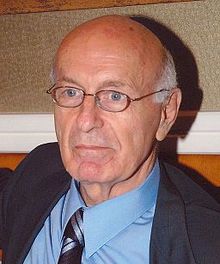 Dimitrios Trichopoulos合作论文数Department of Epidemiology, Harvard School of Public Health1




