Background and Purpose. The influence of African-American ethnicity on outcomes of kidney transplant recipients subjected to early steroid withdrawal remains controversial. Recent studies that suggest no higher risk among African Americans may be biased by recruitment of relatively small number of African Americans or by patient selection. We compared outcomes of African Americans to non-African Americans in a center in which early steroid withdrawal has become the standard of practice.Methods. This was a single-center prospective study of 133 consecutive patients receiving primary kidney transplants between January 2006 and December 2008, followed for months, and managed with a similar immunosuppression regimen that included induction antibody therapy, tacrolimus, mycophenolate mofetil, and withdrawal of steroids on postoperative day 5. Acute rejection and other outcomes were compared in African-American patients (n = 55) and compared with those of non-African-American patients (n = 78).Results. During the first 12 months after early steroid withdrawal, African-American patients experienced a significantly higher cumulative incidence of acute rejection than non-African Americans (23.6% vs 7.7%; P = .020). Using multivariate logistic regression, ethnicity (odds ratio 3.33; P = .047) and HLA mismatch (odds ratio 1.44; P = .041) were significantly correlated with acute rejection independent of recipient age, gender, historical peak panel reactive antibody level (PRA) or PRA at time of transplant, time on dialysis, or donor source.Conclusions. African Americans are at increased risk of acute rejection after early steroid withdrawal, particularly when they receive kidneys from poorly matched donors.
BACKGROUND:There is limited data on the potential nephrotoxicity of sirolimus (SRL) and tacrolimus (TAC) in combination. METHODS:We reviewed the course of 97 kidney transplant patients treated with SRL and reduced-dose TAC. Conversion from SRL to mycophenolate mofetil (MMF) was prescribed in a minority (n = 19) for various nonrenal side effects. We compared outcomes of converted patients to those remaining on TAC/SRL (n = 78). RESULTS:TAC levels were increased in converters (P = 0.009). Rejection rates were similar between groups over 18 months (21% vs. 16%, p = ns). Serum creatinine (Cr) and MDRD glomerular filtration rate (GFR) were similar between groups at nadir and six-months, but at 18 months the percent change from six-month Cr was +17% in non-converters vs. -10% in converters (P = 0.004 for the difference). The difference in GFR between groups at 18 months was also significant (P = 0.01). By multivariate analysis, only conversion to MMF was associated with a greater percent change in Cr from 6 to 18 months (P = 0.015). Conversion to MMF also correlated with higher GFR at 18 months independent of rejection, delayed graft function, and ethnicity. CONCLUSIONS:Conversion from TAC/SRL to TAC/MMF led to improved renal function despite increased TAC exposure after conversion.
Final crossmatch testing is routinely used to assess the risk of antibody-mediated graft injury/rejection post-transplant. Analogously, we postulated that quantitative measurements of anti-donor effector/memory T cells pre-transplant would independently assess post-transplant risk. To address this hypothesis, we determined the frequencies of pre-transplant, donor-specific interferon-gamma (IFN-gamma) enzyme-linked immunosorbent spots (ELISPOTs) and correlated the results with post-transplant outcomes in 37 African American recipients of deceased donor kidney transplants treated with tacrolimus- and sirolimus-based immunosuppression. A positive ELISPOT test (>25 spots/300,000 cells) was detected in 14 (38%) of 37 patients. The incidence of biopsy-proven acute rejection was 50% (7/14) in ELISPOT-positive versus 17% (4/23) in ELISPOT-negative patients (p=0.036). Calculated glomerular filtration rate (MDRD) at 12 months was 37+/-16 mL/min in ELISPOT-positive versus 55+/-20 mL/min in ELISPOT-negative patients (p=0.01). ELISPOT status remained a correlate of allograft function at 12 months by linear regression analysis (p=0.001), independent of rejection and other contributing variables. Pre-transplant donor-directed IFN-gamma ELISPOT assessment of anti-donor cellular immunity may function as a 'cellular crossmatch' and independently correlates with renal allograft function in African Americans receiving tacrolimus- and sirolimus-based immunosuppression.
Background. Laparoscopic live donor nephrectomy (LDN) is a less invasive alternative to traditional open nephrectomy that has several potential advantages. However, there have been few large series reports describing the complications of LDN and the details of their management.Methods. We performed a retrospective review of 500 LDNs performed at our center between October 1997 and September 2003. We evaluated preoperative donor characteristics, intraoperative parameters and complications, and postoperative recovery and complications. A modification of the Clavien classification was developed and used to grade the severity of all complications.Results. The overall rate of intraoperative complications was 2.8%. There were 9 open conversions (1.8%), of which 6 were in the first 100 cases. Six of the 9 open conversions were for management of complications; 3 were elective. Seven renovascular incidents (1.4%) all required open conversion except one. The overall rate of postoperative complications was 3.4%. Thirty of 500 patients in our LDN series experienced an intraoperative or procedure-related complication (6.0%). Men graded by severity, 18 of 31 (58.1%) of all complications were grade 1, 11 of 31 (35.4%) grade 2, and 2 of 31 (6.5%) grade 3. Only I recipient experienced delayed graft function, and only I recipient had a urologic complication.Conclusions. Our series supports the safety and efficacy of LDN with very low intraoperative complication and conversion rates. Most of the intraoperative complications can be managed laparoscopically. Readmissions are extremely rare (1.5%). Aberrant vascular anatomy and obesity are not contraindications to LDN, but they require experience. With careful surgical technique, delayed graft function and urologic complications in recipients can be avoided. A graded classification scheme for reporting complications of donor nephrectomy might be useful for maintaining registry information on donor outcomes and when informing potential donors about the risks and benefits of this procedure.
BACKGROUND:Historically, antibody induction has been used because of the higher immunologic risk of graft loss or rejection observed in simultaneous pancreas and kidney (SPK) transplantation compared with kidney transplantation alone. This trial was designed to assess the effect of antibody induction in SPK transplant recipients receiving tacrolimus, mycophenolate mofetil, and corticosteroids. Induction agents included T-cell-depleting and interleukin-2 receptor antibodies. METHODS:A total of 174 SPK transplant recipients were enrolled in a prospective, open-label, multi-center study. They were randomized to induction (n=87) or non-induction (n=87) groups and followed for 3 years. RESULTS:At 3 years, actual patient (94.3% and 89.7%) and pancreas (75.9% and 75.9%) survivals were similar between the induction and non-induction groups, respectively. Actual kidney survival was similar at 1 and 2 years, but at 3 years, it was significantly better in the induction group compared with the non-induction group (92% vs. 81.6%; P =0.04). At 3 years, median serum creatinine and hemoglobin A1C were similar between the induction and non-induction groups (1.35 mg/dL and 1.20 mg/dL, 5.4% and 5.5%, respectively). Three-year cumulative incidence of biopsy-confirmed, treated acute kidney rejection in the induction and non-induction groups was 19.5% and 27.5% (P =0.14), respectively, with odds 4.6 times greater in African Americans regardless of treatment (P =0.004). Significantly higher rates of cytomegalovirus (CMV) viremia and CMV syndrome occurred in those receiving T-cell-depleting antibody induction (36.1%) when compared with those receiving anti-interleukin-2 receptor antibodies (2%) and non-induction (8.1%) (P <0.0001). CONCLUSIONS:Tacrolimus, mycophenolate mofetil, and corticosteroids resulted in excellent safety and efficacy in SPK transplant recipients. Actual 3-year kidney survival was significantly better in the induction group; however, CMV viremia and CMV syndrome rates were significantly higher in the T-cell-depleting antibody group. African Americans demonstrated a significantly greater risk of acute rejection despite antibody induction. Decisions regarding the use of induction therapy must weigh the risk of kidney graft loss or rejection against the risk of infection.
A randomized, multicenter, prospective study was conducted at 18 pancreas transplant centers in the United States to determine the role of induction therapy in simultaneous pancreas-kidney (SPK) transplantation. One hundred and 74 recipients were enrolled: 87 recipients each in the induction and noninduction treatment arms. Maintenance immunosuppression consisted of tacrolimus, mycophenolate mofetil, and corticosteroids. There were no statistically significant differences between treatment groups for patient, kidney, and pancreas graft survival at 1-year. The 1-year cumulative incidence of any treated biopsy-confirmed or presumptive rejection episodes (kidney or pancreas) in the induction and noninduction treatment arms was 24.6% and 31.2% (P=0.28), respectively. The 1-year cumulative incidence of biopsy-confirmed, treated, acute kidney allograft rejection in the induction and noninduction treatment arms was 13.1% and 23.0% (p=0.08), respectively. Biopsy-confirmed kidney allograft rejection occurred later post-transplant and appeared to be less severe among recipients that received induction therapy. The highest rate of Cytomegalovirus (CMV) viremia/syndrome was observed in the subgroup of recipients who received T-cell depleting antibody induction and received organs from CMV serologically positive donors. Decisions regarding the routine use of induction therapy in SPK transplantation must take into consideration its differential effects on risk of rejection and infection.
Post-transplant monitoring of cellular immunity might be useful in predicting long-term outcomes of kidney transplant recipients. We used an enzyme linked immunoabsorbent spot (ELISPOT) assay to serially measure the frequency of peripheral blood lymphocytes producing interferon-gamma in response to stimulator cells from donors or third parties in 55 primary kidney transplant recipients. Mean frequencies measured during the first 6 months after transplantation correlated significantly with the serum creatinine concentration at both 6 and 12 months following transplantation. The mean frequencies were higher in patients with acute rejection than in those without acute rejection. Multiple regression analyses indicated that the correlations between the early ELISPOT measurements of interferon-gamma and serum creatinine were independent of acute rejection, delayed graft function, or the presence of panel reactive antibodies before transplantation. Patients with low mean frequencies of interferon-producing cells in the early post-transplant period were generally free from acute rejection and exhibited excellent renal function at 6 and 12 months post-transplant. In conclusion, using the ELISPOT assay, we show an independent correlation between early cellular alloreactivity and long-term renal function. Increased levels of early alloreactivity measured with this assay may serve as a surrogate for chronic allograft dysfunction.
Mycophenolate mofetil (MMF) and sirolimus impair wound healing. We compared sirolimus vs. MMF to determine the relative impact on surgical complications and wound healing in adult kidney transplant recipients. This retrospective, single center study of 235 adult kidney transplants performed between 1 January 2000 and 31 January 2002 identified 158 adult, kidney-only recipients treated with tacrolimus and prednisone, from which two groups were defined: group 1 (n = 84) received MMF, group 2 (n = 74) received sirolimus. The incidence of fluid collections, wound problems, dehiscence, and urine leak were compared. A multivariate stepwise logistical regression analysis was performed to identify risk factors. The overall incidence of complications was 21.5%, with rates significantly lower in group 1 (2.4%) vs. group 2 (43.2%, p < 0.0001). Regression analysis showed only sirolimus (p < 0.001) and hypo-albuminemia (p = 0.006) to independently correlate with complication occurrence. In subanalyses, lymphoceles correlated only with sirolimus (p = 0.003), while other wound problems also correlated with higher body mass index (p = 0.067). The use of sirolimus, tacrolimus and prednisone was associated with a greater incidence of lymphoceles, non-lymphocele perinephric fluid collections and other consequences of poor wound healing, as compared to contemporary patients treated with MMF, tacrolimus and prednisone.
Background. In animal models, endothelin-1 (ET-1) blockade attenuates transplant vasculopathy and chronic allograft dysfunction even in the absence of cyclosporine (CsA). As CsA has side effects and ET-1 antagonism alone has significant benefits, we postulated that allograft survival could be significantly improved by combining an endothelin-converting enzyme inhibitor with low-dose CsA. Methods. Survival of Lewis to Fisher 344 rat heterotopic cardiac allografts was determined in untreated animals and compared with those treated with high-dose CsA (62 mg/kg i.m. on day 2), low-dose CsA (25 mg/kg), an endothelin-converting enzyme inhibitor, phosphoramidon (PA, 10 mg/kg/day), or low-dose CsA + PA. Results. Untreated allografts had a median survival of 16 days compared with 20 days for low-dose CsA. Grafts treated with PA survived for 28 days, and combination of PA and low-dose CsA improved median survival to 47 days (P <0.01). Median survival with combination therapy was similar to that for high-dose CsA (42 days). To explore mechanisms underlying the benefits of combination therapy, cardiac allografts treated as above (n=4 each group) were explanted at 20 d and analyzed for parenchymal rejection, neointimal vasculopathy, myocardial fibrosis, and macrophage infiltration. Low-dose CsA alone but not PA improved parenchymal rejection; in contrast, PA alone but not low-dose CsA improved vasculopathy. Both parenchymal rejection and vasculopathy were improved by combination therapy with low-dose CsA and PA. Unlike CsA, inhibition of ET-1 biosynthesis significantly reduced myocardial fibrosis in allografts. Conclusions. These results suggest that the combination of low-dose CsA and endothelin-converting enzyme inhibition may prove useful to improve long-term graft survival while minimizing potential side effects of CsA.
 De Hricik合作论文数42Jt Mayes合作论文数19TC Knauss合作论文数18
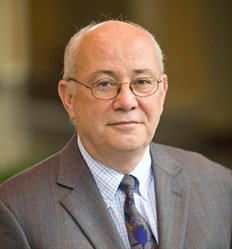 Donald E. Hricik合作论文数Case Western Reserve University;Division of Nephrology and Hypertension, University Hospitals Case Medical Center15M R Bartucci合作论文数14Joshua J. Augustine合作论文数12
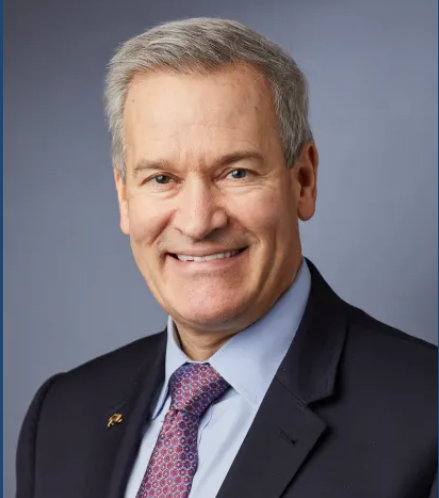 David Mulligan合作论文数Department of Surgery, Yale School of Medicine, Yale University11AV Robinson合作论文数10Ab Post合作论文数7
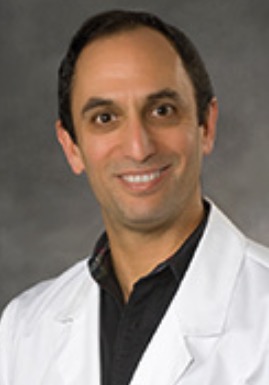 Richard K. Sterling合作论文数Department of Medicine, School of Medicine, Virginia Commonwealth University;Department of Internal Medicine, School of Medicine, Virginia Commonwealth University7
 Peter S. Heeger合作论文数Recanati Miller Transplant Institute, Icahn School of Medicine at Mount Sinai7Sm Wilhelm合作论文数5Ms Simonson合作论文数5Nt Stowe合作论文数5
 Kenneth Bodziak合作论文数5Nicholas T Stowe合作论文数4CT Siegel合作论文数4FL WEBER合作论文数4Gh Jacobs合作论文数4
 Neil S. Greenspan合作论文数Department of Pathology, School of Medicine, Case Western Reserve University;Histocompatibility and Immunogenetics Laboratory, University Hospitals Cleveland Medical Center4Aparna Padiyar合作论文数4Ellen J. Moir合作论文数4MA FRIEDLANDER合作论文数3KA Weigel合作论文数3Ann Robinson合作论文数3KA Bodziak合作论文数3Shannon Kuhlenschmidt合作论文数3MS Phinney合作论文数3D Siu合作论文数3
 Magdalena Tary-Lehmann合作论文数3Venkatesh Krishnamurthi合作论文数Cleveland3Ravi Masih合作论文数3Cora Dejelo合作论文数3Michael S. Simonson合作论文数3Aa Chitale合作论文数2P F Gores合作论文数2B Koshla合作论文数2EQ Sanchez合作论文数2M. Tary Lehmann合作论文数2CG Fasola合作论文数2Mi Aeder合作论文数2M. Aeder合作论文数2K. J. Woodside合作论文数2RJ CORRY合作论文数2
 Vincent Monnier合作论文数Department of Biochemistry, School of Medicine, Case Western Reserve University;Department of Pathology, School of Medicine, Case Western Reserve University2Newman L N合作论文数2
 Mark D. Stegall合作论文数Department of Surgery, Mayo Clinic;Children's Center, Mayo Clinic2Jacobs G H合作论文数2




