INTRODUCTION:This review provides an overview of Roland R. Griffiths' history of research, and his mentoring and collaborating approach to science that contributed to his impact in behavioral and neuropsychopharmacology and psychedelic medicines development. APPROACH:The approach was to summarize studies in his major domains of research, including preclinical and clinical abuse liability assessment science, alcohol, benzodiazepines, caffeine, tobacco, and psychedelics. All the authors of this review were mentored by and collaborated with Griffiths-some over several decades-and were able to provide personal perspectives and insights into Griffiths' approach to science and scientific collaborations, including insights into how major research initiatives were conceived and evolved with personal anecdotes and quotes. OVERVIEW:Roland Griffiths is widely described as a "scientist's scientist," driven by his powerful curiosity to explore new frontiers in behavioral biology and neuropharmacology, with a passion to pursue humanity-serving science. His methodical approach to research development and then systematic extension and assessment of the generalizability of findings contributed to the evolution of thinking and scientific methods for abuse liability assessment, policy, and regulation of alcohol and other sedatives, tobacco and nicotine, caffeinated products and other stimulants, and in his last 2 decades, psychedelics. His inclusive and collegial approach to science, mentoring, and collaborating fueled his creativity and productivity and a fountain of innovation and research that will go on in perpetuity. Nowhere is this more evident than at the Johns Hopkins Center for Psychedelic and Consciousness Research established in the last few years of his life, in part because of his remarkable scientific life.
Indigenous Peoples have cultivated and protected natural psychoactive medicines through ceremony, kinship, and spiritual responsibility across generations, yet their long-standing contributions have often been marginalized through extractive research, commercialization, and policy exclusion. It is Indigenous communities that have stewarded and gained expertise working with psychoactive medicines for centuries, yet they remain underrepresented within the scientific discourse. This commentary advances the case for reciprocal and equitable collaboration in psychedelic science, grounded in Indigenous sovereignty, cultural and intellectual property rights, and governance. Drawing on traditions involving ayahuasca, psilocybin, peyote, and iboga, we illustrate how Indigenous methodologies, including ritual, community-based practices, and ecological approaches, offer insights critical to both safety and efficacy. We argue that research and policy must embed free, prior, and informed consent, equitable benefit-sharing, and Indigenous leadership. Such efforts require moving past tokenistic inclusion toward meaningful collaboration and systemic change in psychedelic research that is both scientifically rigorous and culturally just. We conclude by calling for more formal, transparent, and globally legitimate convening processes, such as those modeled on WHO global consultations, that can bring Indigenous leaders, researchers, and policymakers together in dialogue. These steps represent profound acts of inclusion essential for these medicines to realize their full potential to heal and transform.
Kratom, a medicinal Southeast Asian plant, gained interest in the United States for its analgesic and stimulant effects. Previous clinical studies characterized mitragynine and 7-hydroxy-mitragynine (7-OH-MTG) plasma pharmacokinetics following kratom tea and dried kratom leaf powder intake; however, to date, there are no kratom extract data. In the current study, mitragynine and 7-OH-MTG plasma pharmacokinetics are characterized in humans following increasing single doses (SD) and 15 multiple daily doses (MD) of concentrated kratom extract (39.5% mitragynine) containing 9.9, 29.6, and 59.2 mg mitragynine. Mean mitragynine plasma Cmax after single escalating doses increased dose-dependently, 32.8 ± 17.0, 93.2 ± 38.6, and 196 ± 77.4 ng/ml at a median Tmax of 1.3 h, with mean 7-OH-MTG Cmax of 6.8 ± 2.7, 13.7 ± 3.3, and 30.5 ± 12.2 ng/mL at a median Tmax of 1.3-1.7 h. Mean mitragynine plasma Cmax after 15 escalating multiple doses increased dose-dependently, 27.4 ± 10.9, 125 ± 79.7, and 277 ± 48.8 ng/mL at a median Tmax of 1.7-2.0 h, with mean 7-OH-MTG Cmax of 5.4 ± 1.9, 16.6 ± 6.1, and 33.9 ± 5.5 ng/mL at a median Tmax of 1.7-2.3 h. Cmax and AUC increased dose-dependently following SD and MD but were less than 1.4X greater than expected for both analytes and all doses based on strict dose proportionality. Half-lives were best reflected at higher doses due to the ability to measure low analyte concentrations longer but also suggested possible enzyme saturation. Higher 7-OH-MTG to mitragynine ratios were observed after multiple doses compared to SD and at lower compared to higher doses. These data indicate that concentrated kratom extracts may yield greater overall mitragynine exposure than dried kratom leaf powder or kratom tea preparations administered at comparable doses.
Kratom is increasingly used in the United States for energy and self-management of pain and mood. While its active alkaloid, mitragynine, has partial μ-opioid receptor agonist activity, clinical data on its abuse potential remain limited. This study evaluated abuse-related outcomes following single and multiple doses of dried kratom leaf powder in healthy kratom-naive adults in a randomized, double-blind, placebo-controlled study. Healthy participants (n = 116) received a single oral dose or 15 consecutive daily doses of Mitra-Leaf kratom capsules (4 cohorts: 500-4000 mg dried leaf powder; equivalent to 6.65-53.2 mg mitragynine; n = 12-13 per cohort, n = 49 total) or placebo (n = 67). Subjective effects were assessed using the Drug Effects Questionnaire (DEQ). Opioid withdrawal symptoms were evaluated using the Subjective Opioid Withdrawal Scale (SOWS) and Clinical Opiate Withdrawal Scale (COWS). Abuse-related treatment-emergent adverse events (ARTEAEs) were recorded. DEQ responses were dose-related, except between the middle two dose levels with statistically significant increases in maximum effect and area-under-the-curve compared to placebo observed only at the highest single dose. DEQ responses decreased following repeated dosing. No participants met the threshold for clinically meaningful opioid withdrawal based on COWS or SOWS. ARTEAEs occurred more frequently at higher doses but were generally mild and resolved without sequelae. No serious adverse events or deaths were reported. Oral administration of kratom at tested doses was well tolerated and associated with modest, dose-related subjective effects, minimal withdrawal symptoms, and low ARTEAE rates. Findings support further research on kratom's safety and therapeutic potential, while emphasizing the importance of dose control and product standardization.
The United States Food and Drug Admin-istration's(FDA's)August 2024 determi-nation that an additional phase Ⅲ study will be required to consider the approval of midomafetamine for the treatment of post-traumatic stress disorder(PTSD)could delay the potential approval of this promising treatment by several years.1 In principle,the FDA's expanded access pathway could enable broader access to investigational treatments as clinical trials continue.However,this alter-native pathway is so burdensome that few patients are likely to benefit.Adoption of elements based on the Canadian model to expanded access may help more patients gain access to psychedelic therapy while simulta-neously providing data about safety and effi-cacy for the FDA to consider in future reviews of these treatment approaches.
Although kratom use has been part of life for centuries in Southeast Asia, the availability and use of kratom in the United States (US) increased substantially since the early 2000s when there was little information on kratom pharmacology, use patterns, and effects, all critical to guiding regulation and policy. Here we provide a synthesis of research with several hundred English-language papers published in the past 5 years drawing from basic research, epidemiological and surveillance data, and recent clinical research. This review of available literature aims to provide an integrated update regarding our current understanding of kratom’s benefits, risks, pharmacology, and epidemiology, which may inform United States-based kratom regulation. Recent surveillance indicates there are likely several million past-year kratom consumers, though estimates vary widely. Even without precise prevalence data, kratom use is no longer a niche, with millions of United States adults using it for myriad reasons. Despite its botanical origins in the coffee tree family and its polypharmacy, kratom is popularly characterized as an opioid with presumed opioid-system-based risks for addiction or overdose. Neuropharmacology, toxicology, and epidemiology studies show that kratom is more accurately characterized as a substance with diverse and complex pharmacology. Taken together the work reviewed here provides a foundation for future scientific studies, as well as a guide for ongoing efforts to regulate kratom. This work also informs much-needed federal oversight, including by the United States Food and Drug Administration. We conclude with recommendations for kratom regulation and research priorities needed to address current policy and knowledge gaps around this increasingly used botanical product.
![Figure][1] Travis Thompson. Dr. Travis Thompson, a pioneer in behavioral pharmacology and a leading innovator in behavioral medicine and developmental disabilities, died on August 2, 2023, at the age of 86. Professor Thompson received his PhD in experimental psychology in 1961 from the
Introduction The Society for Research on Nicotine and Tobacco began in the United States as a scientific organization "to stimulate the generation and dissemination of new knowledge concerning nicotine and tobacco in all its manifestations." Now in its 30th year, the Society is taking on new challenges in tobacco control, nicotine vaping, product regulation, and public policy.Aims and Methods This Review describes the formative years of the Society from the perspective of researchers who were in leadership positions during that time, documenting how biobehavioral and clinical research in the first 10 years was a continuation of the scientific mission of the 1988 United States Surgeon General's Report on Nicotine Addiction and summarizing organizational innovations during each president's term of office.Conclusions The Society's promotion of scientific research served as a catalyst for funding, policy, and regulation, setting the stage for its influence and credibility.Implications This Commentary provides context and an overview of the scientific research and the organizational innovations that occurred during the early years of the Society for Research on Nicotine and Tobacco using publications and available documentation. The Society was able to thrive because biobehavioral research on nicotine addiction provided the scientific underpinnings for the tobacco control enterprise as a whole. The objective of this Commentary is to describe formative events in the Society's history based on the accomplishments of its early leaders.
ObjectiveDespite kratom impacting neurobiological systems involved in psychiatric disorders, little is known about the prevalence of use among patients with severe psychopathologies. Here, we investigated the prevalence of kratom use, motives for use, and the clinical associations among inpatients with severe psychiatric disorders.MethodsA total of 578 patients, aged 18 to 65, were evaluated by New Hampshire Hospital's Addiction Services from January 1, 2020, to February 28, 2022. The study collected demographic information and used chi-square tests, multivariable logistic regression, and subgroup analyses with 95% confidence intervals to examine trends among kratom users. A receiver operating characteristic curve analysis was also conducted. All statistical tests were performed using IBM SPSS Version 28.0.1.ResultsOf the patients assessed, 2.2% (n = 13) reported using kratom. The reasons for kratom use were managing withdrawal symptoms (15.4%), maintaining sobriety and reducing cravings for opioids (53.8%), improving focus and concentration (30.8%), alleviating low moods (38.5%), and managing pain (15.4%). Compared to non-kratom users, the only factor with a fair to good association with kratom use is postsecondary education (Area Under Curve, AUC = 0.77).ConclusionsPrevalence of kratom use among patients with serious mental illness at our site aligns with that reported in the general population. Users often cite self-management of cravings and sobriety from opioids, as well as treatment of low mood states, as motivations for consumption. While observations suggest a possible association between kratom use and individuals with post-secondary education, multiple substance use, and experience of substance-induced psychosis or mood disorders, it is essential to interpret these links cautiously until further rigorous studies are carried out to substantiate these findings.
As individuals and communities around the world confront mounting physical, psychological, and social threats, three complimentary mind-body-spirit pathways toward health, wellbeing, and human flourishing remain underappreciated within conventional practice among the biomedical, public health, and policy communities. This paper reviews literature on psychedelic science, contemplative practices, and Indigenous and other traditional knowledge systems to make the case that combining them in integrative models of care delivered through community-based approaches backed by strong and accountable health systems could prove transformative for global health. Both contemplative practices and certain psychedelic substances reliably induce self-transcendent experiences that can generate positive effects on health, well-being, and prosocial behavior, and combining them appears to have synergistic effects. Traditional knowledge systems can be rich sources of ethnobotanical expertise and repertoires of time-tested practices. A decolonized agenda for psychedelic research and practice involves engaging with the stewards of such traditional knowledges in collaborative ways to codevelop evidence-based models of integrative care accessible to the members of these very same communities. Going forward, health systems could consider Indigenous and other traditional healers or spiritual guides as stakeholders in the design, implementation, and evaluation of community-based approaches for safely scaling up access to effective psychedelic treatments.
 Reginald V. Fant合作论文数Addiction Research Center, National Institute on Drug Abuse41
 Stephen J. Heishman合作论文数National Institute on Drug Abuse;Johns Hopkins School of Medicine30
 August R. Buchhalter合作论文数Depart - ment of Psychiatry and Behavioral Sciences;Uni - versity School of Medicine, Johns Hopkins;Balti - more29
 Wallace B. Pickworth合作论文数Clinical Psychopharmacology Section, NIDA/NIH Addiction Research Center27
 Edward J Cone合作论文数Department of Psychiatry and Behavioral Sciences, Johns Hopkins Medicine26
 Roland R. Griffiths合作论文数Department of Neuroscience, School of Medicine, Johns Hopkins University;Department of Psychiatry & Behavioral Sciences, School of Medicine, Johns Hopkins University;Center for Psychedelic and Consciousness Research, Johns Hopkins University20
 Dorothy Hatsukami合作论文数Department of Psychiatry and Behavioral Sciences, Medical School, University of Minnesota19
 Saul Shiffman合作论文数Department of Psychology, The Dietrich School of Arts & Sciences, University of Pittsburgh17
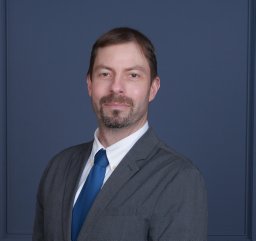 Oliver Grundmann合作论文数Department of Nutritional Sciences, University of Arizona14Sidney H. Schnoll合作论文数Department of Anesthesiology (S.R.S.),, Dartmouth Medical School;New Hampshire Regional Medical Opioid Treatment and Education Project (NH ReMOTE) (S.R.S.), Bradford, New Hampshire;Comprehensive Cancer Center, University of Wisconsin-Madison;Department of Psychiatry (E.C.C.),, Cleveland Clinic Foundation;Medical College of Virginia, Virginia Commonwealth University;Department of Health Policy (S.H.S.),, Purdue Pharma L.P;and Department of Medicine (H.A.H),, Georgetown University School of Medicine;University of Wisconsin-Madison, Georgetown University School of Medicine13
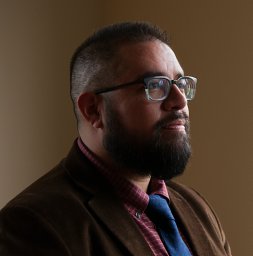 Albert Garcia-Romeu合作论文数12
 Gregory N Connolly合作论文数12
 Neal L. Benowitz合作论文数Division of Clinical Pharmacology, San Francisco General Hospital;Department of Medicine, School of Medicine, University of California San Francisco;Helen Diller Family Comprehensive Cancer Center, University of California San Francisco12N. Gray合作论文数11
 David L. Ashley合作论文数Department of Chemistry, Emory University11
 Maxine L. Stitzer合作论文数Friends Research Institute, Inc.;Department of Psychiatry and Behavioral Sciences, School of Medicine, Johns Hopkins University11Mirjana V. Djordjevic合作论文数11R. Nemeth-Coslett合作论文数10
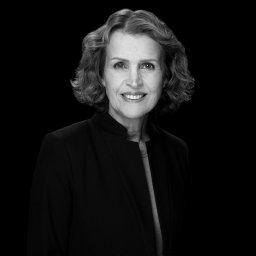 J Ashworth合作论文数10Aleksandras Radzius合作论文数10
 Olalekan A Ayo-Yusuf合作论文数9
 Lanier Ryan K合作论文数9Ghazi Zaatari合作论文数9
 S. Katharine Hammond合作论文数Division of Environmental Health Sciences, School of Public Health, University of California8
 Vera Luiza da Costa e Silva合作论文数8Zeller Mitch合作论文数8
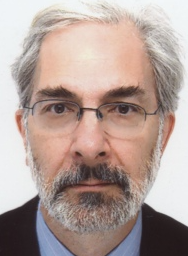 Alan Boobis合作论文数National Heart & Lung Institute, Faculty of Medicine, Imperial College London;Toxicology Unit, Faculty of Medicine, Imperial College London8Antoon Opperhuizen合作论文数8John M. Pinney合作论文数8
 Prakash Chandra Gupta合作论文数Healis-Sekhsaria Institute for Public Health8
 Marilyn Huestis合作论文数Institute of Emerging Health Professions, Thomas Jefferson University;Sidney Kimmel Medical College, Thomas Jefferson University8
 Darshan Singh合作论文数7
 David A. Gorelick合作论文数Department of Psychiatry, University of Maryland School of Medicine7
 Richard A Meisch合作论文数7
 Edythe London合作论文数Department of Molecular and Medical Pharmacology, University of California Los Angeles7Edward G. Singleton合作论文数7Daniel W Wang合作论文数6
 Kirsten Smith合作论文数6
 Sean J. Belouin合作论文数6Steven R. Goldberg合作论文数National Institute on Drug Abuse6
 Stephen T. Higgins合作论文数Department of Psychological Science, College of Arts and Sciences, University of Vermont;Vermont Center on Behavior and Health, College of Medicine, University of Vermont6Karen K. Gerlach合作论文数6
 Joseph G Gitchell合作论文数6John Slade合作论文数6
 Marc T Swogger合作论文数6D R Jasinski合作论文数5
 Karl Fagerstrom合作论文数5
 Gary A. Giovino合作论文数Department of Community Health and Health Behavior, University at Buffalo, The State University of New York5
 Scott L Tomar合作论文数Department of Community Dentistry and Behavioral Science, College of Dentistry, University of Florida;University of Illinois Chicago College of Dentistry5




