BACKGROUND:Retromastoid craniectomy (RSC) is a cardinal surgical approach used to access the posterior fossa. Hydroxyapetite bone cement (HBC) is frequently employed for cranioplasty in efforts to prevent cerebrospinal fluid (CSF) leak, whilst maintaining low complication rates and good cosmetic satisfaction. The authors aim to determine the safety and effectiveness of HBC for reconstruction RSC used for treatment of various cranial nerves disorders.METHODS:The authors conducted a retrospective one-center two surgeons review of 113 patients who underwent RSC filled with HBC for the treatment of cranial nerve disorders. The study period extended from January 2011 through April 2016. Charts were reviewed for documentation of descriptors pertinent to the endpoints described above. Revisions and reoperations were excluded from analysis.RESULTS:Ninety-three patients met the inclusion criteria; there was one case of postoperative pseudomeningocele, which was considered as CSF leak (1%), 3 (3,2%) superficial infections, and no deep infections. Cosmetic satisfaction was obtained in all but one case (98.9% satisfaction) and long-term incisional pain was problematic in 1 (1.1%) patient. Other complications (serous drainage, headache, ear pain) accounted for three cases (3.2%).CONCLUSIONS:The application of HBC in the reconstruction of RSC for the treatment of cranial nerves disorders is an effective method, yielding good cosmetic results whilst eliminating CSF leak. Additionally, it is safe due to the lack of deep-seated wound infections with low incidence of chronic incisional pain.
BACKGROUND: Mild traumatic brain injury is a clinical diagnosis predicated on a patient's neurologic status and encompasses a variety of pathologies on computed tomography. We wondered whether isolated traumatic subarachnoid hemorrhage (iSAH) without other intracranial pathologic diagnosis is a more benign form of minor head injury that does not warrant extensive (and expensive) observation and follow-up.METHODS: This is a retrospective review of patients identified prospectively via a trauma registry during a period of 7 years, who had the computed tomographic finding of iSAH on admission scan and a Glasgow Coma Scale (GCS) score of 13 or greater.RESULTS: There were 478 patients identified, with a mean age 61 years, and 223 were male. Median Injury Severity Score (ISS) was 10 (range, 9-48), and the distribution was 415, 54, and 12 for those with GCS score of 15, 14, and 13, respectively. In-hospital follow-up imaging in nine patients demonstrated increased pathologic findings, but subsequent imaging showed stable or decreasing blood, and none experienced a neurologic decline or underwent a neurosurgical procedure.Among those with no other injuries (ISS = 9, n = 118) patients spent a mean of 2.0 (95% confidence interval, 1.1-2.9) days in intensive care unit and 4.9 (95% confidence interval, 3.9-6.0) days in hospital. The likelihood of discharge home was significantly related to age (p < 0.0001), ISS (p < 0.01), and admission GCS (p < 0.01) (stepwise logistic regression), but not progression of SAH. At 6-week follow-up, one patient (0.2%) developed bilateral chronic subdurals requiring drainage, without neurologic sequela.CONCLUSION: In this largest reported series to date of iSAH in the setting of mild traumatic brain injury, the finding seems to be benign and can likely be managed without routine follow-up imaging or intensive care unit admission in the absence of other significant trauma. (J Trauma Acute Care Surg. 2013;74: 581-584. Copyright (C) 2013 by Lippincott Williams & Wilkins)
Concussions are a frequent occurrence in athletic endeavors, its rate exceeding that occurring in the general population by 50 fold. The biomechanics and pathophysiology of concussion are still not well understood and may lead to potential significant sequelae from single or more commonly multiple concussions. Postconcussive symptoms, the second impact syndrome and the cumulative effects of concussions are all topics of interest in current concussion research in athletes and are leading to a more rational approach in determining policy aimed at returning athletes to their sport after a concussion. This chapter reviews current knowledge on the mechanisms, pathophysiology and sequelae of concussion in athletes.
BACKGROUND AND IMPORTANCE Status epilepticus (SE) refractory to medical treatment has a high mortality rate and few effective treatments. CLINICAL PRESENTATION We describe the implantation of a vagal nerve stimulator to help terminate a case of refractory SE. A 23-year-old man was in SE for 3 weeks without being able to be weaned from intravenous anesthetic agents. After implantation of a vagal nerve stimulator, SE soon terminated, and the patient could be weaned from sedative agents and made a full recovery. CONCLUSION Vagal nerve stimulator should be considered in cases of refractory SE. ABBREVIATIONS EEG: electroencephalogram GTCS: generalized tonic-clonic seizure SE: status epilepticus VNS: vagal nerve stimulator
From the Department of Neurosurgery (J.W., G.A.), Allegheny General Hospital, Pittsburgh; and Drexel University College of Medicine (A.W.), Philadelphia, Pennsylvania. Submitted for publication July 14, 2010. Accepted for publication July 19, 2010. Address for reprints: Jack Wilberger, MD, FACS, Departments of Neurosurgery, Allegheny General Hospital, Drexel University College of Medicine, Suite 302 420 East North Avenue, Pittsburgh, PA 15212; email: [email protected].
OBJECT The h index is a recently developed bibliometric that assesses an investigator's scientific impact with a single number. It has rapidly gained popularity in the physical and, more recently, medical sciences. METHODS The h index for all 1120 academic neurosurgeons working at all Electronic Residency Application Service-listed training programs was determined by reference to Google Scholar. A random subset of 100 individuals was investigated in PubMed to determine the total number of publications produced. RESULTS The median h index was 9 (range 0-68), with the 75th, 90th, and 95th percentiles being 17, 26, and 36, respectively. The h indices increased significantly with increasing academic rank, with the median for instructors, assistant professors, associate professors, and professors being 2, 5, 10, and 19, respectively (p < 0.0001, Kruskal-Wallis; all groups significantly different from each other except the difference between instructor and assistant professor [Conover]). Departmental chairs had a median h index of 22 (range 3-55) and program directors a median of 17 (range 0-62). Plot of the log of the rank versus h index demonstrated a remarkable linear pattern (R(2) = 0.995, p < 0.0001), suggesting that this is a power-law relationship. CONCLUSIONS A survey of the h index for all of academic neurosurgery is presented. Results can be used for benchmark purposes. The distribution of the h index within an academic population is described for the first time and appears related to the ubiquitous power-law distribution.
OBJECTIVE: This study is the first to investigate the influence of a symptom-free waiting period (SFWP) on clinical outcome and risk of repeat injury after sport-related concussion.METHODS: This was a prospective, nonrandomized study of 16 624 player seasons from 1999 to 2004, including a cohort. of 635 concussed high school and college athletes grouped on the basis of an SFWP or no SFWP observed after their concussion. Clinical outcome in symptoms, cognitive functioning, and postural stability 45 and 90 days postinjury was compared with preinjury baseline. Data on SFWP and same-season repeat concussion were recorded.RESULTS: An SFWP was observed in 60.3% of cases. There were no significant differences between the SFWP and no SFWP groups in acute injury characteristics or clinical outcome with respect to symptom recovery or postinjury performance on formal neuropsychological and balance testing. Most repeat concussions (79.2%) occurred within 10 days of the initial injury. The rate of repeat concussion was actually higher in the SFWP group (6.49%) than the no SFWP group (0.90%) (P < 0.005), but the repeat concussion subgroup's SFWP was 2.82 days shorter (95% confidence interval, 0.61-5.03; P < 0.01) and these athletes resumed participation 3.55 days sooner (95% confidence interval, 0.06-7.04; P < 0.05) than those in the SFWP group in which there was no repeat concussion.CONCLUSION: Our findings suggest that an SFWP did not intrinsically influence clinical recovery or reduce risk of a repeat concussion. The overall risk of same-season repeat concussion seems to be relatively low, but there may be a period of vulnerability that increases risk of repeat concussion during the first 7 to 10 days postinjury. Further study is required to investigate this preliminary finding and help determine whether this risk can be reduced further with specific injury-management strategies.
Professor and Chairman; Department of Neurosurgery; Allegheny General Hospital; Drexel University College of Medicine; Pittsburgh, Pennsylvania
OBJECTIVEThis study was conducted to evaluate outcome after decompressive craniectomy (DC) in the setting of mass evacuation with or without intracranial pressure (ICP) monitoring. METHODSOver a 48-month period (March 2000 to March 2004), 54 of 967 consecutive head injury patients underwent DC for evacuation of a mass lesion. DC was performed without ICP monitoring in 27 patients who required urgent decompression (group A) and in 27 patients who did not require urgent surgery and who had their ICP monitored for 1 to 14 days before surgery (group B). RESULTSIn group A, the mean Glasgow Coma Scale score was 6.0; 80% had computed tomographic evidence of a shift greater than 5 mm; and 25 patients underwent DC immediately after resuscitation. In group B, the mean Glasgow Coma Scale score was 7.3; 40% had computed tomographic evidence of shift; and 75% underwent DC 24 hours or longer after presentation. Overall, 22 patients died (12 in group A and 10 in group B), 11 remained vegetative or severely disabled (3 in group A and 8 in group B), and 19 had good recovery (11 in group A and 8 in group B). Two patients were lost to follow-up. In 18 group B patients with ICP greater than 20 mm Hg before mass evacuation, ICP dropped an average of 13 mm Hg (P < 0.001). A mass lesion greater than 50 mL (odds ratio [OR], 2.86; 95% confidence interval [CI], 1.04–7.89) and evidence of low attenuation on computed tomography before (OR, 3.3; 95% CI, 1.1–10.3) or after (OR, 2.92; 95% CI, 1.02–8.34) DC were predictors of death. A good outcome occurred in 42% of patients with and in 63% of patients without delayed traumatic injury (OR, 0.3; 95% CI, 0.1–1.1). Outcome was favorable in 78.6% of patients who had no ICP monitoring before DC versus 47.1% of patients with ICP monitoring (OR, 0.2; 95% CI, 0.1–1.2). CONCLUSIONIn this study, mortality after DC for mass lesion was greater than expected, and outcome did not differ between patients with or without ICP monitoring.
OBJECTIVE To verify the values and the time course of regional cerebral blood flow (rCBF) in the cortex located beneath an evacuated acute subdural hematoma (SDH) and their relationship with neurological outcome. METHODS rCBF levels were measured in multiple regions of interest, by means of a Xe-computed tomographic technique, in the cortex underlying an evacuated SDH and contralaterally in 20 patients with moderate or severe traumatic brain injury and an evacuated acute SDH. Twenty-three patients with moderate or severe traumatic brain injury and an evacuated extradural hematoma or diffuse injury served as the control group. Outcome was evaluated by means of the Glasgow Outcome Scale at 12 months. RESULTS Values for the maximum (rCBFmax) and the mean of all rCBF levels in the cortex beneath the evacuated SDH were more frequently consistent with hyperemia. The side-to-side differences in the mean of all rCBF and rCBFmax levels between lesioned and nonlesioned hemispheres were greater in patients with evacuated SDH than in controls (P = 0.0013 and P = 0.0018, respectively). The side-to-side difference in the maximum rCBF value was higher in SDH patients with unfavorable outcomes than in controls at 24 to 96 hours and at 4 to 7 days and higher than in patients with favorable outcomes at 4 to 7 days. The widest side-to-side difference in rCBFmax value was more elevated in patients with an evacuated SDH with unfavorable outcome than in patients with a favorable outcome (P = 0.047), whereas no differences were found in controls. The SDH thickness and the associated midline shift were greater in patients with unfavorable outcomes than in those with favorable outcomes. CONCLUSION On average, hyperemic long-lasting rCBF values frequently occur in the cortex located beneath an evacuated SDH and seem to be associated with unfavorable outcome.
OBJECTIVE:The long-term impact of sports-related concussion is uncertain. Several studies using traditional neuropsychological measures have found a relationship between a previous history of concussion and reduced cognitive abilities. In contrast, studies using computerized neuropsychological measures have typically found no relationship between concussion history and cognition. In the present study, we examined the association between a self-reported concussion history and cognition using traditional and computer-based neuropsychological tests.METHODS:A computerized neuropsychological battery was administered to a sample of 858 collegiate male athletes. Of this sample, 298 athletes reported a history of concussion. A traditional neuropsychological battery was administered to a separate sample of 479 male collegiate athletes, 187 of whom reported a history of concussion. Finally, both a computerized and a traditional neuropsychological battery were administered to a third distinct sample of 175 male collegiate athletes, 57 of whom reported a history of concussion. Concussion history was assessed via self-report. None of the athletes had been concussed in the 6 months before testing.RESULTS:No significant association was found between self-reported concussion history and performance on either computerized or traditional neuropsychological tests.CONCLUSION:Findings suggest that athletes who report a distant history of concussion have minimal enduring neurocognitive deficits. Given conflicting findings in the literature, prospective studies that attempt to identify moderating factors are necessary to help determine who is at risk for long-term cognitive difficulties after concussion.
OBJECTIVE: To analyze the risk factors of worst outcome associated with moderate head injury.METHODS: Data on patients with moderate head injury were collected prospectively in 11 Italian neurosurgical units over a period of 18 months. Patients older than 18 years with blunt head injury and at least one Glasgow Coma Scale (GCS) score between 9 and 13 were enrolled. The outcome was determined at 6 months using the Glasgow Outcome Scale.RESULTS: We analyzed 315 patients. Initial computed tomographic scans showed a diffuse injury type I or 11 in 63%, a mass lesion in 35%, and traumatic subarachnoid hemorrhage in 42% of the patients. The risk of progression toward a mass lesion was 23% when the admission computed tomographic scan showed diffuse injury type I or II. An emergency craniotomy was performed in 22% of the patients, delayed surgery was performed in 14%, and both were performed in 25%. A favorable outcome was obtained in 74% of the patients. When the GCS score was 9 or 10, the predictor of worst outcome was a motor GCS score of 4 or lower (odds ratio [OR], 8.08; 95% confidence interval [CI], 1.22-67.35; P = 0.008), but when the GCS score was 11 to 13, the factors associated with worst outcome were neuroworsening (OR, 3.43; 95% Cl, 1.45-8.17; P = 0.002), seizures (OR, 7.94; 95% Cl, 1.18-64.48; P = 0.02), and medical complications (OR, 4.24; 95% Cl, 1.74-10.33; P = 0.0006).CONCLUSION: There is a high percentage of surgery and worsening on computed tomographic scans in patients with moderate head injury. Neuroworsening, seizures, and medical complications as outcome predictors were more strongly associated with a GCS score of 11 to 13, whereas a low motor GCS score was more outcome-related in patients with GCS scores of 9 and 10.
 Jamshid Ghajar合作论文数Department of Neurosurgery, School of Medicine, Stanford University25
 Roger Härtl合作论文数Department of Neurological Surgery, Weill Cornell Medical College, Cornell University;Center for Comprehensive Spine Care, Weill Cornell Medical College, Cornell University;NewYork-Presbyterian Hospital22
 David W. Newell合作论文数Seattle Neuroscience Institute22
 Lori Shutter合作论文数Dept Crit Care Med, Univ Pittsburgh18
 Timmons Shelly D合作论文数Semmes-Murphey Neurologic and Spine Institute, University of Tennessee Health Science Center18
 Ullman Jamie S合作论文数18
 Wright David W合作论文数Centre for Computational Science, University College London18Andrew N. Nemecek合作论文数18Guy Rosenthal合作论文数18
 Walter Videtta合作论文数Hosp Nacl Prof Alejandro Posadas, Buenos Aires, DF, Argentina18Chestnut Randall M合作论文数16McConnell Hammond Flora F合作论文数15
 SUSAN L. BRATTON合作论文数Department of Pediatrics, School of Medicine, University of Utah;Division of Critical Care Medicine, Primary Children´s Medical Center, University of Utah15
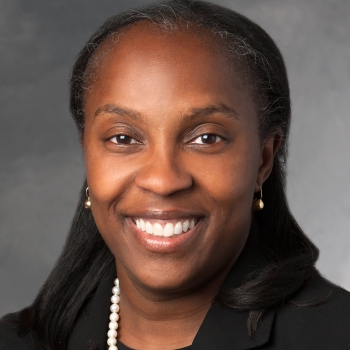 Odette Harris合作论文数Neurosurgery Department, Stanford University15Joost W. Schouten合作论文数15
 Geoffrey Manley合作论文数Department of Neurological Surgery, School of Medicine, University of California, San Francisco;Brain And Spinal Injury Center;Zuckerberg San Francisco General Hospital11
 Joseph C Maroon合作论文数11Matthew R. Quigley合作论文数Evanston Hospital, Northwestern University Medical School9Donald W. Marion合作论文数Defense and Veterans Brain Injury Center Washington9
 Beverly C. Walters合作论文数Division of Neurosurgery, University of Alabama8Alex B. Valadka合作论文数6
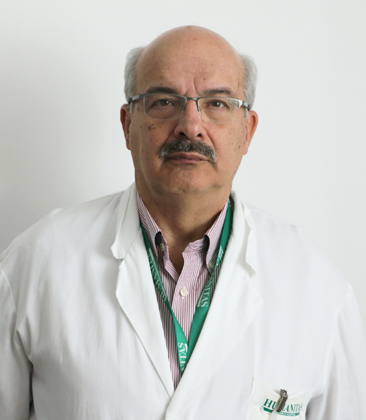 Franco Servadei合作论文数Humanitas University6ZL DEEB合作论文数6
 Randall M. Chesnut合作论文数Department of Neurological Surgery, UW Medicine, University of Washington;Department of Orthopaedics and Sports Medicine, UW Medicine, University of Washington6Gordon David N合作论文数5
 Adib A. Abla合作论文数Neurological Surgery, UCSF Weill Institute for Neurosciences5Richard H Daffner合作论文数Allegheny General Hospital;Sharon Regional Medical Center;Forbes Hospital5We Rothfus合作论文数4AL GOLDBERG合作论文数4Hickman Lindsay合作论文数4
 Michael B. Bracken合作论文数Department of Chronic Disease Epidemiology, Yale School of Public Health, Yale School of Medicine, Yale University4
 M. Ross Bullock合作论文数Department of Neurological Surgery, Miller School of Medicine, University of Miami4JE Bailes合作论文数3
 Wise Young合作论文数Department of Cell Biology & Neuroscience, Rutgers University3
 Daniel F. Kelly合作论文数Brain Tumor Center & Pituitary Disorders Center, Pacific Neuroscience Institute;Saint John’s Cancer Institute, Providence Saint John’s Health Center3
 Charles H. Tator合作论文数TWH-based Canadian Concussion Centre;Department of Surgery, University of Toronto;Neurosurgery, Toronto Western Hospital3Raymond F. Sekula合作论文数Department of Neurosurgery, Allegheny General Hospital3Lawrence F Marshall合作论文数University of Newcastle upon Tyne3MJ SHEPARD合作论文数3JH TABAS合作论文数2Sekula R F合作论文数2E F Aldrich合作论文数2JK VRIES合作论文数2W ROTHFUS合作论文数2Z DEEB合作论文数2P BAGHAI合作论文数2James Valeriano合作论文数2
 Edward Marchan合作论文数2JC Maroon合作论文数2




