Journal of Dental EducationVolume 86, Issue S3 p. 1719-1723 ADVANCING THROUGH INNOVATION Think big! Implementing a transition to practice workshop for graduating dental students Elizabeth C. Kornegay MS, RDH, Corresponding Author Elizabeth C. Kornegay MS, RDH [email protected] orcid.org/0000-0001-9842-4140 Division of Comprehensive Oral Health, University of North Carolina at Chapel Hill Adams School of Dentistry, Chapel Hill, North Carolina, USA Correspondence Elizabeth C. Kornegay, MS, RDH, Division of Comprehensive Oral Health, University of North Carolina at Chapel Hill Adams School of Dentistry, Chapel Hill, North Carolina, USA. Email: [email protected]Search for more papers by this authorRichard Hunt DDS, Richard Hunt DDS Division of Comprehensive Oral Health, University of North Carolina at Chapel Hill Adams School of Dentistry, Chapel Hill, North Carolina, USASearch for more papers by this authorJack King DDS, Jack King DDS Division of Comprehensive Oral Health, University of North Carolina at Chapel Hill Adams School of Dentistry, Chapel Hill, North Carolina, USASearch for more papers by this authorRocio B. Quinonez DMD, MS, MPH, Rocio B. Quinonez DMD, MS, MPH Division of Pediatrics and Public Health and the Associate Dean for Curriculum, University of North Carolina at Chapel Hill Adams School of Dentistry, Chapel Hill, North Carolina, USASearch for more papers by this author Elizabeth C. Kornegay MS, RDH, Corresponding Author Elizabeth C. Kornegay MS, RDH [email protected] orcid.org/0000-0001-9842-4140 Division of Comprehensive Oral Health, University of North Carolina at Chapel Hill Adams School of Dentistry, Chapel Hill, North Carolina, USA Correspondence Elizabeth C. Kornegay, MS, RDH, Division of Comprehensive Oral Health, University of North Carolina at Chapel Hill Adams School of Dentistry, Chapel Hill, North Carolina, USA. Email: [email protected]Search for more papers by this authorRichard Hunt DDS, Richard Hunt DDS Division of Comprehensive Oral Health, University of North Carolina at Chapel Hill Adams School of Dentistry, Chapel Hill, North Carolina, USASearch for more papers by this authorJack King DDS, Jack King DDS Division of Comprehensive Oral Health, University of North Carolina at Chapel Hill Adams School of Dentistry, Chapel Hill, North Carolina, USASearch for more papers by this authorRocio B. Quinonez DMD, MS, MPH, Rocio B. Quinonez DMD, MS, MPH Division of Pediatrics and Public Health and the Associate Dean for Curriculum, University of North Carolina at Chapel Hill Adams School of Dentistry, Chapel Hill, North Carolina, USASearch for more papers by this author First published: 04 March 2022 https://doi.org/10.1002/jdd.12923Read the full textAboutPDF ToolsRequest permissionExport citationAdd to favoritesTrack citation ShareShare Give accessShare full text accessShare full-text accessPlease review our Terms and Conditions of Use and check box below to share full-text version of article.I have read and accept the Wiley Online Library Terms and Conditions of UseShareable LinkUse the link below to share a full-text version of this article with your friends and colleagues. Learn more.Copy URL Share a linkShare onEmailFacebookTwitterLinkedInRedditWechat REFERENCES 1Schlossberg NK. A model for analyzing human adaptation to transition. Couns Psychol. 1981; 9(2): 2-18. 10.1177/001100008100900202 Web of Science®Google Scholar 2Olson JS. Transitions from formal education to the workplace. special issues. In: JS Olson, CA Davis, editors. Meeting the Transitional Needs of Young Adult Students. Jossey-Bass; 2014: 73-82. Google Scholar 3Quinonez RB, Wolcott MD, Reside JM, et al. Call for ACTion: transforming dental education at the University of North Carolina at Chapel Hill. N C Med J. 2019; 80(3): 182-185. PubMedGoogle Scholar 4Covey SR. The 7 Habits of Highly Effective People: Powerful Lessons in Personal Change. Free Press; 2004. Google Scholar 5 CODA. Accreditation Standards for Predoctoral Dental Education Programs [Internet]. Last revised July 2020 [cited 2021 June 10]. Available from: https://www.ada.org/~/media/CODA/Files/predoc_standards.pdf?la=en Google Scholar Volume86, IssueS3Supplement: Advancing Through InnovationDecember 2022Pages 1719-1723 ReferencesRelatedInformation
Following the adoption of competency-based education in dentistry in the 1990s, entrustable professional activities (EPAs) were introduced in the field of medicine in the mid-2000s to help educators better determine the competence of trainees. More recently, the field of dental education has begun exploring EPAs as a framework for assessing competence while ensuring compliance with accreditation standards. This paper explores one dental school's process of preparing for implementation of a major curriculum change using an EPA assessment framework, shifting away from the use of singular assessments for competency determination to a global and longitudinal approach using a constellation of data to determine practice readiness. This paper describes how the EPA framework was developed, including the complementary capacities, assessment tool development and programming, and data reporting to follow learner progression and determine practice readiness. We discuss lessons learned leading up to implementation, and we position this perspective as a space to describe opportunities and complexities to consider when using a longitudinal assessment system. We attend to the tension between the current language of Commission of Dental Accreditation Standards as "competencies" and the evolving conversation of operationalizing EPAs while addressing accreditation Standards. To do this, we describe the process of finalizing our EPA framework and preparing for initial implementation in a new curriculum.
The University of North Carolina at Chapel Hill Adams School of Dentistry is developing a transformative curriculum that prepares students to enter contemporary practice. The Advocate, Clinician, and Thinker (ACT) framework will provide the basis for developing a resilient workforce capable of meeting emerging health care needs over the next 40 years.
The aim of this study was to conduct a needs assessment of Medicaid and health care reform education in the current dental curriculum of one U.S. dental school. A mixed-methods approach was employed using focus groups and surveys. Three focus groups with dental students (nine first-and second-year students, eight third-year students, and seven fourth-year students) and one focus group with six external oral health stakeholders were conducted in 2018 to explore participants' attitudes and beliefs about Medicaid and health care reform. The focus groups used a semi-structured guide, and transcripts were analyzed using thematic content analysis. Following the focus groups, all first-and fourth-year dental students were invited to participate in a survey assessing their general and dental-specific Medicaid knowledge and attitudes about Medicaid. In both methods, participants made suggestions for future curricular experiences involving Medicaid. Surveys were returned from 81 first-year students (96% response rate) and 72 fourth-year students (86% response rate), for an overall response rate of 93%. Participating students and stakeholders agreed that Medicaid is confusing and challenging to incorporate into private practice. All participants viewed programs sponsored by organized dentistry as venues to learn about oral health policy. Nearly all participants agreed that private practice mentorship, improved practice management, and more experiential opportunities in the predoctoral curriculum would be effective strategies to increase knowledge about Medicaid and health reform. According to the survey responses, Medicaid and health reform knowledge is poor and scarcely covered in the current curriculum, and only 39% of participating students planned to participate in Medicaid after graduation. These findings suggest that curricular improvements are needed to incorporate more engaging and experiential learning using external resources.
The University of North Carolina at Chapel Hill Adams School of Dentistry is developing a transformative curriculum that prepares students to enter contemporary practice. The Advocate, Clinician, and Thinker (ACT) framework will provide the basis for developing a resilient workforce capable of meeting emerging health care needs over the next 40 years.
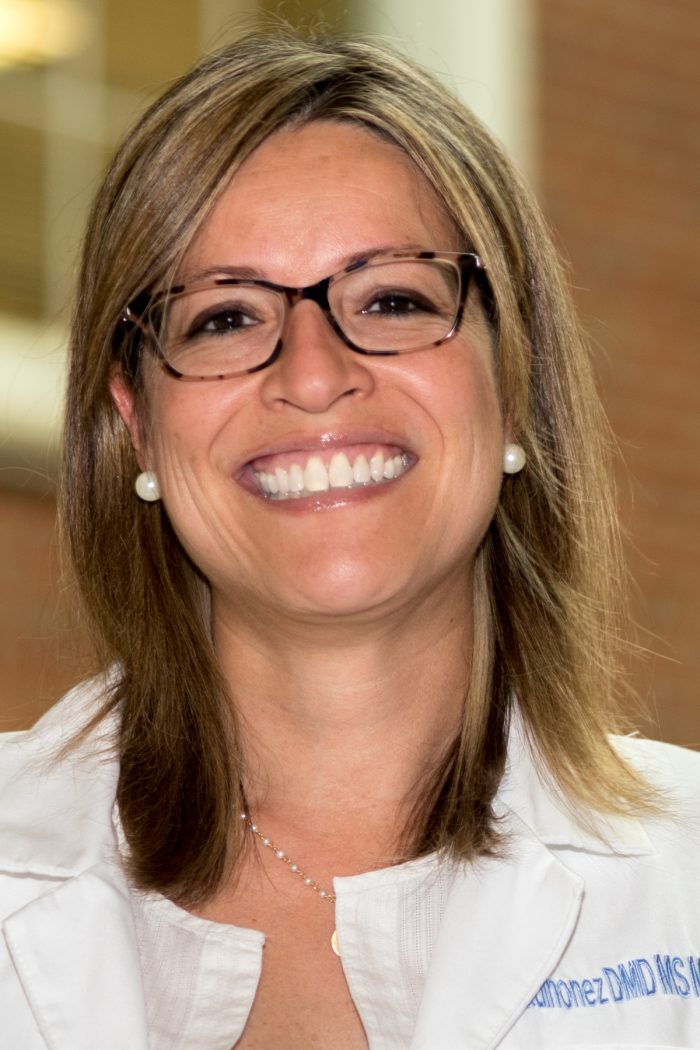 Rocio Beatriz Quinonez合作论文数Division of Pediatric and Public Health, Adams School of Dentistry, The University of North Carolina at Chapel Hill5
 Vicki Kowlowitz合作论文数4
 Michael Wolcott合作论文数Workman School of Dental Medicine, High Point University;Intend Health Strategies;Eshelman School of Pharmacy, The University of North Carolina at Chapel Hill4
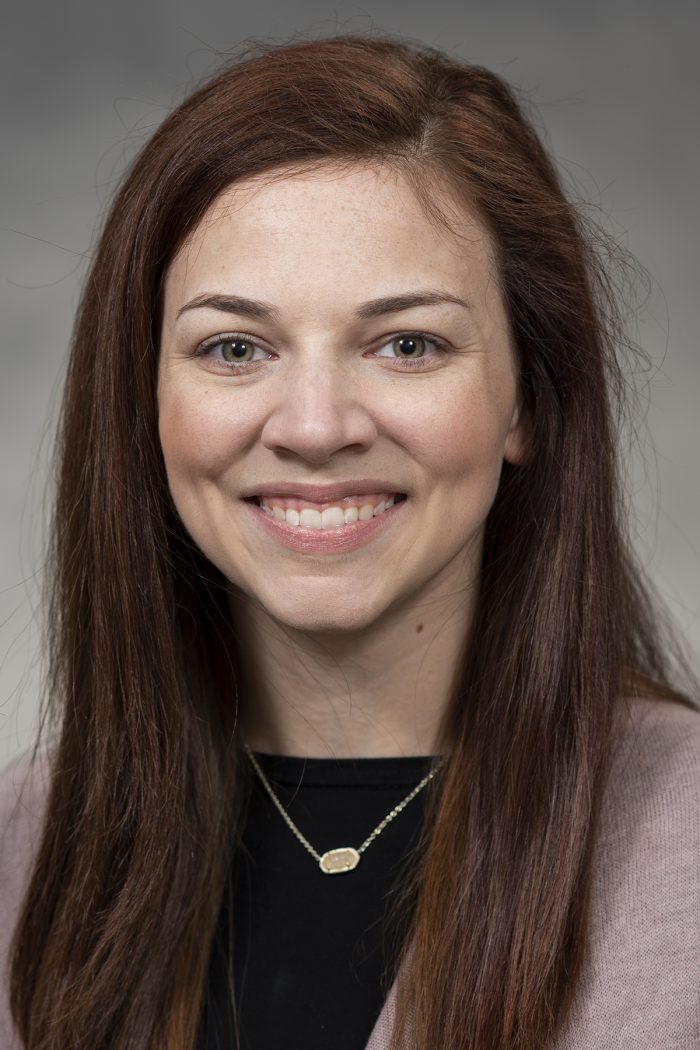 Elizabeth Hope Collins Kornegay合作论文数Division of Comprehensive Oral Health, Adams School of Dentistry, The University of North Carolina at Chapel Hill4Katharine Ciarrocca合作论文数3Alison E La Garry合作论文数3Jackson Tate H合作论文数School of Dentistry, University of North Carolina3Edward J. Swift合作论文数3Jonathan M Reside合作论文数2
 Meg Zomorod合作论文数School of Nursing, The University of North Carolina at Chapel Hil2Scott S. Derossi合作论文数2
 Jeffrey A. Greene合作论文数School of Education, The University of North Carolina at Chapel Hill2Lewis N Lampiris合作论文数1Angela Broome合作论文数1Keith Phillips合作论文数1Matthew R. Mason合作论文数1Ashley J Tittemore合作论文数1Bethany Fearnow合作论文数1
 Beau Meyer合作论文数Dept Dent, Nationwide Childrens Hosp1
 Jeffrey Alan Greene合作论文数School of Education, The University of North Carolina at Chapel Hill1
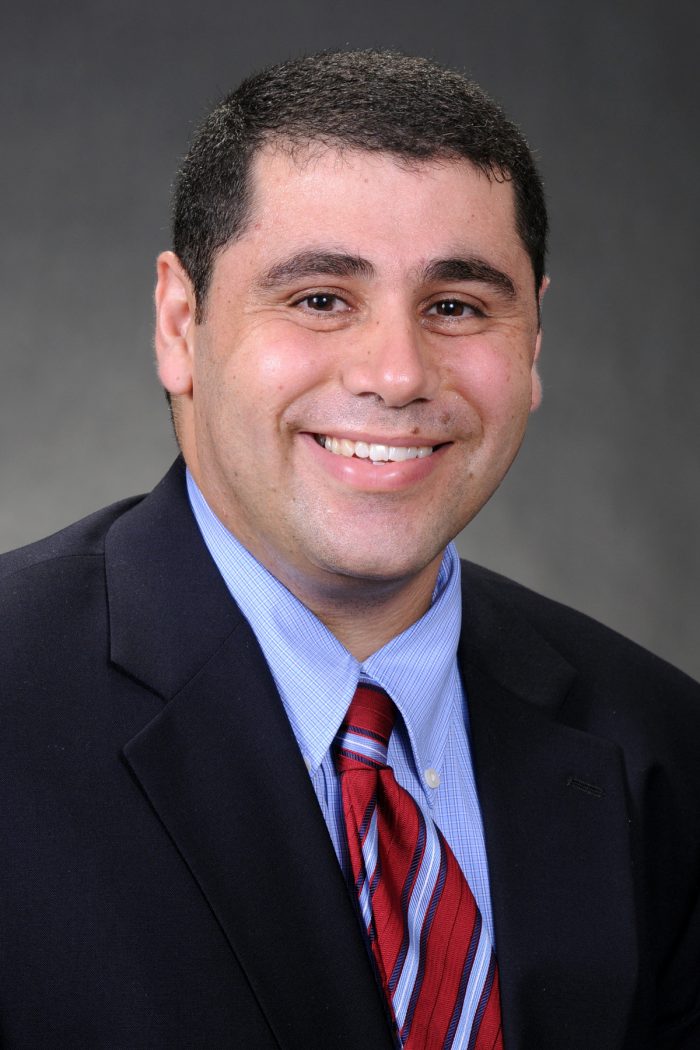 Ibrahim S Duqum合作论文数Division of Comprehensive Oral Health, Adams School of Dentistry, The University of North Carolina at Chapel Hill1




