We present KnIT, the Knowledge Integration Toolkit, a system for accelerating scientific discovery and predicting previously unknown protein protein interactions. Such predictions enrich biological research and are pertinent to drug discovery and the understanding of disease. Unlike a prior study, KnIT is now fully automated and demonstrably scalable. It extracts information from the scientific literature, automatically identifying direct and indirect references to protein interactions, which is knowledge that can be represented in network form. It then reasons over this network with techniques such as matrix factorization and graph diffusion to predict new, previously unknown interactions. The accuracy and scope of KnIT's knowledge extractions are validated using comparisons to structured, manually curated data sources as well as by performing retrospective studies that predict subsequent literature discoveries using literature available prior to a given date. The KnIT methodology is a step towards automated hypothesis generation from text, with potential application to other scientific domains.
Keeping up with the ever-expanding flow of data and publications is untenable and poses a fundamental bottleneck to scientific progress. Current search technologies typically find many relevant documents, but they do not extract and organize the information content of these documents or suggest new scientific hypotheses based on this organized content. We present an initial case study on KnIT, a prototype system that mines the information contained in the scientific literature, represents it explicitly in a queriable network, and then further reasons upon these data to generate novel and experimentally testable hypotheses. KnIT combines entity detection with neighbor-text feature analysis and with graph-based diffusion of information to identify potential new properties of entities that are strongly implied by existing relationships. We discuss a successful application of our approach that mines the published literature to identify new protein kinases that phosphorylate the protein tumor suppressor p53. Retrospective analysis demonstrates the accuracy of this approach and ongoing laboratory experiments suggest that kinases identified by our system may indeed phosphorylate p53. These results establish proof of principle for automated hypothesis generation and discovery based on text mining of the scientific literature.
 Angela D. Wilkins合作论文数3
 Ying Chen合作论文数IBM Watson Health Group3
 Sam Regenbogen合作论文数3Linda Kato合作论文数3Benjamin J. Bachman合作论文数Rice University3
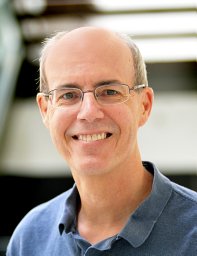 Lawrence Allen Donehower合作论文数Baylor College of Medicine3
 Scott Spangler合作论文数DataScava3
 Olivier Lichtarge合作论文数Computational and Integrative Biomedical Research Center, Baylor College of Medicine;Dan L Duncan Comprehensive Cancer Center, Baylor College of Medicine;Department of Molecular and Human Genetics, Baylor College of Medicine3
 Curtis Reid Pickering合作论文数3
 Anbu Karani Adikesavan合作论文数Department of Pharmacology, Baylor College of Medicine2
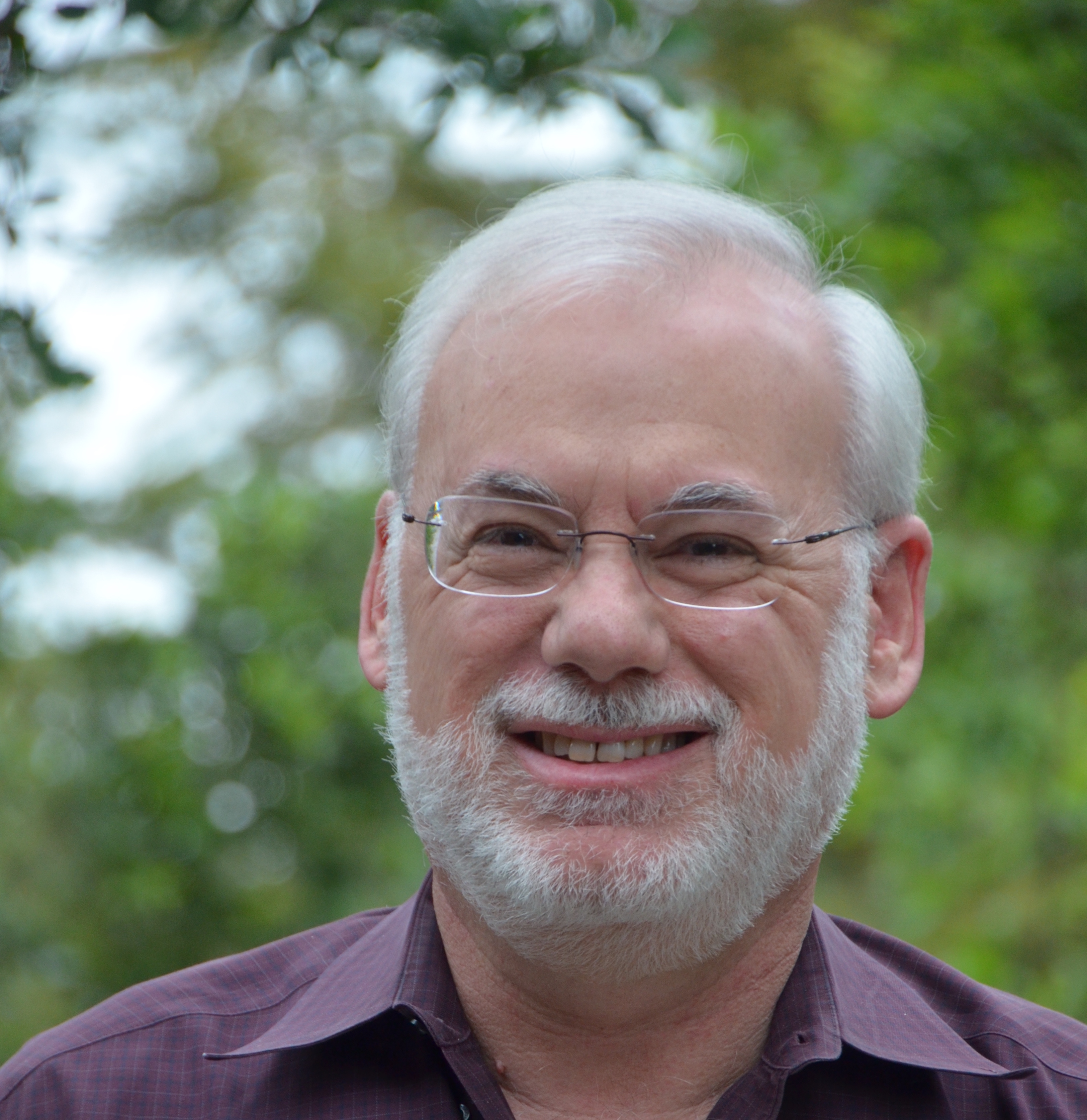 Peter J. Haas合作论文数Manning College of Information & Computer Sciences, University of Massachusetts Amherst2
 Ana Lelescu合作论文数IBM Watson Solutions2
 Stephen K Boyer合作论文数2
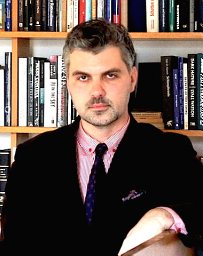 Andreas Martin Lisewski合作论文数Department of Molecular and Human Genetics, Baylor College of Medicine2
 Ioana Stanoi合作论文数Apple2Meena Nagarajan合作论文数Almaden Research Center, San Jose, CA, USA2Austin Comer合作论文数1veera r maddipati合作论文数1alan p plante合作论文数1Griff Weber合作论文数ibm1María E. Terrón-Díaz合作论文数baylor college of medicine1
 Sumit Bhatia合作论文数IIIT Delhi1
 Christie Marie Buchovecky合作论文数1
 Jeffrey N. Myers合作论文数Department of Head and Neck Surgery, Division of Surgery, The University of Texas MD Anderson Cancer Center;Department of Cancer Biology, The University of Texas MD Anderson Cancer Center1
 Shenghua Bao合作论文数Amazon1
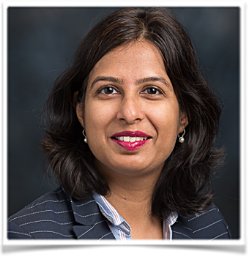 Neha Parikh合作论文数Department of Biotechnology, All India Institute of Medical Sciences1
 Ilya Novikov合作论文数The Institute of Hematology, Tel Aviv University1Tajhal Dayaram合作论文数Department of Molecular Virology and Microbiology, Baylor College of Medicine1
 Meenakshi Nagarajan合作论文数Almaden Research Center, San Jose, CA, USA1Houyin Zhang合作论文数1Holger Kache合作论文数1




