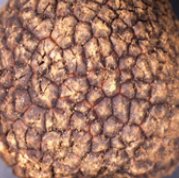
This study examined the effects of myristate on an asymbiotic culture of Rhizoglomus intraradices, a species of arbuscular mycorrhizal fungi (AMF; Glomeromycota). Mycelial growth and sporulation in a modified medium containing myristate were observed. The findings demonstrated that myristate induced R. intraradices spore formation, with daughter spores having a smaller diameter than the parent spores. This observation is consistent with previous studies on other Rhizoglomus species. Further studies are needed to investigate the potential for continuous culture, mass production using daughter spores, and the application of AMF colonization techniques in plants.
The aim of this study was to characterize a new fungal species, Acremonium conglutinatum, isolated from air samples collected in Wando, South Korea. Phylogenetic analysis based on the internal transcribed spacer and large subunit regions revealed its unique position within the genus Acremonium. The isolated strain displayed distinct morphological characteristics, including ellipsoid or bent-ellipsoid conidia formed in clusters on the phialides. These features differentiate the new species from closely related species within the genus. This study describes the morphological and molecular characteristics of A. conglutinatum and emphasizes its phylogenetic relationships with other Acremonium spp. The identification of this novel species contributes to our understanding of the diversity and ecological role of Acremonium.
In the present study, we isolated endophytic fungi from different tissues of two plants, Pseudosasa japonica and Quercus serrata from Taean-gun, Korea. Morphological characteristics of the isolated fungal strains were observed. We identified the fungi based on the phylogenetic analysis using DNA sequences from the region of internal transcribed spacer, large subunit rDNA, β-tubulin, and translation elongation factor 1-α DNA. Three endophytic fungi that were not previously recorded in Korea, namely Geomyces asperulatus, Leptoxyphium fumago, and Tubakia oblongispora were identified. Here, we describe the morphological characteristics of these unrecorded fungi and present the results of the phylogenetic analysis.
We report the first discovery of Penicillium mexicanum in Korea. Fungal strains were isolated from air samples collected in Taean-gun, Chungcheongnam-do, Korea. The strain was identified based on its morphological characteristics, as well as molecular phylogenetic analysis of the internal transcribed spacer (ITS), β-tubulin (BenA), and calmodulin (CaM) regions. This strain exhibited a high sequence similarity to the reference sequences of P. mexicanum. These findings enhance our understanding of fungal biodiversity in Korea and underscore the importance of continuous monitoring of fungal species.