Background: Hepatocellular carcinoma (HCC) is a leading cause of cancer-related deaths globally. Although the hypoxia-inducible factor 1A (HIF1A) pathway is crucial in HCC progression, its regulatory mechanisms remain unclear as mutations in its primary regulator, von Hippel–Lindau tumor suppressor (VHL), are rare in HCC. We aimed to elucidate the role of proliferation and apoptosis adaptor protein 15 (PEA15), identified through proteomic analysis, as a regulator of the VHL/HIF1A pathway and a therapeutic target in HCC. Methods: Proteomic and genomic analyses of over 1,000 HCC samples were conducted, identifying PEA15 amplification. Functional validation involved in vitro and in vivo assays, including gene knockdown, ectopic expression, and antisense oligonucleotide (ASO) therapy in xenograft models. Protein interactions were assessed using immunoprecipitation and ubiquitination assays. Results: We identified 3 clinically distinct HCC subtypes and found that PEA15 was selectively amplified and highly expressed in the mesenchymal (MES) subtype, which exhibited the poorest prognosis. PEA15 acted as a regulator of the VHL/HIF1A pathway and a key oncogene in HCC. The amplification of PEA15 was significantly associated with the poor survival of HCC patients. Moreover, by interacting with the β-domain of VHL, PEA15 promoted HCC cell proliferation and migration by inhibiting VHL’s interaction with the VHL/elongin C (ELOC)/elongin B (ELOB)/cullin 2 (CUL2) E3 ligase complex, destabilizing the complex and consequently activating HIF1A. Importantly, pharmacologically inhibiting PEA15 using PEA15 ASO drugs attenuated tumor burden and restored VHL function in a xenograft mouse model. Conclusions: This study identified PEA15 as a potential oncogene in HCC, regulating the VHL/HIF1A axis and driving tumor progression. Targeting PEA15 using ASOs offers a promising therapeutic strategy for HCC, particularly in the MES subtype. These findings provide a basis for further exploration of PEA15-targeted therapies to improve HCC outcomes.
INTRODUCTION:Direct-acting antiviral agents effectively cure chronic hepatitis C (CHC), whereas curative therapy for chronic hepatitis B (CHB) is rare. We aimed to compare hepatocellular carcinoma (HCC) incidence between suppressed CHB vs cured CHC patients with cirrhosis. METHODS:We analyzed 5,773 cirrhosis patients from 43 centers in 9 countries: 1,877 with treated and suppressed CHB and 3,896 with direct-acting antiviral agents-cured CHC using inverse probability treatment weight and competing risk analysis through Fine and Gray method. RESULTS:After inverse probability treatment weight (on age, sex, ethnicity, study location, albumin, total bilirubin, creatinine, platelet, tobacco use, alcohol use, diabetes mellitus, hypertension, hyperlipidemia, cardiovascular disease, steatotic liver disease, obesity, and follow-up years), 2 study groups became similar in relevant characteristics. The 5-year cumulative HCC incidence was significantly higher in suppressed CHB compared with cured CHC (18.1% vs 7.4%, P < 0.001) with consistent findings in subgroups by sex and Model for End-Stage Liver Disease (all P < 0.021), fast CHB responders (time from treatment to viral suppression <1 year) ( P < 0.001), and CHB suppressed for <2 years ( P < 0.001), but not among CHB suppressed for ≥2 years whose HCC incidence was similar to those of cured CHC ( P = 0.954). On multivariable analysis, CHB suppression <2 years as compared with cured CHC (subdistribution hazard ratio 20.92, P < 0.001) and total bilirubin (subdistribution hazard ratio 0.71, P = 0.04) were associated with higher HCC risk. DISCUSSION:HCC risk remains high in both treated and suppressed CHB cirrhosis and cured CHC cirrhosis. However, with prolonged CHB suppression, risk of HCC can be reduced, highlighting benefits of early treatment and viral suppression in patients with CHB.
Background/Aims: Besifovir (BSV) showed comparable antiviral activity and superior safety profiles to tenofovir disoproxil fumarate (TDF) in treatment-na & iuml;ve chronic hepatitis B (CHB). However, no data are available regarding the antiviral efficacy and safety of BSV in patients with CHB who switched from long-term TDF to BSV. This study aimed to evaluate the outcome of a 48-week BSV therapy in patients with CHB who switched from long-term TDF treatment. Methods: In this non-inferiority trial, 153 CHB patients treated with TDF for >= 48 weeks who had hepatitis B virus (HBV) DNA <20 IU/mL were randomized to receive either BSV 150 mg or TDF 300 mg for 48 weeks. Results: The per-protocol analysis included 130 patients (BSV group, 64; TDF group, 66). The median duration of TDF use before enrollment was 4.14 years. After 48 weeks, 100.0% and 98.5% patients in the BSV and TDF groups, respectively, met the primary endpoint (HBV DNA <20 IU/mL), demonstrating the non-inferior antiviral efficacy of BSV to TDF (95% confidence interval-0.01 to 0.04; P>0.999), with a predefined margin of-0.18. The mean percentage changes in estimated glomerular filtration rates were slightly better in the BSV group (1.67 +/- 11.73%) than in the TDF group (-1.24 +/- 11.02%). The BSV group showed a significant improvement in bone turnover biomarkers compared to the TDF group; accordingly, hip and spine bone mineral density increased in the BSV group. Conclusions: In patients with CHB receiving long-term TDF, switching to BSV may improve renal and bone safety with non-inferior antiviral efficacy compared to that of maintaining TDF.
BACKGROUND & AIMS: It is unclear if there may be sex differences in response to nucleos(t)ide analogs including virologic response (VR), biochemical response (BR), complete response (CR), and hepatocellular carcinoma (HCC) incidence among hepatitis B patients. We compared nucleos(t)ide analog treatment outcomes by sex. METHODS: We performed a retrospective cohort study of 3388 treatment -naive adult hepatitis B patients (1250 female, 2138 male) from the Real -World Evidence from the Global Alliance for the Study of Hepatitis B Virus consortium who initiated therapy with either entecavir or tenofovir from 22 sites (Argentina, Korea, Japan, Taiwan, and the United States). We used propensity -score matching to balance background characteristics of the male and female groups and competing -risks analysis to estimate the incidence and subdistribution hazard ratios (SHRs) of VR, BR, CR, and HCC. RESULTS: Females (vs males) were older (52.0 vs 48.6 y); less likely to be overweight/obese (49.3% vs 65.7%), diabetic (9.9% vs 13.1%), or cirrhotic (27.9% vs 33.0%); and had a lower HBV DNA level (5.9 vs 6.0 log10 IU/mL) and alanine aminotransferase level (91 vs 102 IU/L) (all P < .01). However, after propensity -score matching, relevant background characteristics were balanced between the 2 groups. Females (vs males) had similar 5 -year cumulative VR (91.3% vs 90.3%; P = .40) and HCC incidence rates (5.1% vs 4.4%; P = .64), but lower BR (84.0% vs 90.9%; P < .001) and CR (78.8% vs 83.4%; P = .016). Males were more likely to achieve BR (SHR, 1.31; 95% CI, 1.17-1.46; P < .001) and CR (SHR, 1.16; 95% CI, 1.03-1.31; P = .016), but VR and HCC risks were similar. CONCLUSIONS: Sex differences exist for treatment outcomes among hepatitis B patients. Male sex was associated with a 16% higher likelihood of clinical remission and a 31% higher likelihood of biochemical response than females, while virologic response and HCC incidence were similar between the 2 groups.
Elevated serum gamma-glutamyl transferase (GGT) levels are associated with chronic hepatitis B (CHB)-related hepatocellular carcinoma. However, their role in predicting mortality in patients with CHB treated with nucleotide/nucleoside analogs (NAs) remains elusive. Altogether, 2843 patients with CHB treated with NAs were recruited from a multinational cohort. Serum GGT levels before and 6 months (Month-6) after initiating NAs were measured to explore their association with all-cause, liver-related, and non-liver-related mortality. The annual incidence of all-cause mortality was 0.9/100 person-years over a follow-up period of 17,436.3 person-years. Compared with patients who survived, those who died had a significantly higher pretreatment (89.3 vs. 67.4 U/L, p = 0.002) and Month-6-GGT levels (62.1 vs. 38.4 U/L, p < 0.001). The factors associated with all-cause mortality included cirrhosis (hazard ratio [HR]/95% confidence interval [CI]: 2.66/1.92-3.70, p < 0.001), pretreatment GGT levels (HR/CI: 1.004/1.003-1.006, p < 0.001), alanine aminotransferase level (HR/CI: 0.996/0.994-0.998, p = 0.001), and age (HR/CI: 1.06/1.04-1.07, p < 0.001). Regarding liver-related mortality, the independent factors included cirrhosis (HR/CI: 4.36/2.79-6.89, p < 0.001), pretreatment GGT levels (HR/CI: 1.006/1.004-1.008, p < 0.001), alanine aminotransferase level (HR/CI: 0.993/0.990-0.997, p = 0.001), age (HR/CI: 1.03/1.01-1.05, p < 0.001), and fatty liver disease (HR/CI: 0.30/0.15-0.59, p = 0.001). Pretreatment GGT levels were also independently predictive of non-liver-related mortality (HR/CI: 1.003/1.000-1.005, p = 0.03). The results remained consistent after excluding the patients with a history of alcohol use. A dose-dependent manner of <25, 25-75, and >75 percentile of pretreatment GGT levels was observed with respect to the all-cause mortality (trend p < 0.001). Pretreatment serum GGT levels predicted all-cause, liver-related, and non-liver-related mortality in patients with CHB treated with NAs.
Background and Aim; The benefits of entecavir (ETV) versus tenofovir disoproxil fumarate (TDF) in reducing the development of chronic hepatitis B (CHB)-related hepatocellular carcinoma remain controversial. Whether mortality rates differ between patients with CHB treated with ETV and those treated with TDF is unclear. Methods; A total of 2542 patients with CHB treated with either ETV or TDF were recruited from a multinational cohort. A 1:1 propensity score matching was performed to balance the differences in baseline characteristics between the two patient groups. We aimed to compare the all-cause, liver-related, and non-liver-related mortality between patients receiving ETV and those receiving TDF. Results: The annual incidence of all-cause mortality in the entire cohort was 1.0/100 person-years (follow-up, 15 757.5 person-years). Patients who received TDF were younger and had a higher body mass index, platelet count, hepatitis B virus deoxyribonucleic acid levels, and proportion of hepatitis B e-antigen seropositivity than those who received ETV. The factors associated with all-cause mortality were fibrosis-4 index > 6.5 (hazard ratio [HR]/confidence interval [CI]: 3.13/2.15-4.54, P < 0.001), age per year increase (HR/CI: 1.05/1.04-1.07, P < 0.001), alanine aminotransferase level per U/L increase (HR/CI: 0.997/0.996-0.999, P = 0.003), and gamma-glutamyl transferase level per U/L increase (HR/CI: 1.002/1.001-1.003, P < 0.001). No significant difference in all-cause mortality was observed between the ETV and TDF groups (log-rank test, P = 0.69). After propensity score matching, no significant differences in all-cause, liver-related, or non-liver-related mortality were observed between the two groups. Conclusions: Long-term outcomes of all-cause mortality and liver-related and non-liver-related mortality did not differ between patients treated with ETV and those receiving TDF.
Background/Aims: Chronic hepatitis C (CHC) is the second leading cause of liver-related mortality and is more prevalent in the elderly population in Korea. Decisions to initiate treatment and selection of proper antiviral agents may be challenging among elderly patients due to relevant comorbidities, comedications, and drug-drug interaction (DDI). It may be helpful to understand the current demographic status and comorbidities of CHC patients in the country.Methods: Patients aged ≥ 18 years and diagnosed with CHC (KCD-7 code B18.2) were extracted from the Korean Health Insurance Review & Assessment Service database in 2018. Data on comorbidities and comedications were assessed and potential DDIs were analyzed.Results: A total of 50,476 patients with CHC, with a mean age of 60.3 years and 46.7% male patients were identified. The proportion of patients with cirrhosis, hepatocellular carcinoma, and liver transplantation was 6.0%, 4.1%, and 0.3%, respectively and 37.2% of patients were more than 65 years of age. The three most common comorbidities were diseases of the digestive system (83.7%), respiratory system (58.2%), and musculoskeletal system and connective tissue (57.6%). The three most common comedications were analgesics (91.6%), gastrointestinal agents (85%), and antibacterials (80.3%). Lipid-lowering agents and anticonvulsants were prescribed in 28.5% and 14.8% of patients. Rate of potential DDI for contraindication was 2.2%, 13.1%, and 15.6% with sofosbuvir/velpatasvir, ledipasvir/sofosbuvir, and glecaprevir/pibrentasvir.Conclusions: With the increasing age of patients with CHC, comorbidity, comedication, and potential DDI should be considered when choosing antivirals in Korea. Sofosbuvir-based regimens showed favorable DDI profiles among Korean patients.
Immunotherapies have emerged as promising strategies for cancer treatment. However, existing immunotherapies have poor activity in high-grade serous ovarian cancer (HGSC) due to the immunosuppressive tumor microenvironment and the associated low tumoral CD8+ T cell (CTL) infiltration. Through multiple lines of evidence, including integrative ana -lyses of human HGSC tumors, we have identified miR-146a as a master regulator of CTL infiltration in HGSC. Tumoral miR-146a expression is positively correlated with anti-cancer im-mune signatures in human HGSC tumors, and delivery of miR-146a to tumors resulted in significant reduction in tumor growth in both ID8-p53-/-and IG10 murine HGSC models. Increasing miR-146a expression in tumors improved anti-tu-mor immune responses by decreasing immune suppressive neutrophils and increasing CTL infiltration. Mechanistically, miR-146a targets IL-1 receptor-associated kinase 1 and tumor necrosis factor receptor-associated factor 6 adaptor molecules of the transcription factor nuclear factor KB signaling pathway in ID8-p53-/- cells and decreases production of the down-stream neutrophil chemoattractant, C-X-C motif chemokine ligand 1. In addition to HGSC, tumoral miR-146a expression also correlates strongly with CTL infiltration in other cancer types including thyroid, prostate, breast, and adrenocortical cancers. Altogether, our findings highlight the ability of miR-146a to overcome immune suppression and improve CTL infil-tration in tumors.
INTRODUCTION: Tenofovir disoproxil fumarate (TDF) is reportedly superior or at least comparable to entecavir (ETV) for the prevention of hepatocellular carcinoma (HCC) in patients with chronic hepatitis B; however, it has distinct long-term renal and bone toxicities. This study aimed to develop and validate a machine learning model (designated as Prediction of Liver cancer using Artificial intelligence-driven model for Network–antiviral Selection for hepatitis B [PLAN-S]) to predict an individualized risk of HCC during ETV or TDF therapy. METHODS: This multinational study included 13,970 patients with chronic hepatitis B. The derivation (n = 6,790), Korean validation (n = 4,543), and Hong Kong–Taiwan validation cohorts (n = 2,637) were established. Patients were classified as the TDF-superior group when a PLAN-S-predicted HCC risk under ETV treatment is greater than under TDF treatment, and the others were defined as the TDF-nonsuperior group. RESULTS: The PLAN-S model was derived using 8 variables and generated a c-index between 0.67 and 0.78 for each cohort. The TDF-superior group included a higher proportion of male patients and patients with cirrhosis than the TDF-nonsuperior group. In the derivation, Korean validation, and Hong Kong–Taiwan validation cohorts, 65.3%, 63.5%, and 76.4% of patients were classified as the TDF-superior group, respectively. In the TDF-superior group of each cohort, TDF was associated with a significantly lower risk of HCC than ETV (hazard ratio = 0.60–0.73, all P < 0.05). In the TDF-nonsuperior group, however, there was no significant difference between the 2 drugs (hazard ratio = 1.16–1.29, all P > 0.1). DISCUSSION: Considering the individual HCC risk predicted by PLAN-S and the potential TDF-related toxicities, TDF and ETV treatment may be recommended for the TDF-superior and TDF-nonsuperior groups, respectively.
S1. Correlation of prognostic probability and risk scores for mouse HCCs. S2. Glycolytic gene expression signature in mouse liver. S3. Glycolytic expression signature in mouse HCC tumors from 9 models. S4. Correlation of hepatic stem cell probability with SOH probability. S5. Expression of hepatic stem cell markers in 9 mouse models. S6. Expression of Krt-7 in Sav1 KO liver issues. S7. Expression of downstream target genes in mouse tumors. S8. Expression of Pdcd1 and Cd274 and their correlation with IFNG6 score in mouse HCCs in nine models. S9. Regulation of Cd276 by Yap1.
Univariate and Multivariate Cox Regression Analyses of Recurrence Free Survival Durations of Patients in the Validation Cohort.
 Jae Young Jang合作论文数51
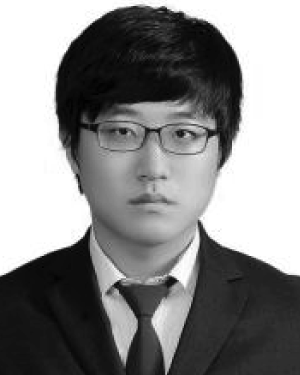 Byung-Ho Kim合作论文数Department of Internal Medicine;Kyung Hee University;College of Medicine;College of Medicine, Kyung Hee University48
 Chang Kyun Lee合作论文数Department of Gastroenterology, Kyung Hee University College of Medicine;Department of Medicine, Kyung Hee University College of Medicine30
 Hyo Jong Kim合作论文数28Young Woon Chang合作论文数26
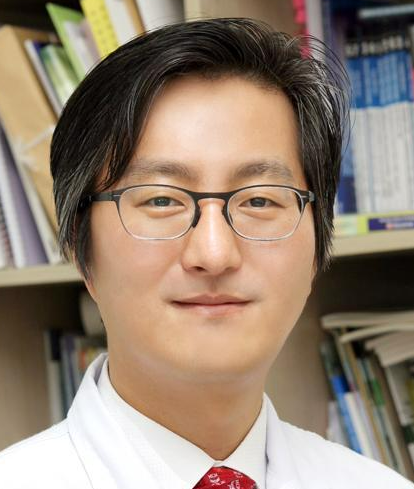 Dae Won Jun合作论文数Department of Internal Medicine, Hanyang University26Kim Jung-Wook合作论文数24
 Soung Won Jeong合作论文数22Sang Bong Ahn合作论文数Department of Gastroenterology, Eulji Hospital22Hyoung Su Kim合作论文数21Cho Yong Kyun合作论文数19Bo Hwa Sohn合作论文数19
 Eileen Laureal Yoon合作论文数College of Medicine, Hanyang University18Sung Eun Kim合作论文数18Seok Ho Dong合作论文数18
 Young Hwangbo合作论文数18Sang-Bae Kim合作论文数Univ Texas MD Anderson Canc Ctr, Dept Syst Biol, Houston, TX 77030 USA17Hwang Jun-Eul合作论文数15
 Kyeong-Seok Lee合作论文数14
 Hyun-Sung Lee合作论文数MRI Team, Korea Basic Science Institute14Minse Cha合作论文数13
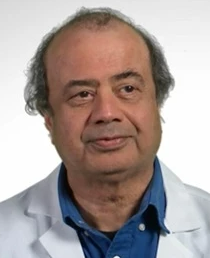 Jaffer A. Ajani合作论文数Department of Gastrointestinal Medical Oncology, Division of Cancer Medicine, The University of Texas MD Anderson Cancer Center13
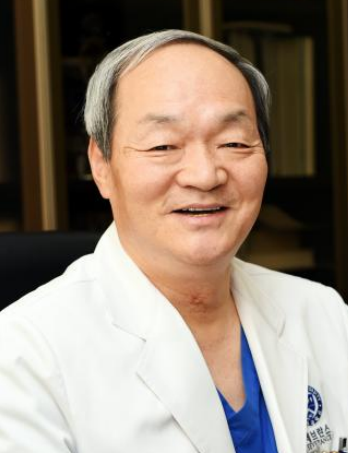 Noh Sung Hoon合作论文数Department of Surgery, Yonsei University College of Medicine;Yonsei Cancer Center, Severance Hospital, Yonsei University Health System12Yoon Seok-Mann合作论文数12Park Eun Sung合作论文数12
 Sang Cheul Oh合作论文数Korea University Guro Hospital, Seoul, South Korea.12
 Yeon Seok Seo合作论文数Department of Internal Medicine, College of Medicine, Korea University12Jae-Won Doh合作论文数12
 Hyunwoo Oh合作论文数11Lim Jae Yun合作论文数11
 Yoon-Koo Kang合作论文数Department of Oncology, Asan Medical Center, College of Medicine, University of Ulsan11Rin Chang合作论文数11
 Jae-Ho Cheong合作论文数Institute for Precision Cancer Therapy, Yonsei Cancer Center, College of Medicine, Yonsei University;Department of Surgery, College of Medicine, Yonsei University11Hee-Jin Jang合作论文数10Sung Sook Lee合作论文数10Sang Kim合作论文数10Bae Hack-Gun合作论文数10
 Ji Hoon Kim合作论文数Department of Internal Medicine, Korea University10Woojin Jeong合作论文数10Ju-Seog Lee合作论文数9Han Ah Lee合作论文数9Jae Yoon Jeong合作论文数9Kim Sang Gyune合作论文数9Oh Chi Hyuk合作论文数9
 Ming-Lung Yu合作论文数College of Medicine, Kaohsiung Medical University;School of Medicine, National Sun Yat-sen University9
 Chia-Yen Dai (戴嘉言)合作论文数Division of Hepato/Billiary/ Pancreatic, College of Medicine, Kaohsiung Medical University Chung Ho Memorial Hospital9
 Mindie H. Nguyen合作论文数Department of Medicine, School of Medicine, Stanford University9Chung-Feng Huang合作论文数Department of Internal Medicine, Kaohsiung Medical University Hospital9
 Ming-Lun Yeh (葉明倫)合作论文数Division of Hepatology, Department of Medicine, School of Medicine, Kaohsiung Medical University;Division of Hepatology, Kaohsiung Medical University Hospital9




