Brain–computer interfaces (BCIs) facilitate communication between the brain and external devices, providing an alternative solution for individuals with upper limb disabilities. The decoding of brain movement commands in BCIs relies on signal feature extraction and classification. Herein, the BNCI Horizon 2020 dataset is employed, which consists of electroencephalographic signals from ten participants with subacute and chronic cervical spinal cord injuries. These participants perform or attempt five distinct types of arm and hand movements. To extract signal features, a novel technique is introduced that estimates movement‐related cortical potentials and incorporates them into the processing pipeline. Moreover, a time‐frequency domain representation of the dataset is used as input for the classifier. Given the promising outcomes demonstrated by deep learning models in BCI classification, a pretrained ConvNet AlexNet is adopted to decode the motor tasks. The proposed method exhibits a remarkable average accuracy of 76.0% across all five categories, representing a significant advancement over existing state‐of‐the‐art techniques. Additionally, an in‐depth analysis of the convolutional layers in the model is conducted to gain comprehensive insights into the classification process. By examining the ConvNet filters and activations, the method contributes to a deeper understanding of the electrophysiology that underlies attempted movement.
Finger flexion decoding and classification has gained attention to understand the relationship between finger movements and the brain activity. Initially focused on EEG signals, it was moved quickly to electrocorticography (ECoG) signals because of the advantages provided by the latter signals. The present paper proposes two based-CRF discriminative classifiers as approaches to the task: a CRF classifier and a Latent Dynamic CRF (LDCRF) model. Proposed classifiers have the advantage to take into account time dependencies without implementing generative models. Results show that proposed classifiers work better with high gamma (HG) band (accuracy: CRF: 0.742, LD-CRF: 0.737; Cohen's kappa: CRF: 0.682, LD-CRF: 0.681) than low-frequency components (LFC) (accuracy: CRF: 0.433, LDCRF: 0.430; Cohen's kappa: CRF: 0.322, LDCRF: 0.329). Compared with other classifiers and using HG data, based-CRF classifiers have higher performances (accuracy: CRF: 0.742, LDCRF: 0.737; Cohen's kappa: CRF: 0.674, LDCRF: 0.669) than three other classifiers: Linear Discriminant Analysis (accuracy: 0.224, Cohen's kappa: 0.024), Quadratic Discriminant Analysis (accuracy: 0.224, Cohen's kappa: 0.026), and a Linear Support Vector Machine (accuracy: 0.280, Cohen's kappa: -0.003), with a significance level of 0.05.
Reconstructing intended speech from neural activity using brain-computer interfaces holds great promises for people with severe speech production deficits. While decoding overt speech has progressed, decoding imagined speech has met limited success, mainly because the associated neural signals are weak and variable compared to overt speech, hence difficult to decode by learning algorithms. We obtained three electrocorticography datasets from 13 patients, with electrodes implanted for epilepsy evaluation, who performed overt and imagined speech production tasks. Based on recent theories of speech neural processing, we extracted consistent and specific neural features usable for future brain computer interfaces, and assessed their performance to discriminate speech items in articulatory, phonetic, and vocalic representation spaces. While high-frequency activity provided the best signal for overt speech, both low- and higher-frequency power and local cross-frequency contributed to imagined speech decoding, in particular in phonetic and vocalic, i.e. perceptual, spaces. These findings show that low-frequency power and cross-frequency dynamics contain key information for imagined speech decoding.
The purpose of this study is to analyze the contribution of the interactions between electrodes, measured either as correlation or as Jaccard distance, to the classification of two actions in a motor imagery paradigm, namely, left-hand movement and right-hand movement. The analysis is performed in two classifier models, namely, a static (linear discriminant analysis, LDA) model and a dynamic (hidden conditional random field, HCRF) model. The impact of using the sliding window technique (SWT) in the static and dynamic models is also analyzed. The study proved that their combination with temporal features provides significant information to improve the classification in a two-class motor imagery task for LDA (average accuracy: 0.7192 no additional features, 0.7617 by adding correlation, 0.7606 by adding Jaccard distance; p < 0.001) and HCRF (average accuracy: 0.7370 no additional features, 0.7764 by adding correlation, 0.7793 by adding Jaccard distance; p < 0.001). Also, we showed that adding interactions between electrodes improves significantly the performance of each classifier, regarding the nature of the interaction measure or the classifier itself.
We present a method for automatic detection of seizures in EEG that might help clinicians by speeding up the process of seizure detection. The method consists of extraction of Log-Energy Entropy from band-passed EEG and use of a Support Vector Machine (SVM) classifier. Furthermore, using multiple regression analysis, we evaluated the effect of some characteristics of the patients on the performance of the method. We found that the type of epilepsy is the major factor, which influenced the performance of the method. The high performance of the method makes it feasible also for real-time applications.
In face-to-face communication, audio-visual (AV) stimuli can be fused, combined or perceived as mismatching. While the left superior temporal sulcus (STS) is presumably the locus of AV integration, the process leading to combination is unknown. Based on previous modelling work, we hypothesize that combination results from a complex dynamic originating in a failure to integrate AV inputs, followed by a reconstruction of the most plausible AV sequence. In two different behavioural tasks and one MEG experiment, we observed that combination is more time demanding than fusion. Using time-/source-resolved human MEG analyses with linear and dynamic causal models, we show that both fusion and combination involve early detection of AV incongruence in the STS, whereas combination is further associated with enhanced activity of AV asynchrony-sensitive regions (auditory and inferior frontal cortices). Based on neural signal decoding, we finally show that only combination can be decoded from the IFG activity and that combination is decoded later than fusion in the STS. These results indicate that the AV speech integration outcome primarily depends on whether the STS converges or not onto an existing multimodal syllable representation, and that combination results from subsequent temporal processing, presumably the off-line re-ordering of incongruent AV stimuli.
The traditional approach in neuroscience relies on encoding models where brain responses are related to different stimuli in order to establish dependencies. In decoding tasks, on the contrary, brain responses are used to predict the stimuli, and traditionally, the signals are assumed stationary within trials, which is rarely the case for natural stimuli. We hypothesize that a decoding model assuming each experimental trial as a realization of a random process more likely reflects the statistical properties of the undergoing process compared to the assumption of stationarity. Here, we propose a Coherence-based spectro-spatial filter that allows for reconstructing stimulus features from brain signal's features. The proposed method extracts common patterns between features of the brain signals and the stimuli that produced them. These patterns, originating from different recording electrodes are combined, forming a spatial filter that produces a unified prediction of the presented stimulus. This approach takes into account frequency, phase, and spatial distribution of brain features, hence avoiding the need to predefine specific frequency bands of interest or phase relationships between stimulus and brain responses manually. Furthermore, the model does not require the tuning of hyper-parameters, reducing significantly the computational load attached to it. Using three different cognitive tasks (motor movements, speech perception, and speech production), we show that the proposed method consistently improves stimulus feature predictions in terms of correlation (group averages of 0.74 for motor movements, 0.84 for speech perception, and 0.74 for speech production) in comparison with other methods based on regularized multivariate regression, probabilistic graphical models and artificial neural networks. Furthermore, the model parameters revealed those anatomical regions and spectral components that were discriminant in the different cognitive tasks. This novel method does not only provide a useful tool to address fundamental neuroscience questions, but could also be applied to neuroprosthetics.
Neuro-degenerative diseases can break brain's common output pathways of peripheral nerves and muscles in an individual, inhibiting his ability to perform daily tasks. Brain Computer Interfaces BCI make decoding-encoding of brain signals into control instructions for external devices. This work proposes the use of stacked autoencoders and a softmax layer for classification of visual stimuli from Electrocorticographic (ECoG) signals as an input to the BCI control system. Experimental results show that the proposed method has a good classification performance (average accuracy across subjects 0.95 +/- 0.05), compared to state-of-the-art approaches as Support Vector Machines SVM. Furthermore, the proposed network architecture allows analysis of the weights learned by the classifier making it possible to obtain insights of what signal features the classifier uses to discriminate the visual stimulus.
OBJECTIVE:In this work we propose the use of conditional random fields with long-range dependencies for the classification of finger movements from electrocorticographic recordings.APPROACH:The proposed method uses long-range dependencies taking into consideration time-lags between the brain activity and the execution of the motor task. In addition, the proposed method models the dynamics of the task executed by the subject and uses information about these dynamics as prior information during the classification stage.MAIN RESULTS:The results show that incorporating temporal information about the executed task as well as incorporating long-range dependencies between the brain signals and the labels effectively increases the system's classification performance compared to methods in the state of art.SIGNIFICANCE:The method proposed in this work makes use of probabilistic graphical models to incorporate temporal information in the classification of finger movements from electrocorticographic recordings. The proposed method highlights the importance of including prior information about the task that the subjects execute. As the results show, the combination of these two features effectively produce a significant improvement of the system's classification performance.
Event Abstract Back to Event DISCRIMINATE PREICTAL AND ICTAL ACTIVITY IN ELECTROENCEPHALOGRAM (EEG) SIGNAL USING LOG-ENERGY ENTROPY AND SUPPORT VECTOR MACHINE IN PATIENTS WITH FOCAL INTRACTABLE EPILEPSY Luigi Pavone1*, Jaime F. Delgado Saa2 and Fabio Sebastiano1 1 IRCCS Istituto Neurologico Mediterraneo Neuromed, Bioengineering, Italy 2 Universidad del Norte, Department of electrical and electronics engineering, Colombia Epilepsy is a brain disorder that affects over 40 million people worldwide, it is identified as the world’s second most common brain disorder and it can produce significant morbidity or death when it is not treated1. This neurological disease is characterized by seizures and it involves abnormal, rhythmic discharges of cortical neurons. The goal of epilepsy treatment is complete freedom from seizures and side effects, but current antiepileptic drugs are ineffective in about one third of patients. All this makes important to develop systems that are capable to predict seizures in epilectic patients. Electroencephalographic (EEG) signal is an important clinical tool for diagnosing, monitoring and managing neurological disorder associated with epilepsy and is the most commonly used as a source for epileptic seizure prediction. Long-term EEG recordings allows investigators to study EEG signals with specifically employed mathematical tools in order to identify changes or precursors in the signal or behavioral seizure onset2, and over the past 25 years, numerous seizure prediction algorithms have emerged from several centers throughout the world3. The majority of the state-of-the-art techniques used to predict an epileptic seizure involve linearly or nonlinearly transforms of the signal using different mathematical measures, classifications systems based on machine learning algoritms. In this work we make use of the Freiburg Seizure Prediction EEG (FSPEEG) Database.4,5 and propose a seizure prediction algorithm based on computation of Log-Energy Entropy (LogE) on band-passed EEG segments and posterior classification using a Support Vector Machine (SVM) with a Radial Basis kernel. EEG data used for this study contains intracerebral (grid, strips and depth electrodes) EEG (iEEG) recordings collected from 21 patients with medically intractable focal epilepsy during invasive presurgical epilepsy monitoring at the Epilepsy Center of the University Hospital of Freiburg, Germany. Recordings were acquired with a 128 channel EEG system at 256 Hz sampling rate (512Hz for interictal recordings of one patient) sampling rate with 16 bit A/D converter. Each recording contains signals coming from the first three electrodes (focal electrodes) close to the region where the seizure occurs or the region where early ictal activity is detected, and from three electrodes (extrafocal) from the regions distal to the seizure focus or the regions in which an ictal activity is not observed. We discarded data from one patient due to artefacts in teh signals, resulting in a total of 85 seizures analyzed and at least 50 minutes of preictal data for each seizure, using only signals belonging to the three focal electrodes. Each iEEG segment was first pre-processed by means of band-pass filtering in Alpha, low Beta, and high Beta. The LogE were computed from filtered signal. For each pre-ictal EEG signal (number of recorded seizures), we first trained the SVM classifier using as training dataset the extracted features, resulting in a vector of m x n, where m is the number of the extracted features and n is the number of samples of each EEG signal, and as training labels a vector in which eah element was equal to 1 if the sample belongs to the ictal signal, and to 0 if not. In order to assess the generalisation capability of the classification model, and choose optimal parameters, the n-fold cross-validation approach was utilised. The dataset was divided into n subsets, and the hold out approach is performed iteratively for n times, where n is the number of recorder seizures for each patient. Each time, n − 1 subsets were utilised as the training sets and the remaining one subset was utilised as the testing set. Then the classification accuracies of all n folds are averaged. We got 95,6% of classification accuracy accross all the 20 subjects, with a sensitivity of 96,99% and a specificity of 62% with an error rate of 4%. Splitting patients considering the epilepsy origin, we got the best results with patients with epilepsy origin in the frontal regions of the brain, getting a classification accuracy of 96,9 %, with a sensitivity of 97,6 and a specificity of 61%. This study demonstrates that Log Energy Entropy is a useful quantity to discriminate preictal from ictal activity in EEG signal and that can be used as measure to predict seizures. Further study can focused on high frequency bands, that seems to carry out many informations about EEG signal changes in preictal periods. References 1. Langan Y., ”Sudden unexpected death in epilepsy (SUDEP): risk factors and case control studies.” Seizure 2000;9:179–83. 2. Andrzejak RG et al., “Indications of nonlinear deterministic and finite-dimensional structures in time series of brain electrical activity: dependence on recording region and brain state.” Phys Rev E 2001;64:061907. 3. Devaney RL. “An introduction to chaotic dynamical systems.” 2nd ed. Westview Press; 2003. 4. Aschenbrenner-Scheibe R, Maiwald T, Winterhalder M, Voss HU, Timmer J, Schulze-Bonhage A. “How well can epileptic seizures be predicted? an evaluation of a nonlinear method.” Brain. 2003;126(12):2616–2626. [PubMed] 5. Maiwald T, Winterhalder M, Aschenbrenner-Scheibe R, Voss HU, Schulze-Bonhage A, Timmer J. “Comparison of three nonlinear seizure prediction methods by means of the seizure prediction characteristic. “Physica D. 2004;194(3-4):357–368. 6. Aydin S, Saraoğlu HM, Kara S. “Log energy entropy-based EEG classification with multilayer neural networks in seizure.” Ann Biomed Eng. 2009 Dec;37(12):2626-30. doi: 10.1007/s10439-009-9795-x. Epub 2009 Sep 11. 7. Coifman, R.R.; M.V. Wickerhauser (1992), "Entropy-based Algorithms for best basis selection" IEEE Trans. on Inf. Theory, vol. 38, 2, pp. 713–718. 8. Donoho, D.L.; I.M. Johnstone, "Ideal de-noising in an orthonormal basis chosen from a library of bases" C.R.A.S. Paris, Ser. I, t. 319, pp. 1317–1322. Keywords: EEG classification, Log energy entropy, Seizure detection, Epilepsy, Support vector machine Conference: SAN2016 Meeting, Corfu, Greece, 6 Oct - 9 Oct, 2016. Presentation Type: Poster Presentation in SAN2016 Conference Topic: Posters Citation: Pavone L, Delgado Saa JF and Sebastiano F (2016). DISCRIMINATE PREICTAL AND ICTAL ACTIVITY IN ELECTROENCEPHALOGRAM (EEG) SIGNAL USING LOG-ENERGY ENTROPY AND SUPPORT VECTOR MACHINE IN PATIENTS WITH FOCAL INTRACTABLE EPILEPSY. Conference Abstract: SAN2016 Meeting. doi: 10.3389/conf.fnhum.2016.220.00090 Copyright: The abstracts in this collection have not been subject to any Frontiers peer review or checks, and are not endorsed by Frontiers. They are made available through the Frontiers publishing platform as a service to conference organizers and presenters. The copyright in the individual abstracts is owned by the author of each abstract or his/her employer unless otherwise stated. Each abstract, as well as the collection of abstracts, are published under a Creative Commons CC-BY 4.0 (attribution) licence (https://creativecommons.org/licenses/by/4.0/) and may thus be reproduced, translated, adapted and be the subject of derivative works provided the authors and Frontiers are attributed. For Frontiers’ terms and conditions please see https://www.frontiersin.org/legal/terms-and-conditions. Received: 29 Jul 2016; Published Online: 01 Aug 2016. * Correspondence: Dr. Luigi Pavone, IRCCS Istituto Neurologico Mediterraneo Neuromed, Bioengineering, Pozzilli (IS), Isernia, 86077, Italy, pavone_luigi@hotmail.com Login Required This action requires you to be registered with Frontiers and logged in. To register or login click here. Abstract Info Abstract The Authors in Frontiers Luigi Pavone Jaime F Delgado Saa Fabio Sebastiano Google Luigi Pavone Jaime F Delgado Saa Fabio Sebastiano Google Scholar Luigi Pavone Jaime F Delgado Saa Fabio Sebastiano PubMed Luigi Pavone Jaime F Delgado Saa Fabio Sebastiano Related Article in Frontiers Google Scholar PubMed Abstract Close Back to top Javascript is disabled. Please enable Javascript in your browser settings in order to see all the content on this page.
A brain-computer interface (BCI) is a system that aims for establishing a non-muscular communication path for subjects who had suffer from a neurodegenerative disease. Many BCI systems make use of the phenomena of event-related synchronization and de-synchronization of brain waves as a main feature for classification of different cognitive tasks. However, the temporal dynamics of the electroencephalographic (EEG) signals contain additional information that can be incorporated into the inference engine in order to improve the performance of the BCIs. This information about the dynamics of the signals have been exploited previously in BCIs by means of generative and discriminative methods. In particular, hidden Markov models (HMMs) have been used in previous works. These methods have the disadvantage that the model parameters such as the number of hidden states and the number of Gaussian mixtures need to be fix "a priori". In this work, we propose a Bayesian nonparametric model for brain signal classification that does not require "a priori" selection of the number of hidden states and the number of Gaussian mixtures of a HMM. The results show that the proposed model outperform other methods based on HMM as well as the winner algorithm of the BCI competition IV.
Objective. In this work we propose a probabilistic graphical model framework that uses language priors at the level of words as a mechanism to increase the performance of P300-based spellers. Approach. This paper is concerned with brain-computer interfaces based on P300 spellers. Motivated by P300 spelling scenarios involving communication based on a limited vocabulary, we propose a probabilistic graphical model framework and an associated classification algorithm that uses learned statistical models of language at the level of words. Exploiting such high-level contextual information helps reduce the error rate of the speller. Main results. Our experimental results demonstrate that the proposed approach offers several advantages over existing methods. Most importantly, it increases the classification accuracy while reducing the number of times the letters need to be flashed, increasing the communication rate of the system. Significance. The proposed approach models all the variables in the P300 speller in a unified framework and has the capability to correct errors in previous letters in a word, given the data for the current one. The structure of the model we propose allows the use of efficient inference algorithms, which in turn makes it possible to use this approach in real-time applications.
In this work, two methods based on statistical models that take into account the temporal changes in the electroencephalographic (EEG) signal are proposed for asynchronous brain-computer interfaces (BCI) based on imaginary motor tasks. Unlike the current approaches to asynchronous BCI systems that make use of windowed versions of the EEG data combined with static classifiers, the methods proposed here are based on discriminative models that allow sequential labeling of data. In particular, the two methods we propose for asynchronous BCI are based on conditional random fields (CRFs) and latent dynamic CRFs (LDCRFs), respectively. We describe how the asynchronous BCI problem can be posed as a classification problem based on CRFs or LDCRFs, by defining appropriate random variables and their relationships. CRF allows modeling the extrinsic dynamics of data, making it possible to model the transitions between classes, which in this context correspond to distinct tasks in an asynchronous BCI system. On the other hand, LDCRF goes beyond this approach by incorporating latent variables that permit modeling the intrinsic structure for each class and at the same time allows modeling extrinsic dynamics. We apply our proposed methods on the publicly available BCI competition III dataset V as well as a data set recorded in our laboratory. Results obtained are compared to the top algorithm in the BCI competition as well as to methods based on hierarchical hidden Markov models (HHMMs), hierarchical hidden CRF (HHCRF), neural networks based on particle swarm optimization (IPSONN) and to a recently proposed approach based on neural networks and fuzzy theory, the S-dFasArt. Our experimental analysis demonstrates the improvements provided by our proposed methods in terms of classification accuracy.
We consider the problem of classification of imaginary motor tasks from electroencephalography (EEG) data for brain-computer interfaces (BCIs) and propose a new approach based on hidden conditional random fields (HCRFs). HCRFs are discriminative graphical models that are attractive for this problem because they (1) exploit the temporal structure of EEG; (2) include latent variables that can be used to model different brain states in the signal; and (3) involve learned statistical models matched to the classification task, avoiding some of the limitations of generative models. Our approach involves spatial filtering of the EEG signals and estimation of power spectra based on autoregressive modeling of temporal segments of the EEG signals. Given this time-frequency representation, we select certain frequency bands that are known to be associated with execution of motor tasks. These selected features constitute the data that are fed to the HCRF, parameters of which are learned from training data. Inference algorithms on the HCRFs are used for the classification of motor tasks. We experimentally compare this approach to the best performing methods in BCI competition IV as well as a number of more recent methods and observe that our proposed method yields better classification accuracy.
Offline analysis pipelines have been developed and evaluated for the detection of covert attention from electroen-cephalography recordings, and the detection of overt attention in terms of eye movement based on electrooculographic measurements. Some additional analysis were done in order to prepare the pipelines for use in a real-time system. This real-time system and a game application in which these pipelines are to be used were implemented. The game is set in a virtual environment where player is a wildlife photographer on an uninhabited island. Overt attention is used to adjust the angle of the first person camera, when the player is tracking animals. When making a photograph, the animal will flee when it notices it is looked at directly, so covert attention is required to get a good shot. Future work will entail user tests with this system to evaluate usability, user experience, and characteristics of the signals related to overt and covert attention when used in such an immersive environment.
We developed Wild Photoshoot, a game that uses naturally-occurring neurophysiological activity to augment the interaction in a virtual environment in an intuitive way. In this game, the user is a wildlife photographer. Besides normal movement controls (mouse and keyboard), the camera is adjusted according to where the user is looking (overt attention, OA). When the animal has been found, the user will have to use covert attention (CA) (Van Gerven et al., 2009) to take the picture, because when the user looks at the animal directly, it will flee. The mental tasks for OA and CA come naturally given the situation. Initial offline tests assessed the performance of EEG-based CA and EOG-based OA. For CA, the average accuracy was 67% (2 classes, 4 participants), with the pipeline: common average reference, band pass 8-14 Hz, whitening, covariance and logistic regression. The pipeline for OA is based on Barea et al., 2003 and Itakura and Sakamoto, 2010: band pass 0.05-20 Hz, derivation, threshold, integration, and linear regression. For horizontal eye movement the average error was 2.2cm, and for vertical eye movement 4.8cm (4 participants). Although BCIs are the last option for interaction for those patients who have no residual muscle control, there are also patients with limited control, who could benefit from a hybrid BCI setup which combines these two inputs. The naturalness of these inputs can make BCIs easy to use; an aspect that will be appreciated by both patients and healthy users.
Brain-computer interfaces (BCIs) are systems that allow the control of external devices using information extracted from brain signals. Such systems find application in rehabilitation of patients with limited or no muscular control. One mechanism used in BCIs is the imagination of motor activity, which produces variations on the power of the electroencephalography (EEG) signals recorded over the motor cortex. In this paper, we propose a new approach for classification of imaginary motor tasks based on hidden conditional random fields (HCRFs). HCRFs are discriminative graphical models that are attractive for this problem because they involve learned statistical models matched to the classification problem; they do not suffer from some of the limitations of generative models; and they include latent variables that can be used to model different brain states in the signal. Our approach involves auto-regressive modeling of the EEG signals, followed by the computation of the power spectrum. Frequency band selection is performed on the resulting time-frequency representation through feature selection methods. These selected features constitute the data that are fed to the HCRF, parameters of which are learned from training data. Inference algorithms on the HCRFs are used for classification of motor tasks. We experimentally compare this approach to the best performing methods in BCI competition IV and the results show that our approach overperforms all methods proposed in the competition. In addition, we present a comparison with an HMM-based method, and observe that the proposed method produces better classification accuracy.
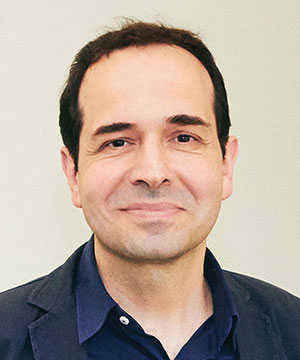 Mujdat Cetin合作论文数Department of Electrical and Computer Engineering, Hajim School of Engineering & Applied Sciences, University of Rochester;Department of Computer Science, University of Rochester;Goergen Institute for Data Science, University of Rochester7
 Pesters Adriana de合作论文数3
 Anne-Lise Giraud合作论文数The Institut Pasteur;l’Institut de l’Audition;l'Institut reConnect3A. Christen合作论文数2Sandra Cancino合作论文数2
 Jorge Humberto Cristancho Cuervo合作论文数2
 Lacides Ripoll合作论文数2Danny Plass-oude Bos合作论文数Human Media Interaction, University of Twente2
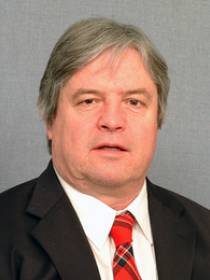 Dennis J. McFarland合作论文数Wadsworth Center for Laboratories and Research, New York State Department of Health2Oktay, O.合作论文数2Pasley Brian N合作论文数Helen Wills Neuroscience Institute, University of California Berkeley2
 Linsey Roijendijk合作论文数2
 Martin Stéphanie合作论文数Helen Wills Neuroscience Institute, University of California Berkeley;Department of Bioengineering, École Polytechnique Fédérale de Lausanne Lausanne;Helen Wills Neuroscience Institute, University of California Berkeley2Luigi Pavone合作论文数2
 Robert Thomas Knight合作论文数Department of Psychology, University of California, Berkeley2
 Ali Bahramisharif合作论文数Institute for Computing and Information Sciences, Intelligent Systems Group, The Netherlands2
 Matthieu Duvinage合作论文数University of Mons2
 Marijn van Vliet合作论文数Laboratory for Neuro- and Psychofysiology, KU Leuven2
 Bram Van De Laar合作论文数2
 M. Poel (Mannes)合作论文数Department of Computer Science, Faculty of Electrical Engineering, Mathematics and Computer Science, University of Twente2
 Boris Reuderink合作论文数University of Twente2Timothée Proix合作论文数1
 Juan Manuel Lopez合作论文数1
 Norelli Schettini合作论文数Elect & Elect Engn Dept, Univ Norte1
 Xing Tian合作论文数New York University Shanghai1
 Werner K. Doyle合作论文数Department of Neurosurgery, Grossman School of Medicine, New York University1
 Arnal Luc H合作论文数Inserm U960 - École Normale Supérieure, Paris, France.1
 David Poeppel合作论文数Department of Psychology, College of Arts & Science, New York University1
 Orrin Devinsky合作论文数Department of Neurology, Grossman School of Medicine, New York University;Department of Psychiatry, Grossman School of Medicine, New York University1
 Fabio Sebastiano合作论文数Department of Electrical Engineering, Mathematics and Computer Science (EEMCS) of Delft University of Technology.1
 Sophie Bouton合作论文数Physiologie Moleculaire des Semences;University of Angers1
 Lucy MacGregor合作论文数MRC Cognition and Brain Sciences Unit, University of Cambridge1
 Luca Tonin合作论文数EPFL1
 Pierre Megevand合作论文数1
 Ayhan Istanbullu合作论文数Faculty of Technical Education, Mugla University1
 Huseyin Guruler合作论文数Faculty of Technical Education, Mugla University1
 Slavianka Georgieva Moyanova合作论文数1




