The BET bromodomain proteins BRD3 and BRD4 induce N-Myc expression, but do not function synergistically.
JQ1 and panobinostat do not cooperatively induce apoptosis in normal non-malignant cells.
Supplemental Figure S1. Effect of HDAC and Hsp90 inhibitors on Hsp90 (α/β)/p23 interactions.
Supplemental Figure S7. Inhibition of UKE-1 cell proliferation by the lead HDAC inhibitor 1A12 alone and in combination with the Doxorubicin and Hsp90 inhibitor PU-H71.
Supplemental Methods. Description of additional methods and procedures used in the study.
Supplemental Figure S2. 17-DMAG enhanced the effect of Tubacin on inhibition of Hsp90(α/β)/p23 interactions.
Supplemental Figure S8. Analyses of HDAC biomarkers in tumor xenografts in mice treated with 1A12.
Supplemental Table S1. Selectivity of lead HDAC inhibitors for inhibition of HDAC1-9 activities in vitro.
The top 35 genes most dramatically down-regulated by JQ1 and panobinostat combination therapy.
Combination therapy with JQ1 and panobinostat exerts synergistic anticancer effects in neuroblastoma cells.
Supplemental Figure S4. Up-regulation of HDAC biomarkers (p21waf1 and acetylated H3), Hsp70 and NRL-p23 fusion reporter in cells treated with lead HDAC inhibitors.
JQ1 and panobinostat do not cooperatively regulate GSK3β and Aurora A expression, and LIN28B does not regulate Aurora A expression.
Supplemental Figure S5. Determination of the specificity of 1A12 in inhibition of HDACs.
Abstract Growing malignant tumors must evade destruction by the immune system, a hurdle some malignancies overcome by attracting immune-suppressive regulatory T-cells (Tregs)1. The IKZF2 (Helios) transcription factor plays a crucial role in maintaining function and stability of Tregs, and IKZF2 deficiency enhances immune responses to tumors in mice2, suggesting IKZF2 may be an attractive target for cancer immunotherapy. Here we describe the discovery and characterization of DKY709, the first molecular glue degrader of IKZF2/4 which spares IKZF1/3. DKY709 was identified through a recruitment-guided medicinal chemistry campaign that redirected the degradation selectivity of CRBN binders towards IKZF2. The IKZF transcription factor selectivity of DKY709 was rationalized by the X-ray structure of the CRBN-DKY709-IKZF2(ZF2) ternary complex. Upon exposure to DKY709, human Tregs showed reduced suppressive activity and exhausted T-effector cells recovered IFNγ production. In vivo, oral treatment with DKY709 drove a rapid and sustained degradation of IKZF2 including in humans and led to delayed tumor growth in mice with humanized immune systems and enhanced immunization responses in monkeys. DKY709 is a first-in-class, potent and selective oral IKZF2/4 degrader currently being investigated in a phase 1 clinical trial as an immune-enhancing agent for cancer immunotherapy.
The NIH Virtual SARS-CoV-2 Antiviral Summit, held on 6 November 2020, was organized to provide an overview on the status and challenges in developing antiviral therapeutics for coronavirus disease 2019 (COVID-19), including combinations of antivirals. Scientific experts from the public and private sectors convened virtually during a live videocast to discuss severe acute respiratory syndrome coronavirus 2 (SARS-CoV-2) targets for drug discovery as well as the preclinical tools needed to develop and evaluate effective small-molecule antivirals. The goals of the Summit were to review the current state of the science, identify unmet research needs, share insights and lessons learned from treating other infectious diseases, identify opportunities for public-private partnerships, and assist the research community in designing and developing antiviral therapeutics. This report includes an overview of therapeutic approaches, individual panel summaries, and a summary of the discussions and perspectives on the challenges ahead for antiviral development.
 Jun Qi合作论文数Dana-Farber Cancer Institute31
 Ralph Mazitschek合作论文数Harvard T.H. Chan School of Public Health, Harvard University16
 N. West合作论文数14R. Paranol合作论文数12W. Smith合作论文数12S.L. Schreiber合作论文数12C.T. Chan合作论文数12
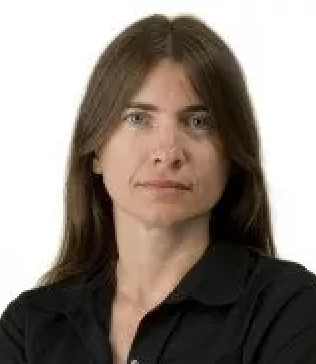 Gabriela Chiosis合作论文数Sloan Kettering Institute, Memorial Sloan Kettering Cancer Center12Robert E. Reeves合作论文数Department of Radiology,;Molecular Imaging Program at Stanford (MIPS),;Bio-X Program,;Department of Radiology, MIPS12
 Ramasamy Paulmurugan合作论文数Department of Radiology, School of Medicine, Stanford University;Stanford Cancer Institute, School of Medicine, Stanford University12
 Sanjiv Sam Gambhir合作论文数Department of Radiology, School of Medicine, Stanford University11
 Kenneth C. Anderson合作论文数Dana-Farber Cancer Institute;Harvard Medical School8Jeyran Shahbazi合作论文数7
 Tao Liu (刘涛)合作论文数Tianjin lnstitute of lndustrial Biotechnology, Chinese Academy of Sciences7Liu Pei Y合作论文数7
 Bernard Atmadibrata合作论文数7
 Andrew Kung合作论文数Department of Pediatrics, Memorial Sloan Kettering Cancer Center7
 Glenn Marshall合作论文数Children’s Cancer Institute;School of Women’s and Children’s Health, Faculty of Medicine, University of New South Wales;Kids Cancer Centre, Sydney Children's Hospital7
 Jon Christopher Aster合作论文数Department of Pathology, Brigham and Women's Hospital;Harvard Medical School;Division of Medical Sciences, Harvard Griffin Graduate School of Arts and Sciences, Harvard University6
 Paul Nghiem合作论文数Department of Medicine, Divisions of Dermatology and Medical Oncology, University of Washington6
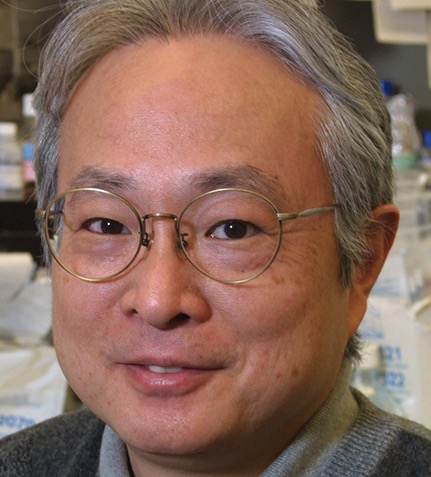 Teru Hideshima合作论文数Department of Medicine, Harvard Medical School;Jerome Lipper Center for Multiple Myeloma, Dana-Farber Cancer Institute5S. Picaud合作论文数4P. Filippakopoulos合作论文数4M. Kawasumi合作论文数4Aniruddha J Deshpande合作论文数Sanford Burnham Prebys Med Discovery Inst, La Jolla, CA 92135 USA4
 Michael J. Kluk合作论文数Weill Cornell Medical College4Marineau Jason J合作论文数4
 Scott A. Armstrong合作论文数Department of Pediatric Oncology, Dana Farber Cancer Institute, Harvard Medical School;Division of Hematology, Boston Children's Hospital;Division of Oncology, Boston Children's Hospital4
 Stuart L. Schreiber合作论文数Department of Chemistry and Chemical Biology, Faculty of Arts and Sciences, Harvard University;Broad Institute4
 Amit Sinha合作论文数Department of Computer Science, University of Cincinnati4
 Scott J. Rodig合作论文数Department of Pathology, Brigham and Women's Hospital, Harvard Medical School;Tissue Biomarker Laboratory, Center for Immuno-Oncology, Dana-Farber Cancer Institute4
 Michelle A Kelliher合作论文数University of Massachusetts Medical Center4Michael J Cameron合作论文数3S.L. DeAngelo合作论文数3R.P. Nowak合作论文数3E.S. Fischer合作论文数3O. Fedorov合作论文数3
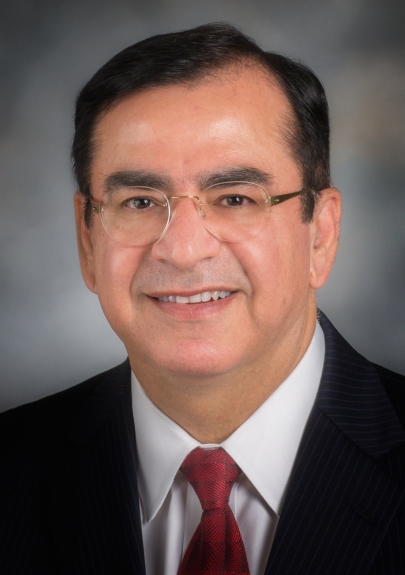 Kapil N. Bhalla合作论文数Department of Leukemia, Division of Cancer Medicine, The University of Texas MD Anderson Cancer Center3I. Felletar合作论文数3J. Muniz合作论文数3
 Yoon-Jae Cho合作论文数Dept Neurol & Neurol Sci, Stanford Univ3Y Kim合作论文数3
 Alejandro Gutierrez合作论文数Dept Pediat Oncol, Dana Farber Canc Inst3
 Scott Richard Floyd合作论文数Department of Radiation Oncology, Duke University3
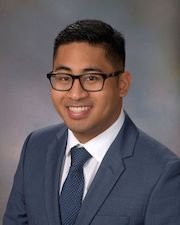 Paranal Ronald M合作论文数Dana Farber Cancer Institute, Harvard Medical School3
 Christopher Alexander French合作论文数Department of Pathology, Brigham and Women's Hospital;Harvard Medical School3
 Justine E Roderick合作论文数3Jarpe Matthew合作论文数3
 Federation Alexander合作论文数Dana-Farber Cancer Institute, Harvard Medical School3




