Choosing a general purpose surface disinfectant for the dental office environment is difficult because of the wide range of products available, varying claims by manufacturers and contradictory reports in the literature regarding product efficacy. This study tested the antimicrobial effectiveness of diluted-for-use O-phenyl-phenol (Omni), didecyl dimethyl ammonium (Basic G) and isopropanol (Virahol). Products were tested for antimicrobial activity at 0, 12 and 24 hours, 3, 6 and 8 days. O-phenyl-phenol demonstrated essentially no antibacterial effect against any of eleven test microorganisms. Didecyl dimethyl ammonium and the isopropanol reagent both demonstrated statistically significant killing activity against all organisms. More importantly, these two products maintained their antimicrobial activity up to 8 days after preparation.
Interleukin 1,6 (IL-1beta) has been shown to be a potent mediator of bone resorption and has been implicated in resorption in periradicular lesions. In this study we compared the local concentrations of IL-1beta in symptomatic and asymptomatic human periradicular lesions. Periradicular tissues from patients with symptomatic and asymptomatic lesions were obtained and stored at -70-degrees-C. Pulpal tissues from unerupted third molars and chronically inflamed gingival tissues were also obtained and used as negative and positive controls, respectively. Tissue samples were homogenized, and supernatants were assayed for IL-1beta by the enzyme-linked immunosorbant assay. Significantly higher levels of IL-1beta were found in symptomatic and asymptomatic lesions and inflamed gingival tissues compared with uninflamed pulp tissues. There was a trend toward higher levels of IL-1beta in symptomatic lesions compared with asymptomatic lesions, but the difference was not significant. The results suggest that IL-1beta may play a significant role in the pathogenesis of human periradicular lesions.
Substantivity of tetracycline HCl and chlorhexidine digluconate to human root dentin was assessed in vitro. 51 extracted single-rooted teeth, their crowns removed, were assigned to 1 of 4 treatments in groups of 12. A control groups included 3 roots. Each group was divided into 3 subgroups to allow evaluation of drug exposure for 1, 3 or 5 min. The roots were immersed in tetracycline HCl (10 or 50 mg/ml) or chlorhexidine digluconate (0.12 or 0.2%) solutions following root planning. Control roots were immersed in sterile saline (0.9%). Following drug immersion, the roots were transferred to tubes containing 2 ml tris buffered saline. The tubes were incubated at room temperature for 22 days. Desorption media were replaced at 24-h intervals. Removed media were examined for antimicrobial activity using a microtiter assay in which bacterial growth was evaluated by optical density readings. Roots immersed in tetracycline HCl 50 mg/ml released antimicrobial activity to successive desorption media for 14 days. Tetracycline HCl 10 mg/ml activity lasted 4 days. Roots subjected to chlorhexidine digluconate released antimicrobial activity for 24 h only. Within each treatment, there were no differences between the 3 exposure intervals of 1, 3 or 5 min. Our findings suggest usage of the periodontally exposed instrumented root as a depot for sustained release of tetracycline HCl, but not chlorhexidine digluconate, to the subgingival environment. The substantiveness of tetracycline HCl seems related to drug concentration rather than the exposure interval. Clinical trials are needed to confirm the clinical significance of these in vitro observations.
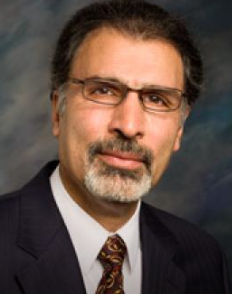 Mahmoud Torabinejad合作论文数School of Dentistry, Loma Linda University;Endodontic Institute of Surgical Education and Research Foundation11
 Stephens J合作论文数6Robert Kiger合作论文数5Adam Stabholz合作论文数4A Mohamedali合作论文数3Ume Wikesjo合作论文数2
 Istvan Fodor合作论文数2
 Joseph Neev合作论文数2
 Raydolfo M Aprecio合作论文数2Pamela J. Baker合作论文数Nursing Research Center, Akron Children's Hospital2Grenith Zimmerman合作论文数2Paul F Mcmillan合作论文数2L Linda合作论文数1Richard D. Finkelman合作论文数1S J Lee合作论文数1Meier S合作论文数1
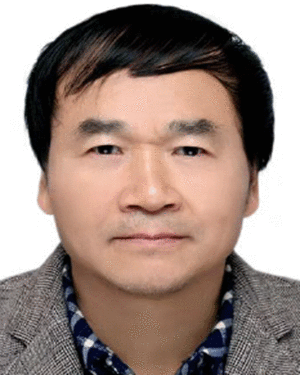 Wenzheng Zhang合作论文数National Laboratory for Modern Communications, Chengdu, China1
 Jae Won Kim合作论文数Department of Electrical and Electronic Engineering, Yonsei University1G. Lim合作论文数1Klaus Wolfram合作论文数1Gerald C. Lim合作论文数1J.E. Stich合作论文数1
 Yingbing Li (李英冰)合作论文数School of Geodesy and Geomatics, Wuhan University1P.A. Waterman合作论文数1Thomas A. Linkhart合作论文数1R. Finkleman合作论文数1Akbar Khayat合作论文数1




