Many animals adopt camouflage strategies that involve matching their appearance to colour and texture-based features in their environment. However, these features may be difficult to estimate in habitats that are prone to dynamic lighting, which might alter the features' appearance, or disrupt the capacity of visual systems to resolve those features. In this study, we tested whether a common form of shallow underwater dynamic lighting termed 'caustics', consisting of moving light bands travelling along the substrate, affect the expression of skin papillae in cuttlefish (Sepia officinalis). To do so, we exposed cuttlefish individuals to rock stimuli varying in their surface texture and colouration in both caustic and non-caustic lighting and scored their papillae expression. We established a positive correlation between the degree of papillae expression and the maximum contrast cues in the visual scene, such as those derived from object surface texture or colouration, with stronger contrast cues resulting in a more pronounced papillae expression. In addition, we found that cuttlefish also expressed their papillae when exposed to caustics, and this response was adopted irrespective of the presence or absence of an object in their visual field, highlighting that increased visual contrast levels deriving from exposure to dynamic lighting alone can elicit papillae expression in cuttlefish. We discuss whether these camouflage responses might be adaptive, reducing their likelihood of being detected by predators, or alternatively could represent a constraint on visual processing.
Group formation in animals can arise from two primary mechanisms: individuals aggregating over resources, or individuals socially benefiting from interacting with conspecifics. Distinguishing between these mechanisms allows us to infer the drivers of group formation, which is of considerable importance for informing management strategies of invasive species. Lionfish (Pterois volitans) are a teleost predator native to the Indo-Pacific but invasive in the Western Atlantic Ocean. Lionfish are often observed sheltering in refuges on their own or in groups, with previous research suggesting these groups form due to attraction towards preferred habitats rather than having a social function. Here, we find that lionfish were more likely to shelter with a conspecific rather than choosing to shelter alone. Lionfish were also more likely to shelter with larger conspecifics. Our findings demonstrate that lionfish are socially attracted to one another, which has implications for the control and management strategies of this invasive species.
Many animals rely on deception, including signalling misinformation, to gain advantages over others. While many deceptive strategies rely on deterministic patterns or conditioning, some taxa can flexibly adapt their deceptive behaviour to the identity, perspective, or inferred goals of the observer. These context-dependent deceptive strategies could be considered 'tactical deception' if they rely on higher-level cognitive processes to execute. Here, we outline why cephalopods, such as octopus and cuttlefish, are ideal candidates to explore the link between deception and cognition. As tactical deception relies on understanding differences in one's own and another observer's perspective, we suggest tactical deception as a framework to study aspects of cognition in other animals.
High-quality habitats are predicted to have higher densities of competitors, smaller territory sizes, and increased defensive costs for territory holders. However, defence is typically considered to be directed predominantly towards conspecifics, with heterospecific intrusions generally thought to contribute less to defensive costs. Moreover, individuals may benefit from the collective defence of resources in areas with increased densities of territory holders. Together, these factors could affect the costs of defence in low- versus high-quality habitats. In this study, we investigated how habitat quality and conspecific density influence the territorial defence of algal-farming yellowtail damselfish (Stegastes arcifrons) in the Galapagos. We quantified territory characteristics, performed behavioural observations, and conducted an in situ experiment to test whether damselfish in higher-quality, conspecific damselfish-dense habitats (characterised by increased algal turf coverage) differ in their competitive intrusion frequencies and defensive costs of chasing compared to those in lower-quality areas. We found that damselfish in poorer quality habitats with fewer conspecific neighbours had larger territories compared to those in higher-quality, more damselfish-dense areas. Despite this, both high- and low-quality territory holders experienced equivalent numbers of competitive intrusions. However, the type of competitor varied: territory holders in high-quality areas primarily defended against conspecifics, while those in lower-quality areas faced more frequent heterospecific intrusions. We also found no evidence that damselfish in high-quality habitats gained any collective benefits of defence by having increased densities of conspecific damselfish nearby. Thus, while higher conspecific density in higher-quality habitats might alter the risk from certain intruders, it does not appear to confer direct collective defence benefits in terms of reducing defence effort once intruded. Instead, territory holders appear to adapt their defence to balance the defensive pressures posed by conspecifics and heterospecifics, maintaining similar overall defensive costs across differing habitat qualities.
Vocal signalling is an important mode of communication in fishes. The two species of lionfish in the Pterois complex, the Indo-Pacific lionfish (Pterois volitans) and the red lionfish (Pterois miles), are both known to produce different types of sounds with sonic muscles attached to the swimbladder. However, the specific mechanism and the functions of these vocalisations in these invasive species are still unknown. We used three-dimensional bioimaging to describe the anatomy of the sonic muscles of both species. We further quantified the muscles of P. volitans to specifically explore how muscles developed across ontogeny and to test the hypothesis that sonic muscles would show sexual dimorphism if they were a sexually selected trait. Both P. volitans and P. miles showed a physoclistous swimbladder with a bilaterally symmetric pair of extrinsic sonic swimbladder muscles (ESSMs), which have been suggested to control buoyancy and generate vocalisations. Both species also displayed an additional pair of anterior extrinsic muscles, which projected dorsoventrally from the spinal column and inserted onto the anterior wall of the swimbladder, potentially also having a role in sound production. Both types of sonic muscles were present across ontogeny. Quantification of the posterior belly of the ESSMs in P. volitans showed that both the length and mass of these muscles in both mature and immature individuals increased linearly with body size. There were no ontogenetic or sex differences in sonic muscle investment between individuals. Given the primary function of these muscles is to control the swimbladder for buoyancy, this may constrain the modification of these muscles relative to body size, or they may have no differences in their acoustic function between sexes or across ontogeny.
Predation can shape the distribution and abundance of animals in an environment, with a major source of predation in some systems now coming from humans. However, measuring the influence of human activities on animal behaviour across large geographic ranges can prove challenging. Here we use a citizen science approach to assess relationships between human hunting pressure and invasive lionfish abundance and behaviour across the Western Atlantic and Caribbean. We collected information from SCUBA diving lionfish hunters about their hunting frequency and observations of lionfish abundance and behaviour. Areas which had been more recently invaded had the highest abundances of lionfish, but the number of lionfish hunters reported in recently invaded areas was lowest. While there was no relationship between the number of hunters in an area and the propensity of lionfish to form groups or utilise shelters, lionfish were more likely to be encountered deeper in areas where there were more hunters. In addition, larger maximum group sizes of lionfish were found at locations with more hunters, and this coincided with areas where lionfish were encountered deeper and where larger maximum catch sizes were reported. This study demonstrates how citizen science can be used to approximate differences in the abundance of organisms and collate observations of their behaviour across wide geographic areas. This approach could be particularly valuable in tracking invasion fronts as invasive species spread.
The visual complexity of a habitat can play a significant role in the outcome of interactions between predators and prey. We currently assume that predators should maximize their foraging success by foraging in habitats where prey are easier to detect and search times are lower. Mesopredators, however, have to detect prey (as a predator) while also avoiding detection by their own predators (as prey). The predicted trade-off between foraging success and perceived predation risk for mesopredators is likely to be affected by the visual complexity of their surroundings, although this remains to be tested. Using two immersive augmented-reality experiments, we tested whether risk aversion and foraging success of a model mesopredator (individual three-spined sticklebacks, Gasterosteus aculeatus) changed in habitats with differing visual complexity. Despite being motivated to forage, individuals consistently preferred to associate with regions of higher complexity. However, contrary to our predictions, sticklebacks also had higher foraging success in these habitats. This appeared to be driven by increases in exploration and foraging in visually complex habitats, changing their likelihood of encountering prey. Our findings highlight how environmental visual complexity alone can induce a behavioural shift in mesopredators from risk-averse behaviours to those associated with exploration and foraging, ultimately changing where and when predators choose to hunt while mitigating predicted trophic trade-offs. (c) 2025 The Authors. Published by Elsevier Ltd on behalf of The Association for the Study of Animal Behaviour. This is an open access article under the CC BY license (http://creativecommons.org/licenses/ by/4.0/).
The natural variation in animal body markings, such as spots, stripes and blotches, offers a powerful tool for researchers, conservationists, citizen scientists and resource managers to distinguish specific individuals within species. By building libraries of photo-identified individuals, we can track and differentiate individuals over time and space, thereby non-invasively and often cost-effectively studying species' biology and behaviour. This, in turn, enhances our understanding of species' ecological roles, and informs and supports effective conservation strategies. Although photo-identification has been successfully applied to various aquatic species, including cetaceans, sharks and rays, it remains surprisingly underutilised for bony fishes. Indeed, despite their striking diversity of colours and patterns, relatively few studies have used natural markings to non-invasively investigate bony fish biology and conservation. In this review, we highlight the potential of photo-identification as a valuable research and management tool for these fishes in both field and laboratory environments. We outline the scientific, practical and ethical benefits of this approach, illustrating how individual identification can advance our understanding of fish biology and support their conservation efforts. We also discuss previous applications of photo-identification in bony fishes, examine barriers to its broader adoption and address common misconceptions that may limit its use. We propose strategies to overcome these challenges driven by advancements in camera technology and artificial intelligence, and discuss scenarios where photo-identification may prove particularly effective. Through this review, we therefore aim to encourage the broader use of natural body markings as a non-invasive method in bony fish research, management and conservation.
Motion detection is an elementary aspect of most animal visual systems. However, many environments are prone to background motion, which might disrupt the ability of visual systems to detect relevant motion cues. While in humans, background motion can disrupt the detection of visual cues even after the moving background component has ceased, it remains unknown whether natural forms of background motion might also affect other animal visual systems. Here, we test whether prior exposure to naturally occurring 'caustics', a form of dynamically moving light patterns commonly found in shallow aquatic environments, can have a persisting effect on an animal's motion detection abilities even after the caustic exposure has stopped. To do this, we established the response probability of the shore crab Carcinus maenas to computer-generated expanding disc stimuli mimicking an approaching predator after exposure to either static or moving caustic scenes. Prior exposure to moving caustics had a short-term persisting effect on visual perception in C. maenas, reducing crabs' likelihood to respond to an approaching predator for at least 2 s after the moving caustics had ceased. Our study shows that even after an exposure period to background motion has ended, the visual response rates in C. maenas can still be reduced for a short period owing to the prior exposure. While this so-called 'historical effect' may derive from an adaptation of the crab's visual system to the caustic background motion, we discuss whether it may have survival consequences for this crustacean species.
Sound is a valuable cue in the marine environment that can inform animals about habitat location and community composition. Indeed, sound is often used for orientation and navigation by larval reef fishes during settlement. However, despite sound’s role in the early life of reef fishes, whether post-settlement reef fishes use ambient soundscapes to inform their movement decisions remains less clear. In an in-situ playback experiment in Curaçao, the Dutch Caribbean, settled individuals of an invasive predator, the Indo-Pacific lionfish (Pterois volitans), showed no preference to move towards the playbacks of two different habitat types during daylight hours. In particular, lionfish did not prefer to move towards the sounds of sandy or reef habitat playbacks when tested against a silent control. Moreover, when given a choice between simultaneous sandy and reef habitat playbacks, lionfish showed no preference for the soundscape of either habitat type. While the activity of lionfish was strongly correlated with their body size, with larger fish being more active, activity was not affected by habitat playback, nor did body size affect their preference for the soundscapes of either habitat type. While acoustic lures have been speculated to be a promising addition to existing lionfish trap designs, daytime playbacks of ambient soundscapes are unlikely to be successful in attracting lionfish post-settlement, ultimately affecting their efficacy.
AbstractThe collective dynamics of self-organised systems emerge from the decision rules agents use to respond to each other and to external forces. This is evident in groups of animals under attack from predators, where understanding collective escape patterns requires evaluating the risks and rewards associated with particular social rules, prey escape behaviour, and predator attack strategies. Here, we find that the emergence of the ‘fountain effect’, a common collective pattern observed when animal groups evade predators, is the outcome of rules designed to maximise individual survival chances given predator hunting decisions. Using drone-based empirical observations of schooling sardine prey (Sardinops sagax caerulea) attacked by striped marlin (Kajikia audax), we first find the majority of attacks produce fountain effects, with the dynamics of these escapes dependent on the predator’s attack direction. Then, using a spatially-explicit agent-based model of predator-prey dynamics, we show that fountain manoeuvres can emerge from combining an optimal individual prey escape angle with social interactions. The escape rule appears to prioritise maximising the distance to the predator and creates conflict in the effectiveness of predators’ attacks and the prey’s avoidance, explaining the empirically observed predators’ attack strategies and the fountain evasions produced by prey. Overall, we identify the proximate and ultimate explanations for fountain effects and more generally highlight that the collective patterns of self-organised predatory-prey systems can be understood by considering both social escape rules and attack strategies.
Many animals avoid detection or recognition using camouflage tailored to the visual features of their environment.1,2,3 The appearance of those features, however, can be affected by fluctuations in local lighting conditions, making them appear different over time.4,5 Despite dynamic lighting being common in many terrestrial and aquatic environments, it is unknown whether dynamic lighting influences the camouflage patterns that animals adopt. Here, we test whether a common form of underwater dynamic lighting, consisting of moving light bands that can create local fluctuations in the intensity of light ("water caustics"), affects the camouflage of cuttlefish (Sepia officinalis). Owing to specialized pigment cells (chromatophores) in the skin,6 these cephalopod mollusks can dynamically adjust their body patterns in response to features of their visual scene.7,8,9 Although cuttlefish resting on plain or patterned backgrounds usually expressed uniform or disruptive body patterns, respectively,10,11,12 exposure to these backgrounds in dynamic lighting induced stronger disruptive patterns regardless of the background type. Dynamic lighting increased the maximum contrast levels within scenes, and these maximum contrast levels were associated with the degree of cuttlefish disruptive camouflage. This adoption of disruptive camouflage in dynamically lit scenes may be adaptive, reducing the likelihood of detection, or alternatively, it could represent a constraint on visual processing.
This paper presents an innovative method using the YOLOv8 algorithm to automate the creation of digital twins (DTs) replicating hydrodynamic behaviors of real organisms in liquid environments. The approach extracts features from video data, facilitating efficient DT generation. Addressing computational challenges in accurately simulating fish movements, including computing the spatial and temporal derivatives of its boundary and the distance function, our method offers insights into animals’ perception and use of hydrodynamic cues. Training YOLO on a custom dataset, processing predictions to ensure coherence between frames, integrating with computational fluid dynamics (CFD), and comparative analysis against ground truth simulations demonstrate the effectiveness of our automated digital twin creation. The paper also includes a sensitivity analysis to explore the impact of different customization aspects and aiming to provide insights into potential avenues for improvement.
Environments contain various forms of noise that can interfere with the ability of animal sensory systems to perceive information. One ubiquitous type of visual noise in shallow aquatic habitats is caustic flicker (or caustics), consisting of dynamically moving light patterns caused by the refraction of light when passing through the water's rippling surface. While some teleost fish avoid environments with caustic noise (where their prey can be more difficult to detect), it remains untested whether caustics affect the habitat selection of invertebrates. In the present study, we ask whether three invertebrate species, the shore crab Carcinus maenas, the brown shrimp Crangon crangon, and the common cuttlefish Sepia officinalis, prefer or avoid associating with environments with caustic noise, and whether caustics affect their behavioural activity and habitat exploration. To do this, we exposed the three species in binary choice experiments to different simulated caustic noise levels varying in their temporal (speed) and spatial (definition) components. Neither of the three tested invertebrate species spent more or less time in environments with higher caustic noise levels. While we also found no evidence that caustics affected the behavioural activity and exploration of Ca. maenas and S. officinalis, the brown shrimp Cr. crangon reduced its activity with increasing spatial caustic noise. However, all obtained effect sizes in this study were small, suggesting that caustic noise only minimally affects invertebrate behaviour. Overall, our results show that, unlike in teleost fish, caustics have limited influence on the habitat selection, exploration, and activity of crustaceans and cephalopods.
We discuss the outcomes of our 16th horizon scan of issues that are novel or represent a considerable step-change and have the potential to substantially affect conservation of biological diversity in the coming decade. From an initial 96 topics, our international panel of 32 scientists and practitioners prioritised 15 issues. Technological advances are prominent, including metal and non-metal organic frameworks, deriving rare earth elements from macroalgae, synthetic gene drives in plants, and low-emission cement. We include new insights into accelerated impacts of changes to Antarctic ice masses and air and water quality. We hope that anticipating and mitigating negative impacts, and making best use of new opportunities related to these issues, will contribute to better outcomes for biological diversity.
Mutualisms are driven by partners deciding to interact with one another to gain specific services or rewards. As predicted by biological market theory, partners should be selected based on the likelihood, quality, reward level, and or services each partner can offer. Third-party species that are not directly involved in the interaction, however, may indirectly affect the occurrence and or quality of the services provided, thereby affecting which partners are selected or avoided. We investigated how different clients of the sharknose goby (Elacatinus evelynae) cleaner fish were distributed across cleaning stations, and asked what characteristics, relating to biological market theory, affected this distribution. Through quantifying the visitation and cleaning patterns of client fish that can choose which cleaning station(s) to visit, we found that the relative species richness of visiting clients at stations was negatively associated with the presence of disruptive territorial damselfish at the station. Our study highlights, therefore, the need to consider the indirect effects of third-party species and their interactions (e.g., agonistic interactions) when attempting to understand mutualistic interactions between species. Moreover, we highlight how cooperative interactions may be indirectly governed by external partners.
Many animals rely on their visual systems to detect, locate or discriminate information in their environment. Environmental ‘visual noise’, however, may interfere with an animal's ability to detect visual information, affecting decision-making processes. A ubiquitous form of visual noise in aquatic environments is caustic flicker: moving light patterns caused by the refraction of light through surface waves. While caustics impair the ability of fishes to detect prey, the impacts of caustics on the ability of nonvertebrates to target prey remains untested. In the present study, we asked whether the hunting success of the common cuttlefish, Sepia officinalis, is affected by the presence of caustic flicker. To do this, we tested whether both the spatial (definition) and temporal (speed) components of caustic flicker affected the ability of cuttlefish to detect and catch a common prey, the brown shrimp, Crangon crangon. Neither the spatial nor temporal components of caustic flicker affected the detection latency or the capture time of prey. Moreover, cuttlefish did not adapt their hunting behaviour, including their approach speed, movement bouts, attack distance or angle, as a function of caustic flicker. Our results show that visual noise from caustic flicker does not affect the ability of cuttlefish to hunt their prey or their hunting behaviour. We provide multiple explanations, including the role of polarization vision, for why dynamic illumination does not appear to impact the visual sensory processing of cuttlefish.
We present the results of our 15th horizon scan of novel issues that could influence biological conservation in the future. From an initial list of 96 issues, our international panel of scientists and practitioners identified 15 that we consider important for societies worldwide to track and potentially respond to. Issues are novel within conservation or represent a substantial positive or negative step-change with global or regional extents. For example, new sources of hydrogen fuel and changes in deep-sea currents may have profound impacts on marine and terrestrial ecosystems. Technological advances that may be positive include benchtop DNA printers and the industrialisation of approaches that can create high-protein food from air, potentially reducing the pressure on land for food production.
Many animals use camouflage to avoid detection by others, yet even the most inconspicuous objects become detectable against the background when moving1,2. One way to reduce detection while moving would be to 'hide' behind the movements of objects or other animals3. Here, we demonstrate experimentally that a common marine predator, the trumpetfish (Aulostomus maculatus), can conceal its approach from its prey by performing a behaviour known as 'shadowing' - swimming closely next to another, larger and non-predatory fish3,4,5. Our findings reveal how predators can actively use another animal as a form of concealment to reduce detection by prey.
Ecologists are now widely utilising video data to quantify the behaviours and interactions of animals in the wild. This process can be facilitated by collecting videos in stereo, which can provide information about animals' positions, movements and behaviours in three‐dimensions (3D). However, there are no published designs that can collect underwater 3D stereo data at high spatial and temporal resolutions for extended periods (days). Here, we present complete hardware and software solutions for a long‐running, open‐source, underwater stereo camera rig, costing £1337. This stereo camera can continuously record aquatic species and their behaviours/interactions in high resolution (1080 p and 30 fps) and in 3D, over multiple days. We provide full design guides for the cameras and a travel‐friendly rig, and include guidance and open‐source code for calibrating the cameras in space and time. We also show how these cameras could be used to track animals' body parts and positions, and how their size, posture and behaviour can be inferred. This stereo camera will facilitate the collection of high‐resolution ecological and behavioural data, such as affiliative, agonistic or trophic interactions between species, which can inform us about the health and structure of ecosystems. These data will assist ecologists and conservationists in monitoring and understanding the impacts of current environmental pressures on ecosystem functioning.
 Ashley J. W. Ward合作论文数21
 David Sumpter合作论文数Division of Systems and Control, Department of Information Technology, Uppsala University20
 Jens Krause合作论文数Department of Fish Biology, Fisheries and Aquaculture, Leibniz Institute of Freshwater Ecology and Inland Fisheries;Faculty of Life Science, Humboldt University Berlin13
 Alex Szorkovszky合作论文数Centre for Eng. Quantum Syst., Univ. of Queensland;c;Centre for Eng. Quantum Syst., Univ. of Queensland10
 Christos C Ioannou合作论文数Sch Biol Sci, Univ Bristol10
 Maksym Romenskyy合作论文数9
 Alexander Kotrschal合作论文数Institute of Ecology and Evolution, Uppsala University9
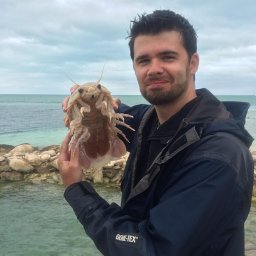 Alexander D M Wilson合作论文数Department of Biology, Carleton University8
 Niclas Kolm合作论文数Evolutionary Biology Centre;Department of Animal Ecology;Uppsala University;Evolutionary Biology Centre, Uppsala University8
 Krause Stefan合作论文数Dept Elect Engn & Comp Sci, Lubeck Univ Appl Sci7Paolo Domenici合作论文数7
 Samuel Matchette合作论文数Department of Zoology, University of Cambridge6
 Martin How合作论文数School of Biological Sciences,University of Bristol6
 John Fleng Steffensen合作论文数Marine Biological Section, Department of Biology, University of Copenhagen6
 Stefano Marras合作论文数Dept. of Mathematics and Computer Science, University of Cagliari6
 Kristiaan Pelckmans合作论文数K. U. Leuven6
 Ralf Kurvers合作论文数Center for Adaptive Rationality, Max Planck Institute for Human Development6
 Christian Drerup合作论文数Department of Zoology, University of Cambridge5
 Strömbom Daniel合作论文数Department of Mathematics, Uppsala University;Department of Biology, Lafayette College;Lafayette College, Uppsala University5
 Andrea Perna合作论文数Centre de Recherches sur la Cognition Animale, Université Paul Sabatier5
 Timothy Schaerf合作论文数Center for Mathematical Biology School of Biological Sciences, The University of Sydney5
 Lyndon Alexander Jordan合作论文数4
 Paul E. Viblanc合作论文数Fac Life Sci, Humboldt Univ4Hermanni Kaartokallio合作论文数4
 Severine Buechel (Kotrschal)合作论文数Department of Zoology, Stockholm University4
 Lloyd Peck合作论文数British Antarctic Survey, Natural Environment Research Council;Institute for Protein Biochemistry;Wolfson College, Cambridge University4
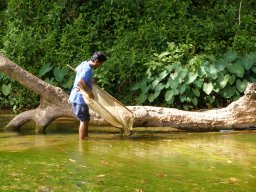 Indar W. Ramnarine合作论文数Department of Life Sciences;University of the West Indies;Department of Life Sciences, University of the West Indies4
 Lesley J. Morrell合作论文数Institute of Biomedical and Life Sciences, University of Glasgow Glasgow4
 William Sutherland合作论文数Department of Zoology, University of Cambridge4Holly Butterworth合作论文数3Peter Brotherton合作论文数3Ann Thornton合作论文数3Fiona Lickorish合作论文数3
 Ada F.Eslava合作论文数3
 Nafeesa Esmail合作论文数Wilder Inst Calgary Zoo3
 Katie Dunkley合作论文数Department of Zoology, University of Cambridge3Emil Rosen合作论文数Uppsala Univ, Uppsala, Sweden3
 Wouter van der Bijl合作论文数Department of Zoology and Biodiversity Research Centre, University of British Columbia3
 Hongli Zeng (曾红丽)合作论文数College of Science, Nanjing University of Posts and Telecommunications3
 Judith Mank合作论文数University College London3
 Kevin J. Gaston合作论文数Environment and Sustainability Institute, University of Exeter3
 Morten Bo Søndergaard Svendsen合作论文数Department of Health Technology, Technical University of Denmark;Synthetic Surgery;Measurelet;OceanData3Erica Fleishman合作论文数Center for Conservation Biology;Department of Biological Sciences;Stanford University;Center for Conservation Biology, Stanford University3Paul Zaslansky合作论文数Department of Biomaterials, Max Planck Institute of Colloids and Interfaces, 14424 Potsdam, Germany3
 James Pearce-Higgins合作论文数Department of Zoology, University of Cambridge;School of Biological Sciences, University of East Anglia3Richard S. Mann合作论文数Department of Systems Biology, Columbia University Irving Medical Center3
 Kevin Mershon Boswell合作论文数Department of Oceanography and Coastal Sciences, Louisiana State University3
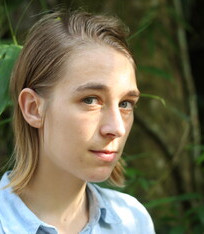 Alice Catherine Hughes合作论文数School of Biological Sciences, Faculty of Science, University of Hong Kong;Institute for Applied Systems Analysis;Centre for Integrative Conservation, Xishuangbanna Tropical Botanical Garden, Chinese Academy of Sciences3
 Roman Garnett合作论文数Department of Computer Science and Engineering, McKelvey School of Engineering, Washington University in St. Louis3




