BACKGROUND:Delirium afflicts 17% of older emergency department (ED) patients and 25% of older hospitalized patients. This form of acute brain failure is associated with accelerated cognitive decline. We conducted a randomized controlled trial to determine whether early cognitive intervention improved 4-month global cognition in older ED patients hospitalized with delirium. METHODS:A two-site randomized controlled trial was conducted with English-speaking patients aged 65 years or older who were delirious at enrollment. Patients were excluded if they had end-stage dementia, resided in a nursing home, or were in hospice. Patients were randomized to receive a cognitive intervention within 24 h of ED presentation or usual care in a 1:2 ratio. Patients randomized to cognitive intervention received twice-daily cognitive training sessions during hospitalization and weekly cognitive rehabilitation for up to 12 weeks after hospital discharge. The primary outcome was global cognition at 4 months using the Repeatable Battery for the Assessment of Neuropsychological Status (RBANS), with higher scores indicating better cognition. To determine the effect of the cognitive intervention on 4-month global cognition, proportional odds logistic regression was performed, adjusted for pre-illness dementia and function, and other confounders. Adjusted odds ratios (aORs) and their 95% confidence intervals (95% CIs) are reported. RESULTS:A total of 283 patients were randomized; 97 were randomized into the cognitive intervention arm, and 186 were randomized into the usual care arm. A total of 152 patients had 4-month RBANS data. The median interquartile range (IQR) RBANS score at 4 months was 67 (49, 80) and 67 (52, 83) in the intervention and usual care groups, respectively. In the adjusted analysis, the cognitive intervention was not significantly associated with 4-month RBANS (aOR = 0.86; 95% CI: 0.45, 1.65). CONCLUSIONS:Early cognitive intervention was not associated with improved 4-month global cognition in older ED patients hospitalized with delirium.
Trauma-informed care (TIC) is an important and influential construct being increasingly used in clinical contexts. The principles of TIC shape the way physicians, nurses, social workers, and other healthcare providers interact with patients, leading to better outcomes, yet TIC constructs are rarely used to shape and influence the conduct of clinical research—whether in medicine generally or, more specially, with intensive care unit (ICU) patients and survivors, an often heavily traumatized group who are the focus of this review. Relying on case studies and relevant patient vignettes, this paper argues for the broad implementation of TIC principles in ICU outcomes research to uphold principles such as beneficence, to minimize potential trauma, and to better honor the unique challenges of a large, growing, and often vulnerable population. ICU experiences often involve fear, terror, loss of control, and vulnerability, which can lead to lasting psychological impacts. For ICU survivors, the process of participating in research may inadvertently re-traumatize them through various pathways, including the informed consent process, potentially distressing questions, and the environment in which patients are seen, to name a few. This paper emphasizes critical factors such as safety, trust, and privacy in shaping patients' research participation, while outlining six key TIC principles: safety, trustworthiness and transparency, peer support, collaboration and mutuality, cultural considerations, and empowerment. By integrating these principles into clinical research practices, investigators can enhance participant welfare, reduce attrition, and improve data quality leading to better and more accurate outcomes and, most importantly, honor the humanity of participants.
There is limited information on the relationship between multidisciplinary bundle compliance and long-term outcomes. We explored the association between bundle compliance and outcomes at 3 and 12 months after hospital discharge. We conducted secondary analyses of a randomized controlled trial comparing haloperidol, ziprasidone, and placebo for delirium in patients with critical illness. From 2011 to 2017, adult patients with respiratory failure and/or shock were recruited from 16 US medical centers. Participants received a daily ABCDE bundle during their critical illness. We assessed cognition, disability, mental health, quality of life, and survival over 12 months of follow-up. We analyzed data using linear mixed effects regression and Cox proportional hazards models. Among 566 participants, 418 survived to hospital discharge, 304 were assessed for 3-month outcomes, and 251 for 12-month outcomes. Median proportional bundle compliance was 97 https://clinicaltrials.gov/ct2/show/NCT01211522 .
BACKGROUND Quality delirium care depends on monitoring and early identification. This is especially true among older adults, who are at highest risk for delirium. The electroencephalography-based delirium index (EEG-DI) is robustly associated with delirium among critically ill adults, and may contribute to improved monitoring. Yet neurophysiologic changes with aging or dementia could impact its performance. OBJECTIVE We examined the performance of the EEG-DI in a cohort of hospitalized nonagenarians, who have increased rates of dementia. We hypothesized that, consistent with prior work, delirium is associated with lower EEG-DI values, even after adjusting for history of dementia. METHODS In this retrospective observational study, we identified hospitalized patients over 90 years of age, with EEGs recorded for clinical purposes between May 2014 and January 2020. We obtained clinical and demographic data from the electronic health record. We computed EEG-DI as previously published, based on frequency composition and variability of the raw EEG signals. We used multivariable logistic regression to model the relationship between EEG-DI and presence of delirium, adjusting for confounders including dementia history. We used receiver operating characteristic (ROC) analysis to evaluate EEG-DI performance in patients with and without dementia. RESULTS The final analysis included 68 nonagenarians (mean age 92 years; 42 [62%] women), of whom 22 (33%) had dementia and 32 (47%) had delirium. Lower EEG-DI was independently associated with greater likelihood of delirium (adjusted odds ratio [aOR] 11.2, 95% CI 2.0-62.4, p=0.006). Optimism-corrected area under the ROC curve for delirium was 0.80 (95% CI 0.68-0.93) in patients without dementia and 0.65 (95%CI 0.32 to 0.90) with dementia. CONCLUSION Lower EEG-DI is strongly associated with delirium in nonagenarians, similar to the association reported in younger patients. EEG-DI showed poor discrimination for delirium in patients with dementia and may not be appropriate for use in this population.
RATIONALE:How rurality may influence recovery after critical illness is unknown. OBJECTIVES:To examine the association between rurality and disability, cognitive function, and health-related quality of life in intensive care unit survivors and whether it is modified by area-level socioeconomic deprivation. METHODS:We measured rurality using Rural-Urban Commuting Area (RUCA) codes (range: 1 [most urban] to 10 [most rural]). At 3 and 12 months postdischarge, we assessed cognition, basic and instrumental activities of daily living, and quality of life. We measured area-level socioeconomic deprivation using the Area Deprivation Index (ADI). We used multivariable regression with inverse probability of attrition weighting, adjusting for prespecified covariates, including ADI. We conducted prespecified analyses assessing the interaction between rurality and ADI. MEASUREMENTS AND MAIN RESULTS:We enrolled 1040 critically ill patients, with 781 surviving to hospital discharge. Survivors had a median (IQR) age of 62 (52-71) years and RUCA score of 4 (1-7). At a 3-month follow-up, greater rurality was associated with greater odds of disability in basic activities of daily living (adjusted odds ratio, 2.16; 95% CI, 1.27-3.67; P = .02). This association remained significant at the 12-month follow-up (P = .03). We found no association between rurality and other outcomes. There was no interaction between RUCA and ADI with basic activities of daily living, suggesting that socioeconomic deprivation did not alter these associations. CONCLUSIONS:Among survivors of critical illness, greater rurality was associated with greater disability in basic activities of daily living but not cognitive function or quality of life.
Importance Understanding the reciprocal association between post-intensive care syndrome (PICS) and caregiver burden is crucial for optimal care of patients and caregivers following critical illness. Objective To evaluate the associations between patient post-intensive care impairments and caregiver burden. Design, Setting, and Participants This secondary analysis of the MIND-USA study, a multicenter randomized clinical trial, which enrolled patients admitted to intensive care units (ICU) from 16 academic medical centers across the US (December 2011 to August 2017), included 148 patient-caregiver dyads. Patients were adults aged 18 years or older with ICU delirium randomized to receive haloperidol, ziprasidone, or placebo. A caregiver who provided unpaid assistance to the patient was identified at enrollment. PICS and caregiver burden were assessed at 3 months and 12 months after randomization. Statistical analysis was performed from March 2023 to April 2024. Main Outcomes and Measures ICU survivors were assessed for PICS domains, including physical and cognitive function, and posttraumatic stress disorder using the Katz Activities of Daily Living, the Functional Activities Questionnaire, the Telephone Interview for Cognitive Status, and the Posttraumatic Stress Disorder Checklist-Civilian version, respectively. Caregiver burden was assessed using the Zarit Burden Interview. The associations between patient PICS and caregiver burden at 3 and 12 months were examined using structural equation modeling. Results Of 148 patients included in this study with a median (IQR) age of 58 (48-65) years, the majority identified as male (79 patients [53.4%]), and there were 16 (10.8%) Black, 139 (93.9%) non-Hispanic, and 127 (85.8%) White patients. PICS and caregiver burden at 3-month follow-up was positively associated with these outcomes at 12-month follow-up (PICS: beta = 0.69; 95% CI, 0.50 to 0.88; P < .001; caregiver burden: beta = 0.68; 95% CI, 0.53 to 0.82; P < .001). However, contrary to the study hypotheses, significant associations between 3-month PICS and 12-month caregiver burden and between 3-month caregiver burden and 12-month PICS were not observed (PICS -> caregiver burden: beta = 0.82; 95% CI, -0.02 to 1.66; P = .09; caregiver burden -> PICS: beta = 0.00; 95% CI, -0.03 to 0.03; P = .95). There was significant covariance between PICS and caregiver burden at each time point. Conclusions and Relevance In this secondary analysis of a randomized clinical trial of ICU survivors and their caregivers, patient PICS and caregiver burden were associated at concurrent time points but were not associated with each other longitudinally.
BACKGROUND:Survivors of critical illness often experience new or worsening impairments in various domains of health after discharge, collectively referred to as post-intensive care syndrome (PICS). Although this condition is common, it remains unclear whether providers are communicating routinely about survivorship and PICS to patients and families and whether patients are remembering these conversations. RESEARCH QUESTION:How often do ICU providers discuss the concept of PICS with at-risk patients or families, and how often do patients remember being told about the concept of PICS? STUDY DESIGN AND METHODS:We distributed online surveys to ICU health care providers at 9 US institutions and to patients who survived critical illness in the preceding year at a single site. RESULTS:We collected a convenience sample of 382 provider responses and 148 patient responses. The providers were registered nurses (53.7%), physician fellows or attending physicians (33%), and advanced practice providers (13.4%). Patients predominantly had been admitted to surgical (41.1%), cardiovascular (41.1%), and medical (14.4%) ICUs. We found that 73.8% of providers reported having previously heard the term post-intensive care syndrome. In comparison, only 16.6% of patients remembered ever being told the term. When asked how often they would discuss with patients or families the possibility of any new or worsening impairments after critical illness, less than one-third of providers (29.9%) said they do so at least one-half of the time. Only about one-third of patients (35.6%) remembered such conversations. INTERPRETATION:Our results show that awareness of PICS is inconsistent among providers and low among patients. Few ICU team members reported routinely talking to patients or families about the common, disabling impairments that often occur after critical illness. Few patients remembered being told about the possibility of PICS. Further investigation is needed to determine how best to improve this communication gap.
Millions of people around the world survive critical illness each year only to realize that they and their loved ones are grappling with a new "normal" after hospital discharge for which their medical team may not have adequately prepared them. Up to one-half of all ICU survivors suffer from new or worsening impairments in physical, cognitive, and psychological domains of health that are often not realized until they attempt to re-enter their previous lives. These devastating long-term sequelae of critical illness, collectively described as post-intensive care syndrome (PICS), can carry enormous consequences for an ICU survivor's ability to care for their family, return to work, and regain their previous quality of life for months to years after their inciting illness. Despite mounting research on PICS and survivorship, a knowledge gap exists whereby ICU team members may not always be aware of PICS and may not counsel their patients on the challenges awaiting them after discharge. Understanding how best to communicate these challenges to patients and families is crucial in preparing for survivorship beyond the ICU. In this review, we summarize PICS and possible recovery trajectories of ICU survivors. We then discuss communication strategies, emphasizing the role of empathy. Finally, we provide a suggested framework to handle these crucial conversations. We aim to equip clinicians with the knowledge and framework to care for a patient who has survived critical illness but now faces the possibility of struggles inadequately addressed by our health care system.
Importance:Survivors of critical illness often have ongoing issues that affect functioning, including driving ability. Objective:To examine whether intensive care unit (ICU) delirium is independently associated with long-term changes in driving behaviors. Design, Setting, and Participants:This multicenter, longitudinal cohort study included 151 survivors of critical illness residing within 200 miles of Nashville, Tennessee. Survivors were surveyed 2 to 6 years after critical illness to assess the association between delirium duration and driving skills and behaviors (July 1, 2012, to April 30, 2013), and data were analyzed in 2014. Main Outcomes and Measures:The primary and secondary outcomes were self-rated driving skill (Driver Skill Inventory) and risky driving behaviors (Mini Driver Behavior Questionnaire), respectively. Exploratory outcomes included changes in driving decisions and driving-related attitudes. Results:Of 333 survivors from the original study, 151 (45.3%) were active drivers and agreed to participation at a median (range) of 3.7 (2.1-6.2) years after critical illness (median [IQR] age at enrollment, 59 [50-64] years; 87 [57.6%] male) with a median (IQR) delirium duration of 1 (0-4) day. Driving resumption occurred at a median (IQR) of 1.9 (0.8-6.0) months after ICU discharge. Delirium duration was not independently associated with self-rated driving skill or risky driving behavior measures (regression coefficients of -0.10 [95% CI, -1.13 to 0.93] for Driver Skill Inventory and-0.46 [95% CI, -1.97 to 1.06] for Mini Driver Behavior Questionnaire). Driving distances after critical illness were significantly lower than prehospitalization estimates (median [IQR], 60 [25-150] vs 105 [58-250] miles per week; P < .001). Driving skill (median [IQR], 34 [26-38] on a 48-point scale; P < .001) and safety orientation measures (median [IQR], 38 [35-46] on a 48-point scale; P < .001) were significantly lower upon return to driving. These decrements persisted among adults 65 years and older. Conclusions and Relevance:In this cohort study of survivors of critical illness, ICU delirium was not independently associated with long-term changes in driving behaviors after critical illness; survivors of critical illness self-reported significant decreases in transportation independence and driving skill after hospital discharge, independent of delirium duration during hospitalization. These results suggest that clinicians should consider transportation-related limitations relevant to short- and long-term care planning.
RATIONALE: Survivors of critical illness commonly develop long-term impairments in multiple domains of function as part of a chronic syndrome known as Post Intensive Care Syndrome (PICS). Little is known about the trajectory of these impairments. We aimed to investigate critical illness recovery trajectories using cognitive function, activities of daily living (ADLs), and instrumental activities of daily living (IADLs) and to identify risk factors for trajectories consistent with PICS. METHODS: We analyzed data from adults (≥18 years) with respiratory failure and/or shock in the combined BRAIN-ICU and MIND-ICU prospective cohorts who survived to hospital discharge and had at least 1 post-ICU assessment. At baseline (enrollment or hospital discharge), 3, and 12 months, we measured the Mini Mental State Exam (MMSE T-score), Katz Index of Independence in Activities of Daily Living (Katz ADL), and Functional Activities Questionnaire (FAQ/IADLs). To identify classes with distinct critical illness recovery trajectories, we performed multivariate joint latent class modeling and accounted for competing risk of death with joint survival analysis. We then used logistic regression to identify associations between demographic and clinical risk factors and class membership. RESULTS: In the combined cohort of 804 patients, we identified two patient classes with distinct recovery trajectories: Class 1 (N=620; median age=61.5 years) and Class 2 (N=184; median age=66.0 years). Patients in Class 1 had better recovery of cognitive function and less impairment in ADLs than did patients in Class 2. Those in Class 2 had persistently worse cognitive function (MMSE T-score) as well as progressively more ADL and IADL dependence through 12-months (FIGURE). Patients in Class 1 had better 12-month survival probability than those in Class 2 (78.0% vs 51.3%). The odds of being in Class 2 were greater for patients who were older (OR 1.35, P=0.02), had worse baseline cognition (OR 1.19, P<0.01), and greater frailty at ICU admission (OR 4.56, P<0.01), whereas mean severity of illness and delirium duration were not associated with class membership. CONCLUSION: We identified two critical illness recovery trajectories, one of which was consistent with PICS. Patients who were older with worse baseline cognition and greater baseline frailty were more likely to have the Class 2 (PICS) recovery trajectory. Future studies are needed to develop a validated prediction tool to identify critically ill patients at risk of being in the PICS class and to determine if targeted interventions such as cognitive, physical, and occupational therapy might improve their recovery trajectory.
131 Background: Whether treatment with androgen receptor pathway inhibitors (ARPIs) with distinct mechanisms of action and central nervous system (CNS) penetration has distinct effects on cognitive function or quality of life (QOL) has been incompletely described. We compared cognitive function and QOL between patients with advanced prostate cancer treated with abiraterone acetate (AA) or enzalutamide (ENZ) in US patients enrolled from one of six sites. Methods: Patients with metastatic hormone sensitive prostate cancer (mHSPC), metastatic castration-resistant prostate cancer (mCRPC) or non-metastatic castration-resistant prostate cancer (nmCRPC) who were initiating treatment with enzalutamide or abiraterone acetate (AA) were prospectively enrolled. Patients underwent cognitive testing (written and computer-based) and completed patient reported outcome measures (PROMs) at baseline, 3, 6, and 12 months. The primary endpoint compared median changes in CANTAB computer-assessed cognitive function between groups at 3 months, and secondary endpoints included comparison of longitudinal cognitive function and PROMs. Results: In total 74 of planned 100 participants enrolled: 51 treated with AA and 23 treated with ENZ. Participants were approximately 90% White race, with slightly younger age (70 vs 74 years, p = 0.5) and greater education status (16 vs 13 years, p = 0.2) among AA vs ENZ patients, respectively. Baseline CANTAB and PROs were similar between groups and there were not clinically meaningful changes over time (Table). Median change in all CANTAB module scores was similar between groups at 3, 6 and 12 months, without clinically meaningful change over time (Table). Conclusions: No measurable changes were identified on cognitive testing between baseline and 3 months within or between treatment groups, and QOL decreased minimally over time and was similar between treatment groups despite different effects of treatment in the CNS. Reasons may include lack of difference in effect between agents or an inability to detect differences with existing measures in an all-comers population not enriched for patients most vulnerable to cognitive change. Further analyses of genetic factors and functional MRI studies associated with cognitive change are ongoing. Clinical trial information: NCT03016741 . Example cognitive test and PROM. Baseline 3 Month 6 Month 12 Month AA, N = 48 1 Enz, N = 20 1 p-value 2 AA, N = 35 1 Enz, N = 17 1 p-value 2 AA, N = 34 1 Enz, N = 15 1 p-value 2 AA N = 25 1 Enz, N = 13 1 p-value 2 PAL -0.53 (-1.08, 0.07) -0.44(-0.88, 0.16) 0.7 0.00 (-0.58, 0.63) -0.46(-0.65, 0.29) 0.2 0.00(-0.58, 0.65) 0.27(-0.47, 0.78) 0.7 0.00(-0.23, 0.23) 0.00(-0.29, 0.50) 0.9 FACT Cog 128.0(111.0, 136.8) 132.0 (120.5, 138.5) 0.5 -9.0(-17.5, 2.0) -2.0(-16.2, 3.5) 0.6 -2.0(-13.0, 3.5) -3.0(-16.0, 4.0) >0.9 -7.5(-17.5, 2.2) -1.2 (-6.9, 4.8) 0.4 1 Median (IQR); 2 Wilcoxon rank sum test.
Understanding the reciprocal association between post–intensive care syndrome (PICS) and caregiver burden is crucial for optimal care of patients and caregivers following critical illness. To evaluate the associations between patient post–intensive care impairments and caregiver burden. This secondary analysis of the MIND-USA study, a multicenter randomized clinical trial, which enrolled patients admitted to intensive care units (ICU) from 16 academic medical centers across the US (December 2011 to August 2017), included 148 patient-caregiver dyads. Patients were adults aged 18 years or older with ICU delirium randomized to receive haloperidol, ziprasidone, or placebo. A caregiver who provided unpaid assistance to the patient was identified at enrollment. PICS and caregiver burden were assessed at 3 months and 12 months after randomization. Statistical analysis was performed from March 2023 to April 2024. ICU survivors were assessed for PICS domains, including physical and cognitive function, and posttraumatic stress disorder using the Katz Activities of Daily Living, the Functional Activities Questionnaire, the Telephone Interview for Cognitive Status, and the Posttraumatic Stress Disorder Checklist-Civilian version, respectively. Caregiver burden was assessed using the Zarit Burden Interview. The associations between patient PICS and caregiver burden at 3 and 12 months were examined using structural equation modeling. Of 148 patients included in this study with a median (IQR) age of 58 (48-65) years, the majority identified as male (79 patients [53.4%]), and there were 16 (10.8%) Black, 139 (93.9%) non-Hispanic, and 127 (85.8%) White patients. PICS and caregiver burden at 3-month follow-up was positively associated with these outcomes at 12-month follow-up (PICS: β = 0.69; 95% CI, 0.50 to 0.88; P < .001; caregiver burden: β = 0.68; 95% CI, 0.53 to 0.82; P < .001). However, contrary to the study hypotheses, significant associations between 3-month PICS and 12-month caregiver burden and between 3-month caregiver burden and 12-month PICS were not observed (PICS→caregiver burden: β = 0.82; 95% CI, −0.02 to 1.66; P = .09; caregiver burden→PICS: β = 0.00; 95% CI, −0.03 to 0.03; P = .95). There was significant covariance between PICS and caregiver burden at each time point. In this secondary analysis of a randomized clinical trial of ICU survivors and their caregivers, patient PICS and caregiver burden were associated at concurrent time points but were not associated with each other longitudinally. ClinicalTrials.gov Identifier: NCT01211522
Background: The COVID-19 pandemic highlighted the impact of acute respiratory illnesses on long-term morbidity. However, the long-term morbidity associated with non-COVID-19 pneumonia is unclear, particularly in patients who are receiving mechanical ventilation. Research Question: What is the burden of 12-month long-term cognitive impairment (LTCI), functional impairment, psychological distress, and quality of life in critically ill patients receiving mechanical ventilation for non-COVID-19 pneumonia? Study Design and Methods: This single-site prospective cohort study enrolled patients with non-COVID-19 pneumonia receiving mechanical ventilation in the emergency department and ICUs from June 18, 2018, through August 30, 2021. Global cognition at 12 months was measured by the Montreal Cognitive Assessment for the Blind, with higher scores representing better cognition. Secondary outcomes were basic and instrumental activities of daily living (ADLs), psychological distress (posttraumatic stress disorder [PTSD], depression, and anxiety), and quality of life. Results: Of 408 patients with non-COVID-19 pneumonia (63.4%), 96 patients survived and completed the 12-month follow-up. Among survivors of non-COVID-19 pneumonia, 57.3% met the criteria for LTCI, 13.5% showed executive dysfunction, 17.7% showed impairments in at least 1 basic ADL, 51.0% showed impairments in at least 1 instrumental ADL, 44.0% demonstrated physical disability, 17.8% met the criteria for PTSD, 37.8% met the criteria for depression, 46.7% met the criteria for anxiety, and 19.4% rated their quality of life as poor at 12 months. Interpretation: A substantial proportion of patients with non-COVID-19 pneumonia receiving mechanical ventilation met criteria for LTCI. Additionally, many demonstrated difficulty performing ADLs, showed physical disability, and experienced psychological sequelae, leading to poor quality of life at 12 months. Interventions designed to reduce these adverse outcomes are needed.
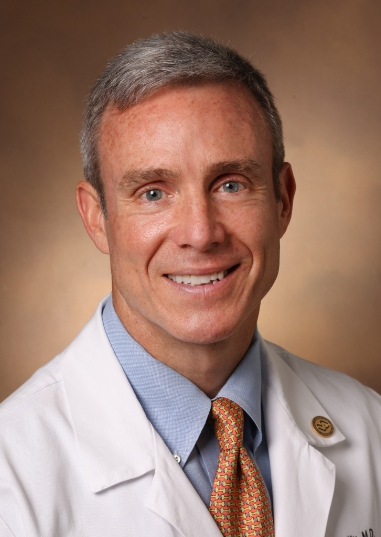 E. Wesley Ely合作论文数Vanderbilt Memory and Alzheimer's Center, Vanderbilt University Medical Center;Center for Critical Illness, Brain Dysfunction, and Survivorship, Division of Allergy, Pulmonary and Critical Care Medicine, Vanderbilt University Medical Center168
 Timothy D. Girard合作论文数89
 Pratik Pandharipande合作论文数Department of Anesthesiology, Vanderbilt University Medical Center;Vanderbilt Burn Center, Vanderbilt University Medical Center78
 Mona Hopkins合作论文数Psychology Department, Brigham Young University;Neuroscience Center, Brigham Young University;Pulmonary and Critical Care Division, Intermountain Medical Center52
 Brummel Nathan E合作论文数Dept Med, Vanderbilt Univ48
 Ayumi Shintani合作论文数Osaka City University46Carla M. Sevin合作论文数42Brenda T. Pun合作论文数Department of Medicine, Vanderbilt University School of Medicine36
 Gordon R Bernard合作论文数Department of Medicine, Vanderbilt University Medical Center;Division of Allergy, Pulmonary and Critical Care Medicine, Vanderbilt University Medical Center31
 Robert S. Dittus合作论文数Division General Internal Medicine and Public Health, Department of Medicine, Vanderbilt University Medical Center29Jennifer L Thompson合作论文数27
 Dale Needham合作论文数School of Medicine, Johns Hopkins University27
 Leanne Boehm合作论文数School of Nursing, Vanderbilt University;Division of Allergy, Pulmonary and Critical Care, Vanderbilt University27Kiehl Amy L合作论文数25Hughes Christopher G合作论文数25
 Mayur B. Patel合作论文数Department of Biochemistry, Vanderbilt University Medical Center25
 Neighbors Harold W合作论文数Sch Publ Hlth, Univ Michigan24Sarah Cotton合作论文数22
 Robert Joseph Taylor合作论文数Institute for Social, Research, University of Michigan/School of Social Work, University of Michigan22Chandrasekhar Rameela合作论文数21Dinglas Victor D合作论文数Outcomes After Critical Illness and Surgery (OACIS) Group, Johns Hopkins University21
 David R. Williams合作论文数Department of Social and Behavioral Sciences, Harvard T. H. Chan School of Public Health, Harvard University20
 Jennifer L. Thompson合作论文数Department of Molecular Biology and Biochemistry, University of California20
 Catherine Lee Hough合作论文数Department of Medicine, University of Washington18
 Ani Das合作论文数18
 Neil H Riordan合作论文数Medistem Laboratories Inc18Hugh D. Riordan合作论文数17Iqbal Ahmad合作论文数17
 Joanna L Stollings合作论文数Vanderbilt University Medical Center16Matusko Niki合作论文数Institute for Social Research, University of Michigan16
 Mart Matthew合作论文数16
 Jin Ho Han合作论文数16
 Theodore J. Iwashyna合作论文数Department of Internal Medicine, Medical School, University of Michigan;Survey Research Center, Institute for Social Research, University of Michigan;Division of Pulmonary and Critical Care Medicine, Department of Medicine, The Johns Hopkins Hospital;Division of Pulmonary and Respiratory, Department of Medicine, The Johns Hopkins Hospital15
 Wilson Jo Ellen合作论文数Department of Psychiatry, Vanderbilt University15
 Samuel M. Brown合作论文数15
 Rameela Raman合作论文数Department of Biostatistics, Vanderbilt University Medical Center14
 Vasilevskis Eduard E合作论文数Div Gen Internal Med & Publ Hlth, Vanderbilt Univ14Morandi Alessandro合作论文数14
 Cleopatra Howard Caldwell合作论文数Department of Health Behavior and Health Education, School of Public Health, University of Michigan-Ann Arbor13
 Sharon M. Gordon合作论文数UConn Health13
 Somnath Bose合作论文数Department of Anesthesiology and Intensive Care, All India Institute of Medical Sciences13
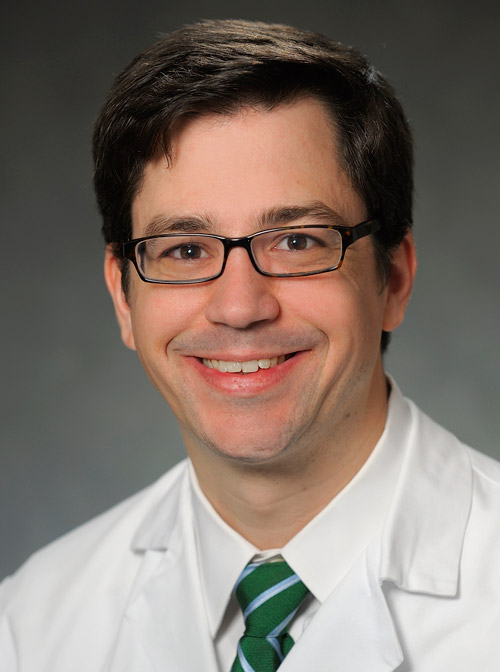 Mark E. Mikkelsen合作论文数Division of Pulmonary, Allergy and Critical Care, Department of Medicine, Perelman School of Medicine, University of Pennsylvania12McPeake Joanne合作论文数Intensive Care Unit, Glasgow Royal Infirmary12A. Morandi合作论文数11
 Kimberley Haines合作论文数3 School of Physiotherapy, University of Melbourne11Christopher G. Hughes合作论文数11Ashley A Montgomery-Yates合作论文数10Mary Still合作论文数10Sarah J Beesley合作论文数10




