Small Cajal body-associated RNAs (scaRNAs) are essential for biochemical modification of spliceosomal RNAs and spliceosome function. Changes in scaRNA expression level have been associated with developmental issues, including cancer and congenital heart defects (CHDs), although the mechanism remains unclear. Small Cajal body-associated RNA 1 (scaRNA1) guides pseudouridylation at uridine 89 (Ψ89) of the spliceosomal RNA U2, a highly conserved modification that may be critical for spliceosome function. To investigate the role of scaRNA1 in splicing regulation, CRISPR-Cas9 genome editing was used to introduce targeted deletions in the scaRNA1 locus in HEK293T cells. Edited clones were identified by T7 endonuclease I assay and confirmed by Sanger sequencing. Pseudouridylation at Ψ89 was quantified using CMC-based reverse transcription followed by quantitative PCR, and global mRNA splicing alterations were assessed by RNA sequencing. Clones harboring scaRNA1 disruptions exhibited a significant reduction in Ψ89 pseudouridylation, consistent with impaired scaRNA1 function. Transcriptome analysis (of mRNA from two clones) revealed >300 protein coding genes with significant changes in transcript isoform level, including >100 genes related to RNA-binding activity. These results indicate that scaRNA1 disruption alters spliceosomal function and leads to substantial changes in mRNA splicing. The dysregulated splicing of RNA-binding proteins may impair RNA processing and gene expression programs required for normal development, providing new insight into how noncoding RNA dysfunction may contribute to developmental pathogenesis.
Since its inception in 1994, The Society of Thoracic Surgeons Congenital Heart Surgery Database (CHSD) has established itself as the largest congenital and pediatric cardiothoracic surgical clinical data registry in the world, containing data from 677,684 operations as of 2023. The CHSD collects detailed clinical data and undertakes risk-stratified and risk-adjusted analysis using statistically robust high-fidelity risk models. The 37th data harvest analysis in Spring 2024 demonstrated an aggregate mortality of 2.6% in the CHSD. Survival in all benchmark operation groups continues to improve. An educational audit mechanism ensures the validity and accuracy of data collected in the CHSD. CHSD data continue to be used in important research endeavors that shape the practice of congenital cardiothoracic surgery. CHSD data fields and analytics are constantly refined to ensure that they remain contemporary. These efforts will continue to support quality and process improvement, ultimately allowing us to provide better care for our patients.
Objective: The pathway to become a congenital heart surgeon (CHS) is challenging and unpredictable. Previous voluntary manpower surveys have shed partial light on this problem but have not included all trainees. We believe that this arduous journey merits more attention. Methods: To examine the real-life challenges of recent participants in Accredita-tion Council for Graduate Medical Education-accredited CHS training programs, we conducted phone interviews with all graduates of approved programs from 2021 to 2022. This institutional review board approved survey focused on issues including preparation, length of training, debt burden, and employment. Results: All 22 (100%) graduates during the study period were interviewed. Age at fellowship completion was a median 37 years (range, 33-45 years). Pathways to fellowship included traditional general surgery with adult cardiac (43%), abbrevi-ated general surgery ("4 thorn 3," 19%) and integrated-6 (38%). Time spent on any pediatric related rotation before CHS fellowship was a median 4 months (range, 1-10 months). During CHS fellowship, graduates reported medians of 100 (range, 75-170) total cases and 8 (range, 0-25) neonatal cases as the primary surgeon. Debt burden at completion was a median of $179,000 (range, $0-$550,000). Maximal financial compensation during training before and during CHS fellowship were medians of $65,000 (range, $50,000-$100,000) and $80,000 (range, $65,000-$165,000), respectively. Six (27.3%) are currently in roles in which they cannot practice independently (5 [22.7%] faculty instructors, 1 [4.5%] CHS clinical fellowship). Median salary in first job is $450,000 (range, $80,000-$700,000). Conclusions: Graduates of CHS fellowships are old, and training is highly variable. Aptitude screening and pediatric-focused preparation are minimal. Debt burden is onerous. Further attention to refining training paradigms and compensation are justified. (J Thorac Cardiovasc Surg 2024;167:312-21)
The Society of Thoracic Surgeons (STS) Congenital Heart Surgery Database (CHSD) continues to be the most comprehensive database of congenital and pediatric cardiothoracic surgical procedures in the world and contains information on 664,210 operations as of June 30, 2023. The 35th harvest of the STS CHSD data was undertaken in Spring 2023, spanning the 4 -year period January 1, 2019, through December 31, 2022, and included 144,919 operations performed at 114 participating sites in North America. The harvest analysis was successfully executed by the STS Research and Analytic Center. The overall unadjusted mortality rate was 2.68% and has remained stable over the 4 years included in the current harvest window. Mortality is highest in neonates (7.4%) and lowest in children (1.1%). As in prior analyses, observed mortality and postoperative length of stay in the database increase with an increase in STS-European Association for Cardio-Thoracic Surgery (STAT) Congenital Heart Surgery Mortality Categories. This quality report summarizes contemporary outcomes, provides the odds ratios for the CHSD risk model variables based on this analysis, and describes on -going efforts to improve data collection and augment analytical approaches. Lastly, 5 research publications completed in the last year using data from the CHSD are also summarized. (Ann Thorac Surg 2024;117:904-14) (c) 2024 by The Society of Thoracic Surgeons. Published by Elsevier Inc.
The Society of Thoracic Surgeons (STS) Congenital Heart Surgery Database continues to be one of the most comprehensive clinical outcomes registries capturing almost all pediatric cardiothoracic surgical operations undertaken in the United States. The latest analysis of aggregate outcomes was performed after the 33rd data harvest and included congenital and pediatric cardiac operations performed between July 1, 2017 and June 30, 2021. This article summarizes these contemporary outcomes and provides a context for the interpretation of these outcomes. In addition this article describes ongoing efforts to improve data collection and augment analytical approaches. Finally, research activities undertaken in the last year using data from the database are also summarized.
This study reviews previous experimental facilities and test programs relevant to water-cooled reactor system design and analysis to meet regulatory compliances. This study aims to find the best solution for designing the required experiments, obtaining necessary test data, and verifying the developed computer code/models to support the new reactor design and development while minimizing cost and time while leveraging experiences from previous facilities to minimize. Nuclear reactor licensing requires supportive design, analysis, and experimental results to ensure the safety of the full-scale prototype reactor in regular operation, as well as during postulated accident scenarios. These reactor design analyses are generally performed using system codes and other associated simulation tools that require assessment, verification and validation using an appropriate experimental dataset. Experimental facilities used for reactor system safety analysis and system code assessments are categorized into integral effects test (IET) and separate effects test (SET) facilities. These IET and SET experiments and studies use geometrically scaled systems to reproduce the prototype system behavior at a reasonable cost, albeit with some scaling-related distortions. The design challenge of these model facilities is to identify and minimize scaling distortions while reproducing the most important operational phenomena in steady-state operation and in postulated accident scenarios. Lessons learned from previous experimental facilities, models, and correlations can support the development of new multipurpose, scaled, hybrid, integrated, and modular experimental facilities for advanced light water-cooled small modular reactors (SMRs). Successful operation of these facilities can significantly reduce upfront reactor development and demonstration costs and time to deployment.
Objective: To compare patient characteristics and overall survival for infants with critical left heart obstruction after hybrid palliation (bilateral pulmonary artery banding with or without ductal stenting) versus nonhybrid management (eg, Nor-wood, primary transplantation, biventricular repair, or transcatheter/surgical aortic valvotomy). Methods: From 2005 to 2019, 1045 infants in the Congenital Heart Surgeons' Society critical left heart obstruction cohort underwent interventions across 28 institutions. Using a balancing score propensity analysis, 214 infants who underwent hybrid palliation and 831 infants who underwent nonhybrid management were pro-portionately matched regarding variables significantly associated with mortality and variables noted to significantly differ between groups. Overall survival between the 2 groups was adjusted by applying balancing scores to nonparametric estimates. Results: Compared with the nonhybrid management group, infants who underwent hybrid palliation had lower birth weight, smaller gestational age, and higher prevalence of in-utero interventions, noncardiac comorbidities, preoperative mechanical ventilation, absent interatrial communication, and moderate or severe mitral valve stenosis (all P values <.03). Unadjusted 12-year survival after hybrid palliation and nonhybrid management, was 55% versus 69%, respectively. After matching, 12-year survival after hybrid palliation versus nonhybrid management was 58% versus 63%, respectively (P = .37). Among matched infants born weighing <2.5 kg, 2-year survival after hybrid palliation versus nonhybrid management was 37% versus 51%, respectively (P = .22). Conclusions: Infants born with critical left heart obstruction who undergo hybrid palliation have more high-risk characteristics and anatomy versus infants who undergo nonhybrid management. Nonetheless, after adjustment, there was no significant difference in 12-year survival after hybrid palliation versus nonhybrid management. Mortality remains high, and hybrid palliation confers no survival advantage, even for lower-birth-weight infants.
Background The systemic inflammation that occurs after exposure to cardiopulmonary bypass (CPB), which is especially severe in neonatal patients, is associated with poorer outcomes and is not well understood. In order to gain deeper insight into how exposure to bypass activates inflammatory responses in circulating leukocytes, we studied changes in microRNA (miRNA) expression during and after exposure to bypass. miRNAs are small noncoding RNAs that have important roles in modulating protein levels and function of cells. Methods and Results We performed miRNA‐sequencing on leukocytes isolated from neonatal patients with CPB (n=5) at 7 time points during the process of CPB, including before the initiation of bypass, during bypass, and at 3 time points during the first 24 hours after weaning from bypass. We identified significant differentially expressed miRNAs using generalized linear regression models, and miRNAs were defined as statistically significant using a false discovery rate–adjusted P<0.05. We identified gene targets of these miRNAs using the TargetScan database and identified significantly enriched biological pathways for these gene targets. We identified 54 miRNAs with differential expression during and after CPB. These miRNAs clustered into 3 groups, including miRNAs that were increased during and after CPB (3 miRNAs), miRNAs that decreased during and after CPB (10 miRNAs), and miRNAs that decreased during CPB but then increased 8 to 24 hours after CPB. A total of 38.9% of the target genes of these miRNAs were significantly differentially expressed in our previous study. miRNAs with altered expression levels are predicted to significantly modulate pathways related to inflammation and signal transduction. Conclusions The unbiased profiling of the miRNA changes that occur in the circulating leukocytes of patients with bypass provides deeper insight into the mechanisms that underpin the systemic inflammatory response that occurs in patients after exposure to CPB. These data will help the development of novel treatments and biomarkers for bypass‐associated inflammation.
Abstract Background: As part of a quality improvement project beginning in October 2011, our centre introduced changes to reduce radiation exposure during paediatric cardiac catheterisations. This led to significant initial decreases in radiation to patients. Starting in April 2016, we sought to determine whether these initial reductions were sustained. Methods: After a 30-day trial period, we implemented (1) weight-based reductions in preset frame rates for fluoroscopy and angiography, (2) increased use of collimators and safety shields, (3) utilisation of stored fluoroscopy and virtual magnification, and (4) hiring of a devoted radiation technician. We collected patient weight (kg), total fluoroscopy time (min), and procedure radiation dosage (cGy-cm2) for cardiac catheterisations between October, 2011 and September, 2019. Results: A total of 1889 procedures were evaluated (196 pre-intervention, 303 in the post-intervention time period, and 1400 in the long-term group). Fluoroscopy times (18.3 ± 13.6 pre; 19.8 ± 14.1 post; 17.11 ± 15.06 long-term, p = 0.782) were not significantly different between the three groups. Patient mean radiation dose per kilogram decreased significantly after the initial quality improvement intervention (39.7% reduction, p = 0.039) and was sustained over the long term (p = 0.043). Provider radiation exposure was also significantly decreased from the onset of this project through the long-term period (overall decrease of 73%, p < 0.01) despite several changes in the interventional cardiologists who made up the team over this time period. Conclusion: Introduction of technical and clinical practice changes can result in a significant reduction in radiation exposure for patients and providers in a paediatric cardiac catheterisation laboratory. These reductions can be maintained over the long term.
Background The World Database for Pediatric and Congenital Heart Surgery (WDPCHS), sponsored by the World Society for Pediatric and Congenital Heart Surgery (WSPCHS), provides complex programmatic outcomes analyses for all members of the WSPCHS. Methods The Data center, currently at Kirklin Institute for Research in Surgical Outcomes (KIRSO), University of Alabama, Birmingham (USA), provides biannual reports to all active members of the database. This report presents a descriptive analysis of these procedures submitted from January 1, 2017 to December 31, 2020. Results A total of 37,386 procedures were submitted with an overall mortality of 4.3%. The majority of submissions were from Asian countries. The majority of cases submitted from these countries were of Society of Thoracic Surgeons (STS)-European Association for Cardio-Thoracic Surgery (STAT) Mortality Categories I and II. Conclusions The WSPCHS accomplished one of its missions in 2017 when the WDPCHS began accepting data from pediatric and congenital heart surgery programs across the globe. In doing so, it became one of the first organizations to create a platform for the exchange of knowledge and experience, regardless of the socioeconomic status of the particular program or country.
One of the tenets of a successful provider-patient relationship is trust, and trust can only be maintained with bidirectional open and honest communication. This is especially true in communicating possible untoward outcomes of our surgeries. In this issue of The Annals of Thoracic Surgery, the article by Chandrasekar and colleagues 1 Chandrasekar H. Hoganson D.M. Lachenauer C.S. Newburger J.W. Sandora T.J. Saleeb S.F. Mycobacterium chimaera outbreak management and outcomes at a large pediatric cardiac surgery center. Ann Thorac Surg. 2022; 114: 552-560 Abstract Full Text Full Text PDF Scopus (2) Google Scholar shares the experience of one of the largest pediatric cardiac surgery centers in the United States with the outbreak of the Mycobacterium chimaera infection in cardiac surgical patients. Certainly, one of the strengths of the article is the volume of potentially infected patients who were contacted by the designed systematic response to the outbreak. While there were only a small number of responses to the overtures from their center (only 7% of the patients contacted called into the center), the lack of illness and absence of any identified infections is very reassuring to other programs. Even with the understanding of the limitations as outlined by the authors (unknown number not successfully contacted, possible infections treated by outside institutions, investigation of deceased patients), this represents an important piece of information for our field. Mycobacterium chimaera Outbreak Management and Outcomes at a Large Pediatric Cardiac Surgery CenterThe Annals of Thoracic SurgeryVol. 114Issue 2PreviewIn 2012, a global outbreak of invasive Mycobacterium chimaera (M. chimaera) infection was identified in patients after cardiopulmonary bypass surgery. Investigations revealed the source to be heater-cooler unit (HCU) exhaust, with point-source contamination discovered at the LivaNova HCU manufacturing plant (London, UK). We report our experience with affected HCUs at a high-volume pediatric cardiac surgery center in the United States. Full-Text PDF
Background: Arrhythmias are common in the post-operative course of patients with hypoplastic left heart syndrome. We sought to determine the types, incidence, risk factors, and impact of arrhythmias in patients with HLHS and anatomic variants. Methods: We performed a retrospective chart review of 120 consecutive patients with HLHS and anatomical variants, who had single-ventricle palliation at our institution from January, 2006 to December, 2016. Results: A total of thirty-one patients (26%) had 37 episodes of arrhythmias over a median follow-up period of 3.5 years. Of the 37 episodes, 12 (32.4%) were ectopic atrial tachycardia, 9 (24.3%) were paroxysmal supraventricular tachycardia, 4 (10.8%) were junctional ectopic tachycardia, 5 (13.6%) were sinus node dysfunction, 3 (8.1%) were heart block, 2 (5.4%) were atrial flutter, and 2 (5.4%) were ventricular tachycardia. Twenty-four (65%) of the arrhythmias occurred at post-stage 1 surgery. Most (64.8%) of the arrhythmias were resolved. Arrhythmias that occurred at post-stage 1 surgery were more likely to resolve compared to post-stages 2 or 3 (p = 0.006). No anatomical, surgical, or clinical variables were associated with arrhythmia except for age (OR per unit decrease in age at stage 1 palliation: 1.12 (95% CI 1.003, 1.250); p = 0.0439). Arrhythmias were not associated with length of hospital stay or mortality. Conclusion: Arrhythmias are common in patients with HLHS and anatomic variants, with EAT and PSVT being the most common types. Arrhythmias were associated with younger age at surgery, but did not affect mortality or length of hospital stay.
This roadmap defines potential industrial scale integrated energy systems (IES) and identifies key technology gaps to achieving commercial deployment of such systems. IES under consideration could include multiple energy generation resources and energy use paths, with a focus on low-emission technologies, such as nuclear and renewable generators. Together these technologies provide affordable, reliable, and resilient energy while simultaneously reducing environmental emission of CO2 and greenhouse gases (GHGs). System design and optimization would consider both technical performance and economic viability within various deployment markets.
Research in the last 10 years has led to improved understanding of the genetic regulation of vertebrate heart development, but despite this effort, approximately 70
 Carl M. Stoots合作论文数51stephen j herring合作论文数37
 Joseph J. Hartvigsen合作论文数28
 Jennifer Marshall合作论文数Ward Family Heart Center, Children's Mercy Hospital23
 Douglas C Bittel合作论文数Children's Mercy Hospitals and Clinics, University of Missouri-Kansas City School of Medicine23Nataliya Kibiryeva合作论文数20
 Piyush Sabharwall合作论文数Idaho National Laboratory17
 Grant L. Hawkes合作论文数16
 James D St Louis合作论文数16
 Michael McKellar合作论文数13Lofland Gary K合作论文数12greg tao合作论文数7Xiaoyu Zhang (张晓宇)合作论文数7Artman Michael合作论文数7Gregory Housley合作论文数7
 Su-Jong Yoon, Ph.D.合作论文数7robert c obrien合作论文数6
 James K Kirklin合作论文数Comprehensive Cardiovascular Center, Heersink School of Medicine, University of Alabama at Birmingham6M. S. Sohal合作论文数6Gregory K. Housley合作论文数5
 Jeffrey P Jacobs合作论文数Department of Surgery, College of Medicine, University of Florida Health;Congenital Heart Center, College of Medicine, University of Florida Health;Shands Children's Hospital, University of Florida Health5Keith G. Condie合作论文数5L. Moore-McAteer合作论文数5
 Richard E Stroup合作论文数4k g condie合作论文数4Richard Boardman合作论文数4S Ram Kumar合作论文数4
 Christian Pizarro合作论文数4
 Christo Tchervenkov合作论文数Division of Cardiac Surgery, Department of Surgery, McGill University;Montreal Children's Hospital;Montreal General Hospital4Austin Erle H合作论文数4Raghuveer Geetha合作论文数4
 Meena Nathan合作论文数4
 Lazaros Kochilas合作论文数4S. Elangovan合作论文数4Naoya Kenmochi合作论文数4shannon m braggsitton合作论文数3Shannon Bragg-Sitton合作论文数3Marshall L Jacobs合作论文数3d c mecham合作论文数3Prakash Patil合作论文数3Lori A Erickson合作论文数3Allison N. Ogren合作论文数Kansas City Univ, Coll Biosci, Kansas City, MO 64106 USA3Richard A Hopkins合作论文数3
 William DeCampli合作论文数Department of Clinical Sciences, College of Medicine, University of Central Florida3
 Xiaodong Sun合作论文数Nuclear Engineering and Radiological Sciences, College of Engineering, University of Michigan-Ann Arbor3
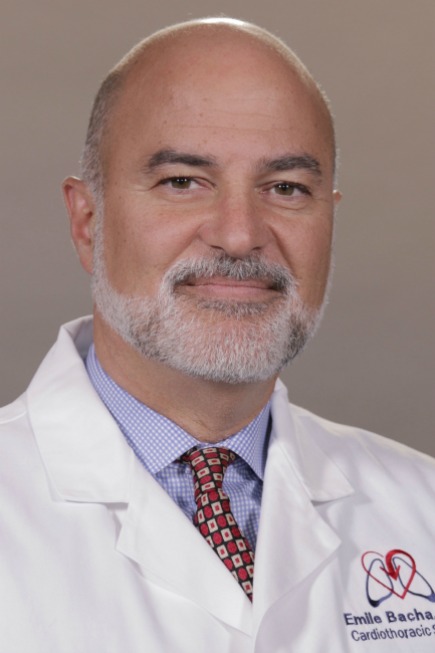 Emile A. Bacha合作论文数Division of Cardiac, Thoracic & Vascular Surgery, Department of Surgery, Cornell University Irving Medical Center;NewYork-Presbyterian Congenital Heart Center;Weill Cornell Medical Center;Morgan Stanley Children's3
 Peter J. Gruber合作论文数Yale Department of Surgery, Yale School of Medicine, Yale University3
 Brian McCrindle合作论文数The Hospital for Sick Children, Department of Paediatrics, University of Toronto;CHSS Data Center3
 Eghtesady Pirooz合作论文数Division of Cardiothoracic Surgery, Cincinnati Children's Hospital Medical Center3




