Known fetal haemoglobin (HbF)-modulating loci explain 10-24% variation of HbF level in Africans with Sickle Cell Disease (SCD), compared to 50% among Europeans. Here, we report fourteen candidate loci from a genome-wide association study (GWAS) of HbF level in patients with SCD from Cameroon, Tanzania, and the United States of America. We present results of cell-based experiments for FLT1 candidate, demonstrating expression in early haematopoiesis and a possible involvement in hypoxia associated HbF induction. Our study employed genotyping arrays that capture a broad range of African and non-African genetic variation and replicated known loci (BCL11A and HBS1L-MYB). We estimated the heritability of HbF level in SCD at 94%, higher than estimated in unselected Europeans, and suggesting a robust capture of HbF-associated loci by these arrays. Our approach, which involved genotype imputation against six reference haplotype panels and association analysis with each of the panels, proved superior over selecting a best-performing panel, evidenced by a substantial proportion of panel-specific (up to 18%) and a low proportion of shared (28%) imputed variants across the panels.
This qualitative study describes the Trial Innovation Network's initial consultation process, which provides researchers with resources and recommendations to address complex aspects of planning and conducting clinical trials.
Central nervous system (CNS) injury is common in sickle cell disease (SCD) and occurs early in life. Hydroxyurea is safe and efficacious for treatment of SCD, but high-quality evidence from randomized trials to estimate its neuroprotective effect is scant. HU Prevent was a randomized (1:1), double-blind, phase II feasibility/pilot trial of dose-escalated hydroxyurea vs. placebo for the primary prevention of CNS injury in children with HbSS or HbS-β0-thalassemia subtypes of SCD age 12-48 months with normal neurological examination, MRI of the brain, and cerebral blood flow velocity. We hypothesized that hydroxyurea would reduce by 50% the incidence of CNS injury. Two outcomes were compared: primary-a composite of silent cerebral infarction, elevated cerebral blood flow velocity, transient ischemic attack, or stroke; secondary-a weighted score estimating the risk of suffering the consequences of stroke (the Stroke Consequences Risk Score-SCRS), based on the same outcome events. Six participants were randomized to each group. One participant in the hydroxyurea group had a primary outcome vs. four in the placebo group (incidence rate ratio [90% CI] 0.216 [0.009, 1.66], p = .2914) (~80% reduction in the hydroxyurea group). The mean SCRS score was 0.078 (SD 0.174) in the hydroxyurea group, 0.312 (SD 0.174) in the placebo group, p = .072, below the p-value of .10 often used to justify subsequent phase III investigations. Serious adverse events related to study procedures occurred in 3/41 MRIs performed, all related to sedation. These results suggest that hydroxyurea may have profound neuroprotective effect in children with SCD and support a definitive phase III study to encourage the early use of hydroxyurea in all infants with SCD.
BACKGROUND:The Multicenter Evaluation of the Duration of Therapy for Thrombosis in Children multinational, randomized clinical trial revealed noninferiority of a 6-week vs 3-month duration of anticoagulation for the treatment of provoked venous thromboembolism (VTE) in patients <21 years old in regard to net clinical benefit at 1 year. OBJECTIVES:To evaluate noninferiority at 2 years. METHODS:Patients whose repeat imaging 6 weeks after VTE diagnosis did not show complete veno-occlusion were randomized to discontinue anticoagulation vs receive a total 3-month course and followed for 2 years for the occurrence of symptomatic recurrent VTE (efficacy outcome) and clinically relevant bleeding (safety outcome). Outcomes were centrally adjudicated, and net clinical benefit was compared between treatment arms via a prespecified bivariate noninferiority boundary, using 95% CIs in absolute risk differences between treatment arms. RESULTS:Kaplan-Meier estimates of 2-year cumulative incidences in the 6-week and 3-month arms of the intention-to-treat population (n = 417) were 1.7% (95% CI, 0%, 3.7%) and 2.9% (95% CI, 0.3%, 5.4%), respectively, for symptomatic recurrent VTE and 1.1% (95% CI, 0%, 2.5%) and 3.2% (95% CI, 0.6%, 5.7%), respectively, for clinically relevant bleeding. Bivariate analysis of the absolute risk differences in the intention-to-treat population demonstrated that a 6-week anticoagulation duration was noninferior to a 3-month course. CONCLUSION:These findings support durability of the Kids-DOTT randomized clinical trial findings of net clinical benefit at 2 years.
BACKGROUND The Kids-DOTT multinational randomized clinical trial (RCT) revealed non-inferiority of a six-week versus three-month duration of anticoagulation for the treatment of provoked venous thromboembolism (VTE) in patients <21 years old, in regard to net clinical benefit at one year. OBJECTIVE To evaluate non-inferiority at two years. PATIENTS/METHODS Patients whose repeat imaging six weeks after VTE diagnosis did not show complete veno-occlusion were randomized to discontinue anticoagulation versus receive a total three-month course and followed for two years for the occurrence of symptomatic recurrent (SR-) VTE (efficacy outcome) and clinically-relevant bleeding (CRB, safety outcome). Outcomes were centrally adjudicated and net clinical benefit was compared between treatment arms via a pre-specified bivariate non-inferiority boundary, using 95% confidence intervals (CIs) in absolute risk differences (ARDs) between treatment arms. RESULTS Kaplan-Meier estimates of two-year cumulative incidences in the six-week and three-months arms of the intention-to-treat (ITT) population (n=417) were 1.7% (95% CI: 0%, 3.7%) and 2.9% (95% CI: 0.3%, 5.4%) for SR-VTE and 1.1% (95% CI: 0%, 2.5%) and 3.2% (95% CI: 0.6%, 5.7%) for CRB. Bivariate analysis of the ARDs in the ITT population demonstrated that a six-week anticoagulation duration was non-inferior to a three-month course. CONCLUSIONS These findings support durability of the Kids-DOTT RCT findings of net clinical benefit at two years.
Introduction: Sickle cell disease (SCD) is a genetic blood disorder affecting multiple organ systems, particularly the brain (Pinto, V.M. et al 2019). Neurocognitive deficits can occur in the presence or absence of overt brain injury, such as stroke or silent cerebral infarction (SCI). Using diffusion tensor imaging (DTI) metrics, multiple studies have identified widespread white matter alterations in individuals with SCD. DTI abnormalities, such as decreased fractional anisotropy (FA) and increased mean diffusivity (MD), have been associated with decreased processing speed in this population (Stotesbury et al. 2018). The goals of this study are to 1) define developmental differences in diffuse (brain-wide) white matter microstructure between SCD and control pediatric participants and 2) determine medical and neurocognitive characteristics of pediatric participants with SCD and abnormal DTI metrics. Methods: Thirty-eight participants between 8 to 12 years of age with no prior known history of stroke, SCI, or seizures were recruited for a prospective longitudinal study. Study groups consisted of 28 participants with SCD and 10 sibling or unrelated control participants. This study was a cross-sectional analysis of participants who completed DTI scans and neuropsychological testing at study entry (n=35). DTI was obtained on a 3T Philips research scanner 2.2mm nominal isotropic resolution; 32 diffusion directions obtained at b=700 s/mm 2. Preprocessing, tensor estimation, and calculation of FA and MD maps were performed using DTI Studio/MRICloud and its pediatric DTI atlas. Neurocognitive evaluation was performed and interpreted by a trained psychology associate with supervision from a board-certified neuropsychologist and included intelligence testing (Weschler Intelligence Scale for Children, WISC-5). Statistical analyses were performed using STATA 18 and MATLAB 2022a. We examined cohort-level demographics using chi-square tests, T-tests, and Wilcoxon rank sum tests (Table 1). To examine diffuse differences in white matter microstructure development, we used 19 bilateral white matter regions of interest [ROIs] shown in prior research to be important in patients with SCD with and without SCI. We examined MD and FA values within ANOVA models (each in terms of Group*Age + ROI) to assess group-level differences (SCD vs. control) and group x age interactions. We used ANOVA loadings to compute global MD and FA scores and computed 95% prediction intervals by age based on control participants. We identified participants with SCD with global scores suggestive of white matter microstructural differences (high MD and/or low FA) and compared their overall neurocognitive profiles. Results: The SCD and control participants were similar with regards to age, sex, and full-scale IQ. SCD participants had significantly lower median hemoglobin levels than control participants. There was one control participant who met criteria for SCI. SCD vs. control group status, age, and group x age interactions all significantly impacted our MD model (explaining 0.8%, 1.1%, and 0.8% of total variance, respectively; all p<0.001). MD decreased with age in the combined cohort (β=-9.3±1.6e-7/month) with significant flattening of this trend in children with SCD (group x age interaction: β=+7.9±2.0e-7/month). In contrast, only age significantly impacted our FA model (p<0.001, explaining 1.1% of variance); group status and group x age interactions each explained <0.2% of variance in FA. Four children with SCD had global DTI metrics suggestive of white matter injury (one with high MD and low FA; two with high MD only; one with low FA only). All 4 participants with abnormal DTI metrics had abnormal MRIs, three of whom had SCI and one of whom had lesions that did not meet the size criteria for SCI. Three participants had full scale IQs 1 standard deviation below the expected mean of 100 (<85). Conclusion: We identified differences in global white matter microstructural indices between SCD and control participants with an apparent blunting of expected decreases in mean diffusivity with age. Our continuing longitudinal study will explicitly assess DTI trajectories and implications for neurocognitive functioning in children with SCD.
Background: Hospitalization can be a critical time to stabilize chronically ill patients across levels that transcend medical and social determinants of health. The use of the biopsychosocial model can be instrumental in understanding both medically and psychosocially complex patient cases. An acute inpatient hospitalization provides an opportunity to mediate both intrinsic and extrinsic risk factors for both substance use disorder and suicide risk in the context of achieving medical stabilization and crisis mobilization. Case Presentation: Inpatient care of a 22-year-old African American female patient who was chronically ill involved tapping into existing resources within the larger academic hospital inclusive of both adult and pediatric expertise. This patient's care and treatment was multidisciplinary and involved a range of consults that further expanded both the depth and breadth of care and optimized stability from both medical and psychosocial standpoints. In fact, this patient's hospitalization presented a window of opportunity to facilitate a time of transition in chronic disease management and mobilize resources as part of securing wraparound care for her within a one-week timespan. Her care involved the integration of pediatrics (hematology, adolescent medicine), adult medicine (hematology, addiction medicine), and psychiatry. In addition to treating acute symptomology, underlying sources of pain stemming from her opioid use disorder were also alleviated. Furthermore, her care embodied the interface of chronic illness with opioid use, as her reported pain crises were determined to be motivated by intrinsic factors (e.g. poor coping skills from cumulative stressors) supporting her opioid use disorder. Conclusions: The biopsychosocial treatment approach taken for this patient also clearly delineated that physiological and mental health domains are interrelated aspects of chronic pain in chronic illness. Furthermore, this case also emphasized that chronically ill patients are at elevated risk of developing substance use disorders. This case study lends itself nicely to elucidating parity in physiological and mental health domains as crucial elements in promoting health and safety in patient care.
Sickle cell disease (SCD) is an inherited hemoglobinopathy with an increased risk of neurological complications. Due to anemia and other factors related to the underlying hemoglobinopathy, cerebral blood flow (CBF) increases as compensation; however, the nature of alterations in oxygen extraction fraction (OEF) and cerebral metabolic rate of oxygen (CMRO2) in SCD remains controversial, largely attributed to the different calibration models. In addition, limited studies have been done to investigate oxygen metabolism in pediatric patients. Thus, this study used a non-invasive T2-based MR oximetry, T2-Relaxation-Under-Spin-Tagging (TRUST) MRI, to measure oxygen homeostasis in pediatric patients with SCD using four different calibration models and examined its relationship to hematological measures. It was found that, compared with controls, SCD patients showed an increased CBF, unchanged total oxygen delivery and increased venous blood T2. The results of OEF and CMRO2 were dependent on the calibration models used. When using sickle-specific, hemoglobin S (HbS) level-dependent calibration, there was a decreased OEF and CMRO2, while the bovine model showed an opposite result. OEF and CMRO2 were also associated with hemoglobin and HbS level; the direction of the relationship was again dependent on the model. Future studies with in vivo calibration are needed to provide more accurate information on the T2-Yv relationship.
Despite recent developmental screening guidelines, rates of neurodevelopmental disorders (NDDs) remain lower than expected in children with sickle cell disease (SCD). A retrospective chart review identified 276 eligible patients; 214 charts were available for developmental screening and 207 charts for autism-specific screening. Developmental surveillance/screening was conducted in 70% of charts and autism-specific screening in 19% of charts. Validated tools were used in 32% of developmental screenings and 92% of autism-specific screenings. Many children (57%) were screened outside recommended ages. In conclusion, children with SCD are not regularly receiving appropriate developmental screening and surveillance by their healthcare providers.
Importance Among patients younger than 21 years of age, the optimal duration of anticoagulant therapy for venous thromboembolism is unknown. Objective To test the hypothesis that a 6-week duration of anticoagulant therapy for provoked venous thromboembolism is noninferior to a conventional 3-month therapy duration in patients younger than 21 years of age. Design, Setting, and Participants Randomized clinical trial involving 417 patients younger than 21 years of age with acute, provoked venous thromboembolism enrolled at 42 centers in 5 countries from 2008-2021. The main exclusions were severe anticoagulant deficiencies or prior venous thromboembolism. Patients without persistent antiphospholipid antibodies and whose thrombi were resolved or not completely occlusive upon repeat imaging at 6 weeks after diagnosis underwent randomization. The final visit for the primary end points occurred in January 2021. Interventions Total duration for anticoagulant therapy of 6 weeks (n = 207) vs 3 months (n = 210) for provoked venous thromboembolism. Main Outcomes and Measures The primary efficacy and safety end points were centrally adjudicated symptomatic recurrent venous thromboembolism and clinically relevant bleeding events within 1 year blinded to treatment group. The primary analysis was noninferiority in the per-protocol population. The noninferiority boundary incorporated a bivariate trade-off that included an absolute increase of 0% in symptomatic recurrent venous thromboembolism with an absolute risk reduction of 4% in clinically relevant bleeding events (1 of 3 points on the bivariate noninferiority boundary curve). Results Among 417 randomized patients, 297 (median age, 8.3 [range, 0.04-20.9] years; 49% female) met criteria for the primary per-protocol population analysis. The Kaplan-Meier estimate for the 1-year cumulative incidence of the primary efficacy outcome was 0.66% (95% CI, 0%-1.95%) in the 6-week anticoagulant therapy group and 0.70% (95% CI, 0%-2.07%) in the 3-month anticoagulant therapy group, and for the primary safety outcome, the incidence was 0.65% (95% CI, 0%-1.91%) and 0.70% (95% CI, 0%-2.06%). Based on absolute risk differences in recurrent venous thromboembolism and clinically relevant bleeding events between groups, noninferiority was demonstrated. Adverse events occurred in 26% of patients in the 6-week anticoagulant therapy group and in 32% of patients in the 3-month anticoagulant therapy group; the most common adverse event was fever (1.9% and 3.4%, respectively). Conclusions and Relevance Among patients younger than 21 years of age with provoked venous thromboembolism, anticoagulant therapy for 6 weeks compared with 3 months met noninferiority criteria based on the trade-off between recurrent venous thromboembolism risk and bleeding risk. Trial Registration ClinicalTrials.gov Identifier: NCT00687882.
BACKGROUND:Blood-brain barrier (BBB) disruption may lead to endothelium dysfunction and inflammation in sickle cell disease (SCD). However, abnormalities of BBB in SCD, especially in pediatric patients for whom contrast agent administration less than optimal, have not been fully characterized. PURPOSE:To examine BBB permeability to water in a group of pediatric SCD participants using a non-invasive magnetic resonance imaging technique. We hypothesized that SCD participants will have increased BBB permeability. STUDY TYPE:Prospective cross-sectional. POPULATION:Twenty-six pediatric participants (10 ± 1 years, 15F/11M) were enrolled, including 21 SCD participants and 5 sickle cell trait (SCT) participants, who were siblings of SCD patients. FIELD STRENGTH/SEQUENCE:3 T. Water extraction with phase-contrast arterial spin tagging with echo-planer imaging, phase-contrast and T1 -weighted magnetization-prepared rapid acquisition of gradient echo. ASSESSMENT:Water extraction fraction (E), BBB permeability-surface area product (PS), cerebral blood flow, hematological measures (hemoglobin, hematocrit, hemoglobin S), neuropsychological scores (including domains of intellectual ability, attention and executive function, academic achievement and adaptive function, and a composite score). Regions of interest were drawn by Z.L. (6 years of experience). STATISTICAL TESTS:Wilcoxon rank sum test and chi-square test for group comparison of demographics. Multiple linear regression analysis of PS with diagnostic category (SCD or SCT), hematological measures, and neuropsychological scores. A two-tailed P value of 0.05 or less was considered statistically significant. RESULTS:Compared with SCT participants, SCD participants had a significantly higher BBB permeability to water (SCD: 207.0 ± 33.3 mL/100 g/minute, SCT: 171.2 ± 27.2 mL/100 g/minute). SCD participants with typically more severe phenotypes also had a significantly leakier BBB than those with typically milder phenotypes (severe: 217.3 ± 31.7 mL/100 g/minute, mild: 193.3 ± 31.8 mL/100 g/minute). Furthermore, more severe BBB disruption was associated with worse hematological symptoms, including lower hemoglobin concentrations (β = -8.84, 95% confidence interval [CI] [-14.69, -3.00]), lower hematocrits (β = -2.96, 95% CI [-4.84, -1.08]), and higher hemoglobin S fraction (β = 0.77, 95% CI [0.014, 1.53]). DATA CONCLUSION:These findings support a potential role for BBB dysfunction in SCD pathogenesis of ischemic injury. LEVEL OF EVIDENCE:2 TECHNICAL EFFICACY: Stage 2.
The Trans-Omics for Precision Medicine (TOPMed) programme seeks to elucidate the genetic architecture and biology of heart, lung, blood and sleep disorders, with the ultimate goal of improving diagnosis, treatment and prevention of these diseases. The initial phases of the programme focused on whole-genome sequencing of individuals with rich phenotypic data and diverse backgrounds. Here we describe the TOPMed goals and design as well as the available resources and early insights obtained from the sequence data. The resources include a variant browser, a genotype imputation server, and genomic and phenotypic data that are available through dbGaP (Database of Genotypes and Phenotypes) 1 . In the first 53,831 TOPMed samples, we detected more than 400 million single-nucleotide and insertion or deletion variants after alignment with the reference genome. Additional previously undescribed variants were detected through assembly of unmapped reads and customized analysis in highly variable loci. Among the more than 400 million detected variants, 97% have frequencies of less than 1% and 46% are singletons that are present in only one individual (53% among unrelated individuals). These rare variants provide insights into mutational processes and recent human evolutionary history. The extensive catalogue of genetic variation in TOPMed studies provides unique opportunities for exploring the contributions of rare and noncoding sequence variants to phenotypic variation. Furthermore, combining TOPMed haplotypes with modern imputation methods improves the power and reach of genome-wide association studies to include variants down to a frequency of approximately 0.01%.
Sickle cell disease (SCD) is an inherited hemoglobinopathy that frequently causes neurological complications, such as stroke, silent cerebral infarct (SCI) and other forms of brain injury, including loss of cognition. SCI is defined as any ischemic lesion visible on T2-weighted magnetic resonance imaging (MRI) that is not associated with a focal neurologic deficit in the same vascular distribution, and is the most commonly recognized form of brain injury in SCD. SCI is associated with decreased neurocognitive function and increased risk for new or enlarging SCI/stroke. The purpose of this study was to use mass spectrometry (MS) based proteomics to discover and validate plasma brain proteins associated with brain injury in children with SCD. The plasma samples used for the proteomics discovery analyses were from two groups: screening samples of participants in the Silent Cerebral Infarct Multi-Center Clinical Trial (SIT Trial) (n=15), and 6 age-matched, healthy non-SCD controls, three of whom had sickle cell trait. Samples from children with SCD were divided into two groups: those with SCI (n=7) and those without SCI (n=8) matched for age, hemoglobin (Hb) and white blood cell counts. To identify circulating markers of SCI, plasma proteomes were analyzed using a sequential separation approach of Hb and top abundant plasma protein depletion, followed by reverse phase separation of intact proteins, trypsin digestion and tandem MS. Neurogranin (NRGN), a small calmodulin-binding synaptic protein (PMID 9886843), was the most abundant brain-enriched protein found in the plasma of children with SCD. We developed a NRGN sandwich immunoassay for verification of MS analysis results in an independent cohort from the SIT Trial longitudinal samples. For this verification study, plasma samples from the SIT Trial and 25 normal controls were tested for NRGN levels at study entry and exit by immunoassay. The majority of the SCD samples were obtained from an ancillary study to collect longitudinal samples that started after the SIT Trial had begun. There was no overlap between the discovery and the verification group samples. The normal control samples were from 25 healthy, age and gender comparable non-SCD pediatric controls unrelated to the SIT Trial, without evidence of acute/chronic illness. From the discovery SCD group, 1172 unambiguous proteins were identified; 639 proteins were identified from normal controls, as shown in Figure 1. Twenty-five percent (289/1172) of these proteins were found solely in the SCI group. Our MS protein identification data were filtered against this list of expressed brain proteins to produce a composite list of brain proteins found in plasma from children with SCD, but not found in plasma from age, gender and race-matched healthy control children. Twenty-five plasma proteins known to be expressed in one or more cell type enriched in the human brain based on bioinformatics searches were more abundant in the SCD vs control groups, as shown in Table 1. Median NRGN levels were higher at study entry in children with SCD (0.44 ng/mL, N=98), in comparison to a healthy, non-SCD control group (0.12 ng/mL, N=25, p < 0.0001), as shown in Figure 2. Using the longitudinal samples from the SIT Trial, there were no differences in NRGN levels between the observation group and the treatment group (p=0.35) over time. There was no significant difference in median NRGN levels between the observation group and the treatment group at the initial visit (0.36 vs 0.19, p=0.069) or final visit (0.39 vs 0.52, p=0.52). Using the initial visit samples from the SIT Trial, there was no significant difference in median NRGN levels between the non-SCI (n=35) and SCI groups (n=61) (p=0.073). There was no significant correlation between NRGN levels and neuropsychological measures of executive function (rho=0.089, p=0.58) and IQ (rho=-0.081, p=0.62). Our non-biased proteomic discovery studies demonstrate that NRGN levels are increased in children with SCD, when compared to normal children. Additional studies will be necessary to determine whether NRGN levels correlate with specific forms of neurologic injury. Further validation studies of larger cohorts with a multi-analyte ELISA of these brain proteins identified in plasma (Table 1) are warranted, and could help establish possible links between brain-specific proteins and neurocognitive outcomes. Disclosures Lance: NIH: Research Funding; KKI: Research Funding. Faulcon:FDA: Employment, Other: Although the author is a FDA/CTP employee, this work was not done as part his/her official duties. This publication reflects the views of the author and should not be construed to reflect the FDA/CTP's views or policies.. Fu:GSK: Employment. Yang:ImmunArray: Patents & Royalties: ImmunArray. Strouse:Global Blood Therapeutics: Consultancy. Barron-Casella:Mast Pharmaceudicals - spouse: Consultancy; ImmunArray - spouse: Patents & Royalties. Van Eck:ImmunArray: Consultancy, Patents & Royalties. Casella:NIH: Research Funding; Mast Pharmaceuticals: Consultancy; Immunoarray Ltd.: Patents & Royalties. Everett:ImmunArray: Consultancy, Patents & Royalties.
ABSTRACT: Objective: The objective of this study is to retrospectively determine the co-occurrence, associated characteristics, and risk factors for neurodevelopmental disorders (NDD) in a pediatric sickle cell disease (SCD) clinic population. Method: We investigated the co-occurrence and features of NDD in pediatric SCD through a retrospective cohort study conducted between July 2017 and January 2019. The participants were patients with SCD younger than 18 years of age identified from our institutions' clinic rosters and medical records databases. Results: A total of 276 participants were eligible for study inclusion, and 65 participants were found to have various NDD. Children with SCD and NDD were more likely to have a history of multiple SCD-related complications in comparison to children with SCD without NDD. Children with SCD and NDD were more likely to use disease-modifying therapies in comparison to children with SCD without NDD (χ 2 27.2, p < 0.001). Conclusion: Children with SCD and NDD have higher odds of having certain disease-related complications and higher use of disease-modifying treatments than children with SCD who do not have NDD. Screening and diagnoses of NDD may be relevant to clinical management of pediatric SCD.
Importance Although effective agents are available to prevent painful vaso-occlusive episodes of sickle cell disease (SCD), there are no disease-modifying therapies for ongoing painful vaso-occlusive episodes; treatment remains supportive. A previous phase 3 trial of poloxamer 188 reported shortened duration of painful vaso-occlusive episodes in SCD, particularly in children and participants treated with hydroxyurea. Objective To reassess the efficacy of poloxamer 188 for vaso-occlusive episodes. Design, Setting, and Participants Phase 3, randomized, double-blind, placebo-controlled, multicenter, international trial conducted from May 2013 to February 2016 that included 66 hospitals in 12 countries and 60 cities; 388 individuals with SCD (hemoglobin SS, SC, S-β0 thalassemia, or S-β+ thalassemia disease) aged 4 to 65 years with acute moderate to severe pain typical of painful vaso-occlusive episodes requiring hospitalization were included. Interventions A 1-hour 100-mg/kg loading dose of poloxamer 188 intravenously followed by a 12-hour to 48-hour 30-mg/kg/h continuous infusion (n = 194) or placebo (n = 194). Main Outcomes and Measures Time in hours from randomization to the last dose of parenteral opioids among all participants and among those younger than 16 years as a separate subgroup. Results Of 437 participants assessed for eligibility, 388 were randomized (mean age, 15.2 years; 176 [45.4%] female), the primary outcome was available for 384 (99.0%), 15-day follow-up contacts were available for 357 (92.0%), and 30-day follow-up contacts were available for 368 (94.8%). There was no significant difference between the groups for the mean time to last dose of parenteral opioids (81.8 h for the poloxamer 188 group vs 77.8 h for the placebo group; difference, 4.0 h [95% CI, -7.8 to 15.7]; geometric mean ratio, 1.2 [95% CI, 1.0-1.5]; P = .09). Based on a significant interaction of age and treatment (P = .01), there was a treatment difference in time from randomization to last administration of parenteral opioids for participants younger than 16 years (88.7 h in the poloxamer 188 group vs 71.9 h in the placebo group; difference, 16.8 h [95% CI, 1.7-32.0]; geometric mean ratio, 1.4 [95% CI, 1.1-1.8]; P = .008). Adverse events that were more common in the poloxamer 188 group than the placebo group included hyperbilirubinemia (12.7% vs 5.2%); those more common in the placebo group included hypoxia (12.0% vs 5.3%). Conclusions and Relevance Among children and adults with SCD, poloxamer 188 did not significantly shorten time to last dose of parenteral opioids during vaso-occlusive episodes. These findings do not support the use of poloxamer 188 for vaso-occlusive episodes. Trial Registration ClinicalTrials.gov Identifier: NCT01737814.
Pediatric patients with moyamoya arteriopathy are at high risk for developing new onset transient or permanent neurologic deficits secondary to cerebral hypoperfusion, particularly in the perioperative period. It is therefore essential to carefully manage these patients in a multidisciplinary, coordinated effort to reduce the risk of new permanent neurologic deficits. However, little has been published on perioperative management of pediatric patients with moyamoya, particularly in the early postoperative period during intensive care unit admission. Our pediatric neurocritical care team sought to create a multidisciplinary periprocedural evidence- and consensus-based care pathway for high-risk pediatric patients with moyamoya arteriopathy undergoing anesthesia for any reason to decrease the incidence of periprocedural stroke or transient ischemic attack (TIA). We reviewed the literature to identify risk factors associated with perioperative stroke or TIA among patients with moyamoya and to gather data supporting specific perioperative management strategies. A multidisciplinary team from pediatric anesthesia, neurocritical care, nursing, child life, neurosurgery, interventional neuroradiology, neurology, and hematology created a care pathway for children with moyamoya undergoing anesthesia, classifying them as either high or standard risk, and applying an individualized perioperative management plan to high-risk patients. The incidence of neurologic sequelae before and after pathway implementation will be compared in future studies.
Study objective: We determine the association between use of specific cephalosporins and macrolides and hospital length of stay in patients with sickle cell disease (SCD) who are admitted with acute chest syndrome, and determine treatment risk factors for acute chest syndrome-related 30-day readmission. Methods: Patients admitted to 48 US hospitals within the Pediatric Health Information System between January 2008 and December 2016 with associated International Classification of Diseases, Ninth Revision (ICD-9) or ICD-10 diagnoses of SCD and acute chest syndrome were included. Primary outcomes were hospital length of stay and acute chest syndrome-related and all-cause 30-day readmission. Data were analyzed with t tests, ANOVA, and bivariable and multivariable linear and logistic regressions. Results: In 21,126 visits (representing 8,856 patients), median age was 11.2 years (interquartile range 6.1 to 16.5 years), 53.5% were male patients, and 77.2% had hemoglobin SS genotype. Median length of stay was 4 days (interquartile range 2 to 6 days; mean 4.76 days [SD 4.62 days]). Ceftriaxone alone (length of stay 4.75 days [SD 4.66 days]; P<.001) or the combination of ceftriaxone and azithromycin (length of stay 4.84 days [SD 4.74 days]; P<.001) was associated with the shortest length of stay and a reduced risk of acute chest syndrome-related readmission (ceftriaxone odds ratio [OR] 0.31; 95% confidence interval [CI] 0.27 to 0.35; ceftriaxone+azithromycin OR 0.20; 95% CI 0.17 to 0.24). Albuterol (OR 0.97; 95% CI 0.96 to 0.98) and RBC transfusion (OR 0.60; 95% CI 0.43 to 0.83) were also associated with decreased rates of acute chest syndrome-related 30-day readmission. All-cause 30-day readmission rate was 16.7% (95% CI 16.2% to 17.3%). Conclusion: Guideline-compliant therapy for acute chest syndrome could preferentially include ceftriaxone and azithromycin. Allcause 30-day readmission for acute chest syndrome is lower than that reported for all-cause readmissions for SCD and more consistent with rates of readmission for pneumonia in the general population. Copyright (C) 2020 by the American College of Emergency Physicians.
PurposeTo evaluate different T2‐oxygenation calibrations for estimating venous oxygenation in people with sickle cell anemia (SCA).MethodsBlood T2 values were measured at 3 T in the internal jugular veins of 12 healthy volunteers and 11 SCA participants with no history of stroke, recent transfusion, or renal impairment. T2‐oxygenation relationships of both sickled and normal blood samples were calibrated individually and compared with values generated from published models. After converting venous T2 values to venous oxygenation, whole‐brain oxygen extraction fraction and cerebral metabolic rate of oxygen were calculated.ResultsSickle blood samples' oxygenation values calculated from our individual calibrations agreed well with measurements using a blood analyzer, whereas previous T2 calibrations based on normal blood samples showed 13%‐19% underestimation. Meanwhile, oxygenation values calculated from previous grouped T2 calibration for sickle blood agreed well with experimental measurement on averaged values, but showed up to 20% variation for several individual samples. Using individual T2 calibrations, the whole‐brain oxygen extraction fraction and cerebral metabolic rate of oxygen of SCA participants were 0.38 ± 0.08 and 172 ± 42 µmol/min/100 g, respectively, which were comparable to those values measured on healthy volunteers.ConclusionOur results confirm that sickle blood T2 values not only depend on the hematocrit and oxygenation values, but also on other hematological factors. The individual T2 calibrations minimized the effect of heterogeneity of sickle blood between different SCA populations and improved the accuracy of T2‐based oximetry. The measured oxygen extraction fraction and cerebral metabolic rate of oxygen of this group of SCA participants were found to not differ significantly from those of healthy individuals.
The transition period from pediatric care to adult care for patients with sickle cell disease (SCD) is associated with increased mortality and morbidity. Identification of risk factors for unsuccessful transition may aid in developing strategies to improve the transition process and health outcomes in this population. We examined factors associated with unsuccessful transition from pediatric to adult care for patients with SCD at the Johns Hopkins Hospital. We found that public insurance and increased hospitalization rates were associated with poor transition to adult care. The findings provide possible areas of intervention.
 Michael Rutledge DeBaun合作论文数Vanderbilt Institute for Global Health, Medical Center, School of Medicine, Vanderbilt University39
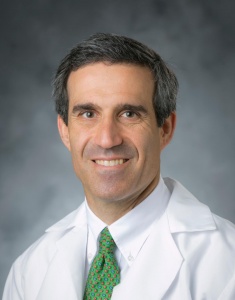 John J. Strouse合作论文数Department of Medicine, School of Medicine, Duke University School of Medicine35
 Emily A. Barron-Casella合作论文数Department of Otolaryngology-Head and Neck Surgery, School of Medicine, Johns Hopkins University23Wang Winfred C合作论文数22Rathi V Iyer合作论文数School of Medicine, University of Mississippi17
 Robert C. McKinstry合作论文数Washington University in St. Louis17Michael J Noetzel合作论文数15
 Scott T Miller合作论文数14
 Sharada Sarnaik合作论文数13
 Lori C. Jordan合作论文数Department of Neurology, Johns Hopkins University School of Medicine12Mark Rodeghier合作论文数11Zora R. Rogers合作论文数11Thomas H. Howard合作论文数Children's Hospital of Alabama at UAB11
 Sohail Rana合作论文数11
 Allen D. Everett合作论文数School of Medicine, Johns Hopkins University;Pediatric Proteome Center, Johns Hopkins University10
 Allison Ann King合作论文数Division of Pediatric Hematology and Oncology, Washington University School of Medicine10
 Janet Kwiatkowski合作论文数Thalassemia Center, Children's Hospital of Philadelphia;Department of Pediatrics, Perelman School of Medicine, University of Pennsylvania9
 Charles T Quinn合作论文数Department of Pediatrics, The University of Texas Southwestern Medical Center at Dallas9Gerald M Woods合作论文数8
 Dan E. Arking合作论文数Claude D. Pepper Older Americans Independence Center, Johns Hopkins University;Division of Cardiology, Mckusick-Nathans Institute and the Department of Genetic Medicine, School of Medicine, Johns Hopkins University8
 Rebecca N. Ichord合作论文数8
 Fenella Kirkham合作论文数Great Ormond Street Institute of Child Health, Developmental Neurosciences Dept, University College London;Southampton University Hospitals NHS Trust8
 Eboni Lance合作论文数Department of Neurology, Kennedy Krieger Institute;Department of Neurology, the Johns Hopkins University School of Medicine;Department of Pediatrics, the Johns Hopkins University School of Medicine;the Johns Hopkins University School of Medicine, the Johns Hopkins University School of Medicine8
 Robert Joseph Adams合作论文数College of Medicine, Medical University of South Carolina8
 Julie Panepinto合作论文数8Julio C. Barredo合作论文数University of Miami8
 Chris Bean合作论文数Geophysics Section, Dublin Institute for Advanced Studies8R. Clark Brown合作论文数8William J. Savage合作论文数Division of Hematology, Johns Hopkins University School of Medicine8
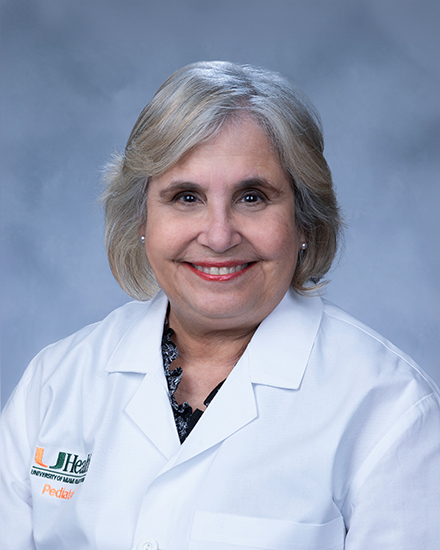 Ofelia A Alvarez合作论文数Department of Pediatrics, Miller School of Medicine, University of Miami7
 Alexis A Thompson合作论文数Division of Hematology, Children's Hospital of Philadelphia;Northwestern University7Vendt Bruce A合作论文数7
 Pallav Bhatnagar合作论文数McKusick Nathans Inst Genet Med, Johns Hopkins Univ7
 Zongming Fu合作论文数7
 Baba Inusa合作论文数School of Life Course & Population Sciences, King's College London;Novo Nordisk;Academy For Sickle Cell & Thalassaemia7
 Jennifer Van Eyk合作论文数Cedars-Sinai Precision Biomarker Laboratories;Cedars-Sinai Advanced Clinical Biosystems Research Institute7Michael A. Kraut合作论文数7
 Bruce A Barton合作论文数Department of Population and Quantitative Health Sciences, UMass Chan Medical School, The University of Massachusetts;Division of Biostatistics and Health Services Research, The University of Massachusetts7Jeffrey R. Keefer合作论文数7
 William T Zempsky合作论文数Pain Relief Program, Connecticut Children’s Medical Center;University of Connecticut School of Medicine;Connecticut Children’s Medical Center, University of Connecticut School of Medicine7
 David G Bundy合作论文数7Clifford M. Takemoto合作论文数Division of Pediatric Hematology, The Johns Hopkins University7Beng R Fuh合作论文数6Alicia D. Cannon合作论文数6
 Melanie Kirby合作论文数Department of Paediatrics, Temerty Faculty of Medicine, University of Toronto;Division of Haematology/Oncology, Department of Paediatrics, The Hospital for Sick Children6
 Courtney D Thornburg合作论文数6Kalpatthi Ram合作论文数6Dulloor Pratima合作论文数6Williams Lisa M合作论文数6




