Targeted muscle reinnervation offers an approach to regain use of the affected extremity through electronic prosthesis while limiting phantom pain and neuroma limb production or pain. In this case report, we present the first reported case of leveraging the rectus flap for targeted muscle reinnervation. The case herein is of a 28-year-old woman who sustained a severe right upper extremity crush injury while being involved in a vehicular roll-over collision requiring right transhumeral amputation. Plastic surgery, orthopedic surgery, and vascular surgery were consulted to manage the right upper extremity injury.
Objective This study aims to compare outcomes between Novosorb Biodegradable Temporizing Matrix (BTM) and Integra collagen-chondroitin silicone for upper-extremity wound reconstruction.Methods This retrospective study analyzed adult patients who underwent wound reconstruction with either BTM or Integra at our institution between 2015 and 2020.Results Forty-eight patients were included: 31 (64.6%) BTM and 17 (35.4%) Integra. Mean age was 44.0 (range: 18–68) years. Age, race, sex, smoking, comorbidities, and defect size were similar between groups. Wound etiologies included 12 (25.0%) burn, 22 (45.8%) trauma, and others. Median template size was 133 cm2 for BTM and 104 cm2 for Integra (p = 0.526). Skin grafting was performed after 14 (45.2%) and 14 (82.4%) wounds treated with BTM and Integra, respectively (p = 0.028). Template complications of infection and dehiscence were comparable. Skin-graft complications occurred in five (35.7%) and three (21.4%) wounds in BTM and Integra, respectively (p = 0.031). Skin-graft failure rates were comparable (p = 0.121). Mean number of secondary procedures required after template placement was higher in the Integra group (BTM, 1.0; Integra, 1.9; p = 0.090). Final healing was achieved in 17 (54.8%) BTM and 11 (64.7%) Integra wounds (p = 0.694). Median time to healing was 4.1 months after BTM and 2.6 months after Integra placement (p = 0.014).Conclusion Compared with Integra, BTM achieved comparable wound healing and complication rates. Fewer secondary procedures and skin grafts were observed in BTM wounds, likely as a result of the coronavirus disease 2019 pandemic. At our institution, 100 cm2 of product costs $850 for BTM and $3,150 for Integra, suggesting BTM as an economical alternative to fulfill the high functional and aesthetic requirements of upper-extremity wounds.
The COVID-19 pandemic occurred concurrently with the opioid epidemic and has exacerbated its effects. Illicit substance use and overdoses have increased.1Ornell F. Moura H.F. Scherer J.N. et al.The COVID-19 pandemic and its impact on substance use: implications for prevention and treatment.Psychiatry Res. 2020; 289113096https://doi.org/10.1016/j.psychres.2020.113096Crossref PubMed Scopus (164) Google Scholar, 2Ostinelli E.G. Smith K. Zangani C. et al.COVID-19 and substance use disorders: a review of international guidelines for frontline healthcare workers of addiction services.BMC Psychiatry. 2022; 22228https://doi.org/10.1186/s12888-022-03804-7Crossref Scopus (2) Google Scholar There has been an increase in the incidence of infection in the upper extremity (UE) related to IV drug use.3Pong T.M. Oflazoglu K. Helliwell L.A. et al.Intravenous drug use-related complications of the hand and upper extremity.Plast Reconstr Surg Glob Open. 2019; 7e2116Crossref PubMed Scopus (9) Google Scholar Injectable drug use-related infections (IDURIs) are associated with significant morbidity.4McRae M. Sardiwalla Y. Nachmani O. et al.Upper extremity infection related to intravenous drug use: considering the true cost of the COVID-19 pandemic and lockdown.Hand. 2022; 0https://doi.org/10.1177/15589447221077377Crossref Scopus (2) Google Scholar The aim of this study was to evaluate the differences in incidence and management of UE IDURIs in pre-pandemic and pandemic cohorts. We hypothesized that both the incidence and severity of IDURIs increased during the pandemic. After institutional review board approval, a retrospective study was performed on adult patients who presented to our hospital system emergency departments with UE IDURIs between January 2019 to March 2021. Patients prior to March 2020 were analyzed in the pre-pandemic group and all others were in the pandemic group. Patients were identified by ICD-10 code. Records were reviewed for demographic, infection, and management data. Patients were analyzed using Pearson’s Χ2 and Fisher’s exact tests where appropriate. Continuous variables were reported as mean and standard deviation and categorical variables were presented as frequencies and percentages. The significance level was set at 0.05. All statistical analyses were performed using SPSS Statistics v28.0 (Armonk, NY). There were 298 patients that met inclusion criteria, 143 in the pre-pandemic group and 155 in the pandemic group. There was no difference between the groups in age, race, smoking status or comorbidities (Supplemental Table 1). There were more males (110 vs. 84, p = 0.029), more unemployment (p = 0.045) and people with Medicare/Medicaid (p = 0.044) in the pandemic group. Cellulitis and abscess were the most common diagnoses in both groups, but there was no difference in infection diagnosis (p = 0.317) or location between groups (Supplemental Table 2). A culture was obtained in 42% of patients. The most common organisms identified were Staphylococcus and Streptococcus spp. In the pre-pandemic group, length of stay was increased (2.29 days vs 1.24 days, p = 0.007), and there was a trend toward more ICU admission (p = 0.058) and more infectious disease (ID) consultation (p = 0.075). There was no difference in imaging practices. Patients were almost twice as likely to receive IV antibiotics pre-pandemic (OR=1.98 [1.21, 3.25]; p = 0.007) and 0.5 times more likely to be treated with oral antibiotics during the pandemic (OR=0.53 [0.32, 0.90]; p = 0.018). During the pandemic, patients were 20% less likely to receive IV antibiotics and 18% more likely to receive oral antibiotics (Figure 1). The number of patients requiring surgery in both groups was low, 16.8% pre-pandemic and 7.1% during the pandemic. More operative procedures were performed pre-pandemic (OR=2.64 [1.24, 5.61]; p = 0.011) (Table 1), with 1 patient requiring 3 operations pre-pandemic and the majority of pandemic patients having only 1 operation. Patients were almost 60% less likely to receive an operation during the pandemic.Table 1Management-related data.ManagementPre-pandemic (n = 143)Pandemic (n = 155)PTransferred from other hospital, n (%)0.480Yes1 (0.7)0 (0)No142 (99.3)155 (100)Length of stay, days (mean± SD)2.3 ± 2.91.3 ± 1.90.007**p < 0.01.ICU admission, n (%)0.058Yes6 (4.2)1 (0.6)No137 (95.8)154 (99.4)Length of stay, days (mean± SD)2.5 ± 2.711Imaging obtained, n (%)XR75 (52.4)80 (51.6)0.90814848220253534 or more24CT14 (9.8)15 (9.7)1.0Ultrasound (non-DVT)12 (8.4)9 (5.8)0.498MRI6 (4.2)5 (3.2)0.763None54 (37.7)63 (40.6)0.636Infectious disease consult64 (44.8)53 (34.2)0.075Incision and drainage (bedside or operative)54 (37.7)57 (36.8)0.905IV antibiotics107 (74.8)93 (60)0.007**p < 0.01.PICC placed8 (7.5)3 (3.2)0.226Oral antibiotics96 (67.1)123 (79.4)0.018*p < 0.05.Operation required24 (16.8)11 (7.1)0.011*p < 0.05.1 operation21102 operations213 operations10Surgery typeIncision and drainage/debridement24 (100)11 (100)0.011*p < 0.05.Skin graft1 (4.2)0 (0)0.480Negative pressure wound therapy5 (20.8)0 (0)0.025*p < 0.05.Other1 (4.2)0 (0)0.480PT/OT used5 (3.5)0 (0)0.025*p < 0.05.Left against medical advice53 (37)59 (38)0.905* p < 0.05.** p < 0.01. Open table in a new tab This study evaluated trends in the management of UE IDURIs before and during the COVID-19 pandemic. In our study, surgical intervention was low in both groups, but more operations were performed pre-pandemic. This could be due to the pause on surgical procedures at the start of the pandemic that reallocated resources.5Fields A.C. Vacanti J.C. Rhee C. et al.Restarting essential surgery in the era of COVID-19: a cautious data driven approach based on the literature and local data.Ann Surg. 2020; 272: e208-210https://doi.org/10.1097/SLA.0000000000004109Crossref PubMed Scopus (4) Google Scholar Before the pandemic, more patients had multiple operations. In this study, the incidence and severity of IDURIs did not change during the pandemic, but the management shifted toward a more conservative approach. Length of stay, operations, IV antibiotics, ICU admissions, use of therapy, and ID consultation were all decreased during the pandemic. It’s possible that more efforts were made during the pandemic to reduce unnecessary admissions and other resources likely to be used during hospitalization. Many patients were treated solely by emergency department providers. To our knowledge, this is the first study to examine the management of IDURIs before and during the COVID-19 pandemic in the United States. A Canadian group examined the frequency with which patients presented to their institution in a 3-month period before and during the pandemic.4McRae M. Sardiwalla Y. Nachmani O. et al.Upper extremity infection related to intravenous drug use: considering the true cost of the COVID-19 pandemic and lockdown.Hand. 2022; 0https://doi.org/10.1177/15589447221077377Crossref Scopus (2) Google Scholar The authors found that the total number of cases doubled during the pandemic. This study analyzed a Canadian hospital system and it did not evaluate management of the infection. In our study, we did not find a higher frequency of IDURIs during the pandemic. There are limitations to our study. Patients reviewed were identified by ICD-10 code and coding errors could lead to an underestimation of patients presenting with IDURIs. This was a retrospective chart review; thus, causation cannot be determined and incomplete documentation may prevent drawing accurate conclusions. This study was performed at an academic medical center in the Midwest and may have limited application to other areas. This study was underpowered to perform regression analysis or control for variables. Conservative management was successful in the management of many IDURIs of the UE during the pandemic but future prospective, comparative outcomes analysis is needed to demonstrate that this shift is a safe and effective treatment option after the pandemic. We obtained ethical approval from the institutional review board of the Cleveland Clinic (IRB#21-628). None.
TMR (targeted muscle reinnervation) or RPNI (regenerative peripheral nerve interface) have been the standard after nerve injuries. In this case report, we explain our approach in combining these two techniques (TMRpni) for a patient undergoing left above-the-knee amputation. Using this method, both phantom and nerve pain were reduced in our patient's case. As this technique becomes more well understood and widely adopted, amputee patients may achieve a greater quality of life post operation.
While numerous studies have demonstrated enhanced hair growth following platelet-rich plasma (PRP) treatments in patients with male and female pattern hair loss, no study has demonstrated its impact on quality of life (QoL) using a validated tool. This prospective study aimed to assess the psychological impact of PRP treatment for hair loss. PRP scalp injections were repeated monthly for the first 3 months, then quarterly for 1 year, and annually thereafter. HAIRDEX 48, a validated scale assessing QoL for patients with alopecia, was administered before PRP and at each visit. Scores were interpolated on a 0–100 scale: 0 representing highest QoL, 100 lowest, and compared using paired t-tests. Ninety-two patients receiving PRP were analyzed. Mean age was 48.2 ± 17.4 years and 55 www.springer.com/00266 .
Advances in the diagnosis and management of breast cancer have evolved over recent decades with paradigm shifts seen in the loco-regional and systemic therapies. Breast cancer surgery continues to proceed in a stepwise, evidence-based progression towards less invasive oncologic treatments with superior reconstructive and cosmetic outcomes. Studies have demonstrated that nipple-sparing mastectomy (NSM) with reconstruction results in high patient satisfaction1 while maintaining oncologic safety.2 Recent attention has focused on returning protective and erogenous breast and NAC sensation.
The emergence of COVID-19 has resulted in decreased in-person training and fewer networking opportunities for physicians. These setbacks have opened discussions on surgical training during the pandemic through telemedicine and livestreaming, as well as facilitation of mentorship through virtual communities. 1 Yuen J.C., Gonzalez S.R. Addressing the Surgical Training Gaps Caused by the COVID-19 Pandemic: an Opportunity for Implementing Standards for Remote Surgical Training. Plastic and Reconstructive Surgery. 2020;146(1):109e -110e. doi:10.1097/prs.0000000000007074 Google Scholar , 2 Hamidian Jahromi A. Arnautovic A. Konofaos P Addressing the Surgical Training Gaps Caused by the COVID-19 Pandemic: an Opportunity for Implementing Standards for Remote Surgical Training. Plast Reconstr Surg. Jun 1 2021; 147: 1075e-1076ehttps://doi.org/10.1097/prs.0000000000007958 Google Scholar We propose that engagement through Twitter may provide plastic surgery trainees exposure to valuable mentorship opportunities.
Background Political contributions from healthcare providers are essential to shaping healthcare policy and allow physicians to expand their influence on a national level. Political Action Committees in particular provide a useful avenue for unifying contributions for the interest of a specific community. This study examined the geographical distribution, temporal pattern, and overall nature of the political contributions made by plastic surgeons. Methods The Federal Election Commission was analyzed for political contributions made by plastic surgeons from 2003 to 2021 using the search terms "plastic surgeon,'' "microsurgeon,'' and "craniofacial'' as well as physician contributions to PlastyPAC. Contributions were categorized based on political parties (Democratic, Republican, and independent parties), and further analyzed based on state distribution and year of contribution. Spatial distribution data were then visualized using heatmaps for each state. Results The total sum of contributions between 2003 and 2021 from plastic surgeons was $5,306,605, with $1,737,178.51 for the Republican party, $962,773.26 for the Democratic party, and $2,604,149.86 for independent parties. Political funding of PlastyPAC consisted of 47.3% of the overall political contributions. There was no significant trend through the years in the overall contribution amount. The states with the most political contributions were California, New York, Florida, and Texas. Conclusions The temporal stagnation of total political contributions and decline in recent PlastyPAC funding from plastic surgeons support an increased political awareness for new plastic surgeons. Level of evidence V This journal requires that authors assign a level of evidence to each article. For a full description of these Evidence-Based Medicine ratings, please refer to the Table of Contents or the online Instructions to Authors www.springer.com/00266.
INTRODUCTION:This study compared outcomes of soft tissue reconstruction using biodegradable temporizing matrix (BTM) and collagen-chondroitin silicone (CCS) skin substitutes.OBJECTIVE:In this study, the authors compared wound healing rates and complication rates between BTM and CCS.MATERIALS AND METHODS:This retrospective study reviewed outcomes for adult patients who underwent soft tissue reconstruction with either BTM or CCS skin substitutes between 2015 and 2020. Demographics, wound characteristics, surgical details, and complications were recorded.RESULTS:Ninety-seven patients were included, of whom 51 (52.6%) were treated with BTM graft and 46 (47.4%) with CCS bilayer graft. The mean patient age was 48.2 years (range, 18-93 years). Wound etiologies included burn, trauma, iatrogenic, compartment syndrome, skin cancer, and osteomyelitis. The median template size was 147 cm2 and 100 cm2 for BTM and CCS, respectively (P =.337). Skin grafts were applied to 39 patients (84.8%) treated with CCS compared with 28 (54.9%) treated with BTM (P =.006); the remaining wounds healing secondarily. The template-related and skin graft-related complications of infection, dehiscence, and hematoma or seroma were comparable between groups. The rate of skin graft failure was significantly higher in the CCS cohort (n = 9 [23.1%]) compared with the BTM group (n = 1 [3.6%]) (P =.006). More secondary procedures were required after CCS placement (mean ± standard deviation, 1.9 ± 1.8; range, 0-9) than after BTM (mean, 1.0 ± 0.9; range 0-4) (P =.002). There was no statistical significance in the frequency of definitive closure between BTM and CCS (n = 31 [60.8%] vs n = 28 [60.9%], respectively; P =.655).CONCLUSIONS:Compared with CCS, BTM had comparable closure and complication rates and required fewer secondary procedures and/or subsequent skin grafting.
Social media have revolutionized how the world accesses information. With more than two billion downloads and 700 million users, TikTok is the fastest growing social media platform globally.1 As a short video-sharing mobile application, TikTok enables content creators to create and share health information. This has been particularly influential in the spread of information related to plastic surgery, with videos tagged #plasticsurgery amassing more than 7.4 billion views. Studies have previously analyzed plastic surgery content on Instagram, Twitter, YouTube, and Facebook.2,3 However, our study is the first to characterize plastic surgery content on TikTok. On May 28, 2021, the #plasticsurgery hashtag was queried using the TikTok internal search engine. The 200 most popular videos based on engagement, as determined by TikTok's proprietary search algorithm, which considers a combination of views, comments, likes, and shares, were analyzed. Non–English-language videos, videos unrelated to plastic surgery, and duplicates were excluded. Videos were characterized by procedure, source, content, emotional tone, and multimedia by two investigators. Emotional tone categories were defined by the Feeltrace System (Belfast, Northern Ireland, United Kingdom).4 Input was provided by a third investigator if the two raters did not agree. Krippendorf alpha was used to determine interrater reliability.5 Three plastic surgeons certified by the American Board of Plastic Surgery assessed video content for credibility. Analysis of 200 videos yielded a total of 190 million likes and 1.7 million comments over 17 months. Krippendorf alpha ranged from 0.9371 to 1.0, suggesting excellent interrater reliability.5 Video creators were most commonly plastic surgeons (54.5 percent), members of the general public (20 percent), and patients (18.5 percent). Plastic surgery specialty-specific information was categorized as cosmetic (79 percent), general plastic surgery (10 percent), and reconstructive (9 percent), while video content comprised educational resources (40.5 percent), patient testimonies (19 percent), and opinion (16.5 percent). Emotional tone was classified mostly as "relaxed/content" (35 percent), "happy/pleased" (22.5 percent), and "humor/sarcasm" (17 percent). Video format was video only (84 percent), images only (0.5 percent), or both videos and images (15.5 percent), with the complement use of features such as subtitles (85.5 percent), music (76.5 percent), and narration (47 percent) (Table 1). Table 1. - Characterization of Procedure, Source, Content, and Multimedia of Top 200 #Plasticsurgery TikTok Videos Procedures, Source, Content, Multimedia No. (%) Top 8 most popular procedures Breast augmentation Rhinoplasty Buttock augmentation Abdominoplasty Injections* Liposuction Reduction mammaplasty Buccal fat removal Video creator Board-certified plastic surgeon 109 (54.5%) Patient 37 (18.5%) Public 40 (20%) Nurse 6 (3%) Company 5 (1.5%) Other physician 3 (1.5%) Content (type of plastic surgery) Cosmetic 158 (79%) General plastic surgery 20 (10%) Reconstructive 18 (9%) Gender affirmation 3 (1.5%) Burn 1 (0.5%) Hand 0 (0%) Purpose of the video Educational resource 81 (40.5%) Patient testimony 38 (19%) Opinion 33 (16.5%) Marketing 19 (9.5%) Celebrity news 19 (9.5%) Spam† 10 (5%) Emotional tone Relaxed/content 70 (35%) Happy/pleased 45 (22.5%) Humor/sarcasm 34 (17%) Sad/despair 27 (13.5%) Excited/interested 20 (10%) Angry/furious 4 (2%) Multimedia format Video 168 (84%) Images 1 (0.5%) Both 31 (15.5%) Multimedia features Subtitles 171 (85.5%) Music 153 (76.5%) Narration 94 (11%) Wikipedia link 22 (11%) Lip-syncing 9 (4.5%) Singing 7 (3.5%) Dancing 1 (0.5%) *Defined as botulinum toxin type A or dermal filler.†Defined as misinformation or misconceptions. Eighty-one of the analyzed videos featured educational content. Of these videos, content creators consisted of plastic surgeons (87.7 percent), nurses (6.2 percent), companies (4.9 percent), and non–plastic surgeon physicians (1.2 percent). Videos were categorized as "reliable" (n = 74, 91.4 percent), "unreliable" (n = 3, 3.7 percent), or "other" (n = 5, 6.2 percent). Videos rated "other" were excluded from reliability analysis. Overall, there was high credibility among videos created by plastic surgeons (n = 63, 95.5 percent), nurses (n = 5, 100 percent), companies (n = 4, 100 percent), and non–plastic surgeon physicians (n = 1, 100 percent) (Fig. 1).Fig. 1.: Credibility of educational information on TikTok.TikTok's highly personalized content creates an engaging space for health education for both patients and physicians. Patients use this platform to share their experiences and inform other prospective patients, whereas board-certified plastic surgeons directly educate and explain procedures to a broad audience. Unlike other social media platforms, such as Instagram, YouTube, Facebook, and Twitter, TikTok content analysis showed a greater percentage of content created by board-certified plastic surgeons, as well as reliable educational content,2,3 and can thus be utilized by plastic surgeons and plastic surgery organizations to provide a trustworthy educational tool for patients. DISCLOSURE The authors have no financial interest to declare in relation to the content of this article.
Background: Reproducible research—defined as the ability to replicate a study with its published materials and procedures—is integral to ensuring the validity of published studies and promoting scientific advancement. The primary aim of this study was to quantitatively evaluate the reproducibility and transparency of research in the plastic surgery literature. Methods: A cross-sectional study was performed. Articles published in 12 plastic surgery journals over a 5-year period were randomly selected. Reproducibility-related and transparency-related variables were blindly and independently collected by two reviewers using previously published methods. Descriptive statistics and univariate analysis were performed for outcomes of interest. Results: The initial search yielded 18,461 publications, from which 400 were randomly selected. A total of 397 publications met inclusion criteria, of which 203 were empirical studies eligible for analysis of reproducibility-related and transparency-related variables. Among the empirical studies, most did not have a data availability statement (97.0 percent; 95 percent CI, 93.7 to 98.9). Only seven (3.4 percent; 95 percent CI, 1.4 to 7.0) were linked to an accessible protocol, four (2.0 percent; 95 percent CI, 0.5 to 5.0) were preregistered, and no studies provided analysis scripts or claimed to replicate another study. Of the 202 studies evaluated for material availability, only 17 (8.4 percent; 95 percent CI, 5.0 to 13.1) had a material availability statement. Conclusions: There is an evident lack of reproducible research practices in plastic surgery literature. The majority of plastic surgery publications do not provide information and raw materials necessary to reproduce empirical studies. Increasing awareness at the individual and institutional levels can improve research quality and transparency.
Gender dysphoria describes the distress felt due to an incongruence between gender identity and birth-assigned sex. The prevalence of gender dysphoria has increased in the past several decades, leading to increased demand for providers trained in gender affirmation surgery and the subsequent creation of fellowships teaching these procedures. 1 Zucker K.J. Epidemiology of gender dysphoria and transgender identity. Sex Health. 2017; 14: 404-411 Google Scholar While treatments for gender affirmation are generally taught in plastic surgery residency, surveys of residents and program directors suggest that fellowship can be an ideal setting for training in gender affirmation surgery. 2 Magoon K.L. LaQuaglia R. Yang R. Taylor J.A. Nguyen P.D. The current state of gender-affirming surgery training in plastic surgery residency programs as reported by residency program directors. Plast Reconstr Surg. 2020; 145: 567-574 Google Scholar
Background:Head and neck reconstruction is challenging because of the functional requirements of movement, sensation, and cosmesis of this highly visible region. This study is the first to compare Novosorb biodegradable temporizing matrix (BTM) and Integra collagen-chondroitin silicone (CCS) skin substitutes for reconstruction of soft tissue head and neck wounds.Methods:This retrospective review included adults who underwent wound reconstruction of the head/neck with either BTM or CCS between 2015 and 2020. Patient-level data, complications, and closure rates were compared.Results:The review identified 15 patients: 5 who received BTM and 10 who received CCS. Mean age at dermal template placement was 55 (range, 28-79) years. Race, sex, smoking status, medical comorbidities, defect size, radiation history, prior surgeries, and follow-up time were not significantly different between groups. Wound etiologies for BTM and CCS included burn (40% vs 60%), trauma (20% vs 20%), surgical wounds (20% vs 20%), and skin cancer (20% vs 0%), respectively (P = .026). Skin grafts were placed in 8 (80%) wounds after CCS placement, compared with 3 (60%) after BTM (P = .670). Template reapplication was required in 2 (40%) BTM wounds and 3 (30%) CCS wounds (P = 1.0). Infection, hematoma, and seroma were comparable between groups, although skin graft failure was higher in the CCS group at 3 (37.5%) compared with 0 for BTM (P = .506). More secondary procedures were required after CCS placement (CCS, 1.9 ± 2.2; BTM, 0.9 ± 0.8; P = .090). Definitive closure in patients not lost to follow-up occurred in 4 (100%) BTM and 6 (75%) CCS cases (P = 1.0).Conclusions:Head and neck wounds treated with BTM had comparable closure and complication rates as CCS bilayer and required fewer secondary procedures and skin grafts. These findings suggest that BTM is safe and efficacious for application in head and neck wounds and may be considered as an economical alternative.
Sir: In the modern era, social media platforms allow physicians to reach a broad audience through community engagement, education, and networking [1]. Instagram in particular serves as a valuable tool for plastic surgeons through an emphasis on visual media, flexibility in posting options, and appeal to millennials, who are a primary consumer of plastic surgery [2]. This study sought to quantify the impact of various features of Instagram posts on follower engagement from plastic surgeon profiles with an extensive social media following. In this study, we analyzed ten plastic surgeon profiles with over 500,000 followers on Instagram and reviewed the 20 most recent posts for each profile. Posts within a week of this study’s review were excluded to provide enough time for follower engagement. Profiles were analyzed for profile handle, number of followers, and post frequency (Table 1). Data extracted from each post included media format as single or multiple pictures versus video; weighted measurements of follower engagement, including likes, views, and comments, as a percentage of profile followers; content matter; and presence of censorship warning. Of the 200 posts analyzed, there were 103 pictures and 97 videos, of which 54 reported ‘‘likes’’ and 43 reported ‘‘views’’. Posts featuring pictures had a significantly lower like proportion (1.2%) compared video posts (2.6%) (p = 0.008). Follower comments were available for all posts and were comparable between picture media (0.026%) and videos (0.031%) (p = 0.51). Censorship warning and multiple pictures per post were not associated with increased follower engagement for comments (p = 0.60 and p = 0.45, respectively). The highest rated subject matter by likes and comments of the posts were comedic content (4.2% and 0.05%, respectively), while the lowest were promotional content (0.24% and 0.00083%, respectively). Profiles with low post frequency had 1.69% likes, while those with high post frequencies had 4.3% likes (Fig. 1). Social media presents with rising usage in plastic surgery, particularly among younger, private practice surgeons. One impulse for plastic surgeons when creating a new social media platform for their practice is content showcasing procedural results exclusively [3]. However, examination of this study’s Instagram profiles revealed heterogenous content across each profile, with emphasis on video media, comedic content, and high frequency of posting. Video format may be particularly beneficial for engagement in plastic surgery due increased education and transparency in observing the procedure. However, care must be taken to ensure patient privacy and professionalism [4]. In addition, cross-platform recognition helped facilitate viewership interactions; for instance, in & Michael W. Wells Mxw664@case.edu
Several studies have investigated commonalities among plastic surgery chairpersons and program directors. Findings have shown that the majority of plastic surgery chairpersons and program directors are male, completed fellowship training, earned high h-index scores, and matriculated from top medical schools. 1 Wenzinger E. Weinstein B. Singh R. Reid C.M. Suliman A. Herrera F.A. Deconstructing a leader: an in-depth analysis of the commonalities between plastic surgery chiefs and chairmen. Plast Reconstr Surg. 2019; 144: 235-241 Crossref PubMed Scopus (8) Google Scholar However, exploration of these metrics among plastic surgery society presidents is limited, and comparison of findings between these two avenues to leadership remains to be discussed. The authors aim to provide analysis for presidents of eight academic plastic surgery societies over 22 years to determine commonalities between these leaders.
Summary: Injectable drug use in the upper extremity often leads to chronic wounds complicated by osteomyelitis. Conventional reconstructive options are often not feasible and/or are contraindicated in this patient population. We have started using a synthetic, biodegradable temporizing matrix (BTM) for the treatment of these patients. We hypothesize that BTM is a safe, low-risk, and low-morbidity alternative reconstructive option. We report outcomes after staged debridement and BTM application followed by split-thickness skin grafting for two patients with large, chronic bilateral forearm wounds with concomitant osteomyelitis confirmed by MRI and biopsy. No acute surgical complications were encountered and at a mean follow-up of 13 months, both patients had maintained stable soft-tissue coverage. Reconstruction using BTM is a novel treatment option that can simplify the reconstruction, reduce donor-site morbidity, and optimize success for patients with chronic wounds resulting from injectable drug use. Initial outcomes are promising; however, further comparative studies are needed to better evaluate long-term outcomes of this technique.
Summary: The management of upper extremity soft-tissue defects with full-thickness skin loss and denuded tendon and/or bone traditionally requires vascularized tissue reconstruction. Herein, we present patient outcomes utilizing Novosorb Bio-degradable Temporizing Matrix (PolyNovo, Wilmington, Del.), a novel bilaminar dermal regenerative template, followed by skin grafting, for reconstruction of complex upper extremity injuries with exposed tendon and/or bone. We retrospectively reviewed all patients treated at our Level I trauma center with upper extremity trauma and exposed tendon and/or bone who had application of Novosorb Bio-degradable Temporizing Matrix over a 1-year period. At the time of surgery, all nonviable tissue was debrided, and the product was applied according to the manufacturer’s instructions. If required, split thickness skin grafting was performed once neodermis appeared perfused, or after the sealing layer delaminated spontaneously. Six patients (four men, two women) with an average age of 49.8 (35–60) years were included in the study. Average defect size measured 97 cm2 (10–440). Average time to complete healing was 45 days (27–57). Three patients reepithelialized spontaneously and did not require grafting; average defect size in these patients was 26 cm2 (10–42). There were no infections and no loss of the dermal matrix or skin graft, when performed. All patients healed without complication after grafting and did not require further surgical treatment. Therefore, we contend that Novosorb BTM is a dermal regenerative template that shows potential as an alternative option to flap reconstruction in select patients after upper extremity trauma and soft-tissue defects with exposed tendon and/or bone. Further studies will be required to refine indications and evaluate outcomes.
The outbreak of severe acute respiratory syndrome coronavirus 2, responsible for coronavirus disease 2019 (COVID-19), was first identified in Wuhan, China, and has since spread worldwide. Among countries struggling to contain the spread of COVID-19, the United States (U.S.) has been particularly heavily affected. Since recording a new single-day peak of 83,010 cases on October 23, 2020,1 the U.S. has continued to experience record highs in daily confirmed COVID-19 cases and hospitalizations. Increased susceptibility to severe COVID-19 has been noted in certain populations (e.g., individuals over age 60).
Open pelvic ring fractures can have devastating functional consequences including prolonged disability, chronic pain, infection, and even death. These injuries are uncommon but often involve soft tissue defects. Without early and appropriate coverage, patients are likely to sustain infection, which can be fatal. Here, we present the successful use of a pedicled ALT flap in two patients with soft tissue defects due to open pelvic ring injury. The pedicled ALT flap can be harvested as a composite flap comprising a portion of the skin, fascia, and muscle depending on the defect. Although the ALT flap has often been employed for abdominal wall and abdomino-perineal reconstruction, this is the first case series to report the use of the ALT flap in a subacute traumatic setting for pelvic ring reconstruction.
 Rebecca Knackstedt合作论文数Dept Plast Surg, Cleveland Clin43
 Risal Djohan合作论文数18
 Maria Siemionow合作论文数Plastic Surgery Research11
 Michael Wells合作论文数Case Western Reserve Univ, Univ Hosp Cleveland Med Ctr10
 Ascha Mona合作论文数10
 Raffi Gurunluoglu合作论文数Plastic Surgery, Cleveland Clinic10Aleksandra Klimczak合作论文数9Schwarz Graham S合作论文数7Jundziłł Arkadiusz合作论文数7
 David E Kurlander合作论文数6
 Irene Chang合作论文数Case Western Reserve University School of Medicine6
 Bahman Guyuron合作论文数Department of Plastic Surgery, University Hospitals Case Medical Center6Grzegorz Brzezicki合作论文数5David Rowe合作论文数5
 Marta Kutas合作论文数Department of Cognitive Science, University of California, San Diego5
 David Salmon合作论文数University of California, San Diego5Andrea Moreira合作论文数5
 John Olichney合作论文数5
 Shannon Wu合作论文数4
 Jeremie D Oliver合作论文数Department of Biomedical Engineering, University of Utah4
 Jason Taylor合作论文数Division of Neuroscience and Experimental Psychology, School of Biological Sciences, Faculty of Biology, Medicine and Health, The University of Manchester4
 Steven Bernard合作论文数4Erhan Sonmez合作论文数Department of Plastic and Reconstructive Surgery, Hacettepe University4
 Cagri Cakmakoglu合作论文数3Yuewei Wu-Fienberg合作论文数3Iragui Vicente J合作论文数3
 Kyle Chepla合作论文数3
 Morrison Shane D合作论文数Div Plast Surg, Univ Washington3Brown Matthew合作论文数3Swanson Marco A合作论文数Department of Surgery, Case Western/University Hospital Case Medical Center3
 Aliotta Rachel合作论文数at Buffalo School of Medicine and Biomedical Sciences, State University of New York;Buffalo Neuroimaging Analysis Center;at Buffalo School of Medicine and Biomedical Sciences, State University of New York3
 Ali Totonchi合作论文数3G. Brzezicki合作论文数2Logan G Galbraith合作论文数2Michelle Djohan合作论文数2francis a papay合作论文数2Brian A. Ginsberg合作论文数2William T Duggan合作论文数2Jonathon Wanta合作论文数2Zahraa Al-Hilli合作论文数2
 Cody Lendon Mullens合作论文数Ctr Healthcare Outcomes & Policy, Univ Michigan2
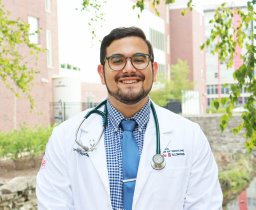 Daniel Najafali合作论文数Carle Illinois College of Medicine, University of Illinois Urbana-Champaign2Ascha Mustafa S合作论文数Department of Gastroenterology and Hepatology, The Cleveland Clinic2
 Mikael Hivelin合作论文数2
 Dileep Nair合作论文数Epilepsy Center, Cleveland Clinic Foundation2
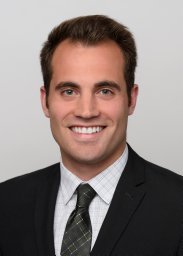 Massie Jonathan P合作论文数2
 Kwiecien Grzegorz合作论文数Cleveland Clinic2




