Scientific advancements in spinal cord injury (SCI) have focused on early interventions. However, research in the acute SCI setting presents ethical challenges, particularly the durability of informed consent. Given trauma's effects on cognition, we assessed participants' recollection of the consent process and willingness to participate in future research. A 15-item questionnaire was administered to 119 participants previously enrolled in one of three acute SCI studies at our institution between 2010 and 2022. Of 32 responses, 47% recalled the consent process, 30% were unsure, and 23% had no recollection. Recall of specific details was also inconsistent. Of 11 participants who recalled receiving a study treatment, only 4 (36%) were in an interventional arm. While injury severity and level did not affect recollection, time since injury and age at the time of the survey were associated with recall differences. Notably, all 18 subjects who recalled their enrollment also recalled follow-up visits from study personnel, suggesting ongoing contact may reinforce awareness of their involvement. In the acute SCI setting, physical and psychological distress challenge the informed consent process. Our survey revealed significant inaccuracies in participant recall, undermining the intent of informed consent. We propose that practices like continuous consent, coupled with regular study-related interactions, may improve participants' understanding and retention of information, thereby strengthening the ethical foundation of acute SCI research.
Study DesignSurvey based study.ObjectivesTo evaluate current patterns for managing SCI among spine surgeons in North America.MethodsA survey of the North American Clinical Trials Network (NACTN) and other institutions collected institutional demographics and specific practices on acute SCI management. Variables included trauma level designation, annual case volumes (patient number, spine fracture and surgery performed), steroid usage, emergent cervical traction, magnetic resonance imaging (MRI) access, surgical decompression timing, intraoperative ultrasound and neuromonitoring use, mean arterial pressure (MAP) and spinal cord perfusion pressure (SCPP) targets, lumbar drain use, and the influence of American Spinal Injury Association (ASIA) Impairment Scale (AIS) grade on decision-making.ResultsThirty surgeons from 23 institutions responded (93.3% Level 1 trauma centers). Most centers (93.3%) had immediate MRI access; about 70% of physicians did not use steroids. Emergent cervical traction was used by 60%. An aim of surgical decompression within 24 h was reported by 90%, with 20% operating immediately upon arrival. MAP goals were used by 93.3%, most targeting 85-90 mmHg for ≥5 days. Lumbar drains for SCPP optimization were used in 30%, typically targeting intrathecal pressure (ITP) < 15 mmHg and SCPP >60 mmHg. Management varied by AIS grade in 43.4%.ConclusionDespite agreement in the general scope of acute SCI care, significant implementation heterogeneity exists across North American spine centers. Variability was pronounced in steroid use, timing of decompression (90% within 24 h), cervical traction, and lumbar drain utilization. These findings call for evidence-based protocols to guide acute SCI management and reduce inter-institutional practice variation.
Degenerative cervical myelopathy (DCM) is a chronic spinal cord disorder caused by progressive compression leading to ischemia, cell death, inflammation, demyelination, and network reorganization. Unlike traumatic injury, DCM evolves over time, producing distributed pathology across the neuraxis and adaptive but limited neuroplastic responses. Functional deficits arise from both reversible axonal dysfunction and irreversible degeneration, creating a time-sensitive window for intervention. Surgical decompression remains the primary treatment, enabling partial recovery through restoration of perfusion and plasticity. Adjunctive strategies, including neuroprotection, neuromodulation, and remyelination therapies, with rehabilitation, represent promising approaches to enhance recovery by targeting residual neural circuits and the evolving repair environment.
Spinal cord injury disrupts corticospinal transmission and impairs voluntary motor control. While epidural spinal cord stimulation (ESCS) can augment residual motor output, its capacity to drive long-term neuroplasticity remains unoptimized. Here, we present a first-in-human case study showing that an implantable brain-computer interface (BCI) paired with cervical ESCS can potentiate corticospinal connectivity, leading to immediate and sustained improvements in upper-limb motor function in an individual with chronic, motor-complete cervical SCI. The BCI decoded motor intent from electrocorticography signals to trigger stimulation at intent onset, coupling ESCS to volitional movement attempts. This BCI-ESCS paradigm enhanced grip strength and object manipulation immediately and produced greater increases in corticospinal excitability after a single session compared to tonic ESCS. Notably, a four-week BCI-ESCS therapy led to clinically meaningful improvements in voluntary hand function even without system assistance, with some gains persisting one-month post-therapy. These proof-of-concept findings suggest that intention-driven neuromodulation may induce corticospinal plasticity, offering a mechanistically driven neuromotor recovery approach. Overall, BCI-ESCS reveals enhanced volitional control even in an individual with severe paralysis deemed at the recovery plateau. ### Competing Interest Statement M.E.I. is a consultant to Medtronic, and J.D.G. is a consultant to ONWARD Medical; Neither of these consulting roles are directly related to the work presented in this study. M.R.P. is a co-founder, director, and shareholder in MyndTec Inc., and is also a co-founder and consultant for NovaKonexus. W.D.D. is a co-founder and managing member of InflamaCORE, LLC, and has licensed patents on inflammasome proteins as biomarkers of injury and disease, as well as on targeting inflammasome proteins for therapeutic purposes. W.D.D. is also a Scientific Advisory Board Member of ZyVersa Therapeutics. M.C. holds several patents on spinal cord stimulation for motor recovery and is a shareholder of Reach Neuro Inc., a company developing spinal cord stimulation for post-stroke motor recovery. The remaining authors have no conflicts of interest, financial or otherwise. ### Clinical Trial NCT06533969 ### Funding Statement This study was supported by The Miami Project to Cure Paralysis, the Buoniconti Foundation, and the Morton Cure Paralysis Fund. ### Author Declarations I confirm all relevant ethical guidelines have been followed, and any necessary IRB and/or ethics committee approvals have been obtained. Yes The details of the IRB/oversight body that provided approval or exemption for the research described are given below: The study was approved by the University of Miami Institutional Review Board (IRB) (IRB 20190536) and conducted in accordance with the Declaration of Helsinki. I confirm that all necessary patient/participant consent has been obtained and the appropriate institutional forms have been archived, and that any patient/participant/sample identifiers included were not known to anyone (e.g., hospital staff, patients or participants themselves) outside the research group so cannot be used to identify individuals. Yes I understand that all clinical trials and any other prospective interventional studies must be registered with an ICMJE-approved registry, such as ClinicalTrials.gov. I confirm that any such study reported in the manuscript has been registered and the trial registration ID is provided (note: if posting a prospective study registered retrospectively, please provide a statement in the trial ID field explaining why the study was not registered in advance). Yes I have followed all appropriate research reporting guidelines, such as any relevant EQUATOR Network research reporting checklist(s) and other pertinent material, if applicable. Yes All data produced in the present study are available upon reasonable request to the authors.
Central cord syndrome (CCS) is the most common form of incomplete cervical spinal cord injury (SCI), yet its optimal management remains controversial. We examined whether stratifying CCS by injury stability improves treatment assessment. CCS was defined as an American Spinal Injury Association Impairment Scale (AIS) C/D cervical SCI with a ≥5-point lower-upper extremity motor score difference and classified as CCS-stable (CCS-S) or -unstable (CCS-U) based on the absence or presence of fracture/dislocation. Functional recovery at 1 year was assessed using the functional independence measure (FIM) motor score. Among 291 patients, 131 (45%) had CCS-S. These patients were older and more frequently sustained fall-related injuries. In the propensity score-matched cohort, CCS-S showed greater functional improvement than CCS-U, although the difference was attenuated after multiplicity adjustment (mean difference 5.46 points, p = 0.24). Surgery was associated with higher odds of achieving the FIM motor minimum clinically important difference (MCID) in CCS-S (odds ratio [OR] = 2.85), supporting CCS-S as a distinct incomplete SCI phenotype with a more favorable postoperative recovery.
Spinal cord injury (SCI) is frequently accompanied by abnormal muscle tone and spasticity, which impair voluntary motor control, mobility, and quality of life. Although classically defined as velocity-dependent hyperreflexia, tone abnormalities after SCI encompass a broader spectrum, including sustained muscle activation, co-contraction, clonus, and non-velocity-dependent resistance to movement. These manifestations arise from distributed changes across spinal and supraspinal motor systems. At the segmental level, SCI induces maladaptive plasticity involving motoneurons, interneurons, sensory afferents, and muscle, including dysregulated persistent inward currents, altered inhibitory neurotransmission, afferent hyperexcitability, synaptic reorganization, and structural muscle remodeling. In parallel, supraspinal adaptations-including cortical motor map reorganization, reduced intracortical inhibition, corticospinal-reticulospinal imbalance, loss of monoaminergic modulation, and altered brainstem and cerebellar regulation-further amplify spinal circuit gain and impair inhibitory control of tone. Current pharmacologic treatments largely suppress symptoms without addressing these underlying circuit changes, while invasive neuromodulatory strategies are limited by surgical risk or state-dependent effects. This review synthesizes emerging insights into the multilevel mechanisms regulating abnormal tone after SCI and examines neuromodulatory approaches targeting spinal and supraspinal networks. Particular attention is given to transcutaneous spinal cord stimulation (TcSCS), a non-invasive method capable of modulating segmental reflex circuits and descending control pathways. Advances in transcriptomic and epigenetic profiling may further enable mechanism-based therapies and biomarker-guided strategies for treating spasticity.
Cohort study. Although the effectiveness of methylprednisolone sodium succinate (MPSS) in spinal cord injury (SCI) is controversial, it is hypothesized that the effectiveness and safety profile of MPSS may vary in select cervical SCI sub-populations. The objective of this study is to clarify the effect of MPSS and its impact on adverse events in patients with cervical SCI, stratified by baseline neurological status. Three large prospective, multicenter data sets of patients with acute SCI. Patients with acute cervical SCI were enrolled. The primary outcomes were upper extremity motor scores (UEMS) and lower extremity motor scores (LEMS) at 1 year. Patients were grouped by baseline American Spinal Injury Association Impairment Scale (AIS) grade. 908 patients meeting inclusion criteria were analyzed. In AIS grade A patients, the use of MPSS resulted in significantly improved LEMS (mean difference [MD], 3.0; 95
Study designSystematic review and meta-analysis.ObjectiveThis systematic review and meta-analysis compared cervical laminoplasty (LP) with laminectomy and fusion (LF) for the treatment of degenerative cervical myelopathy (DCM), focusing on healthcare costs and patient-centered outcomes.MethodsA systematic review of EMBASE and Medline (inception to September 2024) identified studies comparing LP and LF for multilevel DCM. Outcomes included return-to-work (RTW), direct treatment costs, and changes in pain and opioid use. Meta-analyses were performed using random-effects models to estimate pooled mean differences (MD) between treatment arms and mean per treatment for study outcomes. Study quality was assessed with the Newcastle-Ottawa Scale.ResultsTwelve retrospective cohort studies (7581 patients; LP: 1,848, LF: 5733) met inclusion criteria. After appraising the included studies, we determined that 25% were of high quality, 67% were of moderate quality, and 8% were of low quality. LF had higher treatment costs ($74,772.8 USD, 95% CI $29,503.72-$120,041.88) than LP ($52,109.07 USD, 95% CI $12,234.14-$91,985.43), with an MD of -$21,620.69 USD (95% CI -$35,215 to -$8025.53, I2 = 95%). LF led to greater pain reduction (MD in VAS = 1.60, 95% CI 0.36-2.84, I2 = 63%). Opioid use was inconsistently reported, preventing meta-analysis. One study found higher RTW rates at 12 months for LP (88.9%) vs LF (64.3%).ConclusionLF incurred greater costs but provided superior pain relief. Significant heterogeneity and limited high-quality evidence highlight the need for further research on cost-effectiveness and patient-centered outcomes.
Besides surgical decompression, neuroprotection and neuroinflammation reduction are critical for acute spinal cord injury (SCI). In this study, we prepared small extracellular vesicles (sEVs) from immortalised mesenchymal stem cells overexpressing brain-derived neurotrophic factor (BDNF) and evaluated whether intranasal administration of BDNF-sEVs is a therapeutic option for acute SCI. In cultured neurons, BDNF loading enhanced neurite outgrowth promoted by sEVs. After intranasal administration, mCherry-labelled sEVs were transported to the injured spinal cords of rats and monkeys and mainly taken up by neurons. In acute SCI rats, intranasal administration of sEVs and BDNF-sEVs reduced glial responses and proinflammatory cytokine production, enhanced neuronal survival and angiogenesis in the lesion, promoted injured axon rewiring, delayed lumbar spinal motoneuron atrophy below the lesion, and improved functional performance. The rats receiving BDNF-sEV treatment showed improved neural repair and functional recovery compared to those with sEV treatment. Intranasal administration of BDNF-sEVs, but not of sEVs, increased BDNF levels and phosphorylation of downstream signals in the rat-injured spinal cord samples, indicating activation of the BDNF/TrkB signalling pathway. In acute SCI monkeys, intranasal administration of BDNF-sEVs was further confirmed to inhibit glial reactivities and proinflammatory cytokine release, increasing BDNF levels in the cerebrospinal fluid, enhancing neural network rewiring of injured spinal cords and neuronal activities of the brain, and improving functional performances in behavioural tests and electrophysiological recordings. In conclusion, BDNF-sEVs play a combinatory therapeutic role of sEVs and BDNF, and intranasal administration of BDNF-sEVs is a potential option for the clinical treatment of acute SCI.
OBJECTIVES:This study analyzes the stimulation parameters implemented during two successful trials that used non-invasive transcutaneous spinal cord stimulation (tSCS) to effectively improve upper extremity function after chronic spinal cord injury (SCI). It proposes a framework to guide stimulation programming decisions for the successful translation of these techniques into the clinic. MATERIALS AND METHODS:Programming data from 60 participants who completed the Up-LIFT trial and from 17 participants who subsequently completed the LIFT Home trial were analyzed. All observations of stimulation amplitudes, frequencies, waveforms, and electrode configurations were examined. The incidence of adverse events and relatedness to stimulation parameters is reported. A comparison of parameter usage across the American Spinal Injury Association Impairment Scale (AIS) subgroups was conducted to evaluate stimulation strategies across participants with varying degrees of sensorimotor preservation. RESULTS:Active (cathodal) electrodes were typically placed between the C3/C4 and C6/C7 spinous processes. Most sessions featured return (anodal) electrodes positioned bilaterally over the anterior superior iliac spine, although clavicular placement was frequently used by 12 participants. Stimulation was delivered with a 10-kHz carrier frequency and typically a 30-Hz burst frequency. Biphasic waveforms were used in 83% of sessions. Average stimulation amplitudes were higher for biphasic waveforms. The AIS B subgroup required significantly higher amplitudes than did the AIS C and D subgroups. Device-related adverse events were infrequent, and not correlated with specific waveforms or amplitudes. Within the home setting, participants maintained their current amplitudes within 1% of the preset values. The suggested stimulation programming framework dictates the following hierarchical order of parameter adjustments: current amplitude, waveform type, active/return electrode positioning, and burst frequency, guided by clinical observations as required. CONCLUSIONS:This analysis summarizes effective stimulation parameters from the trials and provides a decision-making framework for clinical implementation of tSCS for upper extremity functional restoration after SCI. The parameters are aligned with existing literature and proved safe and well tolerated by participants.
Spinal cord injury (SCI) results in an array of debilitating, sometimes permanent-and at times life-threatening-motor, sensory, and autonomic deficits. A broad range of therapies have been tested pre-clinically, and there has been a significant acceleration in recent years of clinical translation of potential treatments. However, it is widely appreciated among scientists and clinical professionals alike that there likely is no "silver bullet" (single treatment) that will result in complete functional restoration after SCI. The combination of more than one treatment approach, especially treatments that can have distinct beneficial effects, increases the probability of functional improvement. This review highlights the mounting interest in the pre-clinical development and application of combination strategies to treat SCI, and some of the translational efforts made to combine promising therapies for clinical evaluation. Special attention is given to barriers and limitations faced in translating treatments for people living with SCI.
A spinal cord injury (SCI) causes immediate and sustained hemodynamic instability that threatens neurological recovery and impacts quality of life. Here we establish the clinical burden of chronic hypotensive complications due to SCI in 1,479 participants and expose the ineffective treatment of these complications with conservative measures. To address this clinical burden, we developed a purpose-built implantable system based on biomimetic epidural electrical stimulation (EES) of the spinal cord that immediately triggered robust pressor responses. The system durably reduced the severity of hypotensive complications in people with SCI, removed the necessity for conservative treatments, improved quality of life and enabled superior engagement in activities of daily living. Central to the development of this therapy was the head-to-head demonstration in the same participants that EES must target the last three thoracic segments, and not the lumbosacral segments, to achieve the safe and effective regulation of blood pressure in people with SCI. These findings in 14 participants establish the path to designing a pivotal device trial that will evaluate the safety and efficacy of EES to treat the underappreciated, treatment-resistant hypotensive complications due to SCI.
Survey. Intraoperative ultrasound (IOUS) is an emerging tool for assessing the injured spinal cord during surgical intervention and particularly after traumatic spinal cord injury (SCI). The extent of utilization of this technique is unknown. To assess whether a knowledge gap exists regarding IOUS in managing SCI patients, an international survey of spine surgeons was performed. International Survey. Members of the AO Spine international community were surveyed using a web-based questionnaire developed by an SCI expert commission. The categorical data were analyzed descriptively. Of the 276 completed surveys, 22
INTRODUCTION: Cervical spine injuries (CSIs) are heterogeneous in nature and often lead to long-term disability and morbidity. However, there are few recent and comprehensive epidemiological studies on CSI. METHODS: The National Electronic Injury Surveillance System (NEISS) was used to extract data on CSIs from 2002-2022. Patient narratives were used to categorize injury etiology (i.e. fall), and to identify CSI level. K-means clustering was performed on cervical levels to define upper vs lower cervical injuries. RESULTS: A total of 11,822 patient records met the study criteria with a mean age of 62.4 ± 22.7 years, 52.4% of whom were male, 61.4% of whom were white, 7.4% were black, 27.8% were not specified, the remaining comprised a variety of ethnicities. The most common mechanism of CSI was a fall (67.3%). There was a significant increase in the incidence of cervical injuries between 2003-2022 (p<0.001). Unbiased K means clustering defined upper cervical injuries as C1-C3 and lower cervical injuries as C4-C7. The mean age of patients with upper CSIs was 72.3 ± 19.6, significantly greater than the age of those with lower CSIs (57.1 ± 23.1, p<0.001). Compared with lower CSI, white patients were more likely to have an upper CSI (73.7 vs. 67.4% p<0.001). While Black/African American (7.5% vs. 3.8%) and Hispanic (2.5% vs 1.0%) patients were more likely to have a lower CSI (p<0.001). CONCLUSIONS: Our study identified a significant increase in the incidence of CSIs over time which was associated with increasing patient age. We detected a pragmatic demarcation of classifying upper injuries as C1-C3 and lower cervical injuries as C4-C7. Upper injuries were seen more often in older, white females and lower injuries were seen more often in young, black male patients.
Combinatorial approaches targeting multiple aspects of spinal cord injury (SCI) pathophysiology are needed to maximize functional recovery. We hypothesized that enhancing neuronal activity-by strengthening corticospinal synapses through Hebbian stimulation and increasing neuronal transmission with 4-aminopyridine (4-AP), a potassium blocker-could accelerate locomotor recovery in individuals with chronic SCI. Participants were randomly assigned to receive 10 mg of 4-AP or placebo, where both groups followed with 60 min of Hebbian stimulation targeting corticospinal-motor neuronal synapses supplying leg muscles involved in locomotion and 60 min of standard exercise rehabilitation for 40 sessions over 8-14 weeks. During Hebbian stimulation, 720 paired pulses were delivered to elicit corticospinal action potentials via electrical stimulation of the thoracic spine, ensuring volleys reached the spinal cord 1-2 ms before motor neurons were retrogradely activated through bilateral electrical stimulation of the femoral, common peroneal, and posterior tibial nerves (targeting the quadriceps femoris, tibialis anterior and soleus muscles, respectively). Results showed that participants who received 4-AP exhibited significantly greater improvements in walking speed and endurance, corticospinal excitability, and light touch sensation compared to those who received the placebo. The minimal clinically important difference in walking speed and endurance was achieved after 20 sessions in the 4-AP group, but was not consistently reached in the placebo group. Although walking continued to improve in both groups over the course of 40 sessions, the 4-AP group demonstrated significantly greater progress. Improvement in the 4-AP group was still present approximately 12 months later. These findings suggest that 4-AP represents a strategy to potentiate and accelerate Hebbian stimulation effects on motor recovery in individuals with chronic SCI.
Despite considerable progress in spinal cord injury (SCI) research, there remains a pressing need for interventions that effectively restore neurological function after injury beyond that which occurs spontaneously. A major steppingstone towards the development of effective therapies for SCI is the ability to accurately predict recovery and identify individuals who are most likely to respond to intervention. Currently, the International Standards for Neurological Classification of Spinal Cord Injury (ISNCSCI) remains the primary tool for assessing neurological impairment after injury. However, based on the inherent limitations of the ISNCSCI exam, accurate and sensitive biomarkers are required. Understanding the role of biomarkers in SCI is crucial for improving diagnosis, prognosis, and treatment strategies. In 2024, the Spinal Cord Outcome Partnership Endeavour (SCOPE) sponsored a precourse at the American Spinal Injuries Association (ASIA) meeting. The international panel discussed the scope, utility, and application of biomarkers in SCI clinical trials and clinical practice. This article summarizes key insights from this discussion, highlighting the value of various types of biomarkers, ranging from molecular and cellular markers to those reflecting neural circuits, systems, and movement. We also summarize the context of using different types of biomarkers and their application in research versus clinical practice. While there are currently no FDA-qualified SCI biomarkers, the development of reliable biomarkers holds the potential to accelerate the pace of discovery and enable more precise approaches to treatment.
Data standards are available for spinal cord injury (SCI). The International SCI Data Sets were created in 2002 and there are currently 27 freely available. In 2014 the National Institute of Neurological Disorders and Stroke developed clinical common data elements to promote clinical data sharing in SCI. The objective of this paper is to provide an overview of SCI data standards, describe learnings from the traumatic brain injury (TBI) field using data to enhance research and care, and discuss future opportunities in SCI. Given the complexity of SCI, frameworks such as a systems medicine approach and Big Data perspective have been advanced. Implementation of these frameworks require multi-modal data and a shift towards open science and principles such as requiring data to be FAIR (Findable, Accessible, Interoperable and Reusable). Advanced analytics such as artificial intelligence require data to be interoperable so data can be exchanged among different technology systems and software applications. The TBI field has multiple ongoing initiatives to promote sharing and data reuse for both pre-clinical and clinical studies, which is an opportunity for the SCI field given these injuries can often occur concomitantly. The adoption of interoperable standards, data sharing, open science, and the use of advanced analytics in SCI is needed to facilitate translation in research and care. It is critical that people with lived experience are engaged to ensure data are relevant and enhances quality of life.
BACKGROUND:Spinal cord injury (SCI) clinical trials typically rely on a single primary endpoint to assess drug efficacy. This strategy fails to adequately capture the full impact of treatment in heterogenous neurological conditions like SCI. A more patient-centric analysis requires assessment of neurological function, functional capacity, and quality of life, incorporating meaningful patient-reported outcomes. The global statistical test (GST) addresses this challenge using a unified statistical conclusion regarding the superiority of a treatment strategy over another by evaluating multiple trial endpoints simultaneously. METHODS:The RISCIS trial (Safety and Efficacy of Riluzole in Acute Spinal Cord Injury Study) data was analysed using a multivariate nonparametric GST, integrating the total American Spinal Injury Association (ASIA) motor score (TOTM), Spinal Cord Independence Measure (SCIM), and SF-36 PCS (Short Form-36 Physical Component Scale) scores. In the RISCIS trial, patients with severe cervical SCI (AIS A, B, and C) were randomised to receive riluzole or placebo within 12 h of injury in a double blinded fashion. We compared six-month outcomes between groups using a modified O'Brien's rank sum test with sample variance adjustment. Higher summed ranks represent better global outcomes. The overall probability of improvement was computed using a summary estimate, the global treatment effect (GTE). FINDINGS:A total of 131 patients (mean age 45.8 years old, 82% males) completed the six-month outcome assessment. Among these, 49.6% were classified as AIS A, 20.6% as AIS B, and 29% as AIS C. Riluzole was administered within 12 h from injury for 14 days in 65 patients, while 66 received a placebo. The unadjusted mean change from baseline to six months showed a favourable response in the riluzole group compared to placebo across TOTM (p = 0.28 by t-test; p = 0.26 by Wilcoxon test), SCIM (p = 0.04 by t-test; p = 0.02 by Wilcoxon test), or SF-36 PCS (p = 0.23 by t-test; p = 0.21 by Wilcoxon test) scores. Using the GST to simultaneously assess these measures, the riluzole group exhibited a higher rank sum compared to placebo [median rank sum = 207 (IQR: 166-246) in riluzole vs 185 (IQR: 146-236) in placebo, p = 0.04]. Subgroup analysis revealed the greatest treatment benefit among patients with AIS A injuries (GTE = 0.16, 95% CI: 0.01-0.31, p = 0.02). At six months, the probability that riluzole treatment resulted in overall better outcomes than placebo across all assessed outcomes was 58%. INTERPRETATION:Riluzole was associated with improved global outcomes in patients with severe traumatic SCI, based on a composite score integrating ASIA total motor scores, SCIM, and SF36 outcomes at six months. Riluzole is a promising therapeutic option in SCI, but further investigation through higher-quality studies incorporating multidimensional assessments is warranted. FUNDING:No funding was received for the present work. The original clinical trial (NCT01597518) was funded by the AO Foundation, United States Department of Defense (DOD), and the Praxis Spinal Cord Institute.
 Michael Fehlings合作论文数Department of Surgery, Temerty Faculty of Medicine, University of Toronto;University Health Network;McEwen Centre for Regenerative Medicine;Toronto Western Hospital72
 James S. Harrop合作论文数Division of Spine and Peripheral Nerve Disorders, Thomas Jefferson University Hospital;Thomas Jefferson University56
 Bizhan Aarabi合作论文数University of Maryland School of Medicine50
 Brian K. Kwon合作论文数36
 Shekar Kurpad合作论文数30
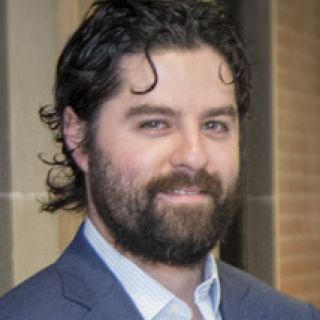 Jefferson Wilson合作论文数Department of Surgery, Temerty Faculty of Medicine, University of Toronto28
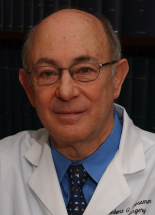 Robert G. Grossman合作论文数Department of Neurosurgery, Methodist Hospital Neurological Institute27
 Vafa Rahimi-Movaghar合作论文数Sina Trauma and Surgery Research Center, Tehran University of Medical Sciences25Santamaria Andrea J合作论文数23
 Elizabeth Toups合作论文数22Armin Curt合作论文数21
 Mark Kotter合作论文数Laboratory for Regenerative Medicine, Division of Neurosurgery, School of Clinical Medicine, University of Cambridge;Université Paris Descartes;bit bio;Meatable;NIHR Brain Injury MedTech Co-operative;Myelopathy.org21
 Christopher Ignatius Shaffrey合作论文数Department of Neurosurgery, School of Medicine, Duke University19
 Charles H. Tator合作论文数TWH-based Canadian Concussion Centre;Department of Surgery, University of Toronto;Neurosurgery, Toronto Western Hospital19
 Tetreault Lindsay A合作论文数Toronto Western Hosp, Univ Hlth Network18
 Benjamin M Davies合作论文数Department of Surgery, University of Cambridge18
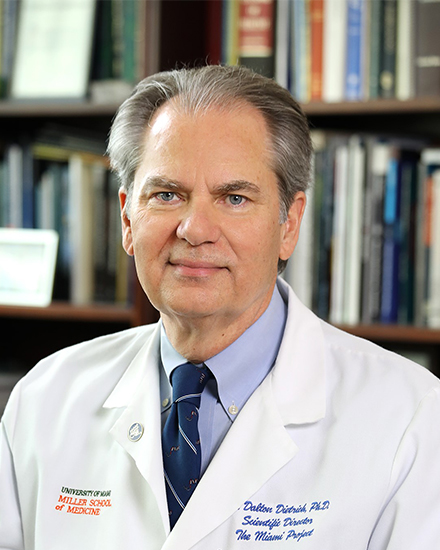 W. Dalton Dietrich合作论文数Department of Neurological Surgery, Miller School of Medicine, University of Miami17
 Chris J Neal合作论文数Department of Neurosurgery, Walter Reed Army Medical Center15
 Sukhvinder Kalsi Ryan合作论文数Rehabilitation Sciences Institute, Temerty Faculty of Medicine, University of Toronto/Department of Physical Therapy, University of Toronto14
 Ugiliweneza Beatrice合作论文数Department of Neurosurgery, University of Louisville13
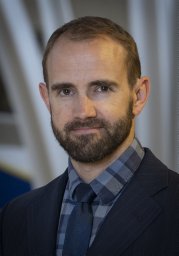 Allan R Martin合作论文数Faculty of Medicine, University of Toronto13
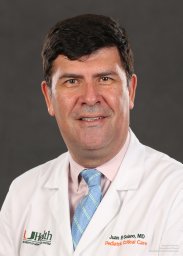 J. Solano合作论文数Centro Brasileiro de Pesquisas F ´ õsicas13Allan D. Levi合作论文数13
 Andrew Blight合作论文数Acorda Therapeutics, Inc.12
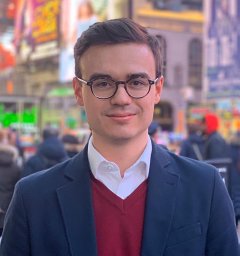 Oliver D. Mowforth合作论文数Addenbrooke's Hospital, University of Cambridge11
 Francisco Benavides合作论文数11
 Aisha Khan合作论文数Department of Biological and Biomedical Sciences;Aga Khan University;Department of Biological and Biomedical Sciences, Aga Khan University11
 Brian Noga合作论文数Departments of Physiology;Faculty of Medicine;University of Manitoba11
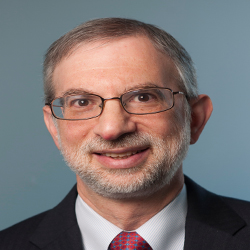 Steven Kirshblum合作论文数Department of Physical Medicine & Rehabilitation, Medical School, Rutgers, The State University of New Jersey11
 Jones Linda合作论文数10Rodrigues-Pinto R合作论文数Department of Orthopaedics, Centro Hospitalar do Porto-Hospital de Santo António10
 Carl Moritz Zipser合作论文数Department of Neurology and Neurophysiology, Balgrist University Hospital10
 James Fawcett合作论文数King's College, University of Cambridge;John van Geest Centre for Brain Repair, University of Cambridge10John D. Steeves合作论文数10
 Iwan Lloyd Sadler合作论文数9
 George Jimsheleishvili合作论文数MILLER School of Medicine, University of Miami;gxj150@med.miami.edu.9
 Timothy F Boerger合作论文数Department of Neurosurgery, Medical College of Wisconsin9Frankowski Ralph F合作论文数9
 Damien D Pearse合作论文数9Lammertse Daniel P合作论文数9
 Stephano Chang合作论文数9Susan J. Harkema合作论文数9Ellen Sarewitz合作论文数8
 Danyal Zaman Khan合作论文数Victor Horsley Dept Neurosurg, Natl Hosp Neurol & Neurosurg8
 Julio Furlan合作论文数Rehabilitation Sciences Institute, Temerty Faculty of Medicine, University of Toronto;Department of Medicine, University of Toronto;Division of Physical Medicine and Rehabilitation, Toronto Rehabilitation Institute - Lyndhurst Centre;KITE Research Institute, University Health Network, University Health Network8
 Ioan Carol Opris合作论文数Dept Physiol & Pharmacol, Wake Forest Univ8
 Nouri Aria合作论文数*Division of Neurosurgery and Spine Program, Toronto Western Hospital;†Toronto Western Research Institute, University Health Network;‡Institute of Medical Science, University of Toronto;§Faculty of Health Sciences, University of Ontario Institute of Technology (UOIT;¶Christchurch Public Hospital;and ‖Burwood Spinal Unit;University of Toronto, University Health Network8
 Mary Bartlett Bunge合作论文数Department of Neurological Surgery, Leonard M. Miller School of Medicine, University of Miami8
 Alexander R. Vaccaro合作论文数Department of Orthopaedic Surgery, Thomas Jefferson University;Sidney Kimmel Medical College, Thomas Jefferson University;Thomas Jefferson University Hospital8




