Dementia care remains supportive and geriatric resources are scarce. We describe a dementia system of care consisting of virtual and e-consults working through the primary care provider, as well as providing virtual group caregiver support. These models were developed based on patient and caregiver preferences and necessitated by the Covid public health emergency. A geriatrician supported dementia consult clinic transitioned to a virtual model of care. A centrally located caregiver support group providing a 4-week curriculum and delivered in conjunction with a social worker similarly transitioned to virtual support. Primary care providers generated consults and were provided educational consultations regarding dementia diagnoses and management in the primary care setting. Between 2018 and 2024, 1176 consultations were provided during this period as the clinic transitioned from in-person to virtual consultation. Recommendation categories included: (1) diagnostic testing, (2) medication recommendations and deprescribing, (3) referral for formal neuropsychological testing, (4) psychiatric referral for behavioral concerns, (5) primary care management and goals of care, (6) safety considerations, (7) home and community-based services, and (8) caregiver support. Providers continue to send new consultations and request follow-up advice on previous consults. A total of 72 family caregivers participated in a virtual 4-class support curriculum. Virtual and e-consult dementia care working through the primary care provider, as well as virtual group caregiver support, are feasible, acceptable and sustainable models of dementia care to efficiently utilize scarce geriatrics resources serving a wide geographic area. A virtual dementia system of care may facilitate PCP delivery of supportive care for persons living with dementia, dementia care navigation, and caregiver support.
INTRODUCTION:There are many myths regarding Alzheimer's disease (AD) that have been circulated on the internet, each exhibiting varying degrees of accuracy, inaccuracy, and misinformation. Large language models, such as ChatGPT, may be a valuable tool to help assess these myths for veracity and inaccuracy; however, they can induce misinformation as well. OBJECTIVE:This study assesses ChatGPT's ability to identify and address AD myths with reliable information. METHODS:We conducted a cross-sectional study of attending geriatric medicine clinicians' evaluation of ChatGPT (GPT 4.0) responses to 16 selected AD myths. We prompted ChatGPT to express its opinion on each myth and implemented a survey using REDCap to determine the degree to which clinicians agreed with the accuracy of each of ChatGPT's explanations. We also collected their explanations of any disagreements with ChatGPT's responses. We used a 5-category Likert-type scale with a score ranging from -2 to 2 to quantify clinicians' agreement in each aspect of the evaluation. RESULTS:The clinicians (n = 10) were generally satisfied with ChatGPT's explanations. Among the 16 myths, the clinicians were generally satisfied with these explanations, with [mean (SD) score of 1.1(±0.3)]. Most clinicians selected "Agree" or "Strongly Agree" for each statement. Some statements obtained a small number of "Disagree" responses. There were no "Strongly Disagree" responses. CONCLUSION:Most surveyed health care professionals acknowledged the potential value of ChatGPT in mitigating AD misinformation; however, the need for more refined and detailed explanations of the disease's mechanisms and treatments was highlighted.
Problem Future physicians will practice medicine in an increasingly complex health care system. To become effective leaders of value-based teams and to practice cost-conscious care, medical students need training in and exposure to value conscious medicine (VCM). Approach A student-led initiative to enhance education in VCM led to the development of the 4-week elective course (High Value Care: In Policy and in Practice) for postclerkship third- and fourth-year students, introduced in 2021 at Vanderbilt University School of Medicine. The course included structured didactics, self-directed online modules, a book club, and flipped-classroom discussions in addition to clinical rotations focused on VCM in practice. Outcomes Students’ self-ratings of their understanding of VCM, preparation to practice value-based care, and comfort incorporating patient and system costs into clinical decisions improved after completing the course. Most indicated they would recommend the course to their peers. Suggestions for improvement included more teach-back sessions with faculty as well as more direction for preceptors to demonstrate specific aspects of VCM. Next Steps The authors share this example of a dedicated medical school VCM course as a step toward achieving the vision of integrating value into clinical decision making and empowering students to become informed and capable future physicians. Other institutions may consider adapting this course example to prepare their students to practice VCM in an increasingly cost-focused system.
Background:There are many myths regarding Alzheimer's disease (AD) that have been circulated on the Internet, each exhibiting varying degrees of accuracy, inaccuracy, and misinformation. Large language models such as ChatGPT, may be a useful tool to help assess these myths for veracity and inaccuracy. However, they can induce misinformation as well. The objective of this study is to assess ChatGPT's ability to identify and address AD myths with reliable information. Methods:We conducted a cross-sectional study of clinicians' evaluation of ChatGPT (GPT 4.0)'s responses to 20 selected AD myths. We prompted ChatGPT to express its opinion on each myth and then requested it to rephrase its explanation using a simplified language that could be more readily understood by individuals with a middle school education. We implemented a survey using Redcap to determine the degree to which clinicians agreed with the accuracy of each ChatGPT's explanation and the degree to which the simplified rewriting was readable and retained the message of the original. We also collected their explanation on any disagreement with ChatGPT's responses. We used five Likert-type scale with a score ranging from -2 to 2 to quantify clinicians' agreement in each aspect of the evaluation. Results:The clinicians (n=11) were generally satisfied with ChatGPT's explanations, with a mean (SD) score of 1.0(±0.3) across the 20 myths. While ChatGPT correctly identified that all the 20 myths were inaccurate, some clinicians disagreed with its explanations on 7 of the myths.Overall, 9 of the 11 professionals either agreed or strongly agreed that ChatGPT has the potential to provide meaningful explanations of certain myths. Conclusions:The majority of surveyed healthcare professionals acknowledged the potential value of ChatGPT in mitigating AD misinformation. However, the need for more refined and detailed explanations of the disease's mechanisms and treatments was highlighted.
Purpose: The COVID-19 pandemic limited access to community fall prevention programs, thus establishing the need for virtual interventions. Herein, we describe the feasibility, effectiveness, and acceptability of a virtual, multicomponent fall prevention program (MOVing FREEly). Methods: A team of clinical falls prevention experts developed a six-week multicomponent fall prevention exercise and education class for older community-dwelling adults at risk of falling. Feasibility was measured through class attendance; effectiveness was measured through changes in performance measures, self-report of falling risk, and concern about falling; acceptability was assessed through questionnaires completed immediately upon program completion and at a three-month follow up. Results: A total of 32 patients participated in the MOVing FREEly program. Attendance for education and exercise classes on average was greater than 80% with little attrition. Patient reported reduced concern of falling, improvement in the falls efficacy scale—international (FES-I) short form, and had statistically significant improvement in 30 s sit-to-stand and single-leg balance tests. The program was well received by participants, saving them significant time and costs of travel. Conclusions: A virtual, multicomponent fall prevention program is feasible and acceptable and effective as reducing falling risk. Future studies can explore the ability of this program to reduce falling incident and injury.
The Veterans Administration has joined the Age-Friendly Health Systems (AFHS) movement as part of its Whole Health initiative to provide safe, high-quality geriatric care using a set of evidence-based practices known as the "4Ms"-What Matters, Medication, Mentation, and Mobility-to provide care across all care settings. Two healthcare centers utilized an automated review of 4Ms care. For non-templated notes in the TVHS GeriPACT clinic over a 30-day period, all the 4Ms health factors (HFs) were addressed in only 1% of patients, and 16% had three HFs, 37% had two HFs, and 71% had one HF addressed. During the pilot of a new templated note and associated dashboard at the RICVAMC, GeriPACT and Home-Based Primary Care (HBPC) addressed all the age-friendly health factors in 41% of patients, while 24% had three health factors, 10% had two health factors, and 13% had one health factor addressed, and 10% were indeterminate by manual review. For both facilities, What Matters Most had the lowest prevalence, representing the most difficult individual health factor to address. The use of a templated note improves the reliable delivery of age-friendly care compared to non-templated notes and facilitates the dashboard display of practice- and provider-specific age-friendly encounter data, which may provide useful QI information to clinicians and health systems.
Many health systems have joined the Age-Friendly Health Systems movement to provide every older adult safe, high-quality care aligned with what matters most. Becoming an Age-Friendly Health System means that hospitals and health care systems reliably use a set of evidence-based practices known as the “4M’s” – What Matters, Medication, Mentation, and Mobility – to provide care for older, disabled and medically complex patients across all care settings. Implementing the Institute for Healthcare Improvement’s (IHI) 4M’s Age-Friendly principles into primary care is challenging because there is no best practice to identify documentation of delivery. Leveraging the electronic health record (EHR) may automate this process. Age-Friendly principles for primary care were discussed at IHI peer coaching webinars, and PDSA cycles employed among clinic staff to define each of the 4M’s for the Vanderbilt Geriatric Practice: 1) Mentation – Mini-COG and PHQ2 extracted from nursing intake, 2) Medication – extracted from medication review, provider reconciliation, 3) Mobility – extracted from activities of daily living (ADL) mobility questions in nursing intake, and 4) What Matters Most – identifying patient portal messages. A dashboard within our EPIC electronic health record (EHR) was built based on these identified fields, allowing clinician drill-down to display more detail as needed. An operational dashboard for an EHR has potential to help inform clinician delivery of 4M’s care in the primary care setting.
Abstract Housing quality is a recognized social determinant of health. Qualitative evidence suggests the ability of older adults to maintain their homes is affected by the domains of financial resources, social environment, and functional abilities, but this conceptualization has not been tested quantitatively. This cross-sectional study examined associations between financial resources (indicated by socioeconomic characteristics: education, racial-status, annual income, financial hardship, Medicaid eligibility), social environment (living arrangement, social integration), and functional abilities (lower extremity performance, self-care disability, independent-living disability, homebound-status, dementia, depression) with deficient housing among 6,489 community-living adults ≥ 65 years participating in the nationally representative 2015 National Health and Aging Trends Study. Sampling weights accounted for study design and non-response. An estimated 9.2% (3.2 million) older Americans lived in housing with ≥1 deficiency (any peeling paint, evidence of pests, flooring in disrepair, broken windows, crumbling foundation, missing siding, or roof problems). In bivariate logistic regressions, factors from all three domains were associated with deficient housing. In a multivariable model that included all variables above and adjusted for age and sex, indicators of financial resources and social environment remained associated with deficient housing (including financial hardship, adjusted odds ratio (aOR)=1.48, 95% confidence interval (CI): 1.10,1.98; and living with non-spousal others versus alone, aOR=1.48; 95% CI:1.09, 2.03), whereas indicators of functional abilities did not. To ensure quality housing for all community-dwelling older adults, efforts that increase financial resources and further examine the role of social environment in deficient housing are needed.
Background: Suboptimal care transitions increases the risk of adverse events resulting from poor care coordination among providers and healthcare facilities. The National Transition of Care Coalition recommends shifting the discharge paradigm from discharge from the hospital, to transfer with continuous management. The patient centered medical home is a promising model, which improves care coordination and may reduce hospital readmissions. Methods: This is a quality improvement report, the geriatric patient-aligned care team (GeriPACT) at Tennessee Valley Healthcare System (TVHS) participated in ongoing quality improvement (Plan, Do, Study, Act (PDSA)) cycles during teamlet meetings. Post home discharge follow-up for GeriPACT patients was provided by proactive telehealth communication by the Registered Nurse (RN) care manager and nurse practitioner. Periodic operations data obtained from the Data and Statistical Services (DSS) coordinator informed the PDSA cycles and teamlet meetings. Results: at baseline (July 2018–June 2019) the 30-day all-cause readmission for GeriPACT was 21%. From July to December 2019, 30-day all-cause readmissions were 13%. From January to June 2020, 30-day all-cause readmissions were 15%. Conclusion: PDSA cycles with sharing of operations data during GeriPACT teamlet meetings and fostering a shared responsibility for managing high-risk patients contributes to improved outcomes in 30-day all-cause readmissions.
This Special Issue on geriatric care models features 18 papers highlighting the evolving nature of healthcare delivery and the leadership and quality enhancement research provided by geriatric care models [...].
BACKGROUND:The United States continues to confront an opioid crisis that also affects older adults. Best practices for prescription opioid management in older adults are challenging to implement in this population. We present our experience with a 1-year management of 48 high-risk older patients who received guideline-based best practices for chronic prescription opioid therapy at a US Department of Veterans Affairs (VA) patient aligned care team (PACT) patient-centered medical home.METHODS:The GeriPACT population at the Nashville Campus of the VA Tennessee Valley Healthcare System has an enrollment of 745 patients of whom 48 (6.5%) receive chronic prescription opioid therapy. The practice is supported by the VA Computerized Patients Record System, including the electronic patient portal, My healtheVet, and telemedicine capabilities. Data were collected by chart review and operations data.RESULTS:The mean (range) age of patients was 70.4 (66-93) years. Many patients had comorbid conditions, such as diabetes mellitus (35%), congestive heart failure (18.6%), and dementia (8.3%). More than half had an estimated glomerular filtration rates (eGFR) < 60 mL/min, indicating at least stage 3 chronic kidney disease, 41.7% used mental health services (41.7%), and 20.8% had a history of opioid use disorder. Most indications for chronic pain were for musculoskeletal pain (95.8%). The mean (range) morphine equivalent daily dose was 37 mg (10-109). More than half had been seen in the emergency department, and 20.8% had been hospitalized in the previous year for an opioid-related hospitalization, and 3% had expired. Over the year, dose reductions of benzodiazepines or narcotics was performed for 12.5% of patients, accidental overdoses occurred in 4.2%, and positive urine drug screens (UDSs) for cocaine and cannabinoid/tetrahydrocannabinol occurred in 10.4%. One patient was terminated from the program for multiple positive UDSs.CONCLUSIONS:Guideline-based patient-centered medical home management of patients with chronic pain who were treated with opioids can be an effective model contributing to the health and well-being of older patients. Complex older patients on chronic opioid treatment are best managed by an interdisciplinary team.
Caregivers of people with Alzheimer’s and related dementias (ADRD) require support. Organizations have pivoted from traditional in-person support groups to virtual care in the face of the COVID-19 pandemic. We describe two model programs and their pragmatic implementation of virtual care platforms for ADRD caregiver support. A mixed methods analysis of quantitative outcomes as well as a thematic analysis from semi-structured interviews of facilitators was performed as part of a pragmatic quality improvement project to enhance delivery of virtual support services for ADRD caregivers. Implementation differed among individual organizations but was well received by facilitators and caregivers. While virtual platforms can present challenges, older adults appreciated the strength of group facilitators and reported enhanced connectedness related to virtual support. Barriers to success include the limitations of virtual programming, including technological issues and distractions from program delivery. Virtual support can extend outreach, addressing access and providing safe care during a pandemic. Implementation differs among organizations; however, some elements of virtual support may be long-lasting.
Circadian (daily) regulation of metabolic pathways implies that food may be metabolized differentially over the daily cycle. To test that hypothesis, we monitored the metabolism of older subjects in a whole-room respiratory chamber over two separate 56-h sessions in a random crossover design. In one session, one of the 3 daily meals was presented as breakfast, whereas in the other session, a nutritionally equivalent meal was presented as a late-evening snack. The duration of the overnight fast was the same for both sessions. Whereas the two sessions did not differ in overall energy expenditure, the respiratory exchange ratio (RER) was different during sleep between the two sessions. Unexpectedly, this difference in RER due to daily meal timing was not due to daily differences in physical activity, sleep disruption, or core body temperature (CBT). Rather, we found that the daily timing of nutrient availability coupled with daily/circadian control of metabolism drives a switch in substrate preference such that the late-evening Snack Session resulted in significantly lower lipid oxidation (LO) compared to the Breakfast Session. Therefore, the timing of meals during the day/night cycle affects how ingested food is oxidized or stored in humans, with important implications for optimal eating habits.
IntroductionDocumentation of advance care planning (ACP) in the electronic health record (EHR) is a quality measure promoted by both the Centers for Medicare and Medicaid Services (CMS) and the Department of Veterans Affairs (VA).There is no best practice model for promotion of ACP in primary care.Clinic prompts reminders from staff, and provision of forms and handouts modestly increase ACP completion.Targeted advance care planning and goals of care discussions for high-risk high-need older patients may help promote ACP in primary care. MethodsHigh-risk, high-need geriatric patients were identified by the clinical assessment of need (CAN) risk calculator for a telehealth intervention by an advanced practice nurse trained in palliative care and embedded in the geriatric patient-aligned care team (Geri-PACT) and provided telehealth outreach for ACP and goals of care discussions.
Background: Narratives encompass written reflection experiences and hold the potential to display valuable insights into trainees’ thinking. We analyzed narratives from graduate students trained in aging themes, who then interviewed older hospitalized adults (senior partners) about their life experiences. Methods: Three Discovery Fellows trained on open-ended interviewing, empathy, and aging themes performed semi-structured interviews. Senior partners were hospitalized older veterans. After the interviews, narratives were composed and uploaded to a secure site. Qualitative analysis was performed, and a file management system stored identified codes and associated quotes supported by the coding category. The coded data were then used to summarize the quotes and identify significant themes extracted from the data. A total of 774 codes were used to describe the themes present in 582 quotes. Results: Senior partners comprised 17 patients with a mean age of 66.9 years (range 51–85) with multiple comorbidities. A conceptual framework from the narrative themes emerged with 5 groupings: 1) personal experience, 2) important people, 3) self-reflection, 4) medical condition, 5) health maintenance. Conclusion: Senior partners provided unique responses with reflections based on their life experiences. Trainees given guidance on aging concerns develop narratives which express insight regarding aging themes, including: empathy, self-reflection, and positive intergenerational attitudes.
I am delighted to edit this Special Issue of Geriatrics focusing on Geriatric Care Models. [...].
 Ralf Habermann合作论文数7
 Susan Nicole Hastings合作论文数Department of Population Health Sciences, Duke University School of Medicine6
 Ula Hwang合作论文数Department of Emergency Medicine, Yale University6
 Buchowski Maciej S合作论文数Dept Med, Div Gastroenterol Hepatol & Nutr, Vanderbilt Univ6
 William Hung合作论文数Brookdale Department of Geriatrics and Palliative Medicine, Icahn School of Medicine at Mount Sinai;Institute for Care Innovations at Home, Icahn School of Medicine at Mount Sinai6Stevens Melissa B合作论文数6
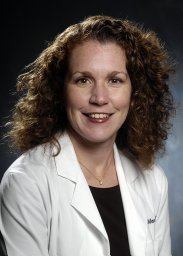 Alayne D. Markland合作论文数Birmingham6
 Camille P Vaughan合作论文数6Vandenberg Ann E合作论文数5
 John F. Schnelle合作论文数Vanderbilt University School of Medicine;Center for Quality Aging, Vanderbilt University Medical Center5Shana Rhodes合作论文数4Bryan William E合作论文数4
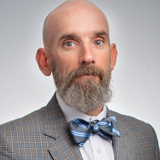 Gerald McGwin合作论文数Department of Ophthalmology and Visual Sciences, Heersink School of Medicine, University of Alabama at Birmingham4Anderson Spickard合作论文数4
 Joshua Denny合作论文数National Human Genome Research Institute, National Institutes of Health4C Simbaqueba合作论文数3Nkechi Azubike合作论文数3Lovely Abraham合作论文数3
 E. Wesley Ely合作论文数Vanderbilt Memory and Alzheimer's Center, Vanderbilt University Medical Center;Center for Critical Illness, Brain Dysfunction, and Survivorship, Division of Allergy, Pulmonary and Critical Care Medicine, Vanderbilt University Medical Center3Echt Katharina V合作论文数Winship Canc Inst, Emory Univ3
 Carolyn Clevenger合作论文数3Choi Leena合作论文数Dept Biostat, Vanderbilt Univ Sch Med3
 Sunil Kripalani合作论文数Center for Clinical Quality and Implementation Research, Vanderbilt University Medical Center/Center for Health Services Research, Vanderbilt University Medical Center3
 Amanda Mixon合作论文数3Smith Carolyn K合作论文数3
 Javed Butler合作论文数Baylor Scott and White Research Institute;Baylor Scott and White Health;Department of Medicine, University of Mississippi Medical Center3Asma Khalid合作论文数3Debbie Harrell合作论文数3Sandra F. Simmons合作论文数UCLA Department of Medicine, Division of Geriatrics, Los Angeles, CA3
 Josh F. Peterson合作论文数Department of Biomedical Informatics, Vanderbilt University Medical Center;Center for Precision Medicine, Vanderbilt University Medical Center3
 Ayumi Shintani合作论文数Osaka City University3G Khadim合作论文数2Qingyuan Song合作论文数2Jennifer Buckner合作论文数2Lauren Whitaker合作论文数2Maria C. Duggan合作论文数2Vania Leung合作论文数2William Ho合作论文数2
 Nitin Gupta合作论文数2Molly Cahall合作论文数2Noor Fattouh合作论文数2
 Michelle Moseley合作论文数2
 Kong Y. Chen合作论文数Santa Barbara2
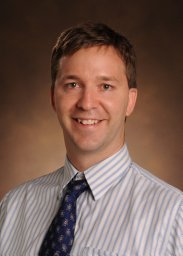 Vasilevskis Eduard E合作论文数Div Gen Internal Med & Publ Hlth, Vanderbilt Univ2
 Amy Graves合作论文数Dept Urol Surg, Vanderbilt Univ2Harvey J. Murff合作论文数2
 Kimberly J Beiting合作论文数University of Illinois at Chicago College of Medicine2Rosenstiel Donna合作论文数2Porier Renee合作论文数2




