Chocolate, derived from Theobroma cacao beans, is valued for its antioxidative benefits. However, little is known about cacao-derived peptides that counter oxidative stress. Ginsentides found in Panax ginseng are cysteine-rich peptides that exhibit the "cure-all" health benefits of ginseng by coordinating multiple physiological systems to reduce cellular stress and damage. Here, we report the discovery and characterization of ginsentide-like peptides from T. cacao beans and chocolate. By combining database searches, isolation, and mass spectrometry analysis, we identified a panel of 33-residue ginsentide-like peptides, termed cocotides tC1-tC12, which are also rich in methionine. We isolated, purified, sequenced, and chemically replicated cocotide tC1 for detailed characterization. We showed that the highly compact tC1 is resistant to proteolytic degradation, and its fluoresence-labeled form shows cell-penetrating property. Modeling by AlphaFold3 revealed that cocotide tC1 and ginsentide share a similar structural fold, but tC1 contains a metal-ion-binding site composed of Met and Asn. We used N-terminal biotinylated tC1 and affinity-enrichment mass spectrometry to identify ferrochelatase as one of its intracellular targets. Functional studies demonstrated that cocotide tC1 is a Fe3+-binding peptide and a strong antioxidant. Tandem-mass-tag-based quantitative proteomics analysis showed that cocotide tC1 affects proteins associated with mitochondrial functions, oxidative stress, cell proliferation and repair, protein ubiquitination, and DNA damage in HaCaT keratinocytes. Altogether, our findings indicate that cocotides are ginsentide-like peptides with the potential to maintain cellular homeostasis and protect against oxidative damage in skin keratinocytes.
(1) Background: Doxorubicin (DOX) is a frontline chemotherapeutic, but its side-effects from oxidative stress, leading to cardiotoxicity, pose significant challenges to its clinical use. We recently discovered a novel family of proteolysis-resistant, cystine-dense, and cell-penetrating microproteins from Panax ginseng that we term ginsentides. Ginsentides, such as the 31-residue TP1, coordinate multiple biological systems to prevent vascular dysfunction and endoplasmic reticulum stress induced by internal and external stressors. (2) Methods: We assessed the protective effects of ginsentide TP1 on DOX-induced cardiotoxicity using both in vitro functional studies on H9c2 cardiomyocytes and in vivo animal models by zebrafish and ICR mouse models. In these models, we examined oxidative stress, apoptosis, intracellular calcium levels, mitochondrial function, inflammatory responses, and cardiac function. (3) Results: We show that ginsentide TP1 protects against DOX-induced cytotoxicity in the mitochondria-rich H9c2 cardiomyocytes and reduces myocardial injury in zebrafish and mice by mitigating oxidative stress, inflammation, calcium, and mitochondrial dysfunction, as well as apoptosis-mediated cell death. Importantly, TP1 preserves cellular homeostasis without compromising the anticancer potency of DOX in breast cancer cells. (4) Conclusions: our findings highlight a specific antioxidative function of ginsentide TP1 in managing DOX-induced cardiotoxicity during cancer treatment and provide a promising lead for developing cardioprotective peptides and microproteins against oxidative stress.
Disulfides in peptides and proteins are essential for maintaining a properly folded structure. Their oxidative folding is invariably performed in an aqueous-buffered solution. However, this process is often slow and can lead to misfolded products. Here, we report a novel concept and strategy that is bio-inspired to mimic protein disulfide isomerase (PDI) by accelerating disulfide exchange rates many thousand-fold. The proposed strategy termed organic oxidative folding is performed under organic solvents to yield correctly folded cysteine-rich microproteins instantaneously without observable misfolded or dead-end products. Compared to conventional aqueous oxidative folding strategies, enormously large rate accelerations up to 113,200-fold were observed. The feasibility and generality of the organic oxidative folding strategy was successfully demonstrated on 15 cysteine-rich microproteins of different hydrophobicity, lengths (14 to 58 residues), and numbers of disulfides (2 to 5 disulfides), producing the native products in a second and in high yield.
Stress and illness connection is complex and involves multiple physiological systems. Panax ginsengs, reputed for their broad-spectrum "cure-all" effect, are widely prescribed to treat stress and related illnesses. However, the identity of ginseng's "cure-all" medicinal compounds that relieve stress remains unresolved. Here, we identify ginsentides as the principal bioactives that coordinate multiple systems to restore homeostasis in response to stress. Ginsentides are disulfide-rich, cell-penetrating and proteolytic-stable microproteins. Using affinity-enrichment mass spectrometry target identification together with in vitro, ex vivo and in vivo validations, we show that highly purified or synthetic ginsentides promote vasorelaxation by producing nitric oxide through endothelial cells via intracellular PI3K/Akt signaling pathway, alleviate α1-adrenergic receptor overactivity by reversing phenylephrine-induced constriction of aorta, decrease monocyte adhesion to endothelial cells via CD166/ESAM/CD40 and inhibit P2Y12 receptors to reduce platelet aggregation. Orally administered ginsentides were effective in animal models to reduce ADP-induced platelet aggregation, to prevent collagen and adrenaline-induced pulmonary thrombosis as well as anti-stress behavior of tail suspension and forced swimming tests in mice. Together, these results strongly suggest that ginsentides are the principal panacea compounds of ginsengs because of their ability to target multiple extra- and intra-cellular proteins to reverse stress-induced damages.
Enzymatic peptide ligation holds great promise in the study of protein functions and development of protein therapeutics. Owing to their high catalytic efficiency and a minimal tripeptide recognition motif, peptidyl asparaginyl ligases (PALs) are particularly useful tools for bioconjugation. However, as an inherent limitation of transpeptidases, PAL-mediated ligation is reversible, requiring a large excess of one of the ligation partners to shift the reaction equilibrium in the forward direction. Herein, we report a method to make PAL-mediated intermolecular ligation irreversible by coupling it to glutaminyl cyclase (QC)-catalyzed pyroglutamyl formation. In this method, the acyl donor substrate of PALs is designed to have glutamine at the P1' position of the Asn-P1'-P2' tripeptide PAL recognition motif. Upon ligation with an acyl acceptor substrate, the acyl donor substrate releases a leaving group in which the exposed N-terminal glutamine is cyclized by QC, quenching the Gln Nα-amine in a lactam. Using this method, PAL-mediated ligation can achieve near-quantitative yields even at an equal molar ratio between the two ligation partners. We have demonstrated this method for a wide range of applications, including protein-to-protein ligations. We anticipate that this cascade enzymatic reaction scheme will make PAL enzymes well suited for numerous new uses in biotechnology.
Dendrimeric and branched peptides are polypeptides formed by diverse types of scaffolds to give them different forms. Previously, we reported a cascade-type, Lys-scaffolded antimicrobial peptide dendrimer D4R tethered with four RLYR tetrapeptides. Antimicrobial D4R is broad-spectrum, salt insensitive, and as potent as the natural-occurring tachyplesins, displaying minimum inhibitory concentrations (MIC) < 1 μM. However, the relationships between scaffolds and antimicrobial potency remain undefined. Here, we report the design of four novel types of peptide antimicrobials whose scaffolded backbones are lysine (Lys), iso-Lys, ornithine (Orn), or iso-Orn tethered with RLYR on their α- or sidechain-amines to give ε-, δ-, and their α-branched peptides. When assayed against ten microorganisms, the Lys-scaffolded α- and ε-branched peptides are broadly active, salt insensitive, and as potent as D4R and tachyplesins, whereas the corresponding Orn-scaffolded α- and δ-branched peptides are salt sensitive and much less potent, displaying MICs ranging from 1 to >500 μM. Structure-activity relationship studies suggested that Lys-scaffolds, but not Orn-scaffolds, can support a reverse turn to organize RLYR tetrapeptides as parallel β-strands to form an amphipathic structure with Leu-Tyr as a hydrophobic core. Together, these results provide a structural approach for designing potent and salt-insensitive dendrimeric or branched peptide antimicrobials.
Peptide asparaginyl ligases (PALs) are useful tools for precision modifications of proteins and live-cell surfaces by ligating peptides after Asn/Asp (Asx). They share high sequence and structural similarity to plant legumains that are generally known as asparaginyl endopeptidases (AEPs), thus making it challenging to identify PALs from AEPs. In this study, we investigate 875 plant species from algae to seed plants with available sequence data in public databases to identify new PALs.We conducted evolutionary trace analysis on 1500 plant legumains, including eight known PALs, to identify key residues that could differentiate ligases and proteases, followed by recombinant expression and functional validation of 16 novel legumains.Previously, we showed that the substrate-binding sequences flanking the catalytic site can strongly influence the enzymatic direction of a legumain and which we named as ligase-activity determinants (LADs). Here, we show that two conserved substrate-binding Gly residues of LADs are critical, but negative determinants for ligase activity.Our results suggest that specific glycine residues are molecular determinants to identify PALs and AEPs as two different legumain subfamilies, accounting for c. 1% and 88%, respectively.
Ginseng has been known as a “cure-all” traditional medicine to treat various illnesses and as an adaptogen to relieve stress. However, the known active compounds of ginseng are small-molecule metabolites. Here we report ginsentides, which are disulfide-dense, super-stable and cell-penetrating peptides with 31–33 amino acids, as active compounds and adaptogens that restore homeostasis in response to stress. Using mass spectrometry-based target identification and functional studies, we show that ginsentides promote vasorelaxation by producing nitric oxide through endothelial cells via the PI3K/Akt signaling pathway. Ginsentides were also found to alleviate α1-adrenergic receptor overactivity by reversing phenylephrine-induced constriction of the aorta, decrease monocyte adhesion to endothelial cells via CD166/ESAM/CD40, inhibit P2Y12 receptors, reduce platelet aggregation, and thrombus formation in the lung. Orally administered ginsentides were effective in anti-stress behavior using animal models of tail suspension and forced swimming tests. Together, these results suggest that ginsentides interact with multiple systems to restore homeostasis by reversing stress-induced physiological changes and provide new insights into the panacea medicinal effects of ginseng.
Plant legumains are Asn/Asp-specific endopeptidases that have diverse functions in plants. Peptide asparaginyl ligases (PALs) are a special legumain subtype that primarily catalyze peptide bond formation rather than hydrolysis. PALs are versatile protein engineering tools but are rarely found in nature. To overcome this limitation, here we describe a two-step method to design and engineer a high-yield and efficient recombinant PAL based on commonly found asparaginyl endopeptidases. We first constructed a consensus sequence derived from 1500 plant legumains to design the evolutionarily stable legumain conLEG that could be produced in E. coli with 20-fold higher yield relative to that for natural legumains. We then applied the ligase-activity determinant hypothesis to exploit conserved residues in PAL substrate-binding pockets and convert conLEG into conPAL1-3. Functional studies showed that conLEG is primarily a hydrolase, whereas conPALs are ligases. Importantly, conPAL3 is a superefficient and broadly active PAL for protein cyclization and ligation.
Flavonoids such as baohuoside I and icaritin are the major active compounds in Epimedii Folium (EF) and possess excellent therapeutic effects on various diseases. Encouragingly, in 2022, icaritin soft capsules were approved to reach the market for the treatment of hepatocellular carcinoma (HCC) by National Medical Products Administration (NMPA) of China. Moreover, recent studies demonstrate that icaritin can serve as immune-modulating agent to exert anti-tumor effects. Nonetheless, both production efficiency and clinical applications of epimedium flavonoids have been restrained because of their low content, poor bioavailability, and unfavorable in vivo delivery efficiency. Recently, various strategies, including enzyme engineering and nanotechnology, have been developed to increase productivity and activity, improve delivery efficiency, and enhance therapeutic effects of epimedium flavonoids. In this review, the structure-activity relationship of epimedium flavonoids is described. Then, enzymatic engineering strategies for increasing the productivity of highly active baohuoside I and icaritin are discussed. The nanomedicines for overcoming in vivo delivery barriers and improving therapeutic effects of various diseases are summarized. Finally, the challenges and an outlook on clinical translation of epimedium flavonoids are proposed.
Insulin-resistant diabetes is a common metabolic disease with serious complications. Treatments directly addressing the underlying molecular mechanisms involving insulin resistance would be desirable. Our laboratory recently identified a proteolytic-resistant cystine-dense microprotein from huáng qí ( Astragalus membranaceus ) called α-astratide aM1, which shares high sequence homology to leginsulins. Here we show that aM1 is a cell-penetrating insulin mimetic, enters cells by endocytosis, and activates the PI3K/Akt signaling pathway independent of the insulin receptor leading to translocation of glucose transporter GLUT4 to the cell surface to promote glucose uptake. We also showed that aM1 alters gene expression, suppresses lipid synthesis and uptake, and inhibits intracellular lipid accumulation in myotubes and adipocytes. By reducing intracellular lipid accumulation and preventing lipid-induced, PKCθ-mediated degradation of IRS1/2, aM1 restores glucose uptake to overcome insulin resistance. These findings highlight the potential of aM1 as a lead for developing orally bioavailable insulin mimetics to expand options for treating diabetes.
Hypoxia-induced vascular endothelial dysfunction (VED) is a significant contributor to several severe human diseases, including heart disease, stroke, dementia, and cancer. However, current treatment options for VED are limited due to the lack of understanding of the underlying disease mechanisms and therapeutic leads. We recently discovered a heat-stable microprotein in ginseng, called ginsentide TP1, that has been shown to reduce vascular dysfunction in cardiovascular disease models. In this study, we use a combination of functional assays and quantitative pulsed SILAC proteomics to identify new proteins synthesized in hypoxia and to show that ginsentide TP1 provides protection for human endothelial cells against hypoxia and ER stress. Consistent with the reported findings, we also found that hypoxia activates various pathways related to endothelium activation and monocyte adhesion, which in turn, impairs nitric oxide (NO) synthase activity, reduces the bioavailability of NO, and increases the production of reactive oxygen species that contribute to VED. Additionally, hypoxia triggers endoplasmic reticulum stress and initiates apoptotic signaling pathways associated with cardiovascular pathology. Treatment with ginsentide TP1 reduced surface adhesion molecule expression, prevented activation of the endothelium and leukocyte adhesion, restored protein hemostasis, and reduced ER stress to protect against hypoxia-induced cell death. Ginsentide TP1 also restored NO signaling and bioavailability, reduced oxidative stress, and protected endothelial cells from endothelium dysfunction. In conclusion, this study shows that the molecular pathogenesis of VED induced by hypoxia can be mitigated by treatment with ginsentide TP1, which could be one of the key bioactive compounds responsible for the "cure-all" effect of ginseng. This research may lead to the development of new therapies for cardiovascular disorders.
Plants accumulate a vast array of secondary metabolites, which constitute a natural resource for pharmaceuticals. Oldenlandia corymbosa belongs to the Rubiaceae family, and has been used in traditional medicine to treat different diseases, including cancer. However, the active metabolites of the plant, their biosynthetic pathway and mode of action in cancer are unknown. To fill these gaps, we exposed this plant to eight different stress conditions and combined different omics data capturing gene expression, metabolic profiles, and anti-cancer activity. Our results show that O. corymbosa extracts are active against breast cancer cell lines and that ursolic acid is responsible for this activity. Moreover, we assembled a high-quality genome and uncovered two genes involved in the biosynthesis of ursolic acid. Finally, we also revealed that ursolic acid causes mitotic catastrophe in cancer cells and identified three high-confidence protein binding targets by Cellular Thermal Shift Assay (CETSA) and reverse docking. Altogether, these results constitute a valuable resource to further characterize the biosynthesis of active metabolites in the Oldenlandia group, while the mode of action of ursolic acid will allow us to further develop this valuable compound.
Coffee processing generates a huge amount of waste that contains many natural products. Here, we report the discovery of a panel of novel cell-penetrating and metal ion-binding microproteins designated coffeetide cC1a–c and cL1–6 from the husk of two popular coffee plants, Coffea canephora and Coffea liberica, respectively. Combining sequence determination and a database search, we show that the prototypic coffeetide cC1a is a 37-residue, eight-cysteine microprotein with a hevein-like cysteine motif, but without a chitin-binding domain. NMR determination of cC1a reveals a compact structure that confers its resistance to heat and proteolytic degradation. Disulfide mapping together with chemical synthesis reveals that cC1a has a ginsentide-like, and not a hevein-like, disulfide connectivity. In addition, transcriptomic analysis showed that the 98-residue micrcoproten-like coffeetide precursor contains a three-domain arrangement, like ginsentide precursors. Molecular modeling, together with experimental validation, revealed a Mg2+ and Fe3+ binding pocket at the N-terminus formed by three glutamic acids. Importantly, cC1a is amphipathic with a continuous stretch of 19 apolar amino acids, which enables its cell penetration to target intracellular proteins, despite being highly negatively charged. Our findings suggest that coffee by-products could provide a source of ginsentide-like bioactive peptides that have the potential to target intracellular proteins.
Peptidyl Asx-specific ligases (PALs) effect peptide ligation by catalyzing transpeptidation reactions at Asn/Asp-peptide bonds. Owing to their high efficiency and mild aqueous reaction conditions, these ligases have emerged as powerful biotechnological tools for protein manipulation in recent years. PALs are enzymes of the asparaginyl endopeptidase (AEP) superfamily but have predominant transpeptidase activity as opposed to typical AEPs which are predominantly hydrolases. Butelase-1 and VyPAL2, two PALs discovered by our teams, have been used successfully in a wide range of applications, including macrocyclization of synthetic peptides and recombinant proteins, protein N- or C-terminal modification, and cell-surface labeling. As shown in numerous reports, PAL-mediated ligation is highly efficient at Asn junctions. Although considerably less efficient, Asp-specific ligation has also been shown to be practically useful under suitable conditions. Herein, we describe the methods of using VyPAL2 for protein macrocyclization and labeling at an Asp residue as well as for protein dual labeling through orthogonal Asp- and Asn-directed ligations. We also describe a method for cell-surface protein modification using butelase-1, demonstrating its advantageous features over previous methods.
The alpha-helix is a common structure motif found in proteins but rare in peptides, particularly as a single helix. Peptide stapling is a synthetic strategy to constrain the helical conformation of a short peptide, generally through covalent linkage of their side chains. They are also known to be cell-penetrating and capable of inhibiting intracellular protein-protein interactions. However, naturally-occurring stapled peptides are rare. Previously, we discovered lybatides which contain a single helix stapled by cystine. Moreover, lybatides form a new family of cysteine-rich peptides with novel disulfide connectivity. Here, we report the identification and characterization of a new member of cystine-stapled helical peptide, wisotide (wS1) from Withania somniferawhich is commonly known as Indian ginseng. Sequencing by mass spectrometry showed that wS1, with eight cysteine, contains 31 amino acids. Structural determination by NMR showed that wS1 displays the lybatide-like disulfide connectivities to support an α-helix. Similar to lybatides, the highly disulfide-braced wS1 is resistant to degradation by high temperature, low pH, and proteolysis. Importantly, the anionic cystine-stapled wS1 is cell-penetrating. Database mining further revealed that >50 lybatide-like sequences are found in plants. Taken together, wisotide wS1 and the cystine-stapled peptides could represent useful leads of peptide biologics to probe intracellular protein-protein interactions.
 Chuan Fa Liu合作论文数School of Biological Sciences, College of Science, Nanyang Technological University41
 Xinya Hemu合作论文数Sch Biol Sci, Nanyang Technol Univ31
 Newman Sze合作论文数School of Biological Sciences, College of Science, Nanyang Technological University;Department of Health Sciences, Faculty of Applied Health Sciences, Brock University30
 Nguyen Giang K T合作论文数27
 Shining Loo合作论文数Sch Biol Sci, Nanyang Technol Univ26Antony Kam合作论文数Faculty of Pharmacy, University of Sydney26
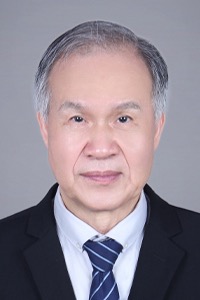 Dingxiang Liu (刘定祥)合作论文数Integrative Microbiology Research Centre, College of Plant Protection, South China Agricultural University19
 Aida Serra合作论文数Department of Food Technology, Universitat de Lleida18
 Xiaohong Zhang (张晓宏)合作论文数Ningbo University School of Medicine17
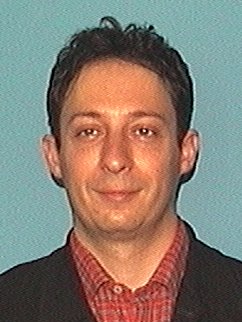 Julien Lescar合作论文数School of Biological Sciences, Nanyang Technological University;Nanyang Institute of Structural Biology, Nanyang Technological University16Ya Lu合作论文数14qitao yu合作论文数12Side Hu合作论文数12
 Ka Ho Wong合作论文数12
 Huan Yang合作论文数12
 Robert Bruce Merrifield合作论文数Rockefeller University11yian lu合作论文数11Khee Dong Eom合作论文数10jinlong yang合作论文数10
 Yuping Shen (沈玉萍)合作论文数10
 Bamaprasad Dutta合作论文数School of Biological Sciences, Nanyang Technological University10To Janet合作论文数10Kristen Sadler合作论文数Cooperative Research Centre for Vaccine Technology, University of Melbourne10Qiu Yibo合作论文数School of Biological Sciences, Nanyang Technological University9
 Lars Nordenskiöld合作论文数School of Biological Sciences, College of Science, Nanyang Technological University9Chang Rao合作论文数9Dingpeng Zhang合作论文数8Wei Liang Tan合作论文数Sch Biol Sci, Nanyang Technol Univ8Shujing Wang合作论文数8Jung Eun Park合作论文数8Zhen Wang合作论文数7
 Xiaobin Jia (贾晓斌)合作论文数School of Traditional Chinese Materia Medica, China Pharmaceutical University7
 Jiayi Huang合作论文数Singapore-MIT Alliance for Research & Technology Centre7Lianshan Zhang合作论文数7
 Daniel H. Rich合作论文数School of Pharmacy, Pharmaceutical Sciences Division, University of Wisconsin-Madison7
 Sai-Kiang Lim合作论文数Institute of Molecular and Cell Biology, Agency for Science, Technology and Research7Ying Liao (廖瑛)合作论文数6Ngan Thi Kim Nguyen合作论文数6William V. Sweeney合作论文数6
 Tianshu Xiao合作论文数Boston Childrens Hosp, Div Mol Med, Boston, MA 02115 USA6
 Sen Zhang (张森)合作论文数Institute of Materia Medica, Chinese Academy of Medical Sciences & Peking Union Medical College6P. MATHIAPARANAM合作论文数5B Nardelli合作论文数5P Clavijo合作论文数5
 Fidel P. Zavala合作论文数Department of Molecular Microbiology and Immunology, Bloomberg School of Public Health, Johns Hopkins University5
 Daiwen Yang合作论文数Department of Biological Sciences, Faculty of Science, National University of Singapore5
 Clarence Tsun-ting Wong (王搢珽)合作论文数Department of Applied Biology and Chemical Technology, Faculty of Science, The Hong Kong Polytechnic University5
 Gallart-Palau Xavier合作论文数School of Biological Sciences, Nanyang Technological University5Nguyen Phuong Quoc Thuc合作论文数5




