BACKGROUND:Displaced medial epicondyle fractures are among the most controversial injuries in children, with increasing trends towards surgical fixation despite little supporting evidence. Approximately half of affected children undergo surgical fixation, while others receive non-surgical care. The SCIENCE trial aimed to determine whether surgical fixation to restore the position of the bone provides superior functional outcomes and is cost-effective compared with non-surgical care. METHODS:We conducted a pragmatic multicentre, randomised, superiority trial across 59 hospitals in the UK, Australia, and New Zealand. Recruiting sites were secondary or tertiary care hospitals providing acute paediatric trauma care. Eligible participants were aged 7-15 years with a displaced medial epicondyle fracture and patients were excluded if the injury occurred more than 2 weeks prior, they had a medial epicondyle fragment that was incarcerated (trapped) within the joint, the injury was part of a complex elbow fracture (ie, extending into the joint), or there were additional fractured bones outside of the elbow. Participants were randomly assigned (1:1) to either surgical fixation or non-surgical care using a web-based randomisation software from Oxford Clinical Trials Research Unit, with minimisation (including a random element) stratified by centre and elbow dislocation status at presentation. Participants and their parents and carers could not be masked to treatment. Surgical fixation was performed under general anaesthesia and involved a surgical incision, restoration of the anatomical alignment, and fixing the fragment, typically with a screw or wires. Non-surgical care involved immobilisation of the elbow at approximately 90° of flexion using a cast, splint, or sling. Both groups were allowed mobilisation as pain allowed, although cast immobilisation beyond 4 weeks was discouraged. The primary outcome was upper limb function at 12 months, measured using the Patient Report Outcomes Measurement System (PROMIS) Upper Extremity Score for Children in the intention-to-treat population, which included all participants in the groups to which they were randomly assigned, irrespective of treatment received. Complications and serious adverse events were summarised in a safety (as-treated) population defined by treatment received. A within-trial economic evaluation was undertaken from the perspective of the UK National Health Service and Personal Social Services over a 12-month time period. The trial was registered with ISRCTN, ISRCTN16619778; recruitment is complete and extended follow-up to age 16 years is ongoing. FINDINGS:Between June 10, 2019, and Sept 22, 2023, 647 patients from 59 sites met the inclusion criteria. 146 patients were excluded (64 due to the injury being more than 2 weeks old and 24 because the epicondyle fragment was incarcerated within the joint), 161 families of children meeting the eligibility criteria declined to participate, and for five patients there was no clinician equipoise. 335 participants were randomly assigned to an intervention (166 to the non-surgical care group and 168 to the surgical fixation group) and one was immediately excluded due to a randomisation error. Primary outcome data were collected from 285 (85%) participants. 170 (51%) participants were female and 164 (49%) were male. Mean participant age at baseline was 11·7 years (SD 2·3). At 12 months post-randomisation, the PROMIS Upper Extremity score was 53·1 (SD 7·8) in the non-surgical care group and 54·3 (5·7) in the surgical fixation group (mean treatment difference, 1·57 [95% CI -0·01 to 3·14; p=0·052]). This estimate of treatment effect was below the clinically important difference specified (4 points), supporting the conclusion that a clinically important effect is unlikely. Additional episodes of surgery, either planned or related to complications, occurred in 24 participants in the surgical group and three in the non-surgical group. Among the 150 participants who underwent surgical fixation, there were 14 intraoperative complications from 13 (9%) participants, and seven participants had a postoperative complication (5% participants) each requiring surgery. Routine screw or wire removal was undertaken in a further 17 (11%) participants. From the 184 participants in the non-surgical group, there were five complications among four (2%) participants, three (2%) of which required additional surgery. The mean per patient cost from the NHS and Personal Social Services perspective was £2435 (95% CI 1812 to 3057) more for participants in the surgical fixation group with a mean per patient quality-adjusted life year difference of -0·008 (95% CI -0·039 to 0·024). The probability that surgical fixation is cost-effective at the £20 000 or £30 000 per quality-adjusted life year willingness-to-pay threshold was 0%. INTERPRETATION:The SCIENCE trial demonstrates that surgical fixation offers no clinical benefit and is not cost-effective compared with non-surgical care, while exposing children to avoidable surgical risks. These findings suggest that non-surgical care should be adopted as the default management strategy for these injuries, regardless of initial elbow dislocation status. FUNDING:National Institute for Health and Care Research (NIHR) Health Technology Assessment programme (17/18/02), with additional support from the NIHR Academy, Oxford NIHR Biomedical Research Centre, and the Starship Foundation (New Zealand).
Aims:The aim of this study was to identify the number of ambulant children with cerebral palsy (CP) who are eligible for single-event multilevel surgery (SEMLS) in the UK, to explore regional variations in care and estimate the outcomes over a two-year period. Methods:This was a prospective, comprehensive cohort study, to evaluate current surgical practice in ambulant patients with bilateral CP. The case mix, intervention variables, and clinical outcomes, including patient-based outcomes, were recorded in a consented sub-group. Data from children who did not undergo surgery within the time of the study were used for comparison. Results:A total of 203 children were enrolled, over a period of 52 months. There were 138 males and 65 females, with a mean age of 12.6 years (5.4 to 18.1). A total of 188 children met the inclusion criteria. At the time of enrolment, the surgical and non-surgical groups had similar clinical characteristics. Of the 139 children who underwent SEMLS, the mean was 5.3 procedures (2 to 12) per patient. There was considerable variation in the procedures undertaken at the different sites. Outcome measures were available in a subgroup of children. Complications were recorded in 25 children (18%). At two years following SEMLS, the Gait Profile Score improved beyond the minimal clinically important difference, as did the parental perception of motor function (Gait Outcomes Assessment List questionnaire). There was some indication of improvement in motor function (Functional Mobility Scale). While the non-surgical group was small, there was a general decline in gait over the same period in this group. Conclusion:National data illustrating the practice of SEMLS across the UK, which is useful for clinicians to inform discussions with patients, were collected in this study. While the natural history of these children is of gradual functional decline, there was a clear signal of the effectiveness of SEMLS. Consensus to standardize clinical practice is needed, as are further studies to assess the outcomes accurately.
Background:Uptake of virtual care increased substantially during the first year of the COVID-19 pandemic. The aim of this study was to evaluate whether a shift from in-person to virtual visits by primary care physicians was associated with increased use of emergency departments among their enrolled patients. Methods:We conducted an observational study of monthly virtual visits and emergency department visits from Apr. 1, 2020, to Mar. 31, 2021, using administrative data from Ontario, Canada. We used multivariable regression analysis to estimate the association between the proportion of a physician's visits that were delivered virtually and the number of emergency department visits among their enrolled patients. Results:The proportion of virtual visits was higher among female, younger and urban physicians, and the number of emergency department visits was lower among patients of female and urban physicians. In an unadjusted analysis, a 1% increase in a physician's proportion of virtual visits was found to be associated with 11.0 (95% confidence interval [CI] 10.1-11.8) fewer emergency department visits per 1000 rostered patients. After controlling for covariates, we observed no statistically significant change in emergency department visits per 1% increase in the proportion of virtual visits (0.2, 95% CI -0.5 to 0.9). Interpretation:We did not find evidence that patients substituted emergency department visits in the context of decreased availability of in-person care with their family physician during the first year of the COVID-19 pandemic. Future research should focus on the long-term impact of virtual care on access and quality of patient care.
Background Adopted in 2015, the sustainable development goals (SDGs) have set specific targets (SDG 3.2) for countries to reduce their neonatal mortality rate (NMR) to below 12 deaths per 1000 live births and under 5 mortality rate (U5MR) to below 25 deaths per 1000 live births by 2030. For Pakistan to achieve these targets, there is a need to measure these rates and understand the predictors of child mortality at sub-national level. Launched in 2016, the Umeed-e-Nau (UeN) or New Hope project is based on scaling up proven and effective Maternal and Newborn Child Health (MNCH) interventions in 8 of the highest burden districts of the country, using existing public sector platforms in Pakistan at both the community and facility level. The primary aim of the project is to reduce perinatal mortality in these districts by 20% from baseline.Methods We report overall neonatal and post neonatal mortality rates for the two years preceding the UeN baseline household survey. Rates were calculated using the synthetic cohort probability method and predictors of neonatal and post neonatal mortality examined using Cox regression. To investigate spatial variations in the mortality rates, we calculated Moran's I at the district level using predicted probabilities of mortality. Finally, we create district level maps of predicted under 5 child mortality using a stochastic partial differentiation approach.Findings A total of 26,258 children contributed to the analysis of mortality with 838 deaths in the neonatal period and 2236 under-5 deaths during the observation period from March 1, 2015 to March 17, 2017. Overall, we estimated the NMR to be 29.2 per 1000 live births (95% CI: 26.9-31.4) and the U5MR to be 86.1 per 1000 live births (95% CI: 85.5- 86.8). We found evidence of within-district geospatial clustering of under 5 mortality (P < 0.0001) and that social factors (poverty, illiteracy, multiparity), poor coverage of community health workers and distance from health facilities were strongly associated with child mortality.Interpretation Important factors associated with neonatal and post-neonatal mortality in our study population included maternal education, parity, household size and gender. Additionally, antenatal care coverage (at least 4 visits) was specifically associated with neonatal mortality only, whereas, LHW coverage and distance to health facility were strongly associated with post-neonatal mortality. These findings emphasise the need for comprehensive, multisectoral strategies to be implemented for future maternal and child health programs and outreach services in rural areas.
BACKGROUND:The cause of physician burnout is multifactorial. Health care systems pressures, excessive workloads, fatigue, poor self-care, administrative burdens, work hours, technological advancements, and work-home life conflicts, are all prominent themes throughout the literature. To date, little is known about whether, and to what extent, stressors related to the use of information and communication technology (ICT) use, other than electronic health records, outside of working hours, contribute to physician burnout.PURPOSE:The purpose of this study was to explore whether work related ICT use outside of working hours is associated with physician burnout.METHOD:A cross-sectional survey delivered online using The Maslach Burnout Inventory (MBI), a Physician Technology Usage Scale (PTUS) (and 7 personal characteristics questions. Data were analyzed using bivariate correlations, analysis of variance (ANOVA) and t-tests, and multiple linear regression.RESULTS:Of 2,108 participants invited to complete the survey, 403 responded to and completed the survey (19% response rate). Results identified two significant factors associated with physician burnout: work related technology use outside of working hours, and the number of years in practice.CONCLUSION:This research highlights the need for additional in-depth research into areas such as: 1. work-home life issues and how the use of technology outside of work hours may affect or be affected by burnout; 2. physician age and experience and burnout; 3. The differences between specialties and whether and how specialty-specific factors are related to burnout.
IMPORTANCE While a gender pay gap in medicine has been well documented, relatively little research has addressed mechanisms that mediate gender differences in referral income for specialists. OBJECTIVE To examine gender-based disparities in medical and surgical specialist referrals in Ontario, Canada. DESIGN, SETTING, AND PARTICIPANTS This cross-sectional study included referrals for specialist care ascertained from Ontario Health Insurance Plan physician billings for fiscal year 2018 to 2019. Participants were specialist physicians who received new patient consultations from April 1, 2018, to March 31, 2019, and the associated referring physicians. Datawere analyzed from April 2018 to March 2020, including a 12-month follow-up period. EXPOSURES Specialist and referring physician gender (female or male). MAIN OUTCOMES AND MEASURES Revenue per referral was defined based on an episode-of-care approach as total billings for a 12-month period from the initial consultation. Mean total billings for female and male specialists were compared and the differential divided into the portion owing to referral volume vs referral revenue. Difference-in-differences multivariable regression analysis was used to estimate gender-based differences in revenue per referral. For each referring physician, gender-based differences in referral patterns were examined using case-control analysis, in which specialists who received a referral were compared with matched control specialists who did not receive a referral. This analysis considered the gender of the specialist and concordance between the gender of the referring physician and specialist, among other characteristics. RESULTS Of 7 621 365 new referrals, 32 824 referring physicians, of whom 13 512 (41.2%) were female (mean [SD] age, 46.3 [11.6] years) and 19 312 (58.8%) were male (mean [SD] age, 52.9 [13.5] years), made referrals to 13 582 specialists, of whom 4890 (36.0%) were female (mean [SD] age, 45.6 [11.0] years) and 8692 (64.0%) were male (mean [SD] age, 51.8 [13.0] years). Male specialists received more mean (SD) referrals than did female specialists (633 [666] vs 433 [515]), and the mean (SD) revenue per referral was higher for males ($350 [$474]) compared with females ($316 [$393]). Adjusted analysis demonstrated a -4.7%(95% CI, -4.9% to -4.5%) difference in the revenue per referral between male and female specialists. Multivariable regression analysis found that physicians referred more often to specialists of the same gender (odds ratio, 1.04; 95% CI, 1.03-1.04) but had higher odds of referring to male specialists (odds ratio, 1.10; 95% CI, 1.09-1.11). CONCLUSIONS AND RELEVANCE In this cross-sectional study of the gender pay gap in specialist referral income, the number and revenue from referrals received differed by gender, as did the odds of receiving a referral from a physician of the same gender. Future research should examine the effectiveness of different policies to address this gap, such as a centralized, gender-blinded referral system.
Introduction: Health care system transformations that align with the principles of integrated care require the collaborative efforts of various macro-, meso- and micro-level stakeholders. Understanding the roles of various system actors can improve collaboration in ways that support purposeful health system change. Professional associations (PAs) have considerable influence, but little is known about the strategies they use to influence health system transformation. Methods: Using a qualitative descriptive approach, eight interviews with 11 senior level leaders from local PAs were conducted to learn about the strategies used to influence the province-wide reorganization of health care into Ontario Health Teams. Results: During times of health system transformation, PAs balance: (1) supporting members, (2) negotiating with government, (3) collaborating with stakeholders, and (4) reflecting on their role. The enactment of these various functions demonstrates the strategic nature of PAs, and showcases their ability to evolve in ways that align with the dynamic nature of healthcare. Discussion: PAs are highly connected groups, deeply engaged with their members and regularly engaged with other key stakeholders and decision-makers. PAs play a critical role in influencing health system transformations, by bringing forward practical solutions to government that reflect the needs of their members, often frontline clinicians. PAs strategically seek opportunities for collaboration with stakeholders that can amplify their message. Conclusion: Insights from this work could support health system leaders, policymakers, and researchers in leveraging the role of PAs in health system transformations via strategic collaboration.
The COVID-19 pandemic yielded extraordinary stressors and well-being challenges for physicians. We sent light-touch SMS messages to improve well-being in Ontario physicians and sought to determine which types of messages were most effective. We conducted a randomized longitudinal study with three trial arms for comparison of changes. All residents and practicing physician members of the Ontario Medical Association with available mobile numbers were randomly assigned to a trial arm: messages with well-being resources, stories from fellow Ontario physicians, or combined resources and stories. Baseline and endline data were collected through online surveys primarily using the short Warwick-Edinburgh Mental Wellbeing Scale, with single-item ‘pulse surveys’ delivered via SMS weekly through the intervention. 3,356 and 1,230 participants completed the baseline and endline surveys, respectively. Of these, 614 participants also completed the endline survey and were included in our analyses. There were no significant differences in well-being, happiness, anxiety, life satisfaction, or worthwhileness across treatment groups, nor in how helpful participants found the messages. Participants in the resources-only trial arm were more likely (p=0.036) to report reading the messages compared to members in other groups. Texts with stories from peer physicians and referral to well-being resources alone or in combination were not superior to each other in improving physicians’ well-being. Our findings support the notion that interventions focused on individual physicians alone are unlikely to address poor well-being and burnout among physicians. Further research is needed on the use of digital-based interventions in relation to well-being and burnout, particularly as health human resource well-being and sustainability are key to post-pandemic recovery efforts. ClinicalTrials.gov NCT04803812
It is anticipated that future waves of COVID-19 infections and sequelae of prior infections will continue to strain primary care resources in Ontario. This Brief, the final part of a 3-part series, consolidates five lessons learned to date based on the evidence presented in parts 1 and 2 of this Science Brief: Lesson 1: Care provided in formal attachment relationships and through team-based models provides superior support for COVID-19- and non-COVID-19-health issues in the community. Lesson 2: In the absence of additional resources, COVID-19 response results in trade-offs and unmet needs in other areas. Lesson 3: Innovative models and new partnerships supported patients, particularly those from equity-deserving groups, to get needed care, but infrastructure is needed for sustainability, spread, and scale. Lesson 4: The absence of an integrated and inclusive data system compromised the pandemic response in primary care. Lesson 5: Primary care can leverage its longitudinal relationships to improve population health and health system sustainability. Heeding these five lessons would strengthen and support the primary care sector in Ontario to meet expected challenges in pandemic response and recovery.
About Us: The Ontario COVID-19 Science Advisory Table is a group of scientific experts and health system leaders who evaluate and report on emerging evidence relevant to the COVID-19 pandemic, to inform Ontario's response.The Science Advisory Table's mandate is to provide summaries of relevant scientific evidence to public health and health care professionals, as well as the general public, by integrating information from existing scientific tables, Ontario's universities and agencies, and the best global evidence.The Science Advisory Table is hosted by Public Health Ontario (PHO).Aligned with PHO's mandate, the Science Advisory Table provides credible and independent scientific and technical advice to inform government and the broader public about COVID-19 and to help prepare for and respond to future public health emergencies.
About Us: The Ontario COVID-19 Science Advisory Table is a group of scientific experts and health system leaders who evaluate and report on emerging evidence relevant to the COVID-19 pandemic, to inform Ontario's response.The Science Advisory Table's mandate is to provide summaries of relevant scientific evidence to public health and health care professionals, as well as the general public, by integrating information from existing scientific tables, Ontario's universities and agencies, and the best global evidence.The Science Advisory Table is hosted by Public Health Ontario (PHO).Aligned with PHO's mandate, the Science Advisory Table provides credible and independent scientific and technical advice to inform government and the broader public about COVID-19 and to help prepare for and respond to future public health emergencies.
Objectives To estimate the impact of the SARS-CoV-2 (COVID-19) pandemic on levels of burnout among physicians in Ontario, Canada, and to understand physician perceptions of the contributors and solutions to burnout.Design Repeated cross-sectional survey.Setting Active and retired physicians, residents and medical students in Canada’s largest province were invited to participate in an online survey via an email newsletter.Participants In the first survey wave (March 2020), 1400 members responded (representing 76.3% of those who could be confirmed to have received the survey and 3.1% of total membership). In the second wave (March 2021), 2638 responded (75.9% of confirmed survey recipients and 5.8% of membership).Key outcome measure Level of burnout was assessed using a validated, single-item, self-defined burnout measure where options ranged from 1 (no symptoms of burnout) to 5 (completely burned out).Results The overall rate of high levels of burnout (self-reported levels 4–5) increased from 28.0% in 2020 (99% CI: 24.3% to 31.7%) to 34.7% in 2021 (99% CI: 31.8% to 37.7%), a 1-year increase of 6.8 percentage points (p<0.01). After a full year of practising during the COVID-19 pandemic, respondents ranked ‘patient expectations/patient accountability’, ‘reporting and administrative obligations’ and ‘practice environment’ as the three factors that contributed most to burnout. Respondents ranked ‘streamline and reduce required documentation/administrative work’, ‘provide fair compensation’ and ‘improve work–life balance’ as the three most important solutions.Conclusions During the first 12 months of the COVID-19 pandemic in Ontario, prevalence of high levels of burnout had significantly increased. The contributors and solutions ranked highest by physicians were system-level or organisational in nature.
BACKGROUND:Studies have estimated that a large backlog of procedures was generated by emergency measures implemented in Ontario, Canada, at the onset of the COVID-19 pandemic, when nonessential and scheduled procedures were postponed. Understanding the impact of the COVID-19 pandemic on the time needed to perform a procedure may help to determine the resources needed to tackle the substantial backlog caused by the deferral of cases. The purpose of this study was to examine the duration of operating room (OR) procedures before and after the onset of the COVID-19 pandemic to inform planning around changes in required resources.METHODS:A population-based, retrospective cohort study was conducted using Ontario Health Insurance Plan claims data and other administrative health care data from Apr. 1, 2019, to Sept. 30, 2020. Statistical analysis was conducted using multivariate regression, with procedure duration as the outcome variable.RESULTS:Results showed that the average duration of nonelective procedures increased by 34 minutes during the COVID-19 period and by 19 minutes after the resumption of scheduled procedures. Controlling for physician, patient and hospital characteristics, and the procedure code submitted, procedure duration increased by 12 minutes in the nonelective COVID-19 period and by 5 minutes when scheduled procedures resumed, compared with the pre-COVID-19 period.CONCLUSION:Procedures may take longer in the COVID-19 period. This will affect wait times, which had already increased because of the deferral of procedures at the beginning of the pandemic, and will have an impact on Ontario's ability to provide patients with timely care.
Abstract Background One aim of publicly-funded health care systems is to provide equitable access to care irrespective of ability to pay. At the same time, differences in socioeconomic status (SES) are associated with health outcomes and access to care, including waiting times for surgery. In public systems where both high- and low-SES patients use the same resources, low-SES patients may be adversely impacted in surgical waiting times. The purpose of this study was to determine whether a publicly-funded health system can provide equitable access to surgical care across socioeconomic status. Methods Patient-level records were obtained from a comprehensive provincially-administered surgical wait time database, encompassing years 2006–2015 and 98% of Ontario hospitals. Patient SES was determined by linking postal code with the Material and Social Deprivation Index. Surgical waiting times (time in days between decision to treat and surgery) accounted for patient-initiated delays in treatment, and regression analysis considered age, SES, rurality, sex, priority level for surgical urgency (assigned by surgeons), surgical subspecialty, number of visits, and procedure year. Results For the 4,253,305 surgical episodes, the mean wait time was 62.3 (SD 75.4) days. Repeated measures least squares regression analysis showed the least deprived SES quintile waited 3 days longer than the most deprived quintile. Wait times dropped in the initial study period but then increased. The proportion of procedures exceeding wait time access targets remained low at 11–13%. Conclusions The least deprived SES quintile waited the longest, although the absolute difference was small. This study demonstrates that publicly-funded healthcare systems can provide equitable access to surgical care across SES.
Patient-centred care is a key priority for governments, providers and stakeholders, yet little is known about the care preferences of patient groups. We completed a scoping review that yielded 193 articles for analysis. Five health states were used to account for the diversity of possible preferences based on health needs. Five broad themes were identified and expressed differently across the health states, including personalized care, navigation, choice, holistic care and care continuity. Patients' perspectives must be considered to meet the diverse needs of targeted patient groups, which can inform health system planning, quality improvement initiatives and targeting of investments.
Importance Men and women should earn equal pay for equal work. An examination of the magnitude of pay disparities could inform strategies for remediation. Objective To examine gender-based differences in pay within a large, comprehensive physician population practicing within a variety of payment systems. Design, Setting, and Participants This cross-sectional study used data from the Ontario Health Insurance Plan (OHIP) in the 2017 to 2018 fiscal year to estimate differences in gross payments between men and women physicians in Ontario, Canada. Pay gaps were calculated annually and daily. Regression analyses were used to control for observable practice characteristics that could account for individual differences in daily pay. In Canada's largest province, Ontario, medical services are predominantly provided by self-employed physicians who bill the province's single payer, OHIP. All physicians who submitted claims to OHIP were included. Data were analyzed from January 2020 to July 2021. Exposures Physician gender, obtained from the OHIP Corporate Provider Database. Gender is recorded as male or female. Main Outcomes and Measures Gross clinical payments were tabulated for individual physicians on a daily and annual basis in conjunction with each physician's practice characteristics, setting, and specialty. Results A total of 31 481 physicians were included in the study sample (12 604 [40.0%] women; 18 877 [60.0%] men; mean [SD] time since graduation, 23.3 [13.6] years), representing 99% of active physicians in Ontario. The unadjusted differences in clinical payments between male and female physicians were 32.8% (95% CI, 30.8%-34.6%) annually and 22.5% (95% CI, 21.2%-23.8%) daily. After accounting for practice characteristics, region, and specialty, the overall daily payment gap was 13.5% (95% CI, 12.3%-14.8%). The pay gap persisted with differing magnitudes when examined by specialty (ranging from 6.6% to 37.6%), practice setting (8.3% to 17.2%), payment model (13.4% to 22.8% for family medicine; 8.0% to 11.6% for other specialties), and rurality (8.0% to 16.5%). Conclusions and Relevance This cross-sectional study examined differences in magnitude of annual and daily payment gaps and between unadjusted and adjusted gaps. Comparing the gaps for different specialties, geography, and payment systems illustrated the complexity of the issue by showing that the pay gap varied for physicians in different practice settings. As such, multiple directed interventions will be necessary to ensure that all physicians are paid equally for equal work, regardless of gender.
AIMS To compare changes in gait kinematics and walking speed 24 months after conventional (C-MLS) and minimally invasive (MI-MLS) multilevel surgery for children with diplegic cerebral palsy (CP). METHODS A retrospective analysis of 19 children following C-MLS, with mean age at surgery of 12 years five months (seven years ten months to 15 years 11 months), and 36 children following MI-MLS, with mean age at surgery of ten years seven months (seven years one month to 14 years ten months), was performed. The Gait Profile Score (GPS) and walking speed were collected preoperatively and six, 12 and 24 months postoperatively. Type and frequency of procedures as part of MLS, surgical adverse events, and subsequent surgery were recorded. RESULTS In both groups, GPS improved from the preoperative gait analysis to the six-month assessment with maintenance at 12 and 24 months postoperatively. While reduced at six months in both groups, walking speed returned to preoperative speed by 12 months. The overall pattern of change in GPS and walking speed was similar over time following C-MLS and MI-MLS. There was a median of ten procedures per child as part of both C-MLS (interquartile range (IQR) 8.0 to 11.0) and MI-MLS (IQR 7.8 to 11.0). Surgical adverse events occurred in seven (37%) and 13 (36%) children, with four (21%) and 13 (36%) patients requiring subsequent surgery following C-MLS and MI-MLS, respectively. CONCLUSION This study indicates similar improvements in gait kinematics and walking speed 24 months after C-MLS and MI-MLS for children with diplegic CP. Cite this article: Bone Joint J 2021;103-B(1):192-197.
 Peter C Coyte合作论文数Inst Hlth Policy Management & Evaluat, Univ Toronto53
 Gillian Hawker合作论文数Women’s College Hospital Research and Innovation Institute;Institute of Health Policy, Management and Evaluation, University of Toronto42
 Claire Bombardier合作论文数Institute of Medical Science, Temerty Faculty of Medicine, University of Toronto;Department of Medicine, University of Toronto;Toronto general Research Institute, Toronto General Hospital35
 Richard H. Glazier合作论文数Epidemiology Division, Dalla Lana School of Public Health, The University of Toronto;Department of Family and Community Medicine, University of Toronto;Institute for Clinical Evaluative Sciences, University of Toronto;Centre for Research on Inner City Health, St. Michael's Hospital;Department of Family and Community Medicine, St. Michael's Hospital25
 Hans Kreder合作论文数Department of Surgery, Temerty Faculty of Medicine, University of Toronto;Division of Orthopaedic Surgery, University of Toronto;Sunnybrook Health Sciences Centre20
 Young Nancy L合作论文数19
 Elizabeth M Badley合作论文数Dalla Lana School of Public Health, University of Toronto19Ga Hawker合作论文数18
 Alshryda Sattar合作论文数Trauma and Orthopaedic Specialist Registrar, The James Cook University Hospital17Sandra Donaldson合作论文数16Nizar N. Mahomed合作论文数16
 Jeffrey N. Katz合作论文数Department of Epidemiology and Environmental Health, Harvard T.H. Chan School of Public Health, Harvard University;Brigham and Women's Hospital15Derek Stephens合作论文数Biostatistics Division, Dalla Lana School of Public Health, University of Toronto14Peggy Law合作论文数12
 Elena Losina合作论文数Orthopedic and Arthritis Center for Outcomes Research, Department Orthopedic Surgery, Harvard Medical School;Policy and Innovation eValuations in Orthopedic Treatments Center, Brigham and Women's Hospital;Verity Research11
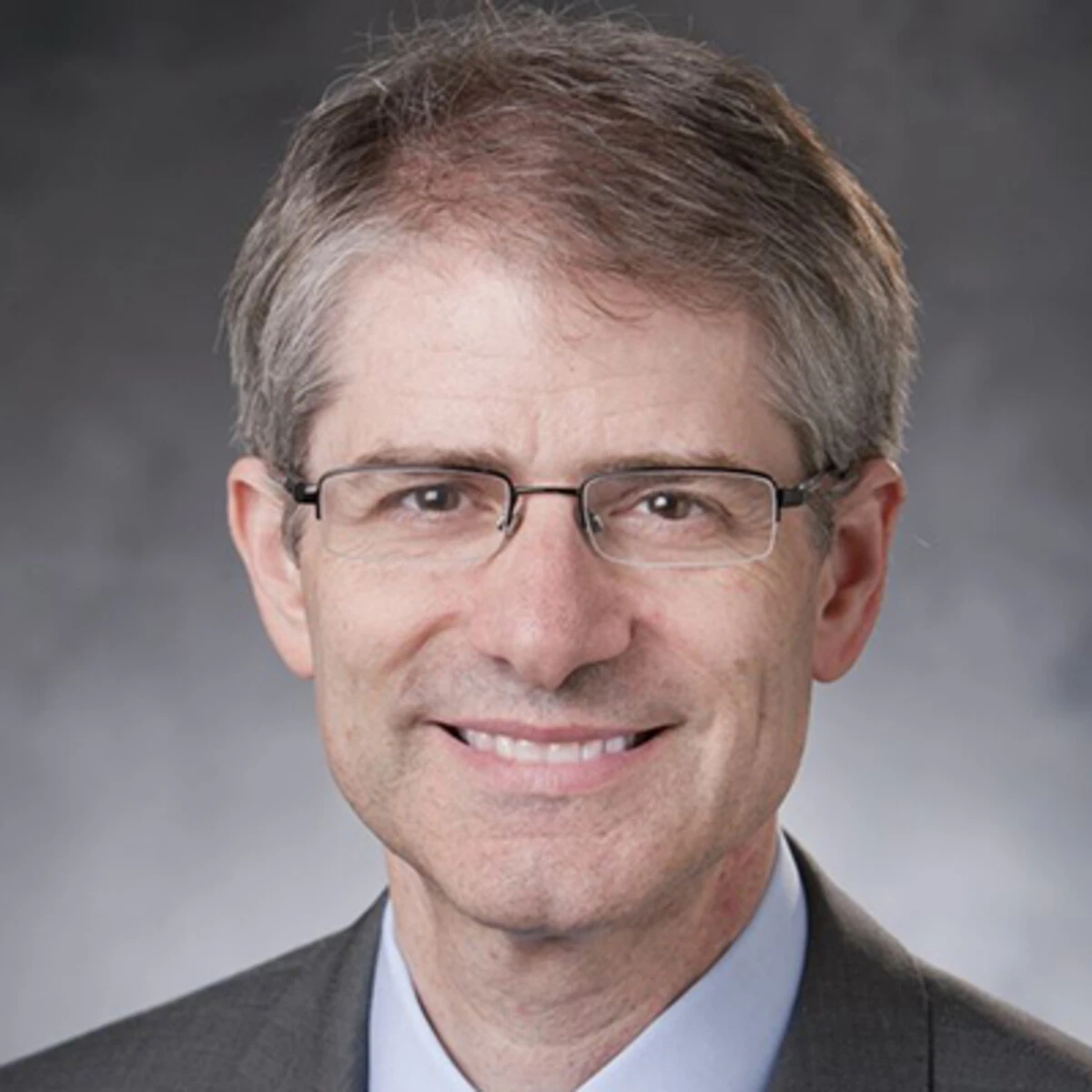 Benjamin A. Alman合作论文数Department of Surgery, Temerty Faculty of Medicine, University of Toronto;Department of Laboratory Medicine and Pathobiology, Temerty Faculty of Medicine, University of Toronto;Division of Orthopedic Surgery, Hospital for Sick Children;Department of Cell Biology, Pediatrics, and Pathology, School of Medicine, Duke University10
 Andrew Howard合作论文数Department of Surgery, Temerty Faculty of Medicine, University of Toronto;Hospital for Sick Children10P Hudak合作论文数9
 Nizar Mahomed合作论文数Department of Surgery, Temerty Faculty of Medicine, University of Toronto;Krembil Research Institute;University Health Network9Marx Robert G合作论文数9Dorcas E. Beaton合作论文数9Sharada Weir合作论文数9Janice L Owen合作论文数8D Freund合作论文数Dept Econ Sci, Claremont Grad Univ8
 Unni Narayanan合作论文数Department of Surgery, Temerty Faculty of Medicine, University of Toronto8
 Aileen Davis合作论文数Institute of Medical Science, Temerty Faculty of Medicine, University of Toronto;Division of Orthopaedic Surgery, University of Toronto8
 Amir Khoshbin合作论文数Department of Surgery, Temerty Faculty of Medicine, University of Toronto8Jasmin Kantarevic合作论文数University of Toronto8Pamela L. Hudak合作论文数8B Harvey合作论文数7JI WILLIAMS合作论文数7
 Cornelia M Borkhoff合作论文数Paediatric Outcomes Research Team (PORT), The Hospital for Sick Children;Institute for Health Policy, Management and Evaluation (Borkhoff, Birken, Maguire, Parkin);The Applied Health Research Centre of the Li Ka Shing Knowledge Institute, University of Toronto;Faculty of Medicine, University of Toronto;University Medical Center Groningen, University of Groningen;University Medical Center Groningen, University of Groningen7
 S. Samuel Bederman合作论文数7
 Robin McLeod合作论文数Department of Surgery, Temerty Faculty of Medicine, University of Toronto7Ruth Croxford合作论文数7Douglas M Hedden合作论文数Department of Surgery, University of Alberta7
 Robert S. Dittus合作论文数Division General Internal Medicine and Public Health, Department of Medicine, Vanderbilt University Medical Center7Yin Li合作论文数6Feldman Brian M合作论文数6Tim Theologis合作论文数Oxford Gait Laboratory, Nuffield Orthopaedic Centre6
 Marc Swiontkowski合作论文数Department of Orthopedic Surgery, Medical School, University of Minnesota6
 Alvan R. Feinstein合作论文数Yale University School of Medicine6
 Patricia Parkin合作论文数Division of Paediatric Medicine, The Hospital for Sick Children;Department of Paediatrics, Faculty of Medicine, University of Toronto6M RANG合作论文数5DA FREUND合作论文数5JE PAUL合作论文数5
 Shaun ahmed Shaikh合作论文数5
 Nadine Chami合作论文数5




