This innovative practice full paper presents FORAP (Framework for Organizing Reusable and Adaptable PjBL Projects) and a portfolio of 14 adoption-ready project-based learning (PjBL) project packages built with the framework. PjBL in computing education offers strong educational benefits, yet its adoption remains limited by high instructor workload and recurring student technical challenges. FORAP addresses these barriers by organizing each package around a project designed with aligned learning objectives and described through project attributes, along with coordinated instructor, student, and assessment materials that support adoption and adaptation across diverse computing courses. We report on four years of deployment across 44 classroom trials at seven universities, drawing on feedback from students, instructors, and advisory board members. Results suggest that structured project packaging supports feasible adoption with limited modification effort and that targeted support materials help reduce the technical barriers that commonly hinder student engagement. The contributions of this work include FORAP and a multi-scale portfolio that demonstrates its use across diverse computing domains and project scopes, offering practical guidance for instructors who wish to design, adopt, or adapt reusable PjBL projects in computing education.
IntroductionRural STEMM education faces significant challenges, including limited access to high-quality STEMM experiences and resources. University-K12 partnerships can address these challenges by providing opportunities for students and teachers to engage in authentic STEMM activities, build relationships with STEMM professionals, develop critical thinking and problem-solving skills, and grow professionally. This paper explores the unique assets and challenges of such partnerships in a rural, geographically isolated region of Northeastern United States.MethodsWe examine several successful STEMM programs directed by a small university through a qualitative exploratory approach. These programs include a neuroscience program, place-based environmental outreach, a student space program, and a science and technology entry program.Results and discussionThrough an analysis of reflections from teacher partners and program leaders, prominent themes emerge and critical factors are identified that contribute to success. A key finding is that teachers naturally emerge as cultural navigators who provide vital support and guidance to all stakeholders in a rural STEM network resulting in a range of positive outcomes.
Combating climate change demands broad societal understanding and action. A key question is how effectively the private sector can enhance their employees' climate knowledge, attitudes, and actions to advance their corporate sustainability goals. Our paper presents the development and assessment results of a comprehensive, science-based climate change education program for all employees at a large U.S. public power utility. A robust pre-post climate literacy survey of participants included attention to variables that contributed to the program's success, which helps to fill a gap in the literature by demonstrating demographic-dependent improvements in climate literacy. Results of the quasi-experimental assessment demonstrate the overall effectiveness of the initiative for increasing participants' climate knowledge (+12.7%, p < 0.001) and attitudes (+6.0%, p < 0.001) (n = 560). Baseline climate literacy varied significantly, primarily based on employees' education level, gender, and rural or urban work location. These differences contributed to variability in the program's effectiveness among cohorts, with the most substantial differences in literacy gains based on their level of education. Employees especially valued educational components that were interactive and relevant to their local communities. Our results suggest that climate change education has the potential to improve employees' climate literacy, but may be best served with multiple education strategies that would be more inclusive across employee groups.
Americans discard 40 million tons of food waste (FW) annually, contributing significantly to gaseous emissions, leachate generation, and diminished landfill capacity. While composting FW recovers valuable fertilizer, anaerobic digesters (ADs) also produce biogas, which can be used as an energy resource to replace fossil fuels. An on-going, multi-faceted university/K12 partnership, now in its third year, integrates a school-wide FW recovery program with classroom and extracurricular education in resource recovery (RR). Pre- and post-consumer FW from the high school (HS) and middle school (MS) cafeterias at a nearby K12 school district is treated at an AD system, as part of an on-going University research project investigating the benefits of supplementing dairy farm AD feed with FW to increase energy production. The supplemental FW can improve process economics, but only if the waste is free of inorganic contaminants. Our experience with college students demonstrates the difficulties of creating a 'clean' post-consumer FW stream because of long-ingrained, improper waste disposal habits. Successfully diverting FW requires a cultural shift, which is most likely to happen by engaging younger people in proper FW separation practices. Long-term behavioral change originates in early experience; we hypothesize that students who learn source separation, participate in RR, and see the beneficial outcomes at an early age will develop and retain good FW disposal habits. A team of university students enrolled in a credit-bearing project course mentor MS and HS students to organize the cafeteria FW program. Simultaneously, under faculty guidance, these students develop and teach interactive, hands-on educational modules related to waste disposal and RR. So far we have developed seven different single- and multi-day lessons, and have worked with MS and HS environmental clubs and ten HS science classes (environmental science, earth science, and chemistry). Results from a relatively simple, anonymous pre-post survey indicate significant improvements in students' self-assessed knowledge about energy and resource recovery, a demonstrated increase in their understanding of anaerobic digestion and its capacity for producing energy from organic waste. Students are also more willing to talk to their families about proper waste disposal practices and encourage them to reduce FW. The program has garnered enthusiasm among school and community members. Our paper will present additional details about the content and outcomes from the past two years of this on-going project.
This paper, submitted as a work in progress, explores how using a sociotechnical approach in two sophomore-level energy courses at two different universities affect students' energy-related knowledge, attitudes, and feelings of self-efficacy by using data from a pre- and post- survey. Energy in engineering education is often taught in a lecture based setting where students learn what is used to generate energy, and how energy is created and distributed, without giving much thought to the broader aspects of energy (i.e. social, cultural, environmental factors).(1) However, one energy course taught at Clarkson University (CU) and another course taught at the University of San Diego (USD) provide two alternative ways of teaching engineering students about energy within a broader societal context . In Introduction to Energy Systems, which is taught at CU, students are introduced to fundamental energy principles, examine energy flows on a national and global scale, and explore various energy conversion systems through research and discourse. The other course, Integrated Approach to Energy, is taught at USD and takes a holistic look at how energy is generated and used, with an emphasis on helping students make connections between energy, engineering, and their lived experience. The survey used in this study combined questions from an Energy Literacy Survey and an Engineering Attitudes Survey, which included questions about students' attitudes towards engineering, feelings of self-efficacy, and technical energy knowledge. This survey was administered to students from both universities before and after taking their respective course during the Spring 2020 semester. Preliminary results of the pre- and post- survey show a statistically significant gain in energy technical knowledge for students from both universities (CU pre: 75% post: 82% paired t-test, p<0.001, USD pre: 66% post: 75% paired t-test, p<0.01). Analysis of students' responses to questions about their attitudes towards engineering and feelings of self-efficacy reveal general trends that suggest this approach to teaching could have an impact on increasing students' feelings of self-efficacy and attitudes toward engineering, with a more pronounced impact on females compared to males. As of yet, we have insufficient data to draw statistically meaningful conclusions to this statement. These preliminary findings propose that the use of a sociotechnical approach in energy education is effective in enhancing students' knowledge of energy. Future research is needed to evaluate the impact on women engineering students' views and attitudes towards careers in engineering. References Nelson, M., & Hoople, G. D., & Mejia, J. A., & Chen, D., & Lord, S. M. (2020, June), What is Energy? Examining Engineering Students' Conceptions of Energy Paper presented at 2020 ASEE Virtual Annual Conference Content Access, Virtual Online . 10.18260/1-2--35500
In this research paper, we conducted a comparative study to measure the effectiveness of the provided technical support in computing project-based learning (PjBL) courses. Students learn much better by solving authentic real-world problems through PjBL. PjBL in computing education has proven to boost student motivation and engagement while enhancing academic performance. Crucial to PjBL in computing is the technical support that the instructors can provide to students, which is required for sustained, successful learning during project tasks. Without adequate support, PjBL will fall short of accomplishing its goals, leading to a rise in student frustration, a loss of motivation and engagement, and compromised learning outcomes. Measuring the impacts and effectiveness of the provided support is imperative for fostering continuous improvement, informed decision-making, and student success. It enables instructors to assess the impacts of their strategies, improve their approaches, and utilize their resources more effectively. To measure the impacts of technical support on students during PjBL, we performed a comparative study on two undergraduate computing courses in Spring 2024, Fundamentals of Software Engineering and Database Systems. In both courses, students work on two assigned projects, one with little and inadequate support and the other with adequate support. We administered a post-survey after each project was completed. We analyzed students' selfreflection responses across four sub-scales, support satisfaction, motivation, self-efficacy, and project satisfaction. The results show a statistically significant increase in the supported project in the Fundamentals of Software Engineering course and no difference in the Database Systems course. This finding is likely due to other differences between the two projects for the Database Systems course beyond support, such as project scale. Qualitative analysis of students' responses also indicates the need for support by students in the less supported projects. Based on our experience, we reflect on the question of what would constitute a good design for studies that seek to compare two different student learning experiences.
Partnerships between universities and PK–12 schools can result in programming that provides many beneficial outcomes for all involved. Boundaryspanners, those who can bridge the gaps in culture, communication, and understanding between the two types of institutions, play a critical role in the success of these programs. This chapter describes one university’s model for fostering and supporting boundary-spanners and provides details for four distinct STEM-focused university–PK–12 partnership programs. Each highimpact program engages boundary-spanning with many groups, including university faculty, staff, undergraduate and graduate students, public school teachers and staff, and administrators. Collaboration and mutual support among the boundary-spanners in each program led to deeper relationships and more successful programming. This chapter provides examples of how boundary-spanners are leveraged to support the collaborative relationship between educational institutions.
The COVID-19 pandemic created significant disruption to the Spring semester of 2020 and beyond, including how we think about instructional practices in our nation’s classrooms. Educators were forced to reinvent their courses to online teaching caused by the COVID-19 pandemic, simultaneously navigating a public health crisis. As the summer progressed, many K–12 educators were nervous about how the fall of 2020 would start off. Would the students be in person? Would they be online? Would they be doing both? While both higher education and K–12 faculty were forced to transition into online teaching quickly, preservice teachers (PSTs) who are both students and teachers were vulnerable to the other pandemic stressors in ways that were not visible to their professors and mentor teachers. These include financial stressors, future job prospects, technology, Wi-Fi access, new family responsibilities, and economic insecurity (Beaunoyer et al., 2020). As the first full school year within the pandemic continues, we recognize that our PSTs are experiencing teaching in a completely different way than their peers in the past. Our paper highlights the experiences and challenges of PSTs amid the COVID-19 pandemic.
In this research paper, drawing from our own and other computing instructors' experiences, we highlight common technical challenges faced by students in software engineering project-based learning (PjBL) and discuss ways in which instructors can support students in overcoming them so that motivation is summoned and sustained. Through the use of practical hands-on experiences, PjBL has been shown to be an effective educational approach. However, unless projects are intentionally designed and supported in a way that summons and sustains student motivation, PjBL is likely to fail to accomplish its goals. Several factors influence student motivation, including their perception of the project's value and how confident they are in their ability to complete it. In particular, challenges that students perceive as insurmountable during the project can significantly weaken their motivation. On the other hand, supporting students to overcome such hurdles can be troublesome, especially in large classes as well as classes with diversity in student backgrounds. To generalize from our own experience, we designed a questionnaire targeted at PjBL computing instructors that contained closed and open questions on technical challenges faced by students, support instructors provided to overcome such challenges, and lessons learned by instructors on the effectiveness of their support. A total of 47 responses were collected from instructors with diverse backgrounds in terms of courses taught, students' years, and class sizes. We categorized the technical challenges into three main categories, namely (a) challenges in installing and configuring software packaged tools, (b) lack of prerequisite knowledge, and (c) challenges while completing project tasks. In this paper, we present the survey results from the three categories of technical challenges, their frequencies, importance, and effective support strategies instructors use to alleviate them.
Engineering graduates must acquire both technical knowledge and a diverse range of professionalskills to effectively address the current global challenges. Equally important is aprofound understanding of how technological solutions are influenced by the human andnatural environments in which they are implemented. An open-ended, team-based designchallenge integrates entrepreneurial-minded (EM) skill development into an interdisciplinaryfirst-year engineering course that approaches engineering from a sociotechnical perspective.A mixed-methods study using a post-course reflective questionnaire explored students’self-perceived development of EM skills. Quantitative results from a series of 5-point Likerttypequestions indicate that students felt they developed EM skills in all three areas of the 3-Cframework, with average mean scores above 4.0 in all three categories. Scores were significantlyhigher in the Connections and Create Value subscales (mean 4.31 ± 0.62 and 4.23 ± 0.76,respectively) compared to the Curiosity subscale (mean 4.04 ± 0.84). Student comments onopen response questions support the overall value of the project and the broader sociotechnicallearning outcomes that were achieved. Overall, this study suggests the effectiveness ofincorporating open-ended, sociotechnical engineering design challenges to develop skills thatwill better prepare students for collaborative work on complex, interdisciplinary problemsthey may encounter in their professional careers.
In this workshop, we introduce participants to the accomplishments and lessons learned from our ongoing NSF IUSE education research project, which is focused on supporting undergraduate project-based learning in computing education by developing and piloting a set of scaffolded course projects. The workshop has two main goals. One is to facilitate exchange of experiences on project-based learning among workshop participants. The other is to encourage adoption of the developed course projects by the broader computing education community.
Teaching students complex problem-solving skills using large-scale, real-world problems is challenging for both students and teachers alike. As a result, most courses use small, well-specified, toy-like problems, which are not representative of what students will encounter in the workforce. One approach that allows teachers to use large-scale problems in class is by introducing scaffolding. Scaffolding breaks a larger problem into smaller steps, which students can solve independently, while deemphasizing tangential concepts such as the complex configuration files needed to compile open-source software systems. Strong scaffolding supports student learning, preventing them from getting bogged down with unnecessary tasks or overwhelmed by complexity. This work investigates a scaffolded problem-based-learning module for computing courses, using a realistically-sized project with characteristics representative of the industry. The project was implemented in a computer science course with roughly 100 students, and the results speak to the importance of scaffolding for student success. In fact, there were two student assignments that lacked sufficient scaffolding, compared with other tasks, and the reduction in student scoring and persistence shows that project scaffolding is necessary when implementing these types of assignments. Most students felt the project helped prepare them for a job in their chosen field.
This full research paper explores the connections between students' exposure to sociotechnical engineering coursework and their sense of belonging in engineering and/or engineering identity. We applied thematic analysis to 164 responses from two open-ended survey questions that asked students how their sociotechnical engineering courses affected their sense of belonging in engineering and how they see themselves as an engineer. Using a framework proposed by Fila et al. [1] for teaching engineering within a humanistic lens to help students develop a sense of belonging and their engineering identity, we coded student responses to themes that aligned with the framework's three dimensions: engineering for, with, and as people. We found that 86% of the responding students provided comments that aligned with this framework. The strongest impact on students' engineering identity and/or sense of belonging was through characteristics associated with the engineering for people theme, which supports previous work indicating the impact of sociotechnical engineering courses on students' perspectives. Our findings show more specifically that sociotechnical courses impact students' engineering identity and/or sense of belonging largely by conveying to them the impact they can have on society through their role as an engineer. More broadly, our findings support Fila et al.'s three-dimensional framework for teaching engineering through a humanistic lens.
This qualitative research performs a thematic analysis of the learning objectives in existing project-based undergraduate software engineering courses to align them with the competency model defined in the Computing Curricula 2020 reports (CC2020). This study identifies the trends, strengths, and gaps in how the reviewed course learning objectives cover the knowledge, skill, and disposition components of the CC2020 competency model. The learning objectives were categorized according to knowledge elements, skills, and dispositions as defined in the CC2020 competency model. Our analysis shows that 54% of knowledge elements from the reviewed learning objectives do not have any skill level specified and overall, only two out of the eleven dispositions in CC2020 are specified (“Collaboration” and “Professional”). We also find that technical knowledge elements from the software development category (e.g., software process, software design, and software quality, verification & validation) and systems modeling category (e.g., systems analysis & design, and requirements analysis and specification), probably unsurprisingly, are covered the most often. Similarly, collaboration & teamwork, and oral & written communication are unsurprisingly the most common professional & foundational knowledge elements in the reviewed course's learning objectives as they are essential to project-based learning. Although they are essential for the completion of a successful software project, knowledge elements such as time management, security technology & implementation, and user experience design are rarely mentioned. We discuss the implications of our findings on course design.
Engineering graduates must be prepared with sound technical knowledge and a range of 21st century competencies and professional skills such as creativity, interdisciplinary collaboration, communication, and innovation to successfully solve today's complex, global problems. Equally important is a deep appreciation of the degree to which technological solutions are situated within the context of human and natural environments. Despite calls from the National Academy of Engineering and several professional organizations to broaden engineering education to embrace these skills, most engineering programs persistently focus on the importance of technical skills. This paper describes an open-ended team-based design challenge that integrates entrepreneurial-minded (EM) skill development into an interdisciplinary first-year engineering course that approaches engineering from a socio-technical perspective. The challenge was implemented in two simultaneous first-year classes (n = 49), with the goal of fostering students' broad professional skills and their appreciation of the links between engineering technologies and societal context. The action research study used a quasi-experimental design with convenience sampling and no control group to explore students' self-perceived entrepreneurial-minded (EM) skills development. Data were collected with a retrospective questionnaire comprised of a series of 5-point Likert-type questions that asked students to assess the development of their EM skills in all three areas of the EM framework: Exhibit Curiosity, Establish Connections, and Create Value (the "3C" framework). Results indicate that students felt they developed EM skills in all three areas of the 3C Framework, with more fully developed skills in the Establish Connections and Create Value categories. Overall, this study suggests the effectiveness of using open-ended, socio-technical engineering design challenges for developing skills that will better prepare students to work collaboratively on complex and interdisciplinary problems they will face in their professional careers.
Students can often graduate with a degree in computer science without working with legacy code bases, yet when they join the workforce they will almost certainly work on an existing project with thousands, if not millions of lines of existing code. In order to give students a realistic experience without overwhelming them, we added scaffolding to an existing open source project and used it in our third year software engineering course. We asked students to complete a series of 5 tasks, from bug fixing to feature addition, with this scaffolded project. Our scaffolding consisted of enhanced documentation, demonstration videos, compilation videos, enhanced task descriptions, and hints for task completion. After running this course project we collected feedback via a survey (n=87) and a small focus group (n=7). We found that students appreciated the realistic experience, but that they recommend further scaffolding, especially within source code, to better balance between difficulty and learning.
Rural economically disadvantaged communities face unique challenges in engaging students in science, technology, engineering, and mathematics (STEM). School district administrators, teachers, and students do not have access to high-quality STEM opportunities compared to urban schools. This article describes a partnership between a small, private STEM university and a network of school districts scattered across the geographically isolated region of upstate New York. The partnership’s primary goal is to support the teaching and learning of STEM. This is achieved through actively engaging a range of university and community stakeholders in STEM enrichment and professional development. Programming includes summer camps and after-school activities, challenges and competitions that focus on inspiring students to pursue STEM careers, undergraduate and graduate student mentors, and a university curriculum designed to prepare teachers to work in high-need school districts. Activities are supported by the university’s Institute for STEM Education, which fosters collaborations for like-minded faculty and campus members to pursue grant opportunities and connect with community members. The paper describes various program components and how they work to support each other, discusses impacts of the program, and describes ways in which elements can be implemented elsewhere.
Background Many instructors made an emergency shift to online teaching during the Spring 2020 semester. There is reason to expect that instructors would have dramatically changed their pedagogy and teaching philosophies. At the same time, there are reasons that engineering instructors might be hesitant to introduce some changes to their courses. Purpose/Hypothesis This study explores pedagogical and philosophical adaptations using instructors' accounts of emergency remote teaching during the Spring 2020 semester. Design/Method In-depth interviews with six engineering instructors were conducted to examine their teaching experiences and the way they responded to the online transition. Interview transcripts were analyzed for general themes and commonalities. Results Instructors made many changes during the transition, some of which were general and others individualized after a problem came to their attention. However, other changes were uncommon or even avoided, in particular, reducing content difficulty and shifting their teaching philosophies. Our interviews suggest several explanations for their choices, including the degree to which course design rendered change unnecessary, or the influence of the instructors' existing skillset, their desire to protect the validity of grades, and their sense of the scope of engineering pedagogy. Conclusions These interviews contribute to our understanding of how the emergency transition to online teaching impacted engineering instructors and how instructors might improve resilience during future crises. The conceptual tools and thought processes elucidated by this study can inform future analyses. Further research should pursue comparisons with other disciplines and consider the long-term effects of pandemic teaching.
This research full paper explores first-year engineering (FYE) students’ attitudes toward and understanding of engineering, investigating differences among male and female students in two different courses: Engineering and Society (ES110), a sociotechnical course, and Physics I (PH131). A pre/post survey was used to understand how student attitudes toward and understanding of engineering were affected after taking these courses. Four cohorts of students over three fall semesters (2018-2020) were examined: males in ES110; females in ES110; males in PH131; and females in PH131. Our results confirmed previous findings - compared to the control group, ES110 students showed more positive outcomes in terms of academic and engineering self-confidence and their understanding of engineering. Male/female comparisons revealed some interesting findings. Compared to their male counterparts, female PH131 students experienced a greater drop in academic and engineering self-confidence. In ES110, females showed a greater increase in engineering self-confidence, but a greater drop in their engineering sense-of-fit, yet they began with higher pre-scores - across all cohorts - and ended with post-scores similar to their male peers for this subscale. All student scores dropped in the sense-of-fit subscale, although the post-scores for ES110 students were slightly higher than for PH131. ES110 females’ post-scores were the highest across all cohorts for two subscales (engineering self-confidence; understanding of engineering) and were the second highest for the other two subscales. PH131 females’ post-scores were the lowest across all cohorts for three subscales (academic and engineering self-confidence; satisfaction with engineering/sense of fit). Overall, our results indicate that first-year students benefit from taking a sociotechnical engineering course in their first semester, compared to a strictly technical curriculum, and those benefits are even greater for female students.
 Susan Powers合作论文数Department of Civil and Environmental Engineering, Institute for STEM Education, Clarkson University33
 Daqing Hou合作论文数ECE department9
 Mary Margaret Small合作论文数8Suresh Dhaniyala合作论文数Department of Mechanical and Aeronautical Engineering, Clarkson University8Felicity Bilow合作论文数7
 Yu Liu合作论文数7Seema Rivera合作论文数Dept Educ, Clarkson Univ6
 David Shepherd合作论文数Department of Computer Science, College of Engineering, Virginia Commonwealth University;Software Engineering Laboratory, Virginia Commonwealth University6Mary E. Graham合作论文数Sch Business, Clarkson Univ6
 Elisabeth Chapman合作论文数4
 Stefan J. Grimberg合作论文数4Kathleen Kavanagh合作论文数3John Moosbrugger合作论文数3
 M. W. Ramsdell合作论文数3Elisabeth Wultsch合作论文数2
 Bhavana Kotla合作论文数Purdue Polytechnic Institute, Purdue University2Peter R. Turner合作论文数2
 John C. Moosbrugger合作论文数2
 Melissa Carole Richards合作论文数The Royal Melbourne Hospital, University of Melbourne Parkville2Jessica Halfacre合作论文数1Martha Whalen合作论文数1chris andersen合作论文数1
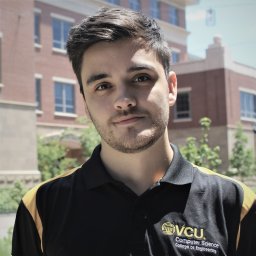 Felipe Fronchetti合作论文数Computer Science Department, University of Sao Paulo1
 Matthew J. Manierre合作论文数Dept Humanities & Social Sci, Clarkson Univ1Schwob, T.合作论文数1Amy K. Zander合作论文数1Qaqish Basil合作论文数1
 Yan Gao合作论文数1Pankaj Sharma合作论文数Nuclear Structure Research Laboratory, University of Rochester1
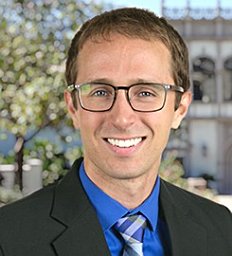 Gordon D. Hoople合作论文数1
 Francis A. Digiano合作论文数1
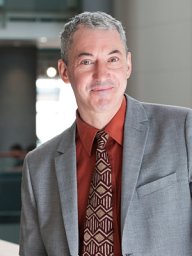 Stephen Bird合作论文数1Stephen D. Piccot合作论文数1
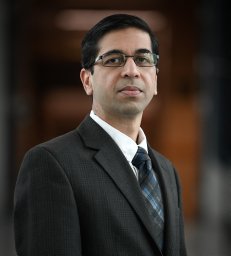 Faraz Hussain合作论文数University of Central Florida1Joan H. Novak合作论文数1
 Mei-Shiu Chiu合作论文数1Mark Z. Venczel合作论文数1Ben Galluzzo合作论文数1




