This study measured the impact of occupational experience (i.e., time spent deployed, in military service, and in job and task performance frequency in training, deployment, and study practice) on the physiological (heart rate [R] and oxygen consumption [VO2]) and perceptual (rate of perceived exertion [RPE]) responses to performance of critical physically demanding tasks (CPDTs). Five CPDTs (road march, build a fighting position, move under fire, evacuate a casualty, and drag a casualty to safety), common to all soldiers, were performed by 237 active duty soldiers. Linear regression models examined the association between measures of experience and physiological and perceptual performance responses to task demands. The level of significance was adjusted for multiple comparisons and set at rho <= 0.0125 for this study. Significant and notable effect sizes included the impact of time spent deployed on the physiological measures of the road march (PostHR F=24.84, rho < 0.0001, beta=-9.65), sandbag fill (PostHR F=8.26, rho=0.005, beta=-2.83), and sandbag carry (MeanHR F=7.51, rho=0.007, beta=-1.12; PostHR F=7.35, rho=0.007, beta=-0.87). For the road march task, there was a nearly 10 bpm decrease in postperformance HR for every year spent deployed. Road march, sandbag fill, and sandbag carry tasks PostHRs were also notably negatively associated with the experience measures of time in their MOS (job and time in military service but not for other physiological and perceptual responses, including VO2 and RPE. Frequency of task performance in training, deployment, and study practice was not meaningfully associated with experience. The results suggest that increasing task familiarization through on-the-job occupational operational experience may result in greater proficiency and reduced physiological effort.
The original version of this article, published on August 7, 2020, contained a mistake.
INTRODUCTION There are many ways to quantify the training loads required to perform soldiering tasks. Although indirect calorimetry may provide the most accurate measures, the equipment can be burdensome and expensive. Simpler measures may provide sufficient data, while being more practical for measuring soldiers in the field. The purpose of this study was to examine the relationship between total relative oxygen uptake (TotalRelVO2) measured by indirect calorimetry during three soldiering tasks, with two field-expedient measures of training load: summated heart rate zone (sumHR) and session rate of perceived exertion (sRPE). MATERIALS AND METHODS 33 male and 28 female soldiers performed three soldiering tasks while wearing a 32.3-kg fighting load: sandbag fill, sandbag carry, and ammunition can carry. Metabolic measurements were monitored and completion times were recorded (min). TotalRelVO2 (average relative VO2*time) and age-predicted maximal heart rate (220-age) were calculated. SumHR was calculated by multiplying time spent in each of the five heart rate zones by a multiplier factor for each zone (50-59% = 1, 60-69% = 2, 70-79% = 3, 80-89% = 4, and ≥90% = 5). RPE (Borg 6-20 scale) was collected at the end of each task, then sRPE was calculated (RPE*time). Pearson and Spearman correlations were performed to examine the relationship between TotalRelVO2, sumHR and sRPE. Wilcoxon signed rank tests were conducted to determine if there was a difference in median rankings between the three variables for each task. Linear regressions were performed to determine predictability of TotalRelVO2 from sumHR and sRPE. The study was approved by the U.S. Army Research Institute of Environmental Medicine Institutional Review Board. RESULTS Significant, positive correlations were revealed for all three tasks between TotalRelVO2, sumHR and sRPE (r ≥ 0.67, p ≤ 0.01; rho≥0.74, p ≤ 0.01). Wilcoxon signed rank tests revealed no significant differences in rankings between TotalRelVO2, sumHR and sRPE for all three tasks (p ≥ 0.43). Both sumHR and sRPE are significant predictors of TotalRelVO2 (p ≤ 0.01). CONCLUSIONS SumHR and sRPE are acceptable alternatives to TotalRelVO2 when attempting to quantify and/or monitor training load during soldiering tasks.
INTRODUCTION This study compared the relationship between height (HT), body mass (BM), and body mass index (BMI) of female trainees and active duty female soldiers and their performance on simulated common soldiering tasks (CSTs) with high physical demands. METHODS Female trainees (n = 133) and soldiers (n = 229) completed the following CSTs: sandbag carry, move under fire, casualty drag, casualty evacuation, and road march. Quartiles were created among HT, BM, and BMI by which task performance was compared using ANOVAs with Tukey post hoc comparisons. RESULTS For both trainees and soldiers, HT, BM, and BMI were positively associated with improved road march, casualty drag, casualty evacuation, and sandbag carry performance. On the move under fire task, only soldier HT was positively associated with improved performance. CONCLUSION Female trainees and soldiers who are taller and heavier with a higher BMI may demonstrate better performance on CSTs required of all soldiers. In addition to task-specific training, performance of CSTs may be enhanced in tasks requiring strength and power by recruiting and retaining taller and heavier females with a higher BMIs. Allowances should be considered for soldiers and trainees who can successfully perform soldiering tasks with high physical demands despite less desirable anthropometric measurements.
Canino, MC, Foulis, SA, Zambraski, EJ, Cohen, BS, Redmond, JE, Hauret, KG, Frykman, PN, and Sharp, MA. U.S. Army Physical Demands Study: Differences in physical fitness and occupational task performance between trainees and active duty soldiers. J Strength Cond Res 33(7): 1864-1870, 2019-U.S. Army initial entry training (IET) is designed to prepare trainees for the military environment and subsequent training, including specific programs to increase physical fitness to perform job-specific tasks to the minimal acceptable performance standard (MAPS). The aim of this study was to compare physical fitness and occupational task performance of trainees at the end of IET to that of active duty soldiers. One hundred seventy-nine male combat arms trainees at the end of IET and 337 male combat arms active duty soldiers performed a sandbag carry (SBC), casualty drag (CD), and move under direct fire (MUF). Physical fitness was assessed using Army Physical Fitness Test scores. A questionnaire was administered to determine frequency of task performance. Active duty soldiers compared with trainees were older (p < 0.01) and performed more push-ups (p < 0.01) and sit-ups (p < 0.01). Trainees performed the 2-mile run faster (p < 0.01). Ninety-four percent of trainees and 99% of active duty soldiers performed the 3 tasks to the MAPSs. Active duty soldiers performed significantly faster on both the SBC (p < 0.01) and CD (p < 0.01) and reported a higher task frequency on the SBC (p = 0.03) and CD (p < 0.01). No difference in MUF performance (p = 0.16) and task frequency (p = 0.13) was detected. Initial entry training seems to provide sufficient physical training as most trainees were able to meet the MAPSs; however, performance differences were still apparent between trainees and active duty soldiers. Additional practice performing the physically demanding tasks may help maximize performance on the physically demanding job requirements.
INTRODUCTIONMusculoskeletal injuries (MSKIs) pose a significant threat to military readiness and are difficult to monitor due to Soldiers' reluctance to seek medical treatment. There is high risk of developing MSKIs while going through initial entry training (IET), many of which go unreported. The purposes of this study were to identify the contributing factors that influence US Army trainees to not seek medical care for self-reported symptoms of musculoskeletal injury (SMSKI) and establish how those factors may differ by sex, training school, and installation site.MATERIALS AND METHODSData were collected from 739 trainees (607 males, 132 females) completing IET at either Fort Benning, GA, Fort Sill, OK or Fort Leonard-Wood, MO, USA. Male trainees were in combat arms jobs while female trainees were from both combat arms and other physically demanding jobs. All surveys were completed within 5 weeks of graduation from Advanced Individual Training and One Station Unit Training. Trainees answered a series of questions about SMSKIs sustained during IET that lasted seven or more days. Using a Likert-type scale (1-strongly disagree through 5-strongly agree), trainees rated the influence that each of the following seven statements contributed to their decision not to seek medical care: "graduating on time," "avoiding negative perceptions associated with injuries," "avoiding profile," "inconvenience in seeing a provider," "self-managing the injury based on past experience," "severity of the injury," and "prior negative experiences seeking medical care in the military." Pearson's Chi-square test was used to assess significant relationships among SMSKI reporting across sex, training school and training installation.RESULTSOverall, SMSKI incidence was 36.1% and 58.3% among IET male and female trainees, respectively (40% overall). Nearly two-thirds (64%) of all trainees injured during IET had a SMSKI that they did not report to leadership or a medical provider. Across sex, female trainees were more likely to report SMSKIs than male trainees (p < 0.01), but there was no difference in SMSKI reporting rates by sex (p = 0.48). There was a difference in SMSKI rates by training school (p < 0.01), where infantry had higher SMSKI rates than field artillery (p < 0.01). There were no differences across training schools in how often trainees sought medical care (p = 0.58). The most common reasons selected for not reporting SMSKIs (i.e., not seeking medical care) included "I wanted to graduate on time" and "I wanted to avoid a profile." "I had prior negative experiences seeking medical care in the military" was consistently rated as the least important reason. Female trainees were more likely to not report SMSKIs in order "to avoid a profile" than male trainees (p < 0.05).CONCLUSIONOver 64% of trainees' did not seek medical care for their SMSKI during IET. As early detection, better reporting and timely treatment may result in reductions in SMSKI severity, reduced IET attrition, and lower medical expenses, trainees should be encouraged to report SMSKIs for proper early stage treatment. These study findings could be used to assist military leadership to create a positive environment for reporting and seeking care for SMSKIs.
BACKGROUNDBeginning in 2017, successfully passing the four-part pre-enlistment Occupational Physical Assessment Test (OPAT) became a requirement for all U.S. Army recruits. To ensure the test accurately identifies individuals who are qualified for their job, it was necessary to examine classification errors.OBJECTIVEThe objectives were to 1) determine the accuracy of OPAT cut-scores for combat arms Soldiers, and 2) determine which events contribute to the individuals that are misclassified as passing or failing the OPATMETHODS:A total of 741 trainees were tested on the OPAT within two weeks of entering their initial entry training. At the end of their training, trainees were tested on simulations of the most physically demanding tasks of their job.RESULTSThere was a high classification concordance (76.5% ) between success on the OPAT and job task simulations. False positives (6.7% ) were misclassified because they did not perform as well on the strength-dominant task simulations. While the interval aerobic run was the greatest contributor to false negatives (16.8% ), previous studies indicated high performance on this event as a potential key indicator of injury and attrition risk.CONCLUSIONSThe findings provide insight on how the accuracy of the OPAT, and similar pre-employment tests, could be improved.
Introduction:The purpose of this investigation was to examine changes over time in the physical fitness of the United States (US) Army infantry. A systematic review was conducted to identify and analyze articles and databases that reported on physical characteristics (height, weight, and body mass index) and/or Army Physical Fitness Test (APFT) scores of male infantrymen or men in infantry units.Materials and Methods:The National Library of Medicine's PubMed and the Defense Technical Information Center were searched using specific keywords. Reference lists of obtained articles, specific author searches, contact with authors, and secondary analysis of available databases enhanced the search. Studies and databases were selected if they involved infantry soldiers or soldiers in infantry units and provided a quantitative assessment of at least one physical characteristic or APFT measure. Average values for each measure were obtained, plotted by the year of data collection, and fitted to linear regression models.Results:Thirty-one articles and five available databases met the review criteria encompassing years 1976-2015. Regression analysis suggested a small temporal increase in height for infantry soldiers (2%) and soldiers in infantry units (1%). Body weight and body mass index increased over the period (9-15%) in both groups. APFT performance of infantry soldiers was generally higher than that of infantry units. There was little change in APFT performance over the period for infantry soldiers. For soldiers in infantry units, push-up performance changed little over time, whereas sit-up performance increased (8%) and two-mile run performance decreased (8%).Conclusion:Over the surveyed period, body weight and body mass index increased in US Army infantry soldiers and soldier in infantry units. Infantry soldier performance on the APFT appears to have been maintained over the period. For soldiers in infantry units, there has been a small improvement in sit-up performance, but lower two-mile run performance.
Background The 20-m shuttle run test (MSRT) is a common field test used to measure aerobic fitness in controlled environments. The U.S. Army currently assesses aerobic fitness with the two-mile run (TMR), but external factors may impact test performance. The aim of this study is to examine the relationship between the Army Physical Fitness Test TMR performance and the MSRT in military personnel. Methods A group of 531 (403 males and 128 females) active duty soldiers (age: 24.0 ± 4.1 years) performed the MSRT in an indoor facility. Heart rate was monitored for the duration of the test. Post-heart rate and age-predicted maximal heart rate were utilized to determine near-maximal performance on the MSRT. The soldiers provided their most recent Army Physical Fitness Test TMR time (min). A Pearson correlation and multiple linear regression analyses were performed to examine the relationship between TMR time (min) and MSRT score (total number of shuttles completed). The study was approved by the Human Use Review Committee at the U.S. Army Research Institute of Environmental Medicine, Natick, Massachusetts. Findings A significant, negative correlation exists between TMR time and MSRT score (r = -0.75, p < 0.001). Sex and MSRT score significantly predicted TMR time (adjusted R2 = 0.65, standard error of estimate = 0.97, p < 0.001) with a 95% ratio limits of agreement of ±12.6%. The resulting equation is: TMR = 17.736-2.464 × (sex) - 0.050 × (MSRT) - 0.026 × (MSRT × sex) for predicted TMR time. Males equal zero, females equal one, and MSRT score is the total number of shuttles completed. Discussion The MSRT is a strong predictor of the TMR and should be considered as a diagnostic tool when assessing aerobic fitness in active duty soldiers.
In January 2017, the U.S. Army employed the Occupational Physical Assessment Test (OPAT) to determine the physical readiness of recruits (RCs) prior to initial entry training (IET). The OPAT consists of the standing long jump (SLJ), seated power throw (SPT), strength deadlift (SDL), and interval aerobic run (IAR). Recruits who meet the top OPAT level (i.e., black) qualify for heavy physically demanding jobs, such as combat arms (i.e., infantry, artillery, etc). Psychological readiness, measured by hardiness, has been shown to predict recruit success. PURPOSE: To examine the relationship between psychological hardiness and physical readiness (OPAT) in combat arms RCs. METHODS: Within the first week of IET, 945 U.S. Army male combat arms RCs performed the OPAT and completed the Dispositional Resilience Scale - Military (DRS-II-M) questionnaire, a validated 24-item, 5-point Likert scale (1 = definitely false to 5 = definitely true) measure. DRS-II-M provides three positive (control, commitment and challenge) and three negative (alienation, powerlessness and rigidity) hardiness dimensions. RCs were divided into two groups; those who achieved the OPAT black level (n=636) (SLJ ≥ 160 cm, seated power throw ≥ 450 cm, SDL ≥ 160 lb, and IAR ≥ 43 shuttles) versus those who did not (n=309). Two-tailed independent sample t-tests were used to compare hardiness across groups. RESULTS: RCs achieving black level scored significantly higher than those who did not on positive hardiness dimensions summed averages (SA) (12.65 ± 1.29 vs 12.43 ± 1.47; p = 0.015) and significantly lower on negative hardiness SA (6.35 ± 1.39 vs 6.63 ± 1.43; p = 0.004). Within the individual measure dimensions, black-level RCs scored higher on challenge (4.15 ± 0.58 vs 4.05 ± 0.62; p = 0.013) and control (4.35 ± 0.47 vs 4.25 ± 0.51; p = 0.003) averaged factors (AF) of positive hardiness and lower on alienation (1.53 ± 0.68 vs 1.63 ± 0.69; p = 0.033) and powerlessness (1.57 ± 0.62 vs 1.70 ± 0.66; p = 0.003) AF of negative hardiness. CONCLUSIONS: RCs who score high on the OPAT also have increased hardiness suggesting they will be successful in meeting the psychological and physical demands of combat arms jobs. The views expressed in this abstract are those of the authors and do not reflect the official policy of the Department of Army, Department of Defense, or the U.S. Government.
The training implemented during initial entry training (IET) for combat arms trainees (up to 16 weeks) is designed to sufficiently optimize performance of physically demanding occupational tasks. Trainees must be physically capable of performing the tasks within their jobs to the minimal acceptable performance standard, as delineated by U.S. Army Training and Doctrine Command. PURPOSE: To compare U.S. Army trainees to active duty soldiers performing physically demanding occupational tasks. METHODS: 192 U.S. Army male combat arms trainees (TRs) at the end of their IET and 369 active duty male combat arms soldiers (ADs) both performed the sandbag carry (SBC), casualty drag (CD) and move under direct fire (MUF) tasks. During the SBC, subjects wore personal protective equipment (PPE; ~32 kg) while lifting and carrying 16 pre-filled 18-kg sandbags a distance of 10m to build a fighting position (4 long x 2 wide x 2 high) as fast as possible (min). For the CD, subjects wore PPE and a weapon while dragging a 123-kg simulated casualty 15m as fast as possible (60-sec time limit). Time was recorded and later calculated as velocity (m·s-1). During MUF subjects wore PPE and a weapon to perform a series of combat rushes covering 100m as fast as possible (min). The MUF course cycled between one prone and two kneeling positions, each 6.6 m apart. Univariate ANCOVA (height and body mass as covariates) were used to compare differences in performances on the three tasks between TRs and ADs. RESULTS: 94% of TRs and 99% of ADs performed the three tasks to the minimal acceptable performance standards. ADs performed significantly faster than TRs on SBC (AD: 1.73 ± 0.29 min, TR: 2.09 ± 0.46 min; p<0.01) and CD (AD: 1.14 ± 0.28 m·s-1, TR: 0.80 ± 0.30 m·s-1; p<0.01) with no differences in MUF performance (AD: 2.24 ± 0.15 min, TR: 2.27 ± 0.22 min; p=0.09). CONCLUSIONS: Although majority of the TRs met the minimal acceptable performance standards on the three tasks, ADs performed the SBC and CD faster. This could be due to ADs having more experience performing the tasks. While further training occurs at TRs first duty station, TRs may benefit from additional occupational task training during IET. The views expressed in this abstract are those of the authors and do not reflect the official policy of the Department of Army, Department of Defense, or the U.S. Government.
Load carriage is one of the most physically demanding of the common soldiering tasks. The average loads carried during infantry patrol operations often exceed 45 kg. Carrying these loads increases the potential for injury while foot marching. It would be advantageous to predict load carriage performance based upon commonly available information such as anthropometry and physical fitness tests without having the soldier perform the load carriage task. PURPOSE: To determine if physical fitness tests and anthropometric measures predict a Soldier’s physical capabilities to perform the task of marching under load. METHODS: While carrying a load weighing approximately 46.4 kg, 67 male and 37 female Soldiers performed a 12 mile foot march for time (FM12). Soldiers provided scores from their most recent Army Physical Fitness Test which consisted of a 2 mile run for time (2 m Run), maximum number of pushups (PU) and sit-ups (SU) completed in 2 min. The soldier’s height in cm (HT) and body mass in kg (BM) were also measured. RESULTS: The average time (mean ± SD) to complete the FM12 task was 239 ± 36 min. The following variables were significantly correlated with FM12: HT (r=-0.64, p≤0.001), BM (r=-0.55, p≤0.001), PU (r=-0.53, p≤0.001), 2m Run (r=0.57, p≤0.001). A stepwise multiple regression was used to develop the following equation: FM12=411.15-1.01(HT)+5.25(2m Run)-0.44(PU)-0.69(BM), (SEE = 23.92 min: R=0.749, p ≤ 0.01). Approximately 56 percent of the variability in the prediction (i.e. R2) of FM12 performance can be explained by the combination of these 4 factors. CONCLUSIONS: A soldier’s time to complete the FM12 task can be predicted by several individual factors as well as the combination of the 4 factors in this model. These readily available data provide an easy to employ method of predicting a Soldier’s physical capabilities for FM12. These views are those of the authors and are not official policy of the Department of Army, DOD, or the U.S. Government.
Long road marches carrying heavy loads are a common military task. While it is anecdotally accepted that discomfort related to physical pain and soreness increases during long marches, there is little data available which has quantified this discomfort or determined its effect on march performance. PURPOSE: To quantify pain and soreness (P&S) during a 12-mile march and determine how it affects pacing. METHODS: While carrying a load weighing ~46.4 kg, 46 male and 26 female Soldiers performed a 12 mile foot march. A mandatory rest break of 10 minutes was enforced at the 3 and 9 mile marks, and a 30 minute break was enforced at the 6 mile mark. Time splits were taken every 3 miles. At the start, each rest point, and finish, soldiers rated their P&S from 0 (No Discomfort) to 3 (Extremely Uncomfortable) using an image of the body mapped into 21 regions (scale adapted from Dimov et al, AIHAJ, 2000). Increases in P&S over time were assessed using rmANOVA. Correlations were examined between changes in P&S (finish-start) for each site and load carried per body mass and with changes in pace (time for last 3 miles – time for first 3 miles). RESULTS: Total march time was 244 ± 35 minutes (mean ± SD). Average overall P&S of the 21 body regions increased during the march from 0.13 ± 0.11 prior to the march to 0.46 ± 0.24 at the end (p<0.01 for trend), and did not significantly differ by sex (p=0.24). Of the 71 soldiers, 64 (90%) reported a P&S of 2 or 3 for at least one body region, with 36 (51%) reporting a P&S of 3. The sites of the greatest soreness were the shoulders (End P&S 1.99±0.96) and the feet (End P&S 1.36±1.20) (p<0.05 for both). Significant increases in P&S were observed in the neck, shoulders, mid-to-lower back, hips/waist, thighs, legs/feet, and ankles (p≤0.05 for trends). Load carried per body mass correlated with changes in neck P&S (r=0.24, p=0.04). Increases in P&S of the hips/waist were associated with decreasing their pace (r=0.32, p=0.01). DISCUSSION: Due to the high load over a long distance, P&S increased over the march and may have interfered with performance. These data provide quantitative evidence of the changes in reported physical discomfort during long marches. To minimize soldier discomfort and improve performance, improvements in road march policy, equipment ergonomics, and training of proper gear fitting should target these body regions.
Foulis, SA, Redmond, JE, Frykman, PN, Warr, BJ, Zambraski, EJ, and Sharp, MA. U.S. Army physical demands study: reliability of simulations of physically demanding tasks performed by combat arms soldiers. J Strength Cond Res 31(12): 3245-3252, 2017-Recently, the U.S. Army has mandated that soldiers must successfully complete the physically demanding tasks of their job to graduate from their Initial Military Training. Evaluating individual soldiers in the field is difficult; however, simulations of these tasks may aid in the assessment of soldiers' abilities. The purpose of this study was to determine the reliability of simulated physical soldiering tasks relevant to combat arms soldiers. Three cohorts of ∼50 soldiers repeated a subset of 8 simulated tasks 4 times over 2 weeks. Simulations included: sandbag carry, casualty drag, and casualty evacuation from a vehicle turret, move under direct fire, stow ammunition on a tank, load the main gun of a tank, transferring ammunition with a field artillery supply vehicle, and a 4-mile foot march. Reliability was assessed using intraclass correlation coefficients (ICCs), standard errors of measurement (SEMs), and 95% limits of agreement. Performance of the casualty drag and foot march did not improve across trials (p > 0.05), whereas improvements, suggestive of learning effects, were observed on the remaining 6 tasks (p ≤ 0.05). The ICCs ranged from 0.76 to 0.96, and the SEMs ranged from 3 to 16% of the mean. These 8 simulated tasks show high reliability. Given proper practice, they are suitable for evaluating the ability of Combat Arms Soldiers to complete the physical requirements of their jobs.
OBJECTIVES:In 2013, the U.S. Army began developing physical tests to predict a recruit's ability to perform the critical, physically demanding tasks (CPDTs) of combat arms jobs previously not open to women. The purpose of this paper is to describe the methodology and results of analyses of the accuracy and inclusiveness of the critical physically demanding task list. While the job analysis included seven combat arms jobs, only data from the 19D Cavalry Scout occupation are presented as the process was similar for all seven jobs.DESIGN:Job analysis METHODS: As the foundation, senior subject matter experts from each job reviewed materials and reached consensus on the CPDTs and performance standards for each job. The list was reviewed by Army leadership and provided to the researchers. The job analysis consisted of reviewing job and task related documents and field manuals, observing >900 soldiers performing the 32 CPDTs, conducting two focus groups for each job, and analyzing responses to widely distributed job analysis questionnaires.RESULTS:Of the 32 CPDTs identified for seven combat jobs, nine were relevant to 19D soldiers. Focus group discussions and job analysis questionnaire results supported the tasks and standards identified by subject matter experts while also identifying additional tasks.CONCLUSIONS:The tasks identified by subject matter experts were representative of the physically demanding aspects of the 19D occupation.
OBJECTIVES:The United States Army sought to create a legally defensible, scientifically validated physical pre-employment screening test. The purpose of this study was to identify a single combination of predictor tests that would predict physical performance on all of the criterion measure task simulations relevant to the Combat Arms military occupational specialties. DESIGN:Concurrent validation. METHODS:Data from 838 (608 males, 230 females) soldiers who completed both the criterion measure task simulations of a military occupational specialty and up to 14 predictor tests were used in the development of the test batteries. Stepwise regressions were used to identify test batteries that significantly predicted performance on the criterion measure task simulations of the military occupational specialties. RESULTS:Three test batteries were developed based on different subsets of the predictor tests: Test Battery 1 consisted of the medicine ball put, squat lift, beep test, standing long jump, and arm ergometer (adjusted R2=0.80-0.85, p<0.01); Test Battery 2 consisted of the medicine ball put, squat lift, beep test, and standing long jump (adjusted R2=0.79-0.80, p<0.01); and Test Battery 3 consisted of the standing long jump, 1-minute push-ups, 1-minute sit-ups, 300m sprint, and Illinois agility test (adjusted R2=0.55-0.71, p<0.01). CONCLUSIONS:Test Battery 2 was selected as the Army's Occupational Physical Assessment Test. It was highly predictive of performance of the Combat Arms military occupational specialties, required no complex equipment, and covered a range of physical fitness domains.
Purpose: Many Soldiering tasks require repeatedly lifting and carrying heavy objects. As Soldiers tire during these repetitive tasks, they become susceptible to muscle fatigue and eventually injury. While it may be necessary to perform the task to completion in the field, abbreviated versions of the task may be safer in situations where estimating Soldier performance is sufficient. Use of repetition (i.e. lap) times may provide insight into when a Soldier completes a sufficient number of repetitions to predict their true performance on the task. The purpose of the study was to determine the minimum number of repetitions of a repeated lift-and-carry task necessary to obtain an accurate estimate of Soldier performance using lap times.
 Marilyn A. Sharp合作论文数43
 Stephen A. Foulis合作论文数36Edward J. Zambraski合作论文数31Peter N. Frykman合作论文数US Army Research Institute of Environmental Medicine27
 Maria Canino合作论文数Neuromuscular Res Lab, Univ Pittsburgh25
 Bruce S. Cohen合作论文数24Warr Bradley J合作论文数Healthy Lifestyles Research Center, Arizona State University19
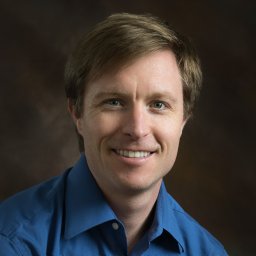 Hydren Jay R合作论文数9Leila A. Walker合作论文数Military Performance Division Building 42, US Army Research Institute of Environmental Medicine7Sarah E. Sauers合作论文数6Simpson Kathleen E合作论文数6Joseph J. Knapik合作论文数Center for Health Promotion and Preventive Medicine (Knapik, Jones),, U.S. Army6
 Nathan Hendrickson合作论文数Military Performance Division Building 42, US Army Research Institute of Environmental Medicine5
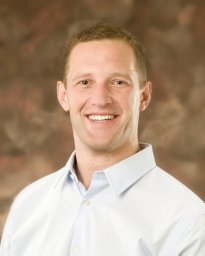 Barry A. Spiering合作论文数Human Performance Laboratory;Department of Kinesiology;University of Connecticut;Human Performance Laboratory, University of Connecticut5Keith G. Hauret合作论文数4
 Peter Frykman合作论文数Danish Geological Survey4Deborah L. Gebhardt合作论文数3Kathleen Larcom合作论文数3Steelman Ryan A合作论文数3Mary C. Pieklo合作论文数3
 Tracey Matthews合作论文数3Vincent J. Paolone合作论文数3
 Caitlin Haven合作论文数2Brooke Pacheco合作论文数2Tyson Grier合作论文数2Katie J. Bouley合作论文数2E Zambraski合作论文数1Bruce H Jones合作论文数1Patrick W. Davidson合作论文数1
 Michael Boye合作论文数1Charlie Kornhauser合作论文数1Deborah L. VanLagen合作论文数1
 David Degroot合作论文数1
 Cody Stahl合作论文数Sch Kinesiol Appl Hlth & Human Performance, Oklahoma State Univ1
 Kathryn Taylor合作论文数US Army, Environm Med Res Inst1
 Richard Westrick合作论文数1Ryan Holmes合作论文数1
 Todd A Baker合作论文数1
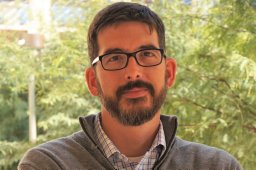 Negus Charles H合作论文数1
 Robin M Orr合作论文数Bond Institute of Health and Sport, Bond University1
 Robert George Lockie合作论文数School of Environmental and Life Sciences, University of Newcastle;School of Exercise and Health Sciences, Edith Cowan University;3Sport and Exercise Discipline Group, University of Technology, Sydney;Kinesiology Department, California State University of Monterey Bay;University of Technology, Sydney, California State University of Monterey Bay1
 Joseph R Pierce合作论文数Performance Division, US Army Research Institute of Environmental Medicine1Mark Blegen合作论文数1
 Joseph A Alemany合作论文数US Army Research Institute of Environmental Medicine1
 Jay Dawes合作论文数1
 Mary Ann Coughlin合作论文数1Gregory C. Mcmahon合作论文数1Sean M. Collins合作论文数1Vincent Paolone合作论文数1




