BACKGROUND:Young adult survivors of childhood brain tumors (YAS) are at risk for limited health-related quality of life (HRQOL) and extended dependence on their maternal caregivers during the transition to adulthood. A problem-solving intervention was adapted to address challenges to family management, self-management, and HRQOL. AIMS:To evaluate the acceptability, feasibility, and preliminary efficacy of a problem-solving intervention (TIPS; Training in Problem-solving) for condition-focused maternal caregivers of YAS. METHODS:Maternal caregivers who screened positive for condition-focused family management were randomized to TIPS (n = 26) or Enhanced Usual Care (EUC; n = 27) and completed measures of problem-solving, family management, YAS self-management, and caregiver and YAS HRQOL at baseline and post-intervention (T3)Acceptability and feasibility data were collected at T3 and described. RESULTS:Both TIPS and EUC had moderate to high acceptability ratings with higher ratings for TIPS utility in meeting family needs. Feasibility, as measured by retention (70% for TIPS) and limited, minor technical glitches, was supported. Session length was a notable exception for feasibility. The largest between-group differences were observed in condition management ability, favoring TIPS (d = -0.85), and condition management effort, favoring TIPS (d = 0.58). Smaller, yet notable, between group differences were identified for YAS self-management (d = 0.44), YAS HRQOL (d = -0.40), and Parent Mutuality (d = -0.32) in the hypothesized direction except for YAS self-management. CONCLUSIONS:TIPS was highly acceptable and moderately feasible. EUC was also acceptable, but the TIPS group demonstrated improved family management and YAS HRQOL highlighting the role of active intervention for caregivers of YAS. CLINICAL TRIALS REGISTRATION:NCI Clinical Trials Reporting Program (NCI-2019-05353).
Pathological complete remission in metastatic colorectal adenocarcinoma. (A) Baseline (hematoxylin-eosin, CD8 and PD-L1). (B) Post-nivolumab: no detectable tumor cells, increased inflammation, and increase in CD8 and PD-L1 expression. All IHC images are 100X.
This study evaluated adaptations to the revised Self- and Family Management Framework aimed at enhancing support for families of young adult survivors of childhood brain tumors (YAS). Baseline data from condition-focused caregivers of YAS (N = 53) examined correlations between the Framework's Facilitators and Barriers (individual/contextual/clinical factors), Processes (caregiver problem-solving), Proximal Outcomes (YAS self-management, caregiver family management), and Distal Outcomes (YAS/caregiver HRQOL). All aspects of family management were associated with YAS HRQOL; only Parent Mutuality was associated with caregiver HRQOL. Problem-solving was partially supported as a process linked to family management and caregiver HRQOL. Individual/contextual/clinical factors were not associated with problem-solving. Self-management was not associated with problem-solving or HRQOL. Interventions grounded in concepts of family management may improve YAS HRQOL and have future potential for family nursing practice. Further research is needed to understand the divergence between HRQOL findings, partial support for problem-solving, and lack of associations with individual/contextual/clinical factors, and self-management.
Results of time-dependent co-variate and landmark analyses at time-points 3 and 6 months of the trial
Abstract BACKGROUND Children and young adults diagnosed with high-grade glioma (HGG) face extremely poor prognoses. Despite multiple clinical trials testing new treatments in this population, a survival advantage has yet to be achieved. Herein we assessed, in a single-arm, multi-center pilot trial, the feasibility of molecular profiling of primary HGG tumor tissue to create an individualized treatment plan with up to four FDA approved medications. METHODS Patients aged <21 years with newly diagnosed, localized, hemispheric HGG (Stratum A) or midline HGG (non-DIPG; Stratum B) were eligible. Tumor tissue underwent comprehensive molecular profiling (targeted gene panel, whole exome, and whole transcriptome sequencing). Based on detailed review of the molecular data by a dedicated tumor board, an individualized treatment plan that combined up to four FDA approved drugs was recommended. Circulating tumor DNA (ctDNA), imaging, and quality of life (QOL) measures were collected at multiple timepoints. RESULTS Fifty-five patients enrolled between 2018 and 2023 (median age 11 years [range 2-20], n=31 female, n=29 Stratum A). The most common integrated diagnoses included H3K27-altered diffuse midline glioma (n=17), H3/IDH-wildtype diffuse pediatric-type HGG (n=16), and H3G34-mutant diffuse hemispheric glioma (n=12). Median overall survival (OS) from the time of study enrollment was 26.5 months in Stratum A (lower 95% CI: 18.7) and 21.7 months in Stratum B (lower 95% CI: 16.8), with a median follow-up of 35.4 months for all patients (lower 95% CI: 32.5). The most common grade 3 or 4 treatment-related adverse events were decreased neutrophils (n=28), decreased platelets (n=22), and decreased white blood cells (n=16). As of December 2023, seven patients remain on therapy. Central imaging, ctDNA, and QOL analyses are underway. CONCLUSIONS A personalized treatment recommendation for children and young adults with HGG based on comprehensive transcriptomic and genomic analysis is feasible. Current survival data are encouraging, and molecular subgroup analyses are ongoing.
Between May 2021 and December 2023, approximately 33% of patients were being treated inpatient at the time of consent for post-mortem tissue donation through Gift From A Child. In the past, a major obstacle preventing families from donating post-mortem tissue was the inability to leave the hospital. Care teams and patient families are often concerned that in order to donate, the patient would have to pass away at the hospital. This creates a situation where the desire to donate comes at the cost of patient care and comfort. Through GFAC, children can pass at home, hospital, or hospice and still donate tissue successfully. The ability to donate post-mortem tissue is independent of patient location, ensuring that the focus of the family and care team remains on the child’s care rather than donation logistics. Additionally, patients can successfully donate tissue independent of status at the time of inquiry (declining, stable, urgent). The ability to quickly access a resource at a low burden to the family has been crucial in allowing tissue donation to happen. This also improves patient equity by eliminating access to hospital resources as a reason for a patient family to be required to live near a hospital. This is oftentimes a tremendous financial difficulty for patient families. Through establishing standard operating procedures and appointing tissue navigators, GFAC has streamlined what was previously an extremely complicated process mired in logistical obstacles. Patient families now have access to an efficient process for tissue donation. Previously, families would need to navigate complicated logistics unsupported, now they (or someone on their behalf) only need to contact GFAC or a Research Center of Excellence via phone or email and consent for donation. This ensures that post-mortem tissue can be donated easily, efficiently, and from wherever the patient family chooses.
Objective Survivors of pediatric brain tumors (SPBT) are at risk for social deficits, fewer friendships, and poor peer relations. SPBT also experience reduced brain connectivity via microstructural disruptions to white matter from neurological insults. Research with other populations implicates white matter connectivity as a key contributor to poor social functioning. This case-controlled diffusion-weighted imaging study evaluated structural connectivity in SPBT and typically developing controls (TDC) and associations between metrics of connectivity and social functioning.Methods Diffusion weighted-imaging results from 19 SPBT and 19 TDC were analyzed using probabilistic white matter tractography. Survivors were at least 5 years post-diagnosis and 2 years off treatment. Graph theory statistics measured group differences across several connectivity metrics, including average strength, global efficiency, assortativity, clustering coefficient, modularity, and betweenness centrality. Analyses also evaluated the effects of neurological risk on connectivity among SPBT. Correlational analyses evaluated associations between connectivity and indices of social behavior.Results SPBT demonstrated reduced global connectivity compared to TDC. Several medical factors (e.g., chemotherapy, recurrence, multimodal therapy) were related to decreased connectivity across metrics of integration (e.g., average strength, global efficiency) in SPBT. Connectivity metrics were related to peer relationship quality and social challenges in the SPBT group and to social challenges in the total sample.Conclusions Microstructural white matter connectivity is diminished in SPBT and related to neurological risk and peer relationship quality. Additional neuroimaging research is needed to evaluate associations between brain connectivity metrics and social functioning in SPBT.
Abstract The Gift From A Child post-mortem brain tumor tissue donation program was developed with patient families, care teams, and researchers to ensure patients can choose to donate brain tumor tissue regardless of logistics and circumstances. In the past 5 years, the program has developed a network of 7 Research Centers of Excellence (RCOE) that work with over 75 referring institutions, non-profit foundations, patient communities, and consortiums. Since the institution of this program, there has been an increase in the total number of donations. External donations also continue to grow as awareness builds, independent of new RCOEs joining the network. Program success is demonstrated by the increasing percentage of external donations and the number of new referral institutions each year. There has also been an overall increase in both total and percentage of donations from external referral sources, with an increasing majority of donations being external. From 2019 to 2023, the total number of external donations has jumped from 45 to 89 per year, reflecting an increase from 42% to 65% of the total donations. The referrals for external donations come from the treating neuro-oncology and general care teams, self-referrals from patient families directly, and from the patient family community on behalf of current patients. Resources are accessible via a 1-800 number, the GFAC website, and calls directly to RCOE or the GFAC team. Overcoming institutional and other logistical barriers ensures that all patients have access to GFAC. Patients who would otherwise be unable to donate are now represented in research that informs future treatments, leading to pre-clinical research that better represents the actual patient population. All data from donations via GFAC is shared with CBTN to ensure open access. This has led to an increase in successful projects and cell lines developed from the donated tissue.
The physical, emotional, social, developmental, and economic risk experienced by survivors of childhood brain tumors and their families is well documented, as is the acceleration of those risks as survivors transition into young adulthood. Further, the impact of the lack of services in the community is compounded by insufficient investigation of interventions to support survivor functioning and their caregiver’s management of their medical and psychosocial needs.The purpose of this study was to describe maternal caregivers’ perspectives about key components of potential interventions to support maternal caregivers of young adult survivors of childhood brain tumors. Data were obtained from 21 at-risk maternal caregivers (based on the Family Management Style Measure) of young adult survivors aged 18-29 years old who were not partnered, were presently living at home, and who participated in a pilot randomized trial Training in Problem Solving (TIPS) for Caregiver of Young Adult Survivors of Childhood Brain Tumors. Caregivers were interviewed using a semi-structured qualitative interview guide constructed using the Consolidated Framework for Implementation Science. Codes, categories, then themes were identified by means of directed content analysis. All caregivers agreed these services were absent and the most effective timing would be at the transition to survivorship with ongoing follow-up. Key components of potential interventions identified by maternal caregivers were skill-building, motivational interviewing to increase readiness to change long-standing patterns of family management, use of validation of their efforts as parents and caregivers to build confidence in trying new approaches and shifting their perspectives on ongoing caregiving for a childhood brain tumor survivor to find hope in even small changes. Caregivers endorsed the importance of targeted psychosocial support throughout survivorship for caregivers within the context of their family, facilitating their roles as both parents and caregivers to young adult childhood brain tumor survivors.
Abstract BACKGROUND PNOC005 is a phase 1 clinical trial investigating the safety and tolerability of intratumoral or intrathecal administration of oncolytic measles virus (MV-NIS) in children and young adults with recurrent medulloblastoma (MB) or atypical teratoid/rhabdoid tumor (ATRT). METHODS Patients with recurrence of MB or ATRT were stratified into Stratum A (local recurrence) or B (disseminated recurrence). Stratum A patients received MV-NIS directly into the tumor bed at time of surgical resection. Stratum B patients received a single dose of MV-NIS via lumbar puncture. After safety was demonstrated in Stratum A and B, Stratum C was added with repeat dosing on Day 0 and 7 for patients with recurrent disseminated MB. Specimens for viral shedding were collected. Blood was collected on days 0, 4, 7, 14, and 28. RNA-sequencing deconvolution and time-series analysis were performed to estimate the composition and phenotypes of peripheral blood mononuclear cells (PBMCs). RESULTS Thirty-four patients (median age 8.5, range 2-31) enrolled between February 2017 and April 2021, with 23 evaluable patients with MB and 4 with ATRT. One patient experienced a dose-limiting toxicity (grade 3 alanine aminotransferase increase). There were four MV-NIS-related adverse events grade 3 or greater across all strata. Viral shedding was detected in 5 patients, all of which cleared by end-of-treatment. We found a similar gene-expression program in PMBCs that correlated across patients (n=18), which was upregulated at days 4-7 post treatment and consistent with an antiviral response. Concomitant changes in B, T, and natural-killer cell composition and activation were consistent with this interpretation. CONCLUSION This is the first trial investigating intratumoral as well as repeated intrathecal delivery of MV-NIS in children with MB and ATRT. We show that therapy is safe and well-tolerated with minimal adverse effects. Immune markers and biologic correlates preliminarily indicate anti-viral effects in tumors.
Abstract BACKGROUND Despite multiple clinical trials in young patients with newly diagnosed high grade gliomas (HGG), survival remains poor. PNOC008 is a single-arm, multi-center pilot trial, investigating the feasibility, toxicity, and efficacy of a molecularly guided individualized treatment approach following radiotherapy. METHODS Patients aged ≤21 years with newly diagnosed, localized, hemispheric HGG (Stratum A) or non DIPG, diffuse midline glioma (DMG) (Stratum B) were eligible. Comprehensive molecular profiling (targeted gene panel, whole exome, and whole transcriptome sequencing) was performed on primary tumor tissue. The molecular data was reviewed by a dedicated tumor board that recommended an individualized treatment plan combining up to four FDA approved drugs. Patients were followed for toxicity and efficacy. Circulating tumor DNA (ctDNA), imaging, and quality of life (QOL) measures were collected at multiple timepoints. RESULTS Fifty-five HGG patients enrolled between 2018 and 2023 (median age 11 years [range 2-20], n=31 female, n=29 Stratum A), including H3K27-altered (n=17), H3/IDH-wildtype diffuse pediatric-type (n=16), and H3G34-mutant diffuse hemispheric glioma (n=12). In 44 patients that followed the recommended treatment, median overall survival (OS) from time of study enrollment was 26.5 months in Stratum A (lower 95% CI: 18.5) and 23.6 months in Stratum B (lower 95% CI: 16.8), and 30 months in H3G34-mutant patients (n=10, lower 95% CI:24.6) with median follow-up of 34.5 months for all patients (lower 95% CI: 32.2). The treatment recommendations most commonly included alkylator with targeted therapy combinations. The often novel drug combinations were generally well tolerated with grade 3 or 4 treatment-related adverse events being mostly hematologic. Central imaging, ctDNA, and QOL analyses are underway. CONCLUSIONS A personalized treatment approach using comprehensive transcriptomic and genomic analysis is feasible and well tolerated with encouraging survival data in children and young adults with HGG. Further analyses of molecular subgroups and correlatives are ongoing.
Abstract BACKGROUND Children with diffuse midline glioma (DMG) face dismal prognoses. PNOC DMG-ACT (DMG-Adaptive Combination Trial, PNOC022) is an open-label, international trial investigating the efficacy of combination therapies for patients with DMG. We present an early report on Cohorts 1-3, treated with ONC201, an orally available ClpP agonist, and paxalisib, a dual PI3K-mTOR inhibitor. METHODS Patients aged 2-39 years enrolled pre-radiation (Cohort 1), 4-14 weeks post-radiation (Cohort 2), or at progression (Cohort 3). Patients were randomized to receive ONC201 or paxalisib prior to surgery when biopsy was indicated and/or in combination with radiation when radiation was indicated. Those not planned for biopsy were required to submit archival tissue. All received maintenance therapy with weekly ONC201 (weight based adult equivalent of 625 mg) and daily paxalisib (27 mg/m2). Plasma and CSF samples for pharmacokinetics (PK) and biologic correlates were collected. RESULTS Between November 2021 and September 2023, 132 patients met critera for study therapy (Cohort 1=33; Cohort 2=69; Cohort 3=30; median age 9 years [range 2-37], n=73 female [55%]; n=86 pontine [65%]). Median overall survival (OS) from diagnosis is 13.2 months in Cohort 1 (lower 95% CI 11.1) and 15.8 months in Cohort 2 (lower 95% CI 13.9). Median OS from progression is 8.8 months in Cohort 3 (lower 95% CI 8.6). Most common non-hematologic grade 3 and above treatment-related adverse events (TRAE) were maculopapular rash (n=12); mucositis (n=8); colitis and hyperglycemia (n=7). Most common serious TRAEs were colitis (n=7) and hyperglycemia (n=6). We have collected 169 CSF samples and >600 plasma samples for ctDNA. Cohort 2 PK from CSF and plasma and CSF metabolomics and somatic mutation landscapes are being finalized. CONCLUSIONS We will present somatic mutation profiles, PK analysis, ctDNA, and metabolic signatures from the CSF in association with toxicity, survival, and tumor response via central imaging review.
Abstract BACKGROUND SJMB12 (NCT01878617) was among the first protocols to treat newly diagnosed MB incorporating molecular subgrouping. METHODS Tumors were subtyped and TP53 mutation assessed via immunohistochemistry. SHH patients were grouped into 2 strata: S1 (GTR/NTR; M0) and S2 (residual > 1.5 cm2; MYC/MYCN amplification; M+). Treatment consisted of maximal surgical resection followed by risk adapted craniospinal irradiation (CSI) (S1 = 23.4 Gy CSI; S2= 36); 54 Gy primary site. Patients then received 4 cycles of chemotherapy consisting of Vincristine 1 mg/m2 on Day 1 and Day 8; Cisplatin 75 mg/m2 on Day 1 and Cyclophosphamide 1.5 gm/m2 on Day 2 and 3 with Mesna and IV fluid support. PEG Filgrastim was administered on Day 4. Skeletally mature pts (males with bone age ≥ 17 yrs.; females with bone age ≥ 15 yrs.) were also treated with the smoothened inhibitor Vismodegib for 12 months. RESULTS Of the 660 patients accrued from 2013-2022, 110 were SHH (107 evaluable, 62 in S1 and 45 in S2). Median age was 12.2 yrs. (3.1-39.7) and 67 were males. 98 patients had GTR/NTR, 31 had M+ disease and 63 had nodular desmoplastic histology. TP53 mutation was detected in 7 (11.5%) S1 and 18 (40%) S2 pts. 5-year EFS for S1 and S2 were 84.5 ± 6.4% and 61 ± 11.5%, respectively. Five-year EFS of the S1 was 91.7 ± 5.4% and 28.6 ± 13.9% for TP53 wildtype and TP53 mutant cases, respectively, and 84.2 ± 10.1% and 25.0 ± 21.7% in the S2 cohort. CONCLUSION Patients with low-risk SHH MB lacking TP53 mutation have excellent survival and may be considered for therapy reduction. TP53 mutation, with or without M+ disease, leads to a dismal outcome that needs novel therapy for cure.
The chronic and intensive care needs of young adult survivors of childhood brain tumors are most often addressed by their maternal caregivers with limited, specific psychosocial or other programs to reduce caregiving demands and enhance their family management. Using a social ecological perspective, the purpose of this study was to catalyze and inform the development of more comprehensive and accessible programs for caregivers of young adult survivors of childhood brain tumors. Semi-structured interviews were conducted with 21 maternal caregivers, 6 post baccalaureate students/professional coaches for a problem-solving intervention for maternal caregivers, and 16 neuro-oncology clinical experts using interview guides tailored to their roles and constructed based on the Consolidated Framework for Implementation Science. Qualitative. Interview data were analyzed using content analysis. Barriers included: need for internet connected devices (microsystem level); lack of care matched to their identified needs (mesosystem); poor tracking of long-term survivors and lack of survivorship psychosocial services (macrosystem); and lack of supportive health care policies and funding mechanisms for individuals and organizations (exosystem). Facilitators included: web-based platform accessible to the individuals and population (microsystem); widespread acknowledgement regarding gaps in survivorship psychosocial care (mesosystem); partnerships with survivors of childhood brain tumors, caregivers, and organizations that treat them (macrosystem); and dissemination among childhood brain tumor treatment/survivorship programs, healthcare systems, and community organization and endorsement from them (exosystem). Multilevel approaches that address barriers and facilitators for improving health equity for maternal caregivers of young adult survivors of childhood brain tumors incorporate the design and dissemination of accessible, web-based programs designed in partnership with survivors, caregivers, and organizations to build care matched to need, as well as organizational, political, and community advocacy.
 Sarah Leary合作论文数25
 Stewart Goldman合作论文数23
 Garrett M. Brodeur合作论文数Perelman School of Medicine, University of Pennsylvania;Division of Oncology, The Children's Hospital of Philadelphia;Department of Pediatrics, University of Pennsylvania20
 Roger J. Packer合作论文数Gilbert Family Neurofibromatosis Institute, Children’s National Hospital, University of Pennsylvania;School of Medicine and Health Sciences, George Washington University;University of Virginia19Maryam Fouladi合作论文数17
 Javad Nazarian合作论文数Children’s National Medical Center Research Center for Genetic Medicine17
 Sabine Mueller合作论文数Helen Diller Family Comprehensive Cancer, University of California, San Francisco;Weill Institute for Neurosciences, University of California, San Francisco;School of Medicine, University of California, San Francisco17
 Angela J Waanders合作论文数Hematology, Oncology and Stem Cell Transplantation, Department of Pediatrics, Feinberg School of Medicine, Northwestern University16Peter C. Phillips合作论文数Department of Neurology, Perelman School of Medicine, University of Pennsylvania16
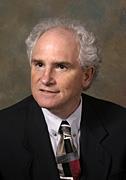 Michael D. Prados合作论文数Weill Institute for Neurosciences, University of California, San Francisco;Helen Diller Family Comprehensive Cancer Center, University of California, San Francisco;Department of Neurological Surgery, School of Medicine, University of California, San Francisco16Tim Hassall合作论文数16
 Lindsay Kilburn合作论文数15
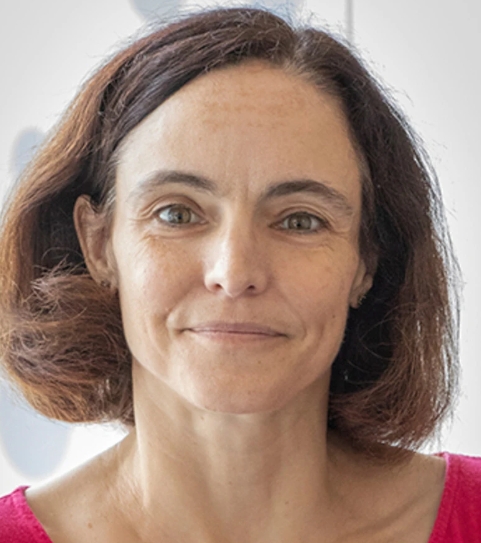 Cynthia Hawkins合作论文数Department of Laboratory Medicine & Pathobiology, Temerty Faculty of Medicine, University of Toronto;The Hospital for Sick Children15
 Adam Lane合作论文数Division of Bone Marrow Transplantation and Immune Deficiency, Cincinnati Children's Hospital Medical Center15
 Michelle Monje合作论文数Department of Psychiatry and Behavioral Sciences, School of Medicine, Stanford University15Brooklyn Chaney合作论文数14
 Blaise V. Jones合作论文数Medical Center, Cincinnati Children’s Hospital14James L. Leach合作论文数14Ruth Ho合作论文数13Jennifer Elster合作论文数13
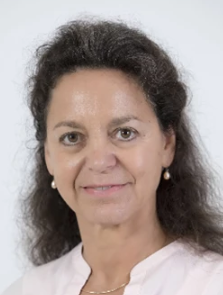 Ute Bartels合作论文数Department of Paediatrics, Faculty of Arts and Science, University of Toronto;The Hospital for Sick Children13
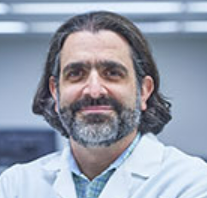 Adam C. Resnick合作论文数Department of Neurosurgery, Perelman School of Medicine, University of Pennsylvania;Center for Data Driven Discovery in Biomedicine, The Children's Hospital of Philadelphia13
 Eric Bouffet合作论文数Department of Paediatrics, University of Toronto;Division of Haematology/Oncology, Hospital for Sick Children13Jean B. Belasco合作论文数13
 David Ziegler合作论文数Children's Cancer Institute;School of Clinical Medicine, University of New South Wales;Kids Cancer Centre, Sydney Children’s Hospital13
 Mike Fisher合作论文数Geo-Solutions Inc.12
 Annette Molinaro合作论文数Helen Diller Family Comprehensive Cancer Center, University of California, San Francisco;Department of Neurological Surgery, School of Medicine, University of California, San Francisco;Brain Tumor Research Center, University of California, San Francisco12
 Nick Gottardo合作论文数Faculty of Health and Medical Sciences, Paediatrics, University of Western Australia;Brain Tumour Laboratory, Cancer Centre, Telethon Kids Institute;Department of Haematology, Perth Children's Hospital11
 Carl Koschmann合作论文数Department of Pediatrics, Medical School, University of Michigan11Joanna Phillips合作论文数Department of Neurological Surgery, Helen Diller Research Center, University of California San Francisco, San Francisco, CA, USA10
 Yimei Li合作论文数Department of Biostatistics, Epidemiology and Informatics, Perelman School of Medicine, University of Pennsylvania10
 Nicholas Whipple合作论文数10Fisher Paul G合作论文数10
 Waszak Sebastian M合作论文数European Molecular Biology Laboratory (EMBL), Genome Biology Unit, Heidelberg, Germany.10
 Hansford Jordan合作论文数10Audrey E. Evans合作论文数10
 Cassie Kline合作论文数San Diego10Christine Fuller合作论文数10Katie Black合作论文数9
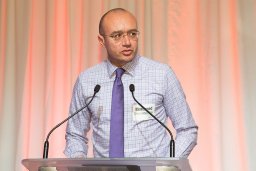 Mohamed S. AbdelBaki合作论文数St. Louis Children's Hospital, Washington University School of Medicine9Drissi Rachid合作论文数9
 Lindsey M Hoffman合作论文数9Radhika Iyer合作论文数9Mariko DeWire-Schottmiller合作论文数8Yvan Samson合作论文数8Jennifer Light合作论文数8Hetal Dholaria合作论文数8Chie-Schin Shih合作论文数8
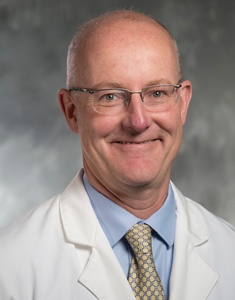 Lars Martin Wagner合作论文数Department of Pediatrics, Duke University School of Medicine8




