BACKGROUND:Long term respiratory symptoms are reported following recovery of acute COVID-19 infection and residual lung abnormalities (RLA) on follow-up thoracic computed tomography (CT) after COVID-19 hospitalisation have been observed. It is unknown whether RLA are associated with epithelial lung injury. METHODS:Plasma was sampled from the observational Post HOSPitalisation-COVID cohort at five months post-hospitalisation. Epithelial injury biomarkers Krebs von den Lungen-6 (KL-6), matrix metalloproteinase 7 (MMP-7), surfactant protein-D (SP-D) and surfactant protein-A (SP-A) were assayed. In those without follow-up CT, RLA at-risk was defined by percent predicted DLCO <80% and/or abnormal chest X-ray, otherwise they were considered low-risk. Follow-up CT RLA was defined as combined involvement of ground glass opacity and reticulation ≥10%. FINDINGS:A total of 957 people were included, 846 people with no CT (at-risk n = 103; 12.2%), 111 people with follow-up CT (RLA ≥10% n = 85; 76.6%). All epithelial injury biomarkers were significantly elevated in people at-risk of RLA compared with low-risk. KL-6 and MMP-7 were significantly higher in people with ≥10% RLA than those with <10%, SP-D and SP-A did not reach significance. SP-D and SP-A were associated with percent involvement of reticulation (3.22%, 95% CI 1.19-5.24; 3.03%, 95% CI 0.76-5.30, respectively). INTERPRETATION:RLA after acute COVID-19 infection were consistent with elevated epithelial injury biomarkers and pro-fibrotic signalling. Future studies should address the temporal association between fibrotic biomarkers and resolution or progression of radiological involvement. FUNDING:MRC-UK Research and Innovation and National Institute for Health Research (NIHR) rapid response panel to tackle COVID-19 (MR/V027859/1; COV0319; MR/W006111/1).
Eicosanoids are 20-carbon fatty acids, where the usual focus is the polyunsaturated analogue arachidonic acid and its metabolites. Arachidonic acid is thought primarily to derive from phospholipase A2 action on membrane phosphatidylcholine, and may be re-cycled to form phospholipid through conjugation with coenzyme A and subsequently glycerol derivatives. Oxidative metabolism of arachidonic acid is conducted through three major enzymatic routes: cyclooxygenases; lipoxygenases and cytochrome P450-like epoxygenases, particularly CYP2J2. Isoprostanes are structural analogues of the prostanoids (hence the nomenclature D-, E-, F-isoprostanes and isothromboxanes), which are produced in the presence of elevated free radicals in a non-enzymatic manner, leading to suggestions for their use as biomarkers of oxidative stress. Molecular targets for their action have yet to be defined.
Large, randomized trials testing omega-3 polyunsaturated fatty acid (ω-3 PUFA) supplementation to reduce cardiovascular events have reported contradictory results. Interpretation of these trials is challenging, because different dosages and formulations of ω-3 PUFA were tested. Furthermore, the exact mechanisms for the reduction in cardiovascular events are unclear. In this study, we investigated the effects of ω-3 PUFA on platelet adhesion, degranulation, and aggregation in vitro and in patients with cardiovascular disease using different formulations of ω-3 PUFA. We also investigated the effects of ω-3 PUFA in rodent models of arterial thrombosis and in tail bleeding assays, including in cyclooxygenase-1 (COX-1)–deficient animals. The ω-3 PUFA eicosapentaenoic acid (EPA) dose-dependently reduced platelet adhesion, degranulation, and aggregation in vitro. Moreover, arterial thrombus formation in wild-type mice was inhibited by oral EPA administration before thrombus formation. Photoaffinity labeling and in silico docking analyses suggested a direct, competitive interaction of EPA and arachidonic acid at the level of COX-1. The COX-1 dependency of EPA’s inhibitory effects was confirmed by platelet-specific COX-1–deficient animals that had no reduction of thrombus burden by EPA. In patients with cardiovascular disease, switching from 2 grams of EPA twice daily to 1 gram of docosahexaenoic acid (DHA) (460 milligrams of EPA and 380 milligrams of DHA) once daily completely blunted the platelet inhibition achieved by EPA. Our results may partially explain contradictory results with different ω-3 PUFA formulations in clinical trials.
Use of non-steroidal anti-inflammatory drugs (NSAIDs), which work by inhibiting cyclo-oxygenase-2, is associated with an increased risk of thrombotic cardiovascular events. There is increasing evidence for a role of renal cyclo-oxygenase-2 in NSAID-induced cardiovascular side effects, including through dysregulation of methylarginines, endogenous inhibitors of nitric oxide synthase. However, delineating the significance of renal pathways has been hampered by a lack of suitable models. Here we have generated mouse models of cyclo-oxygenase-2 deficiency from relevant cell types to test directly their contributions. Deletion of cyclo-oxygenase-2 from fibroblasts reduced total renal expression without altering expression elsewhere. Fibroblast cyclo-oxygenase-2 knockout increased thrombosis after arterial injury, which was associated with the accumulation of plasma methylarginines and consequent systemic endothelial nitric oxide dysfunction. The pro-thrombotic phenotype in these animals was reversed by L-arginine, which competes against the inhibitory effect of methylarginines, in line with a mechanistic contribution. By comparison, pro-thrombotic phenotypes in endothelial cyclo-oxygenase-2 knockout mice, which occur via a vascular mechanism, were not associated with changes in methylarginines and were insensitive to L-arginine. Taken together, these studies provide direct evidence for a role of fibroblast and renal cyclo-oxygenase-2 in anti-thrombotic protection and demonstrate that to understand, predict, treat, and/or prevent NSAID-induced cardiovascular side effects, we must consider these pathways.
Dietary nitrate supplementation, which improves skeletal muscle oxygen utilisation, vascular endothelial function and exercise capacity in people with chronic obstructive pulmonary disease, may benefit other lung conditions. In a double-blind, placebo-controlled, crossover study, in 19 adults with Group 3 pulmonary hypertension who desaturated during exercise, 140 mL of nitrate-rich beetroot juice improved endurance shuttle walk time compared with nitrate-depleted beetroot juice placebo (median (IQR) ESWT NR-BRJ 197 (140–273) s vs PL-BRJ 174 (107–229) s; median difference (MD) (95% CI) 30 (6.19 to 91.07) s, p=0.0281), endothelial function, flow-mediated dilatation (+3.40±5.47% vs −1.33±4.78; MD (95% CI) 4.73 (1.44 to 8.02), p=0.007) and lowered mean arterial blood pressure (−3.9 (−7.4 to −0.4) mm Hg, p=0.028).
BACKGROUND: Prostacyclin is a fundamental signaling pathway traditionally associated with the cardiovascular system and protection against thrombosis but which also has regulatory functions in fibrosis, proliferation, and immunity. Prevailing dogma states that prostacyclin is principally derived from vascular endothelium, although it is known that other cells can also synthesize it. However, the role of nonendothelial sources in prostacyclin production has not been systematically evaluated resulting in an underappreciation of their importance relative to better characterized endothelial sources.METHODS: To address this, we have used novel endothelial cell-specific and fibroblast-specific COX (cyclo-oxygenase) and prostacyclin synthase knockout mice and cells freshly isolated from mouse and human lung tissue. We have assessed prostacyclin release by immunoassay and thrombosis in vivo using an FeCl3-induced carotid artery injury model.RESULTS: We found that in arteries, endothelial cells are the main source of prostacyclin but that in the lung, and other tissues, prostacyclin production occurs largely independently of endothelial and vascular smooth muscle cells. Instead, in mouse and human lung, prostacyclin production was strongly associated with fibroblasts. By comparison, microvascular endothelial cells from the lung showed weak prostacyclin synthetic capacity compared with those isolated from large arteries. Prostacyclin derived from fibroblasts and other nonendothelial sources was seen to contribute to antithrombotic protection.CONCLUSIONS: These observations define a new paradigm in prostacyclin biology in which fibroblast/nonendothelial-derived prostacyclin works in parallel with endothelium-derived prostanoids to control thrombotic risk and potentially a broad range of other biology. Although generation of prostacyclin by fibroblasts has been shown previously, the scale and systemic activity was unappreciated. As such, this represents a basic change in our understanding and may provide new insight into how diseases of the lung result in cardiovascular risk.
Background Short-term studies suggest that dietary nitrate (NO 3 − ) supplementation may improve the cardiovascular risk profile, lowering blood pressure (BP) and enhancing endothelial function. It is not clear if these beneficial effects are sustained and whether they apply in people with COPD, who have a worse cardiovascular profile than those without COPD. Nitrate-rich beetroot juice (NR-BRJ) is a convenient dietary source of nitrate. Methods The ON-BC trial was a randomised, double-blind, placebo-controlled parallel group study in stable COPD patients with home systolic BP (SBP) measurement ≥130 mmHg. Participants were randomly allocated (1:1) using computer-generated, block randomisation to either 70 mL NR-BRJ (400 mg NO 3 − ) (n=40) or an otherwise identical nitrate-depleted placebo juice (0 mg NO 3 − ) (n=41), once daily for 12 weeks. The primary end-point was between-group change in home SBP measurement. Secondary outcomes included change in 6-min walk distance (6MWD) and measures of endothelial function (reactive hyperaemia index (RHI) and augmentation index normalised to a heart rate of 75 beats·min −1 (AIx75)) using an EndoPAT device. Plasma nitrate and platelet function were also measured. Results Compared with placebo, active treatment lowered SBP (Hodges–Lehmann treatment effect −4.5 (95% CI −5.9– −3.0) mmHg), and improved 6MWD (30.0 (95% CI 15.7–44.2) m; p<0.001), RHI (0.34 (95% CI 0.03–0.63); p=0.03) and AIx75 (−7.61% (95% CI −14.3– −0.95%); p=0.026). Conclusions In people with COPD, prolonged dietary nitrate supplementation in the form of beetroot juice produces a sustained reduction in BP, associated with an improvement in endothelial function and exercise capacity.
Aims:The Standard care vs. Celecoxib Outcome Trial (SCOT) found similar risk of cardiovascular events with traditional non-steroidal anti-inflammatory drugs (NSAIDs) and the cyclooxygenase-2-selective drug celecoxib. While pre-clinical work has suggested roles for vascular and renal dysfunction in NSAID cardiovascular toxicity, our understanding of these mechanisms remains incomplete. A post hoc analysis of the SCOT cohort was performed to identify clinical risk factors and circulating biomarkers of cardiovascular events in NSAID users. Methods and results:Within SCOT (7295 NSAID users with osteoarthritis or rheumatoid arthritis), clinical risk factors associated with cardiovascular events were identified using least absolute shrinkage and selection operator regression. A nested case-control study of serum biomarkers including targeted proteomics was performed in individuals who experienced a cardiovascular event within 1 year (n = 49), matched 2:1 with controls who did not (n = 97). Risk factors significantly associated with cardiovascular events included increasing age, male sex, smoking, total cholesterol:HDL ratio ≥5, and aspirin use. Statin use was cardioprotective [odds ratio (OR) 0.68; 95% confidence interval (CI) 0.46-0.98]. There was significantly higher immunoglobulin (Ig)G anti-malondialdehyde-modified LDL (MDA-LDL), asymmetric dimethylarginine (ADMA), and lower arginine/ADMA. Targeted proteomic analysis identified serum growth differentiation factor 15 (GDF-15) as a candidate biomarker [area under the curve of 0.715 (95% CI 0.63-0.81)]. Conclusion:Growth differentiation factor 15 has been identified as a candidate biomarker and should be explored for its mechanistic contribution to NSAID cardiovascular toxicity, particularly given the remarkable providence that GDF-15 was originally described as NSAID-activated gene-1.
Background Pulmonary embolism (PE) is a well-recognised complication of coronavirus disease 2019 (COVID-19) infection, and chronic thromboembolic pulmonary disease with and without pulmonary hypertension (CTEPD/CTEPH) are potential life-limiting consequences. At present the burden of CTEPD/ CTEPH is unclear and optimal and cost-effective screening strategies yet to be established. Methods We evaluated the CTEPD/CTEPH referral rate to the UK national multidisciplinary team (MDT) during the 2017-2022 - 2022 period to establish the national incidence of CTEPD/CTEPH potentially attributable to COVID-19-associated PE with historical comparator years. All individual cases of suspected CTEPH were reviewed by the MDT for evidence of associated COVID-19. In a separate multicentre cohort, the risk of developing CTEPH following hospitalisation with COVID-19 was calculated using simple clinical parameters at a median of 5 months post-hospital discharge according to existing risk scores using symptoms, ECG and N-terminal pro-brain natriuretic peptide. Results By the second year of the pandemic, CTEPH diagnoses had returned to the pre-pandemic baseline (23.1 versus 27.8 cases per month; p=0.252). Of 334 confirmed CTEPD/CTEPH cases, four (1.2%) patients were identified to have CTEPH potentially associated with COVID-19 PE, and a further three (0.9%) CTEPD without PH. Of 1094 patients (mean age 58 years, 60.4% male) hospitalised with COVID19 screened across the UK, 11 (1.0%) were at high risk of CTEPH at follow-up, none of whom had a diagnosis of CTEPH made at the national MDT. Conclusion A priori risk of developing CTEPH following COVID-19-related hospitalisation is low. Simple risk scoring is a potentially effective way of screening patients for further investigation.
IntroductionThrough the production of prostacyclin, cyclooxygenase (COX)-2 protects the cardiorenal system. Asymmetric dimethylarginine (ADMA), is a biomarker of cardiovascular and renal disease. Here we determined the relationship between COX-2/prostacyclin, ADMA, and renal function in mouse and human models.MethodsWe used plasma from COX-2 or prostacyclin synthase knockout mice and from a unique individual lacking COX-derived prostaglandins (PGs) because of a loss of function mutation in cytosolic phospholipase A2 (cPLA2), before and after receiving a cPLA2-replete transplanted donor kidney. ADMA, arginine, and citrulline were measured using ultra-high performance liquid-chromatography tandem mass spectrometry. ADMA and arginine were also measured by enzyme-linked immunosorbent assay (ELISA). Renal function was assessed by measuring cystatin C by ELISA. ADMA and prostacyclin release from organotypic kidney slices were also measured by ELISA.ResultsLoss of COX-2 or prostacyclin synthase in mice increased plasma levels of ADMA, citrulline, arginine, and cystatin C. ADMA, citrulline, and arginine positively correlated with cystatin C. Plasma ADMA, citrulline, and cystatin C, but not arginine, were elevated in samples from the patient lacking COX/prostacyclin capacity compared to levels in healthy volunteers. Renal function, ADMA, and citrulline were returned toward normal range when the patient received a genetically normal kidney, capable of COX/prostacyclin activity; and cystatin C positively correlated with ADMA and citrulline. Levels of ADMA and prostacyclin in conditioned media of kidney slices were not altered in tissue from COX-2 knockout mice compared to wildtype controls.ConclusionIn human and mouse models, where renal function is compromised because of loss of COX-2/PGI2 signaling, ADMA levels are increased.
(1) Pulmonary hypertension (PH)-associated right ventricular (RV) failure is linked to a reduction in pulmonary vasodilators. Treprostinil has shown effectiveness in PAH patients with cardiac decompensation, hinting at potential cardiac benefits. We investigated treprostinil’s synergy with isoprenaline in RV and LV cardiomyocytes. We hypothesised that disease-related RV structural changes in cardiomyocytes would reduce contractile responses and cAMP/PKA signalling activity. (2) We induced PH in male Sprague Dawley rats using monocrotaline and isolated their ventricular cardiomyocytes. The effect of in vitro treprostinil and isoprenaline stimulation on contraction was assessed. FRET microscopy was used to study PKA activity associated with treprostinil stimulation in AKAR3-NES FRET-based biosensor-expressing cells. (3) RV cells exhibited maladaptive remodelling with hypertrophy, impaired contractility, and calcium transients compared to control and LV cardiomyocytes. Combining treprostinil and isoprenaline failed to enhance inotropy in PH RV cardiomyocytes. PH RV cardiomyocytes displayed an aberrant contractile behaviour, which the combination treatment could not rectify. Finally, we observed decreased PKA activity in treprostinil-treated PH RV cardiomyocytes. (4) PH-associated RV cardiomyocyte remodelling reduced treprostinil sensitivity, inotropic support, and impaired relaxation. Overall, this study highlights the complexity of RV dysfunction in advanced PH and suggests the need for alternative therapeutic strategies.
Prostaglandin (PG) G/H synthase, most commonly referred to as cyclooxygenase (COX, (5Z,8Z,11Z,14Z)-icosa-5,8,11,14-tetraenoate,hydrogen-donor : oxygen oxidoreductase) activity, catalyses the formation of PGG2 from arachidonic acid. Hydroperoxidase activity inherent in the enzyme catalyses the formation of PGH2 from PGG2. COX-1 and -2 can be nonselectively inhibited by ibuprofen, ketoprofen, naproxen, indomethacin and paracetamol (acetaminophen). PGH2 may then be metabolised to prostaglandins and thromboxanes by various prostaglandin synthases in an apparently tissue-dependent manner.
Idiopathic pulmonary fibrosis (IPF) is a progressive scarring disease of the lung with poor survival. The incidence and mortality of IPF are rising, but treatment remains limited. Currently, two drugs can slow the scarring process but often at the expense of intolerable side effects, and without substantially changing overall survival. A better understanding of mechanisms underlying IPF is likely to lead to improved therapies. The current paradigm proposes that repetitive alveolar epithelial injury from noxious stimuli in a genetically primed individual is followed by abnormal wound healing, including aberrant activity of extracellular matrix–secreting cells, with resultant tissue fibrosis and parenchymal damage. However, this may underplay the importance of the vascular contribution to fibrogenesis. The lungs receive 100% of the cardiac output, and vascular abnormalities in IPF include (a) heterogeneous vessel formation throughout fibrotic lung, including the development of abnormal dilated vessels and anastomoses; (b) abnormal spatially distributed populations of endothelial cells (ECs); (c) dysregulation of endothelial protective pathways such as prostacyclin signaling; and (d) an increased frequency of common vascular and metabolic comorbidities. Here, we propose that vascular and EC abnormalities are both causal and consequential in the pathobiology of IPF and that fuller evaluation of dysregulated pathways may lead to effective therapies and a cure for this devastating disease.
The incidence of respiratory diseases is constantly increasing. Although asthma-related mortality has improved over the years, mortality risk remains high. This is primarily due to non-respiratory causes such as cardiovascular diseases. Reduced lung function has been associated with elevated cardiovascular risk. Here we investigated the relationship between vascular and airway function focusing on the role of cyclooxygenase (COX)-derived mediators. C57BL/6, endothelial-COX-1 knockout (EC-COX1 KO), fibroblast-COX-1 knockout (Fsp-COX-1 KO), and ovalbumin (OVA)-sensitized BALB/c mice have been used. Functional studies showed the key role of COX-1-derived mediators in maintaining the bronchial tone in C57BL/6 mice. Selective inhibition of bronchial COX-1 increased the reactivity of airways. The same effect was observed by targeting vascular COX. Bronchi from EC-COX1 KO, but not from Fsp-COX-1 KO, displayed an increased airway reactivity. This relationship was also evident following allergen exposure. OVA sensitization caused both bronchial and vascular remodeling. Further, OVA exposure enhanced the expression of adhesion molecules in bronchi and vessels resulting in peribronchial as well as perivascular eosinophilia. Finally, vascular lectin up-regulation following OVA exposure confirmed the immunological interaction between vessel district and airways. In conclusion, we evidenced a functional interaction between bronchi and vessels both in physiological and pathological conditions such as asthma.
Background Long-COVID is characterised by a heterogenous range of symptoms which persist for more than 12 weeks. Post-COVID breathlessness may occur in the context of normal lung imaging or residual lung abnormalities (RLA); the latter occurring more frequently in patients hospitalised due to SARS-CoV-2 infection. Previous studies have suggested that a proportion of symptomatic post-COVID patients have endothelial dysfunction and we investigated whether this is evident in non-hospitalised Long-COVID and in patients with post-COVID RLA. Aims To identify differences in endothelial function in post-COVID cohorts stratified by severity of SARS-CoV-2 infection and to assess changes in these parameters over time. Methods In this observational cohort study, 4 groups of participants provided informed consent: non-hospitalised SARS-CoV-2 infection and fully recovered (NHR, n=22), non-hospitalised Long-COVID with no RLA (NHLC, n=36), previously hospitalised due to SARS-CoV-2 infection and fully recovered (HR, n=9), and previously hospitalised with post-COVID RLA (HLC, n=19). The previously hospitalised groups were assessed at 26 and 52 weeks after infection. The non-hospitalised participants attended for a single visit. EndoPAT® (Itamar medical) was used to assess endothelial function (reactive hyperaemia index (RHI) and augmentation index (AI)). Results No significant differences in RHI or AI were observed between non-hospitalised groups (NHR and NHLC). Analysis of data collected 26 ±4 weeks after infection demonstrated that endothelial dysfunction (RHI <1.67) was more frequent in the HLC group (10/15) compared to the NHR group (1/17, OR 32.00, 95% CI 3.25–315.31, p=0.0003). Mean RHI was significantly lower in the HLC group (1.63 ±0.72) compared to the NHR group (2.31 ±0.54, p=0.018) but was not significantly different from the HR group (2.15 ±0.79). HLC and NHR groups differed significantly in mean age (37 vs. 62, p<0.001), BMI (26.1 ±3.6 vs. 31.3 ±4.9) and sex (76% female vs. 7%). Mixed-effects analysis found no significant change in RHI or AI between 26 and 52 weeks in the previously hospitalised patients. Conclusions Patients with residual lung abnormalities after COVID infection had evidence of endothelial dysfunction when compared to non-hospitalised, fully recovered participants, but significant differences in demographics potentially confound this finding.
 Warner Timothy D合作论文数181Nicholas S. Kirkby合作论文数National Heart and Lung Institute, Imperial College;The William Harvey Research Institute, University of London;The William Harvey Research Institute, University of London103
 Blerina Ahmetaj-Shala合作论文数National Heart and Lung Institute, Imperial College London51
 Mark J Paul-Clark合作论文数Natl Heart & Lung Inst, Univ London Imperial48Jr Vane合作论文数41D Bishop-Bailey合作论文数35
 Timothy Evans合作论文数Department of Biological Sciences, Fulbright College of Arts & Sciences, University of Arkansas34
 Christoph Thiemermann合作论文数Centre for Translational Medicine & Therapeutics, The William Harvey Research Institute, Faculty of Medicine and Dentistry, Queen Mary University of London;Centre for Trauma Sciences, Queen Mary University of London;William Harvey Research Limited31
 Maria Belvisi合作论文数Respiratory Pharmacology Group, National Heart and Lung Institute, Faculty of Medicine, Imperial College London30
 Paul C Armstrong合作论文数Baker Medical Research Institute, Baker Heart Research Institute30
 Daniel Reed合作论文数National Heart and Lung Institute, Imperial College London29Sj Stanford合作论文数25
 George Peter M合作论文数25TW EVANS合作论文数23Gashaw Hime合作论文数22
 John Pepper合作论文数Royal Brompton and Harefield Hospitals;National Heart and Lung Institute, Imperial College London22
 Laura Moreno合作论文数School of Medicine, University Complutense of Madrid and Ciber Enfermedades Respiratorias (Ciberes),22
 Stephen Wort合作论文数National Heart & Lung Institute, Faculty of Medicinem Imperial College London;Royal Brompton Hospital21
 Magdi Yacoub合作论文数National Heart & Lung Institute, Faculty of Medicine, Imperial College London;Aswan Heart Centre20
 Melissa V. Chan合作论文数The William Harvey Research Institute, Queen Mary University of London19
 Ulrich Förstermann合作论文数Institut für Pharmakologie, Universitätsmedizin der Johannes Gutenberg-Universität Mainz;Department of Pharmacology, Johannes Gutenberg University Medical Center19Martina H. Lundberg合作论文数18EG Wood合作论文数18
 H.H.H.W. Schmidt合作论文数Department of Pharmacology and Personalised Medicine, Maastricht University18
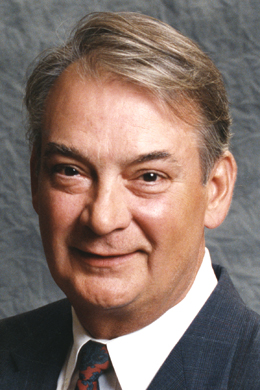 Ferid Murad (斐里德·穆拉德)合作论文数Palo Alto VA Medical Cente17M Woods合作论文数17
 Fisnik Shala合作论文数16
 Louise S Mackenzie合作论文数National Heart &amp;Lung Institute;National Heart &amp; Lung Institute16
 Peter Barnes合作论文数National Heart & Lung Institute, Faculty of Medicine, Imperial College London;Royal Brompton Hospital16I Vojnovic合作论文数16
 David Bishop Bailey合作论文数North Cornwall Research Institute16
 Mohamed Nura A合作论文数National Heart and Lung Institute, Imperial College London;Qatar Foundation Research and Development Division;Imperial College London, National Heart and Lung Institute15
 Timothy Williams合作论文数National Heart & Lung Institute, Faculty of Medicine, Imperial College London15William Wright合作论文数14
 Sian Harding合作论文数National Heart and Lung Institute, Faculty of Medicine, Imperial College London14Jennifer S. Pollock合作论文数14Shiranee Sriskandan合作论文数Imperial College14
 Ricky Vaja合作论文数Imperial College London13Marei Isra合作论文数13KB Jourdan合作论文数12SW Larkin合作论文数12
 Susanna Price合作论文数12Alison A. Hislop合作论文数12Rekha Badiger合作论文数12
 Plinio Ferreira合作论文数National Heart and Lung Institute, Imperial College London11PB Anning合作论文数11Louise S. Harrington合作论文数11Neil Cartwright合作论文数11A Tomlinson合作论文数10




