Purpose:Opportunistic genome sequencing (GS) allows for the return of findings to clinical and research cohorts. We report on comprehensive GS results from the GENCOV study in Ontario, Canada. Methods:GS data were analyzed for clinically significant variants associated with monogenic disease and carrier status for autosomal recessive and X-linked conditions, pharmacogenomic variation, polygenic risk scores for common conditions, human leukocyte antigen and blood group genotypes, and genetic ancestry. GS results were summarized using descriptive statistics. Results:GS was completed on 1292 participants; 53% were female, 53% were 18 to 39 years old, and 816 (63%) were estimated to have European genetic ancestry. All (100%) had a variant associated with drug metabolism, 845 (65%) with increased polygenic risk scores, 735 (57%) with a risk-associated human leukocyte antigen genotype, and 857 (69%) and 91 (7%) with a rare red blood cell and/or platelet antigen, respectively. Of 851 who received reports, 261 (31%) had a variant associated with monogenic disease (178 or 21% were considered medically actionable) and 782 (92%) had at least one variant associated with carrier status. Conclusion:Opportunistic GS demonstrated that many individuals harbor GS findings impacting their health, illustrating the potential of GS to inform personalized and proactive health care for Canadians.
Since the emergence of SARS-CoV-2 in humans, novel variants have evolved to become dominant circulating lineages. These include D614G (B.1 lineage), Alpha (B.1.1.7), Gamma (P.1), Delta (B.1.617.2), and Omicron BA.1 (B.1.1.529) and BA.2 (B.1.1.529.2) viruses. Here, we compared the viral replication, pathogenesis, and transmissibility of these variants. Replication kinetics and innate immune response against the viruses were tested in ex vivo human nasal epithelial cells (HNEC) and induced pluripotent stem cell-derived lung organoids (IPSC-LOs), and the golden hamster model was employed to test pathogenicity and potential for transmission by the respiratory route. Delta, BA.1, and BA.2 viruses replicated more efficiently, and outcompeted D614G, Alpha, and Gamma viruses in an HNEC competition assay. BA.1 and BA.2 viruses, however, replicated poorly in IPSC-LOs compared to other variants. Moreover, BA.2 virus infection significantly increased secretion of IFN-λ1, IFN-λ2, IFN-λ3, IL-6, and IL-1RA in HNECs relative to D614G infection, but not in IPSC-LOs. The BA.1 and BA.2 viruses replicated less effectively in hamster lungs compared to the other variants; and while the Gamma virus reached titers comparable to D614G and Delta viruses, it caused greater lung pathology. Lastly, the Gamma and Delta variants transmitted more efficiently by the respiratory route compared to the other viruses, while BA.1 and BA.2 viruses transmitted less efficiently. These findings demonstrate the ongoing utility of experimental risk assessment as SARS-CoV-2 variants continue to evolve.
Glioblastoma (GBM) is the most prevalent and deadliest form of brain tumor with a median patient survival of 15 months after diagnosis. However, the mechanisms of tumor recurrence and the molecular alterations contributing to therapy resistance remain poorly understood. To address this challenge, we performed ultra-deep whole transcriptome, whole genome, and nanopore long-read sequencing of matched primary and recurrent GBMs of 12 adult patients with matching germline controls (fresh-frozen blood) and patient treatment and clinical histories. We generated a multi-omics datasets of single nucleotide variants (SNVs), structural variants (SVs), copy number alterations, genome-wide DNA methylation patterns, and transcriptomics. Our long-read sequencing data provided nucleotide-level methylation data to analyze genome-wide methylation patterns and high-quality structural variants for profiling complex genomic rearrangements and identifying episomes. Major changes between primary and recurrent samples in SVs, such as selection for EGFR translocations in recurrent tumors, and nucleotide-level methylation patterns, such as increased methylation of the FUBP1 and IDH1 promoters in recurrent tumors, were only detectable using long-read sequencing strategies, emphasizing the value of long-read sequencing in evolutionary analyses. We identified distinct mutational processes responsible for primary and recurrent tumor mutations and driving evolution of a recurrent tumor with therapeutic resistance. We found evidence of multi-omics dysregulation of oncogenes including promoter silencing by methylation and SVs selecting for the EGFR-vIII variant. Extensive inter- and intra-tumor heterogeneity and evidence of clonal selection in recurrent tumors was detected from ultra-deep whole genome sequencing, including selection for EGFR SNVs and PTEN and RB1 copy number deletions in recurrent tumors. We found an enrichment of SVs and epigenetic modifications in recurrent tumors, such as increased methylation of CDK4 and CDK6 promoters, and a depletion of classical tumor drivers, such as EGFR and CDK4 amplifications. Our integrative pathway analysis of multi-omics data of differentially methylated and expressed genes between primary and recurrent GBMs prioritized several glioma pathways enriched in recurrent tumors associated with glioma processes such as gliogenesis and angiogenesis. Our cohort had comparable mutation rates and processes as the Glioma Longitudinal Analysis (GLASS) consortium of paired primary-recurrent GBMs. However, our unique dataset of paired primary and recurrent GBMs provides an unprecedented multi-omics, multi-layered view of the genetic, transcriptomic, and epigenetic processes of GBM evolution. Alexander Bahcheli, Philip Zuzarte, Sunit Das, Jared Simpson, Jüri Reimand. Ultra-deep multi-omics sequencing to identify drivers of glioblastoma recurrence and evolution [abstract]. In: Proceedings of the American Association for Cancer Research Annual Meeting 2025; Part 1 (Regular Abstracts); 2025 Apr 25-30; Chicago, IL. Philadelphia (PA): AACR; Cancer Res 2025;85(8_Suppl_1):Abstract nr 6623.
We developed a single diagnostic assay to detect Glioma biomarkers including whole chromosomal and gene copy number variations (CNVs), and single nucleotide variations (SNVs). CNVs and SNVs are traditionally detected using different large/high-throughput platforms that can only exist in big genomic facilities. This leads to very high molecular costs and long turnaround times. The current complex diagnostic algorithm creates delays in patient management while increasing inequity in healthcare as smaller non-centralized labs are unable to conduct glioma molecular testing. To streamline glioma diagnosis and address these challenges, we aimed to use a third-generation sequencing platform called nanopore sequencing. It can simultaneously detect both CNVs and SNVs using small inexpensive tools, but is not yet compatible with formalin-fixed paraffin-embedded (FFPE) DNA. Therefore, we developed a PCR based assay to create clean nanopore compatible FFPE DNA copies to detect CNVs and SNVs. We established a single nucleotide polymorphism (SNP) microarray-based approach to detect the CNVs. Approximately 300 amplicons were included in the assay design including unique SNP-rich areas to detect the chromosomal heterozygosity. We included all glioma markers required by World Health Organization's (WHO) guidelines including chromosomal CNVs on chr 1, 7, 10, 19; gene CNVs on CDKN2A, CDKN2B, EGFR; and SNVs on IDH1, IDH2, TERT promoter, TP53, ATRX, H3-3A and H3C2. We optimized the testing conditions, and reduced cost and turn-around including streamlining the data analysis using a custom shell script. Lastly, we conducted a mini validation as well as a cost and turn-around time analysis using 40 Glioma FFPE samples. All our samples had a concordant molecular classification status with the reference results. The concordance, sensitivity and specificity (total accuracy) of the assay were all at 100%. A loss status of chr 1p, chr 19q and chr 10 were determined via a loss of heterozygosity (LOH), and gain status of chr 7 was observed as an allele gain 2:1 SNP pattern. Our total turnaround time (from DNA extraction to data analysis) is 3 business days for an entire batch of samples, which is at least 1/3rd the turnaround time of conventional methods. Our material cost is $150 CAD/sample (including DNA extraction, library preparation and sequencing) which is ∼10% of the existing assay costs. This is the first single streamlined diagnostic test to detect CNVs and SNVs in Gliomas using FFPE DNA. Our assay will increase healthcare equity by allowing smaller labs to adopt molecular testing due to its low assay/capital cost, shorter testing time, and streamlined workflow, helping to overcome many of the existing cancer diagnostic challenges. Mashiat Lamia Mimosa, Jared T. Simpson, Shreya Patel, Karel Boissinot, Mora Tiab, Ramzi Fattouh, Rola M. Saleeb. Streamlined Glioma diagnosis from formalin-fixed paraffin-embedded (FFPE) tissue: One assay, a fraction of the cost and turnaround time [abstract]. In: Proceedings of the American Association for Cancer Research Annual Meeting 2025; Part 1 (Regular Abstracts); 2025 Apr 25-30; Chicago, IL. Philadelphia (PA): AACR; Cancer Res 2025;85(8_Suppl_1):Abstract nr 7179.
An exciting feature of nanopore sequencing is its ability to record multiomic information on the same sequenced DNA molecule. Well-trained models allow the detection of nucleotide-specific molecular signatures through changes in ionic current as DNA molecules translocate through the nanopore. Thus, naturally occurring DNA modifications, such as DNA methylation and hydroxymethylation, may be recorded simultaneously with the genetic sequence. Additional genomic information, such as chromatin state or the locations of bound transcription factors, may also be recorded if their locations are chemically encoded into the DNA. Here, we present a versatile "write-and-read" framework, where chemo-enzymatic DNA labeling with unnatural synthetic tags results in predictable electrical fingerprints in nanopore sequencing. As a proof-of-concept, we explore a DNA glucosylation approach that selectively modifies 5-hydroxymethylcytosine (5hmC) with glucose or glucose-azide adducts. We demonstrate that these modifications generate distinct and reproducible electrical shifts, enabling the direct detection of chemically altered nucleotides. We further demonstrate that enzymatic alkylation, such as the enzymatic transfer of azide residues to the N6 position of adenines, also produces characteristic nanopore signal shifts relative to the native adenine and 6-methyladenine. Beyond direct nucleotide detection, this approach enables bio-orthogonal DNA labeling, enabling an extended alphabet of sequence-specific detectable moieties. The future use of programmable chemical modifications for simultaneous analysis of multiple omics features on individual molecules can significantly advance genetic research and discovery.
Characterization of DNA binding sites for specific proteins is of fundamental importance in molecular biology. It is commonly addressed experimentally by chromatin immunoprecipitation and sequencing (ChIP-seq) of bulk samples (103-107 cells). We have developed an alternative method that uses a Chromatin Antibody-mediated Methylating Protein (ChAMP) composed of a GpC methyltransferase fused to protein G. By tethering ChAMP to a primary antibody directed against the DNA-binding protein of interest, and selectively switching on its enzymatic activity in situ, we generated distinct and identifiable methylation patterns adjacent to the protein binding sites. This method is compatible with methods of single-cell methylation-detection and single molecule methylation identification. Indeed, as every binding event generates multiple nearby methylations, we were able to confidently detect protein binding in long single molecules.
Background:Donor-derived cell-free DNA (ddcfDNA) has been shown to be useful in monitoring lung graft health, and single nucleotide variations (SNVs) between donor and recipient are used to identify ddcfDNA in post-transplant recipient blood. One limitation is the need to map donor or recipient SNVs prior to calculating %ddcfDNA. In this study, we use Nanopore sequencing of ex vivo lung perfusion perfusate cfDNA to map donor SNVs and validate it using standard short-read whole genome sequencing (WGS). Methods: cfDNA was extracted from 11 clinical ex vivo lung perfusion perfusate samples and sequenced using a Nanopore sequencer. SNVs were identified by comparison to a reference genome and then filtered for homozygous calls overlapping the 1000 Genomes SNP database. Matching short-read WGS was performed on 6 matching samples to act as a gold standard. Following mapping, %ddcfDNA was calculated in cell-free DNA (cfDNA) collected from matching post-lung transplant recipient plasma using SNVs called by Nanopore vs SNVs called by short-read WGS and compared for accuracy. Results:Nanopore sequencing yielded genomic data with a median coverage of 4.88x (range 2.27-8.79) using a single flow cell with a median run length of 72 hours. The median general error rate of the sequence was 5.55% (range 4.98%-6.49%), and the median number of SNV with a depth > 3 and overlap with the 1000 Genomes SNP database was 246,993 (range 99,357-313,721). The positive predictive value of SNVs identified using 2X to 6X coverage cutoffs ranged from 66.6% to 96.9%, with a median value of 90.3% at 6X coverage. Correlation analysis showed a strong correlation between results by Nanopore sequencing and results by WGS for detecting %ddcfDNA in post-transplant plasma (R^2 = 0.996, p < 0.001). Conclusions:Despite the lower sequencing accuracy and depth obtained from Nanopore sequencing, a high positive predictive value can be achieved in a set of donor-specific SNVs when appropriately filtered by read depth and overlap with SNP databases. This demonstrates the potential for the use of Nanopore sequencing to generate personalized donor cfDNA maps for use in post-operative donor-derived plasma cfDNA identification.
Streptococcus dysgalactiae subsp. equisimilis (SDSE) has historically been recognized as a human pathogen, yet β-hemolytic streptococci consistent with SDSE have been documented in pigs for nearly a century. To investigate the population structure of porcine SDSE and the phylogenetic relationships between swine and human strains, we characterized 41 isolates recovered from diseased pigs in Quebec, Canada (2019–2022). Infected animals spanned all major production stages and frequently presented with invasive disease, including arthritis, endocarditis, and sudden death. Core-genome phylogenetics resolved two heterogeneous porcine clades separated by long internal branches and clearly distinct from dominant human SDSE lineages. Most porcine isolates were emm-negative or contained structurally altered emm regions compared with human strains. Analysis of Lancefield antigen loci identified a predominant group C lineage and a minority group L lineage, recapitulating historical serogroup distributions described since the early-20th century. Phenotypic testing showed susceptibility to β-lactams and florfenicol but high levels of resistance to tetracycline, macrolides and lincosamides. Detected antimicrobial resistance (AMR) genes correlated well with phenotypes, and multidrug resistance was frequent. Hybrid genome assemblies revealed integrative and mobilizable elements carrying AMR determinants. Collectively, our data indicate that porcine SDSE represents a long-standing, genetically structured, host-adapted population with notable AMR potential, underscoring the need for continued swine SDSE genomic surveillance.
Glioblastoma (GBM) is the most common and aggressive malignant primary brain tumor. Mechanisms driving tumor recurrence and therapy resistance remain poorly understood, and there is an urgent need to develop novel biomarkers and therapies. To address this, we applied integrative multi-omics approaches to identify prognostic biomarkers and mechanisms of GBM aggression and recurrence. We established an integrative data fusion method for multi-omics datasets using directionality and significance estimates of genes, transcripts, and proteins, and applied it to characterize IDH1-mutant high-grade gliomas. Using this method, we integrated transcriptomes, methylomes, and proteomes of IDH1-mutant and wild-type high-grade gliomas from TCGA, GLASS, and CPTAC to uncover molecular signatures and pathways specific to IDH1-mutant gliomas while reducing false positive pathway enrichments. We then applied similar machine learning approaches to identify novel drug targets from ion channels with existing FDA-approved drugs using a large cohort of primary GBMs. We validated two novel oncogenic biomarkers, GJB2 and SCN9A, and found these genes strongly associated with poor patient prognosis, aggressive GBM subtypes, and tunneling nanotube dynamics. Functional studies demonstrated these genes regulate cell proliferation, sphere formation, and neural projections, and significantly influence tumor aggressiveness and survival in mouse models. We then focussed on mechanisms of tumor recurrence and performed short- and long-read sequencing of paired primary-recurrent GBMs, generating a deep multi-omics dataset spanning single nucleotide variants, structural variants, copy number alterations, genome-wide DNA methylation, and transcriptomics. Applying our integration method, we found multi-omics reprogramming drives glioma-specific oncogenic processes such as gliogenesis, neuropeptide signaling, and telomere maintenance. We also observed associations between tumor aggression and complex genomic rearrangements, including ecDNA amplifications of CDK4/MDM2 and EGFRvIII. This study demonstrates the power of integrative multi-omics and machine learning to discover novel biomarkers and reveal programs driving GBM aggression and recurrence, offering a roadmap for molecular diagnostics and future therapeutic development.
Highly mutable pathogens generate viral diversity that impacts virulence, transmissibility, treatment, and thwarts acquired immunity. We previously described C19-SPAR-Seq, a high-throughput, next-generation sequencing platform to detect SARS-CoV-2 that we here deployed to systematically profile variant dynamics of SARS-CoV-2 for over 3 years in a large, North American urban environment (Toronto, Canada). Sequencing of the ACE2 receptor binding motif and polybasic furin cleavage site of the Spike gene in over 70,000 patients revealed that population sweeps of canonical variants of concern (VOCs) occurred in repeating wavelets. Furthermore, we found that VOC mutant derivatives and putative quasispecies that targeted functionally important residues and were found in future VOCs arose frequently, but were always extinguished. Systematic screening of functionally relevant domains in pathogens could thus provide a powerful tool for monitoring spread and mutational trajectories, particularly those with zoonotic potential.
The naked mole-rat (NMR;Heterocephalus glaber) is a eusocial subterranean rodent with a highly unusual set of physiological traits that has attracted great interest amongst the scientific community. However, the genetic basis of most of these traits has not been elucidated. To facilitate our understanding of the molecular mechanisms underlying NMR physiology and behaviour, we generated a long-read chromosomal-level genome assembly of the NMR. This genome was subsequently annotated and incorporated into multiple whole genome alignments in the Ensembl database. Our long-read assembly identified thousands of repeats and genes that were previously unassembled in the NMR and improved the results of routinely used short-read sequencing-based experiments such as RNA-seq, snRNA-seq, and ATAC-seq. We identified several spermatozoa related gene losses that may underlie the unique degenerative sperm phenotype in NMRs (IRGC,FSCB,AKAP3,MROH2B,CATSPER1,DCDC2C,ATP1A4,TEKT5, andZAN), and an additional gene loss related to the established NK-cell absence in NMRs (PILRB). We resolved several tandem duplications in genes related to pathways underlying unique NMR adaptations including hypoxia tolerance, oxidative stress, and nervous system protection (TINF2,TCP1,KYAT1). Lastly, we describe our ongoing efforts to generate a reference telomere-to-telomere assembly in the NMR which includes the resolution of complex gene families. This new reference genome should accelerate the discovery of the genetic underpinnings of NMR physiology and adaptation.
The COVID-19 pandemic led to a large global effort to sequence SARS-CoV-2 genomes from patient samples to track viral evolution and inform the public health response. Millions of SARS-CoV-2 genome sequences have been deposited in global public repositories. The Canadian COVID-19 Genomics Network (CanCOGeN - VirusSeq), a consortium tasked with coordinating expanded sequencing of SARS-CoV-2 genomes across Canada early in the pandemic, created the Canadian VirusSeq Data Portal, with associated data pipelines and procedures, to support these efforts. The goal of VirusSeq was to allow open access to Canadian SARS-CoV-2 genomic sequences and enhanced, standardized contextual data that were unavailable in other repositories and that meet FAIR standards (Findable, Accessible, Interoperable and Reusable). In addition, the portal data submission pipeline contains data quality checking procedures and appropriate acknowledgement of data generators that encourages collaboration. From inception to execution, the portal was developed with a conscientious focus on strong data governance principles and practices. Extensive efforts ensured a commitment to Canadian privacy laws, data security standards, and organizational processes. This portal has been coupled with other resources, such as Viral AI, and was further leveraged by the Coronavirus Variants Rapid Response Network (CoVaRR-Net) to produce a suite of continually updated analytical tools and notebooks. Here we highlight this portal (https://virusseq-dataportal.ca/), including its contextual data not available elsewhere, and the Duotang (https://covarr-net.github.io/duotang/duotang.html), a web platform that presents key genomic epidemiology and modelling analyses on circulating and emerging SARS-CoV-2 variants in Canada. Duotang presents dynamic changes in variant composition of SARS-CoV-2 in Canada and by province, estimates variant growth, and displays complementary interactive visualizations, with a text overview of the current situation. The VirusSeq Data Portal and Duotang resources, alongside additional analyses and resources computed from the portal (COVID-MVP, CoVizu), are all open source and freely available. Together, they provide an updated picture of SARS-CoV-2 evolution to spur scientific discussions, inform public discourse, and support communication with and within public health authorities. They also serve as a framework for other jurisdictions interested in open, collaborative sequence data sharing and analyses.
DNA sequencing of tumours to identify somatic mutations has become a critical tool to guide the type of treatment given to cancer patients. The gold standard for mutation calling is comparing sequencing data from the tumour to a matched normal sample to avoid mis-classifying inherited SNPs as mutations. This procedure works extremely well, but in certain situations only a tumour sample is available. While approaches have been developed to find mutations without a matched normal, they have limited accuracy or require specific types of input data (e.g. ultra-deep sequencing). Here we explore the application of single molecule long read sequencing to calling somatic mutations without matched normal samples. We develop a simple theoretical framework to show how haplotype phasing is an important source of information for determining whether a variant is a somatic mutation. We then use simulations to assess the range of experimental parameters (tumour purity, sequencing depth) where this approach is effective. These ideas are developed into a prototype somatic mutation caller, smrest, and its use is demonstrated on two highly mutated cancer cell lines. Finally, we argue that this approach has potential to measure clinically important biomarkers that are based on the genome-wide distribution of mutations: tumour mutation burden and mutation signatures.
Inactivating mutations in SMARCB1 confer an oncogenic dependency on EZH2 in atypical teratoid rhabdoid tumors (ATRTs), but the underlying mechanism has not been fully elucidated. We found that the sensitivity of ATRTs to EZH2 inhibition (EZH2i) is associated with the viral mimicry response. Unlike other epigenetic therapies targeting transcriptional repressors, EZH2i-induced viral mimicry is not triggered by cryptic transcription of endogenous retroelements, but rather mediated by increased expression of genes enriched for intronic inverted-repeat Alu (IR-Alu) elements. Interestingly, interferon-stimulated genes (ISGs) are highly enriched for dsRNA-forming intronic IR-Alu elements, suggesting a feedforward loop whereby these activated ISGs may reinforce dsRNA formation and viral mimicry. EZH2i also upregulates the expression of full-length LINE-1s, leading to genomic instability and cGAS/STING signaling in a process dependent on reverse transcriptase activity. Co-depletion of dsRNA sensing and cytoplasmic DNA sensing completely rescues the viral mimicry response to EZH2i in SMARCB1-deficient tumors. Here the authors suggest that in Atypical Teratoid Rhabdoid Tumors, EZH2 inhibition triggers a viral mimicry response via the activation of genes with intronic IR-Alu elements. This response also involves enhanced LINE-1 expression, leading to activation of cGAS/STING signalling.
The incorporation of sequencing technologies in frontline and public health healthcare settings was vital in developing virus surveillance programs during the Coronavirus Disease 2019 (COVID-19) pandemic caused by transmission of the severe acute respiratory syndrome coronavirus 2 (SARS-CoV-2). However, increased data acquisition poses challenges for both rapid and accurate analyses. To overcome these hurdles, we developed the SARS-CoV-2 Illumina GeNome Assembly Line (SIGNAL) for quick bulk analyses of Illumina short-read sequencing data. SIGNAL is a Snakemake workflow that seamlessly manages parallel tasks to process large volumes of sequencing data. A series of outputs are generated, including consensus genomes, variant calls, lineage assessments and identified variants of concern (VOCs). Compared to other existing SARS-CoV-2 sequencing workflows, SIGNAL is one of the fastest-performing analysis tools while maintaining high accuracy. The source code is publicly available (github.com/jaleezyy/covid-19-signal) and is optimized to run on various systems, with software compatibility and resource management all handled within the workflow. Overall, SIGNAL illustrated its capacity for high-volume analyses through several contributions to publicly funded government public health surveillance programs and can be a valuable tool for continuing SARS-CoV-2 Illumina sequencing efforts and will inform the development of similar strategies for rapid viral sequence assessment.
ImportanceNirmatrelvir-ritonavir is an oral antiviral medication that improves outcomes in SARS-CoV-2 infections. However, there is concern that antiviral resistance will develop and that these viruses could be selected for after treatment.ObjectiveTo determine the prevalence of low-frequency SARS-CoV-2 variants in patient samples that could be selected for by nirmatrelvir-ritonavir.Design, Setting, and ParticipantsThis retrospective cohort study was conducted at 4 laboratories that serve community hospitals, academic tertiary care centers, and COVID-19 assessment centers in Ontario, Canada. Participants included symptomatic or asymptomatic patients who tested positive for SARS-CoV-2 virus and submitted virus samples for diagnostic testing between March 2020 and January 2023.ExposureSARS-CoV-2 infection.Main Outcomes and MeasuresSamples with sufficient viral load underwent next-generation genome sequencing to identify low-frequency antiviral resistance variants that could not be identified through conventional sequencing.ResultsThis study included 78 866 clinical samples with next-generation whole-genome sequencing data for SARS-CoV-2. Low-frequency variants in the viral nsp5 gene were identified in 128 isolates (0.16%), and no single variant associated with antiviral resistance was predominate.Conclusions and RelevanceThis cohort study of low-frequency variants resistant to nirmatrelvir-ritonavir found that these variants were very rare in samples from patients with SARS-CoV-2, suggesting that selection of these variants by nirmatrelvir-ritonavir following the initiation of treatment may also be rare. Surveillance efforts that involve sequencing of viral isolates should continue to monitor for novel resistance variants as nirmatrelvir-ritonavir is used more broadly.
Rapid advancements of genome sequencing (GS) technologies have enhanced our understanding of the relationship between genes and human disease. To incorporate genomic information into the practice of medicine, new processes for the analysis, reporting, and communication of GS data are needed. Blood samples were collected from adults with a PCR-confirmed SARS-CoV-2 (COVID-19) diagnosis (target N = 1500). GS was performed. Data were filtered and analyzed using custom pipelines and gene panels. We developed unique patient-facing materials, including an online intake survey, group counseling presentation, and consultation letters in addition to a comprehensive GS report. The final report includes results generated from GS data: (1) monogenic disease risks; (2) carrier status; (3) pharmacogenomic variants; (4) polygenic risk scores for common conditions; (5) HLA genotype; (6) genetic ancestry; (7) blood group; and, (8) COVID-19 viral lineage. Participants complete pre-test genetic counseling and confirm preferences for secondary findings before receiving results. Counseling and referrals are initiated for clinically significant findings. We developed a genetic counseling, reporting, and return of results framework that integrates GS information across multiple areas of human health, presenting possibilities for the clinical application of comprehensive GS data in healthy individuals.
Mobile elements, such as retrotransposons, have the ability to express and re-insert themselves into the genome, with over half the human genome being made up of mobile element sequence. Somatic mobile element insertions (MEIs) have been shown to cause disease, including some cancers. Accurate identification of where novel retrotransposon insertion events occur in the genome is crucial to understand the functional consequence of an insertion event. In this paper we describe somrit, a modular toolkit for detecting somatic MEIs from long reads aligned to a reference genome. We identify the initial read-to-reference mapping step as a potential source of error when the insertion is similar to a nearby repeat in the reference genome and develop a consensus-realignment procedure to resolve this. We show how somrit improves the sensitivity of detection for rare somatic retrotransposon insertion events compared to existing tools, and how the local realignment procedure can reduce false positive translocation calls caused by mis-mapped reads bearing MEIs. Somrit is openly available at: https://github.com/adcosta17/somrit
The use of standard next-generation sequencing technologies to detect key mutations in IDH genes for glioma diagnosis imposes several challenges, including high capital cost and turnaround delays associated with the need for batch testing. For both glioma testing and testing in other tumor types where highly specific mutation identification is required, the high-throughput nature of next-generation sequencing limits the feasibility of using it as a primary approach in clinical laboratories. We hypothesized that third-generation nanopore sequencing by Oxford Nanopore Technologies has the capability to overcome these limitations. This study aimed to develop and validate a nanopore-based IDH mutation detection assay for clinical practice using glioma formalin-fixed, paraffin-embedded (FFPE) tissue. Glioma FFPE (n = 66) samples with confirmed IDH gene mutational status were sequenced on the MinION device using an amplicon-based approach. All cases were concordant when compared with the reference results. Limit of blank and limit of detection for the variant allele fraction were 1.5% and 3.3%, respectively, at 500x read depth per gene. Total sequencing cost per sample was CAD$50 to CAD$134 with results being available in 9 to 15 hours. These findings demonstrate that nanopore-sequencing technology can be leveraged to develop low-cost, high-performance clinical sequencing-based assays with quick turnaround times to support the detection of targeted mutations in FFPE tumor tissue.
 Richard Durbin合作论文数Wellcome Sanger Institute;Department of Genetics, University of Cambridge16
 Zuzarte Philip C合作论文数Genome Technologies, Ontario Institute for Cancer Research13
 Allison McGeer合作论文数Department of Laboratory Medicine and Pathobiology, Temerty Faculty of Medicine, University of Toronto;Dalla Lana School of Public Health, University of Toronto12
 Tony Mazzulli合作论文数Department of Laboratory Medicine and Pathobiology, Temerty Faculty of Medicine, University of Toronto11
 Erika Frangione合作论文数10
 Hanna Faghfoury合作论文数Department of Paediatrics, Temerty Faculty of Medicine, University of Toronto;Mount Sinai Hospital;University Health Network10
 Trevor Pugh合作论文数Department of Medical Biophysics, Temerty Faculty of Medicine, University of Toronto;Princess Margaret Cancer Centre, University Health Network;Translational Genomics Laboratory, Ontario Institute for Cancer Research10
 Winston Timp合作论文数Whiting School of Engineering, Johns Hopkins University;School of Medicine, Johns Hopkins University10
 Yvonne Bombard合作论文数Institute of Health Policy, Management and Evaluation, University of Toronto10Sunakshi Chowdhary合作论文数9Selina Casalino合作论文数9
 Chloe Mighton合作论文数Sinai Hlth, Lunenfeld Tanenbaum Res Inst9
 Jennifer Taher合作论文数Department of Laboratory Medicine and Pathobiology, Temerty Faculty of Medicine, University of Toronto9
 Jordan Lerner-Ellis合作论文数Department of Laboratory Medicine and Pathobiology, Temerty Faculty of Medicine, University of Toronto9Lisa Strug合作论文数Department of Computer Science, Faculty of Arts and Science, University of Toronto9
 Nick Loman合作论文数School of Biosciences, University of Birmingham;Institute of Microbiology and Infection, University of Birmingham9Seth Stern合作论文数8
 Matt Loose合作论文数School of Life Sciences, Faculty of Medicine and Health Sciences, The University of Nottingham8Erin Bearss合作论文数8
 Ahmed K. Taher合作论文数Division of Emergency Medicine, University of Toronto;HiQuiPs;Toronto General Hospital Research Institute;Emergency Department, University Health Network;Emergency Department, Mackenzie Health8
 Luke Devine合作论文数Department of Medicine, Temerty Faculty of Medicine, University of Toronto;Division of General Internal Medicine, Mount Sinai Hospital8Ramzi Fattouh合作论文数Department of Laboratory Medicine and Pathobiology, Temerty Faculty of Medicine, University of Toronto8
 Saranya Arnoldo合作论文数Department of Laboratory Medicine and Pathobiology, Temerty Faculty of Medicine, University of Toronto8
 Joshua Quick合作论文数School of Biosciences, College of Life and Environmental Sciences, University of Birmingham8
 Benedict John Paten合作论文数Genomics Institute, Baskin School of Engineering, University of California, Santa Cruz8Alexandra Binnie合作论文数School of Pathology, Sir William Dunn;University of Oxford;Sir William Dunn School of Pathology, University of Oxford8Elisa Lapadula合作论文数7Georgia MacDonald合作论文数7Zeeshan Khan合作论文数7Terry Snutch合作论文数Department of Zoology, Faculty of Science, The University of British Columbia7Borgundvaag Bjug合作论文数Department of Emergency Medicine, University of Toronto7
 McLeod Shelley合作论文数Schwartz Reisman Emergency Med Inst7
 Goneau Lee W合作论文数Department of Microbiology and Immunology, Western University7
 Anne-Claude Gingras合作论文数Lunenfeld Tanenbaum Research Institute, Mount Sinai Hospital;Department of Molecular Genetics, University of Toronto7Timothy Gilpatrick合作论文数6
 Jordan Chun Yiu Fung合作论文数6Marc Dagher合作论文数6Monica Chung合作论文数6Greg Morgan合作论文数6Greg Edvenson合作论文数6Qingpeng Zhang合作论文数Department of Energy, Joint Genome Institute6Rachael E. Workman合作论文数Johns Hopkins University6Eric McDonald合作论文数6
 Adina Howe合作论文数Iowa State Univ, Dept Agr & Biosyst Engn, Ames, IA USA6Roham Razaghi合作论文数Department of Biomedical Engineering, Johns Hopkins University6
 Norah Sadowski合作论文数Department of Neuroscience, Johns Hopkins School of Medicine6
 Paul Boutros合作论文数Jonsson Comprehensive Cancer Center, University of California, Los Angeles;Paul Boutros Lab, Institute of Urologic Oncology, University of California, Los Angeles;Department of Human Genetics and Urology, David Geffen School of Medicine, University of California, Los Angeles;Eli and Edythe Broad Center of Regenerative Medicine and Stem Cell Research6
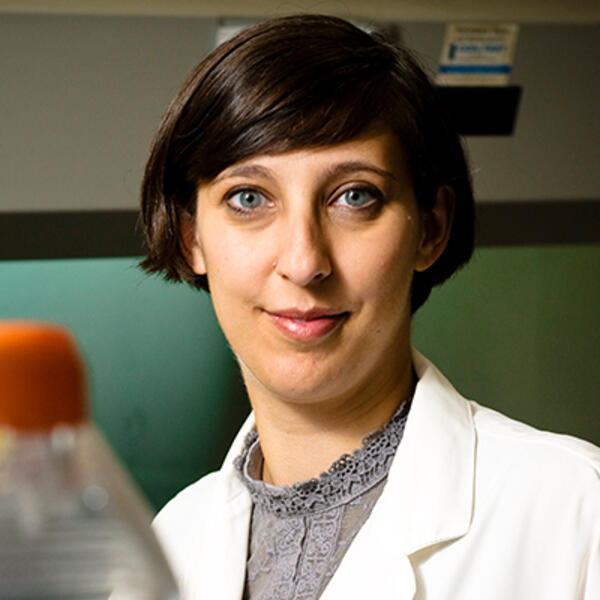 Samira Mubareka合作论文数Department of Laboratory Medicine and Pathobiology, Temerty Faculty of Medicine, University of Toronto6
 Miten Jain合作论文数Department of Bioengineering, College of Engineering, Northeastern University;Department of Physics, College of Engineering, Northeastern University6




