BACKGROUND:Perinatal ovarian cysts may spontaneously resolve or cause ovarian torsion. Cyst size and appearance often guide surgical decision making. The natural history of these cysts and impact of perinatal interventions on ovarian outcomes remain unclear. We investigated the association of various clinical parameters with operative intervention and ovarian loss. METHODS:Infants with ovarian cysts meeting our definition of perinatal (diagnosed between 15 weeks gestational age and 1 year) from November 2006-January 2022 were identified. Cysts were characterized by size, morphology, laterality, and evolution. Outcome measures included resolution, ovarian loss, and operative intervention. Mann-Whitney U and Fisher exact tests were used. Optimal maximal size cutoffs were obtained using ROC curves. RESULTS:Sixty-two female patients with perinatal ovarian cysts were identified. Spontaneous resolution occurred in 35, prenatally and postnatally, with follow-up length averaging 186 days. Of 18 undergoing cystectomies, 9 revealed non-viable ovaries. Overall ovarian loss rate was 29%. Loss occurred more frequently with large, complex, and right-sided cysts (P < 0.05) but some complex cysts also resolved spontaneously. Operative intervention occurred more frequently with larger cysts (P=<0.001) and was associated with ovarian salvage when performed earlier (P = 0.008) on larger cysts (P = 0.02). Maximal cyst diameter > 4.05 cm predicted ovarian loss with 78% sensitivity, 64% specificity (AUC = 0.67,95%CI = 0.54-0.81, P = 0.04). Maximal cyst diameter > 4.55 cm predicted surgery with 83% sensitivity, 82% specificity (AUC = 0.86,95%CI = 0.77-0.96, P < 0.001). CONCLUSIONS:29% of perinatal ovarian cysts resulted in ovarian loss. 56% resolved spontaneously (prenatal and postnatal resolution) including some complex cysts. Cysts that were postnatally complex and maximally > 4 cm had higher rates of ovarian loss and operative intervention. Earlier postnatal operative intervention was associated with ovarian preservation. Standardized imaging (such as the IOTA terminology) and management protocols are needed to better understand behavior and improve treatment of these cysts.
Introduction: Rectal duplication cysts are challenging to excise due to their close association with the native rectal wall, making safe identification of the dissection plane difficult. Case presentation: A 13-year-old male presented with abdominal fullness, intermittent severe pain, and decreased appetite, and was found on magnetic resonance imaging to have a 19 & times; 18 & times; 12 cm abdominopelvic cystic lesion initially suspected to be a lymphatic malformation. He underwent laparoscopic exploration, which revealed a rectal duplication cyst. During dissection, intermittent transanal endoscopic insufflation with a rigid sigmoidoscope was used to dynamically distinguish the rectum from the cyst wall and guide safe plane identification. Complete laparoscopic excision was achieved without rectal injury or conversion to open surgery. The postoperative course was uncomplicated, and the patient remains asymptomatic without complications at five-year followup. Conclusion: Intraoperative rigid sigmoidoscopy with intermittent insufflation is a simple and reproducible adjunct that facilitates identification of the dissection plane and may reduce the risk of rectal injury during laparoscopic excision of pediatric rectal duplication cysts.
BACKGROUND:Despite evidence supporting selective use of non-operative management (NOM) for children with uncomplicated, acute appendicitis, no consensus exists regarding its clinical application. This study characterizes surgeons' contemporary perceptions and utilization of NOM. STUDY DESIGN:A survey addressing NOM was distributed to attending pediatric surgeons through the American Pediatric Surgical Association, the American Academy of Pediatrics Section on Surgery, and the Pediatric Surgery Research Collaborative between 12/2023-6/2024. RESULTS:The survey achieved a response rate of 41.0 % (433/1056). 42.0 % reported regularly discussing NOM, but only half of those who discussed NOM did so in a balanced fashion. Fewer regularly offered NOM to eligible patients (27.9 %). Common reasons for not offering NOM included the belief that recovery is faster after appendectomy (52.0 %) and concern for high recurrence rates (51.5 %). Common reasons for offering NOM included the belief that patients appreciate having options (49.2 %) and the potential to avoid surgery (48.5 %). 71.2 % of surgeons considered absence of an appendicolith essential for attempting NOM, while fewer used symptom duration (50.8 %), age (36.0 %), or WBC (33.3 %) when determining NOM eligibility. Therefore, many respondents did not apply the inclusion criteria used in early clinical trials, and when applied, some deviated from them, especially with increased present-day willingness to use NOM in younger patients. CONCLUSIONS:NOM is infrequently discussed with or offered to eligible patients due to limited surgeon buy-in and different valuations of its risks and benefits. However, many surgeons who do offer NOM are comfortable applying it to a broader patient population than initially studied. LEVEL OF EVIDENCE:IV.
Introduction Ergonomic injuries pose significant risks to surgeons, affecting health, productivity, care access, and retirement age. Despite unique challenges in pediatric surgery, including varied patient sizes and operations, little is known about pediatric surgeons' ergonomics. This study aimed to assess ergonomic practices and associated injuries among pediatric surgeons. Methods A cross-sectional survey was distributed to the American Pediatric Surgical Association regular members and fellows. Data collected included demographics, physical health, surgical practices, operating habits, discomfort, injuries, interventions, and outcomes. Associations with injury were analyzed using Fisher's exact test, Pearson's Chi-squared test, and Wilcoxon rank-sum tests. Results One hundred seventeen (11%) surgeons responded, 53% were male with a median of 15 y in practice (interquartile range: 6-25). Regarding operating habits, 76% did not take regular breaks, 48% double-gloved, and 51% used loupes regularly. Notably, 90% experienced discomfort or pain, and 30% sustained injuries from operating, primarily affecting the neck and cervical spine (53%). White-identifying pediatric surgeons (80%) reported significantly more ergonomic injuries than other races (P < 0.01). Only 18% of respondents received ergonomic training. Ergonomics training and operating with a resident or co-surgeon were associated with less injury (P < 0.05). Among those experiencing discomfort or injury, 13% underwent a procedure, 63% experienced sleep disturbance, 74% reported contribution to burnout, and 88% used pain medications. Conclusions Ergonomic-related discomfort and injuries occurred in nearly 90% of pediatric surgeons who responded. Few had ergonomic training and most reported an impact on well-being. Modifiable ergonomic factors for pediatric surgeons, along with targeted interventions to reduce injuries, can improve surgeon well-being.
BACKGROUND:Radioactive iodine therapy (RAI) is a frequently chosen therapy for Graves' disease. The aim of this study was to determine whether RAI for Graves' disease increases the risk of thyroid malignancy. METHODS:A retrospective analysis was performed of all Graves' disease patients who underwent thyroidectomy at a single institution between 2013 and 2022. Comparative analyses were performed with cohorts based on RAI therapy as the primary grouping variable. RESULTS:413 patients were identified, of which 38 received RAI prior to surgery. RAI treated patients were more likely to undergo surgery for known malignancy or indeterminate nodules. RAI patients were also more likely to have malignancies larger than 1 cm. Among RAI treated patients, those who developed malignancy were older at the time of Graves' diagnosis and received early RAI therapy. CONCLUSIONS:Use of RAI for treatment of Graves' disease increases the progression of thyroid carcinoma, but not the prevalence. Older age and early RAI therapy may be risk factors for malignancy in RAI treated patients.
Introduction We sought to understand the impact of locum tenens surgeons on pediatric surgical care delivery. Methods We conducted a cross-sectional survey of Children’s Hospital Association pediatric surgical practices. Anonymous electronic surveys were used to investigate locum tenens utilization, primary reason for use, limitations on clinical activities, and variations in practice standards or quality. Bivariate analysis and multivariable logistic regression were performed to evaluate for associations between practice characteristics and locum tenens use. Results Of 172 practices, 71% (n = 122) completed the survey. Median hospital size was 203 beds (interquartile range = 130-350). Median number of surgeons per practice was 5 (interquartile range = 3-8). Thirty-seven practices (30%) employed locum tenens at primary (n = 27) or satellite (n = 12) sites. Locum tenens utilization was higher in suburban (odds ratio [OR] = 3.78, P = 0.006) and rural (OR = 4.96, P = 0.041) locations and lower at sites with a level 4 neonatal intensive care unit (OR = 0.35, P = 0.035). Most (51%) used locum tenens ≥ 1 time monthly but < 1 time weekly and for ongoing or interim coverage (87%). In total, 14% of practices reported clinical restrictions for locum tenens surgeons, including limitations on extracorporeal membrane oxygenation, neonatal index cases, and operative trauma. Most (76%) practices using locum tenens reported variations in practice standards or quality; all were perceived as negative (57%) or neutral (43%). Conclusions Locum tenens providers are utilized most commonly in suburban and rural sites and hospitals without the highest level of neonatal intensive care. While locum tenens surgeons may help maintain access to pediatric surgical care where gaps exist, there may be a need to improve the quality and reliability of care rendered.
OBJECTIVES:To evaluate ECMO-related morbidity and mortality between early-term (ET) and Full-term (FT) infants. METHODS:We performed a retrospective review of 3,831 neonatal ECMO runs for meconium aspiration syndrome (MAS) and/or persistent pulmonary hypertension of the newborn (PPHN) in the Extracorporeal Life Support Organization (ELSO) Registry from 2007 to 2017. Neonates born at 370/7-386/7 weeks were classified as ET and those born at 390/7-406/7 weeks were classified as FT. Primary outcomes were ECMO survival and survival to discharge. Secondary outcomes were complications while on ECMO. Data were analyzed using Mann-Whitney U and Fisher's Exact testing. Logistic regression was performed to assess odds of ECMO survival for factors noted to be significantly different between groups. RESULTS:Of 2,551 infants who met inclusion criteria based on gestational age, we identified 805 (32 %) ET and 1,746 (68 %) FT infants. ET infants had significantly lower ECMO survival (90 vs. 94 %, p<0.01) and survival to discharge (80 vs. 88 %, p<0.01), more neurologic complications on ECMO (15 vs. 12 %, p=0.024), and increased need for hemofiltration (33 vs. 29 %, p=0.033). There were no statistically significant differences between groups in mechanical, hemorrhagic, infectious, metabolic, renal, pulmonary, limb, or cardiovascular complications while on ECMO. Multiple logistic regression showed that ET gestational age, development of neurologic complications on ECMO, and need for hemofiltration are independent negative predictors of ECMO survival. CONCLUSIONS:ET gestational age is an independent risk factor for worse ECMO outcomes and survival in comparison to FT infants, highlighting the vulnerability of this population.
BACKGROUND:Four-dimensional computed tomography is routinely used to localize parathyroid disease, with consistently excellent parathyroid gland localization rates reported. This study evaluated whether pairing 4-dimensional computed tomography results with preoperative clinical variables can accurately predict single-gland disease in primary hyperparathyroidism. METHODS:Patients with primary hyperparathyroidism who underwent both 4-dimensional computed tomography imaging and parathyroidectomy between January 2019 and September 2021 at a large academic health system were included. Patient demographics, preoperative characteristics, and peri- and postoperative data were collected. The accuracy of 4-dimensional computed tomography in correctly identifying patients with single-gland disease with and without preoperative calcium and parathyroid hormone levels was calculated. Single-gland disease was defined by intraoperative parathyroid hormone decrease >50% and a hypercellular gland on pathology. RESULTS:One hundred seventy-five patients had 4-dimensional computed tomography results suggestive of single gland disease. One hundred fifty-two patients (87%) were predicted correctly to have single-gland disease. The predictive accuracy increased when stratifying by preoperative calcium (≥10.5 mg/dL, ≥11 mg/dL, and ≥12 mg/dL) and parathyroid hormone levels (≥65 pg/mL, ≥100 pg/mL, and ≥200 pg/dL). The accuracy further increased when stratifying by age (≤50 years). Accuracy for single gland disease was 100% when combined with any of the following: (1) calcium ≥12 mg/dL, (2) parathyroid hormone ≥200 pg/dL, or (3) calcium ≥11 mg/dL in patients ≤50 years. CONCLUSION:Four-dimensional computed tomography alone accurately predicted single gland disease in 87% of patients with primary hyperparathyroidism. When combined with preoperative calcium, parathyroid hormone and age thresholds, predictive accuracy for single-gland disease approached 100%. Given the high likelihood of single-gland disease in these scenarios, clinicians may consider offering focused unilateral parathyroidectomy without intraoperative parathyroid hormone monitoring in selected patients.
BACKGROUND:Specialized pediatric surgical referral programs (PSPs) for complex conditions are increasing across the United States, resulting in care rendered geographically distant from patients' homes. We explored care coordination gaps across differing stakeholder perspectives to identify opportunities to optimize post-discharge practices in this evolving landscape. METHODS:We reviewed published literature for guidelines and consensus statements on ideal care coordination practices. Qualitative interviews were conducted with three PSPs examining themes and gaps in their care coordination workflows. Surveys were distributed to an established family support network to assess patient/family perspectives on post-discharge care. To explore communication bias across practice settings, surveys were provided to American Pediatric Surgical Association (APSA) members. RESULTS:Eight thematic domains for an ideal care coordination framework were identified. Effective PSP practices included identifying local physician contacts, providing thorough pre-discharge patient/family education, and ensuring reliable post-discharge PSP access. PSPs reported challenges in ensuring patient access to medication/devices, variability in discharge documentation, and lack of closed-loop feedback. Fifty-two family support network surveys (13 % response) revealed PSPs frequently fulfilled medication/device safety, but demonstrated gaps in medication/device receipt confirmation, insurance coverage for medications/devices, and assessment of discharge readiness. In 239 APSA responses (17 % response), local surgeons perceived bias against non-academic practice environments as a barrier to effective post-discharge PSP care coordination. CONCLUSION:PSPs implement care coordination practices that inconsistently address the core domains of a standardized framework. These findings provide guidance for improved alignment between PSPs, families, and local surgeons to optimize pediatric surgical post-discharge care coordination independent of geography.
BACKGROUND AND OBJECTIVES Diagnosis of adnexal torsion is challenging due to variable clinical presentations and often inconclusive imaging results. We hypothesized that diagnostic delays are common, leading to prolonged ischemia and subsequent tissue loss. We aimed to identify factors associated with diagnostic delays in pediatric patients with adnexal torsion. METHODS We performed a multi-institutional retrospective review of females aged 5 to 18 years with confirmed adnexal torsion between 2013 to 2022. Delay to care was defined as prior emergency department discharge within 7 days of operation and/or hospital admission without initial plan for operation. RESULTS 862 patients were identified from 10 children's hospitals, with delayed diagnosis in 30%. Patients with delay were less likely to present with emesis or fever, have initial pediatric surgery consultation, or have typical ultrasound findings of torsion compared to those without delay (P < .05). For every unit increase in area deprivation index, the odds of delay increased by 1.3% (odds ratio 1.013, 95% CI, 1.007-1.018). The odds of delay were 81% greater for patients living > 30 miles from the hospital compared with 1-10 miles (odds ratio 1.812, 95% CI, 1.236-2.657). Oophorectomy and salpingectomy rates were 10% and 13%; those with delay had higher risk of oophorectomy (14% vs 7%, P = .002). CONCLUSION Delayed diagnosis of adnexal torsion is common and associated with higher area deprivation index and farther distance from hospital. Risk of oophorectomy was higher in patients with delay. Improved diagnostics and increased awareness of social disparities are critical to decrease time to definitive treatment and improve rates of adnexal salvage.
PURPOSE:The premature infant brain may be particularly vulnerable to anesthesia effects, but there is conflicting evidence on the association between anesthesia exposure and developmental outcomes. Twin studies can control for confounding factors. A twin cohort of premature twins provides internal control of difficulty to measure confounders and delivers added power to a study examining the effects of anesthesia on neurodevelopmental outcomes. METHODS:We conducted a retrospective cohort study of sets of premature twins and multiples born at an academic medical center, in which 1 member of the set was exposed to general anesthesia. The primary outcome was the composite scores using Bayley Scale of Infant and Toddler Development III performed at age 6 months to 18 months. Unpaired and paired analyses were performed with linear regression models, Wilcoxon signed rank test, and Mann-Whitney U test. RESULTS:We identified 81 children born at less than 32 weeks gestation within 39 sets of twins and 1 set of triplets for a total of 18 paired observations. All of the exposed infants had a single exposure to general anesthesia. There was no significant association between anesthesia exposure and a diagnosis of developmental delay (OR = 0.8; 95% confidence interval, 0.2-3.2; p = 0.99). Regression models demonstrated no association between anesthesia exposure and cognitive (96.67 vs 97.50; p = 0.74), language (98.33 vs 98.61; p = 0.94), or motor (96.25 vs 96.44; p = 0.91) composite Bayley scores. There was no association between duration of anesthesia and the 3 composite Bayley scores ( p = 0.33; p = 0.40; p = 0.74). CONCLUSION:Using a premature twin cohort with discordant exposure to anesthesia, our data did not demonstrate any association between anesthesia exposure and developmental delay in this vulnerable population of premature infants.
Background: Fluorodeoxyglucose uptake on positron emission tomography imaging has been shown to be an independent risk factor for malignancy in thyroid nodules. More recently, a new positron emission tomography radiotracer-Gallium-68 DOTATATE-has gained popularity as a sensitive method to detect neuroendocrine tumors. With greater availability of this imaging, incidental Gallium-68 DOTATATE uptake in the thyroid gland has increased. It is unclear whether current guideline-directed management of thyroid nodules remains appropriate in those that are Gallium-68 DOTATATE avid.Methods: We retrospectively reviewed Gallium-68 DOTATATE positron emission tomography scans performed at our institution from 2012 to 2022. Patients with incidental focal Gallium-68 DOTATATE uptake in the thyroid gland were included. Fine needle aspiration biopsies were characterized via the Bethesda System for Reporting Thyroid Cytopathology. Bethesda III/IV nodules underwent molecular testing (ThyroSeq v3), and malignancy risk >= 50% was considered positive.Results: In total, 1,176 Gallium-68 DOTATATE PET scans were reviewed across 837 unique patients. Fifty-three (6.3%) patients demonstrated focal Gallium-68 DOTATATE thyroid uptake. Nine patients were imaged for known medullary thyroid cancer. Forty-four patients had incidental radiotracer uptake in the thyroid and were included in our study. Patients included in the study were predominantly female sex (75%), with an average age of 62.9 +/- 13.9 years and a maximum standardized uptake value in the thyroid of 7.3 +/- 5.3. Frequent indications for imaging included neuroendocrine tumors of the small bowel (n = 17), lung (n = 8), and pancreas (n = 7). Thirty-three patients underwent subsequent thyroid ultrasound. Sonographic findings warranted biopsy in 24 patients, of which 3 were lost to follow-up. Cytopathology and molecular testing results are as follows: 12 Bethesda II (57.1%), 6 Bethesda III/ThyroSeq-negative (28.6%), 1 Bethesda III/ThyroSeq-positive (4.8%), 2 Bethesda V/VI (9.5%). Four nodules were resected, revealing 2 papillary thyroid cancers, 1 neoplasm with papillary-like nuclear features, and 1 follicular adenoma. There was no difference in maximum standardized uptake value between benign and malignant nodules (7.0 +/- 4.6 vs 13.1 +/- 5.7, P = .106). Overall, the malignancy rate among patients with sonography and appropriate follow-up was 6.7% (2/30). Among patients with cyto- or histopathology, the malignancy rate was 9.5% (2/21). There were no incidental cases of medullary thyroid cancer.Conclusion: The malignancy rate among thyroid nodules with incidental Gallium-68 DOTATATE uptake is comparable to rates reported among thyroid nodules in the general population. Guideline-directed management of thyroid nodules remains appropriate in those with incidental Gallium-68 DOTATATE uptake.
Congenital diaphragmatic hernia (CDH) is a severe congenital anomaly often accompanied by other structural anomalies and/or neurobehavioral manifestations. Rare de novo protein-coding variants and copy-number variations contribute to CDH in the population. However, most individuals with CDH remain genetically undiagnosed. Here, we perform integrated de novo and common-variant analyses using 1,469 CDH individuals, including 1,064 child-parent trios and 6,133 ancestry-matched, unaffected controls for the genome-wide association study. We identify candidate CDH variants in 15 genes, including eight novel genes, through deleterious de novo variants. We further identify two genomic loci contributing to CDH risk through common variants with similar effect sizes among Europeans and Latinx. Both loci are in putative transcriptional regulatory regions of developmental patterning genes. Estimated heritability in common variants is ∼19%. Strikingly, there is no significant difference in estimated polygenic risk scores between isolated and complex CDH or between individuals harboring deleterious de novo variants and individuals without these variants. The data support a polygenic model as part of the CDH genetic architecture.
Extracorporeal life support (ECLS) therapy is increasingly being used to support children with refractory cardiorespiratory failure, but its use is occasionally associated with complications.1Neonatal aortic dissection in association with ECLS is rare and the clinical sequelae of aortic dissection in neonates are poorly understood. We report a case of extensive type B aortic dissection in a neonate receiving ECLS therapy for refractory cardiogenic shock secondary to tachycardia-induced cardiomyopathy and Wolf Parkinson White (WPW) syndrome. The patient was noted to have aortic dissection along with multiple abdominal organ ischemic injury a day after ECLS arterial cannula position adjustment. The patient was rapidly decannulated from ECLS and the aortic dissection was managed conservatively with good outcome. We discuss our approach and rationale behind conservative management of this rarely reported complication associated with ECLS therapy and discuss available literature.
This study aimed to examine survival and outcomes in neonates who received therapeutic hypothermia (TH) for neonatal encephalopathy (NE) and extracorporeal membrane oxygenation (ECMO) versus ECMO alone.This is a retrospective review of Extracorporeal Life Support Organization (ELSO) Registry data from 2007 to 2017 for neonates undergoing ECMO and TH for NE (TH/ECMO) or ECMO alone. Primary outcomes were ECMO survival and survival to discharge. Secondary outcomes were complications while on ECMO. Statistical analysis was performed using Fisher's exact and Mann-Whitney U tests. Multivariate regression was performed to identify predictors of ECMO survival.Of 3,672 neonates, 215 (6%) received TH/ECMO, while 3,457 (94%) received ECMO alone. There was no significant difference in ECMO survival (92 vs. 92%, p = 0.70) or survival to discharge (87 vs. 85%, p = 0.43) between groups. TH/ECMO group had higher hemorrhagic (29 vs. 20%, p < 0.01), neurologic (24% vs. 12%, p < 0.01), and metabolic (28 vs. 15%, p < 0.01) complications. Multivariate regression identified higher gestational age, absence of inotropes during ECMO, and lack of neurologic, pulmonary, or hemorrhagic complications as independent predictors of ECMO survival.Neonates undergoing ECMO and TH for NE had survival rates comparable to those receiving ECMO alone. These findings suggest that ECMO can be considered for neonates with NE undergoing TH who meet the criteria for ECMO. · ECMO survival is comparable between neonates who underwent TH and ECMO versus ECMO alone.. · Neonates who underwent TH and ECMO had more hemorrhagic, neurologic, and metabolic complications.. · Offering ECMO to qualifying neonates also undergoing TH is reasonable..
Supplementary Figures S1-S6 from Sustained VEGF Blockade Results in Microenvironmental Sequestration of VEGF by Tumors and Persistent VEGF Receptor-2 Activation
Objective: Hungry bone syndrome (HBS) is a known complication of parathyroidectomy. Patients with renal hyperparathyroidism are particularly vulnerable to HBS because of their prolonged exposure to electrolyte abnormalities and elevated parathyroid hormone (PTH). However, in-depth characterization of predictive factors for HBS in these patients is lacking.Methods: A retrospective analysis was performed of patients with renal hyperparathyroidism who underwent parathyroidectomy at a single institution from 2011-2021. Patient demographics, clinical characteristics, and biochemical data were collected and analyzed. Boruta and binary logistic regression analyses were used to develop a scoring system.Results: Thirty-three patients were identified; 16 (48%) developed HBS. Patients with HBS had significantly higher preoperative levels of serum PTH (mean difference [MS] = 2167.2 pg/mL, P <.001), phosphorus (MD = 3.5 mg/dl, P <.001), and alkaline phosphatase (ALP) (MD = 344.2 U/L, P =.002) and significantly lower levels of preoperative serum calcium (MD = -0.96 mg/dL, P =.004). Stepwise regression analysis identified elevated ALP (>150 U/L) and markedly elevated PTH (>1000 pg/mL) as positive predictors of HBS. A two-point scoring system with these 2 variables had overall diagnostic accuracy of 96.8% (sensitivity 100% and specificity 94.1%) with 1 point conferring 93.8% positive predictive value and 2 points conferring 100% positive predictive value.Conclusion: Preoperative serum PTH and ALP are significantly associated with HBS in patients with renal hyperparathyroidism undergoing parathyroidectomy for renal hyperparathyroidism. A scoring system with these 2 variables may be of clinical utility in predicting patients at high risk of HBS.(c) 2023 AACE. Published by Elsevier Inc. All rights reserved.
Introduction: Data examining rates of postoperative complications among SARS-CoV-2 positive children are limited. The purpose of this study was to evaluate the impact of symptomatic and asymptomatic SARS-CoV-2 positive status on postoperative respiratory outcomes for children. Methods: This retrospective cohort study included SARS-CoV-2 positive pediatric patients across 20 hospitals who underwent general anesthesia from March to October 2020. The primary outcome was frequency of postoperative respiratory complications, including: high-flow nasal cannula/non invasive ventilation, reintubation, pneumonia, Extracorporeal Membrane Oxygenation (ECMO), and 30-day respiratory related readmissions or emergency department (ED) visits. Univariate analyses were used to evaluate associations between patient and procedure characteristics and stratified analyses by symptoms were performed examining incidence of complications. Results: Of 266 SARS-CoV-2 positive patients, 163 (61.7%) were male, and the median age was 10 years (interquartile range 4-14). The majority of procedures were emergent or urgent ( n = 214, 80.5%). The most common procedures were appendectomies ( n = 78, 29.3%) and fracture repairs ( n = 40,15.0%). 13 patients (4.9%) had preoperative symptoms including cough or dyspnea. 26 patients (9.8%) had postoper-ative respiratory complications, including 15 requiring high-flow oxygen, 8 with pneumonia, 4 requiring non invasive ventilation, 3 respiratory ED visits, and 2 respiratory readmissions. Respiratory complications were more common among symptomatic patients than asymptomatic patients (30.8% vs. 8.7%, p = 0.01). Higher ASA class and comorbidities were also associated with postoperative respiratory complications. Conclusions: Postoperative respiratory complications are less common in asymptomatic versus symp-tomatic SARS-COV-2 positive children. Relaxation of COVID-19-related restrictions for time-sensitive, non urgent procedures in selected asymptomatic patients may be reasonably considered. Additionally, further research is needed to evaluate the costs and benefits of routine testing for asymptomatic patients. Level of Evidence: Iii, Respiratory complications & COPY; 2022 Elsevier Inc. All rights reserved.
Abstract Objectives We aimed to critically evaluate the effectiveness of a designated ECMO team in our ECMO selection process and patient outcomes in the first 3 years of our low-volume pediatric ECMO program. Methods We conducted a retrospective chart review of patients who received an ECMO consultation between the start of our program in March 2015 and May 2018. We gathered clinical and demographic information on patients who did and did not receive ECMO, and described our selection process. We reflected on the processes used to initiate our program and our outcomes in the first 3 years. Results Sixty-nine patients received consultations, and of those, 50 patients were potential candidates. 19 (38%) of the candidates were ultimately placed on ECMO. There were statistically significant differences in oxygen saturation, paO2, oxygenation index, A-aDO2, lactate, and pH between the patients who went on ECMO and who did not. We improved our outcomes from 0% survival to discharge in 2015, to 60% in 2018, with an average of 63% survival to discharge over the first 3 years of our program. Conclusions In a low-volume pediatric ECMO center, having a designated team to assist in the patient selection process and management can help provide safe and efficient care to these patients, and improve patient outcomes. Having a strict management protocol and simulation sessions involving all members of the medical team yields comfort for the providers and optimal care for patients. This study describes our novel structure, processes, and outcomes, which we hope will be helpful to others seeking to develop a new pediatric ECMO program.
Unique challenges face pediatric surgeons at community-based nonteaching hospitals. Communication and collaboration among and between healthcare providers, hospital administrators, and quaternary referral programs is crucial for the success of these smaller hospitals as they care for children.
 Keith A. Kuenzler合作论文数17
 Howard B. Ginsburg合作论文数Department of Surgery, Grossman School of Medicine, New York University;Department of Pediatrics, Grossman School of Medicine, New York University11
 Arun Chopra合作论文数Division of Pediatric Critical Care, Department of Pediatrics, Grossman School of Medicine, New York University11Sandra Tomita合作论文数11Charles J.H. Stolar合作论文数10Beatrix Hyemin Choi合作论文数6
 Sourabh Verma合作论文数Division of Neonatology, Department of Pediatrics, Grossman School of Medicine, New York University6
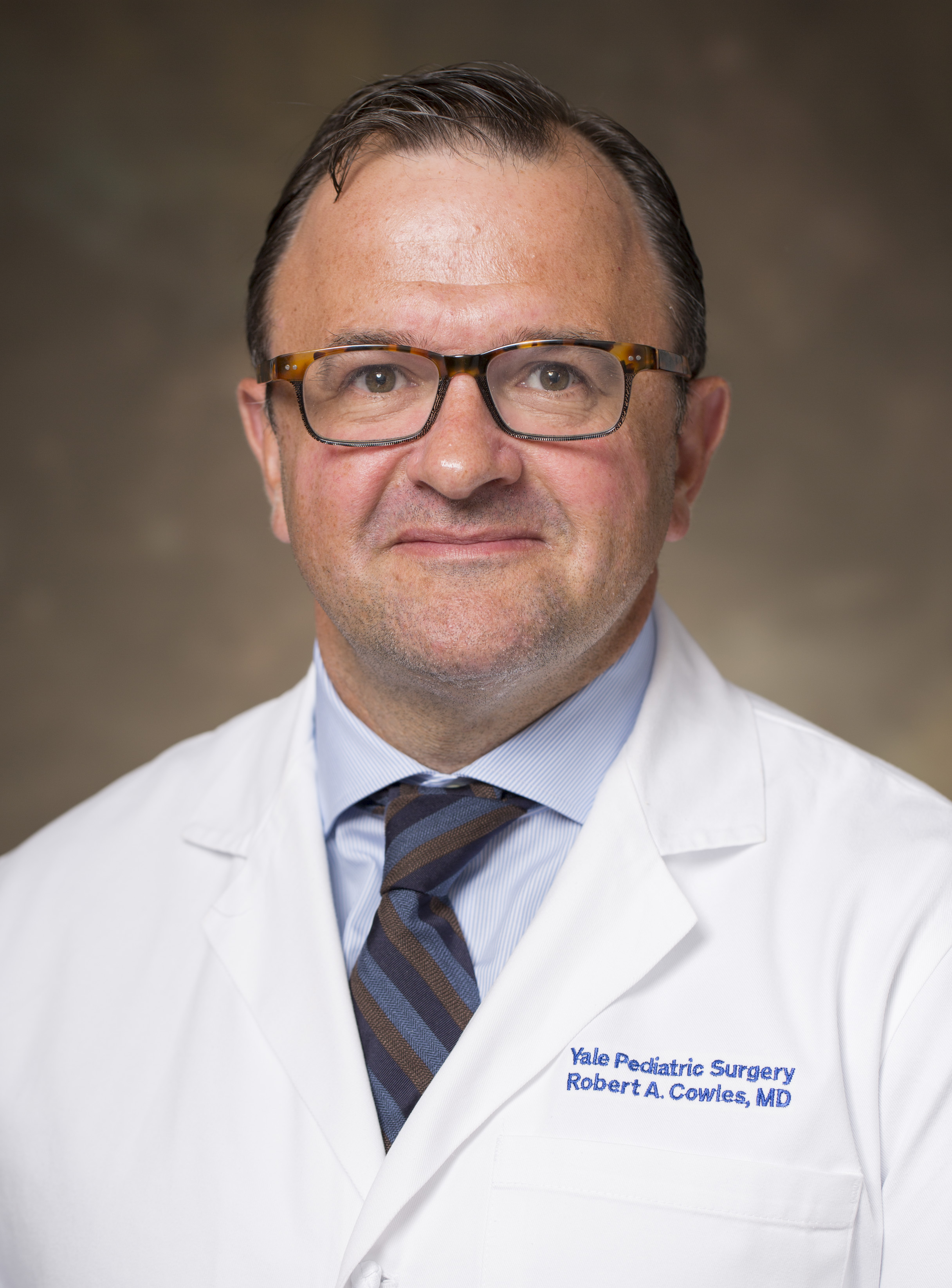 Robert Cowles合作论文数Yale Department of Surgery, Yale School of Medicine, Yale University6Arkovitz Marc S合作论文数6Jianzhong Huang合作论文数6Darrell J. Yamashiro合作论文数6Jessica J. Kandel合作论文数College of Physicians and Surgeons, Columbia University6
 Romeo C. Ignacio合作论文数Division of Pediatric Surgery, Cincinnati Children's Hospital Medical Center6Bridget Toy合作论文数5Erin Cicalese合作论文数5
 Gudrun Aspelund合作论文数5
 Mehul V Raval合作论文数Department of Surgery, Feinberg School of Medicine, Northwestern University5Rich Barrie S合作论文数5Mary Jo Haley合作论文数5Kepal N. Patel合作论文数5Jeffrey W. Gander合作论文数5Melissa E. Danko合作论文数4
 Heda Dapul合作论文数4Paresh C Shah合作论文数4
 Kyle Jon Van Arendonk合作论文数4
 Angela Kadenhe-Chiweshe合作论文数Department of Surgery, Weill Cornell Medicine, Cornell University4Prescott Jason D合作论文数4John D. Allendorf合作论文数Columbia University4Richard D. Glick合作论文数4Insoo Suh合作论文数CCS Graduate School for Green Transportation, KAIST4
 Kenneth William Gow合作论文数the University of British Columbia4Thomas Beaulieu合作论文数3Erica R. Gross合作论文数3Bae Jae-O合作论文数3Akila Ramaraj合作论文数3Julia W Metzger合作论文数3Dina Levy-Lambert合作论文数Dept Med, NYU Langone Hlth3Alex J Gordon合作论文数Dept Otolaryngol Head & Neck Surg, NYU3
 Kyla Wright合作论文数NYU Langone Hlth, NYU Grossman Sch Med3
 Jennifer L. Lighter合作论文数Division of Pediatric Infectious Diseases, Department of Pediatrics, Grossman School of Medicine, New York University3
 Grzenda Adrienne合作论文数Laboratory of Epigenetics and Chromatin Dynamics, Mayo Clinic3
 David Rothstein合作论文数3Stachel Anna合作论文数3
 Jeff Zitsman合作论文数3Alejandro R. Ruiz-Elizalde合作论文数3Aaron M. Lipskar合作论文数3Jason S. Frischer合作论文数3Samuel Z. Soffer合作论文数3Amy J. Wagner合作论文数2




