BACKGROUND:Mortality and morbidity after surgical repair for complex congenital heart defects and severe cardiopulmonary failure on extracorporeal membrane oxygenation (ECMO) support remain high despite significant advances in medical management and technological improvements. We report on outcomes and factors after using ECMO in our surgical pediatric population including short- and long-term survival.METHODS:A total of 45 neonatal and pediatric patients were identified who needed ECMO in our department between January 2008 and December 2016. In 41 cases (91%) a vaECMO (ECLS) was implemented, whereas 4 patients (9%) received vvECMO treatment for respiratory failure. In 33 cases vaECMO was implanted following cardiac surgery for congenital heart disease (CHD), whereas in 8 patients ECMO was utilized by means of extracorporeal cardiopulmonary resuscitation (eCPR) following refractory cardiac arrest. The primary endpoint of the present study was survival to discharge and long-term survival free from neurological impairments. Univariate and bivariate analysis was performed to address predictors for outcome. Kaplan-Meier survival analysis was used to address mid- and long-term survival.RESULTS:Median [IQR] duration of ECMO support was 3 [2, 5] days (range, 1-17 days). Median age at ECMO implantation was 128 [14, 1,813] days, median weight of patients was 5.4 [3.3, 12] kg. Totally 10 patients included in this study were diagnosed with concomitant genetic conditions. A total of 20 (44%) patients were successfully weaned off ECMO (survived >24 h after ECMO explantation), whereas 15 (33%) of them survived to discharge. Single ventricle (SV) repair was performed in 14, biventricular repair in 19 patients. Neonates (<30 days of age), female patients, patients with genetic conditions, SV repair patients, and eCPR patient cohort showed lower odds of survival on ECMO. Failed myocardial recovery (P=0.001), profound circulatory failure despite a high dose of catecholamines (P<0.001), neurological impairment pre-ECMO and post-ECMO (P=0.04 and P<0.001, respectively), and severe pulmonary failure despite high respiratory pressure settings were most common mortality reasons.CONCLUSIONS:ECMO provides efficient therapy opportunities for life-threatening conditions. Nevertheless, neonates and pediatric patients who underwent ECMO were at high risk for cerebrovascular events and poor survival. Appropriate patient selection using predictors of outcome reducing complications might improve outcomes of this patient cohort.
Background Idiopathic pulmonary artery hypertension (iPAH) is a relatively minor indication for lung transplantation (LTx) with comparatively poorer outcomes. Extracorporeal life support (ECLS) in various forms is increasingly being used in the management of this entity. However, the data and experience with this therapy remains limited. We evaluated the role of ECLS in the management of severe iPAH patients as a bridge to LTx as well as post LTx support. Methods A retrospective analysis of iPAH patients that received LTx between January 2007 and May 2014 was performed. Early- and mid-term outcomes were analyzed for this patient cohort. Also, early and mid-term outcomes after LTx were compared to the control group of patients with other diagnoses using unadjusted analysis and 1:3 propensity score matching. Results Of 321 LTx performed during the study period in our centre 15 patients had iPAH as a cause of end-stage lung disease. Four iPAH (27%) patients were bridged to LTx utilizing ECLS in the form of veno-arterial ECMO and extra-corporeal CO2 removal device, whereas 9 patients (60%) required ECLS support for primary graft dysfunction (PGD) after surgery. Patients with iPAH required more frequently on-pump LTx, both pre and post LTx ECLS, and had significantly lower pO2/FiO2 ratio at 24, 48 and 72 hours after LTx. Also iPAH patients had significantly longer ICU and hospital stay. Whereas the incidence of postoperative bronchiolitis obliterans syndrome (BOS) and rejection was comparable to the control group, overall cumulative survival with up to 6 years follow-up was significantly poorer in the iPAH group. After propensity score matching, the results in terms of postoperative outcomes remained as in the unadjusted analysis. Conclusions ECLS is an essential tool in the armamentarium of any lung transplant program treating iPAH with a potential of bridge patients to transplantation and to overcome graft dysfunction after LTx. Despite utilization of ECLS in the management of iPAH, the outcomes in terms of primary graft failure and survival remain poor compared to patients with other diagnoses.
Nowadays high-tech medical assist device therapy is a crucial part of intensive care medicine. Especially, management of circulatory assist device systems poses an increasing challenge for intensive care medicine. So far, autonomous recommendations for monitoring of extracorporeal life support systems in the form of guidelines or position papers are lacking. The purpose of this paper was to present an orientation guide on this important topic.
Closure of the chest after lung transplant in cases of oversized grafts is often difficult. Lung volume reduction and delayed closure of the chest with Bogota bag are the only options available in such situations. Here, we propose to keep the sternum and intercostal spaces open and approximate skin over it. Once lung function improves and reperfusion-related edema recovers, the chest can be closed.
Left ventricular assist device (LVAD) is now a routine therapy for advanced heart failure. Minimally invasive approach via thoracotomy for LVAD implantation is getting popular due to its potential advantage over the conventional sternotomy approach in terms of reduced risk at re-operation due to sternal sparing. We compared the approaches (thoracotomy and sternotomy) to determine the superiority. Minimally invasive approach involved fitting of the LVAD inflow cannula into left ventricle apex via left anterior thoracotomy and anastomosis of outflow graft to ascending aorta via right anterior thoracotomy. In the sternotomy approach, both the procedures were performed via sternotomy. Outcomes in patients after LVAD implantation were compared depending on these approaches for the surgery. Two hundred and five continuous flow LVAD implantations performed between July 2006 and June 2015 at a single center were divided based on surgical approach, that is, sternotomy (n = 180) and thoracotomy (n = 25) groups. There was no significant difference between the groups in relation to patient demographics, preoperative hemodynamic parameters, laboratory markers, or risk factors. There was no significant difference between the groups in terms of postoperative hemodynamic parameters, laboratory markers, bleeding and requirement of blood products, intensive care unit, and hospital stay or complications of LVAD surgery. There were no significant differences in terms of long-term survival (Log-Rank P = 0.953), however, thoracotomy, compared to sternotomy approach, incurred significantly less requirement of temporary right ventricular assist (4 vs. 19.4%, P = 0.041). Minimally invasive bilateral thoracotomy approach for LVAD implantation in addition to benefits of sternal sparing avoids dilatation of right ventricle and reduces chances of right ventricular failure requiring temporary right ventricular assist.
Extracorporeal membrane oxygenation (ECMO) as a bridge to lung transplant (LTx) is not uncommon, but it is not commonplace yet. We present a case of a 45-year-old man with cystic fibrosis with recent deterioration in lung function who was initially supported with veno-venous (VV) ECMO. However, he subsequently required conversion to veno-veno-arterial (VVA) ECMO. After 21 days of support, he underwent double lung transplantation, with an uneventful postoperative course. This case shows that, in patients with end-stage respiratory failure awaiting lung transplantation, extracorporeal life support may require escalation to improve gas exchange and address circulatory requirements.
Objective: Outcomes and treatment costs for coronary artery disease involving left artery descending (LAD) are influenced by the type of treatment that can be either isolated minimally invasive revascularization of the LAD using the internal thoracic artery (ITA) (MIDCAB) or percutaneous coronary intervention (PCI) on the LAD. This retrospective study sought to evaluate long-term survival, freedom from re-intervention and costs after MIDCAB compared with PCI on the LAD.
Cardiac rupture (CR) is one of the most serious and life-threatening complications of blunt chest trauma (BCT) usually associated with high mortality. Moreover, its diagnosis and treatment strategies may be extremely challenging for clinicians due to various anatomical localisations of the tear. Whereas most injuries fall under the category of right atrial ruptures, left ventricular lesions represent a rare type of this injury, with greater mortality, particularly in cases of multi-chamber injuries. However, not only cardiac chamber or great vessel ruptures may occur as a result of BCT; a growing number of reports also describe BCT-induced isolated coronary artery injuries, including ruptures. Whereas CR requires immediate surgical treatment, less invasive interventional techniques, such as stent placement and closure with fibrin glue or coils, can be the treatment of choice in selected cases of hemodynamically less relevant coronary artery ruptures. In this report, we present a rare case of a ventricular rupture following BCT, with the tear localized in the right ventricular wall and an occult connection to the left ventricle without ventricular septum injury. Also, another contemporaneous emergency in our department that had to be managed at the same time resulted in challenging the decision-making process. As such an emergency constellation is difficult to manage, this report may help clinicians in difficult situations in terms of diagnosis and choosing the right treatment strategy.
Total arterial revascularization is the leading trend in coronary artery bypass grafting (CABG) for the treatment of coronary artery disease (CAD). Adding to its superiority to vein conduits, arteries allow for a high degree of versatility and long-term patency, while minimizing the need for reintervention. This is especially important for patients with multi-vessel coronary artery disease, as well as young patients. However, arterial revascularization has come a long way before being widely appreciated, with some yet unresolved debates, and advances that never cease to impress. In this review, we discuss the evolution of this surgical technique and its clinical success, as well as its most conspicuous limitations in light of accumulated published date from decades of experience.
Ventricular hypertrophy is an ominous escalation of hemodynamically stressful conditions such as hypertension and valve disease. The pathophysiology of hypertrophy is complex and multifactorial, as it touches on several cellular and molecular systems. Understanding the molecular background of cardiac hypertrophy is essential in order to protect the myocardium from pathological remodeling, or slow down the destined progression to heart failure. In this review we highlight the most important molecular aspects of cardiac hypertrophic growth in light of the currently available published research data.
The aim of this study was to compare patients with severe biventricular heart failure who underwent Berlin Heart Excor implantation with (cardiogenic shock [CS] status) or without the need for preoperative extracorporeal life support (ECLS) as a bridge to long-term device. A total of 40 consecutive patients with severe biventricular heart failure underwent Berlin Heart Excor implantation with (CS status, n = 20, 50%) or without (control, n = 20, 50%) the need for preoperative ECLS as a bridge to long-term device from March 2007 to May 2015 at our institution. Demographics and preoperative baseline characteristics as well as early and long-term outcomes including mortality and complication rates were retrospectively compared between the two groups. There were no statistically significant differences in terms of demographics and most preoperative clinical characteristics. The mean age in the ECLS (CS group) and control group was 43.5 ± 19.4 and 41.3 ± 16.4 (P = 0.705), whereas 20 and 25% of patients were females (P = 1.000). However, patients from the ECLS group had preoperatively higher lactate (P = 0.037), aspartate aminotransferase (P < 0.001), and alanine aminotransferase (P < 0.001) levels, all of them significantly decreased after surgery (P = 0.004, P = 0.017, and P = 0.001, respectively) and did not show any statistical differences to the corresponding values from the control group (P = 0.597, P = 0.491, and P = 0.339, respectively). Postoperatively, patients from the control and ECLS groups had statistically similar incidences of liver failure (30 vs. 35%, P = 0.736), renal failure (45 vs. 70%, P = 0.110), need for reopening (35 vs. 60%, P = 0.113), major cerebrovascular events (35 vs. 30%, P = 0.736), sepsis (10 vs. 25%, P = 0.407), wound infection (20 vs. 30%, P = 0.716), abdominal ischemia requiring surgery (28.6 vs. 36.8%, P = 0.719), and acute respiratory distress syndrome (25 vs. 35.3%, P = 1.000). The proportion of patients who were bridged to transplantation was statistically similar between the ECLS and the control groups (40 vs. 52.6%, P = 0.429). Furthermore, there were no statistically significant differences in terms of early (Breslow [generalized Wilcoxon] P = 0.907) and long-term (log-rank [Mantel-Cox] P = 0.787) overall cumulative survival accounting for 30-day survival of 75 versus 75%, 6-month survival of 60 versus 55%, 1-year survival of 54 versus 40%, and 7-year survial of 47 versus 40% in the control and ECLS groups, respectively. ECLS in critical CS as a bridge to implantation of the Berlin Heart Excor ventricular assist device is safe and is associated with improvement in end-organ function leading to similar excellent early and long-term survival and incidences of major complications as in patients without the need for preoperative ECLS support.
Roughly 60% of hearts offered for transplantation are rejected because of organ dysfunction. Moreover, hearts from circulatory-dead patients have long been thought to be non-amenable for transplantation, unlike other organs. However, tentative surgical attempts inspired by the knowledge obtained from preclinical research to recover those hearts have been performed, finally culminating in clinically successful transplants. In this review we sought to address the major concerns in non-heart-beating donor heart transplantation and highlight recently introduced developments to overcome them.
OBJECTIVES:Traditionally, patients on extracorporeal life support (ECLS) are sedated and mechanically ventilated and therefore prone to complications related to immobility and ventilation. We adopted this 'Awake ECLS' strategy for the patients with refractory cardiogenic shock (RCS) as a bridge to decision.METHODS:Sixty-eight patients with RCS were supported by ECLS (All veno-arterial) in years 2010-2014. Patients that could not survive 24 h after ECLS implantation (9 patients) were excluded from the study. Study population constituted 59 patients-'Awake' group (n = 18; maintained awake without intubation) and 'Control' group (n = 41; intubated and required mechanical ventilation).RESULTS:Nine (50%) patients were awake at implantation, with 5 of them remaining free of sedation and ventilator support through to explantation. Nine patients were ventilated at the time of implantation but subsequently extubated and remained non-intubated and ventilator free. Post-ECLS survival at 1 month was 78 and 42% while the survival to discharge was 78 and 37% in awake and control group, respectively.CONCLUSIONS:ECLS as a bridge to decision in RCS is effective in restoring adequate systemic perfusion and recovering end-organ function. ECLS can be initiated in awake patients with RCS and patients can be awakened on ECLS. The 'awake ECLS' strategy may avoid complications related to mechanical ventilation, sedation and immobilization. RCS patients supported on ECLS without severe metabolic acidosis, multiorgan failure, intra-aortic balloon pump or uncertain neurological status are more likely to be weaned from the ventilator. Patients that are awake at the time of ECLS implantation are more likely to remain awake during ECLS.
The left ventricular assist device (LVAD) is now a routine therapy for advanced heart failure. The thoracotomy approach for LVAD implantation, in which the left ventricle is approached through a pericardial rent, is becoming popular. We demonstrate closure of the pericardial rent with a polytetrafluoroethylene (PTFE) patch and its advantages.
Left ventricular assist devices (LVAD) are an increasingly implemented therapeutic intervention for patients with end-stage heart failure. A growing body of evidence, however, has shown an elevated risk of device thrombosis, a major complication jeopardizing the patient's post-implantation survival. To date, multiple causative factors for LVAD thrombosis have been identified, such as internal shear stress, device material, infection, and inadequate anticoagulation.Understanding the mechanisms leading to LVAD thrombosis will not only enable device optimization, but also allow for better patient handling, hence improving post-implantation outcome. In this review we highlight the most commonly identified factors leading to LVAD thrombosis and discuss their mechanisms.
The totally artificial heart (TAH) is among the most prominent medical innovations of the 21st century, especially due to the increasing population with end-stage heart failure. The progressive course of the disease, its resistance to conventional therapy, and the scarcity of hearts available for transplantation were the prime impetus for developing a TAH, especially when other options of mechanical circulatory assist devices are exhausted. In this review, we narrate the history of TAH, give an overview of its technology, and address the pros and cons of the currently available TAH models in light of published clinical experience.
Recent advances in surgical techniques and understanding of the pathophysiology of atrial fibrillation has led to the development of a less invasive thoracoscopic surgical treatment including video-assisted bilateral pulmonary vein isolation using bipolar radiofrequency ablation clamps. More recently, the same operation became possible via a totally thoracoscopic approach. In this paper we describe technical aspects of the thoracoscopic approach to surgical treatment of AF and discuss its features, benefits and limitations. Furthermore, we present a new alternative technique of conduction testing using endoscopic multi-electrode recording catheters. An alternative electrophysiological mapping strategy involves a multi-electrode recording catheter designed primarily for percutaneous endocardial electrophysiologic mapping procedure. According to our initial experience, the recordings obtained from the multi-electrode catheters positioned around the pulmonary veins are more accurate than the recordings obtained from the multifunctional ablation and pacing pen. The totally thoracoscopic surgical ablation approach is a feasible and efficient treatment strategy for atrial fibrillation. The conduction testing can be easily and rapidly performed using a multifunctional pen or multi-electrode recording catheter.
Introduction: The HVAD is a miniaturized ventricular assist device (VAD) which is routinely used for left sided support in patient with end stage heart failure as a bridge to transplant. Amongst the reasons for implantation are left ventricular failure as well as elevated pulmonary vascular pressure and resistance. Many patients undergoing LVAD implantation have impaired right ventriclular (RV) function and there is reason to suspect at least a partial longer term RV improvement. As little is known about the long-term effect of LVADs on RV function, we sought to assess echocardiographic parameters with a special emphasis on changes in RV function in patients on VADs.
Arthrogryposis multiplex congenita (AMC) is characterized by contractions of multiple joints present at birth. AMC is rarely associated with cardiomyopathy. We present a case of a young man with dilated cardiomyopathy associated with AMC admitted with rapidly deteriorating severe heart failure who was offered left ventricular assist device as a bridge to transplant.
 Anton Sabashnikov合作论文数33
 Aron Frederik Popov合作论文数23
 Andre Simon合作论文数Harefield Hosp, Royal Brompton & Harefield NHS Fdn Trust, Dept Cardiothorac Transplantat & Mech Circulatory, London, England18
 Thorsten Wahlers合作论文数Department of Cardiac and Thoracic Surgery, University Hospital Cologne17
 Mohamed Zeriouh合作论文数17
 Prashant N Mohite合作论文数14
 Alexander Weymann合作论文数14
 Zych Bartlomiej合作论文数13
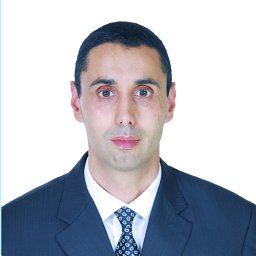 Mohamed el Amrani合作论文数Harefield Hospital13García Sáez Diana合作论文数11Patil Nikhil P合作论文数8
 Yeong-Hoon Choi合作论文数Cardiothoracic Surgery, University of Cologne7Toufan Bahrami合作论文数6
 Pascal Maria Dohmen合作论文数6Simon Andre R合作论文数6
 Tahereh Bahrami合作论文数6mostafa samak合作论文数5Matthias Karck合作论文数5
 Bastian Schmack合作论文数5Diana Garcia Saez合作论文数5
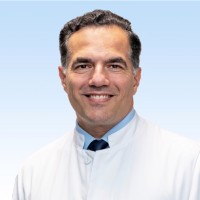 Arjang Ruhparwar合作论文数Hannover Medical School5P. N. Mohite合作论文数4Popov Aron F合作论文数4
 Kaveh Eghbalzadeh合作论文数4
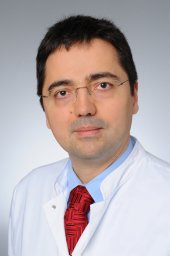 Parwis B. Rahmanian合作论文数Department of Cardiothoracic Surgery, University Hospital of Cologne4
 Jens Wippermann合作论文数4Hards Rachel合作论文数3De Robertis Fabio合作论文数3
 C. T. Bowles合作论文数3Thorsten Wittwer合作论文数3Christian Bireta合作论文数3P. Mohite合作论文数2Benjamin A Högerle合作论文数2
 Johanna Maier合作论文数2
 Farid Azizov合作论文数2Julia Merkle合作论文数2YH Choi合作论文数2Gemma Edwards合作论文数2Mina Farag合作论文数2Nicholas R Banner合作论文数2Roman Pfister合作论文数2
 Mike Hedger合作论文数2Olaf Maunz合作论文数2
 Reed Anna合作论文数Department of Respiratory Medicine, Harefield Hospital2
 Massimo Capoccia合作论文数2DeRobertis Fabio合作论文数2
 Carolyn Weber合作论文数2Martin Carby合作论文数2Tim Seidler合作论文数2




