Formation of transport vesicles requires the coordinate activity of the coating machinery that selects cargo into the nascent vesicle and the membrane bending machinery that imparts curvature to the forming bud. Vesicle coating at the trans -Golgi Network (TGN) involves AP1, GGA2 and clathrin, which are recruited to membranes by activated ARF GTPases. The ARF activation at the TGN is mediated by the BIG1 and BIG2 guanine nucleotide exchange factors (GEFs). Membrane deformation at the TGN has been shown to be mediated by lipid flippases, including ATP8A1, that moves phospholipids from the inner to the outer leaflet of the TGN membrane. We probed a possible coupling between the coating and deformation machineries by testing for an interaction between BIG1, BIG2 and ATP8A1, and by assessing whether such an interaction may influence coating efficiency. Herein, we document that BIG1 and BIG2 co -localize with ATP8A1 in both, static and highly mobile TGN elements, and that BIG1 and BIG2 bind ATP8A1. We show that the interaction involves the catalytic Sec7 domain of the GEFs and the cytosolic C -terminal tail of ATP8A1. Moreover, we report that the expression of ATP8A1, but not ATP8A1 lacking the GEF-binding cytosolic tail, increases the generation of activated ARFs at the TGN and increases the selective recruitment of AP1, GGA2 and clathrin to TGN membranes. This occurs without increasing BIG1 or BIG2 levels at the TGN, suggesting that the binding of the ATP8A1 flippase tail to the Sec7 domain of BIG1/BIG2 increases their catalytic activity. Our results support a model in which a flippase component of the deformation machinery impacts the activity of the GEF component of the coating machinery.
Preprints have become paramount to promoting early dissemination of scholarship, emerging as particularly imperative during the COVID-19 pandemic, where swift communication of a sheer volume of research findings enabled more efficient research and public health decisions. Preprint servers demonstrate far higher use compared to before the pandemic, and the number of preprints is expected to grow with launches of new servers that cater to specific research interests. Though they have limitations to consider, preprints are a critical avenue for accelerating scientific communication, with many benefits for authors including early attention to their work and an increased potential to find multidisciplinary collaborators. Librarians are educating their constituents about understanding and using preprints, and how publishers enhance preprints to make them more discoverable and impactful. In this presentation, librarians and partners from the publishing sphere collaborated to share their perspectives, vision, and practices around preprints in a dynamic panel. Participants gained an understanding of the changing dynamics and workflow between preprint authors and publishers, as well as the librarian’s role and partnership in this process. Preprint limitations were discussed – including challenges to adding preprints to the scholarly communication landscape as an additional version type, and the cleaning of preprint data for indexing in peer-reviewed literature databases and preprint servers – alongside innovative initiatives being undertaken by publishers and repositories to address them. Speakers reviewed preprint metrics including what attention measures are available, with panelists sharing how preprints serve a different use case from a version of record, and the process publishers employ to elevate articles from preprint to final status. Taken together, attendees gained valuable insight into how they can educate patrons on their use and production of preprints, their value and impact, how preprint metadata, quality, and indexing have improved, and their important role in the changing research landscape.
In this study, we investigated the role of glutamate delta 1 receptor (GluD1) in oligodendrocyte progenitor cell (OPC)-mediated myelination during basal (development) and pathophysiological (cuprizone-induced demyelination) conditions. Initially, we sought to determine the expression pattern of GluD1 in OPCs and found a significant colocalization of GluD1 puncta with neuron-glial antigen 2 (NG2, OPC marker) in the motor cortex and dorsal striatum. Importantly, we found that the ablation of GluD1 led to an increase in the number of myelin-associated glycoprotein (MAG+) cells in the corpus callosum and motor cortex at P40 without affecting the number of NG2+ OPCs, suggesting that GluD1 loss selectively facilitates OPC differentiation rather than proliferation. Further, deletion of GluD1 enhanced myelination in the corpus callosum and motor cortex, as indicated by increased myelin basic protein (MBP) staining at P40, suggesting that GluD1 may play an essential role in the developmental regulation of myelination during the critical window period. In contrast, in cuprizone-induced demyelination, we observed reduced MBP staining in the corpus callosum of GluD1 KO mice. Furthermore, cuprizone-fed GluD1 KO mice showed more robust motor deficits. Collectively, our results demonstrate that GluD1 plays a critical role in OPC regulation and myelination in normal and demyelinating conditions.
Golgi homeostasis require the activation of Arf GTPases by the guanine-nucleotide exchange factor requires GBF1, whose recruitment to the Golgi represents a rate limiting step in the process. GBF1 contains a conserved, catalytic, Sec7 domain (Sec7d) and five additional (DCB, HUS, HDS1-3) domains. Herein, we identify the HDS3 domain as essential for GBF1 membrane association in mammalian cells and document the critical role of HDS3 during the development of Drosophila melanogaster. We show that upon binding to Golgi membranes, GBF1 undergoes conformational changes in regions bracketing the catalytic Sec7d. We illuminate GBF1 interdomain arrangements by negative staining electron microscopy of full-length human GBF1 to show that GBF1 forms an anti-parallel dimer held together by the paired central DCB-HUS core, with two sets of HDS1-3 arms extending outward in opposite directions. The catalytic Sec7d protrudes from the central core as a largely independent domain, but is closely opposed to a previously unassigned α-helix from the HDS1 domain. Based on our data, we propose models of GBF1 engagement on the membrane to provide a paradigm for understanding GBF1-mediated Arf activation required for cellular and organismal function.
As new academic research initiatives become increasingly interdisciplinary, it is imperative that librarians worldwide develop and implement new approaches to the dissemination of various research tools and techniques. Many institutions and organizations have evolved, with tremendous potential for future growth, in response to the continued increase in demand for emerging technologies for sustained community growth. Smart Cities initiatives are being envisioned and implemented globally requiring the need for acquiring information on topics such as Information and Communication Technologies, Human Computer Interaction, IT and Information Security, Cryptography, Cybersecurity, Outsourcing, Intelligent Transportation, and Entrepreneurship, etc. Students, researchers and entrepreneurs will need to become aware of a wide array of different online resources available through their libraries, corporations, and organizations. Various strategies of gathering, connecting, evaluating, and using information efficiently will be addressed during this talk. Using these approaches can be very useful for students as they continue to envision innovative Smart Cities related projects. It is hoped that this will also contribute to life-long learning that can be transferred in future professional and academic activities to continue to contribute towards economic and sustained growth of global communities.
Mindfulness & Mental Health Improvement Practices for An Effective Work-Life Balance (WLB) in Librarianship Various approaches that university libraries globally use to inspire library staff and students to enhance their well-being, intellectual wellness and manage stress in the process. Stress, burnout, anxiety, we all need help to manage and improve our well-being. Join this session for a discussion of techniques you can use to reduce your stress and increase resiliency in the workplace, and help generate ideas for implementing stimulating programs to inspire library users. Poonam will present on how being a little mindful instead of “mind full” can lead to improved mental health and lifestyle. Jay will share the in-person and virtual programs created at Drexel University Libraries to promote intellectual wellness and reduce stress for staff and students. Meenal will share the conceptual ideology of Work-Life Balance (WLB), factors affecting WLB using case examples, and giving the best performance at work. We will have time for questions. Please share your wellness program ideas with us. Learning Objectives: Upon completion, the participants will develop insights on how small practices in routine can inspire positive impact in Life. Upon completion, the participants will learn about the core ideology of Work-Life Balance and the affecting factors as well as the key tactics of balancing the work and life elements. Upon completion, the participants will learn how one university library attempted to inspire library staff and students to enhance intellectual wellness using different engaging approaches.
In recent years, the scientific community has witnessed several instances of retracted research papers due to the evidence found of scientific misconduct after those papers were published. This presentation will highlight the importance of academic and scientific integrity in the progress of global research. Whether you are writing a research paper or completing an assignment for your class, it is extremely important to provide proper credit to various sources of information (journal article, conference paper, presentation, book chapter, a web site, images, or any other types of resources) that were used in projects or assignments. Using various examples of breaches in academic misconduct, or retracted papers from published literature, violations in scientific integrity and academic misconduct are explained, and possible hindrances and obstacles to scientific progress are illustrated. Their consequences can be extremely damaging in career promotion and future research collaborations. With the advent of AI tools such as ChatGPT, it is even more important to scrutinize Research Integrity from the perspectives of scholarly communication and Responsible AI.
Outreach, including patient navigation, has been shown to increase the uptake of colorectal cancer (CRC) screening in underserved populations. This analysis evaluates the cost-effectiveness of triennial multi-target stool DNA (mt-sDNA) versus outreach, with or without a mailed annual fecal immunochemical test (FIT), in a Medicaid population. A microsimulation model estimated the incremental cost-effectiveness ratio using quality-adjusted life years (QALY), direct costs, and clinical outcomes in a cohort of Medicaid beneficiaries aged 50–64 years, over a lifetime time horizon. The base case model explored scenarios of either 100% adherence or real-world reported adherence (51.3% for mt-sDNA, 21.1% for outreach with FIT and 12.3% for outreach without FIT) with or without real-world adherence for follow-up colonoscopy (66.7% for all). Costs and outcomes were discounted at 3.0%. At 100% adherence to both screening tests and follow-up colonoscopy, mt-sDNA costed more and was less effective compared with outreach with or without FIT. When real-world adherence rates were considered for screening strategies (with 100% adherence for follow-up colonoscopy), mt-sDNA resulted in the greatest reduction in incidence and mortality from CRC (41.5% and 45.8%, respectively) compared with outreach with or without FIT; mt-sDNA also was cost-effective versus outreach with and without FIT ($32,150/QALY and $22,707/QALY, respectively). mt-sDNA remained cost-effective versus FIT, with or without outreach, under real-world adherence rates for follow-up colonoscopy. Outreach or navigation interventions, with associated real-world adherence rates to screening tests, should be considered when evaluating the cost-effectiveness of CRC screening strategies in underserved populations.
This presentation explores and provides instructional tips on how to find data to support researchers, students, and scholars in science and technology disciplines. Finding and sharing data requires understanding the research and data information needs of our researchers and an awareness of existing and evolving new data repositories. Keeping current about the existence, scope, features, and availability of these repositories is critical in today's research environment. This session will help you develop a methodology for teaching students and researchers how to find and evaluate appropriate data sets. Expected interactions and exchange of ideas during this talk can further stimulate curiosity of our community members and inspire them to develop and implement innovative teaching methods in imparting information skills.
The glutamate delta family of receptors is composed of GluD1 and GluD2 and serve as synaptic organizers. We have previously demonstrated several autism-like molecular and behavioral phenotypes including an increase in dendritic spines in GluD1 knockout mice. Based on previous reports we evaluated whether disruption of autophagy mechanisms may account for these phenotypes. Mouse model with conditional deletion of GluD1 from excitatory neurons in the corticolimbic regions was utilized. GluD1 loss led to overactive Akt-mTOR pathway, higher p62 and a lower LC3-II/LC3-I ratio in the somatosensory cortex suggesting reduced autophagy. Excitatory elements were increased in number but had immature phenotype based on puncta size, lower AMPA subunit GluA1 expression and impaired development switch from predominantly GluN2B to mixed GluN2A/GluN2B subunit expression. Overactive Akt-mTOR signaling and impaired autophagy was also observed in dorsal striatum upon conditional ablation of GluD1 and in the prefrontal cortex and hippocampus in constitutive knockout. Finally, cognitive deficits in novel object recognition test and fear conditioning were observed in mice with conditional ablation of GluD1 from the corticolimbic regions. Together, these results demonstrate a novel function of GluD1 in the regulation of autophagy pathway which may underlie autism phenotypes and is relevant to the genetic association of GluD1 coding, GRID1 gene with autism and other developmental disorders.
e18827 Background: Despite proven effectiveness in reducing colorectal cancer (CRC) cases, screening for CRC remains underutilized, including those enrolled in Medicare Advantage. A mailed fecal immunochemical test (FIT) outreach program may increase CRC screening adherence. This study examined the cost-effectiveness of stool-based tests (FIT and multi-target stool DNA [mt-sDNA]), with FIT offered via a mailed outreach program, in a Medicare Advantage population. Methods: The validated CRC-AIM microsimulation model was used to simulate the costs and clinical outcomes of 2 million average-risk individuals, free of diagnosed CRC at age 40, who initiated CRC screening at age 65. Annual mailed FIT outreach and triennial mt-sDNA were assessed. Test sensitivity and specificity inputs were based on the 2021 United States Preventative Services Task Force modeling study. FIT outreach program cost ($25.92) and direct costs for screening tests, colonoscopies (COLs), complications, and CRC care were included. The model employed a lifetime horizon, 3% discount rates, and a Medicare Advantage perspective. The primary analysis used published real-world adherence rates for stool-based tests and follow-up COLs (FIT/COL: 29%/53%; mt-sDNA/COL: 69.8%/71.5%). Secondary analyses assumed 100% adherence for stool-based tests and/or follow-up COLs and 20% higher than primary analysis for FIT and the corresponding follow-up COLs. Results: In the primary analysis, mt-sDNA had the greatest life-years gained (LYG), incidence reduction (IR), and mortality reduction (MR) and was cost-effective at a willingness-to-pay threshold of $50,000/QALY compared to mailed FIT outreach (Table). This was true when 100% adherence was assumed for follow-up COL and when FIT had 20% higher adherence than the primary analysis. mt-sDNA had 64-129% greater LYG, 79-150% greater IR, and 68-146% greater MR than mailed FIT outreach. When assuming 100% adherence for both screening test and follow-up COL, mt-sDNA was dominated by mailed FIT outreach. Conclusions: Adherence to CRC screening modality and follow-up COL greatly impacts clinical and cost-effectiveness outcomes. Future analysis should consider evidence-based, health plan-specific data to accurately reflect outcomes that aid in payer decision making.[Table: see text]
Course-based undergraduate research experiences (CUREs), which often engage students as early as freshman year, have become increasingly common in biology curricula. While many studies have highlighted the benefits of CUREs, little attention has been paid to responsible and ethical conduct of research (RECR) education in such contexts. Given this observation, we adopted a mixed methods approach to explore the extent to which RECR education is being implemented and assessed in biological sciences CUREs nationwide. Survey and semistructured interview data show a general awareness of the importance of incorporating RECR education into CUREs, with all respondents addressing at least one RECR topic in their courses. However, integration of RECR education within the CURE environment primarily focuses on the application of RECR during research practice, often takes the form of corrective measures, and appears to be rarely assessed. Participants reported lack of time and materials as the main barriers to purposeful inclusion of RECR education within their courses. These results underscore a need for the CURE community to develop resources and effective models to integrate RECR education into biology CUREs.
The integrity of the Golgi and trans-Golgi network (TGN) is disrupted by brefeldin A (BFA), which inhibits the Golgi-localized BFA-sensitive factor (GBF1) and brefeldin A–inhibited guanine nucleotide-exchange factors (BIG1 and BIG2). Using a cellular replacement assay to assess GBF1 functionality without interference from the BIGs, we show that GBF1 alone maintains Golgi architecture; facilitates secretion; activates ADP-ribosylation factor (ARF)1, 3, 4, and 5; and recruits ARF effectors to Golgi membranes. Unexpectedly, GBF1 also supports TGN integrity and recruits numerous TGN-localized ARF effectors. The impact of the catalytic Sec7 domain (Sec7d) on GBF1 functionality was assessed by swapping it with the Sec7d from ARF nucleotide-binding site opener (ARNO)/cytohesin-2, a plasma membrane GEF reported to activate all ARFs. The resulting chimera (GBF1-ARNO-GBF1 [GARG]) targets like GBF1, supports Golgi/TGN architecture, and facilitates secretion. However, unlike GBF1, GARG activates all ARFs (including ARF6) at the Golgi/TGN and recruits additional ARF effectors to the Golgi/TGN. Our results have general implications: 1) GEF’s targeting is independent of Sec7d, but Sec7d influence the GEF substrate specificity and downstream effector events; 2) all ARFs have access to all membranes, but are restricted in their distribution by the localization of their activating GEFs; and 3) effector association with membranes requires the coincidental presence of activated ARFs and specific membrane identifiers.
The human mitochondrial heat shock protein 60 (hsp60) is composed to two heptameric rings stacked back-to-back. During the protein-folding cycle, these two rings dissociate to form single-ring intermediates that are catalytically active in-vitro and in-vivo. In this book chapter, we discuss the structural and catalytic features of hsp60 single-ring intermediates. We also provide a comparative analysis of the structural and mechanistic characteristics of single-ring intermediates observed in hsp60 versus phi-EL, OBP, and groEL chaperonin complexes that have also been reported to utilize single-rings within their catalytic cycle.
Advancement of the scientific enterprise relies on individuals conducting research in an ethical and responsible manner. Educating emergent scholars in the principles of ethics/responsible conduct of research (E/RCR) is therefore critical to ensuring such advancement. The recent impetus to include authentic research opportunities as part of the undergraduate curriculum, via course-based undergraduate research experiences (CUREs), has been shown to increase cognitive and noncognitive student outcomes. Because of these important benefits, CUREs are becoming more common and often constitute the first research experience for many students. However, despite the importance of E/RCR in the research process, we know of few efforts to incorporate E/RCR education into CUREs. The Ethics Network for Course-based Opportunities in Undergraduate Research (ENCOUR) was created to address this concern and promote the integration of E/RCR within CUREs in the biological sciences and related disciplines. During the inaugural ENCOUR meeting, a four-pronged approach was used to develop guidelines for the effective integration of E/RCR in CUREs. This approach included: 1) defining appropriate student learning objectives; 2) identifying relevant curriculum; 3) identifying relevant assessments; and 4) defining key aspects of professional development for CURE facilitators. Meeting outcomes, including the aforementioned E/RCR guidelines, are described herein.
The human mitochondrial heat shock protein 60 (hsp60) is a tetradecameric chaperonin that folds proteins in the mitochondrial matrix. An hsp60 D3G mutation leads to MitCHAP-60, an early onset neurodegenerative disease while hsp60 V72I has been linked to SPG13, a form of hereditary spastic paraplegia. Previous studies have suggested that these mutations impair the protein folding activity of hsp60 complexes but the detailed mechanism by which these mutations lead the neuromuscular diseases remains unknown. It is known, is that the β-subunit of the human mitochondrial ATP synthase co-immunoprecipitates with hsp60 indicating that the β-subunit is likely a substrate for the chaperonin. Therefore, we hypothesized that hsp60 mutations cause misfolding of proteins that are critical for aerobic respiration. Negative-stain electron microscopy and DLS results suggest that the D3G and V72I complexes fall apart when treated with ATP or ADP and are therefore unable to fold denatured substrates such as α-lactalbumin, malate dehydrogenase (MDH), and the β-subunit of ATP synthase in in-vitro protein-folding assays. These data suggests that hsp60 plays a crucial role in folding important players in aerobic respiration such as the β-subunit of the ATP synthase. The hsp60 mutations D3G and V72I impair its ability to fold mitochondrial substrates leading to abnormal ATP synthesis and the development of the MitCHAP-60 and SPG13 neuromuscular degenerative disorders.
ADP-ribosylation factors (ARF) GTPases are activated by guanine nucleotide exchange factors (GEFs) to support cellular homeostasis. Key to understanding spatio-temporal regulation of ARF signaling is the mechanism of GEF recruitment to membranes. Small GEFs are recruited through phosphoinositide (PIP) binding by a pleckstrin homology (PH) domain downstream from the catalytic Sec7 domain (Sec7d). The large GEFs lack PH domains, and their recruitment mechanisms are poorly understood. We probed Golgi recruitment of GBF1, a GEF catalyzing ARF activation required for Golgi homeostasis. We show that the homology downstream of Sec7d-1 (HDS1) regulates Golgi recruitment of GBF1. We document that GBF1 binds phosphoinositides, preferentially PI3P, PI4P and PI(4,5)P2, and that lipid binding requires the HDS1 domain. Mutations within HDS1 that reduce GBF1 binding to specific PIPs in vitro inhibit GBF1 targeting to Golgi membranes in cells. Our data imply that HDS1 and PH domains are functionally analogous in that each uses lipid-based membrane information to regulate GEF recruitment. Lipid-based recruitment of GBF1 extends the paradigm of lipid regulation to small and large GEFs and suggests that lipid-based mechanisms evolved early during GEF diversification. This article has an associated First Person interview with the first author of the paper.
Chaperonins are macromolecular complexes found throughout all kingdoms of life that assist unfolded proteins reach a biologically active state. Historically, chaperonins have been classified into two groups based on sequence, subunit structure, and the requirement for a co-chaperonin. Here, we present a brief review of chaperonins that can form double- and single-ring conformational intermediates in their protein-folding catalytic pathway. To date, the bacteriophage encoded chaperonins ϕ-EL and OBP, human mitochondrial chaperonin and most recently, the bacterial groEL/ES systems, have been reported to form single-ring intermediates as part of their normal protein-folding activity. These double-ring chaperonins separate into single-ring intermediates that have the ability to independently fold a protein. We discuss the structural and functional features along with the biological relevance of single-ring intermediates in cellular protein folding. Of special interest are the ϕ-EL and OBP chaperonins which demonstrate features of both group I and II chaperonins in addition to their ability to function via single-ring intermediates.
1 Volume 19, Number 3 ©2018 Author(s). Published by the American Society for Microbiology. This is an Open Access article distributed under the terms of the Creative Commons Attribution-Noncommercial-NoDerivatives 4.0 International license (https://creativecommons.org/licenses/by-nc-nd/4.0/ and https://creativecommons.org/licenses/by-nc-nd/4.0/legalcode), which grants the public the nonexclusive right to copy, distribute, or display the published work. A-29 Agar Art as a Canvas for Discovery in the Microbiology Laboratory Classroom Sarah J. Adkins, Rachel K. Rock, and Jeff Morris, University of Alabama at Birmingham
Course-based undergraduate research experiences (CUREs) have been identified as a promising vehicle to broaden novices’ participation in authentic scientific opportunities. While recent studies in the bioeducation literature have focused on the influence of CUREs on cognitive and non-cognitive student outcomes (e.g., attitudes and motivation, science process skills development), few investigations have examined the extent to which the contextual features inherent in such experiences affect students’ academic and professional growth. Central among these factors is that of ethics and the responsible conduct of research (RCR)—essential cornerstones of the scientific enterprise. In this article, we examine the intersectionality of ethics/RCR instruction within CURE contexts through a critical review of existing literature that details mechanisms for the integration of ethics/RCR education into undergraduate laboratory experiences in the science domains. Building upon this foundation, we propose a novel, evidence-based framework that seeks to illustrate posited interactions between core ethics/RCR principles and unique dimensions of CUREs. It is our intent that this framework will inform and encourage open dialogue around an often-overlooked aspect of CURE instruction—how to best prepare ethically responsible scholars for entrance into the global scientific workforce.
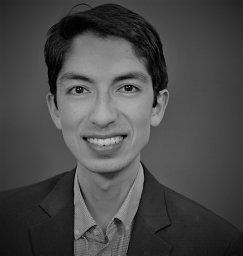 Christe, D.合作论文数Dept. of Mater. Sci. & Eng., Drexel Univ.;c;Dept. of Mater. Sci. & Eng., Drexel Univ.8
 Elizabeth Sztul合作论文数University of Alabama at Birmingham, University of Alabama at Birmingham7
 Dravid Shashank M合作论文数5Eunjoo Lee合作论文数5Justyna Meissner合作论文数4
 Olimpo Jeffrey T合作论文数Department of Cell Biology and Molecular Genetics, University of Maryland4
 Ricardo Andres Bernal合作论文数Department of Biological Sciences;Purdue University;Department of Biological Sciences, Purdue University4
 Amy S. Van Epps合作论文数4
 Antonios Kontsos合作论文数Dept Mech Engn & Mech, Drexel Univ4
 Dana Denick合作论文数School of Engineering Education, Purdue University4Adrian Enriquez合作论文数3Christina E D'Arcy合作论文数3
 David Esparza合作论文数Dept Biol Sci, Univ Texas El Paso3
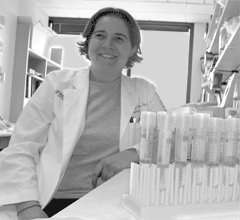 Laura A Diaz-Martinez合作论文数Dept Genet Cell Biol & Dev, Univ Minnesota3Viktorova Ekaterina G合作论文数Department of Veterinary Medicine, University of Maryland3Suryavanshi Pratyush S合作论文数3
 Richard Kahn合作论文数Winship Cancer Institute, Emory University3W. Charles Paulsen合作论文数3
 Lisa G. Dunn合作论文数3George A Belov合作论文数Chumakov Institute of Poliomyelitis and Viral Encephalitides, Russian Academy of Medical Sciences3Benjamin Samuel合作论文数2Mf Dominy合作论文数2URADO BROOKS合作论文数2Jinliang Wang合作论文数2Humberto M Rojo合作论文数2Subhash C Gupta合作论文数2Theodore Busby合作论文数2
 Arpit Shah合作论文数2Kishore Kumar S Narasimhan合作论文数2
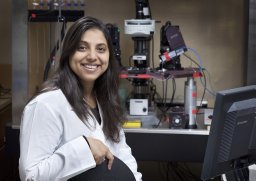 Yadav Roopali合作论文数2
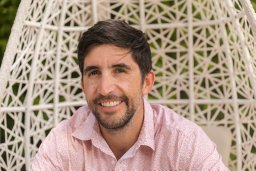 Zacariah L Hildenbrand合作论文数Affiliate of the Collaborative Laboratories for Environmental Analysis and Remediation, The University of Texas at Arlington2
 Dustin Jeffrey Stairs合作论文数2Hillman Brandon G合作论文数2Pavuluri Ratnamala合作论文数2Styers Melanie合作论文数2
 A. Mark Fendrick合作论文数Department of Internal Medicine, University of Michigan2
 Sudheer K. Molugu合作论文数Department of Chemistry, University of Texas at El Paso2Mohammad Haghkar合作论文数2
 Eli Fromm合作论文数Department of Electrical and Computer Engineering, College of Engineering, Drexel University2
 Ginger R. Fisher合作论文数2V. Genis合作论文数2
 David Lieberman合作论文数Division of Gastroenterology and Hepatology, School of Medicine, Oregon Health & Science University2
 David Joseph Dorsey合作论文数Department of Computer Science and Department of Electrical and Computer Engineering, Drexel University2
 Maitrayee Ghosh合作论文数Indian Institute of Technology2Ruth Wolfish合作论文数2Jeremy Boecker合作论文数2
 Donald L. Mceachron合作论文数Department of Psychology, University of Pennsylvania2Jean-Claude Bradley合作论文数Drexel University2Jordan J. Karlitz合作论文数2




