Patients with transfusion‐dependent (TD) β‐thalassemia require long‐term red blood cell transfusions (RBCTs) that lead to iron overload, impacting health‐related quality of life (HRQoL).
Luspatercept is an approved therapy for selected patients with lower risk myelodysplasia requiring transfusion despite erythropoiesis-stimulating agents, based on the early results of a randomized trial against placebo. Zeidan and colleagues report that after a median of 26 months follow-up, 27% of patients commencing luspatercept were continuing therapy. Their updated analyses confirm that a significant minority (45%) of eligible patients can achieve transfusion independence, with a median durability of 30 weeks. These longer follow-up data better quantify the incremental benefit of luspatercept over placebo.
Introduction: Patients (pts) with MDS/MPN-RS-T have limited treatment options for anemia due to ineffective erythropoiesis. Luspatercept, the first-in-class erythroid maturation agent that enhances late-stage erythropoiesis, is approved by the FDA for treatment of anemia in adult pts with lower-risk (LR) MDS with ring sideroblasts (RS) or MDS/MPN-RS-T after erythroid-stimulating agent (ESA) failure. In the randomized, double-blind, phase 3 MEDALIST study, luspatercept significantly reduced transfusion burden vs placebo in pts with LR-MDS (NCT02631070; Fenaux P, et al. N Engl J Med 2020;382:140-51). Here, we assess the efficacy and safety of luspatercept in pts with MDS/MPN-RS-T enrolled in the MEDALIST study. Methods: Eligible pts were ≥ 18 years; had IPSS-R-defined Very low-, Low-, or Intermediate-risk MDS with RS; were refractory, intolerant, or unlikely to respond to ESAs (serum erythropoietin > 200 U/L); and required regular RBC transfusions. Pts were randomized 2:1 to luspatercept (1.0 mg/kg, titration to 1.75 mg/kg) or placebo administered subcutaneously every 3 wks. The primary endpoint was achievement of RBC transfusion independence (RBC-TI) ≥ 8 wks during Wks 1-24. Results: A retrospective analysis identified 23/229 (10.0%) pts enrolled in the MEDALIST trial who had MDS/MPN-RS-T, per WHO 2016 criteria (Arber DA, et al. Blood 2016;127:2391-405); 14 received luspatercept and 9 received placebo. Pts in this subgroup received a median of 4.0 RBC units/8 wks (range 2.0-11.5) during the 16 wks prior to treatment. At baseline, pts had a median hemoglobin (Hb) level of 7.7 g/dL (range 7.0-9.0), a median leukocyte count of 5.1 × 10⁹/L, a median platelet count of 447.0 × 10⁹/L, and 18 (78.3%) pts had serum erythropoietin levels < 200 U/L (Table). In the luspatercept arm, 9/14 (64.3%) pts with MDS/MPN-RS-T achieved the primary endpoint of RBC-TI for ≥ 8 wks during Wks 1-24, compared with 2/9 pts (22.2%) receiving placebo (odds ratio 11.3; 95% confidence interval [CI] 1.19, 106.12; P = 0.028). Pts receiving luspatercept were significantly more likely to achieve clinical benefit (achieving RBC-TI ≥ 8 wks and/or modified hematologic improvement-erythroid [mHI-E] per IWG 2006 criteria [≥ 4 units/8 wks reduction in RBC transfusion in pts with ≥ 4 units/8 wks baseline RBC transfusion burden; Hb increase by ≥ 1.5 g/dL] during Wks 1-24 in pts with < 4 units/8 wks baseline RBC transfusion burden), compared with pts receiving placebo (78.6% vs 33.3%; P = 0.034). Median time from the start of clinical benefit response to end of treatment was 94.6 wks (range 8.0-150.0) in the luspatercept arm and 23.9 wks (range 23.7-57.9) in the placebo arm. During Wks 1-24, mHI-E was achieved by 10 luspatercept pts (6 were high transfusion burden [HTB; defined as baseline transfusion burden ≥ 4 units/8 wks] and 4 were low transfusion burden [LTB; defined as baseline transfusion burden < 4 units/8 wks]) and 1 placebo pt (1/5 HTB). RBC-TI ≥ 8 wks was achieved by 4/8 HTB pts receiving luspatercept (vs 0/5 placebo) and 5/6 LTB pts (vs 2/4 placebo). After 24 wks, pts in the luspatercept arm had a mean Hb increase of +1.7 g/dL compared with an increase of +0.9 g/dL in pts in the placebo arm (least squares [LS] mean difference +0.85 g/dL; 95% CI −1.13, +2.82). Greater reductions from baseline in mean serum ferritin levels were seen with luspatercept (−121.8 μg/L) compared with placebo (−91.9 μg/L) over Wks 9-24 (LS mean difference −90.1; 95% CI −758.4, 578.2). Pts in the luspatercept arm had median platelet counts of 467.5 × 10⁹/L and median leukocyte counts of 6.5 × 10⁹/L post 24 wks of treatment, compared with pts in the placebo arm with 514.0 × 10⁹/L and 6.2 × 10⁹/L, respectively. The incidence of specific TEAEs (occurring in ≥ 1 patient) are as follows: fatigue (1/14 [7.1%] luspatercept vs 1/9 [11.1%] placebo), dizziness (7/14 [50.0%] vs 0/9), dyspnea (3/14 [21.4%] vs 0/9), nausea (6/14 [42.9%] vs 2/9 [22.2%]), arthralgia (1/14 [7.1%] vs 0/9), diarrhea (6/14 [42.9%] vs 1/9 [11.1%]), and hypertension (3/14 [21.4%] vs 0/9). In the luspatercept arm, 1/14 (7.1%) pts experienced ≥ 1 thromboembolic event (transient ischemic attack) and 1/9 (11.1%) pts in the placebo arm progressed to AML (as of July 1, 2019). Conclusions: Luspatercept demonstrated clinical efficacy in pts with MDS/MPN-RS-T with a generally well-tolerated safety profile. These data support the clinical benefits of luspatercept in this patient population with otherwise limited treatment options. Disclosures Komrokji: Geron: Honoraria; Novartis: Honoraria; Incyte: Honoraria; JAZZ: Honoraria, Speakers Bureau; AbbVie: Honoraria; Agios: Honoraria, Speakers Bureau; Acceleron: Honoraria; BMS: Honoraria, Speakers Bureau. Platzbecker:Janssen: Consultancy, Honoraria, Research Funding; Takeda: Consultancy, Honoraria; Geron: Consultancy, Honoraria; AbbVie: Consultancy, Honoraria; BMS: Consultancy, Honoraria; Novartis: Consultancy, Honoraria, Research Funding; Amgen: Honoraria, Research Funding. Fenaux:BMS: Honoraria, Research Funding; Abbvie: Honoraria, Research Funding; Novartis: Honoraria, Research Funding; Jazz: Honoraria, Research Funding. Garcia-Manero:Helsinn Therapeutics: Consultancy, Honoraria, Research Funding; AbbVie: Honoraria, Research Funding; Bristol-Myers Squibb: Consultancy, Research Funding; Amphivena Therapeutics: Research Funding; Jazz Pharmaceuticals: Consultancy; H3 Biomedicine: Research Funding; Celgene: Consultancy, Honoraria, Research Funding; Acceleron Pharmaceuticals: Consultancy, Honoraria; Novartis: Research Funding; Genentech: Consultancy, Membership on an entity's Board of Directors or advisory committees, Research Funding; Onconova: Research Funding; Astex Pharmaceuticals: Consultancy, Honoraria, Research Funding; Merck: Research Funding. Mufti:Abbvie, Novartis: Consultancy; BMS, Novartis: Research Funding. Santini:Janssen: Research Funding; BMS, J&J, Novartis: Honoraria; Acceleron, BMS, Menarini, Novartis: Consultancy; Takeda, Pfizer: Membership on an entity's Board of Directors or advisory committees. Diez-Campelo:Takeda: Consultancy, Membership on an entity's Board of Directors or advisory committees, Research Funding, Speakers Bureau; Celgene BMS: Consultancy, Membership on an entity's Board of Directors or advisory committees, Research Funding, Speakers Bureau; Novartis: Consultancy, Membership on an entity's Board of Directors or advisory committees, Research Funding, Speakers Bureau. Finelli:BMS: Membership on an entity's Board of Directors or advisory committees, Research Funding, Speakers Bureau; Novartis: Membership on an entity's Board of Directors or advisory committees, Speakers Bureau; Janssen: Membership on an entity's Board of Directors or advisory committees. Jurcic:AbbVie: Consultancy, Membership on an entity's Board of Directors or advisory committees, Research Funding; Syros Pharmaceuticals: Research Funding; Celgene: Consultancy, Membership on an entity's Board of Directors or advisory committees, Research Funding; BMS: Consultancy, Research Funding; Daiichi-Sankyo: Consultancy, Membership on an entity's Board of Directors or advisory committees, Research Funding; Novartis: Consultancy, Membership on an entity's Board of Directors or advisory committees; Arog Pharmaceuticals: Research Funding; Astellas: Research Funding; Forma Therapeutics: Research Funding; Genentech: Research Funding; Kura Oncology: Research Funding; PTC Therapeutics: Research Funding. Greenberg:BMS: Research Funding; Aprea: Research Funding; Notable Labs: Research Funding; H3 Biotech: Research Funding. Sekeres:BMS: Consultancy, Membership on an entity's Board of Directors or advisory committees; Takeda/Millenium: Consultancy, Membership on an entity's Board of Directors or advisory committees; Pfizer: Consultancy, Membership on an entity's Board of Directors or advisory committees. Zeidan:Abbvie: Consultancy, Honoraria, Research Funding; Otsuka: Consultancy, Honoraria; Trovagene: Consultancy, Honoraria, Research Funding; Novartis: Consultancy, Honoraria, Research Funding; Takeda: Consultancy, Honoraria, Research Funding; Boehringer-Ingelheim: Consultancy, Honoraria, Research Funding; Leukemia and Lymphoma Society: Other; CCITLA: Other; Astex: Research Funding; MedImmune/Astrazeneca: Research Funding; Ionis: Consultancy, Honoraria; Epizyme: Consultancy, Honoraria; Aprea: Research Funding; ADC Therapeutics: Research Funding; Taiho: Consultancy, Honoraria; Seattle Genetics: Consultancy, Honoraria; Cardinal Health: Consultancy, Honoraria; Daiichi Sankyo: Consultancy, Honoraria; Astellas: Consultancy, Honoraria; Jazz: Consultancy, Honoraria; Cardiff Oncology: Consultancy, Honoraria, Other; Agios: Consultancy, Honoraria; BeyondSpring: Consultancy, Honoraria; Incyte: Consultancy, Honoraria, Research Funding; Acceleron: Consultancy, Honoraria; Celgene / BMS: Consultancy, Honoraria, Research Funding; Pfizer: Consultancy, Honoraria, Research Funding. DeZern:Astex: Research Funding; Celgene: Consultancy, Honoraria; MEI: Consultancy; Abbvie: Consultancy. Savona:Incyte: Consultancy, Research Funding; Sunesis: Consultancy, Research Funding; TG Therapeutics: Consultancy, Research Funding; BMS: Consultancy; AbbVie: Consultancy; Gilead: Consultancy; Karyopharm: Consultancy, Current equity holder in publicly-traded company; Ryvu: Consultancy; Boehringer Ingelheim: Patents & Royalties; Astex: Consultancy, Research Funding; Takeda: Consultancy, Research Funding. Shetty:BMS: Current Employment, Current equity holder in publicly-traded company. Ito:BMS: Current Employment, Current equity holder in publicly-traded company. Zhang:BMS: Current Employment. Ha:BMS: Current Employment. Sinsimer:BMS: Current Employment, Current equity holder in publicly-traded company. Backstrom:BMS: Current equity holder in publicly-traded company; Acceleron Pharma: Current Employment, Current equity holder in publicly-traded company. Verma:BMS: Consultancy, Research Funding; acceleron: Consultancy, Honoraria; Janssen: Research Funding; Medpacto: Research Funding; stelexis: Current equity holder in private company.
Background In patients with non-transfusion-dependent beta-thalassaemia, haemoglobin concentrations lower than 10 g/dL are associated with a higher risk of morbidity, mortality, and impaired quality of life. No drugs are specifically approved for anaemia management in patients with non-transfusion-dependent beta-thalassaemia, other than transfusion therapy administered infrequently in accordance with patients' needs. We assessed the efficacy and safety of luspatercept versus placebo in patients with non-transfusion-dependent beta-thalassaemia. Methods We did a phase 2, randomised, double-blind, multicentre, placebo-controlled trial in 12 centres in six countries (Thailand [n=1], Lebanon [n=1], Greece [n=2], Italy [n=5], the UK [n=1], and the USA [n=2]). Eligible patients were aged 18 years or older, had confirmed diagnosis of beta-thalassaemia or haemoglobin E/beta-thalassaemia (concomitant a-globin deletion, mutation, or duplication were allowed), and a baseline haemoglobin concentration of 10.0 g/dL or lower. All patients were non-transfusion-dependent. Patients were randomly assigned (2:1) to luspatercept or placebo using an interactive response technology system and stratified by baseline haemoglobin concentration (>= 8.5 g/dL vs <8.5 g/dL) and baseline Non-Transfusion-Dependent beta-thalassaemia-Patient-Reported Outcome Tiredness/Weakness domain score (>= 3 vs <3). All patients, study site staff, and sponsor representatives (who reviewed the data), except for designated individuals, were masked to drug assignment until the time the study was unblinded. Luspatercept or placebo was given once subcutaneously every 3 weeks for 48 weeks in the double-blind treatment period. Luspatercept was started at 1.0 mg/kg with titration up to 1.25 mg/kg, or reduction in the event of toxicity or excessive haemoglobin concentration increase. The primary endpoint was achievement of an increase from baseline of 1.0 g/dL or higher in mean haemoglobin concentration over a continuous 12-week interval during weeks 13-24, in the absence of transfusions. The primary efficacy and safety analyses were done in the intention-to-treat population. This trial is registered at ClinicalTrials.gov, NCT03342404, and is ongoing. Findings Between Feb 5, 2018, and Oct 14, 2019, 160 patients were screened for eligiblity, of whom 145 were randomly assigned to luspatercept (n=96) or placebo (n=49). 82 (57%) patients were female and 63 (43%) were male. 44 (30%) patients were Asian, 87 (60%) were White, and 14 (10%) identified as another race. The study met its primary endpoint: 74 (77%) of 96 patients in the luspatercept group and none in the placebo group had an increase of at least 1.0 g/dL in haemoglobin concentration (common risk difference 77.1 [95% CI 68.7-85.5]; p<0.0001). The proportion of patients with serious adverse events was lower in the luspatercept group than in the placebo group (11 [12%] vs 12 [25%]). Treatment-emergent adverse events most commonly reported with luspatercept were bone pain (35 [37%]), headache (29 [30%]), and arthralgia (28 [29%]). No thromboembolic events or deaths were reported during the study. Interpretation Luspatercept represents a potential treatment for adult patients with non-transfusion-dependent beta-thalassaemia, for whom effective approved treatment options are scarce. Copyright (C) 2022 Published by Elsevier Ltd. All rights reserved.
Patients with myelodysplastic syndromes (MDS) often experience chronic anemia and long-term red blood cell transfusion dependence associated with significant burden on clinical and health-related quality of life (HRQoL) outcomes. In the MEDALIST trial (NCT02631070), luspatercept significantly reduced transfusion burden in patients with lower-risk MDS who had ring sideroblasts and were refractory to, intolerant to, or ineligible for prior treatment with erythropoiesis-stimulating agents. We evaluated the effect of luspatercept on HRQoL in patients enrolled in MEDALIST using the EORTC QLQ-C30 and the QOL-E questionnaire. Change in HRQoL was assessed every 6 weeks in patients receiving luspatercept with best supportive care (+ BSC) and placebo + BSC from baseline through week 25. No clinically meaningful within-group changes and between-group differences across all domains of the EORTC QLQ-C30 and QOL-E were observed. On one item of the QOL-E MDS-specific disturbances domain, patients treated with luspatercept reported marked improvements in their daily life owing to the reduced transfusion burden, relative to placebo. Taken together with previous reports of luspatercept + BSC reducing transfusion burden in patients from baseline through week 25 in MEDALIST, these results suggest luspatercept may offer a treatment option for patients that reduces transfusion burden while providing stability in HRQoL.
Introduction: Patients (pts) with transfusion-dependent (TD) β-thalassemia may require long-term red blood cell transfusions (RBCT) that can lead to iron overload and associated complications, which impact negatively on health-related quality of life (HRQoL). Administration of RBCT provides transient relief from anemia-related symptoms associated with β-thalassemia; reduction of RBCT may increase anemia-related symptoms and thereby worsen HRQoL. The phase 3 BELIEVE study (NCT02604433) showed that the first-in-class erythroid maturation agent luspatercept provided clinically meaningful reduction in RBCT burden, but the impact of luspatercept on HRQoL is not well understood. This analysis assessed the effect of luspatercept plus best supportive care (BSC, including RBCT, iron chelation therapy) vs placebo (PBO) plus BSC on HRQoL in pts with TD β-thalassemia. Methods: Pts received luspatercept (starting dose 1.0 mg/kg with titration up to 1.25 mg/kg every 3 weeks) or PBO, subcutaneously for ≥ 48 weeks plus BSC. HRQoL was assessed using the generic 36-item Short Form Health Survey (SF-36) and the thalassemia-specific Transfusion-dependent Quality of Life questionnaire (TranQol), at screening (≤ 4 weeks prior to first study dose) and every 12 weeks up to 48 weeks of treatment. The HRQoL evaluable population included all pts who completed the HRQoL assessment at screening and ≥ 1 post-screening assessment visit. The TranQol and SF-36 were considered complete if ≥ 75% and ≥ 50% of items, respectively, were answered at a given time point. The primary analysis assessed changes from baseline between groups up to Week 48. The primary domains of interest were: TranQol total score and Physical Health (PH); and the SF-36 Physical Component Summary (PCS), Physical Functioning (PF), and General Health (GH). Other domains were considered exploratory domains. Changes from baseline were compared using ANCOVA models adjusting for baseline domain scores and geographic region. In exploratory analyses, the proportion of pts achieving a clinically meaningful improvement in domain scores were compared between pts on luspatercept achieving a clinical response (≥ 50% reduction in RBCT burden over 12 weeks; ≥ 33% reduction in RBCT burden over 12 weeks; transfusion independence [TI] any 8 weeks; or TI any 12 weeks), and PBO. Results: 336 pts were randomized to treatment; 224 to luspatercept and 112 to PBO. The HRQoL evaluable population was 212 (94.6%) in the luspatercept arm and 104 (92.9%) in the PBO arm. HRQoL questionnaire compliance rates among pts still on treatment were > 87.5% for both questionnaires at Week 48. Baseline HRQoL scores were similar to the US general population for most SF-36 domains, although GH, Role-Emotional, and Role-Physical domain scores were impaired in the BELIEVE population. Mean scores on all primary and exploratory domains were stable over time in both treatment groups and did not differ between treatment groups at Week 24 and 48. When considering responders to luspatercept, pts receiving luspatercept and achieving a ≥ 50% reduction in RBCT burden over 12 weeks were significantly more likely than pts receiving PBO to have a clinically meaningful improvement in PCS (31.1% vs 16.5%; P = 0.024), and PF (30.0% vs 13.2%; P = 0.007) at Week 48 (Table). Statistically significant differences between luspatercept and PBO were also seen among pts achieving TI for any 8 or any 12 weeks for some SF-36 domains, but no statistical difference was seen in pts achieving a ≥ 33% reduction in RBCT burden for either SF-36 or TranQol domains although the proportion of pts with improved scores was higher with luspatercept, especially at Week 48. Conclusions: Overall, the addition of luspatercept to BSC reduced transfusion burden while sustaining TranQol and SF-36 HRQoL scores over time through Week 48 compared with those receiving PBO. Pts with TD β-thalassemia responding to luspatercept were more likely to achieve clinically meaningful improvements in HRQoL compared with PBO. Disclosures Cappellini: Genzyme/Sanofi: Honoraria, Membership on an entity's Board of Directors or advisory committees; CRISPR Therapeutics, Novartis, Vifor Pharma: Membership on an entity's Board of Directors or advisory committees; BMS: Honoraria. Taher:Silence Therapeutics: Consultancy; Vifor Pharma: Consultancy, Research Funding; Ionis Pharmaceuticals: Consultancy; BMS: Consultancy, Research Funding; Novartis Pharmaceuticals: Consultancy, Research Funding. Piga:BMS: Research Funding; Novartis: Research Funding. Shah:Novartis, BMS: Consultancy, Honoraria, Speakers Bureau; Bluebird Bio: Consultancy, Honoraria; IQVIA: Consultancy, Membership on an entity's Board of Directors or advisory committees. Voskaridou:ADDMEDICA Company: Consultancy, Research Funding; BMS: Consultancy, Research Funding; ACCELERON Company: Consultancy, Research Funding; PROTAGONIST Company: Research Funding; GENESIS Company: Consultancy, Research Funding; NOVARTIS Company: Research Funding. Viprakasit:Agios Pharmaceuticals, Ionis Pharmaceuticals, La Jolla Pharmaceuticals, Protagonist Therapeutics, Vifor Pharma: Consultancy, Research Funding; BMS, Novartis: Consultancy, Honoraria, Research Funding, Speakers Bureau. Porter:Silence Therapeutics: Honoraria; La Jolla Pharmaceuticals: Honoraria; Vifor Pharmaceuticals: Honoraria; Protagonist Therapeutics: Honoraria; BMS: Consultancy, Honoraria; Agios Pharmaceuticals: Consultancy, Honoraria; bluebird bio, Inc.: Consultancy, Honoraria. Hermine:AB Science: Consultancy, Current equity holder in publicly-traded company, Honoraria, Patents & Royalties, Research Funding; BMS, Alexion, Novartis, Inatherys: Research Funding. Neufeld:Takeda: Consultancy; Octapharma: Consultancy; Novo Nordsik: Consultancy; genetech: Consultancy; Bayer: Other: DSMB; Imara Pharma: Other: DSMB service; ApoPharma/Chiezi: Other: DSMB service; Pfizer: Membership on an entity's Board of Directors or advisory committees; BMS: Consultancy; Acceleron Pharma: Consultancy, Other: DSMB. Thompson:BMS: Consultancy, Research Funding; Baxalta: Research Funding; Novartis: Consultancy, Honoraria, Research Funding; CRISPR/Vertex: Research Funding; bluebird bio, Inc.: Consultancy, Research Funding; Biomarin: Research Funding. Tang:BMS: Current Employment, Current equity holder in publicly-traded company. Yu:Evidera: Current Employment. Guo:BMS: Consultancy. Shetty:BMS: Current Employment, Current equity holder in publicly-traded company. Miteva:BMS: Current Employment. Zinger:Celgene, a Bristol Myers Squibb company: Current Employment. Backstrom:Acceleron Pharma: Current Employment, Current equity holder in publicly-traded company; BMS: Current equity holder in publicly-traded company. Oliva:Abbvie: Consultancy; Amgen: Consultancy; Novartis: Consultancy; BMS: Consultancy, Honoraria, Patents & Royalties, Speakers Bureau; Alexion: Consultancy; Apellis: Consultancy.
Department of Leukemia, The University of Texas MD Anderson Cancer Center, Houston, TX; Department of Haemato-Oncology, King’s College London, London, United Kingdom; Service d’H ematologie S eniors, Hôpital Saint Louis, Universit e Paris 7, Paris, France; Odette Cancer Centre, Sunnybrook Health Sciences Centre, Toronto, ON, Canada; MDS Unit, AOU Careggi, Department of Experimental and Clinical Medicine, University of Florence, Florence, Italy; Hematology Department, Institute of Biomedical Research of Salamanca, University Hospital of Salamanca, Salamanca, Spain; IRCCS Azienda OspedalieroUniversitaria di Bologna, Istituto di Ematologia “Ser agnoli” Bologna, Bologna, Italy; Department of Hematology, Ankara University School of Medicine, Ankara, Turkey; Sylvester Cancer Center, University of Miami Miller School of Medicine, Miami, FL; Department of Internal Medicine, Yale School of Medicine and Yale Cancer Center, Yale University, New Haven, CT; Bristol Myers Squibb, Princeton, NJ; Acceleron Pharma, Cambridge, MA; Medical Clinic and Policlinic 1, Hematology and Cellular Therapy, University Hospital Leipzig, Leipzig, Germany; and Moffitt Cancer Center, Tampa, FL
Introduction: β-thalassemia is a genetic blood disorder characterized by ineffective erythropoiesis and anemia. Although RBC transfusions are a key supportive treatment for patients (pts) with anemia due to β-thalassemia, they may be associated with life-threatening complications including iron overload. Luspatercept, a first-in-class erythroid maturation agent, is approved by the FDA for the treatment of anemia in adult pts with β-thalassemia requiring regular RBC transfusions. Here we present a longitudinal analysis of the benefits of luspatercept on RBC transfusion burden (TB) in the BELIEVE trial, a phase 3, double-blind, randomized, placebo (PBO)-controlled study evaluating the efficacy and safety of luspatercept in adult pts with β-thalassemia requiring regular RBC transfusions (NCT02604433; Cappellini MD, et al. N Engl J Med 2020;382:1219-31). Methods: Pts were aged ≥ 18 y with β-thalassemia or hemoglobin (Hb) E/β-thalassemia (compound β-thalassemia mutation and/or multiplication of α-globin genes was allowed) and required regular RBC transfusions (6-20 RBC units in the 24 wks prior to randomization, no transfusion-free period > 35 days). Pts were randomized 2:1 to luspatercept 1.0 mg/kg (up to 1.25 mg/kg allowed) or PBO subcutaneously every 3 wks for ≥ 48 wks. Pts in both treatment arms continued to receive best supportive care, including RBC transfusions to maintain target pretransfusion Hb levels and iron chelation therapy. After study unblinding, pts randomized to PBO were eligible to cross over to receive luspatercept in an open-label phase. Mean RBC units transfused and mean change in RBC TB and number of visits were assessed in luspatercept (by primary endpoint responders and non-responders) and PBO arms during the first 48 wks. Long-term changes in RBC TB and visits in luspatercept pts remaining on treatment were assessed every 24 wks from treatment initiation to data cutoff (July 1, 2019). Results: Of 336 pts enrolled, 224 were randomized to the luspatercept arm and 112 to PBO. During the 24 wks prior to randomization, median RBC TB was 14.3 RBC units (range 6.0-26.0) and median pretransfusion Hb level was 9.27 g/dL (range 4.5-11.7). As of July 1, 2019, median treatment duration for pts in the luspatercept and PBO (prior to crossover) arms was 119.1 and 74.7 wks, respectively. 68.2% of pts initially randomized to the luspatercept arm were still receiving treatment at the end of 2 y. Pts in the luspatercept arm experienced a mean change of −2.20 RBC units/24 wks transfused vs +0.72 RBC units/24 wks in PBO-treated pts during Wks 1-24 compared to baseline (least squares [LS] mean difference −2.95; 95% confidence interval [CI] −3.59, −2.32; P < 0.001) (Table A). In Wks 25-48, mean changes of −2.53 and +0.21 RBC units/24 wks transfused were reported in luspatercept- and PBO-treated pts, respectively (LS mean difference −2.76; 95% CI −3.46, −2.06; P < 0.001). During Wks 1-24 and 25-48, luspatercept responders (defined as pts achieving ≥ 33% reduction in RBC TB during Wks 13-24, with a reduction of ≥ 2 RBC units, vs baseline) experienced mean transfusion reductions of −5.32 and −4.83 RBC units/24 wks, respectively, and luspatercept non-responders experienced mean changes of −1.30 and −1.85 RBC units/24 wks. Luspatercept-treated pts continued to experience durable, sustained reductions in RBC units up to 144 wks of follow-up (Table B). During Wks 1-24, luspatercept-treated pts experienced a mean change of −0.49 in transfusion event frequency vs +0.32 for PBO-treated pts (LS mean difference −0.78; 95% CI −1.16, −0.40; P < 0.001) (Table A). Mean changes in transfusion visits of −0.54 and +0.14 were experienced by pts in the luspatercept and PBO arms, respectively, during Wks 25-48 (LS mean difference −0.65; 95% CI −1.03, −0.26; P = 0.001). Luspatercept responders and non-responders reported mean reductions in transfusion visits during Wks 1-24 (−1.38, P < 0.001 and −0.23, P = 0.006, respectively) and Wks 25-48 (−1.09, P < 0.001 and −0.38, P = 0.010, respectively) vs baseline. Sustained reductions in transfusion visits persisted for over 2 y; as the BELIEVE trial is still ongoing, only a small number of pts could be evaluated at later time points (Table B). Conclusions: Luspatercept was associated with sustained reductions in RBC transfusion units and visits in responders and non-responders during the first 48 wks vs PBO. Pts on luspatercept continued to experience reductions in RBC TB and events over 2 y. Figure 1 Disclosures Taher: BMS: Consultancy, Research Funding; Ionis Pharmaceuticals: Consultancy; Vifor Pharma: Consultancy, Research Funding; Silence Therapeutics: Consultancy; Novartis Pharmaceuticals: Consultancy, Research Funding. Viprakasit:Agios Pharmaceuticals, Ionis Pharmaceuticals, La Jolla Pharmaceuticals, Protagonist Therapeutics, Vifor Pharma: Consultancy, Research Funding; BMS, Novartis: Consultancy, Honoraria, Research Funding, Speakers Bureau. Hermine:Roche: Consultancy; Celgene BMS: Consultancy, Research Funding; AB Science: Consultancy, Current equity holder in publicly-traded company, Honoraria, Patents & Royalties, Research Funding; Alexion: Research Funding; Novartis: Research Funding. Porter:Protagonist Therapeutics: Honoraria; Vifor Pharmaceuticals: Honoraria; Silence Therapeutics: Honoraria; La Jolla Pharmaceuticals: Honoraria; Agios Pharmaceuticals: Consultancy, Honoraria; BMS: Consultancy, Honoraria; bluebird bio, Inc.: Consultancy, Honoraria. Piga:BMS: Research Funding; Novartis: Research Funding. Kuo:Pfizer: Consultancy, Research Funding; Bioverativ: Membership on an entity's Board of Directors or advisory committees; Novartis: Consultancy, Honoraria; Alexion: Consultancy, Honoraria; Agios: Consultancy, Membership on an entity's Board of Directors or advisory committees; Celgene: Consultancy; Apellis: Consultancy; Bluebird Bio: Consultancy. Coates:Celgene, BMS: Consultancy, Honoraria, Membership on an entity's Board of Directors or advisory committees; Bluebird Pharma: Honoraria, Membership on an entity's Board of Directors or advisory committees; Sangamo: Honoraria, Membership on an entity's Board of Directors or advisory committees; Agios pharma: Consultancy, Honoraria; apo pharma (Chiesi Pharma): Consultancy, Honoraria; Vifor Pharma: Consultancy, Honoraria. Voskaridou:ACCELERON Company: Consultancy, Research Funding; BMS: Consultancy, Research Funding; PROTAGONIST Company: Research Funding; ADDMEDICA Company: Consultancy, Research Funding; NOVARTIS Company: Research Funding; GENESIS Company: Consultancy, Research Funding. Kattamis:Agios: Consultancy; Ionis: Membership on an entity's Board of Directors or advisory committees; Vertex: Membership on an entity's Board of Directors or advisory committees; Vifor: Membership on an entity's Board of Directors or advisory committees; Celgene/BMS: Honoraria, Membership on an entity's Board of Directors or advisory committees, Speakers Bureau; Apopharma/Chiesi: Honoraria, Speakers Bureau; Genesis Pharma SA: Membership on an entity's Board of Directors or advisory committees; Novartis: Consultancy, Honoraria, Membership on an entity's Board of Directors or advisory committees, Research Funding, Speakers Bureau. Shetty:BMS: Current Employment, Current equity holder in publicly-traded company. Zhang:BMS: Current Employment. Tian:BMS: Current Employment. Miteva:BMS: Current Employment. Zinger:Celgene International, A Bristol-Myers Squibb Company: Current Employment. Tang:BMS: Current Employment, Current equity holder in publicly-traded company. Backstrom:Acceleron Pharma: Current Employment, Current equity holder in publicly-traded company; BMS: Current equity holder in publicly-traded company. Cappellini:BMS: Honoraria; CRISPR Therapeutics, Novartis, Vifor Pharma: Membership on an entity's Board of Directors or advisory committees; Genzyme/Sanofi: Honoraria, Membership on an entity's Board of Directors or advisory committees.
Introduction: Regular red blood cell (RBC) transfusions are the main supportive treatment for chronic anemia due to β-thalassemia. Transfusion-dependent pts require ICT to prevent iron overload from RBC transfusions, and associated complications. Thus, there is a clinical need to reduce transfusions and iron burden in pts with anemia due to β-thalassemia. Luspatercept, an erythroid maturation agent, is approved by the FDA for treatment of anemia in adult pts with β-thalassemia who require regular RBC transfusions. The phase 3, double-blind, randomized, placebo (PBO)-controlled BELIEVE study is evaluating the efficacy and safety of luspatercept in adult pts with β-thalassemia requiring regular RBC transfusions (NCT02604433; Cappellini MD, et al. N Engl J Med 2020;382:1219-31). Here we assess the effect of long-term luspatercept use on iron loading and ICT use in the BELIEVE trial. Methods: Pts were ≥ 18 years with β-thalassemia or hemoglobin (Hb) E/β-thalassemia (compound β-thalassemia mutation and/or multiplication of α-globin genes was allowed) and required regular RBC transfusions (defined as 6-20 RBC units in the 24 wks prior to randomization with no transfusion-free period > 35 days). Pts were randomized 2:1 to luspatercept 1.0 mg/kg (up to 1.25 mg/kg allowed) or PBO subcutaneously every 3 wks for ≥ 48 wks. Pts in both treatment arms continued to receive RBC transfusions to maintain target pretransfusion Hb levels, as well as ICT (deferasirox, deferoxamine, and deferiprone alone or in combination) per product label and physician practice prior to randomization. After study unblinding, pts randomized to PBO were eligible to cross over to luspatercept in an open-label phase. Risk for iron overload-related complications was evaluated by stratifying pts into categories based on serum ferritin (SF) level (< 1,000 μg/L, 1,000 to < 2,500 μg/L, ≥ 2,500 μg/L), liver iron concentration (LIC; ≤ 3 mg/g dw, > 3 mg/g dw), and myocardial iron (by T2* MRI; ≤ 20 ms, > 20 ms). Long-term changes in SF and ICT use were assessed in luspatercept pts remaining on treatment up to data cutoff (July 1, 2019) or study discontinuation, whichever was earlier. Results: Of 336 pts enrolled, 224 were randomized to luspatercept and 112 to PBO. Mean baseline SF, LIC, and myocardial T2* for luspatercept vs PBO arms were 2,097 vs 1,845 μg/L, 12.0 vs 10.1 mg/g dw, and 33.5 vs 34.8 ms, respectively. Overall, 97.3% of pts received ICT at baseline. As of July 1, 2019, 67.9% of pts initially randomized to luspatercept were still receiving treatment at the end of 2 years; 92 (82.1%) PBO pts crossed over to luspatercept after study unblinding. Of 141 luspatercept-treated pts with baseline mean SF ≥ 1,000 μg/L, 24 (17.0%) pts achieved post-baseline mean SF < 1,000 μg/L when assessed over Wks 1−24, vs 3 (5.0%) PBO-treated pts. During Wks 73−96, 26/56 (46.4%) luspatercept pts with baseline mean SF ≥ 1,000 μg/L achieved post-baseline mean SF < 1,000 μg/L (Figure A). At Wks 24 and 48, 5/120 (4.2%) and 13/134 (9.7%) luspatercept pts, respectively, shifted from LIC > 3 mg/g dw at baseline to ≤ 3 mg/g dw, vs 4/61 (6.6%) and 4/68 (5.9%) PBO pts; 15/105 (14.3%) of luspatercept pts shifted from LIC > 3 mg/g dw at baseline to ≤ 3 mg/g dw at Wk 96. 6/30 (20.0%) pts receiving luspatercept shifted from myocardial iron T2* ≤ 20 ms at baseline to > 20 ms at Wk 48 (vs 1/11 [9.1%] PBO pts); at Wk 96, 6/24 (25.0%) luspatercept-treated pts shifted from ≤ 20 ms to > 20 ms. During Wks 1-12, mean daily deferasirox dose in luspatercept pts was 1,477.08 mg (mean change from baseline +136.27 mg) and 1,516.28 mg (mean change from baseline +131.80 mg) in PBO pts. No significant difference was seen between luspatercept and PBO arms during the first 48 weeks, however, the proportion of patients receiving ≥ 1 ICT gradually declined in both luspatercept responders (defined as pts achieving ≥ 33% reduction in transfusion burden from baseline during Wks 13−24) and non-responders over time (Figure B). Both luspatercept responders and non-responders also experienced a gradual decrease in mean daily dose of deferasirox over time (Figure C). Conclusions: Compared with PBO-treated pts, a higher proportion of luspatercept-treated pts shifted to lower SF, LIC, and myocardial iron levels during the first 48 wks, indicative of lower risk of iron overload complications. Long-term luspatercept treatment led to an increasing proportion of patients with SF < 1,000 μg/L and decreasing trends of overall ICT use and deferasirox dosage. Figure 1 Disclosures Hermine: Celgene BMS: Consultancy, Research Funding; AB Science: Consultancy, Current equity holder in publicly-traded company, Honoraria, Patents & Royalties, Research Funding; Alexion: Research Funding; Roche: Consultancy; Novartis: Research Funding. Cappellini:CRISPR Therapeutics, Novartis, Vifor Pharma: Membership on an entity's Board of Directors or advisory committees; Genzyme/Sanofi: Honoraria, Membership on an entity's Board of Directors or advisory committees; BMS: Honoraria. Taher:Novartis Pharmaceuticals: Consultancy, Research Funding; BMS: Consultancy, Research Funding; Ionis Pharmaceuticals: Consultancy; Vifor Pharma: Consultancy, Research Funding; Silence Therapeutics: Consultancy. Coates:Sangamo: Honoraria, Membership on an entity's Board of Directors or advisory committees; Agios pharma: Consultancy, Honoraria; Celgene, BMS: Consultancy, Honoraria, Membership on an entity's Board of Directors or advisory committees; Bluebird Pharma: Honoraria, Membership on an entity's Board of Directors or advisory committees; apo pharma (Chiesi Pharma): Consultancy, Honoraria; Vifor Pharma: Consultancy, Honoraria. Viprakasit:BMS, Novartis: Consultancy, Honoraria, Research Funding, Speakers Bureau; Agios Pharmaceuticals, Ionis Pharmaceuticals, La Jolla Pharmaceuticals, Protagonist Therapeutics, Vifor Pharma: Consultancy, Research Funding. Voskaridou:ADDMEDICA Company: Consultancy, Research Funding; NOVARTIS Company: Research Funding; GENESIS Company: Consultancy, Research Funding; PROTAGONIST Company: Research Funding; ACCELERON Company: Consultancy, Research Funding; BMS: Consultancy, Research Funding. Lal:Chiesi USA: Consultancy; Novartis: Research Funding; Celgene, BMS: Membership on an entity's Board of Directors or advisory committees, Research Funding; La Jolla Pharmaceutical Company: Research Funding; bluebird bio, Inc.: Research Funding; Insight Magnetics: Research Funding; Terumo Corporation: Research Funding; Protagonist Therapeutics: Membership on an entity's Board of Directors or advisory committees, Research Funding; Agios Pharmaceuticals: Consultancy. Perrotta:Acceleron Pharma: Research Funding; Celgene, BMS: Honoraria; Novartis: Honoraria, Research Funding. Kattamis:Genesis Pharma SA: Membership on an entity's Board of Directors or advisory committees; Celgene/BMS: Honoraria, Membership on an entity's Board of Directors or advisory committees, Speakers Bureau; Apopharma/Chiesi: Honoraria, Speakers Bureau; Novartis: Consultancy, Honoraria, Membership on an entity's Board of Directors or advisory committees, Research Funding, Speakers Bureau; Ionis: Membership on an entity's Board of Directors or advisory committees; Vertex: Membership on an entity's Board of Directors or advisory committees; Vifor: Membership on an entity's Board of Directors or advisory committees; Agios: Consultancy. Shetty:BMS: Current Employment, Current equity holder in publicly-traded company. Zhang:BMS: Current Employment. Tian:BMS: Current Employment. Miteva:BMS: Current Employment. Zinger:Celgene International, A Bristol-Myers Squibb Company: Current Employment. Tang:BMS: Current Employment, Current equity holder in publicly-traded company. Backstrom:BMS: Current equity holder in publicly-traded company; Acceleron Pharma: Current Employment, Current equity holder in publicly-traded company. Porter:Agios Pharmaceuticals: Consultancy, Honoraria; BMS: Consultancy, Honoraria; Protagonist Therapeutics: Honoraria; Silence Therapeutics: Honoraria; La Jolla Pharmaceuticals: Honoraria; Vifor Pharmaceuticals: Honoraria; bluebird bio, Inc.: Consultancy, Honoraria.
Introduction: MF is a clonal stem cell disorder characterized by progressive bone marrow failure, extramedullary hematopoiesis, and debilitating constitutional symptoms. Approximately 60% of pts develop anemia within a year of diagnosis; pts who are transfusion dependent have worse survival and quality-of-life outcomes (Tefferi A, et al. Mayo Clin Proc 2012;87:25-33). Treatment for MF-associated anemia remains critically unaddressed, with no approved therapies available. Luspatercept is a first-in-class erythroid maturation agent that has been shown to increase hemoglobin and reduce transfusion burden in pts with myelodysplastic syndromes (Fenaux P, et al. N Engl J Med 2020;382:140-51) and β-thalassemia (Cappellini MD, et al. N Engl J Med 2020;382:1219-31). Pts have also achieved multiple response episodes with luspatercept (Fenaux P, et al. Blood 2019;134:841). We previously reported findings from the ongoing open-label, phase 2 ACE-536-MF-001 trial evaluating luspatercept in pts with MF-associated anemia (Gerds AT, et al. Blood 2019;134:557). Here we report updated study results, focusing on response in pts requiring RBC transfusions. Methods: 79 pts with MF and anemia were enrolled (Figure). Of these, 43 were requiring RBC transfusions, defined as 6-12 U/84 d prior to treatment, or 4-12 U/84 d for the 3 expansion cohort pts. Pts in Cohort 3B received a stable ruxolitinib (RUX) dose for ≥ 16 wks (40 wks for expansion cohort pts), whereas Cohort 2 pts did not (Figure). Pts in Cohort 3B received a median RUX dose of 20 mg/d (range 5-40) for a median of 73 wks (range 29-359) prior to treatment. Pts received luspatercept every 21 d at a starting dose of 1.0 mg/kg (1.33 mg/kg for 3 expansion cohort pts in Cohort 3B), with doses escalating up to 1.75 mg/kg; 81% and 50% of pts in Cohorts 2 and 3B escalated to 1.75 mg/kg. Primary endpoint for pts receiving transfusions was RBC transfusion-independence (RBC-TI) for ≥ 12 consecutive wks within the first 24 wks on study. However, as responses were observed that did not fall within the 24-wk response window, additional assessments were conducted for the entire treatment duration for RBC-TI and ≥ 50% decrease in RBC transfusions (minimum 4 RBC U decrease) from baseline. Intent-to-treat data were analyzed as of March 29, 2020. Results: Pts in Cohorts 2 and 3B received a median of 8 cycles of luspatercept (range 1-39), for a median (mean) duration of 24 (31) and 23 (39) wks, respectively. Pts in Cohorts 2 and 3B received a median of 2.7 RBC U/28 d (range 1-5) and 2.7 RBC U/28 d (range 2-4), respectively. For the primary endpoint, 2/21 (10%) and 6/22 (27%) pts receiving transfusions in Cohorts 2 and 3B achieved RBC-TI over any consecutive 12 wks during the first 24 wks. Median time to start of first RBC-TI response period in Cohorts 2 and 3B was 1.5 days and 37 days; median duration of response was 49 wks (range 16-82) and 42 wks (range 12-111), respectively. When assessing the entire treatment period, 4/21 (19%) and 8/22 (36%) pts in Cohorts 2 and 3B achieved RBC-TI ≥ 12 wks, respectively. 25% of the RBC-TI responders in both cohorts experienced 2 separate episodes of RBC-TI ≥ 12 wks. Median cumulative duration of all individual ≥ 12-wk response episodes of RBC-TI was 59 wks (range 24-82) in Cohort 2 and 55 wks (range 12-116) in Cohort 3B. 8/21 (38%) and 10/22 (46%) pts in Cohorts 2 and 3B achieved a ≥ 50% reduction in RBC transfusion burden (minimum ≥ 4 U reduction) over 12 wks; of these, 38% and 20% of responders in Cohorts 2 and 3B experienced 2 separate ≥ 12-wk response episodes, and 1 pt (13%) in Cohort 2 experienced 3 separate responses. 4/15 (27%) and 8/14 (57%) pts in Cohorts 2 and 3B who reached 24 wks of treatment achieved clinical benefit and therefore continued luspatercept on an ongoing basis. Safety is reported for all 79 pts on study. 5 (6%) pts had grade 3-4 treatment-related adverse events (AEs); these AEs were diarrhea (n = 2), dehydration (n = 1), and hypertension (n = 3). There were no treatment-related deaths. Treatment-related AEs (any grade) occurring in ≥ 5% of pts were hypertension (13%), bone pain (9%), and diarrhea (5%). 8 (10%) pts had ≥ 1 AE leading to discontinuation. 16 (20%) pts remain on treatment. Conclusions: These longer-term findings suggest durable activity of luspatercept in pts with MF-associated anemia. In addition, a quarter of pts receiving transfusions achieved more than one ≥ 12-wk episode of RBC-TI response with luspatercept. The incidence of grade 3-4 AEs with luspatercept was low. Disclosures Gerds: Roche/Genentech: Research Funding; Celgene: Consultancy, Research Funding; Sierra Oncology: Research Funding; AstraZeneca/MedImmune: Consultancy; Incyte Corporation: Consultancy, Research Funding; Pfizer: Research Funding; Apexx Oncology: Consultancy; CTI Biopharma: Consultancy, Research Funding; Gilead Sciences: Research Funding; Imago Biosciences: Research Funding. Vannucchi:Novartis: Membership on an entity's Board of Directors or advisory committees, Speakers Bureau; Blueprint: Membership on an entity's Board of Directors or advisory committees; AbbVie: Membership on an entity's Board of Directors or advisory committees, Speakers Bureau; Celgene/BMS: Membership on an entity's Board of Directors or advisory committees, Speakers Bureau; Incyte: Membership on an entity's Board of Directors or advisory committees. Passamonti:Novartis: Speakers Bureau; BMS: Speakers Bureau; Roche: Other: Support of parent study and funding of editorial support. Kremyanskaya:Constellation Pharmaceuticals: Research Funding; Incyte Corporation: Research Funding; Bristol Myers Squibb: Research Funding; Protagonist Therapeutics: Consultancy, Research Funding; Astex Pharmaceuticals: Research Funding. Gotlib:CTI Biopharma: Research Funding; Kartos: Consultancy, Honoraria, Research Funding; Incyte: Consultancy, Honoraria, Research Funding; Roche: Honoraria, Research Funding; BMS: Research Funding. McCaul:BMS: Speakers Bureau; Seattle Genetics: Speakers Bureau; Karyopharm: Speakers Bureau; Incyte: Speakers Bureau. Ribrag:argenX: Research Funding; pharmamar: Consultancy, Honoraria, Membership on an entity's Board of Directors or advisory committees; servier: Consultancy; nanostring: Honoraria, Membership on an entity's Board of Directors or advisory committees; gilead: Honoraria, Membership on an entity's Board of Directors or advisory committees; BMS: Honoraria, Membership on an entity's Board of Directors or advisory committees; AZD: Honoraria, Membership on an entity's Board of Directors or advisory committees, Other; Infinity: Honoraria, Membership on an entity's Board of Directors or advisory committees; Roche: Honoraria, Membership on an entity's Board of Directors or advisory committees; Incyte: Honoraria, Membership on an entity's Board of Directors or advisory committees; MSD: Honoraria, Membership on an entity's Board of Directors or advisory committees; gustave roussy comprehensive cancer center: Current Employment; EPZ: Honoraria, Membership on an entity's Board of Directors or advisory committees; epizyme (EPZ): Research Funding. Mead:Novartis: Consultancy, Honoraria, Other: travel, accommodations, expenses, Research Funding, Speakers Bureau; Celgene/BMS: Consultancy, Honoraria, Other: travel, accommodations, expenses, Research Funding; Abbvie: Consultancy; CTI: Consultancy; Gilead: Consultancy. Harrison:Roche: Honoraria; Gilead Sciences: Honoraria, Speakers Bureau; Incyte Corporation: Speakers Bureau; Janssen: Speakers Bureau; CTI Biopharma Corp: Honoraria, Speakers Bureau; Sierra Oncology: Honoraria; Celgene: Honoraria, Research Funding, Speakers Bureau; Shire: Honoraria, Speakers Bureau; Novartis: Honoraria, Research Funding, Speakers Bureau; AOP Orphan Pharmaceuticals: Honoraria; Promedior: Honoraria. Mesa:Sierra Oncology: Consultancy; LaJolla Pharmaceutical Company: Consultancy; Novartis: Consultancy; Incyte: Research Funding; CTI BioPharma: Research Funding; Genentech: Research Funding; AbbVie: Research Funding; Promedior: Research Funding; Bristol Myers Squibb: Research Funding; Samus Therapeutics: Research Funding. Kiladjian:AbbVie: Membership on an entity's Board of Directors or advisory committees; AOP Orphan: Membership on an entity's Board of Directors or advisory committees; Bristol Myers Squibb: Membership on an entity's Board of Directors or advisory committees; Novartis: Membership on an entity's Board of Directors or advisory committees. Barosi:Bristol Myers Squibb: Consultancy. Gerike:Bristol Myers Squibb: Current Employment, Current equity holder in publicly-traded company. Shetty:BMS: Current Employment, Current equity holder in publicly-traded company. Pariseau:Bristol Myers Squibb: Current Employment. Miranda:Bristol Myers Squibb: Current Employment. Schwickart:Bristol Myers Squibb: Current Employment, Current equity holder in publicly-traded company. Giuseppi:BMS: Current Employment, Current equity holder in publicly-traded company. Zhang:Bristol Myers Squibb: Current Employment, Current equity holder in publicly-traded company. Backstrom:Acceleron Pharma: Current Employment, Current equity holder in publicly-traded company; BMS: Current equity holder in publicly-traded company. Verstovsek:AstraZeneca: Research Funding; Roche: Research Funding; CTI Biopharma Corp: Research Funding; Genentech: Research Funding; Incyte Corporation: Consultancy, Research Funding; NS Pharma: Research Funding; Novartis: Consultancy, Research Funding; PharmaEssentia: Research Funding; ItalPharma: Research Funding; Sierra Oncology: Consultancy, Research Funding; Celgene: Consultancy, Research Funding; Blueprint Medicines Corp: Research Funding; Promedior: Research Funding; Gilead: Research Funding; Protagonist Therapeutics: Research Funding.
OBJECTIVES:The objective of this study was to evaluate the pharmacy adoption rates of an online Risk Evaluation and Mitigation Strategy (REMS) Pharmacy Portal designed as an alternative for REMS-certified pharmacies to perform mandatory pharmacy dispense confirmations and to assess whether Pharmacy Portal uptake was affected by the pharmacy daily dispense volume.SETTING:REMS-certified pharmacies dispensing lenalidomide (Revlimid), pomalidomide (Pomalyst), or thalidomide (Thalomid).PRACTICE DESCRIPTION:Primarily specialty and hospital pharmacies in the limited distribution network that used the REMS Pharmacy Portal.PRACTICE INNOVATION:A self-service pharmacy portal was developed to allow REMS-certified pharmacies to obtain confirmation numbers instead of calling a Celgene Customer Care Representative (CCR) or using the Interactive Voice Response System (IVR) system.EVALUATION:The numbers of pharmacy dispense confirmations obtained were identified, and the mean percentages by quarter (Q) were calculated from January 2013 through August 2016 for the Pharmacy Portal, Celgene CCR, and IVR.RESULTS:In Q1 2013, the CCR and IVR options were used for 57% and 43% of dispense confirmations, respectively. After the training period, the Pharmacy Portal rapidly became the most used option (67% of confirmations from Q2 2014). By August 2016, data displayed the continued preference for the pharmacy portal (98% of all confirmations) regardless of the daily dispense volume of the pharmacy. As of March 30, 2018, the pharmacy portal continued to be the preferred option for all pharmacies (maintained at 98.5% use).CONCLUSION:There is an overwhelming REMS pharmacy preference to use the pharmacy portal over the IVR and CCR options, irrespective of the pharmacy daily dispense volume. The rapid uptake of the pharmacy portal is most likely attributed to robust and comprehensive 1-on-1 training and support provided by the REMS sponsor to the REMS-certified pharmacies, but also because it might be easier to use than the other options, resulting in reduced REMS burden for the pharmacy.
Del(5q) myelodysplastic syndromes defined by the International Prognostic Scoring System as low- or intermediate-1-risk (lower-risk) are considered to have an indolent course; however, recent data have identified a subgroup of these patients with more aggressive disease and poorer outcomes. Using deep sequencing technology, we previously demonstrated that 18% of patients with lower-risk del(5q) myelodysplastic syndromes carry TP53 mutated subclones rendering them at higher risk of progression. In this study, bone marrow biopsies from 85 patients treated with lenalidomide in the MDS-004 clinical trial were retrospectively assessed for p53 expression by immunohistochemistry in association with outcome. Strong p53 expression in ≥1% of bone marrow progenitor cells, observed in 35% (30 of 85) of patients, was significantly associated with higher acute myeloid leukemia risk (P=0.0006), shorter overall survival (P=0.0175), and a lower cytogenetic response rate (P=0.009), but not with achievement or duration of 26-week transfusion independence response. In a multivariate analysis, p53-positive immunohistochemistry was the strongest independent predictor of transformation to acute myeloid leukemia (P=0.0035). Pyrosequencing analysis of laser-microdissected cells with strong p53 expression confirmed the TP53 mutation, whereas cells with moderate expression predominantly had wild-type p53. This study validates p53 immunohistochemistry as a strong and clinically useful predictive tool in patients with lower-risk del(5q) myelodysplastic syndromes. This study was based on data from the MDS 004 trial (clinicaltrials.gov identifier: NCT00179621).
About half of all pregnant women are prescribed medication during their pregnancy, including drugs with teratogenic potential. There is a need to manage teratogenic risk and prevent fetal harm. In the US, risk management strategies may range from product labeling to the US Food and Drug Administration requiring a risk evaluation and mitigation strategy, including elements to assure safe use. The resources of these risk management controls on the health care system must be weighed against the benefits of preventing embryo-fetal exposure and birth defects. This article describes considerations for determining which risk mitigation strategies to use with teratogenic drugs and the challenges and opportunities to balance restrictions and burdens with the benefit of access to important drugs.
 Pierre Fenaux合作论文数Université Paris Cité32
 Ghulam J. Mufti合作论文数28Cl Beach合作论文数27Valeria Santini合作论文数24David McKenzie合作论文数21
 John Seymour合作论文数Department of Haematology, Peter MacCallum Cancer Centre;Department of Haematology, Royal Melbourne Hospital;Division of Cancer Medicine, Peter MacCallum Cancer Centre21
 Alan List合作论文数20Steven D. Gore合作论文数School of Medicine, Yale University18Eva Hellström-Lindberg合作论文数16
 Guillermo Sanz Santillana合作论文数Health Department Valencia-La Fe;Health Research Institute La Fe13
 Aristoteles Giagounidis合作论文数12
 Lewis B. Silverman合作论文数Irving Medical Center, Columbia University;Department of Pediatrics, Columbia University;Dana-Farber / Harvard Cancer Center11
 Jeevan K Shetty合作论文数Department of Biochemistry, Kasturba Medical College10
 Norbert Gattermann合作论文数Department of Hematology, Oncology and Clinical Immunology, Heinrich Heine University Düsseldorf;University Cancer Center, Heinrich Heine University Düsseldorf7Lewis R Silverman合作论文数7Dimana Miteva合作论文数6Tatiana Zinger合作论文数6George Zhang合作论文数6
 John Brooke Porter合作论文数6Tang Derek H合作论文数6
 Maria Domenica Cappellini合作论文数University of Milan6
 Ali T. Taher合作论文数Division of Hematology & Oncology, Department of Internal Medicine, American University of Beirut;NAEF K BASILE CancerInstitute6
 Vip Viprakasit合作论文数Faculty of Medicine, Mahidol University6Ersi Voskaridou合作论文数6
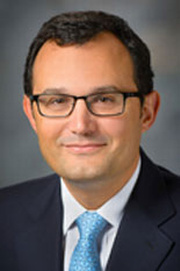 Guillermo Garcia-Manero合作论文数Section of Myelodysplastic Syndromes, Department of Leukemia, Division of Cancer Medicine, The University of Texas MD Anderson Cancer Center;UTHealth Houston Graduate School of Biomedical Sciences5
 Carlo Finelli合作论文数5
 John M. Bennett合作论文数Division of Hematology and Oncology, Department of Medicine, University of Rochester Medical Center5
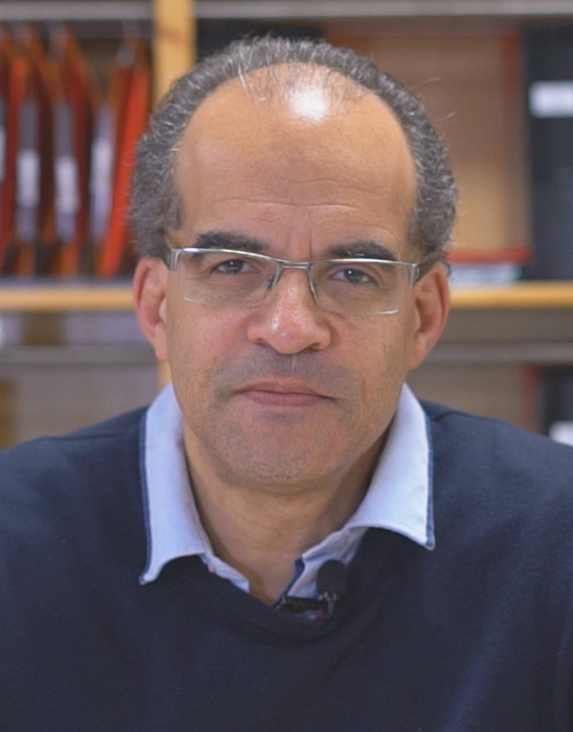 Olivier Hermine合作论文数Hopital Necker-Enfants malades;Universite Paris Descartes;Inathéris5Kyle J. Macbeth合作论文数5Petra Muus合作论文数Nijmegen Medical Centre, Radboud University5T. Fu合作论文数4R. Ito合作论文数4E. Hellstrom-Lindberg合作论文数4
 Antonis Kattamis合作论文数Dept Pediat 1, Univ Athens4Lyons Roger M合作论文数4Zimmerman L合作论文数4
 Thomas Coates合作论文数Children's Hospital Los Angeles4
 Moshe Mittelman合作论文数4
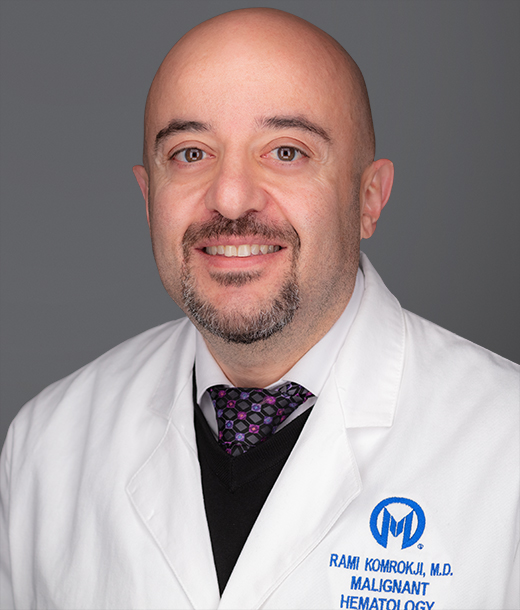 Rami Komrokji合作论文数Malignant Hematology Department, Moffitt Cancer Center;College of Medicine, University of South Florida4
 Antonio Piga合作论文数Dipartimento di Scienze Ambientali Agrarie e Biotecnologie Agro-Alimentari, Università degli Studi di Sassari4
 Mikkael Sekeres合作论文数Cleveland Clinic Taussig Cancer Institute4Uwe Platzbecker合作论文数4Silverio Perrotta合作论文数3t cosgriff合作论文数3Xianwei Ha合作论文数3Yu Olivia Tian合作论文数3Jennifer Lord-Bessen合作论文数3S. Modi合作论文数3Paul Sheehan合作论文数3




