BACKGROUND:Geographic access to specialized cardiac care varies widely, yet how these disparities relate to population-level cardiovascular disease (CVD) outcomes remains poorly understood. OBJECTIVES:The objective of the study was to evaluate county-level disparities in geographic access to specialized cardiac care and their associations with CVD prevalence, hospitalization, and mortality across Washington state. METHODS:We assessed county-level variation in average travel time and distance to facilities offering catheterization laboratory, coronary intervention, cardiac surgery, and emergency services across all 39 Washington state counties using publicly available data and the Google Maps API. Reliance on critical access hospitals (CAHs) was also evaluated. Age-adjusted CVD prevalence, mortality, and hospitalization rates were obtained from the CDC Atlas of Heart Disease and Stroke (2019-2021) and multivariable linear regression were used to assess associations between county-level accessibility metrics and CVD outcomes. RESULTS:In adjusted univariable analyses, shorter travel time and distance to catheterization laboratories, coronary intervention, and cardiac surgery facilities were associated with higher cardiovascular and heart disease hospitalization rates (R2 = 0.34-0.50, all adjusted P < 0.05). Conversely, greater rurality and longer travel burden to these specialized cardiac services were associated with higher prevalence of coronary heart disease, hypertension, and stroke (R2 = 0.35-0.56; all adjusted P < 0.05). No county-level predictor was associated with overall heart disease prevalence. For mortality, higher area deprivation index and lower median household income were the only significant predictors, each associated with higher ischemic stroke mortality (R2 = 0.41-0.43; both adjusted P < 0.01). In multivariable analyses, travel burden remained independently associated with hospitalization but not with prevalence or mortality after adjustment for area deprivation, rurality, and age structure. CAH-reliant counties had lower hospitalization rates but higher CVD prevalence compared with non-CAH-reliant counties (all P < 0.05). CONCLUSIONS:Greater travel burden to specialized cardiac care was associated with higher CVD prevalence and lower hospitalization but not mortality. Socioeconomic factors most strongly predicted CVD mortality, suggesting that reducing geographic disparities requires addressing both care access and socioeconomic determinants.
Background Despite advances in heart failure management, disparities persist across populations, driven by systemic barriers to accessing advanced heart failure therapies. Existing registries capture outcomes after transplant listing or device implantation but fail to capture the upstream referral process where clinical decisions, social factors, and structural barriers converge. Objective To describe the design, methodology, and implementation framework for the Activating Decision-making and Value-based Alignment in Navigation and Community Engagement for Stage D Heart Failure (ADVANCED-HF) referral registry. Methods ADVANCED-HF is a prospective, multicenter observational registry employing a dual enrollment strategy to capture both patients referred for advanced heart failure evaluation and those meeting clinical criteria who have not been referred. The registry uses a hub-and-spoke network to connect academic safety-net hospitals with affiliated federally qualified health centers (FQHCs). Community health workers (CHWs) facilitate data collection across four domains: clinical thresholds, social determinants of health, decision architectures, and patient-reported outcomes. Implementation is guided by the Consolidated Framework for Implementation Research (CFIR), with evaluation using the RE-AIM framework. Expected Impact ADVANCED-HF will provide the first denominator-level view of advanced heart failure referral practices, enable identification of modifiable barriers, and guide targeted interventions to reduce disparities in access to lifesaving therapies.
Heart-after-liver transplantation with or without domino (HALT+/-D) has emerged as a strategy to expand access for highly sensitized patients who face limited transplant options due to donor-specific antibodies (DSAs). While the liver's immunoprotective effect may mitigate antibody-mediated rejection, the infectious risks of this approach remain poorly defined. We performed a retrospective single-center case series of all HALT+/-D recipients (n = 4) at the University of Washington, with detailed characterization of infectious complications. For context, we compared outcomes to highly sensitized (cPRA ≥ 89%) isolated heart (n = 6) and liver (n = 5) transplant recipients. All 4 HALT+/-D recipients were female with extreme allosensitization (median cPRA 99%) and prolonged pre-transplant hospitalization (mean 64 days). Median time for the first post-transplant infection was 29 days (range 6-52). Three of four (75%) developed Clostridioides difficile infection, associated with broad-spectrum antibiotic use. HALT+/-D recipients had median infection-related hospital days of 37, vs 7 in heart and 0 in liver transplant recipients. All 4 patients survived to one year with functioning grafts. HALT+/-D recipients experience a substantial infectious burden, particularly CDI. This case series provides clinical information to guide infection management. Prospective multicenter studies are needed to optimize protocols.
BACKGROUND:Donation after circulatory death (DCD) heart transplantation commonly relies on normothermic regional perfusion or ex vivo reanimation, both of which can be resource-intensive and operationally complex. To simplify procurement and mitigate logistical constraints, a direct procurement strategy employing oxygenated cold blood perfusion without reanimation was introduced. This study describes the early outcomes associated with this simplified technique. METHODS:A streamlined direct procurement protocol was implemented in five DCD heart donors. Hearts were recovered without the use of normothermic regional perfusion and were instead flushed with oxygenated cold blood perfusion followed by a standard preservation solution. Transplantation was performed using conventional implantation methods. Postoperative graft function, rejection events, and early clinical outcomes were assessed during short-term follow-up. RESULTS:All five transplant procedures were successfully completed. Recipients exhibited normal postoperative graft function with no evidence of rejection during the short-term follow-up period. The simplified procurement method proved feasible, operationally efficient, and less resource-dependent than existing reanimation-based techniques. Early results indicate that this approach may represent a cost-effective alternative for DCD heart recovery and may contribute to expanding the DCD donor pool.
OBJECTIVE:Cardiac arrest in postcardiac surgery patients presents distinct challenges that standard Advanced Cardiac Life Support (ACLS) protocols may not fully address. Cardiac advanced life support (CALS) provides specialized training to improve recognition and management of these emergencies. We developed and implemented a CALS code process to enhance postarrest outcomes in this patient population. METHODS:This study assessed the impact of an interdisciplinary CALS education program on healthcare providers' knowledge and response capabilities. The program included didactic sessions, high-fidelity simulation exercises, and pre- and post-training assessments. Participants included registered nurses (RNs), advanced practice providers, critical care physicians, pharmacists, respiratory therapists (RTs), and cardiac surgeons. Training included key CALS principles, highlighting differences from standard ACLS protocols. Simulated scenarios reinforced team-based responses, including management of emergent sternotomy. Patient outcomes following cardiac arrest were evaluated before and after implementation of the CALS code process. RESULTS:A total of 141 participants completed training (57 providers, 75 RNs/RTs, and 9 pharmacists). Confidence in the CALS response improved on a 5-point Likert scale (3.08-4.19, P < .05), when measured as a cohort. Knowledge scores improved from 85% to 95% for providers and from 80% to 90% for RNs/RTs. Postcardiac arrest patient survival showed an improvement after implementation of the CALS-focused educational program but was not statistically significant. CONCLUSIONS:A CALS-focused educational program enhanced interdisciplinary team preparedness for postcardiac surgery arrests and led to better patient survival. Additional ongoing multidisciplinary team training may be needed to further demonstrate a sustainable improvement in patient survival.
AIMS:Donation after circulatory death (DCD) has emerged as a strategy to increase the donor pool for heart transplantation (HT). Left ventricular assist device (LVAD) patients represent a discrete and unique population. We sought to explore the early outcomes of DCD-HT compared with donation after brain death (DBD) HT in LVAD patients. METHODS AND RESULTS:We obtained data from the United Network of Organ Sharing database. The main cohort consisted of adults listed for HT between 17 October 2018 and 3 July 2024, with LVAD implanted before or after listing. The primary outcome was survival within the first year post-HT. There were 3336 patients with LVAD underwent HT during the study period (median age 55 years (interquartile range 45-62), 24% women, 29% Black, 89% DBD). The short-term post-HT mortality in LVAD patients who underwent DCD HT was not significantly different from DBD (adjusted hazard ratio [aHR] 1.00, 95% CI 0.70-1.42, P value > 0.9). The likelihood of transplantation within 1 year was higher at centres performing DCD (aHR 1.44, 95% CI 1.39-1.49, P < 0.001). Despite the longer donor-recipient distance in DCD-HT, in-hospital outcomes (stroke and acute kidney injury requiring dialysis) were not different from DBD-HT. A higher incidence of primary graft dysfunction (adjusted risk ratio [aRR] 3.8, 95% CI 2.5-5.7, P < 0.001), and treated rejection was observed with DCD-HT (aRR 1.48, 95% CI 1.14-1.93, P = 0.003). CONCLUSIONS:In LVAD patients who received DCD HT, early post-transplant survival, stroke, acute kidney injury and length of stay were not significantly different from those who underwent DBD HT. There were increased rates of primary graft dysfunction and treated rejection among LVAD patients who underwent DCD HT. Patients in a DCD centre were significantly more likely to be transplanted earlier.
Venovenous (VV) and venoarterial (VA) extracorporeal membrane oxygenation (ECMO) are effective, lifesaving interventions for refractory, severe respiratory and/or circulatory failure. Access to these therapeutic modalities is traditionally limited to tertiary and quaternary medical centers with highly trained subspecialties and substantial ECMO volumes. The Washington, Wyoming, Alaska, Montana, and Idaho (WWAMI) region of the United States is a vast and largely rural area in the northwestern United States that encompasses nearly 27% of the country’s landmass. In April 2024 the University of Washington Medicine ECMO Program officially launched an ECMO Transport Team that can perform primary (remote cannulation) and secondary ECMO retrieval missions with 24/7 availability. The team is a concerted effort between the University of Washington Medical Center at Montlake, Harborview Medical Center, and Airlift Northwest. We describe the unique design of a multidisciplinary team of surgeons, intensivists, emergency physicians, ECMO specialists, flight nurses, and other support staff capable of providing ECMO services across the region and bridging significant disparities in care for the most critically ill patients. In addition, we review the education, training, and key logistic elements of the program that facilitate implementation.
Lower extremity ischemia in acute type A aortic dissection is associated with severe complications, including amputation, acute kidney injury, and increased mortality. Timely restoration of blood flow is critical to balance the risks of delayed extremity reperfusion against those of postponed central aortic repair. We present a multidisciplinary approach involving early extremity reperfusion without delaying central aortic repair, thereby minimizing ischemia-reperfusion injury while ensuring definitive aortic management.
Left Ventricular Assist Devices (LVADs) are a key treatment option for patients with advanced heart failure, but they carry a significant risk of thromboembolic complications. While improved LVAD design, and systemic anticoagulation regimen, have helped mitigate thromboembolic risks, ischemic stroke due to adverse thromboembolic events remains a major concern with current LVAD therapies. Improved understanding of embolic events, and embolus movement to the brain, is critical to develop techniques to minimize risks of occlusive embolic events such as a stroke after LVAD implantation. Here, we address this need, and devise a quantitative in silico framework to characterize thromboembolus transport and distrbution in hemodynamics driven by an operating LVAD. We conduct systematic numerical experiments to establish that our framework can quantify the source-to-destination transport patterns of thromboemboli as a function of: LVAD outflow graft anastomosis, LVAD operating pulse modulation, thromboembolus sizes, and origin locations of emboli. Additionally, we demonstrate how the resulting embolus distribution patterns compare and correlate with descriptors based solely on hemodynamic patterns such as helicity, vorticity, and wall shear stress. Using the concepts of size-dependent embolus-hemodynamics interactions, and jet impingement driven flow for hemodynamics under LVAD operation as established in our prior works, we gain valuable insights on departure of thromboembolus distribution from flow distribution, and establish that our in silico model can generate deep insights into embolus dynamics which is not otherwise available from standard of care imaging and clinical data.
Background:Airway complications after lung transplantation are common and contribute to worse outcomes. There are limited data documenting perioperative risk factors that could be mitigated to reduce risk. Our objectives were to (1) assess the impact of pretransplant disease-modifying medications and post-transplant hypotension, hypovolemia, and mechanical ventilation on the risk of airway complications; (2) evaluate the association of airway complications with post-transplant lung function and survival. Methods:One hundred and forty-five bilateral lung transplant recipients at our center were included. Demographics, pretransplant medications, post-transplant intensive care unit variables, and lung function were compared between recipients who did vs did not develop airway complications. Post-transplant survival was estimated using Kaplan-Meier analysis. Results:Forty-eight (33.1%) recipients (75% male) developed airway complications. There were no significant associations in pretransplant exposure to prednisone (including by dose), other immunosuppressants, or antifibrotics, alone or in any combination, with the development of airway complications. There were no differences in ventilation pressures, but recipients with airway complications had higher peak vasopressor-inotropic scores (18.0 vs 13.0, p = 0.021), lactate levels (9.1 vs 6.8, p = 0.017), need for hemodialysis (22.9% vs 10.3%, p = 0.042), and net fluid balance at 48 hours (10.6 vs 8.9 liters, p = 0.028), respectively, compared to those without. Airway complications were associated with significantly worse survival (HR 2.74 [95% CI 1.35, 5.55], p = 0.004) and lung function (peak forced expiratory value in 1 second 74.8% vs 86.3% predicted, respectively, p = 0.013). Conclusions:Postoperative hypotension and hypoperfusion are associated with increased risk for airway complications after lung transplantation. Airway complications are associated with poor outcomes, and further studies are needed to delineate risk-mitigation strategies.
BACKGROUND:A preservation system, the Organ Care System (OCS; TransMedics) uses normothermic pulsatile perfusion during organ transport for heart transplantation. This system has demonstrated favorable outcomes in hearts recovered from extended-criteria donors after brain death (DBD) and donors after circulatory death (DCD). METHODS:The OCS Heart Perfusion Registry collects data on US heart transplantations using the OCS, static cold storage (SCS), or thoracoabdominal normothermic regional perfusion (NRP) and donor hearts recovered from DBD or DCD donors. We analyzed donor and recipient characteristics and posttransplantation outcomes in patients transplanted with OCS donor hearts (either DBD or DCD) compared with SCS hearts, and with OCS hearts from DCD donors compared with those recovered with NRP followed by SCS. Propensity score matching was used in survival analyses to adjust for differences among recipient characteristics. RESULTS:Between 2021 and 2023, 3225 consecutive heart transplantations enrolled from 56 centers were analyzed in the Heart Perfusion Registry. The OCS was used in 854 of 3225 heart transplantations (26.4%), among which 340 (39.8%) were DBD and 514 (60.2%) were DCD donors, whereas 2174 DBD donors were recovered with SCS and another 197 DCD donors with NRP techniques. The OCS-DBD group experienced a greater number of organ offer refusals before final acceptance (13 versus 6; Wilcoxon rank sum, P<0.001) and a longer transport distance (667 miles versus 232 miles; Wilcoxon rank sum, P<0.001) compared with SCS-DBD. Survival at 12 months was similar between the 2 groups (89.9% for OCS-DBD versus 90.6% for SCS-DBD; marginal Cox model, P=0.54). Among the OCS-DCD and SCS-DBD groups, survival at 12 months was also similar (91.0% versus 92.5%, respectively; marginal Cox model, P=0.32). The OCS-DCD and NRP-DCD groups demonstrated similar survival (91.0% versus 91.7%, respectively; log rank, P=0.63), although the transport distance was longer in OCS-DCD compared with DCD with NRP followed by SCS (400 miles versus 223 miles; Wilcoxon rank sum, P<0.001). By 2023, 90% of all OCS donor management and recovery was performed with dedicated organ recovery teams. CONCLUSIONS:We demonstrate that real-world implementation of the OCS for DBD donors (using predominantly a dedicated recovery team) is associated with expanded donor criteria, longer transport distance, and excellent posttransplantation outcomes. In OCS-DCD donors, outcomes parallel those of donors recovered with NRP-DCD and compare favorably with DBD donor organs.
 Joseph Cleveland合作论文数Department of Surgery-Cardiothoracic, School of Medicine, University of Colorado Denver25
 Thomas Brett Reece合作论文数Department of Surgery, University of Virginia Health System23
 Nahush A. Mokadam合作论文数School of Medicine, Washington University22
 Claudius Mahr合作论文数20
 Muhammad Aftab合作论文数19David A. Fullerton合作论文数19
 William Cornwell合作论文数Division of Cardiology, School of Medicine, University of Colorado, Anschutz Medical Campus15Todd F. Dardas合作论文数15Dimarakis Ioannis合作论文数11
 Richard K. Cheng合作论文数University of Washington Medical Center11
 Jessica Rove合作论文数10
 Amrut Ambardekar合作论文数School of Medicine, University of Colorado Denver10Lisa Ebihara合作论文数Department of Medicine;Ottawa Heart Institute;Department of Medicine, Uni - versity of Ottawa Heart Institute9Mohamed Eldeiry合作论文数8Maziar Khorsandi合作论文数8
 Michael Bronsert合作论文数8
 Wayne C. Levy合作论文数University of Washington8Vm Berthoud合作论文数7Christian V Ghincea合作论文数7
 Sofia C Masri合作论文数Thomas Jefferson University Hospitals;Jefferson Methodist Hospital;University of Washington7Michael S. Mulligan合作论文数7Andreas Brieke合作论文数7Akshita Sahni合作论文数6
 Jason William Smith合作论文数6Jw Smith合作论文数6
 Eric C. Beyer合作论文数Department of Pediatrics, The University of Chicago6
 Castigliano Bhamidipati合作论文数6
 Debanjan Mukherjee合作论文数6Alan Shiels合作论文数6Erin E. McIntyre合作论文数5Greg Coe合作论文数5Donna S Mackay合作论文数Department of Ophthalmology and Visual Sciences, Washington University School of Medicine in St. Louis5
 Carmelo Alessio Milano合作论文数Cardiothoracic Surgery Translational Research Laboratory, Duke University;Division of Cardiothoracic Surgery, School of Medicine, Duke University5Lin Shin合作论文数5
 James M Mccabe合作论文数5Wendy M. Kohrt合作论文数5April Stempien-Otero合作论文数5
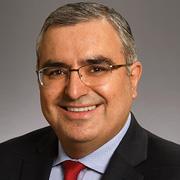 Mani Daneshmand合作论文数Division of Cardiothoracic Surgery, Department of Surgery, Emory University School of Medicine5R.K. Cheng合作论文数4Gavriel F Roda合作论文数4
 Joseph G. Rogers合作论文数The Texas Heart Institute;Baylor College of Medicine;Department of Medicine, School of Medicine, Duke University;Duke Clinical Research Institute4Jenelle H Badulak合作论文数4Tomio Tran合作论文数4
 Kevin D. O'Brien合作论文数University of Washington Medical Center;Division of Cardiology, University of Washington4
 Justin Lawley合作论文数4
 Liviu Klein合作论文数Department of Medicine, Advocate Illinois Masonic Medical Center4
 Lucian Lozonschi合作论文数4
 Matthew Zipse合作论文数4
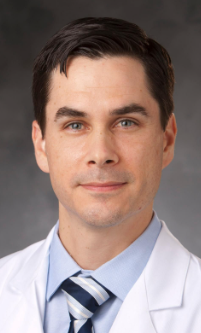 Jacob Niall Schroder合作论文数Department of Surgery, School of Medicine, Duke University4




