BACKGROUND: The BREAST-Q is a widely validated patient-reported outcome measure following breast surgery and adjuvant therapies. Although several language adaptations exist, the Breast Conserving Therapy (BCT) module has not yet been translated into Canadian French. Given that French is an official language in Canada, a Canadian French adaptation is important to enable equitable participation in research. This study aimed to develop a linguistically accurate and culturally appropriate Canadian French translation of two scales from the BCT module. METHODS: Two BREAST-Q BCT module scales (“Satisfaction with Breasts (Postoperative)” and “Adverse Effects of Radiation (Postoperative)”) were translated into Canadian French following established guidelines. The process included two independent forward translations, back translation, back translation review, and cognitive debriefing interviews with five breast cancer patients. RESULTS: Forward translation identified three English words or phrases not amenable to direct translation, which were resolved by consensus prior to back translation. Cognitive debriefing interviews with breast cancer patients identified eight terms or expressions for refinement; five were incorporated into the final version based on majority patient feedback, including replacement of “tumorectomie” with “lumpectomie” to reflect terminology more familiar to patients. CONCLUSIONS: The Canadian French translation of the BREAST-Q BCT scales provides a linguistically and culturally adapted tool for assessing patient-reported outcomes in breast cancer care. Inclusion of patient feedback ensured clarity and relevance, supporting equitable participation in research and clinical outcome measurement.
Background Radiation oncology residency demands rapid acquisition of multidisciplinary clinical, technical, and professional competencies. Structured educational interventions can enhance trainee preparedness. We designed and evaluated a structured Radiation Oncology (RO) Residency Bootcamp using Kern's six-step model of curriculum development to improve transition preparedness, self-efficacy, and program cohesion. Methods A formal and informal needs assessment was conducted through structured discussions and surveys to identify curricular gaps and define learning objectives. A seven-week bootcamp was delivered during protected academic time within the first two months of the academic year. Sessions combined didactic and interactive formats and were facilitated by a multidisciplinary faculty team, including radiation oncologists, residents, medical physicists, radiation technologists, nuclear medicine specialists, a psychologist, a nutritionist, and a health sciences librarian. All residents (n = 6) within a single academic RO training program participated. Following completion, participants completed an anonymous post-intervention survey consisting of 5-point Likert-scale items and open-ended questions. Quantitative responses were summarized descriptively, and qualitative feedback underwent thematic analysis. Results Five of six residents (83%) completed the post-bootcamp survey. Resident-led, faculty-supervised sessions, clinical skills workshops (e.g., nasal endoscopy), and multidisciplinary teaching were identified as key strengths. Participants reported perceived improvements in preparedness across multiple domains, including understanding multidisciplinary roles, fundamentals of radiation biology, contouring and treatment plan evaluation, and patient education. All respondents indicated reduced stress related to residency as well as enhanced sense of program cohesion and professional belonging within the radiation oncology community. All respondents requested continuation of the bootcamp in future academic years. Conclusion Implementation of a structured introductory radiation oncology bootcamp is feasible within a protected academic schedule and is associated with improved self-reported confidence, preparedness, and program cohesion. Although limited by small sample size and reliance on self-reported measures, this model provides a reproducible framework for structured onboarding in radiation oncology. Future directions should incorporate objective knowledge assessments as well as other foundational topics (e.g., foundational pathology principles, electronic medical record workflow optimization, and advanced contouring platform functionality), site-based clinical case integration, formal mentorship opportunities and the development of other group-learning initiatives.
PURPOSEThe Global Oncology Enrichment Program (GOEP) is a collaborative initiative designed to address disparities in access to global oncology education for cancer health professionals and is hosted on the Princess Margaret (PM) Cancer Campus. This study evaluates GOEP's impact and sustainability across two delivery formats: a mixed synchronous/asynchronous model and an asynchronous-only model.MATERIALS AND METHODSThis was a retrospective analysis of participants from 2020 to 2024. Participants completed pre- and post-course surveys assessing demographics, motivations and barriers in accessing global oncology education, and confidence in global oncology topics. Course engagement data were tracked and extracted from PM Cancer Campus' learning management system. Statistical tests compared demographics and evaluated changes in confidence and importance in course objectives.RESULTSAmong 256 participants who completed the precourse survey, 219 enrolled in a mixed format of the course (September 2020-November 2022) and 37 in an asynchronous-only format (December 2022-September 2024). The mixed-format cohort had significantly higher completion rates of at least seven of 10 course units (91.1% v 8.9%, P = .04). They were more likely to cite networking (77.6% v 0%) and mentorship (69.4% v 0%) as key motivators. Despite greater access to global oncology programs, the mixed-format cohort more often reported barriers, including limited faculty interest and lack of mentorship. Among those completing pre- and post-surveys (n = 99), confidence improved significantly across all topics, particularly among those already involved in global oncology.CONCLUSIONGOEP was associated with improved confidence among participants who completed both surveys. Although asynchronous delivery improves scalability, the mixed format supports stronger engagement and completion. These findings suggest a need for hybrid learning models that balance scalability with engagement, ensuring global oncology education reaches more learners, while supporting mentorship, connection, and long-term capacity building.
PURPOSE:Cancer impacts populations in low- and middle-income countries disproportionately, where resources are limited, and cancer often diagnosed at more advanced stages. Radiotherapy plays a crucial role in treatment of cancer. However, language barriers often hinder partnerships and training with certain low- and middle-income countries, as most scientific societies primarily operate in English. This project aimed to evaluate the current, projected needs and gaps in radiotherapy specific to French-speaking low- and middle-income countries. MATERIALS AND METHODS:An infrastructure database of 89 French-speaking countries was compiled, including countries associated with the Organisation internationale de la francophonie. Cross-referencing with World Bank income groups identified French-speaking low- and middle-income countries. Available radiotherapy infrastructures were obtained from the International Atomic Energy Agency. Projections for cancer cases and radiation therapy needs were made for 2030 and 2040. RESULTS:Thirty-five countries were identified as French-speaking low- and middle-income countries. Projected cancer burden is expected to increase by 44.7 % between 2020 and 2040. Assuming a conservative 50 % of patients benefit from radiotherapy, demand for treatment units will increase of 34.8 % between 2020 and 2040. The average number of radiotherapy units per 1000 cases remained low at 1.0 among countries with radiotherapy; significantly below the targeted two units per 1000 cases. Fourteen French-speaking low- and middle-income countries had no radiation capacity. CONCLUSION:French-speaking low- and middle-income countries have a significant shortage of radiotherapy infrastructure for the increasing cancer demand. Limited language diversity in educational resources poses a barrier to radiotherapy access in these settings. This linguistic barrier may exacerbate workforce shortages in radiotherapy. Global initiatives should prioritize language considerations when strategizing efforts and allocating resources. High-income French-speaking nations are strategically well placed to cultivate collaborative networks essential for the advancement of these initiatives.
Radiotherapy has achieved substantial progress often attributed to accelerated technological innovation over decades. However, randomized controlled trials (RCTs) are costly, difficult to fund and to conduct, such that the generation of quality evidence is outpaced by changes in practice. We sought to evaluate the implementation performance of a platform approach to the conduct of pragmatic RCTs in radiation oncology. We implemented PERa, a platform consisting of a prospective registry of patients receiving standard-of-care radiation therapy, designed to support pragmatic registry-based RCT (rRCT) methods and staged informed consent. Implementation performance metrics included rate of registry enrollment, acceptability of re-contact and/or serving as controls for interventional trials, activation and recruitment of embedded comparative effectiveness rRCTs, compliance to study arms, and completeness of ePRO data acquired at scale. Between January 1, 2018 and December 31, 2023, the registry accrued 1415 participants across 5 participating institutions. At time of stage 1 consent, 93
Purpose Radiation oncology is a demanding yet deeply rewarding field, with physicians navigating complex clinical decisions in dynamic environments. Existent literature has focused on the challenges and stressors of the profession; however, less attention has been given to the perspective of these who have completed their careers. This study explores the reflections of retired radiation oncologists, highlighting the aspects of their work that brought fulfillment and meaning over time. Methods and Materials Semistructured interviews were conducted with 14 retired radiation oncologists, transcribed verbatim, and analyzed using NVivo 12 to identify these aspects. We employed content and thematic analysis procedures to guide our data analysis by: (1) disassembling data into codes; (2) grouping codes into themes; and 3) interpretating emerging themes. Results Four main themes were identified in regard to their experiences: “A Good Profession,” “Highly Stressful,” “Impact on Quality of Life In and Out of the Workplace,” and “Retirement.” Additionally, we examined variations in experiences based on gender differences and international training. Overall, participants described their career as fulfilling, emphasizing profound satisfaction through patient care and discussed protective factors that helped achieve a high quality of life including mentorship and a strong sense of purpose. At the same time, participants acknowledged challenges faced in this career, such as the high levels of stress that are attributed to evolving technology, administrative burden, and the emotional toll of patient care. A lack of a structured professional support system was noted as an area for improvement, with mentorship identified as particularly valuable. Although retirement decisions were often influenced by personal considerations, these stressors also played a role for some. Conclusions This study suggests that fostering mentorship opportunities and strategies for maintaining career satisfaction can help sustain well-being throughout a radiation oncology career. By understanding the perspective of retired physicians, we can better support the next generation in finding long-term fulfillment in the field.
Myeloid sarcoma (MS) is an uncommon solid extramedullary tumor composed of malignant myeloid blasts that can be located in various tissues. It is often associated with acute myeloid leukemia (AML), but it can also be found in patients suffering from myeloproliferative disorders or myelodysplastic syndrome. Despite the lack of consensus on the best treatment for MS, this tumor is acknowledged to be radiosensitive. We report the case of a 33-year-old female diagnosed with MS involving the breast treated with salvage radiation, after having initially undergone systemic chemotherapy and an allogeneic hematopoietic cell transplant. The purpose of this report is to discuss the significant impact of local radiotherapy in patients suffering from this unique condition.
Background: Most patients with breast cancer are treated with breast conserving surgery (BCS) followed by adjuvant radiation (RT) to reduce the risk of recurrence in the same breast (local recurrence (LR)) and to maximize long-term breast preservation. Although these treatments are quite effective, a growing number of individuals who receive them are at risk of LR or develop a second primary breast cancer, which is traditionally treated with mastectomy. However, mastectomy has been associated with deleterious effects on quality of life. Advances in screening now allow many LRs to be detected as localized, small tumours amenable to further BCS. BCS followed by reirradiation with partial breast irradiation (rPBI) has recently been found to be a safe treatment option in women with prior breast RT, but the optimal fractionation is unknown. For women with early-stage breast cancer receiving upfront treatment, a shorter 1-week course of breast RT (ultra-hypofractionation) has been found to be equivalent to longer fractionation schedules. However, this data cannot be directly applied to LR due to the higher cumulative RT doses and to tissue changes from previous treatment. The safety and efficacy of ultra-hypofractionated rPBI for LR are the focus of the proposed study. We hypothesize that ultra-hypofractionated rPBI following BCS for LR or new primary breast cancer in the previously irradiated breast will be associated with acceptable toxicity at 1 year (<13% grade >3 toxicity). Methods: This study is a phase II, prospective, multi-center, international trial of ultra-hypofractionated rPBI following repeat BCS for LR or new primary breast cancer in the previously irradiated breast. rPBI will be delivered at a dose of 26 Gy in 5 daily fractions over a period of 1-week (excluding weekends and statutory holidays). Boost RT is not permitted. The primary endpoint is the risk of grade >3 adverse events (AEs) occurring at 1-year from rPBI completion (CTCAE v5.0). Secondary endpoints include local, regional and distant recurrence, invasive breast cancer-free survival, mastectomy-free survival, overall survival, financial toxicity, and patient-reported satisfaction. To achieve 80% power with a Type I error rate of 0.05 and 3% lost to follow up or unevaluable, 171 patients will be accrued. Eligible patients are status post BCS for ductal carcinoma in situ or invasive cancer <3 cm in greatest diameter (invasive and non-invasive components) with negative margins (no tumor on ink) who are clinically node negative and who completed treatment >5 years earlier for breast cancer in the ipsilateral breast treated with BCS and adjuvant whole or partial breast RT. Patients with grade >2 late skin toxicity from prior radiation are excluded, as are those with T4 or multicentric disease or the presence of an extensive intraductal component. Final eligibility is determined at the time of RT planning based on ability to clearly define the surgical cavity. The RT planning target volume must be <50% of the whole breast. The study is open to accrual 7 sites in Canada, the US, and Jordan, with an additional 9 international centers in the process of opening; 17 patients have been enrolled and treated as of 10-07-2024. Patients will be followed for a total of 5 years. Clinical trial information: NCT05592938. Supported by the Canadian Cancer Society and the Princess Margaret Cancer Foundation. Citation Format: Danielle Rodin, Fadwa Abdel Rahman, Michelle Audoin, Aisling Barry, Jean-Marc Bourque, Keelan Byrne, Michelle Chan, Hanbo Chen, Eileen Connolly, Marc David, Jane De Rocchis, Frances Duane, Elizabeth Evans, Naamit Gerber, Guilherme Gondim, Revathy Krishnamurthy, Zhihui Liu, Tom Purdie, Valerie Theberge, Timothy Whelan, Martina Wood, Michael Yassa, Eileen Rakovitch, Anne Koch. Partial breast re-irradiation using ultra hypofractionation: A Phase 2 multi- institutional study [abstract]. In: Proceedings of the San Antonio Breast Cancer Symposium 2024; 2024 Dec 10-13; San Antonio, TX. Philadelphia (PA): AACR; Clin Cancer Res 2025;31(12 Suppl):Abstract nr P3-12-26.
PURPOSECanadian radiation oncology professionals have a strong history of involvement in global oncology initiatives worldwide. This pan-Canadian survey-based study was conducted to determine the current level of engagement of Canadian radiation oncologists (ROs) and medical physicists (MPs) in global oncology initiatives and broaden the development of these activities.MATERIALS AND METHODSThis was a cross-sectional study. The survey was designed to characterize current levels of engagement of Canadian ROs and MPs in global oncology initiatives. The survey was open from March 2019 to April 2020. It was disseminated to all Canadian Association of Radiation Oncology and Canadian Organization of Medical Physicists members with two subsequent email reminders.RESULTSSurvey responses were received from 40 (93%) of the 43 Canadian cancer treatment centers that offer radiotherapy. At least one RO responded at 34 centers (79%) and one MP from 34 centers (79%) with some overlap. A response was received from a total of 93 participants, 47 ROs and 46 MPs. Of all survey participants, 58% reported some experience with global oncology. Nineteen percent of the participants surveyed were currently directly involved in short- or long-term projects, more than half of which have opportunity for additional staff involvement. The projects spanned 26 countries in South America, Africa, and Asia. Quality improvement and capacity building accounted for 27% and 20% of initiatives, respectively. The most common area of engagement was in direct treatment care, accounting for 56% of the projects.CONCLUSIONThis study demonstrates the landscape of involvement of Canadian ROs and MPs in global oncology initiatives. The study also highlights areas of opportunity for broadening international participation and collaboration as it relates to global oncology for Canadian radiation oncology professionals.
Concerns exist regarding increased toxicities, including endocrine therapy toxicity, with concurrent radiation and endocrine therapy in early breast cancer (EBC). We present a pragmatic, randomized trial comparing concurrent versus sequential endocrine and radiotherapy in hormone-responsive EBC. In this multicenter trial, patients were randomized to receive adjuvant endocrine therapy concurrent with, or sequential to, radiotherapy. The primary outcome was change in endocrine therapy toxicity from baseline to 3 months post radiotherapy using the Functional Assessment of Cancer Therapy-Endocrine Symptom (FACT-ES) score. From September 2019 to January 2021, 133 patients were randomized to concurrent endocrine and radiotherapy, and 127 to sequential treatment. Most patients were post-menopausal (72.7%, 189/260) with stage 1 disease (65.8%, 171/260). Tamoxifen was the endocrine therapy of choice for 69.6% (181/260) of patients, and an aromatase inhibitor for the remainder. The median total radiation dose and fractions were 40.1 Gray (range 26-50) and 15 fractions (range 5-25), respectively. For the primary outcome of change in endocrine therapy toxicity per FACT-ES scores from baseline to 3 months post radiotherapy, no significant difference was found between the groups (median [range] = -4.9 (-82, 38.8) for concurrent and -5.1 (-42, 40) for sequential, p = 0.87). This is the first trial to investigate the impact of concurrent versus sequential adjuvant endocrine and radiotherapy on endocrine therapy-related toxicities. The findings provide further support to allow the optimal timing of radiation and endocrine therapy to be tailored for the individual patient.
Introduction Anti-osteoclast treatment with denosumab or zoledronate is known to effectively reduce the need for radiotherapy to bone and other skeletal-related events (SREs) in patients with metastatic castration-resistant prostate cancer (mCRPC). In this study, we analyze primary versus secondary initiation of bone-targeting agents (BTAs) relative to first palliative bone radiotherapy in patients dying of mCRPC.Methods Provincial administrative databases from Ontario, Canada identified patients with prostate cancer (2007-2018, n = 98 646) who received continuous androgen deprivation therapy (n = 29 453), died of prostate cancer (2013-2018, n = 3864), and received life-prolonging therapy for mCRPC (n = 1850). Variables were collected looking back 3 years from death. Multivariable analysis explored the relationship between clinical variables and BTAs.Results Of the 58% (1066/1850) patients with mCRPC who received BTA, only 289 (25.4%) started BTA prior to first palliative bone radiotherapy as primary prevention. Eight hundred and forty-eight (74.6%) patients either never received BTA before death (n = 447) or started BTA only after first bone radiotherapy (n = 401). More patients received denosumab (n = 825, 77%) than zoledronic acid (n = 241, 23%). 51.2% (582/1137) of palliative bone radiotherapy was initiated in the last 12 months of life. Factors associated with the use of BTA included elevated alkaline phosphatase (OR = 1.0, P = .023), de novo metastases (OR = 1.4, P = .005), medical oncologist involvement (OR = 2.0, P = .007), diagnosis 2012-2017 versus 2007-2011 (OR = 0.75, P = .034), and academic center (OR = 0.061, P = .007).Conclusion A majority of patients with mCRPC never receive BTAs prior to first SRE, despite universal access and availability of these agents in Ontario. These results highlight an opportunity to improve outcomes by emphasizing early introduction of BTA in patients with mCRPC being started on systemic therapy. Bone-targeted agents (BTAs) are effective at preventing skeletal-related events in patients with metastatic castration-resistant prostate cancer (mCRPC). This study analyzed primary versus secondary initiation of BTAs relative to first palliative bone radiotherapy in patients dying of mCRPC.
Background: As a result of improvements in cancer therapies, patients with metastatic malignancies are living longer, and the role of palliative radiotherapy has become increasingly recognized. However, access to adequate palliative radiotherapy may continue to be a challenge, as is evident from the high proportion of patients dying of prostate cancer who never receive palliative radiotherapy. The main objective of this investigation is to identify and describe the factors associated with the receipt of palliative radiation treatment in a decedent cohort of prostate cancer patients in Ontario. Methodology: Population-based administrative databases from Ontario, Canada, were used to identify prostate cancer decedents, 65 years or older who received androgen deprivation therapy between January 1, 2013, and December 31, 2018. Baseline and treatment characteristics were analyzed using univariate and multivariate logistic regression models for association with receipt of radiotherapy in a two-year observation period before death. Results: We identified 3,788 prostate cancer decedents between 2013 and 2018; among these, 49.9% received radiotherapy in the two years preceding death. There were statistically significant positive associations between receipt of radiotherapy and younger age at diagnosis (odds ratio [OR] 1.6, 95% confidence interval [CI] 1.1-2.3); higher stage at diagnosis (OR 1.3, 95% CI 1.1-1.7); receipt of care at a regional cancer center (OR 1.8, 95% CI 1.3-2.4); and involvement of radiation oncologists (OR 155.1, 95% CI 83.3-288.7) or medical oncologists (OR 1.4, 95% CI 1.1-1.8). However, there were no associations between receipt of radiotherapy and income, distance to the nearest cancer center, involvement of urologists in cancer care, healthcare administrative region, home-care involvement, or number of hospitalizations in the observation period. Conclusions: We found the utilization of palliative radiotherapy for prostate cancer patients in Ontario varies depending on age, stage at diagnosis, number of comorbidities, registration at regional cancer centers, and involvement of oncologists. There were no differences detected based on income or distance from a cancer center. The findings of this study represent an important opportunity to facilitate better access to palliative radiotherapy and referrals to multidisciplinary regional cancer centers, to improve the quality of life of this patient population.
Growing premature mortality because of cancer is an increasing public health concern in all countries. This article reviews 10 years of the International Cancer Control Partnership (ICCP) considering the themes of National Cancer Control Plan (NCCP) support, technical assistance, governance, and the renewed momentum of global calls to action. ICCP has provided key resources for the cancer community by hosting a portal with national cancer control and noncommunicable disease (NCD) plans, strategies, guidelines, and key implementation guides for a growing community of best practices. ICCP partners have responded to the changing needs of country planners, adjusting technical guidance as needs evolve from planning to implementation at the national level with an associated shift to peer-to-peer learning and knowledge exchange. The ICCP offer to assist countries in cancer planning continues to be relevant as countries focus on implementation of global initiatives for breast, cervical, and childhood cancers. These initiatives are important to drive priority actions and a systems approach in the emerging road map on NCDs-a message that will be supported by a second global review of NCCPs in 2023. This is critical for driving national action in all countries on cancer and other NCDs in line with global health commitments made for 2030 and adopted by the United Nations General Assemblies. ICCP sees robust systems and financial planning for implementation, monitoring, and evaluation of NCCPs and protection from cancer-related catastrophic expenditure, as critical to longer-term sustainability and success. ICCP calls for national policymakers to prioritize integration of cancer prevention and control into emerging universal health care approaches, including pandemic preparedness/health system resilience and calls for an equity focus in new NCCPs.
BACKGROUND:Not all patients with locally advanced head and neck cancer (HNC) who are eligible for adjuvant radiotherapy (RT) following upfront surgery appear to receive it.METHODS:Data were obtained from the Surveillance, Epidemiology, and End Results (SEER) database. Selected patients from 2009 to 2018 had locally advanced HNC, underwent upfront surgery, and were eligible for adjuvant RT. Multivariable logistic regression and chi-squared test were used to analyze available patient and tumor characteristics.RESULTS:Of 12 549 patients, 84.5% underwent adjuvant RT, 15.5% did not. Characteristics associated with lowest adjuvant RT utilization included cancers of the larynx (p < 0.0001) and gingivae (p < 0.0001), age 80 and above (p < 0.0001), unpartnered status (p < 0.0001), and residence within a nonmetropolitan area (p < 0.0024).CONCLUSIONS:Tumor subsite, age, partnered status, and rural/urban residence correlate with omission of adjuvant RT in locally advanced HNC.
 May Abdel-Wahab合作论文数13
 Danielle Rodin合作论文数Department of Radiation Oncology, Temerty Faculty of Medicine, University of Toronto11
 Marc Gaudet合作论文数11
 Jessica Chan合作论文数Department of Education, University of Oxford9
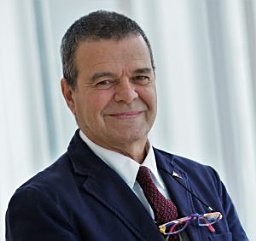 Eduardo Zubizarreta合作论文数Instituto de Radiologı́a y Centro de Lucha contra el Cáncer, Hospital Pereira Rossell8J Alfredo Polo Rubio合作论文数6
 Kristopher Dennis合作论文数 University of Ottawa6
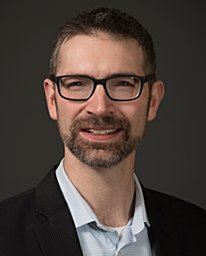 Timothy P. Hanna合作论文数Intermountain Healthcare6Alborz Jooya合作论文数5Matthew Beckett合作论文数5J Leigh合作论文数5
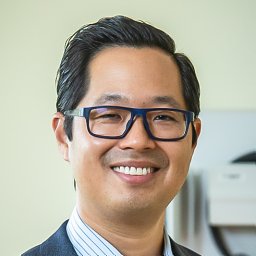 Michael Ong合作论文数Div Med Oncol, Ottawa Hosp5
 Ben Slotman合作论文数Afdeling Radiotherapie, Amsterdam Universitair Medische Centra5
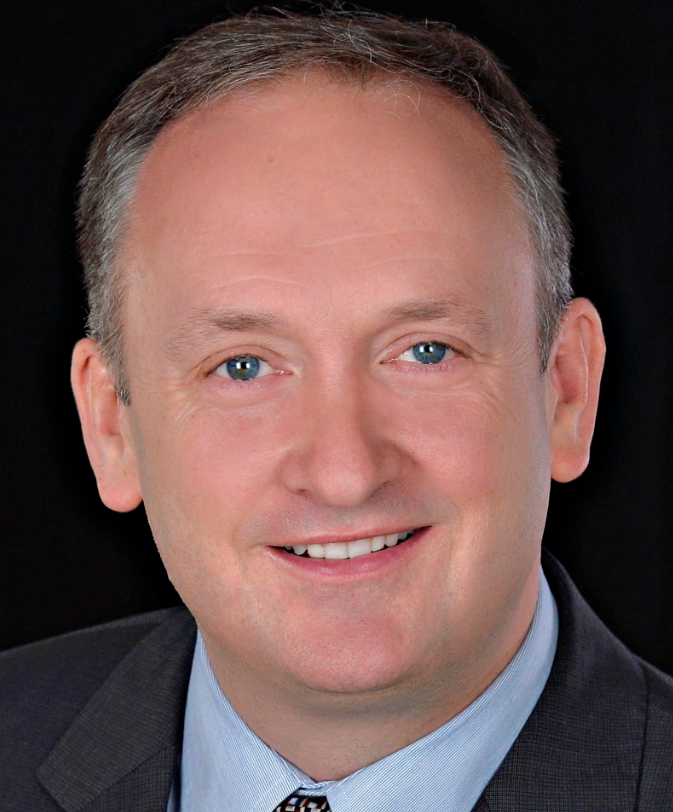 Mark Clemens合作论文数Division of Medical Oncology, The Ottawa Hospital Cancer Centre;Department of Medicine, University of Ottawa;Cancer Therapeutics Program, Ottawa Hospital Research Institute5Webber Colleen合作论文数5
 Peter Tanuseputro合作论文数Sunnybrook & Women's College Health Sciences Centre, University of Toronto5
 Michael Brundage合作论文数Department of Oncology, Faculty of Health Sciences, Queen's University;Department of Public Health Sciences, Queen's University;Sinclair Cancer Research Institute, Faculty of Health Sciences, Queen's University5Rajiv Samant合作论文数5
 Robert Malcolm MacRae合作论文数4
 Lilia Naoun合作论文数3Yaroslav Pynda合作论文数3Debbie van der Merwe合作论文数3Sharon McGee合作论文数3Michelle Liu合作论文数3
 Robert Olson合作论文数Department of Surgery, Faculty of Medicine, The University of British Columbia3
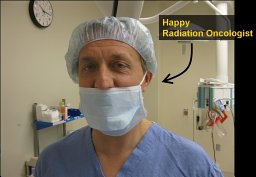 Jean-Michel Caudrelier合作论文数Department of Radiology, University of Ottawa3
 Brian Hutton合作论文数School of Epidemiology and Public Health, Faculty of Medicine, University of Ottawa;Ottawa Hospital Research Institute;Royal Ottawa Institute of Mental Health Research3
 Lesley Fallowfield合作论文数Sussex Health Outcomes Research and Education in Cancer, University of Sussex;Brighton & Sussex Medical School, University of Sussex3
 Scott C. Morgan合作论文数College of Veterinary Medicine, Texas A&M University3Tara Tucker合作论文数2Manon Lacelle合作论文数2Billel Bacha合作论文数2Christiane Hache合作论文数2Allison Dvaladze合作论文数2Valerie Theberge合作论文数2Lisa M Stevens合作论文数2Mashari Jemaan Alzahrani合作论文数2Yannick Romero合作论文数2William J Phillips合作论文数2Zuzanna Tittenbrun合作论文数2Revathy Krishnamurthy合作论文数2Hanbo Chen合作论文数2Sandeep Sehdev合作论文数The Ottawa Hospital, University of Ottawa2
 Arif Ali Awan合作论文数2Lesley Buckley合作论文数Radiation Medicine Program, The Ottawa Hospital2Vikaash Kumar合作论文数2Katherine Cole合作论文数2
 Danial Qureshi合作论文数School of Epidemiology and Public Health, University of Ottawa;Clinical Epidemiology Program, Ottawa Hospital Research Institute;Bruyère Research Institute;ICES;School of Epidemiology and Public Health, University of Ottawa2
 Karla Unger-Saldana合作论文数National Cancer Institute2




