These practice guidelines, developed by the Canadian Association for Interventional Radiology (CAIR) and the Canadian Association of Radiologists (CAR) with input from hematology experts, provide evidence informed, practical recommendations for managing bleeding risk during image guided procedures. Building on the 2019 Society of Interventional Radiology guideline, they streamline decision making around anticoagulation, antiplatelet therapy, laboratory testing, and transfusion thresholds for use across Canadian radiology departments. A systematic review of post 2019 evidence and expert consensus-informed updates to procedural risk stratification and clarified INR and platelet thresholds. The guidance emphasizes that most radiologic procedures carry very low bleeding risk and generally do not require routine laboratory screening or interruption of anticoagulant or antiplatelet medications, while high risk procedures warrant targeted testing and standardized transfusion thresholds, including those tailored for chronic liver disease. Special sections address lumbar puncture, arterial access, and urgent or emergent procedures. Overall, the guideline highlights individualized clinical judgment, avoidance of unnecessary delays or consultations, and careful consideration of transfusion risks, with the goal of promoting streamlined, safe, and consistent care across Canadian imaging practices.
RATIONALE:While substantial research has evaluated the safety of hemoglobin thresholds and storage length for red blood cell (RBC) transfusion, there is minimal literature on RBC transfusion volume per transfusion event in hospitalized patients. The Choosing Wisely initiative has made a recommendation to transfuse a single unit of RBC per transfusion event, although this is based on little evidence. No recommendation has been made for pediatrics. This review evaluates the effect of the volume of RBC transfusion, administered when the decision has been made to transfuse a hospitalized patient, on mortality and other important outcomes. OBJECTIVES:To compare the effectiveness and safety of larger versus smaller RBC volume per transfusion for anemia in hospitalized adults, children, and preterm neonates. SEARCH METHODS:We searched Evidence-Based Medicine Reviews (EBMR; including CENTRAL), MEDLINE, Embase, Web of Science, and other databases on 5 August 2025, with reference checking, citation searching and contacting study authors to identify additional studies. ELIGIBILITY CRITERIA:Eligible studies were randomized controlled trials (RCTs) and non-randomized studies of interventions (NRSIs) that included adults, children or neonates and compared a larger volume of RBC per transfusion event (intervention) to a smaller volume of RBC transfusion (control). We defined a transfusion event as a single administration of blood products within six hours. OUTCOMES:The critical outcome was mortality. Important outcomes were length of hospital stay, hospital-free days, transfusion-associated adverse events (TAAE), organ dysfunction, number of RBCs transfused, rebleeding and allogeneic donor exposure. RISK OF BIAS:We assessed risk of bias using the Cochrane RoB 2 tool for RCTs and the Risk of Bias in Non-Randomized Studies of Interventions (ROBINS-I) version 2 tool for NRSIs. SYNTHESIS METHODS:Two authors independently extracted data from included studies and assessed the risks of bias. We analyzed data from the included RCTs and NRSIs separately. We used the risk ratio (RR) and mean difference (MD) for pooled effects, using a random-effects model to account for heterogeneity between studies. We used GRADE to assess the certainty of evidence. INCLUDED STUDIES:We included 12 studies (5478 participants); five RCTs, and seven controlled NRSIs. Nine studies included adults (1945 participants), one included children (3199 participants) and two included preterm neonates (334 participants). Eight of the adult studies' participants were in hematology wards or bone marrow transplant units, and one study included postpartum participants. The pediatric study included anemic children, and the neonatal studies included preterm infants < 32 weeks' gestation or weighing < 1.5 kg. All adult studies compared two units of RBCs to one unit of RBCs per transfusion event. The pediatric study compared 15 mL/kg to 10 mL/kg RBCs, and the neonatal studies compared 20 mL/kg to 10 mL/kg RBCs. The included RCTs ranged from low to high risk of bias and the NRSIs ranged from low to critical risk of bias. SYNTHESIS OF RESULTS:Nine studies reported on mortality, although the definition of time of death varied. Meta-analysis of adult studies demonstrated no difference in mortality between the two-unit RBC transfusion group and the one-unit RBC transfusion group in RCTs (RR 1.29, 95% CI 0.62 to 2.67; 2 RCTs, 322 participants; low-certainty evidence) or in NRSIs (RR 1.03, 95% CI 0.62 to 1.71; 5 NRSIs, 1198 participants; low-certainty evidence). There was no difference in hospital length of stay between the two-unit RBC group and the one-unit RBC group in RCTs (MD 0.08, 95% CI -0.66 to 0.82; 2 RCTs, 311 participants; low-certainty evidence) and in NRSIs (MD -0.15, 95% CI -1.68 to 1.38; 4 NRSIs, 1048 participants; very low-certainty evidence). No studies reported hospital-free days as an outcome. There was no difference in TAAEs between the two-unit RBC group and the one-unit RBC group for RCTs (RR 1.25, 95% CI 0.61 to 2.56; 3 RCTs, 388 participants; low-certainty evidence) or NRSIs (RR 0.74, 95% CI 0.30 to 1.82; 3 NRSIs, 546 participants; very low-certainty evidence). During their hospital stay, participants in the two-unit RBC transfusion group received more RBC units than those in the one-unit RBC transfusion group in the NRSIs (MD 0.65 units, 95% CI 0.55 to 0.75; 4 NRSIs, 1064 participants; low-certainty evidence). However, no difference was seen between groups in the RCTs (MD 0.90 units, 95% CI 0.68 to 1.11; 3 RCTs, 378 participants; low-certainty evidence). During each transfusion event, patients in the two-unit RBC transfusion group received 0.66 RBC units more compared to those in the one-unit RBC group (MD 0.66 units, 95% CI 0.59 to 0.73; 3 NRSIs, 791 participants), reflecting adherence to the intervention. There was no difference between the two RBC transfusion groups' rates of thrombosis reported in RCTs (RR 2.26, 95% CI 0.51 to 9.95; 2 RCTs, 311 participants; very low-certainty evidence). No NRSIs reported rates of thrombosis. There was no difference between the two RBC transfusion groups' rebleeding rates in either RCTs (RR 0.52, 95% CI 0.16 to 1.68; 1 RCT, 245 participants; moderate-certainty evidence) or NRSIs (RR 0.64, 95% CI 0.36 to 1.14; 3 studies, 585 participants; very low-certainty evidence). No studies reported on allogenic donor exposure. AUTHORS' CONCLUSIONS:In adults, when comparing two units of RBCs (larger volume) to one unit of RBCs (smaller volume) for a single transfusion event, there was no difference in mortality, length of hospital stay or TAAEs, albeit with low or very low-certainty evidence. However, it reduced the number of required RBC units. The results indicate that a larger transfusion volume confers no clinical benefit over a smaller, more restrictive transfusion strategy (lower transfusion volume), but may lead to a higher amount of blood administered. Given the adverse events associated with RBC transfusion and the resource limitation of the allogeneic blood supply, it is reasonable to support the recommendations for single unit RBC transfusion per transfusion event in adults. In children, evidence is still too limited to be able to make a recommendation on an RBC volume. FUNDING:This study did not receive funding. REGISTRATION:This review protocol was previously published with the Cochrane database of systematic reviews (DOI 10.1002/14651858.CD015898).
BACKGROUND:Sickle cell disease (SCD) affects over 7 million people globally, with blood transfusion remaining a cornerstone of management. However, contemporary transfusion practices across diverse settings remain poorly characterized. We evaluated global transfusion practices for patients with SCD to identify gaps and inform resource prioritization. STUDY DESIGN AND METHODS:We conducted a cross-sectional web-based survey of clinicians and laboratory professionals providing transfusion support for SCD, distributed via email using three professional society's membership lists (July-September 2025). Variables included facility characteristics, pre-transfusion testing capabilities, antigen-matching strategies, transfusion modalities, and barriers to care, stratified by World Bank income classification. RESULTS:After excluding incomplete/duplicate responses, 102 facilities from 39 countries were analyzed; 95 actively treated patients with SCD. Facilities were predominantly public (73%), with 46% in lower-middle-income countries (LMICs). Routine newborn screening was performed by 33% overall (48% high-income countries [HICs] vs. 0% low-income). While ABO/RhD typing was nearly universal, antibody screening was available in only 72% of facilities (0% low-income, 47% LMICs, 98% HICs). Prophylactic RBC antigen matching was performed by 46% (18% LMICs vs. 70% HICs), primarily limited to Rh(CcEe) and K. Automated RBC exchange was available in 44% overall (0% low-income, 25% LMICs, 73% HICs); among facilities with exchange capability, 83% of HICs versus 36% of LMICs could provide exchange within 24 h for acute indications. DISCUSSION:Pronounced income-related disparities exist in SCD transfusion support. Facilities in lower-income settings disproportionately lack antibody testing, prophylactic matching, and timely automated exchange. Targeted infrastructure investment and context-appropriate guidelines are essential for equitable care.
Prothrombin complex concentrate (PCC) is increasingly used for acquired coagulopathy in surgical patients, yet attitudes and usage patterns in liver transplantation are unclear. We sought to examine current practices of coagulopathy management during liver transplant surgery. We conducted a cross-sectional, international multi-centre survey of anesthesiologists, intensivists, and surgeons caring for patients undergoing liver transplantation. The survey included closed and open-ended questions and assessed PCC usage patterns. For analysis, we used descriptive statistics using counts and proportions. We analyzed qualitative data to identify themes describing PCC use and priorities for future clinical trials. Originating from 10 countries, 107 respondents participated, primarily anesthesiologists (88
OBJECTIVES:To describe preoperative testing for iron-deficiency anemia in cardiac surgery, including its prevalence and impact on outcomes. DESIGN:Retrospective cohort study. SETTING:Single academic center. PARTICIPANTS:A total of 5,960 consecutive adults undergoing coronary artery bypass grafting (CABG), valve, or combined CABG/valve surgery, of whom 338 (5.7%) had iron-deficiency anemia, 1,918 (32.2%) had unspecified anemia, and 3,704 (62.1%) had no anemia. INTERVENTIONS:None. MEASUREMENTS AND MAIN RESULTS:Associations between preoperative iron-deficiency anemia (ferritin ≤100 µg/L or ferritin ≤300 µg/L and transferrin saturation ≤20%), survival at 30 and 365 days, and resource utilization were analyzed using Cox proportional hazards, quantile regression, and negative binomial regression. After adjustment, compared to nonanemic patients, those with iron-deficiency anemia had higher 30-day (hazard ratio [HR], 1.91; 95% confidence interval [CI], 1.22 to 2.98; p = 0.004) and 365-day mortality (HR, 2.78; 95% CI, 2.13 to 3.62; p < 0.001), longer intensive care unit (HR, 0.84; 95% CI, 0.76 to 0.94; p = 0.002) and hospital length of stay (HR, 0.75; 95% CI, 0.68 to 0.83; p < 0.001), decreased median days alive at home (-3.71; 95% CI, -7.16 to -0.27; p = 0.03), and higher risk of emergency department (ED) visits at 1 year (incident rate ratio [IRR], 1.36; 95% CI, 1.15 to 1.61; p < 0.001). Iron-deficiency anemia was also associated with higher 365-day mortality (HR, 1.48; 95% CI, 1.17 to 1.88; p = 0.001) and ED visits at 1 year (IRR, 1.26; 95% CI, 1.07 to 1.50; p = 0.007) compared to unspecified anemia. CONCLUSIONS:Among cardiac surgery patients, preoperative iron-deficiency anemia is associated with decreased survival and higher health care utilization compared to patients with no anemia and unspecified anemia.
Perioperative bleeding remains a major cause of morbidity and resource utilization in patients undergoing major surgery, including cardiac, trauma, obstetric, and organ transplant. Acquired perioperative coagulopathy is multifactorial and may result from blood loss, hemodilution, hypothermia, acidosis, fibrinolysis, inflammation, and consumption of coagulation factors and platelets. Over the past decade, coagulation factor concentrates have been increasingly incorporated into perioperative bleeding management algorithms due to rapid availability, standardized dosing, lower infusion volumes, and pathogen inactivation, reducing dependence on plasma products. Since the 2018 publication of the International Society on Thrombosis and Haemostasis (ISTH) guidance on the use of factor concentrates for the management of perioperative bleeding, additional clinical studies, systematic reviews, and evolving bleeding management practices have expanded the evidence base regarding use of fibrinogen concentrate, prothrombin complex concentrate (PCC), recombinant activated factor VII (rFVIIa), and factor XIII (FXIII) concentrate for surgically acquired coagulopathy. This guidance document from the Perioperative and Critical Care Subcommittee of the ISTH reviews the contemporary literature and provides pragmatic guidance regarding the perioperative use of coagulation factor concentrates based on available evidence and expert consensus.
Excessive bleeding is a common and prognostically important complication of cardiac surgery. For bleeding related to coagulation factor deficiency, frozen plasma is the most used therapy. Preliminary trials indicate that 4-factor prothrombin complex concentrate (PCC) may be a suitable alternative. To compare the efficacy and safety of PCC with frozen plasma in patients undergoing cardiac surgery with coagulopathic bleeding. Unblinded randomized noninferiority controlled clinical trial at 12 hospitals in Canada and the US involving adults (≥18 years) who had developed bleeding related to coagulation factor deficiency after termination of cardiopulmonary bypass during surgery (November 30, 2022, to May 28, 2024). Final 30-day follow-up visit was completed on June 28, 2024. A total of 265 patients were randomized to receive PCC (1500 IU ≤60 kg; 2000 IU >60 kg) and 263, frozen plasma (3 U ≤60 kg; 4 U >60 kg) in the operating room. A second dose was allowed over the next 24 hours if indicated; thereafter, only frozen plasma could be used. The primary outcome was hemostatic response (effective if no hemostatic interventions occurred from 60 minutes to 24 hours after treatment initiation). The noninferiority of PCC vs frozen plasma was assessed using a 10% margin and a 1-sided α of .025, with subsequent testing for superiority if noninferiority was demonstrated. Secondary outcomes included allogeneic blood transfusions and adverse events. Patients were followed up until postoperative day 30. Of 538 enrolled patients, 420 patients (median age, 66 years [IQR, 57-73 years]; 74%, male; 10%, Asian; 1%, Black; and 65%, White) were included in the primary analysis; of those, 296 (70%) underwent complex surgeries. Compared with the 207 patients in the frozen plasma group, the 213 patients in the PCC group had higher hemostatic effectiveness (166 [77.9%] vs 125 [60.4%]; difference, 17.6%; 95% CI, 8.7%-26.4%; P < .001 for noninferiority and superiority) and had received fewer transfusions including red blood cells, platelets, and noninvestigational frozen plasma units (mean, 6.6 units; 95% CI, 5.7-7.7 vs 9.3 units; 95% CI, 8.0-10.8; difference, 2.7; 95% CI, 1.0-4.4; P = .002). Seventy-seven patients (36.2%) in the PCC group vs 98 (47.3%) in the frozen plasma group experienced serious adverse events (relative risk [RR], 0.76; 95% CI, 0.61-0.96; P = .02). Twenty-two patients (10.3%) in the PCC group and 39 (18.8%) in the frozen plasma group had acute kidney injury (RR, 0.55; 95% CI, 0.34-0.89; P = .02). In this unblinded randomized clinical trial, PCC had superior hemostatic efficacy and safety advantages to frozen plasma among patients requiring coagulation factor replacement for bleeding during cardiac surgery. ClinicalTrials.gov Identifier: NCT05523297.
Background Preoperative anaemia is an important risk factor for adverse outcomes in cardiac surgery, however data on postoperative anaemia is sparse. The aim of this study is to characterise the association of postoperative haemoglobin with 30-day mortality and morbidity after cardiac surgery. Methods We performed a retrospective cohort study of adults (age ≥18 yr) undergoing coronary revascularisation, valve surgery, or a combination at Toronto General Hospital from 2016 to 2020. We analysed the association between nadir postoperative day 1 (POD1) haemoglobin as a continuous and binary variable (haemoglobin ≤80 g L−1), with a primary composite outcome of 30-day mortality, stroke, myocardial infarction, acute kidney injury, sternal wound infection, or a combination. The secondary outcome was the incidence of adverse events. The primary outcome was analysed using logistic regression, secondary using Poisson regression; adjusted models accounted for clustering and confounders. Results We included 5960 patients. On POD1, mean haemoglobin was 90.1g L−1 (standard deviation 15.2) and 1794 patients (30%) had haemoglobin ≤80 g L−1. Red blood cells were transfused to 49% of the cohort, and to 90% of patients with POD1 haemoglobin ≤80 g L−1. Each 10 g L−1 decrease in POD1 haemoglobin increased the odds of the primary outcome (adjusted odds ratio [OR] 1.15 [1.05–1.25], P<0.001), as did haemoglobin ≤80 g L−1 (adjusted OR 1.44 [1.19–1.75], P<0.001). For adverse events, each 10 g L−1 decrease in haemoglobin was associated with an increased incidence rate ratio (IRR) (adjusted IRR 1.14 [1.07–1.20], P<0.001), as was haemoglobin <80 g L−1 (adjusted IRR 1.33 [1.16–1.54], P<0.001). Conclusions In postoperative cardiac surgical patients, progressive decreases in postoperative haemoglobin are associated with increased risk of mortality and major morbidity at 30 days.
BACKGROUND:Developing and disseminating clinical practice guidelines is a common strategy used to inform practice and address evidence-to-practice gaps that are prominent in transfusion medicine. Despite a highly systematic method for synthesizing evidence into guideline recommendations, comparatively little attention is paid to the real-world implementation of the recommendations in routine practice. A more scientific approach drawing on learnings from the field of implementation science is therefore warranted. STUDY DESIGN AND METHODS:In this article, we propose a methodological roadmap to embed implementation science principles, frameworks, and methods to facilitate the development and uptake of transfusion medicine guidelines. We draw upon research undertaken in partnership with the International Collaboration of Transfusion Medicine Guidelines (ICTMG) to illustrate the roadmap in action. RESULTS:The methodological roadmap constitutes five steps which have been matched to existing processes for developing and implementing clinical practice guidelines: (1) environmental scan; (2) detailing who needs to do what differently, per guideline recommendation; (3) barriers and enablers assessment; (4) tailoring implementation strategies to identified barriers and enablers; and (5) implementation and evaluation of implementation strategies. For each step, we define the key concepts and methods involved, and share examples from work done with ICTMG to support transfusion medicine guideline implementation. DISCUSSION:We intend this methodological roadmap for clinicians, researchers, and organizations involved in supporting clinical practice guideline use. Informed by principles, frameworks, and methods from implementation science, the roadmap can provide a more structured, transparent, and replicable approach to improve the implementation of guideline recommendations in transfusion medicine.
INTRODUCTION:The current diagnostic pathway for patients with a suspected inherited bleeding disorder is long, costly, resource intensive, emotionally draining for patients and often futile, as half of patients will remain without a diagnosis and be labelled 'bleeding disorder of unknown cause'. Advances in understanding the genetic basis of the inherited bleeding disorders, coupled with both increasing infrastructure for genetic/genomic testing and decreasing costs, have increased the feasibility of introducing genomic testing into the clinical diagnostic pathway as a potential solution to improve the care of these patients. Yet, there remain evidence gaps on the optimal integration of genomic analysis into the diagnostic pathway. METHODS AND ANALYSIS:Using a multicentre randomised-controlled trial design, we will evaluate an early genomic testing strategy for the diagnosis of newly referred patients with a suspected inherited bleeding disorder. Eligible participants will be randomised to early genomic testing diagnostic pathway (intervention) or standard diagnostic pathway (control) and will be followed for a 12-month period. Patients in the control group who remain undiagnosed at study end will be offered identical early genomic testing to ensure equitable access to the intervention. The study will follow a parallel fixed design with waitlist control group and a 1:1 allocation ratio. The study will be conducted at three tertiary care centres in Ontario, Canada, with a target sample size of 212 participants. Clinical utility will be evaluated via the primary outcome of diagnostic yield, as well as the secondary outcome of time to diagnosis. Additional secondary outcomes will allow for assessment of patient impact via health-related quality of life and patient burden measures, as well as evaluation of economic impact through a cost-effectiveness analysis and budget impact analysis. ETHICS AND DISSEMINATION:This investigator-initiated study was approved by the Queen's University Health Sciences and Affiliated Teaching Hospitals Research Ethics Board through Clinical Trials Ontario (CTO-4909). Participant informed consent/assent is required. Findings will be disseminated through academic publications. TRIAL REGISTRATION NUMBER:ClinicalTrials.gov, NCT06736158.
PURPOSE OF REVIEW:There is increasing interest in four-factor prothrombin complex concentrate (4F-PCC) for treatment of acquired coagulopathic bleeding in cardiac surgery. Plasma, traditionally the treatment of choice, has a different composition compared with 4F-PCC. This review summarizes the current evidence. RECENT FINDINGS:Because of its rapid reconstitution at the bedside and small administration volume, the use of 4F-PCC over plasma is rising - particularly with new clinical trial evidence suggesting 4F-PCC has efficacy and safety advantages. This is reinforced by mechanistic evidence supporting the role of 4F-PCC in normalizing or improving thrombin generation, an important aspect of secondary hemostasis often impacted in cardiac surgery. Four randomized controlled trials contribute to the human evidence base for the use of 4F-PCC in cardiac surgery. FARES-II, the largest study to date, demonstrated that 4F-PCC has improved hemostatic efficacy and a superior safety profile compared with plasma. Three additional studies are underway to confirm these findings. SUMMARY:The use of 4F-PCC for the treatment of coagulopathic bleeding in cardiac surgery is supported by high-quality clinical evidence. Several unanswered questions remain regarding sex- and race-specific efficacy, the mechanism through which 4F-PCC may reduce serious adverse events, and its use in procedures that were under-represented in existing clinical trials.
Fetomaternal haemorrhage (FMH) in RhD-negative individuals can lead to alloimmunization with future antibody-mediated destruction of fetal red blood cells. Accurate estimation of FMH is essential for guiding the dose of Rh immune globulin and mitigating alloimmunization. We conducted a national survey and performed a scoping review to determine the availability, technical characteristics and clinical limitations of FMH tests. We describe the evolution of FMH testing, including the qualitative methods (alpha-fetoprotein level, microscopic weak D test, enzyme-linked antiglobulin test, rosette test, gel agglutination cards) and the quantitative methods (Kleihauer-Betke test, flow cytometry assays). Although the rosette test is the most commonly used qualitative method, it may yield false-negative results with fetal RhD variants or false-positives with maternal RhD variants or a positive direct antiglobulin test. Kleihauer-Betke test is the most commonly used quantitative test but has limitations: It is labour-intensive, prone to interobserver variability and can overestimate FMH when maternal F-cell levels are elevated (e.g. haemoglobinopathies). While modifications to the Kleihauer-Betke test can enhance accuracy, flow cytometry remains the most accurate quantification method. With limitations in flow cytometry availability, efficient sample prioritization and pragmatic referral protocols are required. We propose an algorithm for FMH test selection to support decision-making across clinical contexts and resource settings.
INTRODUCTION:Preoperative anemia is an established negative prognostic factor in gynecologic oncology patients, but is often underdiagnosed and undertreated. This quality-improvement initiative aimed to increase the identification and treatment of preoperative anemia in gynecologic oncology patients undergoing surgery at a tertiary centre. METHODS:This interrupted time-series study included all gynecologic oncology patients consenting for surgery between October 1, 2019 and November 1, 2021. Between October and December 2020, four interventions were implemented: surgical tracking, standardized preoperative anemia screening, staff training, and automatic referral to the Patient Blood Management (PBM) clinic. The primary outcome was preoperative anemia treatment rate using intravenous iron or erythropoiesis-stimulating agents. Secondary outcomes included hemoglobin (Hb) increase post-treatment, perioperative transfusion rate, postoperative nadir Hb and length of stay (LOS). Process measures were screening and PBM referral rates. Balancing measures included treatment complications and patient satisfaction. RESULTS:Among 499 pre-intervention and 574 post-intervention patients, 35 % (n = 361) had preoperative anemia. After intervention, treatment rates increased from 8 % to 39 % (p < 0.009) while transfusion rates decreased from 20 % to 12 % (p = 0.059). Screening increased from 2 % to 87 % (p < 0.00001) and PBM referral from 9 % to 97 % (p < 0.00001). Median preoperative Hb increased from 0 to 10 g/L post-treatment (p = 0.086). Median postoperative nadir Hb increased from 91 to 98 g/L (p = 0.148). No significant difference was found in LOS. No treatment associated complications were reported. Median post-intervention patient satisfaction score was 4/5. CONCLUSION:Preoperative anemia is common in gynecologic oncology patients. Improved screening and treatment may increase preoperative and postoperative Hb and reduce transfusions without added complications.
BACKGROUND:Despite numerous randomized controlled trials finding that albumin is not associated with improved patient outcomes, transfusion practice is highly variable. We examined the variability and impact of albumin transfusion on outcomes in cancer surgery. METHODS:We included consecutive adults undergoing cancer surgery between 2018 and 2021 in Ontario, Canada. The primary exposure was the proportion of patients who received perioperative albumin. The secondary outcomes were hospital length of stay and the incidence of infection, anemia, venous thromboembolism, and mortality in albumin-treated versus non-albumin-treated patients in a case-control analysis. RESULTS:Of 155 166 cancer surgeries (66.8% female patients, median age 62.9 yr), 2.5% received perioperative albumin. The cancer surgery types with the highest proportion of patients receiving albumin were hepato-pancreato-biliary (24.8%) and colorectal (18.6%). Of 104 facilities, 12.5% had nonrandom outliers for albumin use in at least 1 cancer type (p = 0.0004). Patient outcomes were different in case-control matched cohorts for colorectal and hepato-pancreato-biliary surgeries, including a higher rate of infection, venous thromboembolism, and mortality in patients treated with albumin (cases) than those who were not (controls). CONCLUSION:Albumin transfusion rates were highly variable among hospitals for the same cancer type. Quality improvement initiatives are warranted to curtail unnecessary albumin transfusions in the perioperative period.
 Yulia Lin合作论文数Department of Laboratory Medicine and Pathobiology, Temerty Faculty of Medicine, University of Toronto156
 Keyvan Karkouti合作论文数Department of Anesthesiology and Pain Medicine, University of Toronto65
 Christine Cserti-Gazdewich合作论文数Department of Laboratory Medicine and Pathobiology, Temerty Faculty of Medicine, University of Toronto63Lani Lieberman合作论文数Department of Laboratory Medicine and Pathobiology, Temerty Faculty of Medicine, University of Toronto61
 Jacob Pendergrast合作论文数Department of Laboratory Medicine and Pathobiology, Temerty Faculty of Medicine, University of Toronto57
 Katerina Pavenski合作论文数Department of Laboratory Medicine and Pathobiology, Temerty Faculty of Medicine, University of Toronto43
 Sandro Rizoli合作论文数Sunnybrook Research Institute41
 Homer Tien合作论文数Department of Surgery, Temerty Faculty of Medicine, University of Toronto31
 Nadine Shehata合作论文数Department of Laboratory Medicine and Pathobiology, Temerty Faculty of Medicine, University of Toronto27Bartolomeu Nascimento合作论文数27
 Andrew Beckett合作论文数Department of Surgery, Temerty Faculty of Medicine, University of Toronto26
 Justyna Bartoszko合作论文数Department of Anesthesiology and Pain Medicine, University of Toronto25
 Donald M. Arnold合作论文数Faculty of Health Sciences, McMaster University23Chantal Armali合作论文数21
 Alam Asim合作论文数Department of Anesthesiology & Pain Medicine, Temerty Faculty of Medicine, University of Toronto;North York General Hospital21Alan Tinmouth合作论文数Clinical Epidemiology Program, Ottawa Health Research Institute21
 Stuart McCluskey合作论文数Department of Anesthesiology and Pain Medicine, Temerty Faculty of Medicine, University of Toronto20
 Nancy Heddle合作论文数McMaster Centre for Transfusion Research, Faculty of Health Sciences, McMaster University20
 Simon Stanworth合作论文数Radcliffe Department of Medicine, Medical Sciences Division, University of Oxford19
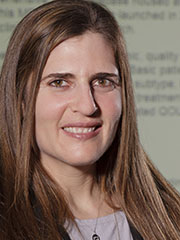 Rena Buckstein合作论文数Odette Cancer Centre, Sunnybrook Health Sciences Centre;Sunnybrook Research Institute;Department of Medicine, University of Toronto;Canadian National Myelodysplastic Syndromes Registry18Zeller Michelle P合作论文数18Thompson Troy合作论文数17Kron Amie T合作论文数16
 Kenji Inaba合作论文数Department of Surgery, Keck School of Medicine, University of Southern California;Division of Trauma and Surgical Critical Care, Keck School of Medicine, University of Southern California16
 Zoe McQuilten合作论文数School of Public Health and Preventive Medicine, Monash University16
 Turgeon Alexis F合作论文数Québec – Université Laval15
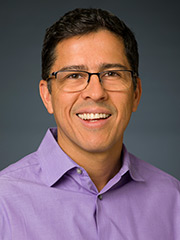 Luis Da Luz合作论文数Department of Surgery, Temerty Faculty of Medicine, University of Toronto;Sunnybrook Research Institute, Sunnybrook Health Sciences Centre14
 Michelle Sholzberg合作论文数Department of Laboratory Medicine and Pathobiology, Temerty Faculty of Medicine, University of Toronto14
 Damon C. Scales合作论文数Institute of Health Policy, Management and Evaluation, University of Toronto14Richard A. Wells合作论文数Division of Haemotology, University of Toronto14
 Dean Fergusson合作论文数Centre for Practice-Changing Research, Ottawa Hospital Research Institute;Department of Medicine, School of Epidemiology and Public Health, Faculty of Medicine, University of Ottawa;Department of Surgery, School of Epidemiology and Public Health, Faculty of Medicine, University of Ottawa;Ontario SPOR SUPPORT Unit, Government of Ontario;Ontario SPOR SUPPORT Unit, Canadian Institutes of Health Research14
 Vivek Rao合作论文数Department of Surgery, Temerty Faculty of Medicine, University of Toronto;Peter Munk Cardiac Center, Toronto General Hospital, University Health Network;Division of Experimental Therapeutics, Toronto General Research Institute14
 Keir Amy K合作论文数School of Paediatrics and Reproductive Health, University of Adelaide;Department of Perinatal Medicine, Women's and Children's Hospital Network;School of Paediatrics and Reproductive Health, University of Adelaide14Yang Liu合作论文数14Deep Grewal合作论文数13
 Na Li合作论文数13Robert Cohen合作论文数12
 Henry T Peng合作论文数Defence Research and Development Canada, Toronto Research Centre12
 John R. Hess合作论文数Harborview Medical Center, Department of Laboratory Medicine & Pathology, University of Washington12C. Colavecchia合作论文数11
 Dimpy Modi合作论文数11
 Erica P Wood合作论文数New York University11
 Julie Hendrick-Hallet合作论文数Department of Surgery, Temerty Faculty of Medicine, University of Toronto;Sunnybrook Health Sciences Centre11
 Fahad Razak合作论文数Institute of Health Policy, Management and Evaluation, University of Toronto11
 Mark Crowther合作论文数Department of Medicine, Faculty of Health Sciences, McMaster University;Department of Pathology & Molecular Medicine, Faculty of Health Sciences, McMaster University11
 Avery Nathens合作论文数Sunnybrook Health Sciences Centre;Department of Surgery, Temerty Faculty of Medicine, University of Toronto11Erin Jamula合作论文数11Ruxandra Pinto合作论文数11




