Dr. C. Norman Coleman's impact is difficult to measure overall, even if one focuses only on his work as NCI's Radiation Research Program (RRP) leader. His laboratory work spanned immune-oncology and radiation therapy, RNA biology, normal tissue and tumor tissue radiobiology, and the development of tissue chips for use in radiation biology research. His programmatic leadership helped the RRP develop health equity programs addressing Native American access to optimal cancer care, evaluation of hadron therapy biology, radiation biology, reproducibility and rigor, foundational molecular biology of the tumor and normal tissue caused by radiation therapy dynamically, and global health and security issues. While doing all these things, he found time to mentor countless people in the field, many now leaders, and to read and discuss science across disciplines. He was a dedicated, caring, kind scientist who truly wanted to help and improve the world for others.
PURPOSE:Integrating proton therapy into multi-institutional clinical trials introduces distinct physical and biological complexities. Modern pencil beam scanning enables highly conformal dose delivery but increases sensitivity to setup and range uncertainties, patient motion, interfractional anatomic changes, and variability in relative biological effectiveness. These factors complicate treatment standardization and outcome interpretation across institutions. METHODS AND MATERIALS:Under the leadership of NRG Oncology, current proton therapy clinical trial protocols were reviewed to identify technical challenges. Key issues examined included robustness evaluation, motion management, adaptive planning considerations, treatment reporting, and limitations in dosimetric and biological data collection. Recommendations were developed based on contemporary proton therapy practice and multi-institutional clinical trial experience. RESULTS:This guideline establishes a harmonized framework for proton therapy in cooperative group clinical trials and provides practical recommendations for robustness evaluation, motion management, treatment reporting, and standardized data collection. Specifically, we recommend evaluating plan robustness directly on the clinical target volume using worst-case scenarios, rather than relying on conventional photon-based geometric expansions (planning target volume). Guidance is also provided for uncertainty parameters and minimum uncertainty scenario sets. In addition, expansion of centralized data collection through the Imaging and Radiation Oncology Core is recommended to include beam model parameters and linear energy transfer information to support independent dose reconstruction, cross-validation, and future retrospective radiobiological analyses as clinical relative biological effectiveness models evolve. CONCLUSIONS:This unified framework aims to improve treatment consistency, outcome reliability, and harmonized proton therapy implementation across cooperative group clinical trials while supporting future investigation of biological dose-response relationships.
As cancer survivors live longer, technologies improve, and reirradiation (reRT) becomes more common, standardised methods for the assessment and reporting of cumulative radiation doses are needed to allow treatment optimisation and integration with other medical specialties managing these complex patients. This consensus statement, developed by an international collaboration of radiation oncologists, physicists, and other experts in the Reirradiation Collaborative Group, proposes a framework for consistent evaluation, documentation, reporting, and clinical decision making in reRT. This paper outlines practical strategies for dose accumulation from multiple courses of radiation therapy with the use of both image registration-based and point dose-based methods, accounting for uncertainties in data availability, physiological organ recovery, and anatomical changes. The emphasis of the consensus statement is on institutional workflows, improved software tools, and better capture of longitudinal patient outcomes. We also highlight the need for improved biological models, data infrastructure, and cross-specialty collaboration. Ultimately, reRT is framed as a transformative challenge for oncology, demanding interdisciplinary innovation across science, clinical care, and health systems. Widespread adoption of these recommendations could accelerate progress toward improved outcomes for patients receiving reRT worldwide.
The DOE-NIH Joint Workshop on Computational Modeling to Advance Novel Medical Isotopes for Radiotheranostics, held on September 27, 2024, brought together experts from government, academia, and industry to address critical challenges in radionuclide production and clinical translation. The workshop emphasized interdisciplinary collaboration, particularly between the Department of Energy (DOE) and the National Institutes of Health (NIH), to strengthen the domestic isotope supply, streamline regulatory pathways, and further integrate computational tools into radiopharmaceutical therapy (RPT). Key discussions explored the role of AI-driven modeling, machine learning, and digital twin technologies in optimizing dosimetry, dynamically personalizing treatments, and reducing time to clinical adoption. Advances in predictive computational modeling were highlighted as essential for improving radionuclide yield, purity, and synthesis efficiency. Regulatory considerations and equitable access were central themes, with participants advocating for harmonized global standards, adaptive trial designs, and expanded infrastructure for clinical implementation. DOE computational and production infrastructure was emphasized. Future priorities identified include increased investment in radionuclide production infrastructure, expanded workforce development in radiopharmaceutical sciences and computational modeling, and the creation of robust public-private partnerships. The workshop concluded that continued strategic collaboration and sustained resources will be vital for advancing next-generation radiotheranostics, ensuring safe and effective therapies accessible to all patients.
This workshop examined the effects of ionizing radiation on certain understudied populations, including pregnant/lactating, in utero, pediatric, and geriatric individual. Research using animal models has revealed significant age- and condition-related differences in radiation-induced injuries, highlighting the need for tailored triage and treatment strategies. Historical data from Hiroshima, Nagasaki, and Chernobyl further support these findings, demonstrating that radiation effects lead to wide-ranging issues with unique profiles during pregnancy, childhood and elderly age. While some research has been conducted on these groups, ethical and logistical challenges make it difficult to study these populations extensively. Therefore, developing alternative approaches that offer promising avenues for further research is critical. Radiation-induced biomarkers and biodosimetry also show age-related differences, including distinctive metabolic disruptions, necessitating further validation of biodosimetry tools. These findings emphasize the importance of considering age, sex, and demographic factors in preclinical and clinical radiation research to develop treatments that improve outcomes of understudied populations after a radiological or nuclear public health emergency.
In this issue of MCT, three articles from the NCI's Preclinical Chemoradiotherapy Testing Consortium (PCRTC) are presented that each demonstrates a story of success. Each cooperative agreement team's results are briefly summarized, and both the importance and the limitations of these studies are discussed. These preclinical studies used agents from the Cancer Therapy Evaluation Program portfolio to develop the foundation for translation into clinical trials. The structure of these studies was based on the prior work of the PCRTC that laid out the methodology for optimizing potential translation. Rigor and reproducibility have been a continuing focus of the PCRTC, with a key feature being the requirement for dose measurement and calibration to be traceable to national standards. Through the application of the consortium's prior work establishing the standards for translation, each group generated promising data with high translational potential. See related article by Valvo et al., p. 843 See related article by Dragojevic et al., p. 859 See related article by Lu et al., p. 920.
The U.S. Government is committed to maintaining a robust research program that supports a portfolio of scientific experts who are investigating the biological effects of radiation exposure. On August 17 and 18, 2023, the Radiation and Nuclear Countermeasures Program, within the National Institute of Allergy and Infectious Diseases, National Institutes of Health (NIH), partnered with the National Cancer Institute, NIH, the National Aeronautics and Space Administration, and the Radiation Injury Treatment Network to convene a workshop titled, Advanced Technologies in Radiation Research (ATRR), which focused on the use of advanced technologies under development or in current use to accelerate radiation research. This meeting report provides a comprehensive overview of the research presented at the workshop, which included an assembly of subject matter experts from government, industry, and academia. Topics discussed during the workshop included assessments of acute and delayed effects of radiation exposure using modalities such as clustered regularly interspaced short palindromic repeats (CRISPR) - based gene editing, tissue chips, advanced computing, artificial intelligence, and immersive imaging techniques. These approaches are being applied to develop products to diagnose and treat radiation injury to the bone marrow, skin, lung, and gastrointestinal tract, among other tissues. The overarching goal of the workshop was to provide an opportunity for the radiation research community to come together to assess the technological landscape through sharing of data, methodologies, and challenges, followed by a guided discussion with all participants. Ultimately, the organizers hope that the radiation research community will benefit from the workshop and seek solutions to scientific questions that remain unaddressed. Understanding existing research gaps and harnessing new or re-imagined tools and methods will allow for the design of studies to advance medical products along the critical path to U.S. Food and Drug Administration approval.
A National Institutes of Health (NIH) and U.S. Department of Energy (DOE) Office of Science virtual workshop on shared general topics was held in July of 2021 and reported on in this publication in January of 2023. Following the inaugural 2021 joint meeting representatives from the DOE Office of Science and NIH met to discuss organizing a second joint workshop that would concentrate on radiation detection to bring together teams from both agencies and their grantee populations to stimulate collaboration and efficiency. To meet this scientific mission within the NIH and DOE radiation detection space, the organizers assembled workshop sessions covering the state-of-the-art in cameras, detectors, and sensors for radiation external and internal (diagnostic and therapeutic) to human, data acquisition and electronics, image reconstruction and processing, and the application of artificial intelligence. NIH and DOE are committed to continuing the process of convening a joint workshop every 12-24 months. This Special Report recaps the findings of this second workshop. Beyond showing only the innovations and areas of success, important gaps in our knowledge were defined and presented. We summarize by defining four areas of greatest opportunity and need that emerged from the unique, dynamic dialogue the in-person workshop provided the attendees.
Deep learning neural networks (DLNN) in Arti fi cial intelligence (AI) have been extensively explored for automatic segmentation in radiotherapy (RT). In contrast to traditional model -based methods, data -driven AI -based models for auto -segmentation have shown high accuracy in early studies in research settings and controlled environment (single institution). Vendor -provided commercial AI models are made available as part of the integrated treatment planning system (TPS) or as a stand-alone tool that provides streamlined work fl ow interacting with the main TPS. These commercial tools have drawn clinics' attention thanks to their signi fi cant bene fi t in reducing the workload from manual contouring and shortening the duration of treatment planning. However, challenges occur when applying these commercial AI -based segmentation models to diverse clinical scenarios, particularly in uncontrolled environments. Contouring nomenclature and guideline standardization has been the main task undertaken by the NRG Oncology. AI auto -segmentation holds the potential clinical trial participants to reduce interobserver variations, nomenclature non-compliance, and contouring guideline deviations. Meanwhile, trial reviewers could use AI tools to verify contour accuracy and compliance of those submitted datasets. In recognizing the growing clinical utilization and potential of these commercial AI auto -segmentation tools, NRG Oncology has formed a working group to evaluate the clinical utilization and potential of commercial AI auto -segmentation tools. The group will assess in-house and commercially available AI models, evaluation metrics, clinical challenges, and limitations, as well as future developments in addressing these challenges. General recommendations are made in terms of the implementation of these commercial AI models, as well as precautions in recognizing the challenges and limitations. (c) 2023 Published by Elsevier Inc.
Mentorship, Partnership, Science, and Kindness Always Radiation oncology, medicine, and the world lost one of its most kind-hearted and gifted leaders and mentors on March 1, 2024, with the passing of Dr. C. Norman Coleman. His life was fully dedicated to service to others and marked by numerous achievements, providing inspirational mentoring, caring, and generosity. His impact on those he touched directly and on all who benefitted from his leadership in cancer research and treatment is impossible to calculate. It is a tragic irony that a giant in the field succumbed to advanced cancer. Although much progress has been made in cancer diagnosis and treatment, Dr. Coleman's loss illustrates that our work is far from being done. Norm described himself as a kid from Brooklyn, New York, although his family later moved to Teaneck, New Jersey, where he finished high school. He continued his higher education at the University of Vermont where he majored in mathematics, attended medical school at Yale University, and received internal medicine training at the University of California, San Francisco. His first stint at the National Cancer Institute (NCI) was to receive formal training in medical oncology. From there, he returned to California to complete radiation oncology training under the mentorship of Dr. Henry Kaplan at Stanford University. Dr. Coleman was triple board-certified in internal medicine, medical oncology, and radiation oncology. If you asked him, he often called himself a mathematician at heart. Dr. Coleman was interviewed as part of the ASTRO History Interviews Project, which can be found on the American Society of Radiation Oncology (ASTRO) website [[1]Phillips T, Sahgal A. C Norman Coleman. 2016; Available from: https://www.astro.org/About-ASTRO/History/History-Interviews/C-Norman-Coleman.Google Scholar]. Dr. Coleman was recruited by Harvard University's Joint Center for Radiation Therapy (JCRT) to become the Fuller-American Cancer Society Professor and Chairman at age 39 where he was its Chief Executive Officer for 14 years. While there, he also maintained an active laboratory in addition to his significant clinical and administrative duties. He then returned to NCI to lead the radiation programs and early on created and sustained productive collaborations. He never slowed down, and as world events demanded, he stepped forward post-9/11, assembling a team of experts to explore how to better prepare the nation for radiation-related crises. This led to the establishment of the U.S Department of Health and Human Services infrastructure and planning process for such events, both natural and man-made. Dr. Coleman's focus in the lab benefitted from his broad experience, training, and influence of his mentors. His laboratory efforts initially looked at novel drug development focusing on multi-agent combinations with radiotherapy. It developed over time to further focus on how radiation can be used to induce new targets allowing treatment optimization. Biologic dose optimization was a team focus, and his recent publications provide a blueprint for the field. He has published over 380 papers and countless talks, book chapters, and reports. At the time of his death, Dr. Coleman held a number of positions which included Associate Director of the Radiation Research Program (RRP), Special Advisor to the Director of NCI, Senior Investigator in the Radiation Oncology Branch (ROB) in the NCI Center for Cancer Research, and Senior Advisor at the Administration for Strategic Preparedness and Response (ASPR). Dr. Coleman was co-founder of the International Cancer Expert Corps (ICEC), a non-profit started in 2013, an official NIH outside activity, and maintained a key leadership role until only a few weeks before his death, continuing to work on projects with experts around the planet including working with CERN. Dr. Coleman was recognized broadly for his work. Highlights include receiving the 2005 ASTRO Gold Medal [[2]Phillips T. 2005; Available from: https://www.sciencedirect.com/science/article/pii/S0360301605023576?via%3Dihub.Google Scholar], the Samuel J. Heyman Service to America medal for Homeland Security for his role at Fukushima [[3]2011; Available from: https://servicetoamericamedals.org/honorees/c-norman-coleman/.Google Scholar], a 2015 Doctor of Science (honoris causa) for his contributions to public service and society from the University of Vermont, the Radiation Research Society's 2016 Failla Award [[4]2016; Available from: https://www.radres.org/page/6AwardsHonors/6-RRS-Awards--Honors.htm.Google Scholar], the National Coalition for Cancer Survivorship's 2018 Ellen Lewis Stovall Patient-Centered Cancer Care Award [[5]2018; Available from: https://youtu.be/L-Kc3HZ8HZQ.Google Scholar], the National Council of Radiation Protection and Measurement's 2019 Warren Sinclair Medal [[6]2019; Available from: https://www.iceccancer.org/wp-content/uploads/2024/02/Coleman-Warren-Sinclair-Medal.pdf.Google Scholar], and the Administration for Strategic Preparedness and Response's (ASPR) 2023 D.A. Henderson Lifetime Achievement Award [[7]2023; Available from: https://www.iceccancer.org/wp-content/uploads/4/02/TCL50-05.pdf.Google Scholar]. His most cherished roles besides husband, parent, and grandpop, were mentor, clinician scientist, and public servant. His life philosophy was influenced by his interest in East Asian meditative thought, by his mentors, his significant global travel, and a deep desire to learn from others. He would often credit his global perspective not only to his teachers but particularly to his wife Karolynn, who was always a supportive and loving partner. Together, they published a book on the subject of mindfulness written in a way to be understood by the average person, in particular, a busy scientist. He was immensely proud of his family and what wonderful, brilliant, caring, kind people they are. Starting early in his career, Dr. Coleman focused on addressing health disparities and equitable access to care, expertise, and treatment. He described his service as a student at Yale and resident in San Francisco in this context when mentoring. At Stanford, Dr. Coleman assisted in developing a community radiation oncology satellite program. At the Harvard Joint Center for Radiation Therapy in Boston, he led a team that initiated an innovative and successful academic-community outreach clinical model for underserved communities in the greater Boston region. As the leader of the NCI's Radiation Research Program, among many other critical programs, he led the implementation of the Cancer Disparities Research Program (CDRP). He was proud of the fact that CDRP has served as and remains a template for such innovative programs to increase underserved population access to clinical trials and "state of the art" cancer diagnosis and care both for the U.S. and beyond, with ICEC in many ways being the most recent example of his lifelong focus. International partnerships and linkages were important to Dr. Coleman. He would often note that cancer doesn't understand borders and that the key to achieving global success is in listening and sharing. Not all his activities can be listed in this memoriam, but of note he was active in the All-Ireland Cancer Consortium in 1999, the Singapore National Healthcare Group in 2002, Advisor to the International Network for Cancer Treatment and Research, Institute Pasteur, Brussels, Belgium, and Advisor to the King Hussein Cancer Center (KHCC) in Amman, Jordan. He was a leader in the Global Health Security Initiative within ASPR. His parallel priorities of mentorship and service merged in the formation of ICEC, whose mission combined both to address global inequities in cancer care that has brought people together from around the planet and across areas of expertise. Dr. Coleman has trained over 400 physicians and researchers in his career, and many of his former trainees have gone on to become thought and service leaders of distinction. Dr. Coleman is universally described by mentees and trainees as a caring listener who helped them find a personalized path to their success in a supportive way. He is widely admired for his humility, kindness, and broad scale thinking. He treated all patients, colleagues, and strangers, regardless of rank or status, with equal respect and kindness. He fought for justice and fairness and recognized the importance of integrity above all else in science and in human interaction. While he is no longer with us, his work and teachings will endure through his example and influence on us all. Norm was truly a remarkable person. He accomplished so much yet was so humble in his achievements. He was an amazing man who loved to sit and talk science over coffee and a treat and made time if you needed him. He understood context in ways most did not spend the time and energy to do. He read broadly and was open to the newest thinking and approaches. He tackled some very complex projects and meetings – he knew how to stand back and watch, learn, hear, and listen. He is someone we will always miss and always wish we could just call to share news or a story or to strategize. And then there is how he would create witty and beautiful poems for people at events such as a residents graduation dinner or for retirements. And we don't even want to start to talk about his triathlons – he even qualified for the world championships this year (again). He was simply amazing. He liked to talk about the Tour de France a lot and all the climbs. Norm inspired and helped us all as we make our own climbs. The authors would like to thank Theodore Phillips, M.D. for his support and sharing of historical data. We would also like to thank Eileen Resnick, Ph.D. of the NCI for her editorial suggestions. The following are the Supplementary data to this article: Download .pdf (13.31 MB) Help with pdf files Supplementary data 1
The older American population is rapidly increasing, and millions of older adults will be cancer survivors with comorbidities. This population faces specific challenges regarding treatment and has unique clinical needs. Recognizing this need, the National Cancer Institute, in collaboration with the National Institute on Aging, hosted a webinar series, entitled Cancer, Aging, and Comorbidities. This commentary provides a reflection of 5 thematic areas covered by the webinar series, which was focused on improving cancer treatment for older adults with cancer and comorbidities: 1) the impact of comorbidities on treatment tolerability and patient outcomes; 2) the impact of comorbidities on cancer clinical trial design; 3) the development of wearable devices in measuring comorbidities in cancer treatment; 4) the effects of nutrition and the microbiome on cancer therapy; and 5) the role of senescence and senotherapy in age-related diseases. Advances have been made in these areas, however, many gaps and challenges exist and are discussed in this commentary. To improve cancer survivorship in older populations with comorbidities, aging and comorbidities must be jointly considered and incorporated across the spectrum of cancer research. This includes more basic research of the mechanisms linking comorbidities and cancer development and treatment response, building critical resources and infrastructure (eg, preclinical models and patient samples), conducting clinical trials focused on the older population, integrating geriatric assessment into cancer treatment, and incorporating novel technologies, such as wearable devices, into clinical trials and cancer care.
This position paper, led by the NRG Oncology Particle Therapy Work Group, focuses on the concept of relative biologic effect (RBE) in clinical proton therapy (PT), with the goal of providing recommendations for the next-generation clinical trials with PT on the best practice of investigating and using RBE, which could deviate from the current standard proton RBE value of 1.1 relative to photons. In part 1, current clinical utilization and practice are reviewed, giving the context and history of RBE. Evidence for variation in RBE is presented along with the concept of linear energy transfer (LET). The intertwined nature of tumor radiobiology, normal tissue constraints, and treatment planning with LET and RBE considerations is then reviewed. Part 2 summarizes current and past clinical data and then suggests the next steps to explore and employ tools for improved dynamic models for RBE. In part 3, approaches and methods for the next generation of prospective clinical trials are explored, with the goal of optimizing RBE to be both more reflective of clinical reality and also deployable in trials to allow clinical validation and interpatient comparisons. These concepts provide the foundation for personalized biologic treatments reviewed in part 4. Finally, we conclude with a summary including short- and long-term scientific focus points for clinical PT. The practicalities and capacity to use RBE in treatment planning are reviewed and considered with more biological data in hand. The intermediate step of LET optimization is summarized and proposed as a potential bridge to the ultimate goal of case-specific RBE planning that can be achieved as a hypothesis-generating tool in near-term proton trials.
The topic of quantitative imaging in radiation therapy was presented as a “Masterclass” at the 2023 annual meeting of the American Society of Radiation Oncology (ASTRO). Dual-energy computed tomography (CT) and single-positron computed tomography were reviewed in detail as the first portion of the meeting session, with data showing utility in many aspects of radiation oncology including treatment planning and dose response. Positron emission tomography/CT scans evaluating the functional volume of lung tissue so as to provide optimal avoidance of healthy lungs were presented second. Advanced brain imaging was then discussed in the context of different forms of magnetic resonance scanning methods as the third area noted with significant discussion of ongoing research programs. Quantitative image analysis was presented to provide clinical utility for the analysis of patients with head and neck cancer. Finally, quality assurance was reviewed for different forms of quantitative imaging given the critical nature of imaging when numerical valuation, not just relative contrast, plays a crucial role in clinical process and decision-making. Conclusions and thoughts are shared in the conclusion, noting strong data supporting the use of quantitative imaging in radiation therapy going forward and that more studies are needed to move the field forward.
The first of its kind in radiation oncology, the OORO is a professional society-based, multi-stakeholder, consensus driven informatics standard. The iterative and collaborative approach to ontology development and refinement aims to ensure that OORO serves as a « living » guidance document, facilitating incremental expansion of data elements over time, as disease site-specific standards are set and RT concepts evolve. Supporting construction of comprehensive "real-world" datasets and application of advanced analytic techniques, including artificial intelligence (AI), OORO holds the potential to revolutionize patient management and improve outcomes.
PURPOSE:Few reports describe the risks of late ocular toxicities after radiation therapy (RT) for childhood cancers despite their effect on quality of life. The Pediatric Normal Tissue Effects in the Clinic (PENTEC) ocular task force aims to quantify the radiation dose dependence of select late ocular adverse effects. Here, we report results concerning retinopathy, optic neuropathy, and cataract in childhood cancer survivors who received cranial RT. METHODS AND MATERIALS:A systematic literature search was performed using the PubMed, MEDLINE, and Cochrane Library databases for peer-reviewed studies published from 1980 to 2021 related to childhood cancer, RT, and ocular endpoints including dry eye, keratitis/corneal injury, conjunctival injury, cataract, retinopathy, and optic neuropathy. This initial search yielded abstracts for 2947 references, 269 of which were selected as potentially having useful outcomes and RT data. Data permitting, treatment and outcome data were used to generate normal tissue complication probability models. RESULTS:We identified sufficient RT data to generate normal tissue complication probability models for 3 endpoints: retinopathy, optic neuropathy, and cataract formation. Based on limited data, the model for development of retinopathy suggests 5% and 50% risk of toxicity at 42 and 62 Gy, respectively. The model for development of optic neuropathy suggests 5% and 50% risk of toxicity at 57 and 64 Gy, respectively. More extensive data were available to evaluate the risk of cataract, separated into self-reported versus ophthalmologist-diagnosed cataract. The models suggest 5% and 50% risk of self-reported cataract at 12 and >40 Gy, respectively, and 50% risk of ophthalmologist-diagnosed cataract at 9 Gy (>5% long-term risk at 0 Gy in patients treated with chemotherapy only). CONCLUSIONS:Radiation dose effects in the eye are inadequately studied in the pediatric population. Based on limited published data, this PENTEC comprehensive review establishes relationships between RT dose and subsequent risks of retinopathy, optic neuropathy, and cataract formation.
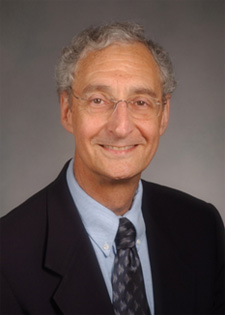 C. Norman Coleman合作论文数Radiation Oncology Branch, Center for Cancer Research, National Cancer Institute, National Institutes of Health, U.S. Department of Health and Human Services20
 Pataje Prasanna合作论文数Division of Cancer Treatment & Diagnosis, National Cancer Institute, National Institutes of Health, U.S. Department of Health and Human Services18
 Peter Johnstone合作论文数Department of Radiation Oncology, Moffitt Cancer Center17
 Jacek Capala合作论文数16
 Ceferino Obcemea合作论文数12
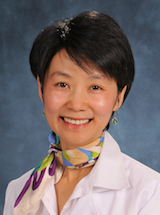 Ying Xiao合作论文数Department of Radiation Oncology, Perelman School of Medicine, University of Pennsylvania;Perelman Center for Advanced Medicine, University of Pennsylvania11
 Kevin P Mcmullen合作论文数11
 Mansoor M Ahmed合作论文数Division of Cancer Treatment and Diagnosis, National Cancer Institute, National Institutes of Health10
 McDonald Mark W合作论文数9Ted Hoene合作论文数8
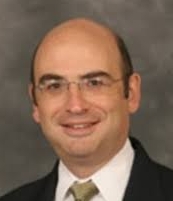 Patrick Kupelian合作论文数Department of Radiation Oncology, University of California, Los Angeles;Varian Medical Systems8Simoneaux Victor合作论文数7
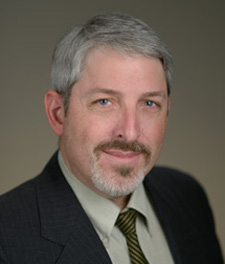 Michael Graham Espey合作论文数Division of Cancer Treatment Diagnosis, National Cancer Institute, National Institutes of Health7
 Bhadrasain Vikram合作论文数Division of Cancer Treatment & Diagnosis, National Cancer Institute, National Institutes of Health, U.S. Department of Health and Human Services;Clinical Radiation Oncology Branch, National Cancer Institute, National Institutes of Health, U.S. Department of Health and Human Services7Chandana A. Reddy合作论文数Cleveland Clinic7
 Eric A. Klein合作论文数Stanford Distinguished Careers Institute, Stanford University;Glickman Urological and Kidney Institute, Cleveland Clinic7
 Indra J Das合作论文数Radiation Oncology, Feinberg School of Medicine, Northwestern University6
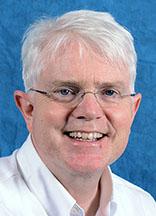 Charles Mayo合作论文数Department of Radiation Oncology, Medical School, University of Michigan6
 Stanley H Benedict合作论文数University of Virginia6
 Anita Mahajan合作论文数Department of Radiation Oncology, Mayo Clinic;Department of Pediatric and Adolescent Medicine, Mayo Clinic6
 Harald Paganetti合作论文数Physics Division, Department of Radiation Oncology, Massachusetts General Hospital;Harvard Medical School, Harvard Univeristy5
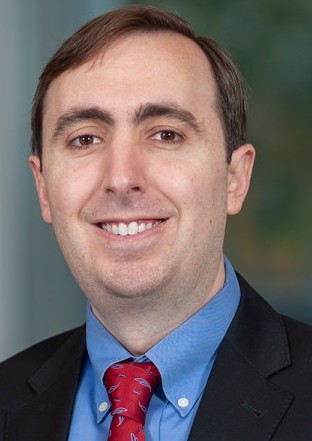 Charles B. Simone合作论文数Department of Radiation Oncology, Memorial Sloan Kettering Cancer Center;New York Proton Center5James G. Douglas合作论文数5Julie A. Hong合作论文数5Daphne A. Haas-Kogan合作论文数5Mark Wolanski合作论文数5
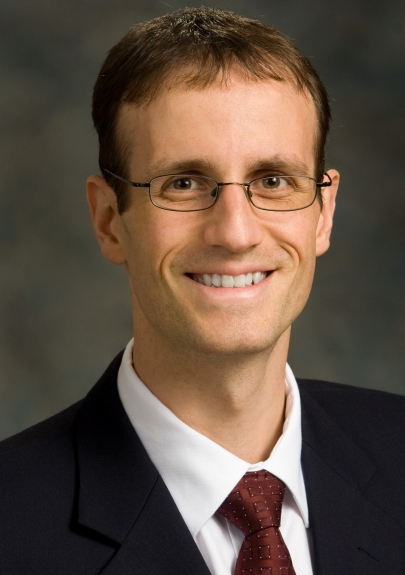 Stephen F. Kry合作论文数Department of Radiation Physics, Division of Radiation Oncology, University of Texas MD Anderson Cancer Center5
 Torunn Yock合作论文数4Randi Kudner合作论文数4Emily C Daugherty合作论文数4j simmons合作论文数4Joseph Simmons合作论文数4
 Paige A. Taylor合作论文数4
 Andra V. Krauze合作论文数Center for Cancer Research, National Cancer Institute4
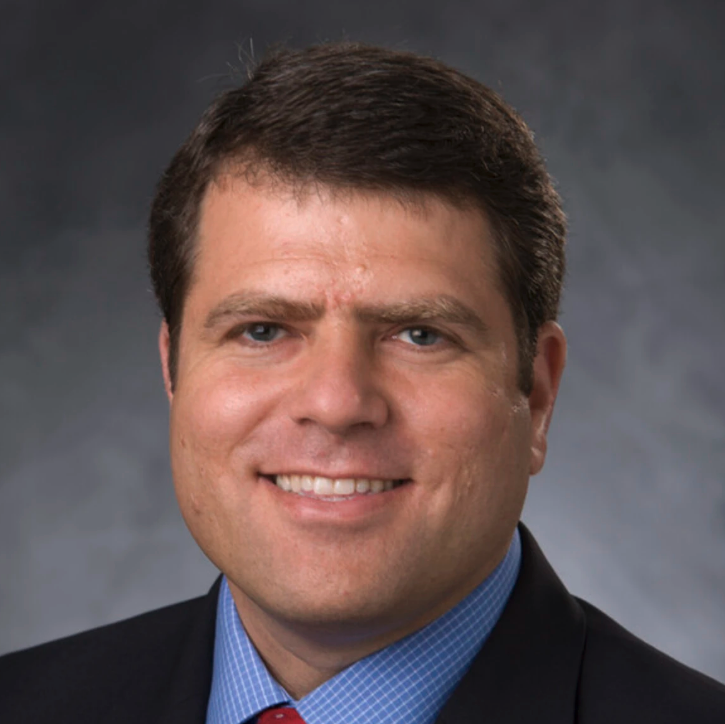 David Kirsch合作论文数Department of Radiation Oncology, University of Toronto4
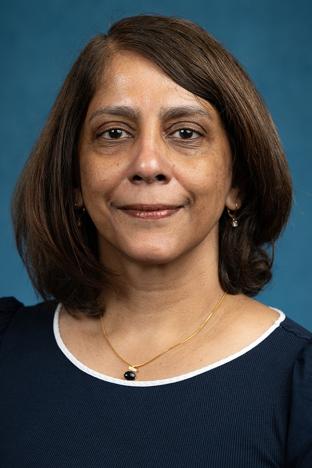 Yuni Dewaraja合作论文数Department of Radiology, Michigan Medicine, University of Michigan;Center for Positron Emission Tomography, University of Michigan4
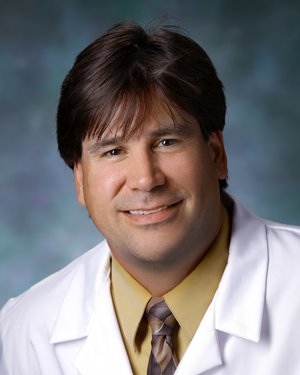 Todd R. McNutt合作论文数Radiation Oncology and Molecular Radiation Sciences, School of Medicine, Johns Hopkins University4Heng Li合作论文数Radiation Oncology and Molecular Radiation Sciences, School of Medicine, Johns Hopkins University4
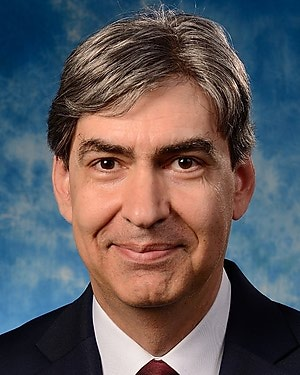 George Sgouros合作论文数Johns Hopkins University4
 Beverly A. Teicher合作论文数Division of Cancer Treatment & Diagnosis, National Cancer Institute, National Institutes of Health4
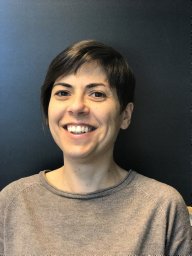 Flampouri Stella合作论文数Radiation Oncology, University of Florida Proton Therapy Institute4
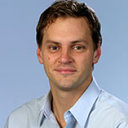 Stephen F Kralik合作论文数Indiana University School of Medicine, Indiana University Health4Ho Chang Y合作论文数4Aryankalayil Molykutty J合作论文数4Caissie Amanda合作论文数4
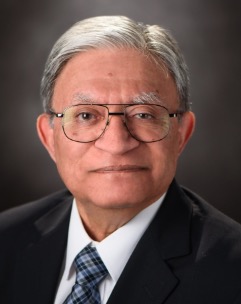 Radhe Mohan合作论文数Department of Radiation Physics, Division of Radiation Oncology, The University of Texas MD Anderson Cancer Center;UTHealth Houston Graduate School of Biomedical Sciences, The University of Texas MD Anderson Cancer Center4
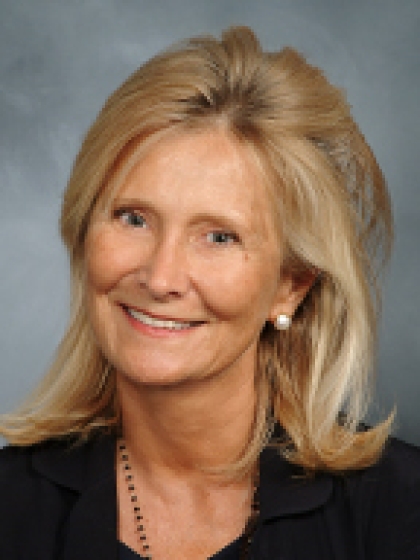 Silvia Chiara Formenti合作论文数Department of Radiation Oncology, Weill Cornell Medicine, Cornell University;Meyer Cancer Center, Weill Cornell Medicine, Cornell University;NewYork-Presbyterian Hospital4
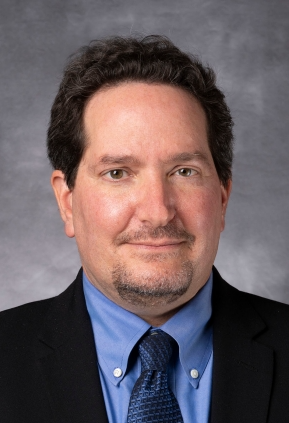 Peter A. Balter合作论文数Department of Radiation Physics, Division of Radiation Oncology, The University of Texas MD Anderson Cancer Center4
 Jon J. Kruse合作论文数Mayo Clinic Comprehensive Cancer Center, Mayo Clinic4




