Businesses often attempt to demonstrate their commitment to diversity, equity, and inclusion (DEI) by showcasing women in their leadership ranks, most of whom are white. Yet research has shown that organizations confer status and power to women who engage in sexist behavior, which undermines DEI efforts. We sought to examine whether women who engage in racist behavior are also conferred relative status at work. Drawing on theory and research on organizational culture and intersectionality, we predicted that a white woman who expresses anti-Black racism is conferred more status in the workplace than a white woman who does not. A pilot study (N = 30) confirmed that making an anti-Black racist comment at work was judged to be more offensive than making no comment, but only for a white man, not a white woman. Study 1 (N = 330) found that a white woman who made an anti-Black racist comment at work was conferred higher status than a white woman who did not, whereas the opposite held true for a white man, with perceived offensiveness mediating these effects. Study 2 (N = 235) revealed that a white woman who made an anti-racist/pro-Black Lives Matter comment was conferred lower status than a white woman who did not, whereas the opposite held true for a white man. Finally, Study 3 (N = 295) showed that people who endorse racist and sexist beliefs confer more status to a white man than to a white woman regardless of speech, but that people low in racism and sexism confer the highest status to a white woman who engages in anti-Black racist speech. These studies suggest that white women are rewarded for expressing support for beliefs that mirror systemic inequality in the corporate world. We discuss implications for business ethics and directions for future research.
We propose that a key reason why the workplace gender revolution has stalled (England, 201010) is that work remains the site of masculinity contests among men. In this chapter, we outline a theoretical framework for thinking about work as a masculinity contest, beginning with a brief review of scholarship on masculinity and exploring how the workplace is a context in which men feel particular pressure to prove themselves as "real men". We identify different dimensions of masculinity along which employees may compete and how this competition may differ by work context. We propose that organizations with Masculinity Contest Cultures (MCCs) represent dysfunctional organizational climates (e.g. rife with toxic leadership, bullying and harassment) that are associated with poor individual outcomes for men as well as women (e.g. burnout, low organizational dedication, lower well-being). We review initial research into MCCs and end with a discussion of the contributions made by conceptualizing work as a masculinity contest and directions for future research.
Intersectional invisibility is a salient experience for women of color in the workplace and stems from their nonprototypicality in gender and race. We expand research and theory on intersectional invisibility to propose that women of color vary in their degrees of nonprototypicality, and thus in their social power and their experiences of and responses to invisibility at work. We present an inductive interview study of a diverse sample of 65 women of color in the United States and Canada, who work in traditionally white and male professions. We examined how differences in race, immigration status, age, and organizational rank informed the types of invisibility they experienced and their responses to invisibility. Four forms of invisibility (erasure, homogenization, exoticization, and whitening) and three response pathways (withdrawal, approach, and pragmatism) emerged from our findings that differed according to women of color's social power. Women with less social power experienced the most invisibility and were more likely to engage in withdrawal tactics that intensified their invisibility and marginalization at work. Women with more social power experienced less invisibility and were more likely to engage in approach tactics that risked backlash. Women who understood their invisibility to be rooted in structural causes responded more pragmatically to invisibility, occasionally engaging in radical honesty to connect with others who treated them as invisible and to change their behavior. We discuss the implications of our research for intersectionality theory, directions for future research, and organizational practice. (PsycInfo Database Record (c) 2023 APA, all rights reserved).
#MeToo has inspired the voices of millions of people (mostly women) to speak up about sexual harassment at work. The high-profile cases that reignited this movement have revealed that sexual harassment is and has been shrouded in silence, sometimes for decades. In the face of sexual harassment, managers, witnesses and targets often remain silent, wittingly or unwittingly protecting perpetrators and allowing harassment to persist. In this integrated conceptual review, we introduce the concept of network silence around sexual harassment, and theorize that social network compositions and belief systems can promote network silence. Specifically, network composition (harasser and male centrality) and belief systems (harassment myths and valorizing masculinity) combine to instill network silence around sexual harassment. Moreover, such belief systems elevate harassers and men to central positions within networks, who in turn may promote problematic belief systems, creating a mutually reinforcing dynamic. We theorize that network silence contributes to the persistence of sexual harassment due to the lack of consequences for perpetrators and support for victims, which further reinforces silence. Collectively, this process generates a culture of sexual harassment. We identify ways that organizations can employ an understanding of social networks to intervene in the social forces that give rise to silence surrounding sexual harassment. (PsycInfo Database Record (c) 2021 APA, all rights reserved).
Purpose The purpose of this paper is to identify promising themes of the papers in the special issues of Equality, Diversity and Inclusion dedicated to advancing scholarship on sex-based harassment. Design/methodology/approach A conceptual overview of the research pertaining to these themes and an analysis of the special issues papers' contributions to these themes. Findings Four themes that represent important but relatively neglected lines of inquiry into sex-based harassment are identified. These are (1) the psychology of harassment, (2) organizational culture and networks, (3) the invisible majority and (4) the importance of collective action. Originality/value The paper offers an expert perspective on the state of research related to sex-based harassment and four themes that are important to moving it forward.
By examining organizational processes related to engaging in, experiencing, reporting, punishing, stigmatizing, and intervening in misconduct at work, this symposium uses a diverse set of qualitative and quantitative methodologies to advance our understanding of this important topic. Together, the four empirical presentations, corresponding discussion of the research, and the facilitated question and answer sessions are designed to develop new theoretical insights about the connections between individual, group, and organizational-level theories of harassment, misconduct, and reporting at work. By identifying gaps, commonalities, and differences across the four papers, this symposium is also intended to generate new theoretical insights, spark rich conversation, and motivate new research designs and approaches among session attendees and participants. Reporting Relationally: The Social Determinants of Whistleblowing Presenter: Patrick Bergemann; U. of Chicago Booth School of business Presenter: Brandy Aven; Carnegie Mellon U. Exploring Workgroup and Newcomer Dynamics in the Study of Workplace Harassment Presenter: Julia DiBenigno; Yale School of Management Race and Employee Misconduct in Organizations Presenter: Sanaz Mobasseri; Boston U. Questrom School of Business Presenter: Mabel Abraham; Columbia Business School The Risks of Representation: Spillover from Scandalized Clients Presenter: Mary-Hunter McDonnell; The Wharton School, U. of Pennsylvania Presenter: Kaisa E. Snellman; INSEAD
Everyone has multiple social identities that influence the way they are perceived and treated and, in turn, how they perceive and respond to their social worlds at work. To date, research has tended to focus only on one identity at a time. The papers in this symposium investigate how different combinations of multiple identities affect a variety of outcomes at work, from biases and beliefs to recruitment, fundraising, and perceptions of speech and discrimination. This symposium has three goals: (1) to shed light on emerging theory on intersecting social identities, (2) to present innovative scholarship about how multiple intersecting social identities affect how individuals negotiate their workplaces and what treatment they receive, and (3) to create space for complicating the conversation about diversity and inclusion in order to examine the complexities of intersectionality and non-prototypicality. Black Women’s Experiences of Mistreatment and Withdrawal Presenter: Kathrina Robotham; U. of Michigan Presenter: Veronica C. Rabelo; San Francisco State U. Presenter: Courtney Lynn McCluney; U. of Virginia Darden School of Business Presenter: Kelsie Thorne; U. of Michigan Invisible Discrimination: Divergent Implications for the Non-Prototypicality of Black Women Presenter: Rebecca Ponce de Leon; Fuqua School of Business, Duke U. “Geeky” Rules of the Game: The Effects of Nerd Masculinity on Entrepreneurial Funding Presenter: Soojin Oh; Pennsylvania State U. Presenter: Aparna Joshi; Penn State Smeal College of Business Do White Women Get Away with Racist Speech? The Effects of Identity on Perceptions of Speech Presenter: Barnini Bhattacharyya; Sauder School of Business, U. of British Columbia Presenter: Jennifer L. Berdahl; U. of British Columbia Re-Aligning Multiple Identities by Tweaking Job Advertisement Language Presenter: Joyce He; U. of Toronto Presenter: Sonia Kang; U. of Toronto
Women’s inclusion in the workplace has continued to improve since the gender “revolution” of the 1960s, yet women are far from reaching parity with men and improvements have not been equal for all groups of women. Contemporary gender discrimination is complex and often manifests as conditional bias such that gender interacts with other phenomena (e.g., attributes, conditions, etc.) that result in unequal effects for men and women, or for women of different racial or ethnic groups. The five papers in this symposium highlight the complexity inherent in women’s experiences at work by examining how different work conditions interact to affect women’s inclusion and equity in the workplace. Each paper highlights a distinct and important combination of simultaneously occurring factors or conditions that do not have the same effect when examined alone. Such combinations range from the intersectionality of gender with race or religion, to the specific co-occurrence of behavior (i.e., crying and apologizing) and context (i.e., after making a mistake) that affect men and women differently. This symposium addresses the subtle nuances of gendered experiences faced by today’s workers, which may help managers and organizations create more inclusive work environments for men and women. Boys Don’t Cry Crocodile Tears: The Asymmetric Effects of Crying on Desire to Punish Men and Women Presenter: Natalya Alonso; U. of British Columbia Presenter: Nathan Dhaliwal; U. of British Columbia Presenter: Ela Bandari; U. of British Columbia Presenter: Jennifer L. Berdahl; U. of British Columbia How Women Rationalize Themselves Out of Leadership Roles: Unintended Consequences of Job Crafting Presenter: Jasmien Khattab; U. of Virginia Darden School of Business Presenter: Morela Hernandez; U. of Virginia Darden School of Business Missed, Dissed, or Dismissed? Why Incivility towards Women Goes (Un)noticed Presenter: Jamie Lee Gloor; U. of Zurich Presenter: Tyler Gene Okimoto; U. of Queensland Presenter: Xinxin Li; Antai College of Economics and Management, Shanghai Jiao Tong U. More Than Just a Headscarf: How Organizations May Be Excluding Muslim Women Presenter: Shannon Cheng; Rice U. Diversity Policies Supporting Racial Minority Women: Not So Supported Presenter: Ivona Hideg; Wilfrid Laurier U. Presenter: Lance Ferris; Michigan State U. Presenter: Christy Zhou Koval; Eli Broad School of Business, Michigan State U.
We propose that a key reason why the workplace gender revolution has stalled (England, 2010) is that work remains the site of masculinity contests among men. In this article, we outline a theoretical framework for thinking about work as a masculinity contest, beginning with a brief review of scholarship on masculinity and exploring how the workplace is a context in which men feel particular pressure to prove themselves as real men. We identify different dimensions of masculinity along which employees may compete and how the competition may differ by work context. We propose that organizations with Masculinity Contest Cultures (MCCs) represent dysfunctional organizational climates (e.g., rife with toxic leadership, bullying, harassment) associated with poor individual outcomes for men as well as women (e.g., burnout, low organizational dedication, lower well-being).We discuss how papers in this special issue contribute insight into MCCs and end with a discussion of the contributions made by conceptualizing work as a masculinity contest, and directions for future research.
We developed and validated a 20-item Masculinity Contest Culture (MCC) scale as a workplace culture assessment. Participants indicated agreement or disagreement with workplace norm statements beginning with a common stem (In my work environment...). Exploratory (Study 1) and confirmatory (Study 2) factor analyses yielded four MCC subfactors: Show No Weakness, Strength and Stamina, Put Work First, and Dog Eat Dog. CFA and reliability analyses supported a second-order factor (with four subfactors), consistent with an overarching (though multifaceted) masculinity contest construct. Across two studies in which individuals rated their work environments, the MCC correlated with: (a) negative organizational dynamics (e.g., poor culture and toxic leadership), (b) dominative coworker behaviors (e.g., bullying and harassment), (d) negative individual work attitudes (e.g., burnout, turnover intentions), and (e) poor personal well-being. Results were generally consistent across studies and participant sex, suggesting that masculinity contest norms harm organizations and the men and women within them.
This conclusion presents some closing thoughts on the key concepts discussed in the preceding chapters of this book. The book seeks to articulate a version of liberalism that takes toleration as seriously as possible. A theory of normative toleration like the author's will tell us when interference may be permissible in distributive issues, issues of criminal justice domestically, and in many cases of possible international intervention. The book suggests that the primary missing theoretical elements must come from normative moral theory itself. Philosophers tend to start with normative theories and see what these theories say about activities in the business arena. The book briefly considers Ripstein's sovereignty principle as a competitor to the harm principle and legal moralism and legal paternalism as principles that some think must supplement the harm principle. It considers a basic objection to relying on a single value …
There is an emerging interest in invisibility in workplace (e.g., Hutton, 2017; Nordi & Engestorm, 1999; Purdie-Vaughns, & Eibach, 2008). Daniels (1987) initiated a systemic research on “invisible work” to study the relationship between devalued work that is historically viewed as women’s labor (e.g., domestic work, caregiver jobs) and invisibility of work. The naturalization of women’s labor is achieved by the reproduction of essentialist representations of gender and work resulting in the invisibility of women’s labor. The proliferation of research on invisibility in a variety of occupations over the past few decades has documented the theoretical significance of invisibility for organizational research. Although invisibility has been studied in a variety of ways, very few studies examine invisibility at the intersections of social identities, culture, macro and micro contexts. In this symposium we examine the contours of invisibility – its production, internalization and reproduction – and myriad ways people respond to invisibility in three organizational settings. A critical examination of invisibility, and the inextricable relationship between invisibility and marginality, is an important step for improving lives for people who work at the margins of social and organizational life.
More work is needed to understand the underlying motivations that encourage members of dominant social groups to consider challenging systems of inequality that protect their group as well as how their privilege affects their own sense of well-being. This symposium brings together new scholarship that explores the ways in which people with membership in dominant social groups manage, construct, enact, and make sense of their identities within and across organizations as well as society more generally. Through this discussion we want to raise new questions that explore how and when members of dominant social groups might engage in identity work that either maintains or challenges the status quo and how this identity work affects their sense of well-being.
This symposium presents an integrated set of studies that examine norms and values in organizational cultures of masculinity contest. We examine how what it takes to succeed in male-dominated occupations and roles may appear neutral on the surface yet implicitly engage gender identities so that “real men&x201D; are the ones most likely to thrive. This work is the culmination of a large group effort of scholars led by Jennifer Berdahl and Joan Williams, including sociologists, organizational researchers, psychologists, and diversity practitioners and consultants who have met over two years to theorize and design studies. The first paper discusses the conceptualization of masculinity contest organizational cultures, and presents the development of a measure (Berdahl, Glick, Alonso et al.). The second paper compares masculinity contest cultures in three different male-dominated occupations (Reid, O'Neill & Blair-Loy). The third paper examines male- on-male gender harassment as a masculinity contest (Alonso & Berdahl). The fourth paper presents questions raised by sexual harassment training, and new theory on approaching it, the masculinity contest culture of policing (Rawski & Workman-Stark).
Recognition has grown that leader humility is a core organizational virtue that has various positive impacts in organizational settings. Yet it remains unclear how humble individuals get ahead and attain leadership roles at the first place; it is also unclear how empowering and giving credit to followers can help maintain and/or enhance, rather than undermine, humble leaders’ status and influence. To address these questions, we draw on the moral virtue theory of status attainment. The moral virtue theory predicts that expressing humility, despite the risk of being seen as incompetent or vulnerable, can help the humble actor to get ahead and maintain and/or enhance status and influence by garnering admiration from others. We found consistent support for our predictions in two experiments using self-report and behavioral measures of status and influence. Even humble leaders who are seen as incompetent can benefit from and enhance their status by acting humbly. Implications for theory and organizational applications are discussed.
 Holly Arrow合作论文数7Joseph E. Mcgrath合作论文数Department of Psychology, University of Illinois6Barnini Bhattacharyya合作论文数5
 Feng Bai合作论文数Department of Management Sciences, City University of Hong Kong5
 Joan C. Williams合作论文数Univ Calif Hastings Coll Law5
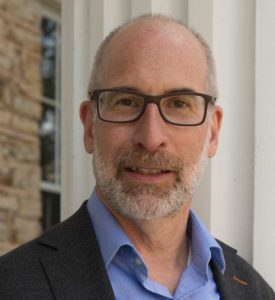 Peter Glick合作论文数VMware Women's Leadership Innovation Lab, Stanford University;Department of Psychology, Lawrence University4Marianne Cooper合作论文数3
 Ivana Vranjes合作论文数Department of Social Psychology, Tilburg University3
 Celia Moore合作论文数Management and Entrepreneurship, Imperial College Business School, Imperial College London3
 Cortina M. Lilia合作论文数Department of Psychology, University of Michigan3Craig R. Waldo合作论文数University of Illinois Urbana-Champaign3
 Eric Luis Uhlmann合作论文数Management and Human Resources Department, HEC Paris3
 M. Sandy Hershcovis合作论文数Haskayne School of Business, University of Calgary3
 Natalya M. Alonso合作论文数Org Behav & Human Resources PhD Program, Univ British Columbia2
 Mary Blair-Loy合作论文数Department of Sociology, Division of Social Sciences, University of California2
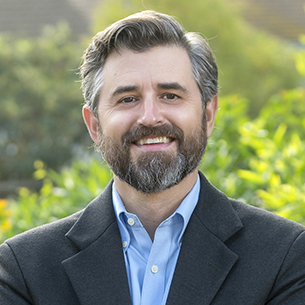 Cameron Anderson合作论文数Haas School of Business, University of California, Berkeley2
 Louise F. Fitzgerald合作论文数Department of Gender & Women's Studies, College of Liberal Arts & Sciences, University of Illinois at Urbana-Champaign2
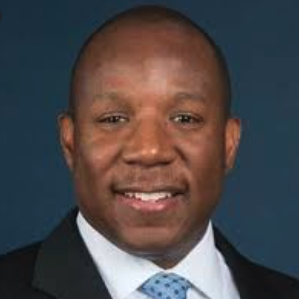 Robert Livingston合作论文数Harvard Kennedy School, Harvard University2Diana Jimeno-Ingrum合作论文数2Brennis Lucero-Wagoner合作论文数2Marie-Élène Roberge合作论文数2
 Margaret Stockdale合作论文数2Kellina M. Craig-Henderson合作论文数2
 Karl Aquino合作论文数Marketing & Behavioural Science Division, Sauder School of Business, The University of British Columbia2
 Jana L. Raver合作论文数Queens Sch Business, Queens Univ2Maurice Cranston合作论文数1David Brink合作论文数1stephen shute合作论文数1J. Driver合作论文数1Jonathan A. Rhoades合作论文数1Juan Botero合作论文数1sue h moon合作论文数1David Boonin合作论文数1Stephen M. Garcia合作论文数1RM Hare合作论文数1Nathan Dhaliwal合作论文数1Soojin Oh合作论文数1Je Mcgrath合作论文数1Jennifer B Olayon合作论文数1Lumumba Seegars合作论文数1Ben Bradley合作论文数1David A. Kenny合作论文数1
 Jasmien Khattab合作论文数1
 Shannon L. Rawski合作论文数Ivey Business School1Kathrina Robotham合作论文数1
 Yijue Liang合作论文数Sch Labor & Employment Relat, Univ Illinois1
 Sanaz Mobasseri合作论文数Corresponding author at: 595 Commonwealth Avenue, Boston, MA 02215, United States.1
 Catherine Midel Deen合作论文数Coll Business & Law, RMIT Univ1




