ABSTRACT Breeding systems influence population dynamics and genetic diversity, especially when a population is small or isolated. To examine population‐level drivers of multiple paternity, we combined long‐term demographic data and 1745 single‐nucleotide polymorphisms from a reintroduced population of eastern quolls (Dasyurus viverrinus). We also conducted a cross‐species comparison of multiple paternity occurrences within the Dasyuridae (including the eastern quoll) to look for taxonomic patterns. Pedigree reconstruction revealed high rates of multiple paternity, with 47%–85% of litters sired by more than one male (depending, respectively, on whether all litters or only those with > 1 offspring were assessed). Reconstructed litters contained up to three sires. Trait‐based generalised linear mixed modelling showed individual reproductive success was significantly correlated with higher bodyweight, lower age, and having a fawn, rather than black, colour morph. Across the Dasyuridae family, higher rates of multiple paternity were associated with shorter lifespans, but not sexual size dimorphism or greater intersex aggression. Our findings indicate that individual traits predict reproductive success in the eastern quoll, and that within a polyandrous taxonomic family, the likelihood of multiple paternity can depend on the evolutionary life history of the species (e.g., lifespan).
Context Urbanisation has driven native species declines and local extinctions, eroding ecological processes. However, urban areas with remnant native vegetation patches may offer opportunities for native wildlife rewilding.Aims We sought to identify potential urban rewilding candidates across a target landscape. We then examined their ecological traits to understand if those traits were shared by rewilding candidate species.Methods We developed and applied a decision framework to occurrence records of terrestrial, non-volant mammals and reptiles to identify two status groups: (1) extant; and (2) rewilding candidates. Data on four ecological traits (diet, size, habit, and habitat) were then analysed using multivariate statistics.Key results We identified 39 mammal and 47 reptile species historically present, with up to 62% of mammals and 93% of reptiles persisting since 2000. Eighteen species were categorised as locally missing, 11 of which are threatened. Two families (Canidae and Potoridae) were found to be locally extinct. Foraging habit (P-value = 0.047) and diet breadth (P-value = 0.024) were significantly different between our status groups.Conclusions Locally missing and/or declined species represent potential urban rewilding candidates with broadest geographic applicability in patchy urban contexts, and align with a rewilding goal to restore pre-disturbance assemblages. In an urban context, where the list of species lost might be high, additional factors require consideration to aid rewilding candidate prioritisation in resource constrained environments.Implications The decision framework efficiently pinpointed an initial suite of urban rewilding candidates. This framework can be applied by urban conservation managers. Trait analyses highlighted vulnerabilities critical to informing development of successful urban rewilding strategies.
Conservation genetics and genomics examines the role of evolutionary and genetic processes in the persistence of organisms, and its research is intended to inform biodiversity management. To characterize the fields within the discipline and map their trends over time and across the globe, we used text analysis to synthesize the peerreviewed literature (n = 36,159). We then searched for reference to this literature in government documents to determine the frequency with which research was referenced. We found dramatic shifts in research topics associated with the advent of next generation sequencing, including the emergence of environmental DNA analyses. However, we also found a lag in the uptake of these methods, leaving markers such as microsatellites still widely used. Most research was undertaken in higher-income countries, while research involving lower-income countries was typically conducted though collaboration with higher-income countries. Although the number of peer-reviewed publications in the field has increased rapidly, the number referenced in biodiversity management documents has not, instead plateauing at similar to 10 % of publications since 2010. This suggests a growing disconnect between genomic research and its application. Similar topics attracted both academic citations and mentions in "on-the-ground" documentation, although some of the topics with increasing prevalence in research, such as genomic technologies, appeared less frequently in practice. Promoting co-design and long-term collaboration, rather than post hoc translation of research to application, could provide a more direct pathway for integration between research and governments by ensuring that the research is embraced by, and relevant to, stakeholders and on the ground conservation actions.
Genetic diversity is the foundation of biodiversity, and preserving it is therefore fundamental to conservation practice. However, global conservation efforts face significant challenges integrating genetic and genomic approaches into applied management and policy. As collaborative partnerships are increasingly recognized as key components of successful conservation efforts, we explore their role and relevance in the Australian context, by engaging with key entities from across the conservation sector, including academia, botanic gardens, herbaria, seed banks, governmental/non-governmental organisations, private industry, museums, Traditional Owners, Indigenous rangers, and zoos and aquaria. By combining perspectives from these entities with comprehensive literature review, we identified five guiding principles for conservation genetic and genomic research and explored the different elements of, and approaches to, collaboration. Our reflections suggest that there is a substantial overlap in research interests across the Australian conservation sector, and our findings show that collaboration is increasing. We discuss approaches to building collaborative partnerships, the reciprocal benefits of collaborating, and some remaining challenges associated with data generation, data collection, and cross-cultural considerations. We emphasise the need for long-term national resourcing for sample and data storage and consistency in collecting, generating and reporting genetic data. While informed by the Australian experience, our goal is to support researchers and practitioners to foster meaningful collaborations that achieve measurable management outcomes in conservation genetics and genomics, both in Australia and globally.
Kenngoor ( Phascogale calura ) persist in < 1% of their original distribution, occupying highly fragmented remnant habitat in south-west Western Australia, with very little known of the genetic diversity of the remaining wild populations. Recently, the species has been translocated to managed reserves to improve its conservation. Understanding genetic structure and patterns of genetic diversity is crucial to inform conservation translocations for species recovery. This study aims to (1) assess genetic structure and genetic diversity across remaining wild locations, (2) assess long-term genetic outcomes of a mixed-source wild-to-wild translocation, and (3) estimate global effective population size. We genotyped 209 samples from 13 locations of fragmented remnant habitat using reduced representation sequencing. An isolation by distance model best explained genetic structure across the survey areas, with evidence of fine scale divergence of two northern locations. Allelic richness and autosomal heterozygosity measures indicated that diversity is spread uniformly across locations, and no locations showed signs of inbreeding or strong genetic drift. The mixed-source translocation has retained the diversity of the wider species ten years post-translocation. Overall, our results suggest that connectivity between survey areas has largely been maintained and that no location has substantially lower genetic diversity, despite the highly fragmented nature of remnant kenngoor habitat. Future translocations should aim to represent a mixture of genetically divergent locations to maintain the diversity present at the species level. Ongoing conservation management will be required to ensure the long-term viability of the species in this fragmented landscape.
A species is expected to be most resilient to environmental change when it occurs across a broad diversity of habitats. However, there is often no visual representation of the past (i.e. prehistoric and historical) context for a species in the range maps published by national and global authorities. Therefore, it is easy to overlook the fact that many species once occupied a broader geographic range, or greater diversity of habitats. Such oversights hinder the effective conservation of species that have become restricted to a subset of their formerly occupied habitats. Here, we quantified the shifted baseline that may underpin some of the ecological misconceptions about species, and developed a rapid assessment method to aid the identification and prioritisation of 'potential refugee species' (i.e. species that have become restricted to a subset of their formerly occupied niche). The assessment of potential refugee status is different from, but complementary to, the International Union for Conservation of Nature (IUCN) Red List and Green Status frameworks. Our framework defines a continuum of potential refugee status, which was demonstratable in continent-scale maps drawn from biogeographic regionalisation. Applying this framework to all native rodent species across the continent of Australia (a group that has suffered several extinctions and notable declines), we found that the risk of ecological misconceptions caused by shifted baselines (i.e. resulting from 'shifting baseline syndrome') was prevalent. This suggests that in many cases, translocation opportunities that might be avoided because they are perceived as conservation introductions (as defined by the IUCN translocation guidelines), may in fact fall within the indigenous range, and should therefore be considered reasonable reintroductions. Ultimately, our potential refugee assessment framework will help to facilitate the undertaking of ambitious translocations that will build species' resilience to environmental change by resuming their adaptation to habitats across all formerly occupied bioregions.
Molecular tools are increasingly applied for assessing and monitoring biodiversity and informing conservation action. While recent developments in genetic and genomic methods provide greater sensitivity in analysis and the capacity to address new questions, they are not equally available to all practitioners: There is considerable bias across institutions and countries in access to technologies, funding, and training. Consequently, in many cases, more accessible traditional genetic data (e.g., microsatellites) are still utilized for making conservation decisions. Conservation approaches need to be pragmatic by tackling clearly defined management questions and using the most appropriate methods available, while maximizing the use of limited resources. Here we present some key questions to consider when applying the molecular toolbox for accessible and actionable conservation management. Finally, we highlight a number of important steps to be addressed in a collaborative way, which can facilitate the broad integration of molecular data into conservation.
Captive breeding is often used to produce individuals for reintroduction programs in order to reestablish a species in an area where it has become locally extinct. To maximize the likelihood of establishing a self-sustaining population in the wild, an analysis of data from captive breeding programs is commonly undertaken to (1) increase the quantity of individuals and rate at which they can be released, and (2) maintain or improve the genetic and phenotypic quality of individuals. Here we demonstrate how the knowledge gained from these analyses can also be applied to decision-making during the design of subsequent reintroductions to further advance a reintroduction program toward success. We conducted an analysis of data from a captive breeding program for the threatened pookila (Pseudomys novaehollandiae, New Holland mouse) spanning 6 years. We found evidence for relationships between the reproductive output of pookila and behavioral, demographic, experiential, health, and physiological predictors. Based on a biological interpretation of these results, and with reference to a checklist of all known translocation tactics, we recommend 11 specific design elements to maximize the probability of pookila reproduction postrelease (thereby improving the likelihood of reintroduction success). These recommendations should be interpreted as hypotheses to be evaluated and refined in future reintroduction trials for the pookila. The uncertainty around the postrelease survival and reproduction of a species that is common in reintroduction practice warrants the creative use of existing data to inform adaptive management. Indeed, there is a wealth information in well-kept captive breeding records that is currently underused by reintroduction practitioners. The direct integration of knowledge derived from captive breeding (where available) with decision-making for reintroductions, as described here, will help navigate these uncertainties, which would benefit the conservation of both understudied and well-known species around the world.
Translocations are an important conservation tool that enable the restoration of species and their ecological functions. They are particularly important during the current environmental crisis. We used a combination of text-analysis tools to track the history and evolution of the peer-reviewed scientific literature on animal translocation science. We compared this corpus with research showcased in the IUCNs Global Conservation Translocation Perspectives, a curated collection of non-peer-reviewed reintroduction case studies. We show that the peer-reviewed literature, in its infancy, was dominated by charismatic species. It then grew in two classical threads: management of the species of concern and management of the environment of the species. The peer-reviewed literature exhibits a bias towards large charismatic mammals, and while these data are invaluable, expansion to under-represented groups such as insects and reptiles will be critical to combating biodiversity loss across taxonomic groups. These biases were similar in the Translocation Perspectives, but with some subtle differences. To ensure translocation science can address global issues, we need to overcome barriers that restrict this research to a limited number of countries.
Conservation translocations can restore populations and prevent extinction of threatened species. Sourcing adequate genetic diversity is an essential consideration when planning reintroductions, because it influences individual fitness and long-term persistence of populations, yet available populations of threatened species may lack diversity. We estimated population genetic parameters for one of Australia’s most threatened mammals, the northern bettong, Bettongia tropica , to select source populations for reintroduction. Individuals from sites across the species’ extant range in the Wet Tropics of north Queensland were genotyped, using 6,133 informative SNPs. We found that samples clustered into four populations: an isolated northern population at Mt Spurgeon and three connected southern populations in the Lamb Range. Most of the species’ genetic diversity was dispersed across the Lamb Range populations in approximately equal proportions. Populations showed an isolation-by-distance effect, even over short distances within continuous habitat. Admixture of populations was high at distances < 7 km but low at distances > 11 km, and there was asymmetrical gene flow between the two closest neighboring populations. All populations had small effective sizes and experienced drift, but connectivity appears to have mitigated drift and stabilized population sizes within the Lamb Range. The Mt Spurgeon population had a very small effective population size and low genetic diversity. We use our findings to weigh up the risks and benefits of mixing sources for reintroduction, and we recommend a mixed source approach. We do not currently recommend sourcing individuals from Mt Spurgeon and conservation efforts to preserve this population are urgently required.
Translocation programmes are increasingly being informed by genetic data to monitor and enhance conservation outcomes for both natural and established populations. These data provide a window into contemporary patterns of genetic diversity, structure and relatedness that can guide managers in how to best source animals for their translocation programmes. The inclusion of historical samples, where possible, strengthens monitoring by allowing assessment of changes in genetic diversity over time and by providing a benchmark for future improvements in diversity via management practices. Here, we used reduced representation sequencing (ddRADseq) data to report on the current genetic health of three remnant and seven translocated boodie (Bettongia lesueur) populations, now extinct on the Australian mainland. In addition, we used exon capture data from seven historical mainland specimens and a subset of contemporary samples to compare pre-decline and current diversity. Both data sets showed the significant impact of population founder source (whether multiple or single) on the genetic diversity of translocated populations. Populations founded by animals from multiple sources showed significantly higher genetic diversity than the natural remnant and single-source translocation populations, and we show that by mixing the most divergent populations, exon capture heterozygosity was restored to levels close to that observed in pre-decline mainland samples. Relatedness estimates were surprisingly low across all contemporary populations and there was limited evidence of inbreeding. Our results show that a strategy of genetic mixing has led to successful conservation outcomes for the species in terms of increasing genetic diversity and provides strong rationale for mixing as a management strategy.
In response to the ongoing decline of fauna worldwide, there has been growing interest in the rewilding of whole ecosystems outside of fenced sanctuaries or offshore islands. This interest will inevitably result in attempts to restore species where eliminating threats from predators and competitors is extremely challenging or impossible, or reintroductions of predators that will increase predation risk for extant prey (i.e., coexistence conservation). We propose ‘Mini Safe Havens’ (MSHs) as a potential tool for managing these threats. Mini Safe Havens are refuges that are permanently permeable to the focal species; allowing the emigration of individuals while maintaining gene flow through the boundary. Crucial to the effectiveness of the approach is the ongoing maintenance and monitoring required to preserve a low-to-zero risk of key threats within the MSH; facilitating in-situ learning and adaptation by focal species to these threats, at a rate and intensity of exposure determined by the animals themselves. We trialled the MSH approach for a pilot reintroduction of the Australian native New Holland mouse ( Pseudomys novaehollandiae ), in the context of a trophic rewilding project to address potential naïveté to a reintroduced native mammalian predator. We found that mice released into a MSH maintained their weight and continued to use the release site beyond 17 months (525 days) post-release. In contrast, individuals in temporary soft-release enclosures tended to lose weight and became undetectable approximately 1-month post-release. We discuss the broad applicability of MSHs for population recovery and reintroductions ‘beyond-the-fence’ and recommend avenues for further refinement of the approach.
Wildlife translocations to human-modified and inferred formerly occupied habitats can be controversial when they involve a high degree of perceived risk of failure, often stemming from a large number of unknowns or misconceptions regarding the focal species' ecology. However, it is increasingly recognised that such translocations are necessary to guide effective conservation strategies, particularly for species that persist in a subset of the habitats they formerly occupied. As a step towards alleviating some of the perceived risks around these translocations, we suggest the focal species' microhabitat use in the recipient locality of a trial translocation be compared with that where they still persist. Using a case study of a threatened Australian rodent, the pookila (Pseudomys novaehollandiae, New Holland mouse), we demonstrate how such an assessment can shed light on ecological misconceptions that may need to be addressed, and bring about the revision of species-specific recommendations for restoration works and release tactics. Feeding this knowledge back into the decision-making process, practitioners may more confidently direct future conservation activities (including further trial translocations) across a broader diversity of habitats within the species' indigenous range. Widespread and systematic implementation of this approach may help to reverse the impacts of shifting baseline syndrome, and should ultimately aid the resilience of species to future environmental change.
The application of genetic data to conservation management programs can be hindered by the mismatch in timelines for management decisions and the acquisition of genetic data, particularly genomic sequence data that may require outsourcing. While applying genetic principles where data are absent can provide general guidelines for actions, genetic data can often fine-tune actions through adaptive management. We describe the adaptive genetic management of the establishment of a metapopulation of a small arboreal marsupial, the red-tailed phascogale (Phascogale calura). Two captive breeding programs were established as source populations, with genetic principles applied to the establishment of the first program and empirical genetic data used to guide the establishment of the second program. Genetic data from both programs were then used to allocate founders to three new populations to create a metapopulation with diversity both within and among the sites. Building and maintaining the diversity of metapopulations when recovering threatened species will reduce pressure on the original source populations and increase the resilience of the species.
Reintroductions are powerful tools for tackling biodiversity loss, but the resulting populations can be intrinsically small and vulnerable. It is therefore critical to maximise the number of individuals that are available to contribute to recovery efforts. To address this, we investigated how demographic parameters from a reintroduced population can reveal threats to long-term persistence, inform thresholds for management interventions, and create targets for removing an endangered species from the IUCN Red List. We calculated capture-mark-recapture population estimates for eastern quolls ( Dasyurus viverrinus ) which had been reintroduced to a fenced reserve in the Australian Capital Territory. We then incorporated the resulting demographic parameters into population viability analyses (PVAs) to estimate probabilities of persistence under several scenarios, including supplementations and harvests (removal of individuals for translocation to other locations). After determining sustainable harvest rates, we then ‘back-cast’ the population size and occupancy area required to remove the species from the IUCN Red List within 10 years. Our demographic results indicated high mean apparent survival (90% ± 5), and PVAs revealed the probability of persistence over a 50-year time horizon was 50.5% with no interventions, 0% when the population was harvested of > 6 individuals, and 100% if harvests ≤ 54 juveniles were combined with an annual supplementation of ten maternal females (with ≤ 6 young each). Based on this model, a total harvest area of 413 km 2 and an occupancy area of 437 km 2 would be needed to recover the species within 10 years (i.e., 90 similar fenced reserves, not accounting for edge effects). Due to the inherent difficulty in securing large areas for species recovery, we see these ambitious targets as a call to create coordinated and collaborative sanctuary networks where species can be managed as a metapopulation across multiple sites. By taking advantage of a rapid life history and harvesting the ‘doomed surplus’, managers can achieve their stretch goals for species recovery in the long term.
Incorporating genetic data into conservation programmes improves management outcomes, but the impact of different sample grouping methods on genetic diversity analyses is poorly understood. To this end, the multi-source reintroduction of the eastern bettong Bettongia gaimardi was used as a long-term case study to investigate how sampling regimes may affect common genetic metrics and hence management decisions. The dataset comprised 5307 SNPs sequenced across 263 individuals. Samples included 45 founders from five genetically distinct Tasmanian source regions, and 218 of their descendants captured during annual monitoring at Mulligan's Flat Woodland Sanctuary (121 samples across eight generations) and Tidbinbilla Nature Reserve (97 samples across nine generations). The most management-informative sampling regime was found to be generational cohorts, providing detailed long-term trends in genetic diversity. When these generation-specific trends were not investigated, recent changes in population genetics were masked, and it became apparent that management recommendations would be less appropriate. The results also illuminated the importance of considering establishment and persistence as separate phases of a multi-source reintroduction. The establishment phase (useful for informing early adaptive management) should consist of no less than two generations and continue until admixture is achieved (admixture defined here as >80% of individuals possessing >60% of source genotypes, with no one source composing >70% of >20% individuals' genotype) is achieved. This ensures that the persistence phase analyses of population trends remain minimally biased. Based on this case study, we recommend that emphasis be given to the value of generationally specific analyses, and that conservation programmes collect DNA samples throughout the establishment and persistence phases and avoid collecting genetic samples only when the analysis is imminent. We also recommend that population genetic analyses for multi-source reintroductions consider whether admixture has been achieved when calculating descriptive genetic metrics.
Australia's arid shrublands have been impacted by a variety of threatening processes since European settlement, and changes to ecosystem structure and function have been observed at multiple levels. The lack of recruitment and regeneration of the perennial shrub and tree layer in these communities has implications for many shrubland birds, including species of conservation concern such as the Chestnut-rumped Thornbill (Acanthiza uropygialis: Acanthizidae). We documented foraging behaviour and habitat selection of the Chestnut-rumped Thornbill at the Arid Recovery Reserve in South Australia and surveyed vegetation characteristics within the Reserve and in an adjacent pastoral property. We found that Chestnut-rumped Thornbills preferentially use certain plant species: Callitris glaucophylla, Acacia aneura, Acacia ligulata and Acacia tetragonophylla, and that these species were significantly less abundant at our study sites outside the Reserve than inside. Major differences in the structure and composition of the vegetation inside and outside the Reserve suggest that changes in habitat structure and composition occurring in the broader landscape (outside the fenced area) decrease the suitability of arid shrubland habitat for the Chestnut-rumped Thornbill and may contribute to their absence in unprotected areas. Our study indicates that deterioration of the perennial shrub layer could have significant consequences for the persistence of the Chestnut-rumped Thornbill in arid rangelands. Our findings highlight the importance of rangeland management and restoration of Australia's arid shrublands in preventing declines of the Chestnut-rumped Thornbill and other insectivorous birds.
Summary The intentional movement of species outside their indigenous range – assisted colonisation – is an emerging tool in conservation. Here, we outline the process developed to identify and assess candidate sites for assisted colonisation of the critically endangered Northern Corroboree Frog ( Pseudophryne pengilleyi ), a range‐restricted species highly threatened by chytrid fungus. We first investigated the mechanisms associated with the persistence of Northern Corroboree Frog populations with chytrid fungus and then used a combination of desktop and field surveys to identify and assess sites based on habitat suitability, capacity to allow coexistence with chytrid fungus and hydrological properties. Candidate sites were further assessed by comparing environmental and climatic conditions to historical and persisting sites. Together, these methods allowed us to identify a site that appears to be highly suitable for the species. The process outlined here provides a template for assessing assisted colonisation sites for species where ongoing threats rule out recipient sites within their indigenous range.
Reintroduction biology is a key tool for mitigating the catastrophic reduction in species' ranges, caused by humans over the last 500 years. To assess where reintroduction biology scientific research is targeted, we used text-analysis methods to extract taxonomic and geographic mentions from animal reintroduction-focused articles published between 1990 and 2022 (n = 2061). We then related our results to the IUCN's Red List and countries' GDPs. We found most articles were targeted towards species of 'Least Concern', many of which are considered charismatic and/or restore important ecosystem functions. Countries with a higher GDP had a decreased relative proportion of research on imperilled species, with Australia and New Zealand being notable exceptions. The knowledge gained from long-term, well-funded charismatic species (e.g., wolves) has been an important contribution to reintroduction biology, providing vital knowledge that informs reintroductions of other, more threatened, species. In the context of attempting to continue to expand scientific knowledge to an increasing array of threatened species, it is important to acknowledge that some aspects of our knowledge base may be largely derived from a relatively small number of well-studied species. Research focused on reintroductions and restorations of functionally important, but less charismatic, species would be an important contribution to the reintroduction biology knowledge base.
 David Lindenmayer合作论文数Fenner School of Environment and Society, College of Systems and Society, Australian National University22
 Martin J. Westgate合作论文数Fenner Sch Environm & Soc, Australian Natl Univ11
 Evans Maldwyn J合作论文数Fenner School of Environment and Society, The Australian National University11
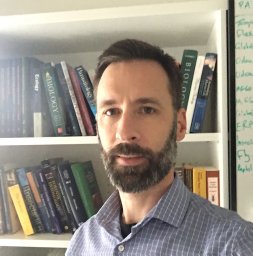 Philip S. Barton合作论文数Fenner Sch Environm & Soc, Australian Natl Univ11
 Iain Gordon合作论文数Lincoln University10
 Adrian D. Manning合作论文数Fenner School of Environment and Society;Australian National University;Fenner School of Environment and Society, Australian National University10
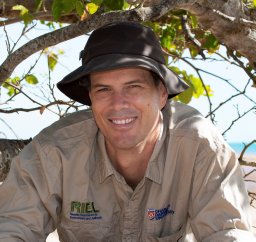 Sam Banks合作论文数Molecular Ecology Group for Marine Research;Department of Biological Sciences;Macquarie University;Molecular Ecology Group for Marine Research, Macquarie University8
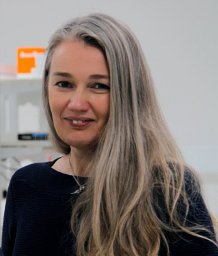 Linda E. Neaves合作论文数8
 Kiarrah J. Smith合作论文数7
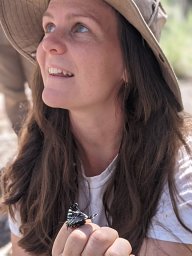 Brittany Brockett合作论文数Fenner Sch Environm & Soc, Australian Natl Univ7
 Ayesha Tulloch合作论文数School of Life and Environmental Sciences, Faculty of Science, The University of Sydney7
 Donna Belder合作论文数Sch Biol Sci, Univ Adelaide5
 Ikin Karen合作论文数The Fenner School of Environment and Society, The Australian National University5
 Paul Sunnucks合作论文数School of Biological Sciences, Monash University5
 Belinda Anne Wilson合作论文数Fenner School of Environment and Society, The Australian National University4
 Wade Blanchard合作论文数Fenner School of Environment and Society, College of Science, The Australian National University4
 Catherine Grueber合作论文数School of Life and Environmental Sciences, Faculty of Science, The University of Sydney4
 Andrew G. Young合作论文数CSIRO Plant Industry4
 Mason Crane合作论文数4
 Peter William Lane合作论文数Department of Statistics, IACR-Rothamsted4
 Nick Humphries合作论文数3Tim A. Andrewartha合作论文数3Jason G Bragg合作论文数3Shoshana Rapley合作论文数3
 Robyn E. Shaw合作论文数Dept Biodivers Conservat & Attract, Biodivers & Conservat Sci3
 Richard Beggs合作论文数3Jenny Newport合作论文数3
 David O'Brien合作论文数Royal Bot Garden Edinburgh3
 Catherine Ross合作论文数Fenner Sch Environm & Soc, Australian Natl Univ3Katherine Tuft合作论文数3
 Katherine Moseby合作论文数Centre for Ecosystem Science, School of Biological, Earth and Environmental Sciences, Faculty of Science, The University of New South Wales;The University of Adelaide;Arid Recovery3
 Steven R. Beissinger合作论文数Department of Environmental Science, Policy and Management, Rausser College of Natural Resources, University of California, Berkeley3
 Paul Hohenlohe合作论文数Department of Biological Sciences, College of Science, University of Idaho3
 Margaret E. Hunter合作论文数Wetland and Aquatic Research Center3
 Carolyn J Hogg合作论文数3
 Sean Hoban合作论文数The Morton Arboretum;University of Tennessee3
 Fred Allendorf合作论文数Division of Biological Sciences, University of Montana3
 Michael W. Bruford合作论文数Cardiff University3
 David J. Coates合作论文数Botany Department;University of Western;Botany Department, University of Western3
 Mark Eldridge合作论文数Australian Museum3
 Nathan H. Schumaker合作论文数US Environmental Protection Agency3
 Kym Ottewell合作论文数School of Earth and Environmental Sciences, University of Adelaide3
 J. G. B. Oostermeijer合作论文数Institute for Biodiversity and Ecosystem Dynamics, University of Amsterdam3
 Linda Laikre合作论文数Department of Zoology, Stockholm University3
 Gernot Segelbacher合作论文数University of Freiburg Department of Wildlife Ecology and Management3
 Anna J. MacDonald合作论文数3
 Rob Ogden合作论文数Tepnel Research Products and Services3
 Laura Bertola合作论文数Institute of Biology, University of Leiden3
 Cristiano Vernesi合作论文数3




