Natural disasters such as earthquakes and cyclones, along with pandemics like COVID-19, pose a grave and imminent threat to the well-being and rights of children. Case studies provide compelling evidence of shortcomings in anticipatory measures and mitigation efforts by governments, particularly in safeguarding and protecting children. These inadequacies result in long-lasting harm, further compounded by factors such as conflicts, insecurity, deep-seated social divisions within nation states, and rampant corruption. Regrettably, governments often find themselves ill-prepared, leaving children to bear the brunt of the consequences. What exacerbates this issue is that the scale of these disasters frequently overwhelms international capacities, financial resources, and even political will. It is crucial that immediate action is taken to uphold and advance child rights in both peacetime and during conflicts. This demands a profound shift in global consciousness, requiring the kind of grassroots activism that has been witnessed in efforts to combat nuclear war, the proliferation of landmines, and, most recently, the battle against climate change.
Efforts to reduce the gap between the research evidence base and humanitarian responses have focused on producing quality evidence and ensuring its use in decision-making. Yet, how evidence translates into field-level implementation is not well understood in humanitarian contexts. This study analysed how recommendations produced through academic research partnerships were implemented by the International Committee of the Red Cross (ICRC) in Lebanon and Myanmar. The methodology included: social network analysis to represent collective dynamics; document reviews to assess implementation; qualitative interviews to comprehend why actors engaged; and a critical appraisal of these combined results. The application of Extended Normalization Process Theory provided information on ‘anticipation of constraints’ (access to information, staff turnover, context specificity, and the need to engage as a cohesive group). Future research efforts should concentrate explicitly on identifying and tackling implementation barriers such as power imbalances and ethical dilemmas related to service delivery by humanitarian actors.
There is limited research soliciting the patient and staff perspectives on the overall effects of COVID-19 on the utilization and provision of primary care in Lebanon. The present study was part of a larger study on the overall effect of COVID-19 on both utilization and provision of essential health care services within the Lebanese primary health care network (PHCN). Here, we present the patient and staff perspectives on continuity of service provision, adherence to infection prevention and control measures, and the role of the PHCN in epidemic preparedness and response. We conducted a cross-sectional survey between June and July 2021 among patients who had received a health care service in 2019 or 2020 from registered primary healthcare centers (PHCs) in the network and among the respective PHC staff working during the same period. A total of 763 patients and 198 staff completed the surveys. Services were reported as interrupted by 15% of the total patients who used services either in 2020 only or in both 2019 and 2020. Access to chronic (67%) and acute medications (40%) were reported as the main interrupted services. Immunization also emerged as a foregone service in 2020. Among the staff, one third (33%) reported interruptions in the provision of services. Financial barriers rather than fear of COVID-19 were reported as main reasons for interruption. Both groups considered that the facilities implemented adequate infection prevention and control measures. They perceived that the PHCN maintained some essential healthcare services and that it should have played a bigger role in the response to the pandemic. There was a continuity in utilization and provision of services in the PHCN that was higher than expected, with non-communicable diseases and immunizations suffering more than other services.
Abstract Hurricanes, also referred to as tropical cyclones or typhoons, are powerful storms that originate over warm ocean waters. Throughout history, these storms have had lasting impacts on societies around the world. High winds, rain, storm surges, and floods affect lives, land, and livelihoods and have a variety of effects on human health. The direct health impacts of hurricanes include drowning due to flooding and trauma resulting from storm surges, blown debris, and structural collapse. Systems for detection, forecasting, early warning, and communications can give populations time to make preparations before hurricane landfall. Evacuation, shelter use, and other preparedness efforts have reduced mortality from hurricanes in many parts of Asia and the Americas. Engineered defenses such as sea walls, flood barriers, and raised structures provide added protection in some settings. While effective in the medium term, such approaches are costly and require dedicated resources, and therefore they have not been implemented in many at-risk sites around the world. Indirect health impacts of hurricanes arise from damage to housing, electricity, water, and transportation infrastructure, and from effects on social supports, economies, and healthcare systems. Indirect health impacts can include infectious diseases, carbon monoxide poisoning, trauma sustained during cleanup, mental health effects, exacerbations of chronic disease, and increases in all-cause mortality. Indirect and long-term health consequences are poorly understood because dedicated study of specific impacts has occurred in only a handful of settings, and, given the diverse array of societies and geographies affected by hurricanes, it is unclear how generalizable the results of these studies may be. Policy makers face three interlinked challenges in protecting human health from hurricanes. First, climate change is leading to increased hazards in many locations by altering hurricane dynamics and contributing to sea-level rise. Second, patterns of intensifying coastal settlement and development are expected to increase population exposure. Third, unequal patterns of exposure and impact on specific populations will continue to raise issues of climate and environmental injustice. Situationally appropriate strategies to protect health from future storms will vary widely, as they must both address the locally relevant manifestations of hurricane hazards and adapt to the cultural and economic context of the affected population. In some areas, inexorable ocean encroachment may lead to consideration of managed retreat from high-risk coastlines; in others, the presence of very large coastal urban populations that cannot feasibly evacuate may lead to design and use of vertical shelters for temporary protection during storms. New ideas and programs are urgently needed in many settings to address hazards associated with extreme rainfall, rising seas on floodplains and low-lying islands, landslide risk in areas undergoing rapid deforestation, and structurally unsound housing in some urban settings. Policies to reduce greenhouse gas emissions will help reduce long-term risk from hurricanes and sea-level rise. Without concrete actions to address both hurricane hazards and population vulnerabiliy, the 21st century may be marked by increasingly dangerous hurricanes affecting growing coastal populations that will be left with few viable options for seeking safety.
AbstractPostdisaster daily stressors, the economic and social challenges caused or exacerbated by disasters, have significant consequences for mental health but are rarely investigated in child and adolescent populations. We assessed posttraumatic stress symptoms (PTSS), depression, and anxiety among adolescents affected by disasters in China and Nepal and examined the specific contributions of disaster‐related trauma exposure and daily stressors across mental health outcomes. A school‐based, cross‐sectional study was conducted with a stratified random sampling design. Adolescents living in disaster‐affected areas of southern China and Nepal (N = 4,215, 52.7% female, age range: 15–19 years) completed translated, validated measures. Mixed effects logistic regression analyses were conducted using a priori risk factors. PTSS were reported by 22.7% of participants and were higher among Nepali adolescents but did not differ between genders. Depressive symptoms were reported by 45.2% of the sample and were higher among Nepali adolescents and girls in both countries. Across all settings, disaster‐related trauma exposure was a significant risk factor for PTSS, depressive, and anxiety symptoms, China: odds ratios (ORs) = 1.44–2.06, Nepal, ORs = 1.21–2.53. High levels of household and interpersonal daily stressors further improved the models and contributed significantly to all mental health difficulties, China: ORs = 1.77–1.98, Nepal: ORs = 1.49–1.90. Postdisaster economic insecurity and interpersonal stressors are thus, likely to worsen adolescent mental health outcomes. Programs that identify and address structural inequalities for adolescents in disaster‐affected settings will have cascading effects for mental health.
Russia's War in Ukraine Appropriately, Russia's war of aggression in Ukraine has prompted a massive humanitarian response - but the assault has intensified and time is running out.
COMMENTARY Int J Public Health, 21 January 2022 https://doi.org/10.3389/ijph.2021.1604240
The patterns of long-term psychological response after disasters and pandemics remain unclear. We aimed to determine the trajectories for post-traumatic stress symptoms (PTSS), depression and anxiety prevalence following disasters and pandemic exposure; and identify associated risk and protective factors. A systematic review of the English, Chinese, and Japanese longitudinal mental health literature was conducted. We searched Cochrane, MEDLINE, ProQuest, PsycINFO, PubMed, Web of Science, and CINAHL (English), CNKI and SINOMED (Chinese) and CiNii (Japanese) for studies published between January 2000 and May 2022. Following a pre-specified protocol (PROSPERO: CRD42020206424), conditional linear growth curve models and ANOVA analyses were conducted. The search identified 77,891 papers, with a final sample of 234: 206 English, 24 Chinese, and 4 Japanese-language papers. PTSS rates improved for all ages (p = .018, eta2 = 0.035). In contrast, depression and anxiety prevalence remained elevated for years following exposure (p = .424, eta2 = 0.019 and p = .051, eta2 = 0.064, respectively), with significantly higher rates for children and adolescents (p < .005, eta2 > 0.056). Earthquakes and pandemics were associated with higher prevalence of PTSS (p < .019, eta2 > 0.019). Multi-level risk and protective factors were identified. The chronicity of mental health outcomes highlights a critical need for tailored, sustainable mental health services, particularly for children and adolescents, in disaster- and pandemic-affected settings.
In this commentary we propose four questions to be addressed while building a meaningful public primary healthcare response in Lebanon today. These questions emerge from two imperatives: the necessity to consider both short- and longer-term struggles in a context of protracted conflict and the need to protect public health as a public good whilst the public Primary Healthcare Network (PHCN) is facing the Covid19 pandemic. In order to identify how these questions are related to the need to be working short and long, we look at the imprints left by past and present shocks. Profound shocks of the past include the Lebanese civil war and the Syrian refugee crisis. We analyse how these shocks have resulted in the PHCN developing resilience mechanisms in order to ensure a space for healthcare provision that stands public in Lebanon today. Then, we consider how two present shocks - the economic breakdown and the blast of ammonium nitrate in Beirut port - are affecting and threatening the progress made by the PHCN to ensure that primary healthcare remains a public good, a fragile space acquired with difficulty in the past half century. We identify what questions emerge from the combined consequences of such traumas, when the immediate constraints of the present meet the impediments of the past. We consider what such questions mean more broadly, for the people living in Lebanon today, and for the PHCN ability to respond to the Covid 19 pandemic in a relevant way. Our hypothesis is that in a protracted conflict, such as the one defining the circumstances of Lebanon now, public access to primary healthcare might persist for the people as one safeguard, in which social and moral continuity can be anchored to protect a sense of public good.
This chapter discusses the historically entrenched practice of minority scapegoating during epidemics, exemplified by the return of anti-Roma racism as a result of the COVID-19 pandemic. It begins by explaining the legacy of discrimination, bias, rejection, and exclusion experienced by the Romani people on which the present-day racism is built. It then addresses a need to acknowledge these challenges, arguing that a failure to promptly attend to them will increase the risk of atrocities, violence, and hate crimes against the Roma. This chapter concludes with a plea to governments and intergovernmental organizations to craft anti-racist, humane, and protective measures in response to the pandemic, which recognize and address the legacy of structural inequalities and cater to the racialized vulnerability they have generated.
The Lancet Palestinian Health Alliance (LPHA), established in 2009, following the Lancet Series on health and health care in the occupied Palestinian territory, is an informal network of Palestinian, regional, and international colleagues researching the health of Palestinians. Ten annual scientific conferences have been held, with 748 research presentations involving more than 1000 coauthors. The LPHA has no representative or political purpose and prefers to speak only via the evidence presented in research studies. In the current COVID-19 vaccination crisis, however, we, the Steering Group of the LPHA, feel obliged to speak out. Primary prevention of COVID-19 is crucial in all countries, but especially in the occupied Palestinian territory, including the West Bank and Gaza Strip, with its limited ability to cope with a surge of clinical cases. The Gaza Strip in particular has been under intensified blockade by Israel since 2007, resulting in shortages in medical supplies and clinical capacity. Israel has denied its status and role as an occupier of the West Bank and the attendant responsibilities for the health of the occupied population, as laid down in the Geneva Convention and highlighted by the UN and 18 human rights organisations.1UN Human Rights CouncilIsrael/OPT: UN experts call on Israel to ensure equal access to COVID-19 vaccines for Palestinians.https://reliefweb.int/report/occupied-palestinian-territory/israelopt-un-experts-call-israel-ensure-equal-access-covid-19Date: Jan 14, 2021Date accessed: January 25, 2021Google Scholar, 2Human Rights WatchJoint statement on Israel's obligation vis-a-vis West Bank and Gaza in face of coronavirus pandemic.https://www.hrw.org/news/2020/04/07/joint-statement-israels-obligation-vis-vis-west-bank-and-gaza-face-coronavirusDate: April 7, 2020Date accessed: January 25, 2021Google Scholar This denial is grossly at odds with facts on the ground, including: the limited control of the Palestinian Authority, involving only 38% of the West Bank, with the other 62% under Israeli military control; the building of 125 settlements on Palestinian land and about 100 outposts, with their associated infrastructure, including separate roads to Israel; the demolition of Palestinian buildings and destruction of agricultural land; the discriminatory nature of water management, favouring settlement communities and undermining Palestinian communities; and the impunity of settler violence. These are the hallmarks of an occupying presence, with implications for the health-care system and the health, livelihoods, and prospects of Palestinians. Israel is complicit in the increased vulnerability of the Palestinian population to COVID-19. Israel has not only a legal but a moral responsibility to secure the urgent availability of approved vaccines. We call on physicians and other health professionals to raise their voices and put pressure on the Israeli Government to provide vaccines to Palestinians, including Palestine refugees on the West Bank and Gaza Strip. The views expressed in this Correspondence are those of the authors and do not necessarily reflect the position of their institutions. The authors are members of the Steering Group of LPHA and committed to supporting the development of research on the health and health care of Palestinians. GW is a Trustee of the UK charity Medical Aid for Palestinians. A COVID-19 jab in the right directionWhile we believe that Israel should indeed offer the Palestinian Authority supplies of vaccine,1 the calumny by the Lancet Palestinian Health Alliance (LPHA)2 in The Lancet takes the cake. First, under international law and according to the Oslo Accords, Israel is actually under no legal obligation to offer medical aid to the Palestinian Authority, which is the statutory body responsible for the health of Palestinians. Certainly, not any more than the UK owes Ireland. The last time we checked, vaccine doses were not being flown over the Irish Sea. Full-Text PDF
On the tenth anniversary of the onset of the Syrian conflict, we—members of The Lancet–American University of Beirut Commission on Syria—recognise the devastating impacts of this unresolved conflict, which we will detail in a forthcoming report of this Commission, and call on all parties to end the ongoing suffering of the people of Syria. The conflict in Syria has caused one of the largest humanitarian crises since World War 2, with extensive deaths, displacement, and destruction along with multidimensional health effects. More than 585 000 people have died in this conflict.1Syria Observatory for Human RightsSyrian Revolution nine years on: 586 100 persons killed and millions of Syrians displaced and injured.https://www.syriahr.com/en/157193/Date: March 15, 2020Date accessed: March 11, 2021Google Scholar Child life expectancy in Syria has dropped by a shocking 13 years.2World Vision InternationalFrontiers EconomicsToo high a price to pay: the cost of conflict for Syria's children.https://www.wvi.org/emergencies/syria-crisis-response/syria10/cost-conflict-syrias-childrenDate: March 4, 2021Date accessed: March 10, 2021Google Scholar More than half of Syria's pre-conflict population remains displaced, including 6·2 million internally displaced persons (IDPs)3UNHCRSyria: internally displaced people.https://www.unhcr.org/sy/internally-displaced-peopleDate accessed: March 11, 2021Google Scholar and 6·7 million refugees,4Todd Z By the numbers: Syrian refugees around the world. PBS Frontline.https://www.pbs.org/wgbh/frontline/article/numbers-syrian-refugees-around-world/Date: Nov 19, 2019Date accessed: March 11, 2021Google Scholar both the highest numbers for any country. There is widespread destruction within Syria; by 2017 in three Syrian cities alone, over 1·2 million housing units were damaged and more than 400 000 were destroyed.5World Bank GroupSyria damage assessment of selected cities: Aleppo, Hama, Idlib. Phase III March 2017. World Bank Group, Washington, DC2017http://documents1.worldbank.org/curated/en/530541512657033401/pdf/121943-WP-P161647-PUBLIC-Syria-Damage-Assessment.pdfDate accessed: March 11, 2021Google Scholar This extensive damage is largely due to heavy use of explosive weapons, particularly in urban settings, resulting in high contamination with explosive remnants of war.6Carter CenterUsing conflict data to help demining efforts in Syria.https://www.cartercenter.org/news/features/p/conflict_resolution/using-conflict-data-for-demining-in-syria.htmlDate: Aug 31, 2020Date accessed: March 11, 2021Google Scholar Conflict actors have committed violations of international law on "an epic scale";7Amnesty International UKSyria: "flagrant war crimes" being committed in Eastern Ghouta.https://www.amnesty.org.uk/press-releases/syria-flagrant-war-crimes-being-committed-eastern-ghoutaDate: Feb 21, 2018Date accessed: March 10, 2021Google Scholar UN Secretary-General António Guterres said on March 10, 2021, Syria's "people have endured some of the greatest crimes the world has witnessed this century".8UN NewsTen years on, Syrian crisis "remains a living nightmare": UN Secretary-General.https://news.un.org/en/story/2021/03/1086872Date: March 10, 2021Date accessed: March 11, 2021Google Scholar The health sector is not spared. Weaponisation of health care, including attacks on health-care facilities and targeting of health-care workers, has been a defining feature of this conflict.9Fouad FM Sparrow A Tarakji A et al.Health workers and the weaponisation of health care in Syria.Lancet. 2017; 390: 2516-2526Summary Full Text Full Text PDF PubMed Scopus (110) Google Scholar, 10International Rescue CommitteeA decade of destruction: attacks on health care in Syria.https://www.rescue.org/sites/default/files/document/5648/adecadeofdestructionattacksonhealthcareinsyria.pdfDate: March 2, 2021Date accessed: March 10, 2021Google Scholar A new timeline of attacks on health-care facilities against conflict events from Physicians for Human Rights (PHR) shows how such attacks have been used as a war strategy.11Physicians for Human RightsA 10-year timeline of attacks on health care in Syria.https://phr.org/our-work/resources/syria-ten-years/Date: March 11, 2021Date accessed: March 11, 2021Google Scholar Half of the 113 public hospitals and more than half of the 1790 public health centres in Syria are either partly functioning or not functioning at all as of November, 2020.12WHOWHO Syria. Summary of key indicators.https://applications.emro.who.int/docs/SYR/EMRLIBSYR266E-eng.pdfDate: November 2020Date accessed: March 11, 2021Google Scholar Residents fear accessing or living near health facilities because of attacks.10International Rescue CommitteeA decade of destruction: attacks on health care in Syria.https://www.rescue.org/sites/default/files/document/5648/adecadeofdestructionattacksonhealthcareinsyria.pdfDate: March 2, 2021Date accessed: March 10, 2021Google Scholar PHR has documented the killing of 923 health workers in Syria since 2011 and systematic detention and torture of health workers who had provided aid to protesters.13Physicians for Human Rights"My only crime was that I was a doctor". How the Syrian Government targets health workers for arrest, detention, and torture.https://phr.org/our-work/resources/my-only-crime-was-that-i-was-a-doctor/Date: December, 2019Date accessed: March 10, 2021Google Scholar Research by Annsar Shahhoud based on interviews with health workers involved in torturing opposition activists in hospitals suggests the scale and systematic nature of atrocities committed under Syrian Government direction, which she describes as "medical genocide".14Shahhoud A Medical genocide: mass violence and the health sector in the Syrian conflict (2011–2019). Master's thesis in Holocaust and Genocide Studies. University of Amsterdam, Amsterdam2020Google Scholar Syria largely faded from international headlines after the March 6, 2020, ceasefire between Russia and Turkey that ended a pro-government offensive in the northwest of Syria and reduced hostilities. However, the conflict and violence against civilians continue, with the country still a "living nightmare".8UN NewsTen years on, Syrian crisis "remains a living nightmare": UN Secretary-General.https://news.un.org/en/story/2021/03/1086872Date: March 10, 2021Date accessed: March 11, 2021Google Scholar In the northwest around Idlib, the conflict still smoulders against millions of trapped civilians. The Syrian Network for Human Rights' (SNHR) statistics for 2020 tell the picture: 1882 arbitrary arrests and 1734 violent civilian deaths including 326 children and 157 torture deaths.15Syrian Network for Human RightsStatistics of 2020.https://sn4hr.org/blog/category/charts/statistics-of-2020/Date: Jan 1, 2021Date accessed: March 10, 2021Google Scholar A UN Syrian Commission of Inquiry issued a damning report in September, 2020, accusing all conflict parties, domestic and foreign, of human rights violations.16UN Commission of Inquiry on SyriaNo clean hands—behind the frontlines and the headlines, armed actors continue to subject civilians to horrific and increasingly targeted abuse.https://www.ohchr.org/EN/HRBodies/HRC/Pages/NewsDetail.aspx?NewsID=26237&LangID=EDate: Sept 15, 2020Date accessed: March 10, 2021Google Scholar Arrests and forced disappearances, affecting more than 149 000 people since the conflict began in 2011,17Syrian Network for Human RightsStatistics of 2020: record of arbitrary arrests.https://sn4hr.org/blog/2021/01/01/arbitrary-arrests-2020/Date accessed: March 10, 2021Google Scholar represent a crime by the state and other conflict parties and continue to agonise countless Syrian families, yet receive little attention in political and global health discussions on Syria. The lives of most Syrians now are filled with hardship. IDPs and refugees live in deplorable conditions, harder than they have been at any time in the past decade. In Syria and refugee-hosting neighbouring countries, more than 23 million people need humanitarian assistance.18Norwegian Refugee CouncilThe darkest decade: what displaced Syrians face if the world continues to fail them.https://www.nrc.no/globalassets/pdf/reports/2021-darkest-decade/darkest-decade/the-darkest-decade.pdfDate: March, 2021Date accessed: March 10, 2021Google Scholar The vast majority of Syrian refugees live below the poverty line. Many refugees and IDPs are unable to return home because of fear of insecurity, reprisal, arrest, torture, or military draft, among other concerns, compounded by the Syrian Government's threats to identity and property.19Center for Operational Analysis and ResearchNew civil status law raises concerns over identity cards and HLP rights. Syria update vol. 4, no. 10.https://coar-global.org/wp-content/uploads/2021/03/Syria-Update-8-March-2021.pdfDate: March 8, 2021Date accessed: March 10, 2021Google Scholar In Syria, economic collapse, caused by various factors including war, government policies, financial woes in Lebanon, and US and EU economic sanctions,20Hubbard B Saad H Having won Syria's war, al-Assad Is mired in economic woes.The New York Times. Feb 23, 2021; Google Scholar has led to chronic shortages of essentials such as bread and fuel, widespread poverty, hyperinflation, and loss of livelihoods. The UN World Food Programme reports that 12·4 million people across Syria are food insecure.21World Food ProgrammeWFP Syria country brief.https://www.wfp.org/countries/syrian-arab-republicDate: January, 2021Date accessed: March 10, 2021Google Scholar The health needs in Syria after 10 years of conflict are vast, ranking third after food and protection needs.22UN Office for Coordination of Humanitarian AffairsSyrian Arab Republic 2021 needs and response summary.https://reliefweb.int/sites/reliefweb.int/files/resources/som_summary_2021.pdfDate: February, 2021Date accessed: March 10, 2021Google Scholar There are major women, child, and adolescent health challenges but inadequate interventions.23Akik C Semaan A Shaker-Berbari L Jamaluddine Z et al.Responding to health needs of women, children and adolescents within Syria during conflict: intervention coverage, challenges and adaptations.Confl Health. 2020; 14: 37Crossref PubMed Scopus (12) Google Scholar Coverage for required child immunisations has dropped considerably during the conflict years.24WHOSyrian Arab Republic: WHO and UNICEF estimates of immunization coverage: 2018 revision.https://www.who.int/immunization/monitoring_surveillance/data/syr.pdfDate: 2019Date accessed: March 11, 2021Google Scholar War-related injury prevalence is unknown, but much of the 30% disability prevalence in Syria—double the global average—is probably attributable to war injuries.25Humanitarian Needs Assessment Programme (HNAP) I SyriaSpring 2020 report series disability overview.https://www.humanitarianresponse.info/sites/www.humanitarianresponse.info/files/assessments/syria_disability_overview_-_hnap_spring_2020_report_series-1_final.pdfDate: 2020Date accessed: March 11, 2021Google Scholar This is a serious challenge in a country with limited rehabilitation services. The health system is fragmented into subnational disconnected systems in areas under control of different conflict actors and cannot meet the complex health needs of the population. Ratios of health-care workers and functional primary health-care centres are below emergency standards in 135 subdistricts, home to 12·2 million people.22UN Office for Coordination of Humanitarian AffairsSyrian Arab Republic 2021 needs and response summary.https://reliefweb.int/sites/reliefweb.int/files/resources/som_summary_2021.pdfDate: February, 2021Date accessed: March 10, 2021Google Scholar In areas reconciled with or recaptured by the Syrian Government after 2018, there is insufficient active rebuilding of the health system and widespread health inequalities.26Physicians for Human RightsObstruction and denial: health system disparities and COVID-19 in Daraa, Syria.https://phr.org/wp-content/uploads/2020/12/PHR_Obstruction-and-Denial_Health-System-Disparities-and-COVID-19-in-Daraa-Syria_Dec-2020.pdfDate: December, 2020Date accessed: March 10, 2021Google Scholar In northwest Syria, extremist groups infringe on health rights and medical practice.27Syrians for Truth and JusticeHTS stormed the free Hama Health Directorate and arrested doctors.https://stj-sy.org/en/1104/Date: Dec 19, 2018Date accessed: March 10, 2021Google Scholar Unsurprisingly, COVID-19 is reportedly rampant, but low testing capacity, the Syrian Government's securitisation of information flow about the number of COVID-19 cases and deaths, stigma around the virus, and reduced access to health care mean that reported cases are likely to represent only a small fraction of all cases.28Khattab A "It's like Judgment Day": Syrians recount horror of an underreported COVID-19 outbreak.Newlines Magazine. Oct 11, 2020; https://newlinesmag.com/reportage/its-like-judgment-day-syrians-recount-horror-of-an-underreported-covid-19-outbreak/Date accessed: March 10, 2021Google Scholar There is a limited supply of COVID-19 vaccines in Syria through a reported Syria–Russia–Israel prisoner exchange deal and via the COVAX mechanism.29ReutersSyria says it has received COVID-19 vaccinations from "friendly country".https://www.reuters.com/article/us-health-coronavirus-syria-vaccine-idUSKBN2AP1LADate: Feb 25, 2021Date accessed: March 11, 2021Google Scholar, 30Al-Khalidi S WHO preparing to deliver vaccines across Syria from April despite conflict.https://www.reuters.com/article/us-health-coronvirus-vaccine-syria/who-preparing-to-deliver-vaccines-across-syria-from-april-despite-conflict-idINKBN2A32V7Date: Feb 4, 2021Date accessed: March 11, 2021Google Scholar There are massive political, policy, and humanitarian shortcomings in the international response to a decade of conflict in Syria. UN Security Council failings have been admonished. Syria has received a large share of humanitarian funding over the years, but the UN Syria Humanitarian Response Plan 2020 was only 58% funded31OCHA ServicesSyria Humanitarian Response Plan 2020. Response plan/appeal snapshot for 2020.https://fts.unocha.org/appeals/924/summaryDate accessed: March 11, 2021Google Scholar and there have been concerns about aid diversion in previous years.32Human Rights WatchRigging the system: government policies co-opt aid and reconstruction funding in Syria.https://www.hrw.org/sites/default/files/report_pdf/syria0619_web4.pdfDate: June 28, 2019Date accessed: March 10, 2021Google Scholar Despite these shortcomings, three developments are encouraging. First is the emergence of local and diasporic leadership, with international support, of the humanitarian response, offering lessons for combining local innovation and remote management of humanitarian programming.33Duclos D Ekzayez A Ghaddar F et al.Localisation and cross-border assistance to deliver humanitarian health services in North-West Syria: a qualitative inquiry for The Lancet–AUB Commission on Syria.Confl Health. 2019; (published online May 27.)https://doi.org/10.1186/s13031-019-0207-zCrossref PubMed Scopus (17) Google Scholar Second is the adoption of new measures regarding attacks on health care, such as the 2016 UN Security Council Resolution 2286 on protection of the wounded and sick, medical personnel, and humanitarian personnel in armed conflict, WHO's new Surveillance System of Attacks on Healthcare, and remote methods-based investigations of perpetrators of attacks.34Hill E Triebert C 12 hours. 4 Syrian hospitals bombed. One culprit: Russia.The New York Times. Oct 13, 2019; Google Scholar Although these measures have not prevented health-care attacks in Syria, they have created the framework to better protect health care in future conflicts. Third, there are some initiatives towards justice and accountability after years of impunity. Frustrated with the impasses at the UN Security Council, the UN General Assembly established the International, Impartial and Independent Mechanism to investigate and prosecute the most serious crimes under international law committed in Syria since March, 2011. European courts are prosecuting alleged perpetrators of atrocities on the basis of universal jurisdiction. A German court in Koblenz heard shocking testimonies from survivors of torture in Syria and convicted a former Syrian security agent of crimes against humanity, a landmark conviction on these grounds.35DW NewsGerman court hands down historic Syrian torture verdict.https://www.dw.com/en/german-court-hands-down-historic-syrian-torture-verdict/a-56670243Date: Feb 24, 2021Date accessed: March 10, 2021Google Scholar Also in Germany, a doctor from Syria was arrested in 2020 in relation to allegations of torture of a man who was detained by the Syrian Government after an anti-government protest.36Schuetze CF Hubbard B Syrian doctor accused of torture is arrested in Germany.The New York Times. June 22, 2020; Google Scholar While these developments are encouraging, the dire health and humanitarian situation in Syria calls for urgent actions. Paramount to us and to global health advocates is renewing the commitment to the people of Syria, confronting so-called Syria fatigue among politicians, donors, and stakeholders, urging a more robust global health response, and applying pressure on our respective governments and the UN to bring about policy change on Syria. There are extensive health challenges in Syria and we focus on four key actions to address some of them. First, health-care workers in Syria need to be safeguarded. Even in the face of health-worker shortages and the COVID-19 pandemic, more than 3360 health workers in Syria remain in detention or forcibly disappeared, with the majority of arrests by the Syrian Government.37Syrian Network for Human RightsAt least 3,364 health care personnel still arrested/forcibly disappeared, 98% by the Syrian Regime.https://sn4hr.org/wp-content/pdf/english/At_Least_3364_Health_Care_Personnel_Still_Arrested_Forcibly_Disappeared_en.pdfDate: Feb 27, 2021Date accessed: March 10, 2021Google Scholar The Syrian Government should release these health personnel immediately, as well as all political detainees, and all conflict parties should stop violations against health care. Second, the Syrian Government, the UN Security Council, and all conflict parties should ensure humanitarian access in Syria. Syria is among four countries where humanitarian access is severely constrained.38ACAPSCrisisInSightHumanitarian access overview.https://www.acaps.org/sites/acaps/files/products/files/20201214_acaps_humanitarian_access_overview_december_2020_0.pdfDate: December, 2020Date accessed: March 10, 2021Google Scholar In July, 2020, humanitarian delivery was reduced to one crossing in northwest Syria. By the end of 2021, the UN cross-border humanitarian delivery to non-government-controlled areas might stop, further jeopardising population health. Third, the international community should help mount a strong response to COVID-19 by providing personal protective equipment to health workers, developing health personnel capacity and infrastructure, including oxygen, providing COVID-19 vaccines, and supporting local health solutions,39MedGlobalResponding to the COVID-19 crisis in Syria: a five part approach through "Operation Breathe".https://medglobal.org/wp-content/uploads/2021/03/Operation-Breathe-PDF-Report.pdfDate: March 5, 2021Date accessed: March 10, 2021Google Scholar building on existing WHO support. COVID-19-specific measures need also to be complemented by broader public health measures so that the response is comprehensive and sustainable.40Center for Operational Analysis and ResearchSyrian public health after COVID-19: entry points and lessons learned from the pandemic response.https://coar-global.org/syrian-public-health-after-covid-19/Date: March, 2021Date accessed: March 11, 2021Google Scholar Fourth, the ripple health and humanitarian effects of economic sanctions on the civilian Syrian population must be addressed. These measures are first steps towards helping to ease the suffering of the people of Syria. We are all members of The Lancet–American University of Beirut Commission on Syria. We declare no other competing interests.
Background: Nepal's April 2015 earthquakes were among the largest and deadliest in the country's history, affecting eight million people. Globally, women and girls are disproportionately exposed to risk during and in the aftermath of disaster. This study sought to examine the unique security and health risks for women and girls in post-earthquake Nepal. Method: Thirty-five adolescents (ages 13-19; 48.6% female) and 27 adults (ages 23-58; 55.6% female) from three disaster-affected areas of Nepal (Bhaktapur, Kathmandu, and Lalitpur) took part in the study in January and February of 2016. Data were collected through twenty semi-structured key informant interviews and five focus group discussions, recorded in Nepali and translated into English for analysis. Data were analysed using Thematic Content Analysis. Results: Multiple health and security risks for women and girls emerged following the earthquakes. A key theme was the risk of violence (including domestic and sexual violence) and trafficking in this population. Concerns were also raised regarding physical health and sanitation risks unique to girls and women, including a lack of appropriate resources and private facilities. Finally, the disproportionate impact of disaster on women's livelihoods emerged as a significant theme in the data. Conclusions: Despite great progress toward gender equity in Nepal in recent decades, pre-existing risk factors and embedded gender beliefs intersected with novel disaster-induced stressors to produce a range of health and security risks for women and girls. Incorporation of existing frameworks for gender-mainstreaming in disaster preparedness and response efforts is thus crucial to improve inclusivity in risk reduction.
The private sector, which is estimated to vaccinate 45% of all children in Lebanon, has until now enjoyed a special arrangement with the government and pharmaceutical companies, whereby they would impose a 200% markup on vaccine costs for patients seeking vaccinations from their offices.
Adolescents are disproportionately represented in nations vulnerable to humanitarian crises. The mental health effects of exposure to trauma are significant, but evidence concerning the experience of disaster-affected adolescents in Asia is limited. The current study aimed to investigate expressions of psychological distress and behavioral effects of exposure to natural disasters among adolescents in China and Nepal. Key informant interviews and focus group discussions were conducted with adolescents, caregivers, teachers and experts in disaster-affected districts of Yunnan Province, China (n = 79), and Kathmandu Valley, Nepal (n = 62). Open coding and thematic content analysis were employed to examine themes within the data. Indicators of distress were categorized in four domains that reflected expressions of anxiety and stress, mood difficulties, somatic complaints, and behavioral changes for adolescent disaster survivors. Differential reports of psychological concerns by gender were evident in Nepal but not China. Post-traumatic growth and strengthened connections between adolescents and their families were described in both settings. The findings complement similar reports from disaster-affected populations globally that have highlighted cross-cultural elements manifest in adolescents’ descriptions of distress. Sustainable mental health services that are sensitive to adolescents’ experiences of trauma and their unique capabilities will be a necessary component of long-term rehabilitation following disasters.
Purpose of Review In this article, we examine the intersection of human migration and climate change. Growing evidence that changing environmental and climate conditions are triggers for displacement, whether voluntary or forced, adds a powerful argument for profound anticipatory engagement. Recent Findings Climate change is expected to displace vast populations from rural to urban areas, and when life in the urban centers becomes untenable, many will continue their onward migration elsewhere (Wennersten and Robbins 2017 ; Rigaud et al. 2018 ). It is now accepted that the changing climate will be a threat multiplier, will exacerbate the need or decision to migrate, and will disproportionately affect large already vulnerable sections of humanity. Worst-case scenario models that assume business-as-usual approaches to climate change predict that nearly one-third of the global population will live in extremely hot (uninhabitable) climates, currently found in less than 1% of the earth’s surface mainly in the Sahara. Summary We find that the post–World War II regime designed to receive European migrants has failed to address population movement in the latter half of the twentieth century fueled by economic want, globalization, opening (and then closing) borders, civil strife, and war. Key stakeholders are in favor of using existing instruments to support a series of local, regional, and international arrangements to protect environmental migrants, most of whom will not cross international borders. The proposal for a dedicated UN agency and a new Convention has largely come from academia and NGOs. Migration is now recognized not only as a consequence of instability but as an adaptation strategy to the changing climate. Migration must be anticipated as a certainty, and thereby planned for and supported.
In humanitarian contexts, it is a difficult and multi-faceted task to enlist academics, humanitarian actors and health authorities in a collaborative research effort. The lack of research in such settings has been widely described in the past decade, but few have analysed the challenges in building strong and balanced research partnerships. The major issues include considering operational priorities, ethical imperatives and power differentials. This paper analyses in two steps a collaborative empirical endeavour to assess health service utilization by Syrian refugee and Lebanese women undertaken by the International Committee of the Red Cross (ICRC), the Lebanese Ministry of Public Health (MoPH) and the Harvard François-Xavier Bagnoud (FXB) Center. First, based on challenges documented in the literature, we shed light on how we negotiated appropriate research questions, methodologies, bias analyses, resource availability, population specificities, security, logistics, funding, ethical issues and organizational cultures throughout the partnership. Second, we describe how the negotiations required each partner to go outside their comfort zones. For the academics, the drivers to engage included the intellectual value of the collaboration, the readiness of the operational partners to conduct an empirical investigation and the possibility that such work might lead to a better understanding in public health terms of how the response met population needs. For actors responding to the humanitarian crisis (the ICRC and the MOPH), participating in a technical collaboration permitted methodological issues to be worked through in the context of deliberations within the wider epistemic community. We find that when they collaborate, academics, humanitarian actors and health authorities deploy their respective complementarities to build a more comprehensive approach. Barriers such as the lack of uptake of research results or weak links to the existing literature were overcome by giving space to define research questions and develop a longer-term collaboration involving individual and institutional learning. There is the need ahead of time to create balanced decision-making mechanisms, allow for relative financial autonomy, and define organizational responsibilities. Ultimately, mutual respect, trust and the recognition of each other's expertise formed the basis of an initiative that served to better understand populations affected by conflict and meet their needs.
Addressing the psychological mechanisms and structural inequalities that underpin mental health issues is critical to recovery following disasters and pandemics. The Asia Pacific Disaster Mental Health Network was established in June 2020 in response to the current disaster climate and to foster advancements in disaster-oriented mental health research, practice and policy across the region. Supported by the World Health Organization (WHO) Thematic Platform for Health Emergency and Disaster Risk Management (Health EDRM), the network brings together leading disaster psychiatry, psychology and public health experts. Our aim is to advance policy, research and targeted translation of the evidence so that communities are better informed in preparation and response to disasters, pandemics and mass trauma. The first meetings of the network resulted in the development of a regional disaster mental health agenda focused on the current context, with five priority areas: (1) Strengthening community engagement and the integration of diverse perspectives in planning, implementing and evaluating mental health and psychosocial response in disasters; (2) Supporting and assessing the capacity of mental health systems to respond to disasters; (3) Optimising emerging technologies in mental healthcare; (4) Understanding and responding appropriately to addressing the mental health impacts of climate change; (5) Prioritising mental health and psychosocial support for high-risk groups. Consideration of these priority areas in future research, practice and policy will support nuanced and effective psychosocial initiatives for disaster-affected populations within the Asia Pacific region.
 Balsari Satchit合作论文数François-Xavier Bagnoud Center for Health and Human Rights, Harvard University;Weill Cornell Medical College, Cornell University;Harvard University, Cornell University15
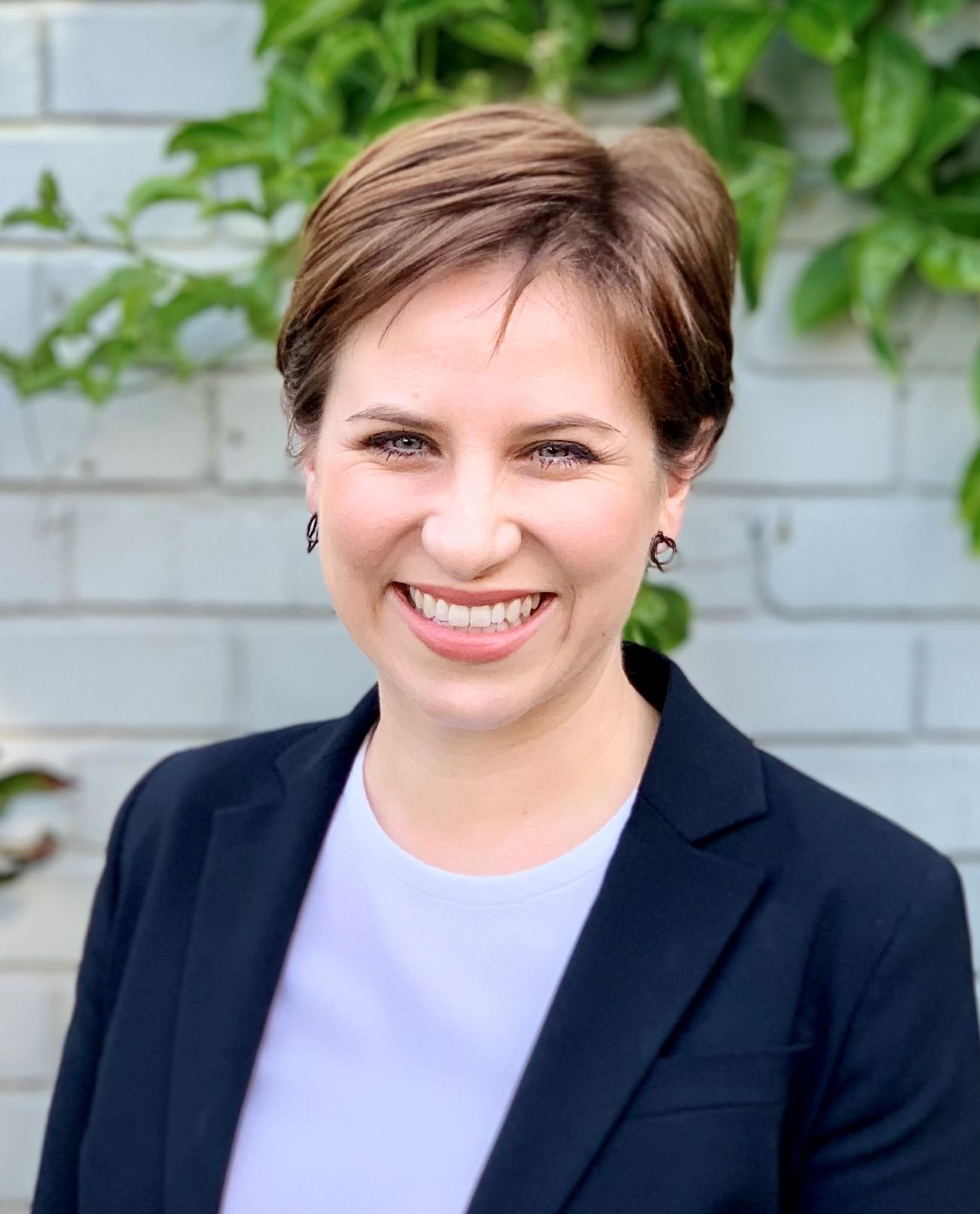 Elizabeth Newnham合作论文数Curtin School of Population Health, Faculty of Health Sciences, Curtin University10
 Bhushan Guragain合作论文数8
 Arlan Fuller合作论文数5
 Enrica Leresche合作论文数5Xue Gao合作论文数5Feng Jiao (焦锋)合作论文数5Hamadeh Randa合作论文数5
 Emily Ying Yang Chan (陳英凝)合作论文数The Jockey Club School of Public Health and Primary Care, The Chinese University of Hong Kong;Faculty of Medicine, Chinese University of Hong Kong5Jessica Tearne合作论文数4Claudia Truppa合作论文数4Lajina Ghimire合作论文数4Carla Zmeter合作论文数3
 Samer Jabbour合作论文数3
 Enrique Mergelsberg合作论文数EnBerg Analyt3Iman Nuwayhid合作论文数3
 Rex Lam合作论文数School of Clinical Medicine, The University of Hong Kong3
 Lisa Gibbs合作论文数Centre for Health Equity, Melbourne School of Population and Global Health, Faculty of Medicine, Dentistry and Health Sciences, The University of Melbourne3
 Ayesha S. Mahmud合作论文数Department of Demography, University of California, Berkeley3
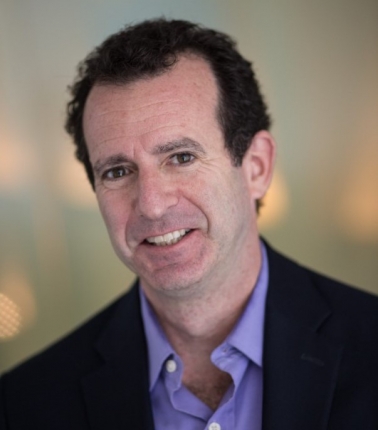 Paul B. Spiegel合作论文数Department of International Health, Bloomberg School of Public Health, Johns Hopkins University;Department of Epidemiology, Bloomberg School of Public Health, Johns Hopkins University3Greenough P Gregg合作论文数3
 Hammoud Rawan合作论文数Department of Health Management and Policy, American University of Beirut3Dzidic Peta L合作论文数3
 Michael VanRooyen合作论文数Harvard T.H. Chan School of Public Health, Harvard University3
 Bartels Susan合作论文数3
 Alicia Ely Yamin合作论文数Harvard Law School, Harvard University3
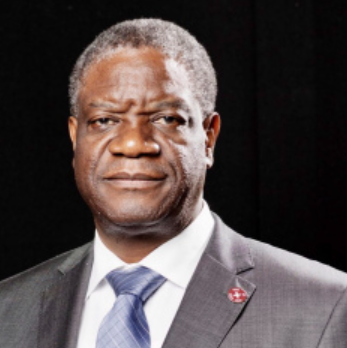 Denis Mukwege (德尼·穆奎格)合作论文数潘奇医院3
 Rita Giacaman合作论文数Institute of Community and Public Health;Birzeit University;Institute of Community and Public Health, Birzeit University3Aaron Heerboth合作论文数2Ling-Pong Leung合作论文数2Hilda L Harb合作论文数2Tanvir Shatil合作论文数2
 Kaylie Patrick合作论文数Department of Psychiatry, Massachusetts General Hospital2Rabie Nasser合作论文数2
 Yanyu Chen合作论文数Sch Psychol Sci, Univ Western Australia2Ola Kdouh合作论文数Lebanese Minist Publ Hlth2
 Caleb Dresser合作论文数2Annie Sparrow合作论文数2Ahmad Tarakji合作论文数2
 Abhishek Bhatia合作论文数University of North Carolina at Chapel Hill2
 Robert I Lipton合作论文数2
 Hani Mowafi合作论文数Council on African Studies, Yale Macmillan Center, Yale University2Zurayk Huda合作论文数2
 Karl Blanchet合作论文数International Centre for Eye Health, London School of Hygiene and Tropical Medicine2
 Kazi Dhruv S合作论文数Richard A & Susan F Smith Ctr Outcomes Res Cardio, Beth Israel Deaconess Med Ctr2Waldman Ronald合作论文数2
 Fouad Fouad M合作论文数Faculty of Health Sciences, American University of Beirut2Abisaab Josyann合作论文数2
 Debarati Guha-Sapir合作论文数Institute of Health and Society, Université Catholique de Louvain;Centre for Research on the Epidemiology of Disasters, Université Catholique de Louvain2




