Current human immunodeficiency virus-1 (HIV-1) vaccines elicit strain-specific neutralizing antibodies. However, cross-reactive neutralizing antibodies arise in approximately 20% of HIV-1-infected individuals, and details of their generation could provide a blueprint for effective vaccination. Here we report the isolation, evolution and structure of a broadly neutralizing antibody from an African donor followed from the time of infection. The mature antibody, CH103, neutralized approximately 55% of HIV-1 isolates, and its co-crystal structure with the HIV-1 envelope protein gp120 revealed a new loop-based mechanism of CD4-binding-site recognition. Virus and antibody gene sequencing revealed concomitant virus evolution and antibody maturation. Notably, the unmutated common ancestor of the CH103 lineage avidly bound the transmitted/founder HIV-1 envelope glycoprotein, and evolution of antibody neutralization breadth was preceded by extensive viral diversification in and near the CH103 epitope. These data determine the viral and antibody evolution leading to induction of a lineage of HIV-1 broadly neutralizing antibodies, and provide insights into strategies to elicit similar antibodies by vaccination.
Microbial sequencing of samples obtained from multiple skin sites in healthy human adults shows that core-body and arm sites are dominated by fungal species of the genus Malassezia, whereas foot sites show high fungal diversity, and that skin topography is associated with differential compositions of bacterial and fungal communities. As well as protecting against invasion by pathogens, our skin plays host to a varied population of microbes, some of which have important roles in human health and disease. The bacterial component of these communities is by now fairly well known, but our knowledge of the fungal members of the skin microbiota remains limited. Here Julia Segre and colleagues construct a map of the fungal species diversity at 14 different skin sites from 10 healthy adults, and compare this with the bacterial flora. They find that fungal richness varies across the body, and that bacterial and fungal communities are shaped by different factors. One finding with particular relevance to disease is that microbial communities around the feet that are commonly affected by fungal disease, such as athlete's foot, tend to be unstable. This instability may provide opportunities for harmful microbes to flourish. This finding highlights the need to develop new treatment strategies that specifically target microbial imbalances. Traditional culture-based methods have incompletely defined the microbial landscape of common recalcitrant human fungal skin diseases, including athlete’s foot and toenail infections. Skin protects humans from invasion by pathogenic microorganisms and provides a home for diverse commensal microbiota1. Bacterial genomic sequence data have generated novel hypotheses about species and community structures underlying human disorders2,3,4. However, microbial diversity is not limited to bacteria; microorganisms such as fungi also have major roles in microbial community stability, human health and disease5. Genomic methodologies to identify fungal species and communities have been limited compared with those that are available for bacteria6. Fungal evolution can be reconstructed with phylogenetic markers, including ribosomal RNA gene regions and other highly conserved genes7. Here we sequenced and analysed fungal communities of 14 skin sites in 10 healthy adults. Eleven core-body and arm sites were dominated by fungi of the genus Malassezia, with only species-level classifications revealing fungal-community composition differences between sites. By contrast, three foot sites—plantar heel, toenail and toe web—showed high fungal diversity. Concurrent analysis of bacterial and fungal communities demonstrated that physiologic attributes and topography of skin differentially shape these two microbial communities. These results provide a framework for future investigation of the contribution of interactions between pathogenic and commensal fungal and bacterial communities to the maintainenace of human health and to disease pathogenesis.
Background: While Staphylococcus epidermidis is commonly isolated from healthy human skin, it is also the most frequent cause of nosocomial infections on indwelling medical devices. Despite its importance, few genome sequences existed and the most frequent hospital-associated lineage, ST2, had not been fully sequenced.Results: We cultivated 71 commensal S. epidermidis isolates from 15 skin sites and compared them with 28 nosocomial isolates from venous catheters and blood cultures. We produced 21 commensal and 9 nosocomial draft genomes, and annotated and compared their gene content, phylogenetic relatedness and biochemical functions. The commensal strains had an open pan-genome with 80% core genes and 20% variable genes. The variable genome was characterized by an overabundance of transposable elements, transcription factors and transporters. Biochemical diversity, as assayed by antibiotic resistance and in vitro biofilm formation, demonstrated the varied phenotypic consequences of this genomic diversity. The nosocomial isolates exhibited both large-scale rearrangements and single-nucleotide variation. We showed that S. epidermidis genomes separate into two phylogenetic groups, one consisting only of commensals. The formate dehydrogenase gene, present only in commensals, is a discriminatory marker between the two groups.Conclusions: Commensal skin S. epidermidis have an open pan-genome and show considerable diversity between isolates, even when derived from a single individual or body site. For ST2, the most common nosocomial lineage, we detect variation between three independent isolates sequenced. Finally, phylogenetic analyses revealed a previously unrecognized group of S. epidermidis strains characterized by reduced virulence and formate dehydrogenase, which we propose as a clinical molecular marker.
 Sean Conlan合作论文数2Morgan Park合作论文数2
 Julie Segre合作论文数National Human Genome Research Institute, National Institutes of Health2
 Heidi H. Kong合作论文数National Institute of Arthritis and Musculoskeletal and Skin Diseases, National Institutes of Health2Sheri Chen合作论文数1Pamela J Thomas合作论文数1M.G. Joyce合作论文数1Lilia A Mijares合作论文数1Nisc Comparative Sequencing Program合作论文数1Effie Y. H. Nomicos合作论文数1Patrick R. Murray合作论文数1Robert W Blakesley合作论文数1Clayton Deming合作论文数1Keisha Findley合作论文数1Jennifer Meyer合作论文数1Anqi Zheng合作论文数Chinese Acad Sci, Inst Microbiol, CAS Key Lab Pathogen Microbiol & Immunol, Beijing, Peoples R China1Baoshan Zhang合作论文数Vaccine Research Center, NIH1
 Kevin J Wiehe合作论文数Department of Medicine, School of Medicine, Duke University School of Medicine1
 S. Munir Alam合作论文数Department of Medicine, Duke University School of Medicine;Duke Human Vaccine Institute, Duke University School of Medicine1
 Garnett H. Kelsoe合作论文数Duke Human Vaccine Institute, School of Medicine, Duke University1
 Brian L. Schmidt合作论文数Department of Oral and Maxillofacial Surgery, College of Dentistry, New York University;Department of Neuroscience and Physiology, Grossman School of Medicine, New York University1
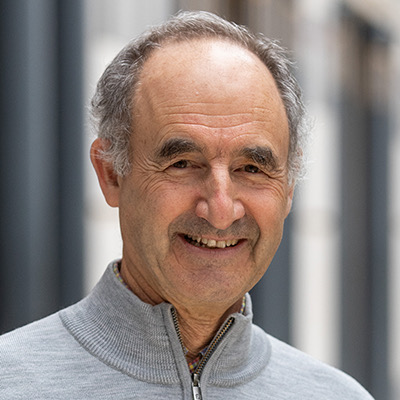 Larry Zipursky合作论文数School of Medicine, University of California;Howard Hughes Medical Institute1Rebecca Lynch合作论文数School of Life Course Sciences, Faculty of Life Sciences & Medicine, King’s College London1
 Feng Gao (高峰)合作论文数School of Medicine, Jinan University1
 Gerry Bouffard合作论文数1Brooks Shelise Y合作论文数1Jiang Zhu合作论文数Vaccine Research Center,;Department of Immunology and Microbial Science and IAVI Neutralizing Antibody Center, The Scripps Research Institute;Department of Immunology and Microbial Science and IAVI Neutralizing Antibody Center, The Scripps Research Institute1
 Peter D. Kwong合作论文数Department of Biochemistryand Molecular Biophysics, Columbia University1Lloyd Krissey E合作论文数1Kelly A. Soderberg合作论文数1
 Sanjay Srivatsan合作论文数National Institute of Allergy and Infectious Diseases, National Institutes of Health1Stephanie Moquin合作论文数1
 Beatrice H. Hahn合作论文数Department of Medicine, Perelman School of Medicine, University of Pennsylvania1
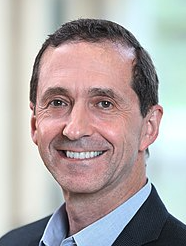 John mascola合作论文数ModeX Therapeutics1
 Thomas B. Kepler合作论文数Department of Microbiology, Chobanian & Avedisian School of Medicine, Boston University1
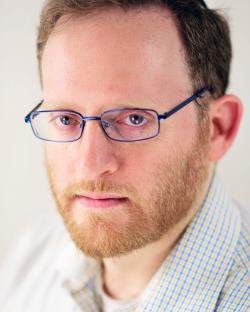 Chaim A. Schramm合作论文数Vaccine Research Center, National Institute of Allergy and Infectious Diseases, National Institutes of Health1Tran Lillian合作论文数1
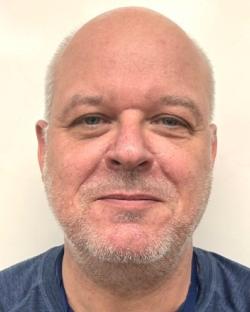 Michael Otto合作论文数Laboratory of Bacteriology, National Institute of Allergy and Infectious Diseases, National Institutes of Health;Laboratory of Human Bacterial Pathogenesis, National Institute of Allergy and Infectious Diseases, National Institutes of Health1Yang Guang合作论文数1Oh Julia合作论文数1
 Zhenhai Zhang (张镇海)合作论文数School of Basic Medical Sciences, Southern Medical University1holly coleman合作论文数1Yang Joy Y合作论文数Genetics and Molecular Biology Branch, National Human Genome Research Institute1
 Myron Cohen合作论文数Department of Epidemiology, Gillings School of Global Public Health, The University of North Carolina1
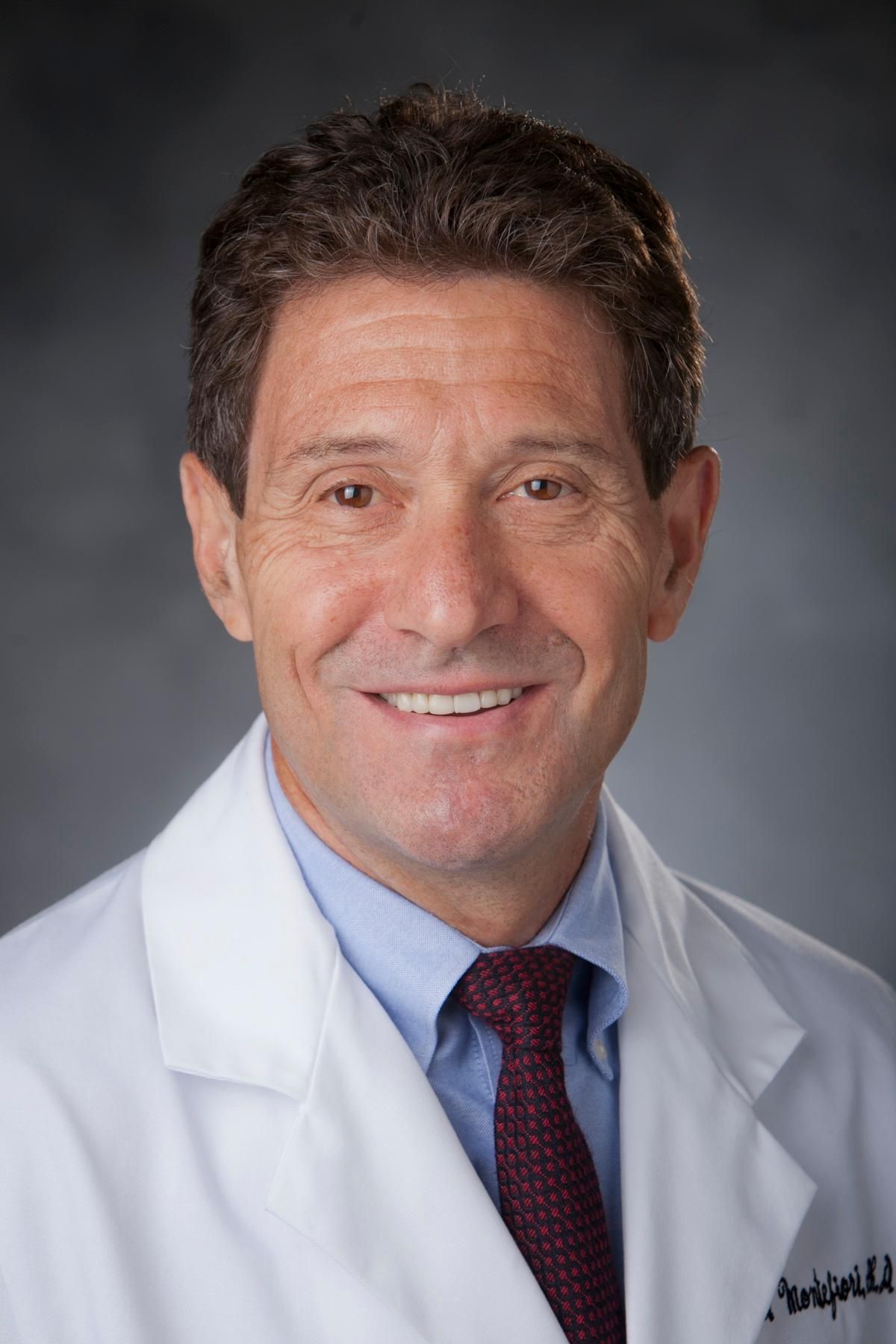 David Charles Montefiori合作论文数Laboratory for HIV and COVID-19 Vaccine Research and Development, Department of Surgery, Division of Surgical Sciences, Duke University School of Medicine;Duke Human Vaccine Institute, Duke University1Yue Chen合作论文数1
 Barton Ford Haynes合作论文数Department of Medicine, Duke Human Vaccine Institute1
 George M. Shaw合作论文数Department of Medicine, Perelman School of Medicine, University of Pennsylvania;PENN Center for AIDS Research, Perelman School of Medicine, University of Pennsylvania1Gift Kamanga合作论文数1




