Colocalization analysis of multicolor microscopy images is a cornerstone approach in cell biology. It provides information on the localization of molecules within subcellular compartments and allows the interrogation of known molecular interactions in their cellular context. However, almost all colocalization analyses are designed for two-color images, limiting the type of information that they reveal. Here, we describe an approach, termed "conditional colocalization analysis," for analyzing the colocalization relationships between three molecular entities in three-color microscopy images. Going beyond the question of whether colocalization is present or not, it addresses the question of whether the colocalization between two entities is influenced, positively or negatively, by their colocalization with a third entity. We benchmark the approach and showcase its application to investigate receptor-downstream adaptor colocalization relationships in the context of functionally relevant plasma membrane locations. The software for conditional colocalization analysis is available at https://github.com/kjaqaman/conditionalColoc.
The epidermal growth factor receptor (EGFR) is a central regulator of cell physiology. EGFR is activated by ligand binding, triggering receptor dimerization, activation of kinase activity, and intracellular signaling. EGFR is transiently confined within various plasma membrane nanodomains, yet how this may contribute to regulation of EGFR ligand binding is poorly understood. To resolve how EGFR nanoscale compartmentalization gates ligand binding, we developed single-particle tracking methods to track the mobility of ligand-bound and total EGFR, in combination with modeling of EGFR ligand binding. In comparison to unliganded EGFR, ligand-bound EGFR is more confined and distinctly regulated by clathrin and tetraspanin nanodomains. Ligand binding to unliganded EGFR occurs preferentially in tetraspanin nanodomains, and disruption of tetraspanin nanodomains impairs EGFR ligand binding and alters the conformation of the receptor’s ectodomain. We thus reveal a mechanism by which EGFR confinement within tetraspanin nanodomains regulates receptor signaling at the level of ligand binding.
The dynamic organization of cell surface receptors plays an important role in signaling. Here we investigated the spatiotemporal organization of VEGF receptor-2 (VEGFR-2), a critical pro-angiogenic receptor tyrosine kinase in live, microvascular endothelial cells. Our study strategy combined live-cell single-molecule imaging of endogenous VEGFR-2 with computational image analysis and multiscale data analysis. We found that VEGFR-2, even in its basal, unstimulated state, possesses diffusion heterogeneity, with a mobile subpopulation and a subpopulation of restricted mobility, and assembly state heterogeneity, where receptors can be organized as monomeric or non-monomeric.
Background/Aims: The mitochondrial permeability transition pore opening plays a critical role in the pathogenesis of myocardial infarction. Inhibition of cyclophilin-D (CyP-D), a key regulator of the mitochondrial permeability transition pore, has been shown to exert cardioprotective effects against ischemia-reperfusion injury on various animal models, mostly in males. However, failure of recent clinical trials requires a detailed elucidation of the cardioprotective efficacy of CyP-D inhibition. The aim of this study was to examine whether cardioprotective effects of sanglifehrin A, a potent inhibitor of CyP-D, on post-infarcted hearts depends on reperfusion. Methods: Acute or chronic myocardial infarction was induced by coronary artery ligation with/without subsequent reperfusion for 2 and 28 days in female Sprague-Dawley rats. Cardiac function was estimated by echocardiography. Oxygen consumption rates, ROS production, permeability transition pore opening, protein carbonylation and respiratory supercomplexes were analyzed in isolated cardiac mitochondria. Results: Sanglifehrin A significantly improved cardiac function of reperfused hearts at 2 days but failed to protect after 28 days. No protection was observed in non-reperfused post-infarcted hearts. The respiratory control index of mitochondria was significantly reduced in reperfused infarcted hearts at 2-days with no effect at 28-days post-infarction on reperfused and non-reperfused hearts. Likewise, only a minor increase in reactive oxygen species production was observed at 2-days in non-reperfused post-infarcted hearts. Conclusion: This study demonstrates that CyP-D inhibition exerts cardioprotective effects in reperfused but not in non-reperfused infarcted hearts of female rats, and the effects are observed only during acute post-infarction injury.
BackgroundExcessive reactive oxygen species (ROS) production and mitochondrial permeability transition pore (mPTP) formation due to mitochondrial dysfunction is one of the hallmarks of heart failure. The mPTP plays a critical role in pathogenesis of myocardial infarction (MI)/ischemia‐reperfusion (IR). Cyclopilin D (CypD) activation leads to mPTP formation thereby stimulating excessive ROS production and subsequent protein oxidation. Inhibition of CypD has been linked to cardioprotection through inhibition of mPTP formation and therefore mitochondrial dysfunction. However, failure of recent CIRCUS clinical trials indicates the necessity to further study the efficacy of CypD inhibition during MI/IR injury.HypothesisInhibition of CypD by sanglifehrin A (SfA) protects the heart from reperfused but not non‐reperfused MI by preserving mitochondrial and cardiac function.MethodsMI was performed in female rats (200–250 g) by coronary artery ligation (CAL) for 30 min followed by 2‐ and 28‐ day post‐surgery with or without reperfusion. The animals were divided in the following groups: i) Sham (S, no MI); ii) Sham+SfA (SS); iii) MI (I, no reperfusion); iv) I+SfA (IS); v) MI+reperfusion (IR); and vi) IR+SfA (IRS). SfA (5 mg/kg, IV) was administered 25 min after the start of sham surgery or MI. Cardiac and left ventricular mitochondrial functions were analyzed at 2‐ and 28‐days post‐surgery.ResultsSfA significantly improved ejection fraction (EF%) after 2 (28±2 vs. 53±3) and 28 (35±3 vs. 44±2) days in reperfused hearts. SfA administration to permanent occluded hearts has no effect on EF% at 2 (36±4 vs. 40±4) and 28 (32±3 vs. 40±4) days. Left ventricular respiratory control index (RCI) was significantly reduced (7.5±0.5 vs. 5.6±0.3) in animals subjected to IR when compared to controls after 2 days but not after 28 days. Formation of the mPTP was the same in all groups at 2 and 28 days. An increase in ROS production was observed in permanent occluded hearts (10.0±0.8 vs 7.3±0.6) after the addition of 1 mM calcium, and SfA significantly reduced protein oxidation in reperfused hearts (16.2±1.4 vs 21.8±2.1) at 2 days. SfA significantly reduced ROS production, at 1 mM calcium, in all groups at 28 days although no differences were detected in protein oxidation levels. A 14% increase in respirasome content was observed in IR hearts at 2 days and a 13% in permanent occluded hearts at 28 days. Menstrual cycle affected post‐ischemic recovery, where cycles with high estrogen levels positively correlated (r2=0.48) with an increase in EF% in reperfused MI hearts.ConclusionCypD inhibition has cardioprotective effects in reperfused infarcted hearts but it has no beneficial effects in hearts with non‐reperfused MI. Hearts of female rats presumably develop compensatory mechanisms post‐MI that preserve mitochondrial function in response to oxidative stress.Support or Funding InformationSupported by the American Physiological Society Porter Physiology Development Fellowship and the National Institutes of Health (Grants SC1HL118669, SC1GM128210)This abstract is from the Experimental Biology 2018 Meeting. There is no full text article associated with this abstract published in The FASEB Journal.
BackgroundCardiovascular diseases are the leading cause of mortality and morbidity worldwide and coronary heart diseases, particularly myocardial infarction (MI) is the most common heart disease. Cardiac mitochondria play a major role in cell functioning, intracellular Ca2+ regulation, ATP production, and cell death. During MI, the reduction or loss of blood flow induces mitochondrial dysfunction and initiates cell death. Particularly, mitochondria‐mediated cell death during MI is mediated by opening of the mitochondrial permeability transition pores (PTP) in the inner mitochondrial membrane. mPTP opening accompanied by matrix swelling causes ROS production, loss of the membrane potential and ATP depletion leading to cardiac dysfunction. Therefore, PTP inhibition is broadly accepted as a promising therapeutic target for MI. Here we assess the effect of mPTP inhibitor, sanglifehrin A (SfA) on mitochondrial function of the heart during MI with no reperfusion or with subsequent reperfusion.MethodsMI was induced in female rats (BW=200–250g) by coronary artery ligation (CAL) for 30 min without (permanent ligation) or with subsequent reperfusion for 2 and 28 days. Experiments were conducted in the following 6 groups: i) Sham (S, no MI, n=6 and n=11 for 2 and 28 days, respectively); ii) SS (Sham+SfA, n=5 and n=11 for 2 and 28 days, respectively); iii) MI (no reperfusion, n=4 and n=5 for 2 and 28 days, respectively); iv) MI+SfA (n=4 and n=6 for 2 and 28 days, respectively); v) MI+R (MI+reperfusion, n=4 and n=5 for 2 and 28 days, respectively); and vi) MI+RS (MI+reperfusion+SfA, n=6 and n=7 for 2 and 28 days, respectively). SfA (5mg/kg, IV, Novartis) was administered at 25 min after a start of sham surgery or MI. At the end of each experimental protocol, cardiac mitochondria were isolated from left and right ventricles and oxygen consumption was measured using a Clark oxygen electrode. Results were calculated as nmol O2/min per citrate synthase activity.ResultsMitochondria in MI and MI+R groups demonstrated reduced state 3 (49±4 and 56±6, respectively, P<0.01 vs. S) compared to the S group (101±7) at 28 days post‐surgery. Indeed, reperfusion had no additional detrimental effect on mitochondrial dysfunction induced by MI (MI and MI+R). SfA had no effect on respiratory function of mitochondria in MI (MI: 49±4 vs MI+S: 51±5) and MI+R (MI+R: 56±6 vs MI+RS: 51±4) groups. Reperfusion for short (2 days) and long (28 days) affected differently the mitochondrial function in right and left ventricles.ConclusionMI produce considerable damage to mitochondrial function having no difference between reperfused and non‐reperfused hearts.Support or Funding InformationNHLBI NIH (SC1HL118669)
Opening of mitochondrial permeability transition pores (mPTP) plays a critical role in pathogenesis of myocardial infarction (MI)/ischemia-reperfusion (IR). Inhibition of cyclophilin D (CypD), a major regulator of the mPTP, is mostly used for prevention of MI/IR injury. CypD also plays an important physiological role, and controls cell metabolism through regulation of glucose uptake, FAO, and mitochondrial bioenergetics. Physiological role of CypD as well as failure of recent CIRCUS clinical trials indicate the necessity for further studies elucidating the efficacy of CypD inhibition during MI/IR injury. Inhibition of CypD by sanglifehrin A (SfA) has divergent effects in non-reperfused MI and reperfused MI. MI was induced in adult female rats (200-250 g) by ligation coronary artery (CAL) for 30 min followed by 2- and 28-day post-surgery with or without reperfusion. The animals were studied in the following groups: i) Sham (S, no MI); ii) SS (Sham+SfA); iii) MI (no reperfusion); iv) MI+SfA; v) MI+R (MI+reperfusion); and vi) MI+RS (MI+reperfusion+SfA). SfA (5 mg/kg, IV) was administered at 25 min after a start of sham surgery or MI. Cardiac and mitochondrial functions were analyzed at 2- and 28-days post-surgery. SfA significantly improved cardiac function (ejection fraction, EF%) (28±2 vs. 53±3) after 2 days and at 28 days (35±3 vs. 44±2). SfA administration to permanent occluded hearts has no effect on EF% at 2 (36±4 vs. 40±4) and 28 (32±3 vs. 40±4) days. SfA has no effect on cardiac EF% at 2 and 28 days in the S group. Menstrual cycle affected post-ischemic recovery, where cycles with high estrogen levels positively correlated (r2=0.48) with an increase in EF% in reperfused MI hearts. Left ventricular RCI was significantly reduced (7.5±0.5 vs. 5.6±0.3) in animals subjected to IR when compared to controls after 2 days, however, state 3 mitochondrial respiration was unaffected. State 3 respiration and RCI was unaffected at 28 days in all groups. Mitochondrial ROS production was the same in all groups at 2 and 28 days. Inhibition of mPTP through CypD has cardioprotective effects against reperfused MI, but not non-reperfused MI hearts after short and long post-surgery in female rats.
 Jadira Soto-Prado合作论文数4
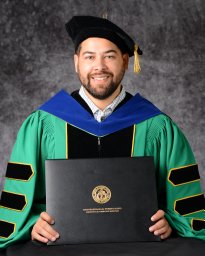 Xavier Chapa合作论文数Dept Physiol, Univ Puerto Rico4
 Parodi-Rullan Rebecca合作论文数School of Medicine, University of Puerto Rico4
 Sabzali Javadov合作论文数Department of Physiology and Pharmacology, University of Western Ontario, London, Ontario, Canada N6A 5C14
 Khuloud Jaqaman合作论文数Department of Cell Biology of Infection, The Scripps Research Institute3Aparajita Dasgupta合作论文数Dept Biophys, Univ Texas Southwestern Med Ctr Dallas2
 Bruno da Rocha-Azevedo合作论文数Laboratório de Biologia da Superfície Celular, Instituto de Biofísica Carlos Chagas Filho2Sara I Díaz-Cordero合作论文数1
 Jazlyn Priagula Borges合作论文数Program in Neuroscience and Mental Health, Hospital for Sick Children1
 Michael G Sugiyama合作论文数Department of Chemistry and Biology, Ryerson University1Luciana R. de Oliveira合作论文数1
 Gregory Fairn合作论文数Department of Pathology, Dalhousie University1
 Mark Kittisopikul合作论文数Division of Biological Sciences, University of California at San Diego;Department of Pharmacology and;Green Center for Systems Biology, University of Texas Southwestern Medical Center;University of California at San Diego, University of Texas Southwestern Medical Center1
 Brown Aidan I合作论文数Department of Physics and Atmospheric Science, Dalhousie University1
 Andrew M. Scott合作论文数Department of Medicine, University of Melbourne;School of Cancer Medicine, La Trobe University;Department of Molecular Imaging and Therapy, Austin Health;Tumour Targeting Program and Laboratory, Olivia Newton-John Cancer Research Institute1Lee Sung-Soo合作论文数1
 Costin N Antonescu合作论文数Cell Biology Program;Hospital for Sick Children;Cell Biology Program, Hospital for Sick Children1




