Fine-tuning pre-trained Transformer models (PTMs) for speech tasks in a parameter-efficient fine-tuning (PEFT) manner can optimize memory usage while leveraging rich representations from large-scale unlabeled data. Although PEFT is effective, the interconnections between various PEFT methods are not fully understood. This paper analyzes state-of-the-art PEFT methods and introduces a unified framework to clarify their interrelationships. Specifically, we employ a dynamic prompts tuning strategy that selects optimal prompts from a predefined pool, ensuring each prompt is fine-tuned by its closely matched speaker. The goal is to cluster the prompts in the pool according to speaker traits, improving speaker prediction in the downstream classifier while preserving the flexibility of the pre-trained Transformers. Additionally, we integrate the mixture-of-experts (MoE) adapter into the Transformer encoders, enabling the fine-tuned PTM to select the most relevant output for extracting task-specific information. Furthermore, we improve existing PEFT techniques by incorporating spectral information from pre-trained weight matrices into the LoRA-based fine-tuning process. Extensive experiments on VoxCeleb, CN-Celeb, and CU-MARVEL demonstrate that the proposed method offers a memory- and computation-efficient solution for fine-tuning pre-trained Transformers.
Adaptive radiotherapy (ART) improves treatment precision by adapting to anatomical changes, but its clinical adoption is limited by high costs, patient burden, and institutional variability. To address this, we propose a robust multi-omics nomogram for predicting ART eligibility in nasopharyngeal carcinoma (NPC) patients by integrating multi-modality Genomap signatures with clinical factors. Using retrospective data from 311 patients at Queen Elizabeth Hospital (training set) and 192 patients at Queen Mary Hospital (external test set), we extracted 7,956 radiomics features from six regions-of-interest (ROIs) across contrast-enhanced computed tomography (CECT), magnetic resonance imaging (MRI), and dose modalities, alongside 132 geometric features capturing spatial relationships between ROIs. Feature selection via LASSO identified 35 radiomic, 8 dosiomic, and 4 geometric features for analysis. The Genomap model achieved an accuracy of 80
Pre-trained vision-language (V-L) models exhibit significant generalization capabilities in detecting rumors. However, their reliance on single-modality prompts—either language or vision—limits their flexibility for dynamic adjustments in both representation spaces during rumor detection. To address these limitations, we propose a multimodal rumor detection framework that uses prompt learning in both the vision and language domains to align their representations better. Inspired by recent advances in efficiently tuning large language models, we introduce a set of trainable parameters in the input space, keeping the model backbone frozen. Additionally, we use distinct prompts at various early stages, which helps progressively model the relationships between features, enhancing comprehensive context learning. Extensive experiments with two real-world multimodal datasets demonstrate our framework’s superior ability to distinguish rumors from facts.
Camouflaged objects, exhibiting high similarity with their surroundings, pose a substantial challenge for both humans and machines to detect when concealed within the environment. Existing methods for camouflage object detection (COD) struggle in accurately segmenting the overall structure of camouflaged objects. To address this issue, we propose a novel boundary-guided fusion of multi-level features network (BGFM-Net) for COD. In contrast to existing boundary-guided methods, we pay more attention to addressing the significant imbalance in the pixel quantities between boundary and background features, allowing for a more comprehensive representation of boundary features. BGFM-Net primarily consists of a multi-scale aggregation module (MSAM), a boundary-guided feature module (BFM), and a cross-Level fusion module (CLFM). MSAM effectively integrates contextual semantics at different scales, achieving a powerful and efficient feature representation. BFM adeptly combines edge features while constraining interference from background features, guiding the learning of camouflaged object boundary representation. CLFM integrates multi-level features for predicting camouflaged objects while adaptively adjusting channel weights to emphasize important channels and diminish the impact of less relevant channels for the task. Extensive experiments on three benchmark camouflage datasets demonstrate that our BGFM-Net outperforms other state-of-the-art COD models.
The swift proliferation of multimodal rumors on social media, particularly those with manipulated images and complex intermodal interactions, significantly challenges current detection methods. In response, we utilize statistical image features, including mean and variance, to capture spatial attributes effectively and improve the detection of image-tampered tweets. To tackle complex intermodal correlations, we introduce a contrastive learning approach that aligns features across modalities efficiently. Additionally, we introduce a cross-attention fusion module (CAFM) that enhances the integration of image and text modalities, thereby improving multimodal rumor detection performance. In conclusion, we propose the cross-attention fusion network (ConCAFN), leveraging contrastive learning for robust multimodal rumor detection. Extensive experiments on two real-world datasets confirm the model's enhanced capability to detect multimodal rumors accurately, demonstrating our methods' effectiveness.
With excellent global approximation performance and interpretability, Takagi-Sugeno-Kang (TSK) fuzzy systems have enjoyed a wide range of applications in various fields, such as smart control, medical, and finance. However, in handling high-dimensional complex data, the performance and interpretability of a single TSK fuzzy system are easily degraded by rule explosion due to the curse of dimensionality. Ensemble learning comes into play to deal with the problem by the fusion of multiple TSK fuzzy systems using appropriate ensemble learning strategies, which has shown to be effective in eliminating the issue of the curse of dimensionality curse problem and reducing the number of fuzzy rules, thereby maintaining the interpretability of fuzzy systems. To this end, this paper gives a comprehensive survey of TSK fuzzy system fusion to provide insights into further research development. First, we briefly review the fundamental concepts related to TSK fuzzy systems, including fuzzy rule structures, training methods, and interpretability, and discuss the three different development directions of TSK fuzzy systems. Next, along the direction of TSK fuzzy system fusion, we investigate in detail the current ensemble strategies for fusion at hierarchical, wide and stacked levels, and discuss their differences, merits and weaknesses from the aspects of time complexity, interpretability (model complexity) and classification performance. We then present some applications of TSK fuzzy systems in real-world scenarios. Finally, the challenges and future directions of TSK fuzzy system fusion are discussed to foster prospective research.
Camouflaged object detection (COD) aims to segment objects that blend into their surrounding environment. However, low-level features in the shallow layers of neural networks, although rich in edge information, often contain a significant amount of redundant information, making it difficult to represent boundary details accurately. On the other hand, deep high-level features retain semantic information for object localization, but the gradual decrease in resolution can introduce biases in representing localization information. To address this issue, we propose a novel boundary and localization representation network (BLR-Net) that guides high-level features to focus on representing localization information while directing low-level features to emphasize boundary details. Firstly, we propose a multi-scale enhanced feature module (MEFM) to capture multi-scale information from backbone features and obtain aggregated feature representations. Next, we propose an extraction boundary module (EBM) that models object boundary features, providing essential boundary information. Subsequently, we introduce a guided learning module (GLM) that utilizes localization features to guide high-level features toward localization representation learning and boundary features to guide low-level features toward boundary representation learning. Finally, we propose a cross-level feature fusion module (CFFM) that aggregates contextual semantic information and gradually fuses multi-level fusion features from the bottom to the top to predict camouflaged objects. Extensive experiments on four benchmark COD datasets demonstrate that BLR-Net outperforms other state-of-the-art COD models.
Modern medicine is reliant on various medical imaging technologies for non-invasively observing patients' anatomy. However, the interpretation of medical images can be highly subjective and dependent on the expertise of clinicians. Moreover, some potentially useful quantitative information in medical images, especially that which is not visible to the naked eye, is often ignored during clinical practice. In contrast, radiomics performs high-throughput feature extraction from medical images, which enables quantitative analysis of medical images and prediction of various clinical endpoints. Studies have reported that radiomics exhibits promising performance in diagnosis and predicting treatment responses and prognosis, demonstrating its potential to be a non-invasive auxiliary tool for personalized medicine. However, radiomics remains in a developmental phase as numerous technical challenges have yet to be solved, especially in feature engineering and statistical modeling. In this review, we introduce the current utility of radiomics by summarizing research on its application in the diagnosis, prognosis, and prediction of treatment responses in patients with cancer. We focus on machine learning approaches, for feature extraction and selection during feature engineering and for imbalanced datasets and multi-modality fusion during statistical modeling. Furthermore, we introduce the stability, reproducibility, and interpretability of features, and the generalizability and interpretability of models. Finally, we offer possible solutions to current challenges in radiomics research.
The accurate prediction of adaptive radiation therapy (ART) for nasopharyngeal carcinoma (NPC) patients before radiation therapy (RT) is crucial for minimizing toxicity and enhancing patient survival rates. Owing to the complexity of the tumor micro-environment, a single high-resolution image offers only limited insight. Furthermore, the traditional softmax-based loss falls short in quantifying a model’s discriminative power. To address these challenges, we introduce a supervised multi-view contrastive learning approach with an additive margin (MMCon). For each patient, we consider four medical images to form multi-view positive pairs, which supply supplementary information and bolster the representation of medical images. We employ supervised contrastive learning to determine the embedding space, ensuring that NPC samples from the same patient or with the same labels stay in close proximity while NPC samples with different labels are distant. To enhance the discriminative ability of the loss function, we incorporate a margin into the contrastive learning process. Experimental results show that this novel learning objective effectively identifies an embedding space with superior discriminative abilities for NPC images.
The heterogeneity of omics data poses a challenge for feature fusion in the medical field due to source differences. This study aims to construct a fusion method that can reduce the differences between omics data, enabling them to jointly contribute to specific medical tasks. The multi-kernel late-fusion method is capable of reducing the impact of these differences by mapping the features using the most suitable single-kernel function and then combining them in a high-dimensional space that can effectively represent the data. However, the strict label fitting of complex nasopharyngeal carcinoma (NPC) data samples restricts the performance of general classifiers when using highdimensional features. To address this issue, this study proposes a multi-kernel model for multi-omics feature fusion in predicting distant metastasis of NPC patients. The proposed model employs a multi-kernel-based Radial basis function (RBF) neural network and introduces a label fuzzy softening method to enlarge the margin between two classes. By mapping the original medical omics data and reducing the differences, the proposed method provides more degrees of freedom for label fitting, improving the classification ability. The proposed model is evaluated on multi-omics datasets, and the results demonstrate its strength and effectiveness in predicting distant metastasis of NPC patients.
Omics fusion has emerged as a crucial preprocessing approach in medical image processing, significantly assisting several studies. One of the challenges encountered in integrating omics data is the unpredictability arising from disparities in data sources and medical imaging equipment. Due to these differences, the distribution of omics futures exhibits spatial heterogeneity, diminishing their capacity to enhance subsequent tasks. To overcome this challenge and facilitate the integration of their joint application to specific medical objectives, this study aims to develop a fusion methodology for nasopharyngeal carcinoma (NPC) distant metastasis prediction to mitigate the disparities inherent in omics data. The multi-kernel late-fusion method can reduce the impact of these differences by mapping the features using the most suiTable single-kernel function and then combining them in a high-dimensional space that can effectively represent the data. The proposed approach in this study employs a distinctive framework incorporating a label-softening technique alongside a multi-kernel-based Radial basis function (RBF) neural network to address these limitations. An efficient representation of the data may be achieved by utilizing the multi-kernel to map the inherent features and then merging them in a space with many dimensions. However, the inflexibility of label fitting poses a constraint on using multi-kernel late-fusion methods in complex NPC datasets, hence affecting the efficacy of general classifiers in dealing with high-dimensional characteristics. The label softening increases the disparity between the two cohorts, providing a more flexible structure for allocating labels. The proposed model is evaluated on multi-omics datasets, and the results demonstrate its strength and effectiveness in predicting distant metastasis of NPC patients.
Sentiment analysis is crucial for studying public opinion since it can provide us with valuable information. Existing sentiment analysis methods rely on finding the sentiment element from the content of user-generated. However, the question of why a message produces certain emotions has not been well explored or utilized in previous works. To address this challenge, we propose a natural language explanation framework for sentiment analysis that provides sufficient domain knowledge for generating additional labelled data for each new labelling decision. A rule-based semantic parser transforms these explanations into programmatic labelling functions that generate noisy labels for an arbitrary amount of unlabelled sentiment information to train a sentiment analysis classifier. Experiments on two sentiment analysis datasets demonstrate the superiority it achieves over baseline methods by leveraging explanations as external knowledge to joint training a sentiment analysis model rather than only labels. An ablation study is conducted to clarify the relative contribution of natural language explanations.
Recent advances of deep learning have been successful in delivering state-of-the-art performance in medical analysis, However, deep neural networks (DNNs) require a large amount of training data with a high-quality annotation which is not available or expensive in the field of the medical domain. The research of medical domain neural machine translation (NMT) is largely limited due to the lack of parallel sentences that consist of medical domain background knowledge annotations. To this end, we propose a Chinese-Uyghur NMT knowledge-driven dataset, YuQ, which refers to a ground medical domain knowledge graphs. Our corpus 65K parallel sentences from the medical domain 130K utterances. By introduce medical domain glossary knowledge to the training model, we can win the challenge of low translation accuracy in Chinese-Uyghur machine translation professional terms. We provide several benchmark models. Ablation study results show that the models can be enhanced by introducing domain knowledge.
Text classification tends to be difficult when data are inadequate considering the amount of manually labeled text corpora. For low-resource agglutinative languages including Uyghur, Kazakh, and Kyrgyz (UKK languages), in which words are manufactured via stems concatenated with several suffixes and stems are used as the representation of text content, this feature allows infinite derivatives vocabulary that leads to high uncertainty of writing forms and huge redundant features. There are major challenges of low-resource agglutinative text classification the lack of labeled data in a target domain and morphologic diversity of derivations in language structures. It is an effective solution which fine-tuning a pre-trained language model to provide meaningful and favorable-to-use feature extractors for downstream text classification tasks. To this end, we propose a low-resource agglutinative language model fine-tuning $$AgglutiFiT$$ , specifically, we build a low-noise fine-tuning dataset by morphological analysis and stem extraction, then fine-tune the cross-lingual pre-training model on this dataset. Moreover, we propose an attention-based fine-tuning strategy that better selects relevant semantic and syntactic information from the pre-trained language model and uses those features on downstream text classification tasks. We evaluate our methods on nine Uyghur, Kazakh, and Kyrgyz classification datasets, where they have significantly better performance compared with several strong baselines.
Text classification tends to be difficult when data are inadequate considering the amount of manually labeled text corpora. For low-resource agglutinative languages including Uyghur, Kazakh, and Kyrgyz (UKK languages), in which words are manufactured via stems concatenated with several suffixes and stems are used as the representation of text content, this feature allows infinite derivatives vocabulary that leads to high uncertainty of writing forms and huge redundant features. There are major challenges of low-resource agglutinative text classification the lack of labeled data in a target domain and morphologic diversity of derivations in language structures. It is an effective solution which fine-tuning a pre-trained language model to provide meaningful and favorable-to-use feature extractors for downstream text classification tasks. To this end, we propose a low-resource agglutinative language model fine-tuning AgglutiFiT, specifically, we build a low-noise fine-tuning dataset by morphological analysis and stem extraction, then fine-tune the cross-lingual pre-training model on this dataset. Moreover, we propose an attention-based fine-tuning strategy that better selects relevant semantic and syntactic information from the pre-trained language model and uses those features on downstream text classification tasks. We evaluate our methods on nine Uyghur, Kazakh, and Kyrgyz classification datasets, where they have significantly better performance compared with several strong baselines.
Social media had a revolutionary impact because it provides an ideal platform for share information; however, it also leads to the publication and spreading of rumors. Existing rumor detection methods have relied on finding cues from only user-generated content, user profiles, or the structures of wide propagation. However, the previous works have ignored the organic combination of wide dispersion structures in rumor detection and text semantics. To this end, we propose KZWANG, a framework for rumor detection that provides sufficient domain knowledge to classify rumors accurately, and semantic information and a propagation heterogeneous graph are symmetry fused together. We utilize an attention mechanism to learn a semantic representation of text and introduce a GCN to capture the global and local relationships among all the source microblogs, reposts, and users. An organic combination of text semantics and propagating heterogeneous graphs is then used to train a rumor detection classifier. Experiments on Sina Weibo, Twitter15, and Twitter16 rumor detection datasets demonstrate the proposed model’s superiority over baseline methods. We also conduct an ablation study to understand the relative contributions of the various aspects of the method we proposed.
To improve the performance of deep learning methods in case of a lack of labeled data for entity annotation in entity recognition tasks, this study proposes transfer learning schemes that combine the character to be the word to convert low-resource data symmetry into high-resource data. We combine character embedding, word embedding, and the embedding of the label features using high- and low-resource data based on the BiLSTM-CRF model, and perform the feature-transfer and parameter-sharing tasks in two domains of the BiLSTM network to annotate with zero resources. Before transfer learning, we must first calculate the label similarity between two different domains and select the label features with large similarity for feature transfer mapping. All training parameters of the source domain in the model are shared during the BiLSTM network processing and CRF layer. In addition, we also use the method of combining characters and words to reduce the problem of word segmentation across domains and reduce the error rate in label mapping. The results of experiments show that in terms of the overall F1 score, the proposed model without supervision was superior by 9.76 percentage points to the general parametric shared transfer learning method, and by 9.08 and 12.38 percentage points, respectively, to two recent high–low resource learning methods. The proposed scheme improves performance in terms of transfer learning between the high- and low-resource data and can identify the predicted data in the target domain.
The task of dialogue generation has attracted increasing attention due to its diverse downstream applications, such as question-answering systems and chatbots. Recently, the deep neural network (DNN)-based dialogue generation models have achieved superior performance against conventional models utilizing statistical machine learning methods. However, despite that an enormous number of state-of-the-art DNN-based models have been proposed, there lacks detailed empirical comparative analysis for them on the open Chinese corpus. As a result, relevant researchers and engineers might find it hard to get an intuitive understanding of the current research progress. To address this challenge, we conducted an empirical study for state-of-the-art DNN-based dialogue generation models in various Chinese corpora. Specifically, extensive experiments were performed on several well-known single-turn and multi-turn dialogue corpora, including KdConv, Weibo, and Douban, to evaluate a wide range of dialogue generation models that are based on the symmetrical architecture of Seq2Seq, RNNSearch, transformer, generative adversarial nets, and reinforcement learning respectively. Moreover, we paid special attention to the prevalent pre-trained model for the quality of dialogue generation. Their performances were evaluated by four widely-used metrics in this area: BLEU, pseudo, distinct, and rouge. Finally, we report a case study to show example responses generated by these models separately.
 Zhe Li合作论文数9
 Xiuhong Li (李秀红)合作论文数College of Information Science and Engineering (School of Cyber Science and Engineering), Xinjiang University7
 Jing Cai (蔡璟)合作论文数6Saikit Lam合作论文数6
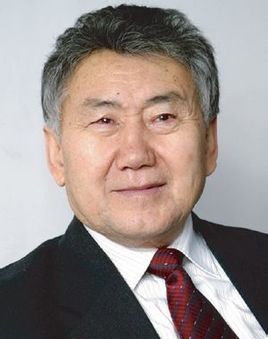 Wushouer·Silamu (吾守尔·斯拉木)合作论文数School of Journalism and Communication, Beijing Normal University;School of Computer Science and Technology, Xinjiang University6
 Yuanpeng Zhang (张远鹏)合作论文数5Jiang Zhang合作论文数Hong Kong Polytechnic University5LI Zhe (李哲)合作论文数Hong Kong Polytechnic University5
 Ta Zhou合作论文数3Boyuan Li合作论文数2Songlin Li合作论文数2
 Qinglang Guo合作论文数2
 Xinzhi Teng合作论文数Dept Hlth Technol & Informat, Hong Kong Polytech Univ2柯尊旺合作论文数School of Software, Xinjiang University2Shara W. Y. Lee合作论文数1Zongrui Ma合作论文数1Xinyun Zhang合作论文数1
 Victor C.W. Tam合作论文数1Chong-Xin Gan (甘崇辛)合作论文数1Yu-Ting Cheng合作论文数1
 Bing Li (李兵)合作论文数1
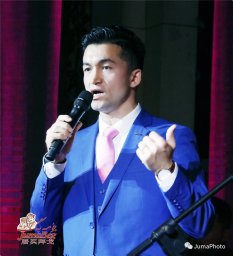 Mieradilijiang Maimaiti合作论文数State Key Laboratory of Intelligent Technology and Systems, Institute for Artificial Intelligence, Tsinghua University, Beijing National Research Center for Information Science and Technology (BNR ...1Hong Ge合作论文数1
 Guanjin Wang合作论文数Hong Kong Polytech Univ, Sch Nursing, Hong Kong, Hong Kong, Peoples R China1Qinyong Wang合作论文数University of Queensland1
 Weiping Ding (丁卫平)合作论文数Institute of Advanced Technology, University of Science and Technology of China;School of Information Science and Technology, University of Science and Technology of China;Department of Electronic Science and Technology, University of Science and Technology of China1Zunwang Ke (柯尊旺)合作论文数School of Software, Xinjiang University1
 Shan·wumaier Ai (艾山·吾买尔)合作论文数College of Information Science and Engineering (School of Cyber Science and Engineering), Xinjiang University1Qing Yu (于清)合作论文数College of Information Science and Engineering, Xinjiang University1Xiuyu Huang合作论文数Centre for Smart Health, The Hong Kong Polytechnic University1
 Lei Xing (邢磊)合作论文数School of Medicine, Zhejiang University;Department of Radiation Oncology, School of Medicine, Stanford University;Department of Electrical Engineering, Stanford University1
 Hongbing Ma (马洪兵)合作论文数Department of Electronic Engineering, Tsinghua University1
 Kup Sze Thomas Choi合作论文数Health Level Seven Hong Kong;TechCosmos Limited1
 Mert Pilanci合作论文数Department of Electrical Engineering, Stanford University1




