Abstract Minimizing acquisition time and motion-artifacts remains challenging in magnetic resonance imaging (MRI) with demands on high-resolution images for accurate diagnosis and treatment. Deep learning-based image restoration offers promising solution by generating high-resolution and artifact-free MR images from low-resolution or motion-corrupted data. To facilitate practical deployment in clinical workflows, this study presents a time-/GPU-efficient framework using 2D network (TS-RCAN) for pseudo-3D MRI super-resolution reconstruction (SRR) and motion-artifact reduction (MAR). Optimal down-sampling factors were identified to balance SRR accuracy and acquisition time. MAR training used a standardized method to induce controllable motion-artifacts of varying severity. Network performance was benchmarked against state-of-the-art 3D networks. Results showed the down-sampling factor $$1\times 1\times 2$$ for $$\times 2$$ acceleration and $$2\times 2\times 2$$ for $$\times 4$$ acceleration achieved optimal SRR performance. TS-RCAN outperformed most 3D networks by > 0.01/1.5 dB in SSIM/PSNR while reducing GPU load and inference time by up to 90%. For MAR, TS-RCAN exceeded UNet by up to 0.014/1.48 dB in SSIM/PSNR. Additionally, uncertainty estimation correlated with image quality metrics, enabling accuracy prediction without ground truth. TS-RCAN provides an efficient, accurate framework for SRR and MAR with practical relevance to clinical MRI, and offers a flexible basis for future extension to other imaging contrasts and pathological cases.
Online multi-object tracking (MOT) plays a pivotal role in autonomous systems. The state-of-the-art approaches usually employ a tracking-by-detection method, and data association plays a critical role. This paper proposes a learning and graph-optimized (LEGO) modular tracker to improve data association performance in the existing literature. The proposed LEGO tracker integrates graph optimization and self-attention mechanisms, which efficiently formulate the association score map, facilitating the accurate and efficient matching of objects across time frames. To further enhance the state update process, the Kalman filter is added to ensure consistent tracking by incorporating temporal coherence in the object states. Our proposed method utilizing LiDAR alone has shown exceptional performance compared to other online tracking approaches, including LiDAR-based and LiDAR-camera fusion-based methods. LEGO ranked 1st at the time of submitting results to KITTI object tracking evaluation ranking board and remains 2nd at the time of submitting this paper, among all online trackers in the KITTI MOT benchmark for cars1
Motion artifacts compromise the quality of magnetic resonance imaging (MRI) and pose challenges to achieving diagnostic outcomes and image-guided therapies. In recent years, supervised deep learning approaches have emerged as successful solutions for motion artifact reduction (MAR). One disadvantage of these methods is their dependency on acquiring paired sets of motion artifact-corrupted (MA-corrupted) and motion artifact-free (MA-free) MR images for training purposes. Obtaining such image pairs is difficult and therefore limits the application of supervised training. In this paper, we propose a novel UNsupervised Abnormality Extraction Network (UNAEN) to alleviate this problem. Our network is capable of working with unpaired MA-corrupted and MA-free images. It converts the MA-corrupted images to MA-reduced images by extracting abnormalities from the MA-corrupted images using a proposed artifact extractor, which intercepts the residual artifact maps from the MA-corrupted MR images explicitly, and a reconstructor to restore the original input from the MA-reduced images. The performance of UNAEN was assessed by experimenting with various publicly available MRI datasets and comparing them with state-of-the-art methods. The quantitative evaluation demonstrates the superiority of UNAEN over alternative MAR methods and visually exhibits fewer residual artifacts. Our results substantiate the potential of UNAEN as a promising solution applicable in real-world clinical environments, with the capability to enhance diagnostic accuracy and facilitate image-guided therapies. Our codes are publicly available at https://github.com/YuSheng-Zhou/UNAEN.
In autonomous driving, LiDAR and radar are crucial for environmental perception. LiDAR offers precise 3D spatial sensing information but struggles in adverse weather like fog. Conversely, radar signals can penetrate rain or mist due to their specific wavelength but are prone to noise disturbances. Recent state-of-the-art works reveal that the fusion of radar and LiDAR can lead to robust detection in adverse weather. The existing works adopt convolutional neural network architecture to extract features from each sensor data, then align and aggregate the two branch features to predict object detection results. However, these methods have low accuracy of predicted bounding boxes due to a simple design of label assignment and fusion strategies. In this paper, we propose a bird's-eye view fusion learning-based anchor box-free object detection system, which fuses the feature derived from the radar range-azimuth heatmap and the LiDAR point cloud to estimate possible objects. Different label assignment strategies have been designed to facilitate the consistency between the classification of foreground or background anchor points and the corresponding bounding box regressions. Furthermore, the performance of the proposed object detector is further enhanced by employing a novel interactive transformer module. The superior performance of the methods proposed in this paper has been demonstrated using the recently published Oxford Radar RobotCar dataset. Our system's average precision significantly outperforms the state-of-the-art method by 13.1% and 19.0% at Intersection of Union (IoU) of 0.8 under 'Clear+Foggy' training conditions for 'Clear' and 'Foggy' testing, respectively.
High-resolution magnetic resonance imaging (MRI) is essential in clinical diagnosis. However, its long acquisition time remains a critical issue. Parallel imaging (PI) is a common approach to reduce acquisition time by periodically skipping specific k-space lines and reconstructing images from undersampled data. This study presents a generalized implicit neural representation (INR)-based framework for MRI PI reconstruction, addressing limitations commonly encountered in conventional methods, such as subject-specific or undersampling scale-specific requirements and long reconstruction time. The proposed method overcomes these limitations by leveraging prior knowledge of voxel-specific features and integrating a novel scale-embedded encoder module. This encoder generates scale-independent voxel-specific features from undersampled images, enabling robust reconstruction across various undersampling scales without requiring retraining for each specific scale or subject. The INR model treats MR signal intensities and phase values as continuous functions of spatial coordinates and prior knowledge to render fully sampled k-space, efficiently reconstructing high-quality MR images from undersampled data. Extensive experiments on publicly available MRI datasets demonstrate the superior performance of the proposed method in reconstructing images at multiple acceleration factors (4x, 5x, and 6x), achieving higher evaluation metrics and visual fidelity compared to state-of-the-art methods. In terms of efficiency, this INR-based approach exhibits notable advantages, including reduced floating point operations and GPU usage, allowing for accelerated processing times while maintaining high reconstruction quality. The generalized design of the model significantly reduces computational resources and time consumption, making it more suitable for real-time clinical applications.
Achieving fully autonomous driving with enhanced safety and efficiency relies on vehicle-to-everything (V2X) cooperative perception (CP), which enables vehicles to share perception data, thereby enhancing situational awareness and overcoming the limitations of the sensing ability of individual vehicles. V2X CP plays a crucial role in extending the perception range, increasing detection accuracy, and supporting more robust decision-making and control in complex environments. This article provides a comprehensive survey of recent developments in V2X CP, introducing mathematical models that characterize the perception process under different collaboration strategies. Key techniques for enabling reliable perception sharing, such as agent selection, data alignment, and feature fusion, are examined in detail. In addition, major challenges are discussed, including differences in agents and models, uncertainty in perception outputs, and the impact of communication constraints such as transmission delay and data loss. This article concludes by outlining promising research directions, including privacy-preserving artificial intelligence methods, collaborative intelligence, and integrated sensing frameworks to support future advancements in V2X CP.
Embodied perception is essential for intelligent vehicles and robots in interactive environmental understanding. However, these advancements primarily focus on vision, with limited attention given to using 3D modeling sensors, restricting a comprehensive understanding of objects in response to prompts containing qualitative and quantitative queries. Recently, as a promising automotive sensor with affordable cost, 4D millimeter-wave radars provide denser point clouds than conventional radars and perceive both semantic and physical characteristics of objects, thereby enhancing the reliability of perception systems. To foster the development of natural language-driven context understanding in radar scenes for 3D visual grounding, we construct the first dataset, Talk2Radar, which bridges these two modalities for 3D Referring Expression Comprehension (REC). Talk2Radar contains 8,682 referring prompt samples with 20,558 referred objects. Moreover, we propose a novel model, T-RadarNet, for 3D REC on point clouds, achieving State-Of-The-Art (SOTA) performance on the Talk2Radar dataset compared to counterparts. Deformable-FPN and Gated Graph Fusion are meticulously designed for efficient point cloud feature modeling and cross-modal fusion between radar and text features, respectively. Comprehensive experiments provide deep insights into radar-based 3D REC. We release our project at https://github.com/GuanRunwei/Talk2Radar.
Recently, visual grounding and multi-sensors setting have been incorporated into perception system for terrestrial autonomous driving systems and Unmanned Surface Vessels (USVs), yet the high complexity of modern learning-based visual grounding model using multi-sensors prevents such model to be deployed on USVs in the real-life. To this end, we design a low-power multi-task model named NanoMVG for waterway embodied perception, guiding both camera and 4D millimeter-wave radar to locate specific object(s) through natural language. NanoMVG can perform both box-level and mask-level visual grounding tasks simultaneously. Compared to other visual grounding models, NanoMVG achieves highly competitive performance on the WaterVG dataset, particularly in harsh environments. Moreover, the real-world experiments with deployment of NanoMVG on embedded edge device of USV demonstrates its fast inference speed for real-time perception and capability of boasting ultra-low power consumption for long endurance.
Millimeter wave (mmWave) radar is a nonintrusive, privacy-preserving, and cost-effective device, shown to be a viable alternative to RGB cameras for indoor human pose estimation. However, the challenge lies in fully leveraging the reflected radar signals for accurate pose estimation. To address this major challenge, this article introduces a probability map-guided multiformat feature fusion model, ProbRadarM3F. This is a radar feature extraction framework using a traditional fast Fourier transform method in parallel with a probability map-based positional encoding method. ProbRadarM3F fuses the traditional heatmap features and the positional features, then effectively achieves the estimation of 14 keypoints of the human body. Experimental evaluation on the HuPR dataset proves the effectiveness of 69.9% in average precision. The emphasis of our study is on utilizing position information in radar signals for estimating human skeletal pose. This provides direction for investigating other potential nonredundant information from mmWave radar.
Multiple extended target tracking (ETT) has gained increasing attention due to the development of high-precision LiDAR and radar sensors in automotive applications. For LiDAR point cloud-based vehicle tracking, this paper presents a probabilistic measurement-region association (PMRA) ETT model, which can describe the complex measurement distribution by partitioning the target extent into different regions. The PMRA model overcomes the drawbacks of previous data-region association (DRA) models by eliminating the approximation error of constrained estimation and using continuous integrals to more reliably calculate the association probabilities. Furthermore, the PMRA model is integrated with the Poisson multi-Bernoulli mixture (PMBM) filter for tracking multiple vehicles. Simulation results illustrate the superior estimation accuracy of the proposed PMRA-PMBM filter in terms of both the positions and extents of vehicles compared with PMBM filters using the gamma Gaussian inverse Wishart and DRA implementations.
Magnetic resonance imaging (MRI) is crucial for enhancing diagnostic accuracy in clinical settings. However, the inherent long scan time of MRI restricts its widespread applicability. Deep learning-based image super-resolution (SR) methods exhibit promise in improving MRI resolution without additional cost. Due to lacking of aligned high-resolution (HR) and low-resolution (LR) MRI image pairs, unsupervised approaches are widely adopted for SR reconstruction with unpaired MRI images. However, these methods still require a substantial number of HR MRI images for training, which can be difficult to acquire. To this end, we propose an unpaired MRI SR approach that employs contrastive learning to enhance SR performance with limited HR training data. Empirical results presented in this study underscore significant enhancements in the peak signal-to-noise ratio and structural similarity index, even when a paucity of HR images is available. These findings accentuate the potential of our approach in addressing the challenge of limited HR training data, thereby contributing to the advancement of MRI in clinical applications.
The 4D Millimeter wave (mmWave) radar is a promising technology for vehicle sensing due to its cost-effectiveness and operability in adverse weather conditions. However, the adoption of this technology has been hindered by sparsity and noise issues in radar point cloud data. This paper introduces spatial multi-representation fusion (SMURF), a novel approach to 3D object detection using a single 4D imaging radar. SMURF leverages multiple representations of radar detection points, including pillarization and density features of a multi-dimensional Gaussian mixture distribution through kernel density estimation (KDE). KDE effectively mitigates measurement inaccuracy caused by limited angular resolution and multi-path propagation of radar signals. Additionally, KDE helps alleviate point cloud sparsity by capturing density features. Experimental evaluations on View-of-Delft (VoD) and TJ4DRadSet datasets demonstrate the effectiveness and generalization ability of SMURF, outperforming recently proposed 4D imaging radar-based single-representation models. Moreover, while using 4D imaging radar only, SMURF still achieves comparable performance to the state-of-the-art 4D imaging radar and camera fusion-based method, with an increase of 1.22% in the mean average precision on bird's-eye view of TJ4DRadSet dataset and 1.32% in the 3D mean average precision on the entire annotated area of VoD dataset. Our proposed method demonstrates impressive inference time and addresses the challenges of real-time detection, with the inference time no more than 0.05 seconds for most scans on both datasets. This research highlights the benefits of 4D mmWave radar and is a strong benchmark for subsequent works regarding 3D object detection with 4D imaging radar.
As an emerging technology and a relatively affordable device, the 4D imaging radar has already been confirmed effective in performing 3D object detection in autonomous driving. Nevertheless, the sparsity and noisiness of 4D radar point clouds hinder further performance improvement, and in-depth studies about its fusion with other modalities are lacking. On the other hand, as a new image view transformation strategy, "sampling" has been applied in a few image-based detectors and shown to outperform the widely applied "depth-based splatting" proposed in Lift-Splat-Shoot (LSS), even without image depth prediction. However, the potential of "sampling" is not fully unleashed. This paper investigates the "sampling" view transformation strategy on the camera and 4D imaging radar fusion-based 3D object detection. LiDAR Excluded Lean (LXL) model, predicted image depth distribution maps and radar 3D occupancy grids are generated from image perspective view (PV) features and radar bird's eye view (BEV) features, respectively. They are sent to the core of LXL, called "radar occupancy-assisted depth-based sampling", to aid image view transformation. We demonstrated that more accurate view transformation can be performed by introducing image depths and radar information to enhance the "sampling" strategy. Experiments on VoD and TJ4DRadSet datasets show that the proposed method outperforms the state-of-the-art 3D object detection methods by a significant margin without bells and whistles. Ablation studies demonstrate that our method performs the best among different enhancement settings.
Online 3D multi-object tracking (MOT) has recently received significant research interests due to the expanding demand of 3D perception in advanced driver assistance systems (ADAS) and autonomous driving (AD). Among the existing 3D MOT frameworks for ADAS and AD, conventional point object tracking (POT) framework using the tracking-by-detection (TBD) strategy has been well studied and accepted for LiDAR and 4D imaging radar point clouds. In contrast, extended object tracking (EOT), another important framework which accepts the joint-detection-and-tracking (JDT) strategy, has rarely been explored for online 3D MOT applications. This paper provides the first systematical investigation of the EOT framework for online 3D MOT in real-world ADAS and AD scenarios. Specifically, the widely accepted TBD-POT framework, the recently investigated JDT-EOT framework, and our proposed TBD-EOT framework are compared via extensive evaluations on two open source 4D imaging radar datasets: View-of-Delft and TJ4DRadSet. Experiment results demonstrate that the conventional TBD-POT framework remains preferable for online 3D MOT with high tracking performance and low computational complexity, while the proposed TBD-EOT framework has the potential to outperform it in certain situations. However, the results also show that the JDT-EOT framework encounters multiple problems and performs inadequately in evaluation scenarios. After analyzing the causes of these phenomena based on various evaluation metrics and visualizations, we provide possible guidelines to improve the performance of these MOT frameworks on real-world data. These provide the first benchmark and important insights for the future development of 4D imaging radar-based online 3D MOT algorithms.
Cooperative perception (CP) is essential to enhance the efficiency and safety of future transportation systems, requiring extensive data sharing among vehicles on the road, which raises significant privacy concerns. Federated learning offers a promising solution by enabling data privacy-preserving collaborative enhancements in perception, decision-making, and planning among connected and autonomous vehicles (CAVs). However, federated learning is impeded by significant challenges arising from data heterogeneity across diverse clients, potentially diminishing model accuracy and prolonging convergence periods. This study introduces a specialized federated learning framework for CP, termed the federated dynamic weighted aggregation (FedDWA) algorithm, facilitated by dynamic adjusting loss (DALoss) function. This framework employs dynamic client weighting to direct model convergence and integrates a novel loss function that utilizes Kullback-Leibler divergence (KLD) to counteract the detrimental effects of non-independently and identically distributed (Non-IID) and unbalanced data. Utilizing the BEV transformer as the primary model, our rigorous testing on FedBEVT dataset which is expanded on OpenV2V dataset, demonstrates significant improvements in the average intersection over union (IoU). These results highlight the substantial potential of our federated learning framework to address data heterogeneity challenges in CP, thereby enhancing the accuracy of perception models and facilitating more robust and efficient collaborative learning solutions in the transportation sector.
High-resolution (HR) magnetic resonance imaging is essential in aiding doctors in their diagnoses and image-guided treatments. However, acquiring HR images can be time-consuming and costly. Consequently, deep learning-based super-resolution reconstruction (SRR) has emerged as a promising solution for generating super-resolution (SR) images from low-resolution (LR) images. Unfortunately, training such neural networks requires aligned authentic HR and LR image pairs, which are challenging to obtain due to patient movements during and between image acquisitions. While rigid movements of hard tissues can be corrected with image registration, aligning deformed soft tissues is complex, making it impractical to train neural networks with authentic HR and LR image pairs. Previous studies have focused on SRR using authentic HR images and downsampled synthetic LR images. However, the difference in degradation representations between synthetic and authentic LR images suppresses the quality of SR images reconstructed from authentic LR images. To address this issue, we propose a novel Unsupervised Degradation Adaptation Network (UDEAN). Our network consists of a degradation learning network and an SRR network. The degradation learning network downsamples HR images using the degradation representation learned from misaligned or unpaired LR images. The SRR network then learns to map the downsampled HR images to the original ones. Experimental results show that our method outperforms state-of-the-art networks with an improvement of up to 0.051/3.52 dB in SSIM/PSNR on two public datasets, thus is a promising solution to the challenges in clinical settings.
Multi-object tracking (MOT) is among crucial applications in modern advanced driver assistance systems (ADAS) and autonomous driving (AD) systems. The global nearest neighbor (GNN) filter, as the earliest random vector-based Bayesian tracking framework, has been adopted in most of state-of-the-arts trackers in the automotive industry. The development of random finite set (RFS) theory facilitates a mathematically rigorous treatment of the MOT problem, and different variants of RFS-based Bayesian filters have then been proposed. However, their effectiveness in the real ADAS and AD application is still an open problem. In this paper, it is demonstrated that the latest RFS-based Bayesian tracking framework could be superior to typical random vector-based Bayesian tracking framework via a systematic comparative study of both traditional random vector-based Bayesian filters with rule-based heuristic track maintenance and RFS-based Bayesian filters on the nuScenes validation dataset. An RFS-based tracker, namely Poisson multi-Bernoulli filter using the global nearest neighbor (GNN-PMB), is proposed to LiDAR-based MOT tasks. This GNN-PMB tracker is simple to use, and it achieves competitive results on the nuScenes dataset. Specifically, the proposed GNN-PMB tracker outperforms most state-of-the-art LiDAR-only trackers and LiDAR and camera fusion-based trackers, ranking the $3^{rd}$ among all LiDAR-only trackers on nuScenes 3D tracking challenge leader board ( https://bit.ly/3bQJ2CP ) at the time of submission.
Magnetic resonance imaging (MRI) always suffers from long acquisition times. Parallel imaging (PI) is one solution to reduce scan time by periodically skipping certain K-space lines and then reconstructing high-quality images from undersampled measurements. Recently, implicit neural representation (INR) has emerged as a new deep learning method that represents an object as a continuous function of spatial coordinates, and this function is normally parameterized by a multilayer perceptron (MLP). In this paper, we propose a novel MRI PI reconstruction method based on INR, which represents the reconstructed fully-sampled images as the function of voxel coordinates and prior feature vectors of undersampled images to overcome the generalization problem of INR. Specifically, we introduce a scale-embedded encoder to produce scale-independent voxel-specific features from MR images with different undersampling scales and then concatenate with coordinate vectors to recover fully-sampled MR images, thus achieving multiple scale reconstructions. The performance of the proposed method was assessed by experimenting with publicly available MRI datasets and was compared with other reconstruction methods. Our quantitative evaluation demonstrates the superiority of the proposed method over alternative reconstruction methods.
Motion artifacts compromise the quality of magnetic resonance imaging (MRI) and pose challenges to achieving diagnostic outcomes and image-guided therapies. In recent years, supervised deep learning approaches have emerged as successful solutions for motion artifact reduction (MAR). One disadvantage of these methods is their dependency on acquiring paired sets of motion artifact-corrupted (MA-corrupted) and motion artifact-free (MA-free) MR images for training purposes. Obtaining such image pairs is difficult and therefore limits the application of supervised training. In this paper, we propose a novel UNsupervised Abnormality Extraction Network (UNAEN) to alleviate this problem. Our network is capable of working with unpaired MA-corrupted and MA-free images. It converts the MA-corrupted images to MA-reduced images by extracting abnormalities from the MA-corrupted images using a proposed artifact extractor, which intercepts the residual artifact maps from the MA-corrupted MR images explicitly, and a reconstructor to restore the original input from the MA-reduced images. The performance of UNAEN was assessed by experimenting on various publicly available MRI datasets and comparing them with state-of-the-art methods. The quantitative evaluation demonstrates the superiority of UNAEN over alternative MAR methods and visually exhibits fewer residual artifacts. Our results substantiate the potential of UNAEN as a promising solution applicable in real-world clinical environments, with the capability to enhance diagnostic accuracy and facilitate image-guided therapies.
Automotive radar provides reliable environmental perception in all-weather conditions with affordable cost, but it hardly supplies semantic and geometry information due to the sparsity of radar detection points. With the development of automotive radar technologies in recent years, instance segmentation becomes possible by using automotive radar. Its data contain contexts such as radar cross section and micro-Doppler effects, and sometimes can provide detection when the field of view is obscured. The outcome from instance segmentation could be potentially used as the input of trackers for tracking targets. The existing methods often utilize a clustering-based classification framework, which fits the need of real-time processing but has limited performance due to minimum information provided by sparse radar detection points. In this paper, we propose an efficient method based on clustering of estimated semantic information to achieve instance segmentation for the sparse radar detection points. In addition, we show that the performance of the proposed approach can be further enhanced by incorporating the visual multi-layer perceptron. The effectiveness of the proposed method is verified by experimental results on the popular RadarScenes dataset, achieving 89.53% mean coverage and 86.97% mean average precision with the IoU threshold of 0.5, which is superior to other approaches in the literature. More significantly, the consumed memory is around 1MB, and the inference time is less than 40ms, indicating that our proposed algorithm is storage and time efficient. These two criteria ensure the practicality of the proposed method in real-world systems.
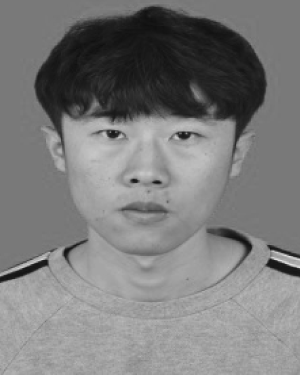 Tao Huang合作论文数19
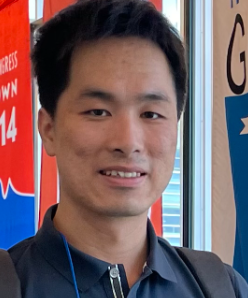 Bing Zhu (诸兵)合作论文数School of Automation Science and Electrical Engineering, Beihang University10
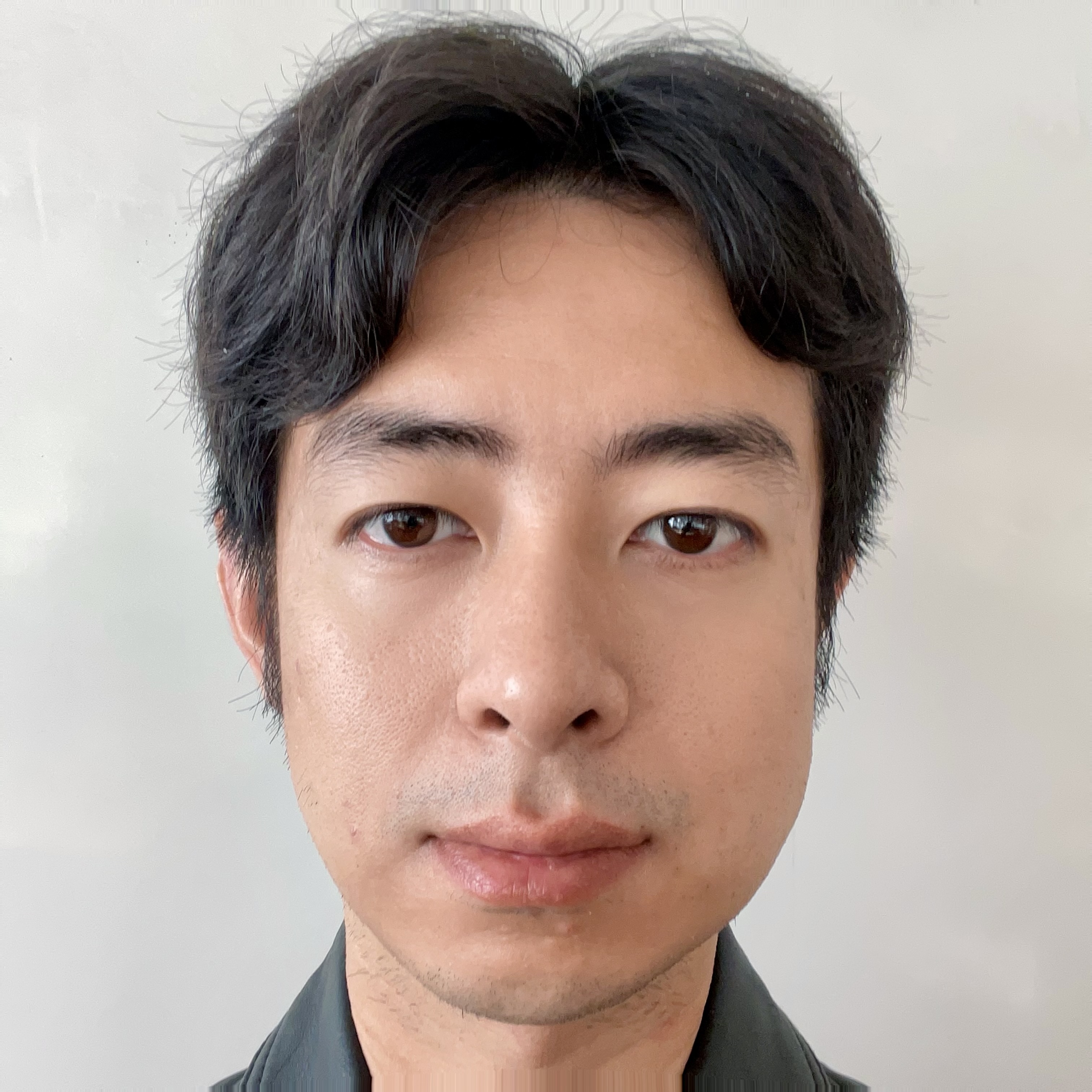 Yuxuan Xia (夏宇轩)合作论文数School of Automation and Intelligent Sensing, Shanghai Jiao Tong University9
 Qinglong Han合作论文数Swinburne University of Technology7
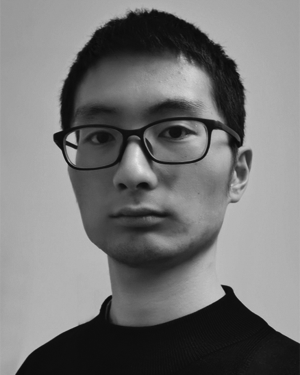 Weiyi Xiong合作论文数6
 Euijoon Ahn合作论文数College of Science and Engineering, James Cook University4
 Yusheng Zhou合作论文数3
 Guanhua Ding合作论文数3
 Liping Bai合作论文数School of Automation Science and Electrical Engineering, Beihang University3
 Wei Xiang合作论文数School of Computing, Engineering & Mathematical Sciences, La Trobe University;Cisco-La Trobe Centre for AI and Internet of Things, La Trobe University3
 Jinman Kim合作论文数Biomedical Data Analysis and Visualisation Lab, School of Computer Science, University of Sydney;Nepean Hospital3
 David Dagan Feng合作论文数School of Computer Science, Faculty of Engineering, University of Sydney;School of Information Technologies, University of Sydney;Department of Electronic and Information Engineering, Hong Kong Polytechnic University3Zhenrong Zhang合作论文数2
 Kang Han合作论文数Cisco-La Trobe Centre for AI and Internet of Things, La Trobe University;School of Computing, Engineering & Mathematical Sciences, La Trobe University2
 Hao Li合作论文数Vanderbilt Univ, Dept Elect Engn & Comp Sci, Nashville, TN 37235 USA2
 Zhihan Lyu (吕智涵)合作论文数School of Computer Science and Technology, Xidian University2
 Adeel Razi合作论文数Turner Institute for Brain and Mental Health, School of Psychological Sciences, Monash University2
 Yutao Yue合作论文数Hefei National Laboratory for Physical Sciences at Microscale, University of Science and Technology of China2
 Wei Chen (陈为)合作论文数2
 Jinping Sun (孙进平)合作论文数School of Electronic and Information Engineering, Beihang University2
 Zhengmin Kong (孔政敏)合作论文数School of Robot, Wuhan University2
 Eng Gee Lim (林永义)合作论文数Department of Communications and Networking, School of Advanced Technology, Xian Jiaotong-Liverpool University2
 Jeremy Smith合作论文数University of Liverpool, University of Liverpool2Hui Xiong合作论文数1Ming Xu合作论文数1Ningwei Ouyang合作论文数1
 Runwei Guan (Runway) (管润玮)合作论文数Information Hub, The Hong Kong University of Science and Technology (Guangzhou)1Zhang Ruixiao合作论文数1Gang Ma合作论文数1Liye Jia合作论文数1lu rong fei lu rongfei (吕容飞 LÜ Rongfei)合作论文数1Chao Peng合作论文数1Haocheng Zhao合作论文数1
 Qirui Hua合作论文数1
 Runwei Guan合作论文数Dept Elect Engn & Elect, Univ Liverpool1
 Shanliang Yao合作论文数Sch Adv Technol, Xian Jiaotong Liverpool Univ1Sowmya Annadatha合作论文数1
 Quanwei Liu合作论文数1
 Jessica Jesser合作论文数1Marianne Schell合作论文数1
 Marie Fridberg合作论文数1Xiaohui Zhu (祝小惠)合作论文数Sch Adv Technol, Xian Jiaotong Liverpool Univ1
 Yunpeng Wang合作论文数Fudan Univ, Shanghai Publ Hlth Clin Ctr, Shanghai, Peoples R China1
 Jianan Chen合作论文数Univ Hong Kong, Dept Mech Engn, Pokfulam Rd, Pokfulam 999077, Hong Kong, Peoples R China1
 Søren Kold合作论文数Interdisciplinary Orthopaedics, Aalborg University Hospital1
 Yixin Wang (王奕鑫)合作论文数1
 Hongbin Liu (刘洪彬)合作论文数山东大学生殖医院1
 Jun Ma (马骏)合作论文数Department of Nuclear Science and Engineering, School of Nuclear Science and Technology, University of Science and Technology of China1




