In the current design of the Wuhan Advanced Light Source (WALS), the use of bending magnets with both transverse and longitudinal gradients poses significant challenges. To overcome these difficulties, we propose an improved solution based on the existing WALS lattice design that eliminates the requirement for dual-gradient bending magnets. Optimizing diffraction-limited storage rings is a highly complex nonlinear problem. Conventional multi-objective genetic algorithms, when applied directly, often converge to local optima and result in significant time expenditure. To address these limitations, we enhanced the multi-objective genetic algorithm, effectively avoiding local optima traps and significantly reducing computation time. Further optimization of these solutions was performed using frequency map analysis, resulting in good nonlinear dynamics. The optimized lattice achieves an emittance of 218.3 pm · rad, comparable to the previous WALS lattice (214.8 pm · rad), while maintaining a sufficiently large dynamic aperture. The optimized solution possesses a large dynamic aperture and exhibits good nonlinear dynamics. The improved MOGA algorithm can effectively optimize the WALS lattice and achieve the desired solutions. The frequency map analysis (FMA) method was applied to assess the lattice nonlinearities for various sextupole configurations, with the objective of identifying the optimal configuration.
Wuhan Advanced Light Source (WALS), a fourth-generation synchrotron radiation light source operating at 1.5 GeV, is currently under design and will use a full-energy linear accelerator (LINAC) as the electron beam injector. The injection beamline adopts a three-stage scheme: First, the beam from the LINAC, which is 6 m below the storage ring, is horizontally deflected below the storage ring; second, it gradually climbs from underground to the same altitude as the storage ring; and third, the beam is delivered horizontally into the injection straight section inside the storage ring. Twiss parameter matching between the LINAC and storage ring was also completed. During the construction of the beamline, magnet manufacturing errors, installation errors, and beam injection errors from the LINAC will cause beam deviations from the predetermined ideal orbits and even particle losses. Therefore, electron beam correction is required during beam commissioning. In contrast with the single-plane beam correction used in general transfer lines, the horizontal and vertical directions of the beam are coupled in the WALS injection transfer line, which greatly increases the complexity and difficulty of beam correction. Machine learning technology has been extensively developed in recent years, and the powerful invertible neural network algorithm is expected to solve the beam commissioning challenge of the beam injection transfer line at the WALS. Therefore, an invertible neural network (INN) model has been designed and trained to simulate the beam transport and beam correction of the WALS injection beamline. By optimizing the number and positions of beam profile monitors, the accuracy of both bidirectional prediction and beam correction can be greatly improved. This method has important practical significance for the commissioning and operation of similar complex beam transport systems.
Interfaces between the perovskite absorber and charge-transport layers play a critical role in determining the performance of planar perovskite solar cells (PSCs). However, the lack of non-destructive techniques capable of directly probing the microstructure of buried interfaces beneath perovskite films has significantly hindered a comprehensive understanding of their interfacial properties. Here, we employ flexible substrates to enable synchrotron-based grazing-incidence X-ray diffraction (GIXRD) measurements from the backside of the substrate, allowing direct investigation of buried interfaces. By combining back- and surface-incidence GIXRD, we construct a depth-resolved phase diagram spanning from the film surface to the buried interface in one-step deposited MAPbI3 films. The film surface is dominated by a thin tetragonal perovskite layer, whereas a cubic phase gradually emerges with increasing depth, leading to phase coexistence within the film interior. Closer to the buried interface, the cubic phase progressively dominates, with the tetragonal phase completely disappearing at the interface. Meanwhile, high-resolution synchrotron X-ray diffraction measurements of MAPbI3 powders at variable temperatures reveal that cubic and tetragonal phases can coexist, with their relative fractions strongly dependent on thermal history, despite the thermodynamic preference for the tetragonal phase at room temperature. The observed depth-dependent phase distribution in MAPbI3 films is therefore attributed to an incomplete cubic-to-tetragonal phase transition during cooling after annealing, which becomes increasingly suppressed with depth due to substrate confinement. These findings provide new insights into the structure – performance relationship of one-step deposited MAPbI3-based PSCs and demonstrate that back-incidence GIXRD is a powerful and broadly applicable tool for probing buried interfaces in thin-film systems.
Serial crystallography is a rapidly advancing experimental technology that has seen significant development in recent years. This technique enables the continuous delivery of a series of protein crystal samples to the X-ray beam, allowing for the collection of diffraction data from a large number of crystals at ambient temperature. Despite its advancements, serial crystallography still possesses considerable potential for further development within synchrotron radiation platforms. Currently, several challenges hinder the progress of this technology, including the preparation of numerous microcrystal samples, methods for sample delivery, data acquisition efficiency, and data processing techniques. The device introduced in this paper is designed to facilitate serial crystallographic experiments at the synchrotron radiation station, employing electrospinning in the vacuum cavity to reduce the average flux, mitigate the effects of air ionization on the Taylor cone, and enhance the stability of Taylor cone during the data acquisition process. The diffraction pattern of lysozyme crystals was successfully acquired with this device at the beamlines of the Shanghai Synchrotron Radiation Facility (SSRF).
Small angle X-ray scattering (SAXS) is a powerful characterization method for studying nanostructures of materials, which can provide the size distribution for dilute polydisperse systems. In this contribution, a stepwise extracting size distribution calculation (SESDC) method based on multi-level scattering theory and iterative optimization is proposed. It calculates the size distributions from large to small parts by fitting scattering data stepwise from the low q region to the high q region. A practical research example is used to compare the calculation results of SESDC method and McSAS method. Size distributions calculated by SESDC method are stable and easy to comprehensively analyze.
Receptor tyrosine kinase-like orphan receptor 1 (ROR1) is an attractive therapeutic target for various cancers, including leukemia and lung cancer. Although some biological agents have entered clinical trials and several small-molecule inhibitors have been developed, selective ROR1 inhibitors remain underexplored. In our previous studies, we identified LDR102, an indole derivative, as a ROR1 inhibitor with favorable binding affinity and potent antitumor efficacy. However, LDR102 exhibited moderate ROR1 inhibitory activity and "off-target" effects on other kinases, such as c-Kit and AblT315I, limiting its further development. To address these limitations, we optimized LDR102 and synthesized a series of N-(2,3-dihydrobenzo[b][1,4]dioxin-6-yl)benzamide derivatives as selective ROR1 inhibitors, culminating in the identification of compound 9i, which possesses favorable ROR1 inhibitory activity, good selectivity, and potent anti-tumor activity in vivo and in vitro.
While [4-(3,6-Dimethyl-9H-carbazol-9-yl)butyl]phosphonic acid (Me-4PACz) self-assembled monolayers (SAMs) enable high-performance inverted perovskite solar cells (PSCs), their sparse coverage on nickel oxide (NiOx) induces heterogeneous interfacial charge distribution at the buried perovskite interface. This increases non-radiative recombination, ultimately limiting device performance. Herein, benzylphosphonic acid (BPPA) is added, a small molecule featuring a phosphonic acid group, into Me-4PACz to construct a co-assembled monolayer (Co-SAM) with enhanced molecular ordering on NiOx. The resulting compact Co-SAM hole transport layer (HTL) simultaneously improves electrical conductivity, hole mobility, and interfacial energy level alignment, facilitating efficient hole injection. Moreover, BPPA's phosphonic acid groups enable bifacial passivation: coordinating NiOx surface defects while chelating uncoordinated Pb2+ at the perovskite interface, significantly suppressing non-radiative recombination. Optimized Me-4PACz/BPPA-based PSCs achieve a champion power conversion efficiency (PCE) of 26.35%, while retaining 90% of the initial efficiency after 3000 h in a nitrogen atmosphere without encapsulation. This molecular co-assembly strategy concurrently refines HTL properties and buried interface passivation, providing a generalized approach for high-efficiency, stable PSCs.
Shanghai Synchrotron Radiation Facility (SSRF) is a third-generation 3.5 GeV synchrotron facility located on the Chinese mainland, operational for user applications since 2009. With the completion of its Phase II project this year, SSRF now supports over 40 experimental stations across various research fields. For the structural biology community, there are three macromolecular crystallography (MX) beamlines (BL02U1, BL17UM and BL10U2) and one endstation at the white X-ray beamline (BL03HB) managed by SSRF to meet the needs of both academic and industrial users seeking to determine macromolecular crystal structures. The MX group at SSRF is dedicated to continuously upgrading these beamlines in terms of technology and scientific capabilities. This paper reports on the current status of all the MX beamlines at SSRF and discusses emerging trends.
ROR1 has garnered significant attention as a therapeutic target in oncology due to its critical involvement in cancer malignancy. Several biologics targeting ROR1 have advanced to clinical trials, but the development of selective small-molecule inhibitors remains limited. In our previous work, we identified the indole-based LDR102 as a novel ROR1 inhibitor with promising antitumor efficacy. However, subsequent studies revealed its off-target activity against kinases such as c-Kit, AblT315I, and PDGFRαV561D, alongside suboptimal pharmacokinetic (PK) profiles. To address these limitations, we pursued a systematic optimization campaign focused on LDR102's scaffold. This effort produced a series of 1-methyl-3-(pyridin-3-yl)-1H-indole derivatives, culminating in the discovery of compound 24d. This lead candidate demonstrates exceptional ROR1 inhibitory potency, high selectivity, robust antitumor activity in vitro and in vivo, and an optimized PK profile, marking a substantive advance toward selective ROR1 inhibitors.
Cellular-mesenchymal epithelial transition factor (c-Met) is an attractive target for treating multiple cancers. Despite plentiful c-Met inhibitors have been developed, some issues, including the acquired drug resistance to c-Met inhibitors, have emerged to hamper their application in clinical treatment. Degradation of c-Met offers an opportunity to solve these issues. In this study, we developed a series of c-Met degraders, and the optimal compound 22b can efficiently degrade c-Met with a DC50 value of 0.59 nM in EBC-1 cells. Mechanistic studies revealed that compound 22b induced c-Met degradation via proteasome-mediated pathway. In addition, compound 22b suppressed the proliferation and also induced apoptosis of EBC-1 cells, outperforming the corresponding inhibitor tepotinib. Importantly, compound 22b showed favorable pharmacokinetic properties and significantly induced tumor regression in a xenograft model without obvious toxicity. In brief, this study provided compound 22b as a novel c-Met degrader for lung cancer therapy.
Dilute polydisperse system is a common research object in small angle X-ray scattering (SAXS). In SAXS studies, the extrapolation of the scattering data in the low scattering vector region is necessary for many quantitative structural analyses. The classical Guinier extrapolation method is based on the Guinier approximation, which is only applicable to the scattering data with a distinct linear segment on the Guinier plot. In this contribution, a new map-polynomial fitting extrapolation method is proposed. It takes the bilateral data constructed by mapping the measured data as the fitting object, and provides reliable extrapolation results within an explicit fitting range and a specific polynomial order. The new method is superior to the Guinier method in terms of extrapolation effect and applicability range. The feasibility of the proposed method is verified by experimental sample.
Electronic structure plays a critical role in regulating the conductivity and ion adsorption of electrode materials. In this work, it is demonstrated that Mo doping enhances the delocalization of 4d electrons and strengthens Mo-Se orbital hybridization in CuSe2, significantly improving electronic conductivity and facilitating charge transfer. Operando synchrotron experimental and theoretical calculation results jointly reveal that a tailored kinetic-oriented CuSe2-Cu system constructed by coupling in situ 1T MoSe2-based electrochemical phase transfer and CuxSey stepwise conversion reactions. The trace amount of Mo doping facilitates Cu2+ adsorption, reduce Cu2+ diffusion barrier and triggers a redistribution of electron density from Cu & horbar;Se bonds to more stable Mo & horbar;Se bonds, contributing to enhanced interfacial ion diffusion and reaction activity. Consequently, the Mo-CuSe2 cathode achieved an initial charge/discharge capacity of 486.8/486.0 mAh g-1 at a current density of 15 A g-1 and maintained a capacity retention of 93% over 20 000 cycles. In addition, a practical Mo-CuSe2||Zn hybrid ion battery is constructed as a proof of concept, featuring an average working voltage of 1.17 V, and delivering specific energy and power of 614 Wh kg-1 and 4680 W kg-1 (based on the active material), respectively.
Rechargeable aqueous multivalent metal-ion batteries (AMMIBs) exhibit enormous potential in large-scale energy storage due to their inherent safety, environmental friendliness, and low cost. Exploration of high-capacity and durable cathode materials will be conducive to their further development. Herein, NbS2 nanospheres with three-dimensional hollow structure, named h-NbS2, are designed as cathodes in aqueous copper-ion battery system. The optimized morphology facilitates enhanced ion migration kinetics and alleviates the volume strain caused by the repeated insertion/extraction of Cu2+. Additionally, the intercalation-based energy storage mechanism ensures the stability of the host structure of electrode materials during electrochemical processes. Thus, the electrode prepared from h-NbS2 nanospheres exhibits an excellent reversible specific capacity of 553 mAh g-1 at 1 A g-1, and ultralong cycle stability of 235 mAh g-1 after 4000 cycles at 5 A g-1. Impressively, an advanced h-NbS2|CuSO4||ZnSO4|Zn hybrid ion battery reveals an energy density of 410.4 Wh kg-1 and an output voltage of 1.25 V, providing a promising strategy for the establishment of NbS2-based cathode in advanced AMMIBs.
Receptor tyrosine kinase-like orphan receptor 1 (ROR1) is an oncogenic membrane protein in several malignancies and has been considered an attractive target for the treatment of human cancers. In this study, structure-based virtual screening and structure optimization were conducted to identify novel ROR1 inhibitors. Based on hit compound 2, 45 novel ROR1 inhibitors were designed and synthesized, and the detailed structure–activity relationship was investigated. Representative compound 19h potently binds ROR1 with a K D value of 0.10 μM, exhibiting antitumor activity in lung cancer and breast cancer cell lines (IC50: 0.36–1.37 μM). Additionally, a mechanism investigation demonstrated that compound 19h induces the apoptosis of tumor cells. Importantly, compound 19h significantly suppressed tumor growth in a mouse model without obvious toxicity. Overall, this work identified compound 19h as a new ROR1 inhibitor, providing a novel lead compound for the treatment of lung cancer and breast cancer.
For a dilute polydisperse system in small-angle X-ray scattering (SAXS), Guinier’s law can be used to perform an approximate analysis to determine the mean radius of gyration of scatterers in a sample and extend the scattering curve to the lower angle region. The main idea of the law is that the Guinier plot appears linear in the vicinity of the scattering vector equaling zero. In this short contribution, a differential method is proposed to uniquely determine the upper limit of the effective range of the Guinier approximation on dilute polydisperse systems. The theoretical simulation is mainly performed on the typical spherical scatterers in several dilute polydisperse systems to explore the relationship between the upper limit and the shape and size of the scatterers. The SAXS experiment on a sample of silicon dioxide colloid is carried out to verify the feasibility of the new method.
Bacterial RecJ exhibits 5'→3' exonuclease activity that is specific to single-stranded DNA (ssDNA); however, archaeal RecJs show 5’ or 3’ exonuclease activity. The hyperthermophilic archaea Methanocaldococcus jannaschii encodes the 5’-exonuclease MjRecJ1 and the 3’-exonuclease MjRecJ2. In addition to nuclease activity, archaeal RecJ interacts with GINS, a structural subcomplex of the replicative DNA helicase complex. However, MjRecJ1 and MjRecJ2 do not interact with MjGINS. Here, we report the structural basis for the inability of the MjRecJ2 homologous dimer to interact with MjGINS and its efficient 3' hydrolysis polarity for short dinucleotides. Based on the crystal structure of MjRecJ2, we propose that the interaction surface of the MjRecJ2 dimer overlaps the potential interaction surface for MjGINS and blocks the formation of the MjRecJ2-GINS complex. Exposing the interaction surface of the MjRecJ2 dimer restores its interaction with MjGINS. The cocrystal structures of MjRecJ2 with substrate dideoxynucleotides or product dCMP/CMP show that MjRecJ2 has a short substrate binding patch, which is perpendicular to the longer patch of bacterial RecJ. Our results provide new insights into the function and diversification of archaeal RecJ/Cdc45 proteins.
In order to provide hard X-rays with a 1.5 GeV electron ring, a new superbend-magnet will be used in middle of each standard cell at Wuhan Advanced Light Source (WALS). Design, assembly, and detailed magnetic measurement of the prototype have been finished. The results of magnetic measurement show that central magnetic field reaches 3.67 T in a gap of 14.72 mm, and the range of high field region (>3.5 T) is larger than 40 mm in the longitudinal direction. The uniformity of the magnetic field integrals is below 5 × 10 −4 within the good field region.
With the development of synchrotron radiation sources and high-frame-rate detectors, the amount of experimental data collected at synchrotron radiation beamlines has increased exponentially. As a result, data processing for synchrotron radiation experiments has entered the era of big data. It is becoming increasingly important for beamlines to have the capability to process large-scale data in parallel to keep up with the rapid growth of data. Currently, there is no set of data processing solutions based on the big data technology framework for beamlines. Apache Hadoop is a widely used distributed system architecture for solving the problem of massive data storage and computation. This paper presents a set of distributed data processing schemes for beamlines with experimental data using Hadoop. The Hadoop Distributed File System is utilized as the distributed file storage system, and Hadoop YARN serves as the resource scheduler for the distributed computing cluster. A distributed data processing pipeline that can carry out massively parallel computation is designed and developed using Hadoop Spark. The entire data processing platform adopts a distributed microservice architecture, which makes the system easy to expand, reduces module coupling and improves reliability.
in situ room temperature Laue crystallography has gained increasing attention. This method is suitable for timeresolved Laue crystallography experiments to get crystal structure with only several single-frame data collections. To improve the diffraction efficiency of protein crystals at room temperature, a simple X-ray chopper combined with a fast shutter has been successfully developed and tested at in situ room temperature Laue crystallography beamline BL03HB of the Shanghai Synchrotron Radiation Facility (SSRF). This chopper is built with two aluminum blades. There are two windows on both blades, as well as an internal lead block. The width of windows for transmission of beam can be flexibly adjusted by a steel block coated with lead. The chopping frequency is controlled independently. The device allows chopping frequencies ranging from 0 to 10 Hz, and exposure times down to 100 mu s can be obtained for our Laue diffraction experiment with the combination of a fast shutter. Moreover, a single pulse data collection strategy has been developed at BL03HB. The performance of our single pulse data collection method with the designed chopper for the improvement of data quality has been analyzed. Results show that the quality of diffraction data obtained from the single pulse data collection method is significantly improved, and the developed chopper is very suitable for room temperature Laue crystallography experiments at the synchrotron beamline with super bending magnet as light source.
To address parallelism error compensation in a dual-rotation multi-channel double crystal mono-chromator(DCM),we propose a method using an autocollimator to measure the quasi-static parallelism of diffraction surfaces and an S-curve trajectory planning method.First,we analyze the structure and motion of the monochromator.Then,we present a measurement system framework using the autocollimator.We also propose an S-curve trajectory planning algorithm to optimize the motion trajectory based on parallel-ism measurements.Finally,experiments on the constructed platform show that the measurement system achieves a 0.5"resolution,with crystal angle transitions varying by hundreds of arcseconds.The S-curve planning algorithm reduces trajectory tracking error by 58.7%and 63.9%compared to a 5th order polyno-mial and unplanned trajectories,respectively,with a 6.1"tracking error.These results confirm the meth-od's efficacy in enhancing the performance of the monochromator.
 Huan Zhou合作论文数Chinese Acad Sci, Shanghai Adv Res Inst, Shanghai Synchrotron Radiat Facil, Shanghai 201204, Peoples R China46Qisheng Wang (汪启胜)合作论文数40Chunyan Xu合作论文数32
 Bo Sun (孙博)合作论文数School of Life Science and Technology, ShanghaiTech University25Sun Lihua合作论文数18
 Minjun Li合作论文数Chinese Acad Sci, Shanghai Adv Res Inst, Shanghai Synchrotron Radiat Facil, Shanghai 201210, Peoples R China17Feng Yu (冯玉)合作论文数14Huang Sheng合作论文数13
 Lin Tang (唐麟)合作论文数State Key Laboratory of Biotherapy, Sichuan University;Laboratory of Molecular Neurobiology and Biophysics, Sichuan University13
 Jian Li (李剑)合作论文数Jiangnan University12Xu Qin合作论文数11
 Dongqing Xu (徐冬青)合作论文数College of Life Sciences, Nanjing Agricultural University11
 Dachuan Yin (尹大川)合作论文数School of Life Sciences, Northwestern Polytechnical University10Hui-Ling Cao (曹慧玲)合作论文数9
 Weiwu Wang (王伟武)合作论文数College of Life Sciences, Nanjing Agricultural University9
 Yechun Xu (许叶春)合作论文数Shanghai Institute of Materia Medica, Chinese Academy of Sciences;University of Chinese Academy of Sciences9
 Weiwei Wang (王薇薇)合作论文数School of Pharmacy, Shanghai Jiao Tong University9Liu Ke合作论文数8
 Bing Xiong (熊兵)合作论文数Shanghai Institute of Materia Medica, Chinese Academy of Sciences8
 Jingkang Shen (沈竞康)合作论文数Shanghai Institute of Materia Medica, Chinese Academy of Sciences8Qiangyan Pan合作论文数8Kunhao Zhang合作论文数8Qingjie Xiao合作论文数7Hai Wu合作论文数7
 Feng Zhang (张峰)合作论文数School of Basic Medical Sciences, Guangzhou Medical University7HaoHu Li (李浩虎)合作论文数7
 Zhijun Wang (王志俊)合作论文数Key Laboratory of Condensed Matter Theory and Computation, Institute of Physics, Chinese Academy of Sciences7Tingting Ran合作论文数7
 Jun Hu (胡钧)合作论文数Institute of Materiobiology, Shanghai University;University of Chinese Academy of Sciences7
 Jike Wang (王纪科)合作论文数Advanced Light Source Research Center, Wuhan University7Li Yu合作论文数7Yuan?Cun Nie合作论文数6Mengxue Xu合作论文数6
 Wuyan Chen合作论文数6Haojie Guo合作论文数6Xueping Sun合作论文数6Shi-Xing Tao合作论文数6Feng-Zhu Zhao合作论文数5Weizhe Zhang合作论文数Chinese Acad Sci, Shanghai Adv Res Inst5
 Hongjie Xu (徐洪杰)合作论文数Shanghai Institute of Applied Physics, Chinese Academy of Sciences5
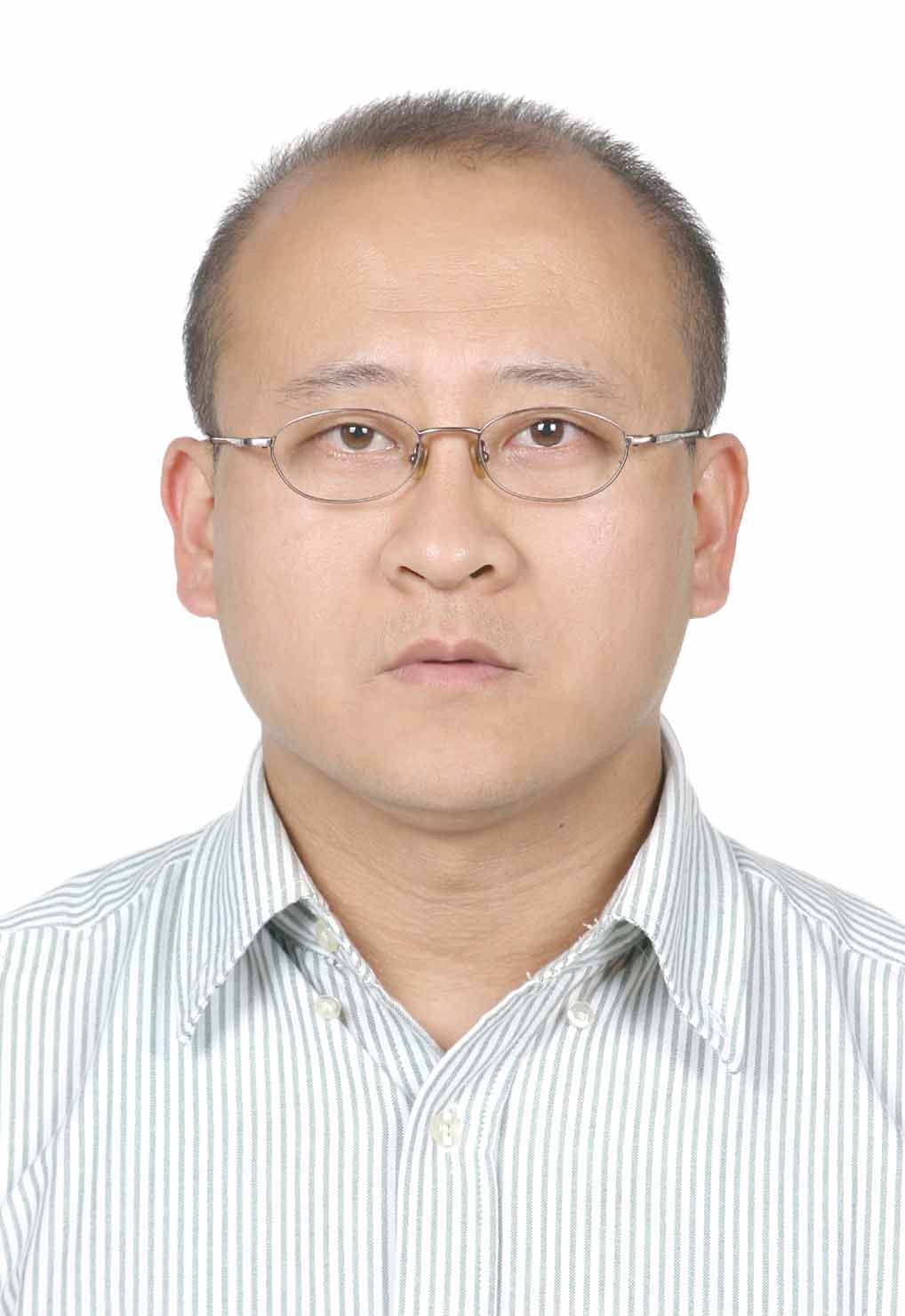 Jianxun Qi (齐建勋)合作论文数Institute of Microbiology, Chinese Academy of Sciences;University of Chinese Academy of Sciences5Danqi Chen合作论文数5
 Xipeng Liu (刘喜朋)合作论文数State Key Laboratory of Microbial Metabolism, School of Life Sciences and Biotechnology, Shanghai Jiao Tong University5Yaxing Chen合作论文数5Mu-Yun Xie合作论文数5George Fu Gao (高福)合作论文数Institute of Microbiology, Chinese Academy of Sciences;University of Chinese Academy of Sciences;Shanghai Jiao Tong University School of Medicine5




