Seven longitudinal gradient dipole magnets (DLGs, including a superbend magnet) are used in each standard arc of the storage ring at Wuhan Advanced Light Source to reduce the beam emittance. Each DLG is made of 5 permanent magnetic-units, providing the longitudinal gradients and the transverse gradients by tilting the polar faces simultaneously. The field design, assembly, and detailed magnetic measurement of the DLG1 prototype are presented. By optimizing the shapes of the pole faces in OPERA3D, the field integrals uniformity is optimized to lower than 5.0E-4. The magnetic field can be controlled accurately by adjusting the transverse position of each magnet-unit, and the temperature stability is better than 10 ppm/degrees C by filling several Fe-Ni alloy sheets between the poles and returning yokes. Magnetic measurement results indicate that the field integrals uniformity is below 5.0E-4 within the good field region.
In the current design of the Wuhan Advanced Light Source (WALS), the use of bending magnets with both transverse and longitudinal gradients poses significant challenges. To overcome these difficulties, we propose an improved solution based on the existing WALS lattice design that eliminates the requirement for dual-gradient bending magnets. Optimizing diffraction-limited storage rings is a highly complex nonlinear problem. Conventional multi-objective genetic algorithms, when applied directly, often converge to local optima and result in significant time expenditure. To address these limitations, we enhanced the multi-objective genetic algorithm, effectively avoiding local optima traps and significantly reducing computation time. Further optimization of these solutions was performed using frequency map analysis, resulting in good nonlinear dynamics. The optimized lattice achieves an emittance of 218.3 pm · rad, comparable to the previous WALS lattice (214.8 pm · rad), while maintaining a sufficiently large dynamic aperture. The optimized solution possesses a large dynamic aperture and exhibits good nonlinear dynamics. The improved MOGA algorithm can effectively optimize the WALS lattice and achieve the desired solutions. The frequency map analysis (FMA) method was applied to assess the lattice nonlinearities for various sextupole configurations, with the objective of identifying the optimal configuration.
Wuhan Advanced Light Source (WALS), a fourth-generation synchrotron radiation light source operating at 1.5 GeV, is currently under design and will use a full-energy linear accelerator (LINAC) as the electron beam injector. The injection beamline adopts a three-stage scheme: First, the beam from the LINAC, which is 6 m below the storage ring, is horizontally deflected below the storage ring; second, it gradually climbs from underground to the same altitude as the storage ring; and third, the beam is delivered horizontally into the injection straight section inside the storage ring. Twiss parameter matching between the LINAC and storage ring was also completed. During the construction of the beamline, magnet manufacturing errors, installation errors, and beam injection errors from the LINAC will cause beam deviations from the predetermined ideal orbits and even particle losses. Therefore, electron beam correction is required during beam commissioning. In contrast with the single-plane beam correction used in general transfer lines, the horizontal and vertical directions of the beam are coupled in the WALS injection transfer line, which greatly increases the complexity and difficulty of beam correction. Machine learning technology has been extensively developed in recent years, and the powerful invertible neural network algorithm is expected to solve the beam commissioning challenge of the beam injection transfer line at the WALS. Therefore, an invertible neural network (INN) model has been designed and trained to simulate the beam transport and beam correction of the WALS injection beamline. By optimizing the number and positions of beam profile monitors, the accuracy of both bidirectional prediction and beam correction can be greatly improved. This method has important practical significance for the commissioning and operation of similar complex beam transport systems.
The computational cost of finding the optimal design of plasma wakefield acceleration (PWFA) is usually very demanding due to many variables involved. Herein, we have developed a novel framework which combines Bayesian Optimization (BO) with neural network (NN), to replace computationally expensive simulation software and provide a more efficient way for the optimization process. In order to verify this framework, the AWAKE Run 2 experiment at CERN is used as an example. In the framework we constructed, the coefficients of determination (R2) of NN reaches above 0.99, and the time-to-solution reduces to a factor of 18.6. For the first time, BO combined with NN is successfully applied to optimize PWFA and significant improvements have been demonstrated. The framework established here in principle can also be extended to the optimization of other particle accelerations.
Quantum machine learning algorithms aim to take advantage of quantum computing to improve classical machine learning algorithms. In this paper, we have applied a quantum machine learning algorithm, the variational quantum classifier for the first time in accelerator physics. Specifically, we utilized the variational quantum classifier to evaluate the dynamic aperture of a diffraction-limited storage ring. It has been demonstrated that the variational quantum classifier can achieve good accuracy much faster than the classical artificial neural network, with the statistics of training samples increasing. And the accuracy of the variational quantum classifier is always higher than that of an artificial neural network, although they are very close when the statistics of training samples reach high. Furthermore, we have investigated the impact of noise on the variational quantum classifier, and found that the variational quantum classifier maintains robust performance even in the presence of noise.
This study constructs a hybrid module with a multi-material collaborative detection architecture by integrating silicon pixel layers into the longitudinally segmented scintillating fiber sampling calorimeter module and optimizes the placement of the silicon layers. The module utilizes the pre-shower characteristics of the front-end scintillator units to ensure sufficient energy deposition in the silicon pixel layers, thereby maintaining its high-precision detection capability. A dedicated simulation framework combining Geant4 modeling for the scintillator section and a parameterized approach for the silicon pixel layer is employed for module verification and performance study. The hybrid module demonstrates overall performance enhancement. The maximum achievable improvements are 56% for position resolution and 26% for time resolution, respectively. These advancements also lead to significant increase of physics sensitivity, especially for physics channels with low-energy photons, for instance, a 16% boost in signal significance for D^*0 from the B^-→ D^*0(→ D^0 γ)π^- decay
The laser wakefield acceleration (LWFA) with external injection requires high-quality, ultra-short electron bunches, which can be produced by using a photocathode injector based on the room-temperature RF electron gun. In this paper, the physics design of such a photocathode injector system is discussed for two operating modes: low charge (10 pC) and high charge (50 pC). The front end of the injector was optimized by combining the beam dynamics simulation software ASTRA with the multi-objective genetic algorithm NSGA-II. The downstream section was simulated using CSRtrack and ASTRA to optimize the magnetic chicane and match the Twiss parameters. A slit collimator was inserted in the middle of the chicane to filter part of the electrons, and hence shorten the bunch length and reduce the relative energy spread. The obtained beam parameters meet the requirements for an external injection of the LWFA, where the electrons can be further accelerated from 100 MeV to 1.5 GeV. Such a photocathode injector combined with the LWFA has the potential to be applied in the accumulation injection of a 1.5 GeV storage ring at Wuhan Advanced Light Source.
Uncontrolled high temperatures cause catalyst morphology collapse and phase transformation, hindering active site exposure. To address this issue, we extend Newton's law of cooling to achieve precise cooling time control within seconds using a Joule heating device. This approach enables the synthesis of CoFeNiMnCr high-entropy oxide (HEO) with a large surface area and abundant defect states. The resulting HEO catalyst demonstrates excellent performance, requiring only 219 mV of overpotential at 10 mA cm-2 and maintaining stability for 320 h at 100 mA cm-2, ranking among the most effective OER catalysts to date. Notably, our findings indicate that cooling time has a more significant influence on the OER activity of HEO than heating time. In situ Raman spectroscopy confirms the transformation of spinel-type HEO to metal (oxy)hydroxide active sites and highlights the synergistic effects of the multimetallic composition. This work provides valuable insights into optimizing cooling time for the synthesis of high-performance materials.
Bunch-by-bunch beam parameter monitors play a crucial role in the measurement system of particle accelerators. Beam position measurement (BPM) is a fundamental function of any beam measurement system and is vital for the overall performance of the accelerator. The BPM electronics equipment is capable of acquiring different types of beam position measurement data at various acquisition rates. Generally, these data types can be classified into four categories: closed-orbit data, fast acquisition data, turn-by-turn data, and bunch-by-bunch data. Among these, the bunch-by-bunch data type corresponds to the highest sampling rate of the BPM electronics. It provides more detailed beam position information, which is particularly useful for in-depth physical analysis of the behavior of the accelerator. In this study, a bunch-by-bunch digital BPM system was developed using BEPC-II as the platform. An experimental validation of beam instability study was conducted in BEPC-II. The bunch-by-bunch system consists of hardware, firmware, and application software. It enables the measurement of individual bunch positions and currents, as well as the tracking and comparison of any bunch in the storage ring for thousands of turns. The system also facilitates basic data analysis, such as generating x-y-t 3D plots in the time domain, identifying the envelope curve, fitting the instability growth time, etc. Additionally, it allows analysis in the frequency domain to determine the mode number, identify the tune, detect the most unstable mode, and more. Overall, the bunch-by-bunch digital BPM system provides a comprehensive solution for precise beam position measurement and detailed analysis of beam instabilities in particle accelerators.
Advancing anhydrous proton-conducting materials is essential for the fabrication of high-temperature (>373 K) polymer electrolyte membrane fuel cells (HT-PEMFCs) and remains a significant challenge. Herein, halogen-bonded organic frameworks linked by [NIN](+) interactions are reported as outstanding high-temperature conductive materials. By incorporating carbazole groups into the monomers, two highly crystalline halogen-bonded organic frameworks (XOF-CSP/CTP) are constructed. These XOFs exhibit a high intrinsic conductivity (sigma = 1.22 x 10(-3) S cm(-1)) under high-temperature anhydrous conditions. Doping the XOFs with H3PO4 allows the nitrogen sites and I+ sites on the pore walls to stabilize and tightly confine the H3PO4 network within the porous framework through hydrogen bonding, thereby enhancing proton conductivity under anhydrous conditions (sigma = 1.02 x 10(-2) S cm(-1)). Temperature-dependent curves and theoretical calculations indicate that proton transport is governed by a low-energy barrier hopping mechanism. These materials exhibit excellent stability and maintain high proton conductivity across a broad temperature range. This work provides a new platform for designing anhydrous proton-conducting materials with significant potential as high-temperature proton exchange membranes.
In the field of accelerators, identifying optimized operational points and ideal solutions for complex systems remains a significant challenge due to the large number of parameters and intricate nonlinear dynamics involved. In this study, we present two diffraction-limited storage ring (DLSR) lattice models based on deep and invertible neural networks (INNs), each incorporating both forward and inverse models. These models play a crucial role in enhancing multi-objective evolutionary algorithms (EAs) and expanding the set of viable solutions. We evaluate the accuracy of both the forward and inverse models of two lattice configurations; the accuracy is as high as 97 · rad and 23 pm · rad were obtained at energies of 2 GeV and 6 GeV, respectively, both with reasonable dynamic aperture. Additionally, the use of invertible neural networks significantly reduces computational costs and time requirements. This study provides a valuable reference for future research in multi-objective optimization for lattice design.
Intense electric fields generated by laser plasma wakefield accelerators can rapidly accelerate electrons to high energies over short distances, potentially reducing both the length and cost of accelerator facilities significantly. However, the electron beams produced often exhibit substantial energy spreads, which imposes significant constraints on their broader applicability. We propose a novel method for reducing energy spread by utilizing periodic changes in the acceleration field slope induced by mismatched plasma channels, allowing for periodic compensation of the energy spread. Simulations of a 1 GeV, 10 pC electron accelerator demonstrate that this method can reduce the energy spread of the electron beam to 0.17%, while effectively preserving other beam quality parameters. This approach is approaching the state-of-the-art in laser plasma wakefield accelerators and holds promise for applications in free electron lasers and synchrotron radiation source injectors.
In future high-energy physics experiments, the electromagnetic calorimeter (ECAL) should operate with an exceptionally high luminosity. An ECAL featuring a layered readout in the longitudinal direction and precise time-stamped information offers a multidimensional view, thereby enriching our understanding of the showering process of electromagnetic particles in high-luminosity environments. This was used as the baseline design for several new experiments, including the planned upgrades of the current running experiments. Reconstructing and matching multidimensional information across different layers poses new challenges for the effective utilization of layered data. This study introduced a novel layered reconstruction framework for ECAL with a layered readout information structure and developed a corresponding layered clustering algorithm. This expands the concept of clusters from a plane to multiple layers. Additionally, this study presents the corresponding layered cluster correction methods, investigates the transverse shower profile utilized for overlapping cluster splitting, and develops a layered merged π ^0 reconstruction algorithm based on this framework. By incorporating energy and time information into 3-dimensions, this framework provides a suitable software platform for preliminary research on longitudinally segmented ECAL and new perspectives in physics analyses. Furthermore, using the PicoCal in LHCb Upgrade II as a concrete example, the performance of the framework was preliminarily evaluated using single photons and π ^0 particles from the neutral B^0 meson decay B^0→π ^+π ^-π ^0 as benchmarks. The results demonstrate that, compared to the unlayered framework, utilizing this framework for longitudinally segmented ECAL significantly enhances the position resolution and the ability to split overlapping clusters, thereby improving the reconstruction resolution and efficiency for photons and π ^0 s.
The development of efficient oxygen evolution reaction (OER) catalysts requires advancements in both the mechanism understanding and material design. The lattice oxygen oxidation mechanism (LOM) typically has a lower thermodynamic barrier than the absorbate evolution mechanism (AEM), yet controlling the OER pathway from the AEM to the LOM remains challenging. Here, we demonstrate efficient lattice oxygen activation in a spinel-structured CoFeMoRu medium-entropy oxide (CoFeMoRuMEO) catalyst through strategic octahedral engineering. The introduction of Mo increases the electron density at the Co sites, thereby weakening OH adsorption and suppressing CoOOH formation via the AEM pathway. Meanwhile, compressed RuO6 octahedra create shortened Ru-O bonds, enhancing Ru-O covalency and facilitating the critical O-O coupling step. As a result, the CoFeMoRuMEO catalyst achieves a remarkable overpotential of 168 mV at 10 mA cm-2, setting a new benchmark for medium-to-high-entropy OER catalysts. Our work provides valuable insights into the transformation of the OER mechanism and performance optimization.
In laser wakefield acceleration,injecting an external electron beam at a certain energy is a promising approach for achieving a high-quality electron beam with low energy spread and low emittance.In this paper,the process of laser wakefield acceleration with an external injection at 10 pC has been studied in simulations.A Bayesian optimization method is used to optimize the key laser and plasma parameters so that the electron beam is accelerated to the expected energy with a small emittance and energy spread growth.The effect of the rising edge of the plasma on the transverse properties of the electron beam is simulated and optimized in order to ensure that the external electron beam is injected into the plasma without significant emittance growth.Finally,a high-quality electron beam with an energy of 1.5 GeV,a normalized transverse emittance of 0.5 mm-mrad and a relative energy spread of 0.5%at 10 pC is obtained.
The LHCb collaboration measures production of the exotic hadron χ_c1(3872) in proton-nucleus collisions for the first time. Comparison with the charmonium state ψ(2S) suggests that the exotic χ_c1(3872) experiences different dynamics in the nuclear medium than conventional hadrons, and comparison with data from proton-proton collisions indicates that the presence of the nucleus may modify χ_c1(3872) production rates. This is the first measurement of the nuclear modification factor of an exotic hadron.
Abstract The Λ b 0 $$ {\Lambda}_b^0 $$ → D + D − Λ decay is observed for the first time using proton-proton collision data collected by the LHCb experiment at a center-of-mass energy of 13 TeV, corresponding to an integrated luminosity of 5.3 fb −1. Using the B 0 → D + D − K S 0 $$ {D}^{+}{D}^{-}{K}_S^0 $$ decay as a reference channel, the product of the relative production cross-section and decay branching fractions is measured to be R = σ Λ b 0 σ B 0 = B Λ b 0 → D + D − Λ B B 0 → D + D − K S 0 = 0.179 ± 0.022 ± 0.014 , $$ \mathcal{R}=\frac{\sigma_{\Lambda_b^0}}{\sigma_{B^0}}=\frac{\mathcal{B}\left({\Lambda}_b^0\to {D}^{+}{D}^{-}\Lambda \right)}{\mathcal{B}\left({B}^0\to {D}^{+}{D}^{-}{K}_{\textrm{S}}^0\right)}=0.179\pm 0.022\pm 0.014, $$ where the first uncertainty is statistical and the second is systematic. The known branching fraction of the reference channel, B B 0 → D + D − K S 0 $$ \mathcal{B}\left({B}^0\to {D}^{+}{D}^{-}{K}_{\textrm{S}}^0\right) $$ , and the cross-section ratio, σ Λ b 0 / σ B 0 $$ {\sigma}_{\Lambda_b^0}/{\sigma}_{B^0} $$ , previously measured by LHCb are used to derive the branching fraction of the Λ b 0 $$ {\Lambda}_b^0 $$ → D + D − Λ decay B Λ b 0 → D + D − Λ = 1.24 ± 0.15 ± 0.10 ± 0.28 ± 0.11 × 10 − 4 , $$ \mathcal{B}\left({\Lambda}_b^0\to {D}^{+}{D}^{-}\Lambda \right)=\left(1.24\pm 0.15\pm 0.10\pm 0.28\pm 0.11\right)\times {10}^{-4}, $$ where the third and fourth contributions are due to uncertainties of B B 0 → D + D − K S 0 $$ \mathcal{B}\left({B}^0\to {D}^{+}{D}^{-}{K}_{\textrm{S}}^0\right) $$ and σ Λ b 0 / σ B 0 $$ {\sigma}_{\Lambda_b^0}/{\sigma}_{B^0} $$ , respectively. Inspection of the D +Λ and D + D − invariant-mass distributions suggests a rich presence of intermediate resonances in the decay. The Λ b 0 $$ {\Lambda}_b^0 $$ → D *+ D − Λ decay is also observed for the first time as a partially reconstructed component in the D + D − Λ invariant mass spectrum.
The first measurement of the Z boson production cross-section at centre-of-mass energy v s = 5.02TeV in the forward region is reported, using pp collision data collected by the LHCb experiment in year 2017, corresponding to an integrated luminosity of 100 +/- 2 pb-1. The production cross-section is measured for final-state muons in the pseudorapidity range 2.0 <. < 4.5 with transverse momentum pT > 20 GeV/c. The integrated cross-section is determined to be sZ.mu+mu- = 39.6 +/- 0.7(stat) +/- 0.6(syst) +/- 0.8(lumi) pb for the di-muon invariant mass in the range 60 < M mu mu < 120 GeV/c2. This result and the differential cross-section results are in good agreement with theoretical predictions at next-to-next-to-leading order in the strong coupling constant. Based on a previous LHCb measurement of the Z boson production cross-section in pPb collisions at v sNN = 5.02TeV, the nuclear modification factor RpPb is measured for the first time at this energy. The measured values are 1.2+0.5 -0.3(stat) +/- 0.1(syst) in the forward region (1.53 < y* mu < 4.03) and 3.6+1.6 -0.9(stat)+/- 0.2(syst) in the backward region (-4.97 < y* mu < -2.47), where y* mu represents the muon rapidity in the centre-of-mass frame.
Abstract A measurement of CP-violating observables associated with the interference of B0→ D0K⋆(892)0 and $$ {B}^0\to {\overline{D}}^0{K}^{\star }{(892)}^0 $$ B 0 → D ¯ 0 K ⋆ 892 0 decay amplitudes is performed in the D0→ K∓π±(π+π−), D0→ π+π−(π+π−), and D0→ K+K− final states using data collected by the LHCb experiment corresponding to an integrated luminosity of 9 fb−1. CP-violating observables related to the interference of $$ {B}_s^0\to {D}^0{\overline{K}}^{\star }{(892)}^0 $$ B s 0 → D 0 K ¯ ⋆ 892 0 and $$ {B}_s^0\to {\overline{D}}^0{\overline{K}}^{\star }{(892)}^0 $$ B s 0 → D ¯ 0 K ¯ ⋆ 892 0 are also measured, but no evidence for interference is found. The B0 observables are used to constrain the parameter space of the CKM angle γ and the hadronic parameters $$ {r}_{B^0}^{DK\star } $$ r B 0 DK ⋆ and $$ {\delta}_{B^0}^{DK\star } $$ δ B 0 DK ⋆ with inputs from other measurements. In a combined analysis, these measurements allow for four solutions in the parameter space, only one of which is consistent with the world average.
A measurement of time-dependent CP violation in D^{0}→π^{+}π^{-}π^{0} decays using a pp collision data sample collected by the LHCb experiment in 2012 and from 2015 to 2018, corresponding to an integrated luminosity of 7.7 fb^{-1}, is presented. The initial flavor of each D^{0} candidate is determined from the charge of the pion produced in the D^{*}(2010)^{+}→D^{0}π^{+} decay. The decay D^{0}→K^{-}π^{+}π^{0} is used as a control channel to validate the measurement procedure. The gradient of the time-dependent CP asymmetry ΔY in D^{0}→π^{+}π^{-}π^{0} decays is measured to be ΔY=(-1.3±6.3±2.4)×10^{-4}, where the first uncertainty is statistical and the second is systematic, which is compatible with CP conservation.
 Saverio Simone合作论文数Dipartimento di Fisica, Università degli Studi di Bari Aldo Moro144Vieites Diaz M合作论文数144
 David Websdale合作论文数Department of Physics, Faculty of Natural Sciences, Imperial College London141
 Miguel Ramos Pernas合作论文数140
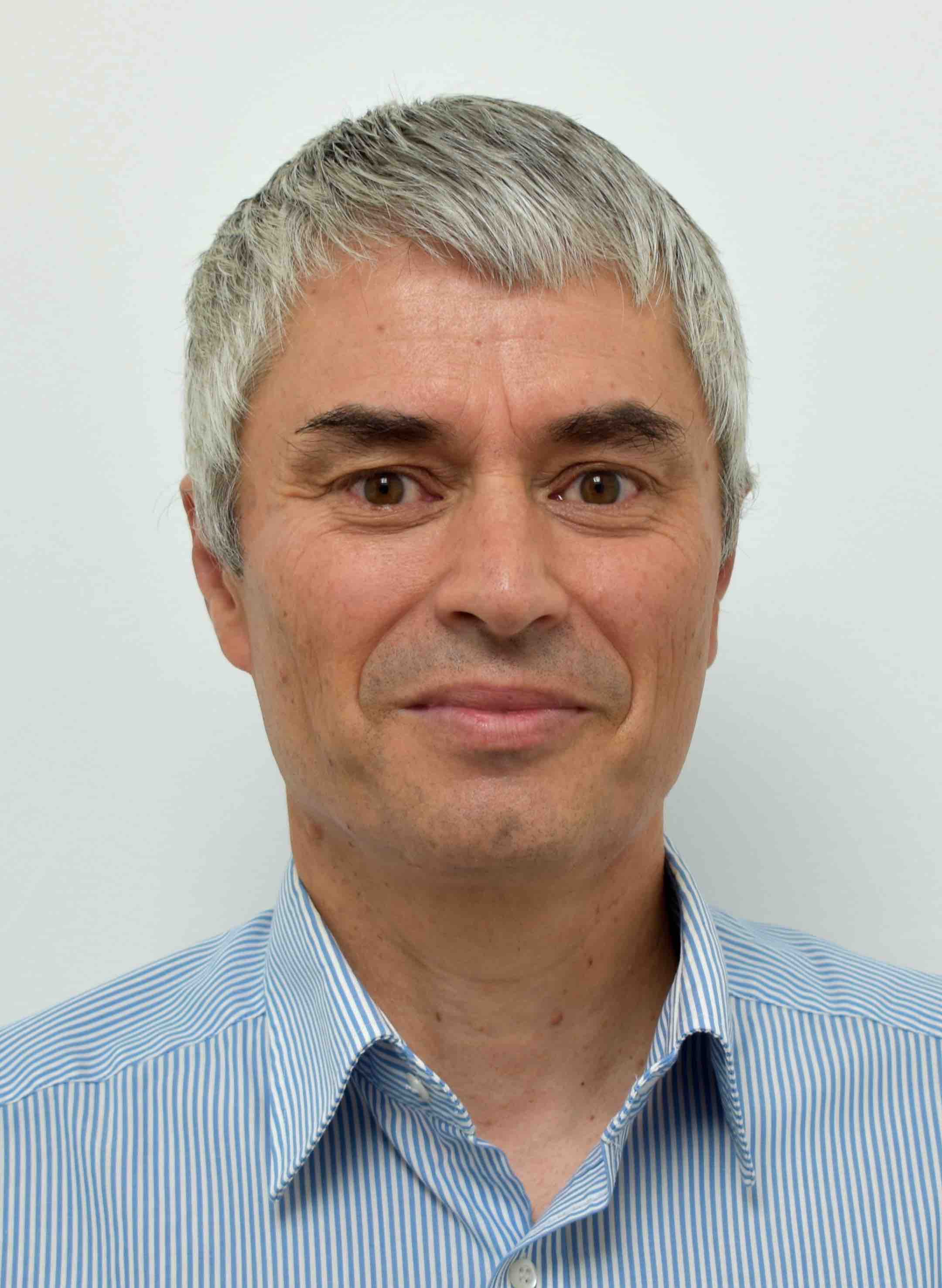 Olivier Schneider合作论文数High Energy Physics Laboratory, Institute of Physics, School of Basic Sciences, Ecole Polytechnique Fédérale De Lausanne140
 D. Vom Bruch合作论文数139F. Ferreira Rodrigues合作论文数139
 Eric van Herwijnen合作论文数Chiojdeanu139
 Nicola Serra合作论文数Physik-Institut, Universität Zürich139
 J. A. De Vries合作论文数Faculty of Science and Engineering, Maastricht University138
 Ricard Vázquez Gómez合作论文数Facultat de Física, Universitat de Barcelona138F. Redi合作论文数137Alex Seuthe合作论文数137
 Stefania Vecchi合作论文数INFN137Andrea Valassi合作论文数Laboratoire de Physique Nucléaire et des Hautes Energies, IN2P3-CNRS137M. van Veghel合作论文数136D. Y. Tou合作论文数136
 Barbara Sciascia合作论文数Laboratori Nazionali di Frascati, Istituto Nazionale di Fisica Nucleare136Mariusz Witek合作论文数The LHCb Experiment Department, The Henryk Niewodniczański Institute of Nuclear Physics, Polish Academy of Sciences136A. Sergi合作论文数135
 Tara Shears合作论文数Department of Physics, School of Physical Sciences, Faculty of Science and Engineering, University of Liverpool135
 Sheldon Stone合作论文数Department of Physics, College of Arts and Sciences, Syracuse University135L. M. Garcia Martin合作论文数134M. Ferro Luzzi合作论文数134
 Frederic Teubert合作论文数European Organization for Nuclear Research134M. Tobin合作论文数134Sara Sellam合作论文数133Michael Schmelling合作论文数Max-Planck-Institut fuer Kernphysik133C. Trippl合作论文数133
 Tomasz Skwarnicki合作论文数College of Arts & Sciences, Syracuse University133
 Tomasz Szumlak合作论文数Department of Particle Interactions and Detection Techniques, Faculty of Physics and Applied Computer Science, AGH University of Krakow133
 García Pardiñas J合作论文数Universidad de Santiago de Compostela133
 Mika Vesterinen合作论文数Department of Physics, University of Warwick133
 Pablo Vazquez Regueiro合作论文数Department of Particle Physics, Faculty of Physics, Universidade de Santiago de Compostela;Galician Institute of High Energy Physics, Universidade de Santiago de Compostela133C. Haen合作论文数132L. R. Madhan Mohan合作论文数132
 Nigel Watson合作论文数School of Physics and Astronomy, The University of Birmingham;Higher Education Academy;STEM.org132
 Martin Schiller合作论文数Physikalisches Institut, Ruprecht-Karls-Universität Heidelberg132Gp Wormser合作论文数132Patrick Spradlin合作论文数School of Physics & Astronomy, University of Glasgow132Alejandro Alfonso Albero合作论文数131L. Soares Lavra合作论文数131
 Sune Jakobsen合作论文数CERN131
 Michael Williams合作论文数Department of Physics, Massachusetts Institute of Technology131Heinrich Schindler合作论文数131Ming Zeng (曾鸣)合作论文数131O. Steinkamp合作论文数131
 Cibrán Santamarina Ríos合作论文数Instituto Galego de Física de Altas Enerxías, Universidade de Santiago de Compostela131E. Dall’Occo合作论文数130




