Separation of C-6 alkane isomers is a key yet energy-intensive step in petroleum refining because they exhibit highly similar physicochemical properties. Here we develop a stability-aware, transferable discovery workflow to identify metal-organic frameworks (MOFs) capable of shape-selective (SS) or inverse shape-selective (IS) adsorption of C-6 isomer mixtures comprising n-hexane (n-hex), 2-methylpentane (2mp), and 2,3-dimethylbutane (23dmb). We first perform computational screening on the CoRE-MOF-2024 database with 14,500 MOFs and reveal distinct SS/IS schemes governed by pore confinement and cavity-guest matching. To translate separation performance into practical viability, we then shortlist MOFs with thermal, activation and mechanical stabilities. Guided by these screening results, we train high-fidelity machine learning (ML) classifiers that achieve receiver operating characteristic curve (AUC) >= 0.90 and robust accuracy (0.88-0.91), enabling rapid prioritization beyond the screened set. For the more extensive and diverse ARC-MOF database with 270,000 MOFs, we identify two experimentally actionable candidates that surpass training-set benchmarks, achieving TSN(SS) = 15.17 and TSN(IS) = 2.57. This study establishes a generalizable, stability-aware ML paradigm for accelerating the digital discovery of deployable MOFs for challenging hydrocarbon separations and other industrially important applications.
Xylene isomers are highly valuable raw materials in the petrochemical industry and exist as a mixture. Their separation using conventional technologies is energy intensive due to similar physicochemical and molecular properties. With readily tunable topological structures and chemical functionalities, metal-organic frameworks (MOFs) are considered promising adsorbents for xylene separation. In the present work, we conduct high-throughput computational screening (HTCS) of a large database with over 91 000 MOFs and identify top candidates for highly selective adsorption of para-xylene (pX) over meta-xylene (mX) and ortho-xylene (oX). A top candidate, namely, Zn(rod)-BTC, is experimentally synthesized and tested to validate the computational discovery. In addition to superior separation performance, this MOF exhibits strong mechanical, thermal, and activation stability, thus enabling endurance of harsh operating conditions. By synergizing HTCS and experimental validation, we accelerate the discovery of top MOFs for effective xylene separation. This computationally guided approach would also facilitate the development of potential MOFs for many other important separation processes.
Metal–organic frameworks (MOFs) are celebrated for their chemical and structural versatility, and in‑silico screening has significantly accelerated their discovery; yet most hypothetical MOFs (hMOFs) never reach the bench because their synthetic feasibility remains unknown. Herein, a deep‑learning proxy based on the Tabular Prior‐Data Fitted Network (TabPFN) is introduced that predicts free energy with high fidelity. The fine‐tuned surrogate attains a coefficient of determination ( R 2 ) of 0.96 and a mean absolute error (MAE) of 0.67 on the hold‑out test set, preserves strong temporal generalization ( R 2 = 0.89 and MAE = 1.35), as well as robust extrapolation on a chemically diverse blind set. Applying the surrogate to a well‐established hMOF library, we rapidly flag prime hMOF candidates that fall within the synthetic‑likelihood window observed for experimentally realized MOFs. This study delivers a practical bridge between digital reticular design and laboratory synthesis, transforming synthetic‑likelihood assessment from a computational bottleneck into a routine, high‑throughput step. Beyond MOFs, the approach provides a general framework for accelerating free‑energy‑driven materials discovery with minimal loss of accuracy, opening a new avenue to data‑driven exploration of complex chemical spaces.
Digital discovery of metal-organic frameworks (MOFs) has advanced rapidly, driven by the tremendously large number of experimentally synthesized and computationally designed structures, high-throughput screening, and artificial intelligence. Yet a fundamental bottleneck remains: many hypothetical MOFs (hMOFs) may never reach a chemical laboratory. This gap has rendered the synthetic likelihood of MOFs a central challenge in translating digital MOF discovery into experimental synthesis and test. In this perspective, we provide an overview of recent progress in interrogating the synthetic likelihood of MOFs. First, thermodynamic analysis, focusing on free energy as a physically grounded metric for assessing synthesizability, is presented. Then, emerging data-driven heuristics, such as synthetic scores, classification models for synthesizability prediction, and machine-learning methods for predicting synthesis conditions directly from atomic structures, are discussed. Finally, we offer an outlook on future directions, including scalable free-energy calculations, synthesis-aware inverse design, and unified databases that incorporate both successful and failed synthesis attempts. It is highly anticipated that integrating these advances will transform MOF discovery from performance-driven screening into synthesis-informed design, thereby accelerating the realization of computationally designed structures in experiments.
Ion conduction in covalent-organic framework (COF) membranes is vital for energy conversion and storage. Conventional phenomenological methods based on the Arrhenius equation offer micrometer-scale cognition of ion conduction, whereas they ignore atomic details of ion-pore interactions and sophisticated conduction mechanisms, leaving gaps in high-resolution and bottom-up understanding of ion conduction in a nanoconfined space. In this study, we develop a hierarchical approach by holistically synergizing electronic structure calculations, first-principles molecular dynamics simulations, and thermodynamic integration methods to investigate the conduction of chloride (Cl-) and hydroxide (OH-) ions in a COF membrane. It is revealed that Cl-ion with symmetric charge distribution undergoes weak solvation and tight ion-pore binding, which results in a tortuous conduction pathway, a high energy barrier, and slow diffusion based on the vehicular mechanism. In remarkable contrast, OH-ion with heterogeneous charge distribution features strong solvation and weak ion-pore binding, and it jumps frequently via a smooth pathway and a low energy barrier. Moreover, OH-ion conduction follows a mixed vehicular and Grotthuss mechanism, causing highly mutable ion identity and number, as well as superior dynamics due to proton transfer. This hierarchical approach provides sub-nanometer resolution insights into ion conduction, guiding intelligent membrane design and performance regulation to control ion conduction for emerging applications. (c) 2025 Science Press and Dalian Institute of Chemical Physics, Chinese Academy of Sciences. Published by Elsevier B.V. and Science Press. All rights are reserved, including those for text and data mining, AI training, and similar technologies.
A computer vision approach is developed to recognize pore shapes in metal–organic frameworks and shortlist candidates with triangular pores potentially capable of ultraselective adsorption of xylene isomers.
Covalent-organic frameworks (COFs) have emerged as versatile nanoporous materials in a wide variety of domains. However, their practical applications are hindered by activation, as solvent evacuation may cause structural collapse. In this study, we investigate whether an imine-based COF can sustain structural integrity during activation by six different solvents (dimethyl sulfoxide, dimethylformamide, acetone, methanol, hexane, and perfluorohexane). From molecular simulation, nanocavity is observed to form in the COF upon solvent evacuation, thus inducing contractive stress. The magnitude of contractive stress is revealed to quantitatively correlate with the surface tension of solvent, indicating that the cohesive force of solvent plays a key role in governing evacuation. Then, the mechanical strength of the COF is estimated to assess the likelihood of structural integrity/collapse during activation. Among six solvents, we predict that hexane and perfluorohexane enable successful activation of the COF at 80 °C and sustain structural integrity, while the other four solvents cause structural collapse. These predictions agree remarkably well with experimental observations. From the bottom up, this study provides microscopic insight into the solvent-induced structural collapse, offering fundamental guidance in properly selecting solvents for activation and designing stable COFs for practical applications.
Biological channels achieve remarkable selectivity by amplifying subtle molecular differences through nanoscale confinement and steric gating. Inspired by this principle, we investigate the zirconium fumarate framework MOF-801, whose triangular pore windows act as biomimetic steric filters that preferentially accommodate para-xylene (PX) over its meta- (MX) and ortho- (OX) isomers. To further enhance the separation performance, we introduced structural defects that enlarge the internal nanospace while preserving the selective gating effect of the windows. The resulting material, MOF-801-132AA, delivers high liquid-phase separation performance, achieving a PX/OX selectivity of 103.9 at room temperature and a PX uptake of 243.8 mg g-1, as determined from vapor adsorption measurements. MOF-801-132AA also exhibits a temperature-dependent selectivity inversion with the preferential order shifting from PX > MX > OX at 25-60 °C to OX > MX > PX above 160 °C. This unusual dynamic behavior is validated by liquid-batch adsorption, vapor-phase sorption, and breakthrough experiments. Single-crystal electron diffraction reveals preferential PX localization in the octahedral cages, while molecular simulations attribute the inversion to the interplay of window-blocking effects, isomer packing configurations, and defect-induced nanospace enlargement. Together, these results illustrate how defect-modulated nanospace and window confinement can be combined to enable the adsorption-based separation of structurally similar isomer mixtures.
Achieving both efficient water transport and complete salt rejection in synthetic water channels continues to pose a significant challenge for reverse osmosis (RO) desalination. In this study, we design a series of functional porous organic cages (POCs) by grafting fluorine (-F), hydroxyl (-OH), amino (-NH2), and methyl (-CH3) into the interior of a prototypical CC3 cage to construct CC3-F, CC3-OH, CC3-NH2, and CC3-CH3 channels, respectively. Subsequently, molecular dynamics simulations are conducted to explore how different chemical functional groups influence the desalination performance of these CC3-based channels embedded in a lipid bilayer. It is revealed that water transports through the channels in a single-file manner, and all the channels exhibit complete salt rejection. Water fluxes follow the order: CC3-F > CC3-OH > CC3 > CC3-NH2 > CC3-CH3, as attributed to the steric hindrance and hydrogen bonding of functional groups that affect water-channel interaction and alter the dynamic configuration of confined water molecules in the channels. Furthermore, wetting-dewetting transition is found to be largely suppressed in the hydrophilic channels. From temperature-dependent water flux, activation energies are estimated to range from 12 to 20 kJ/mol in CC3-based channels, lower than those in polyamide RO membranes. From bottom-up, this simulation study reveals molecular-level mechanisms of the role of functionalization in tuning water transport in one-dimensional subnanometer channels and provides a theoretical basis for designing high-performance synthetic water channels toward next-generation desalination technologies.
Adsorption in nanoporous adsorbent materials is considered a viable technology for CO2 capture. With intrinsic structural transition and tunable working capacity, flexible metal-organic frameworks (MOFs) hold great potential for energy-efficient CO2 capture. Transitioning MOFs from laboratory-scale to practical capture requires in-depth understanding of their structural behavior and adsorption performance. Nevertheless, interpreting the fundamental mechanism underlying their flexibility from a molecular level poses a significant challenge. Herein, we employ hybrid Monte Carlo/molecular dynamics simulations to explore CO2-induced structural transition of a flexible MOF (X-dia-2-Cd). Stepped isotherms are predicted at different response pressures during CO2 adsorption, which agree well with experiments at both 195 K and 273 K. Structural transition from a narrow pore (Np) phase to a large pore (Lp) phase is observed and revealed to be driven primarily by the deformation of Cd metal nodes. CO2 diffusion is substantially accelerated upon the structural transition from the Np to Lp phase. Moreover, the mechanical strength of X-dia-2-Cd is found to be preserved during the structural transition. From this study, we provide quantitative understanding in the flexibility of X-dia-2-Cd and unravel the microscopic mechanism underlying CO2-induced structural transition by linking its local elastic behavior to multiphase stability. These microscopic insights offer valuable guidance for the rational design of new flexible MOFs for CO2 capture and other industrially important gas adsorption processes.
Metal-organic framework (MOF) glasses feature several unique dynamic and thermodynamic properties that differentiate them from their crystalline counterparts. However, the formation of MOF glasses usually requires the melt-quenching of molten MOFs from relatively high temperatures. In practice, this approach is quite limited because most MOFs decompose below their melting points. Herein, we demonstrate a direct crystal-to-glass transition in HKUST-1 MOF that has been achieved at room temperature and a relatively low pressure of <1.0 GPa. The dramatic fall in the required pressure is shown to arise from the aggregation of coordinated polar water molecules to form water clusters that exhibit a pulling effect on the Cu-O-(ligand) bonds. Meanwhile, the departed fragment gets flipped unfavorably to prevent further regeneration of the bond. Accordingly, a grain boundary-free continuous porous framework in the glassy state is successfully formed and can be fabricated into membranes. Given their unique microporosity and grain boundary-free characteristics, such MOF glass membranes present new opportunities for chemical separation (both gases and liquids), electrochemistry, and catalysts, promising a new platform for MOF glasses.image
Proton transport in porous materials is an integral process in science and engineering. Recently, metal-organic frameworks (MOFs) have emerged as promising nanoporous materials for proton-exchange membranes (PEMs); however, the fundamental understanding of proton transport in MOFs remains unelucidated. Here, we developed universal machinelearned potentials (uMLPs) to investigate proton transport properties and mechanisms in pertinent MOFs, namely UiO-66 and MOF-808. After validating the prediction accuracy across diverse physical properties, we fine-tuned a uMLP to simulate proton transport in bulk water and MOFs. Importantly, the uMLP accurately reproduced the experimental proton diffusivity in bulk water, which cannot be achieved via conventional potentials. Subsequently, uMLP-driven molecular dynamics (MLP-MD) simulations reveal that proton hopping (Grotthuss mechanism) is governed by hydrogen-bond (H-bond) structure. Our mechanistic analysis reveals previously unelucidated insights into the proton transfer mechanism: MOFs with smaller pores exhibit higher energy barriers for proton transfer and H-bond exchange, thereby inhibiting proton hopping under nanoconfinement. Furthermore, the effects of incorporating linker-functionalization and defects in MOFs were investigated; while linker-functionalization exacerbates nanoconfinement and hinders proton transfer, incorporating defects facilitates proton hopping by lowering energy barriers for proton transfer and H-bond exchange. Finally, analysis of structure-transport relationships evidences that H-bond structure governs proton transport in MOFs. Beyond developing accurate uMLPs for describing complex proton transport across diverse MOFs, we reveal previously unexplored mechanisms of proton transport under nanoconfinement and elucidate key structure−transport relationships that will guide the design of PEMs.
Membrane technologies offer an energy-efficient alternative to conventional distillation for hydrocarbon fractionation, but they suffer from a trade-off between fast liquid transport and high molecular selectivity. We report a scalable approach to fabricate polymer membranes with stable interconnected pathways by locking in their intrinsic microporosity. This locking strategy reduces polymer swelling and preserves the subnanometer pore structure in hydrocarbon liquids, resulting in 10-fold higher permeance for synthetic crude oil compared with current state-of-the-art membranes. When applied to Arabian Extra Light crude oil, these membranes achieved excellent size- and class-based separation, removing 99.8% of hydrocarbons containing >15 carbon atoms and 93% of sulfur-containing components. These scalable membranes underpin processes providing rapid and selective hydrocarbon separation, enabling a more sustainable pathway toward crude oil refining.
Disorder-order transitions pass through structurally rich intermediates that conventional order parameters and classification cannot fully resolve. By extending the hierarchical motif framework previously demonstrated for static materials,1–3 we learn a discrete vocabulary of structural motifs and a grammar of how they interact in space and time from homogeneous nucleation of supercooled water simulated using the ML-BOP model. By leveraging vector quantization of the multimodal variational autoencoder (VAE) latent space, we establish the motif vocabulary comprising discrete labels (codebook) of liquid-like, transient and ice-like motifs. Moreover, the variance component of the VAE quantifies the local disorder, decreasing from liquid to transient to ice motifs, which are inaccessible in conventional classifiers. Analysis of the motif grammar, including motif-motif transition and primitivering co-occurrence, reveals a consistent picture of ice nucleation; in supercooled water, transient motifs comprising low-density-liquid precursors in pentamer/hexamer networks form metastable stacking-disordered ice nuclei, eventually growing into non-consolidating Ih/Ic domains. Crucially, our analysis uncovers role of LD liquid motifs forming pentamers and distorted hexamers as precursors to ice nucleation, which was previously unelucidated. Extending the motif vocabulary to hypothetical ice polymorphs identifies approximately 252,000 candidates that are structurally similar to transient motifs; heterogeneous nucleation simulations with four selected candidates evidence that ice/liquid interface controls selective Ic and Ih growth. Beyond identifying structural motifs and characterizing their relationships in supercooled water, our hierarchical framework provides a general methodology for understanding other systems of interest across distinct fields (microscopy experiments1–3) and physical regimes (disorder-order transitions).
With remarkably tunable porosity and modular chemistry, metal-organic frameworks (MOFs) present a versatile platform for photocatalytic hydrogen (H2) production. However, identifying high-performing and water stable MOFs from the vast design space is challenging. In this study, we develop a hierarchical screening strategy to accelerate the discovery of photocatalytically active MOFs with robust water stability. First, machine learning (ML) classifiers are trained on experimental H2 production data to predict photocatalytic performance, achieving high accuracy and excellent transferability. Then, starting from 11660 structures in the CoRE-MOF database, 1731 are shortlisted to be photocatalytically active. Detailed structure-performance analyses reveal that linker flexibility and aliphatic character positively correlate with H2 evolution activity, while excessive aromaticity and rigidity are detrimental. Finally, a water stability classifier is applied to further identify 419 MOFs to be simultaneously photocatalytically promising and water stable. The ML-guided strategy provides a quantitative and interpretable path toward the discovery of new MOFs as photocatalysts, and it would facilitate future experimental exploration for efficient photocatalytic H2 production.
Metal-organic frameworks (MOFs) are intriguing nanoporous materials with a wide variety of potential applications. Recent efforts in extending the functionalities of MOFs toward biological applications have inspired the development of Bio-MOFs comprising biological building blocks. Yet, while numerous experimental studies have attempted to synthesize different Bio-MOFs, computational screening of Bio-MOFs is impeded by the limited number of Bio-MOFs currently available. Here, we design a Bio-hMOF database containing 17 681 hypothetical structures, assembled from the fragments of 309 experimental Bio-MOFs, with rigorous geometry optimization and structural checks. Subsequently, a possible biological application of the Bio-hMOFs is demonstrated for the selective adsorption of signaling gases NO and CO. The effects of different inorganic and organic fragments on the mechanical properties of Bio-hMOFs are also examined. Finally, we identify mechanically stable Bio-hMOFs promising for selective NO/CO adsorption and holistically analyze the trade-off between adsorption capacity and mechanical strength. The digital Bio-hMOF database is available publicly, in which future studies can be leveraged to discover top candidates and unveil new structure-property insights into the further design of Bio-MOFs for targeted biological applications.
A comprehensive understanding of the intricate water/gas two-phase flow in sedimentary pores is essential for accurately predicting gas production following the in-situ dissociation of natural gas hydrates, as it is crucial for optimizing resource extraction strategies. This study constructed three typical clay slit nanopore models with distinct wettability characteristics-hydrophilic, relatively hydrophobic, and Janus hybrid-wettability-and used molecular dynamics simulations to investigate the spatial distribution and transport dynamics of two-phase fluids under varying water saturation conditions. The results revealed a significant negative correlation between water saturation and gas relative permeability. When water saturation reaches a critical threshold, the water lock effect occurs, blocking gas flow. Pore wettability plays a key regulatory role in water/gas phase dynamics via influencing the formation pathways of water locks. In relatively hydrophobic pores, weaker solid-water interactions promote the rapid clustering of water molecules, forming water locks, while hydrophilic surfaces enable water lock formation through gradual thickening of the liquid film. In Janus pores with low water saturation, strong electrostatic interactions between oppositely charged pore walls facilitate the formation of discrete water bridge networks, maintaining "gas windows" that allow gas flow, although these windows eventually close as saturation increases. The lower the water saturation, the more favorable it is for gas transport; in contrast, hydrophilic pores exhibit higher gas transport efficiency. Our findings provide valuable molecular-scale insights into how wettability governs multiphase flow transport, offering a theoretical foundation for reservoir modification and seepage control in natural gas hydrate recovery.
Separation of molecules with similar properties such as removal of CO2 impurity from acetylene (C2H2) remains a grand challenge due to their identical molecular sizes and linear geometries, which render existing membranes based on size-sieving or solution-diffusion transport mechanisms ineffective. Here, by integrating machine learning, we unveil a molecular orientation-directed permeation mechanism in two-dimensional fullerene (2D C-60) membranes with funnel-shaped nanochannels. This mechanism with molecular orientation angle and surface charge as dominant descriptors, enables distinguishing gas molecules based on their orientation as permeating through the membranes. By regulating the geometric pattern and chemical recognition site, CO2 preferentially adopts a near-vertical alignment during permeation, in contrast to the horizontal orientation of C2H2. This molecular orientation permeation yields CO2 permeance of 53.0 x 10(5) GPU and CO2/C2H2 selectivity of 2693, overcoming the permeability-selectivity trade-off and surpassing current benchmarks. By further tuning the channel environment to a modest positive charge (+0.11 mC/cm(2)), CO2 aligns more vertically (similar to 90(o)), minimizing CO2 steric hindrance while C2H2 adopts a more horizontal orientation (similar to 25(o)). The amplified molecular orientation difference leads to a remarkable 113-fold enhancement of CO2/C2H2 selectivity. The 2D C-60 membranes also exhibit exceptional selectivity for other gas mixtures such as CO2/CH4, far exceeding prior records. The proposed 2D C-60 membrane and molecular orientation-directed permeation mechanism pave an avenue for separating molecules with extremely similar size.
The rapid increase in atmospheric CO2, arising from anthropogenic sources, has posed a severe threat to global climate and raised widespread environmental concern. Metal-organic frameworks (MOFs) are promising adsorbents to potentially reduce CO2 emissions from flue gases. However, many MOFs suffer from structural degradation and performance deterioration upon exposure to water in flue gases. Aiming to discover stable and efficient MOFs for CO2 capture from a wet flue gas, we propose a hierarchical high-throughput computational screening (HTCS) strategy. Machine learning (ML)-assisted stability analysis is incorporated within the HTCS, leveraging prior experimental experience to predict ultrastable (including water-, thermal-, and activation-stable) MOFs from ∼280,000 candidates in the ab initio REPEAT charge MOF (ARC-MOF) database. Among 9755 shortlisted MOFs, molecular simulations identify 1000 top-performing MOFs. Remarkably, several vanadium-based MOFs are revealed to be ultrastable, exhibiting high CO2 capture capability of 3-7 mmol/g and CO2/N2 selectivity of 95-401. Subsequently, ML regressors are developed to derive design principles for MOFs capable of overcoming the trade-off effect. Furthermore, an ML classifier is developed to analyze the impact of water on CO2 capture by comparing dry and wet conditions. The proposed hierarchical HTCS and developed ML models lay a solid foundation for the potential transition of MOFs into practical applications.
 Honglai Liu (刘洪来)合作论文数School of Chemistry and Molecular Engineering, East China University of Science and Technology42
 Kang Zhang (张抗)合作论文数School of Chemistry and Materials Science, Nanjing University of Information Science & Technology36
 Zhongqiao Hu合作论文数33
 Krishna M. Gupta合作论文数29Hu Ying合作论文数24
 Stanley I Sandler合作论文数Department of Chemical & Biomolecular Engineering, College of Engineering, University of Delaware24
 Anjaiah Nalaparaju合作论文数24SHENG Shou-ri (盛寿日)合作论文数21
 Saad Aldin Mohamed合作论文数19Kuiwei Yang合作论文数19
 Yifei Chen (陈毅飞)合作论文数School of Chemical Engineering and Technology, Tianjin University19
 Dan Zhao合作论文数Department of Chemical and Biomolecular Engineering, National University of Singapore18
 Qisong Xu合作论文数15
 Zhiwei Qiao合作论文数School of chemistry and chemical engineering, Guangzhou University15
 Liling Zhang合作论文数15Mao Wang (汪茂)合作论文数14
 Yan Liu (刘燕)合作论文数School of Chemistry and Chemical Engineering, Shanghai Jiao Tong University14
 Jie Liu合作论文数Institute of Polymer Optoelectronic Materials and Devices, South China University of Technology14
 Yong Cui (崔勇)合作论文数Department of Chemistry, School of Chemistry and Chemical Engineering, Shanghai Jiao Tong University14Ravichandar Babarao合作论文数Natl Univ Singapore, Dept Chem & Biomol Engn, Singapore 117576, Singapore13
 Ying Hu (胡英)合作论文数School of Chemistry and Molecular Engineering, East China University of Science and Technology13
 Jinqiao Dong (董金桥)合作论文数School of Chemistry and Chemical Engineering, Shanghai Jiao Tong University12
 Changjun Peng (彭昌军)合作论文数School of Chemistry and Molecular Engineering, East China University of Science and Technology12
 Xiusong Zhao (赵修松)合作论文数College of Materials Science and Engineering, Qingdao University;Institute of Materials for Energy and Environment, Qingdao University11Xiao-Ling Liu (刘晓玲)合作论文数10
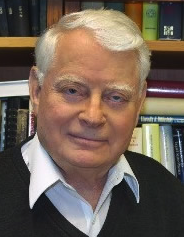 John M. Prausnitz合作论文数Department of Chemical and Biomolecular Engineering, College of Chemistry, University of California, Berkeley9
 Yazhuo Shang (尚亚卓)合作论文数School of Chemistry and Molecular Engineering, East China University of Science and Technology9
 Li Xu合作论文数8
 Aisheng Huang (黄爱生)合作论文数School of Chemistry and Molecular Engineering, East China Normal University8
 Zhongyi Jiang (姜忠义)合作论文数School of Chemistry and Chemical Engineering, Hainan University8Bohui Lyu合作论文数7Cai-Sheng Song合作论文数7
 Zhongjin He (贺仲金)合作论文数Faculty of Engineering, China University of Geosciences (Wuhan)7
 Bin Liu (刘斌)合作论文数Department of Chemical and Biomolecular Engineering, National University of Singapore7
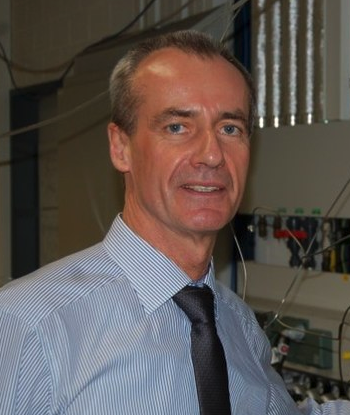 Jürgen Caro合作论文数Institute of Physical Chemistry and Electrochemistry, Faculty of Natural Sciences, Leibniz University Hannover7
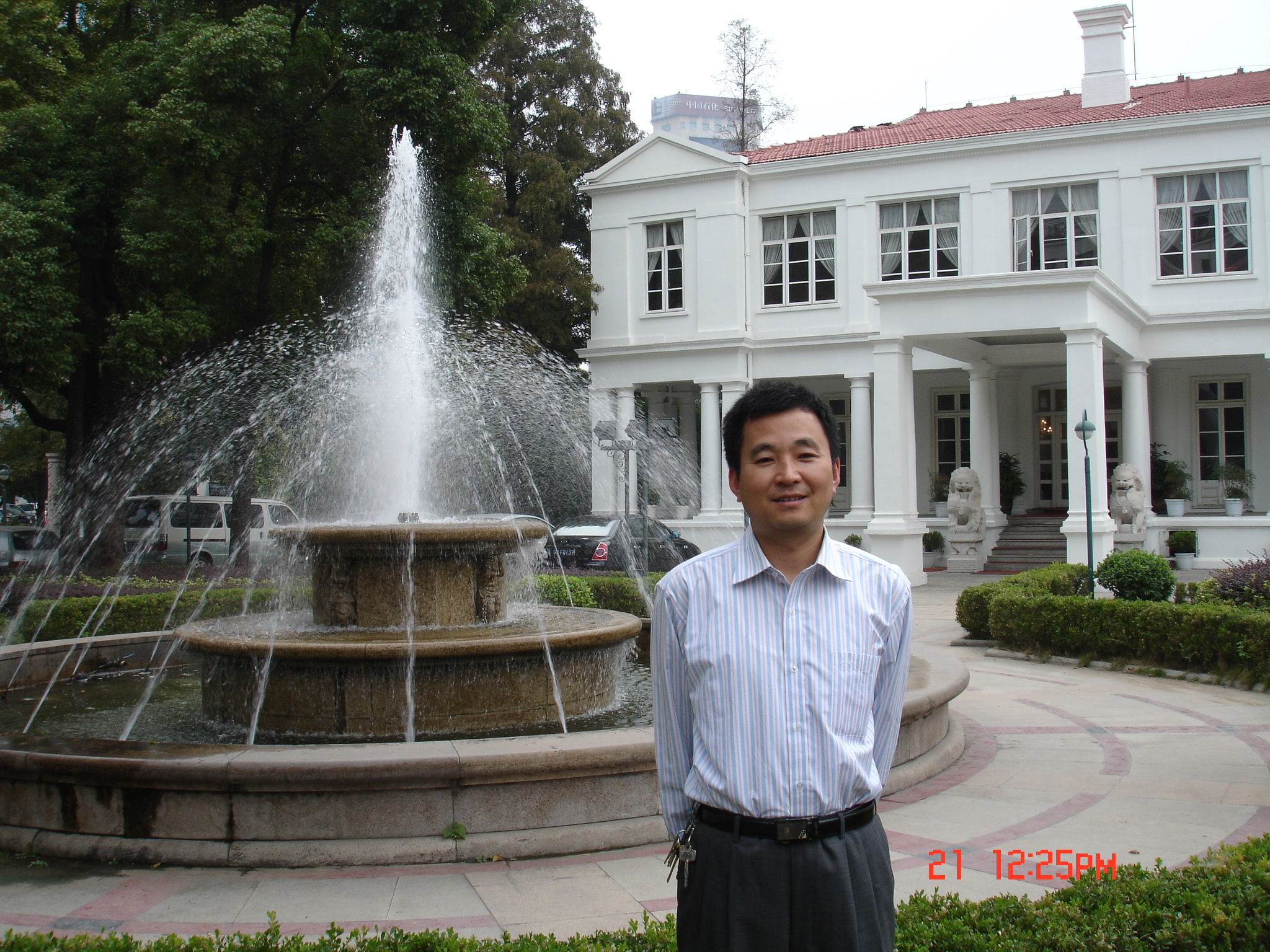 Mingzhong Cai (蔡明中)合作论文数江西师范大学化学化工学院7R. Babarao合作论文数6
 Hongjian Tang (汤红健)合作论文数School of Energy and Environment, Southeast University6Zhonglin Luo合作论文数6
 Rahul Banerjee合作论文数Department of Chemical Sciences, Indian Institute of Science Education and Research Kolkata;PMAT Lab, Indian Institute of Science Education and Research Kolkata6
 Shidang Xu (许适当)合作论文数School of Biomedical Science and Engineering, South China University of Technology5Ramakrishna Krishnan合作论文数5Yi Di Yuan合作论文数Natl Univ Singapore, Dept Chem & Biomol Engn, 4 Engn Dr 4, Singapore 117585, Singapore5
 Zhiming Zhang (张志明)合作论文数Institute for New Energy Materials and Low Carbon Technologies, Tianjin University of Technology5
 John Wang合作论文数Department of Materials Science and Engineering, College of Design and Engineering, National University of Singapore5
 Johan Martens合作论文数Faculty of Bioscience Engineering, KU Leuven5Zhao Daohui合作论文数5
 Thota Naresh合作论文数Department of Chemical and Biomolecular Engineering, National University of Singapore5
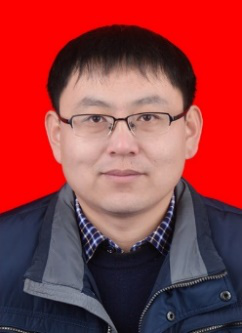 Qi Shi (石琪)合作论文数College of Chemistry and Chemical Engineering of Taiyuan University of Technology5




